
Also, Specialized Mobility Equipment should be reviewed through intended use, individual needs, exact configuration, evidence, trial, training, maintenance, and service. Specialized wording does not prove individual suitability, performance, or regulatory status. Review the exact model and intended use with appropriate qualified input. This guide replaces unsupported rankings, fixed specifications, and universal performance promises with a traceable decision process.
Then, ADA mobility-device guidance provides useful access-policy context. Current model evidence, qualified individual input where needed, destination-market requirements, and local procedures still control the decision.
What Does Specialized Mobility Equipment Mean?
However, The phrase describes a selection problem, not a guaranteed result. Define the exact product, configuration, intended user or service, environment, and support plan before comparing claims.
For example, Start with a precise brief. Review the relevant product range without mixing unrelated models or uses.
- Name the intended task.
- Record the exact configuration.
- Separate evidence from marketing.
| Definition item | Evidence |
|---|---|
| Product | Model and revision |
| Use | Written brief |
| Limit | Visible conditions |
Meanwhile, Key Takeaway: A defined term supports a fair review.
Who Should Be Included in the Decision?
Instead, Include the intended user, caregivers or operators where relevant, suitable professionals, operations staff, procurement, quality staff, and supplier support. Keep clinical and individual decisions with qualified people.
As a result, Assign each role. Use the supporting selection record to connect responsibilities.
- Record user or service needs.
- Name operating roles.
- Keep professional guidance separate.
| Role | Responsibility |
|---|---|
| User | Goals and feedback |
| Staff | Service delivery |
| Supplier | Product evidence |
Also, Key Takeaway: Clear roles reduce unsafe assumptions.
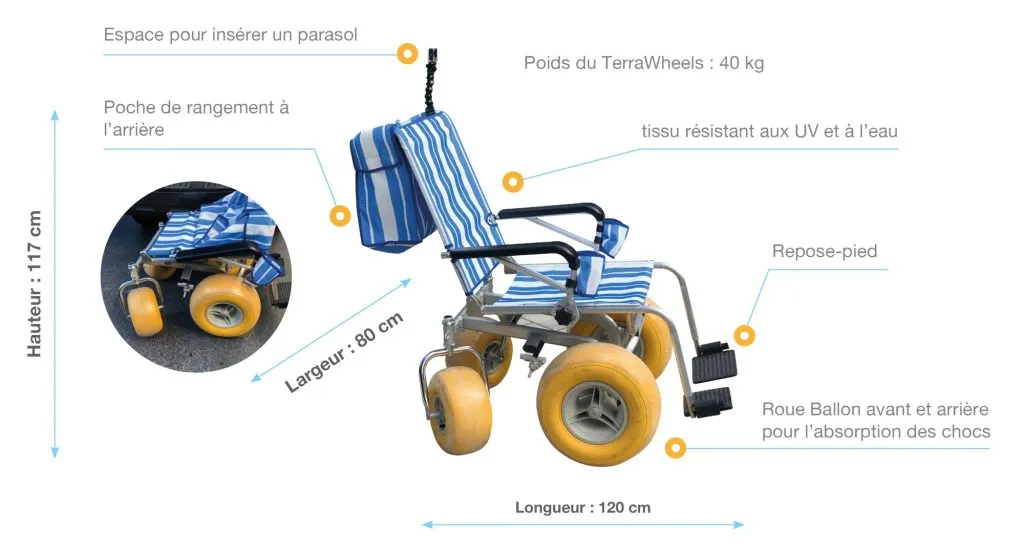
Which Use Conditions Matter?
Then, Map arrival, surfaces, slopes, turns, transitions, transfers, storage, charging where relevant, return, weather, and operating limits. Mark every condition that has not been tested.
However, Use the real environment. Compare options with the current application guide.
- Map condition changes.
- Record test conditions.
- Mark untested tasks.
| Condition | Record |
|---|---|
| Environment | Observed setup |
| Transition | Controlled review |
| Operation | Named decision |
For example, Key Takeaway: Conditions belong beside every claim.
What Product Evidence Should Be Requested?
Meanwhile, Request current specifications, manuals, labels, configuration, revision, test conditions, parts, service information, and market documents where applicable. Never copy figures from another model or an old article.
Instead, Ask for reproducible evidence. Keep the model evidence file tied to the exact configuration.
- Date every document.
- Match sample and order.
- Record missing evidence.
| Evidence | Pass condition |
|---|---|
| Specification | Current |
| Manual | Exact model |
| Claim | Method disclosed |
As a result, Key Takeaway: Product claims need a model and method.
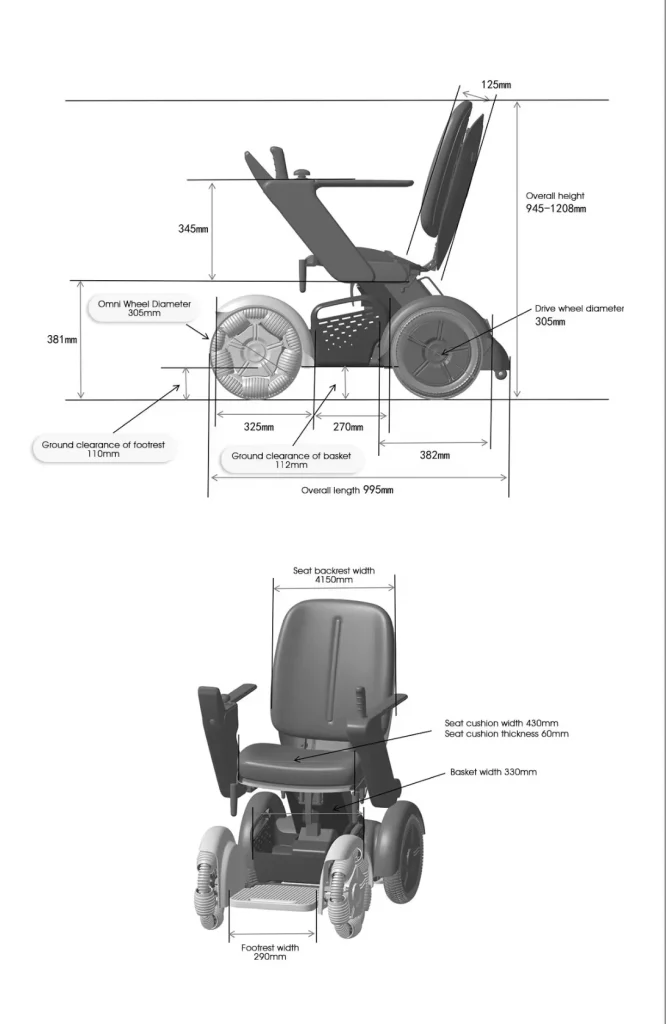
How Should Fit and Access Be Reviewed?
Also, Review supports, dimensions, controls, transfers, route clearance, staff access, storage, and individual needs as applicable. A generic description cannot establish personal or site suitability.
Then, Use the configured sample. Follow the fit and operating record.
- Record the approved setup.
- Check control or support access.
- Plan transfers or handoffs.
| Review area | Evidence |
|---|---|
| Support | Approved configuration |
| Control | Usable access |
| Route | Measured clearance |
However, Key Takeaway: Fit should follow the person and task.
How Should a Sample Trial Be Run?
For example, Use the same written sequence for relevant controls, routes, stops, turns, handling, folding, transfer or staff tasks, cleaning, and return. Record pass, concern, fail, and not tested.
Meanwhile, Keep the trial comparable. Prepare storage and return with the operations guide.
- Use one test sequence.
- Record conditions and observers.
- Stop when limits are unclear.
| Status | Meaning |
|---|---|
| Pass | Meets condition |
| Concern | Needs evidence |
| Not tested | No conclusion |
Instead, Key Takeaway: A repeatable trial exposes tradeoffs.
What Handling and Storage Work Is Required?
As a result, Review gripping, lifting, folding where applicable, vehicle or room fit, charging, cleaning, drying, protected storage, and staff time. Record removed parts and configuration changes.
Also, Test the full task. Use the handling and procurement file.
- Identify approved grip points.
- Measure storage space.
- Check after reassembly.
| Handling item | Check |
|---|---|
| Move | Suitable plan |
| Configure | Repeatable |
| Store | Protected |
Then, Key Takeaway: Handling evidence belongs in selection.
How Should Maintenance and Parts Be Planned?
However, Follow current instructions for inspection, cleaning, drying, adjustment, batteries where applicable, approved parts, repair, and return to service. Avoid universal intervals or lifespan promises.
For example, Build a model-specific care plan. Ask the supplier and service questions before ordering.
- Keep approved part identifiers.
- Track faults and downtime.
- Name repair ownership.
| Care area | Record |
|---|---|
| Inspection | Observed condition |
| Part | Approved identifier |
| Repair | Named process |
Meanwhile, Key Takeaway: Service planning protects availability.
What Supplier Evidence Should Be Scored?
Instead, Score legal identity, document quality, revision control, sample consistency, packaging, approved parts, warranty terms, service contacts, response ownership, and change notification.
As a result, Test evidence, not promises. Send one realistic technical question and retain the dated response.
- Request current files.
- Compare sample and order.
- Record response quality.
| Supplier area | Evidence |
|---|---|
| Documents | Current |
| Sample | Representative |
| Support | Named |
Also, Key Takeaway: Supplier evidence affects product value.
What Is the Best Decision File?
Then, Combine the use brief, user or staff needs, environment, product evidence, fit, trial, handling, care, supplier, quote, delivery, and review records. Preserve the original featured image.
However, Finish with traceability. Use dated records and disclose unresolved limits.
- Use one exact configuration.
- Date every source.
- Retain decisions and changes.
| File area | Pass condition |
|---|---|
| Use | Defined |
| Evidence | Current |
| Decision | Traceable |
For example, Key Takeaway: Choose specialized mobility equipment only when the complete evidence file passes.
Does the topic phrase guarantee suitability?
Meanwhile, No. The exact product, user or service, environment, configuration, and support conditions matter.
Should old numerical claims be reused?
Instead, No. Request current model-specific evidence and a disclosed method.
Is a sample trial useful?
As a result, Yes, when it follows the intended task and a repeatable written sequence.
Should supplier support be scored?
Also, Yes. Documents, parts, service, and response ownership affect the decision.
Will the main image change?
Then, No. The original featured image remains.