
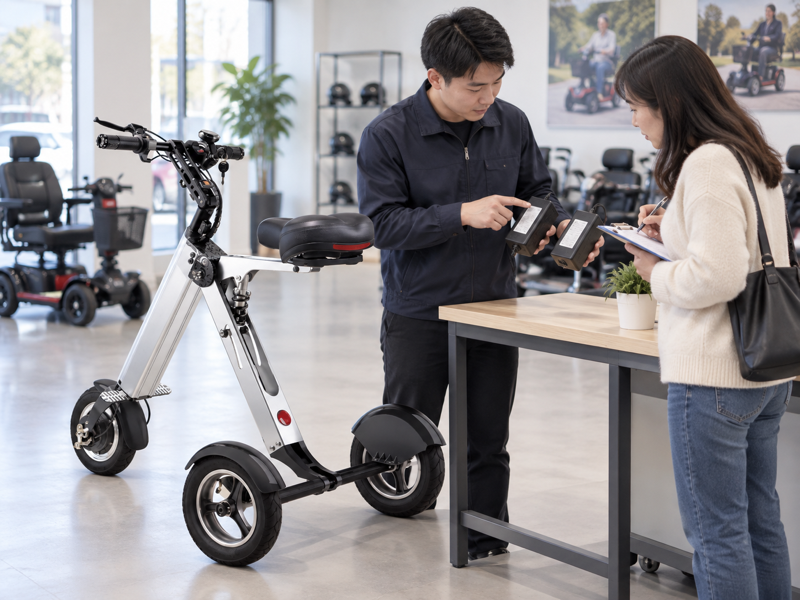
Choose a mobility scooter charger by confirming the approved charger for the exact scooter and battery, then checking the supply and use instructions. A customer brings a charger to the counter because its plug fits, but your team cannot trace its model number. Trying it first would turn a parts query into an avoidable risk. Build the order from the equipment records and the maker's written match.
Which mobility scooter charger should you choose?
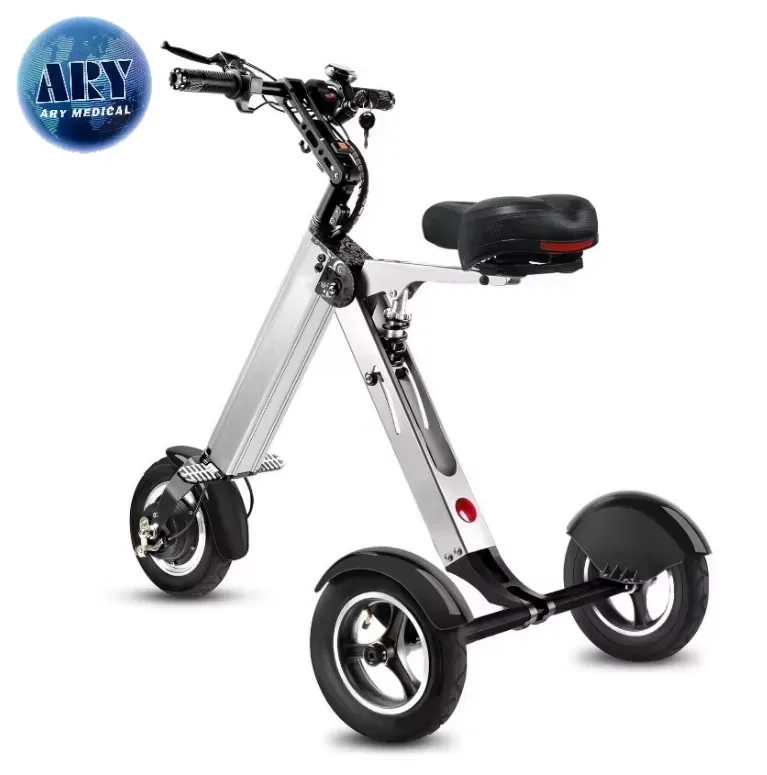
Choose the mobility scooter charger named or approved by the maker for the scooter's current battery setup. Record both product numbers before asking for a price. A familiar case or brand name is not enough to identify the right part.
What needs to match before you order?
Start with the model records. Ask the customer or service team for clear views of the scooter, battery and charger labels. Keep the three records together so the supplier can check the full setup.
- Identify the scooter model and relevant revision.
- Record the battery part number and type.
- Request the approved charger number in writing.
| Record | What it establishes |
|---|---|
| Scooter and battery IDs | The system that needs a charger |
| Approved charger ID | The part to quote and supply |
A missing label should stay visible as an open question. Key Takeaway: You can request the correct part without relying on a guess from its shape.
Why can a mobility scooter charger plug fit but still be wrong?
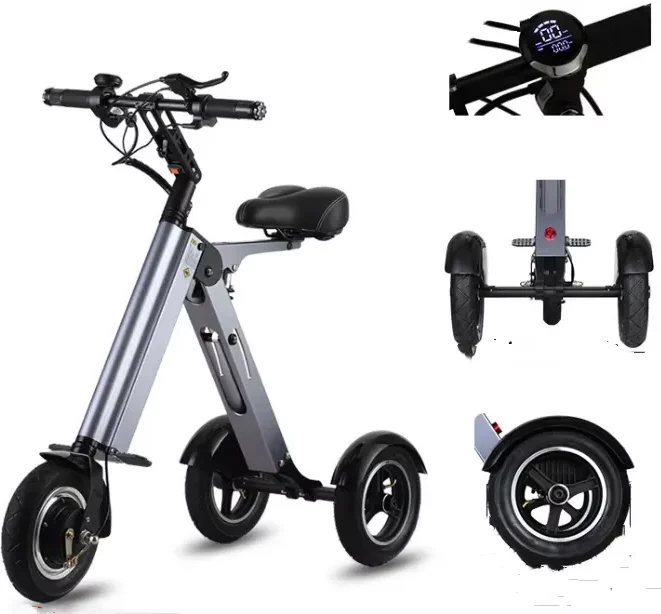
A mobility scooter charger plug may fit a socket even when the charger is not approved for that system. Check the full electrical match through the maker or a qualified service provider. A range of mobility equipment can contain devices with very different charging needs.
Should staff connect an unknown charger to test it?
Leave it unplugged for the check. Resolve the part identity before use. The FDA's medical-device charging advice warns against using charging accessories intended for a different device.
- Do not treat plug fit as proof of a match.
- Do not alter plugs or bypass safety features.
- Refer damaged or changed connectors to service staff.
| Observation | Next step |
|---|---|
| Plug looks right | Confirm the approved charger reference |
| Plug is damaged or altered | Hold the item for service advice |
Keep the hold decision with the enquiry record. Key Takeaway: A counter check will not become an improvised electrical trial.
What ratings belong in a mobility scooter charger enquiry?
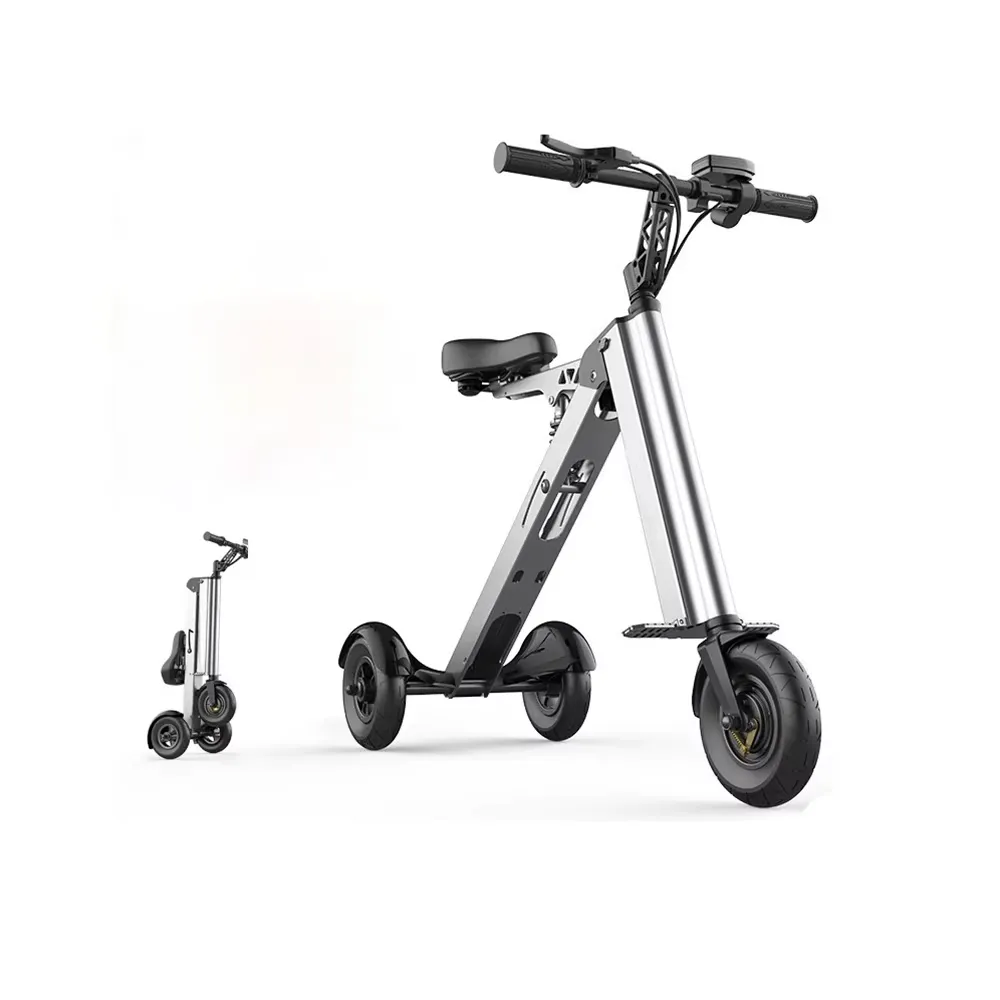
A mobility scooter charger enquiry should include the original input and output label details, battery type and approved part reference. Preserve the units as printed. Let the technical team decide whether the proposed part matches the system.
Can a photograph replace a typed specification?
Send both when a label is hard to read. A clear photograph lets the supplier review the original wording, while a typed note makes uncertain characters easy to flag. Never fill a blurred digit with your best guess.
- Capture the whole label in good light.
- Copy model numbers without dropping suffixes.
- Mark unreadable details for follow-up.
| Detail | Useful record |
|---|---|
| Input and output | Original label photo and exact units |
| Model suffix | Complete part number, including its ending |
The suffix may identify a different version, so keep it in the request. Key Takeaway: Your supplier receives evidence it can check against its own part list.
Can a mobility scooter charger be shared across products?
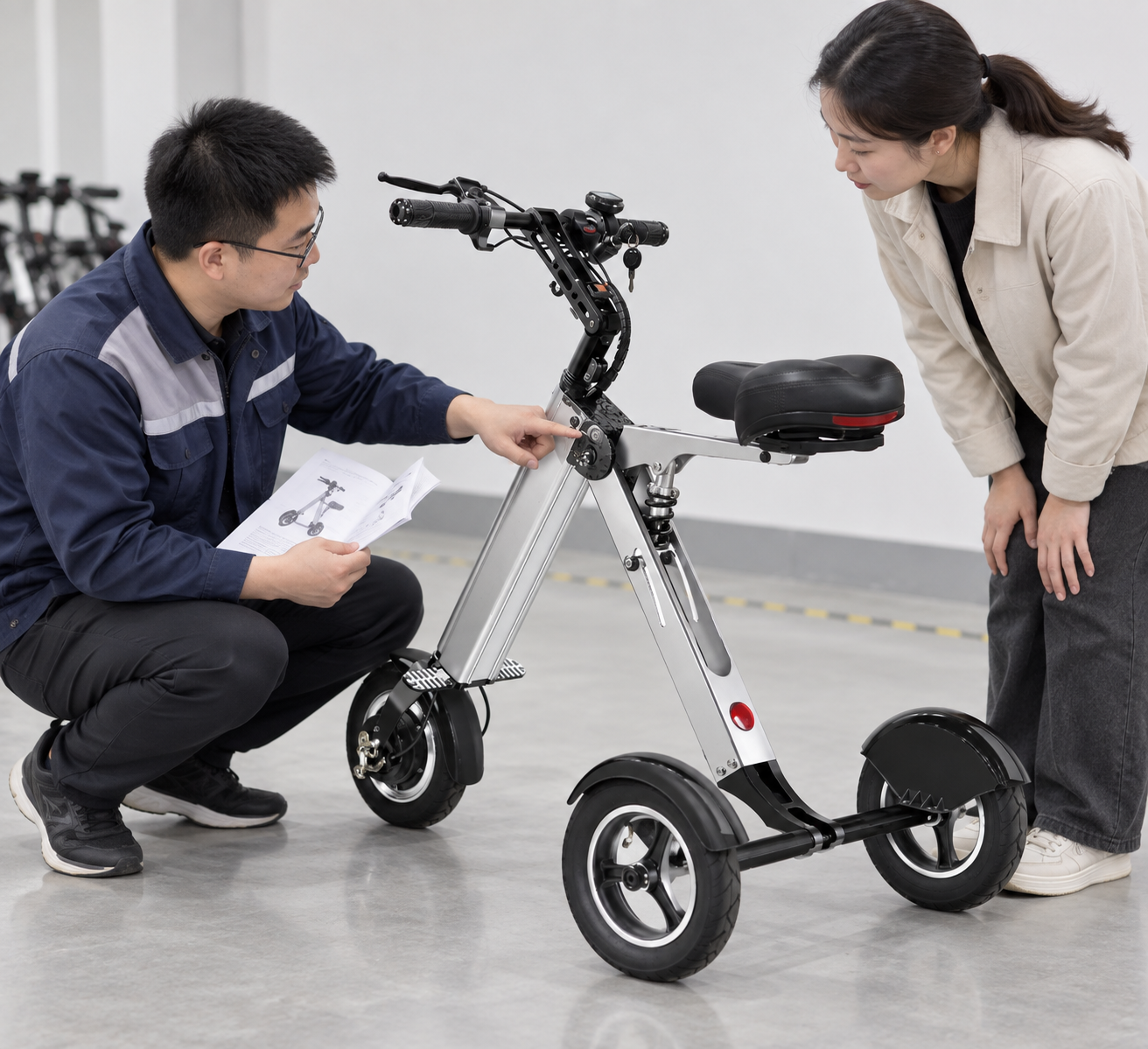
A mobility scooter charger should only be shared where the maker has confirmed the exact combinations. Do not infer a match from a similar battery size or a shared product category. Keep the charger for an electric wheelchair separately identified until its pairing is confirmed.
How should a dealer label a mixed charging area?
Label the approved pair. Use a clear inventory reference that links each charger to the devices it serves. Keep the maker's labels visible and retain the written match behind your local label.
- Give each charger a stock reference.
- List the approved device and battery combinations.
- Remove unknown chargers from the ready-to-use area.
| Local label | Supporting record |
|---|---|
| Charger stock ID | Original model number |
| Permitted device IDs | Written compatibility confirmation |
A local label is useful only when its source can be traced. Key Takeaway: Staff can avoid swapping chargers by appearance during a busy handover.
Will a mobility scooter charger suit the destination power supply?
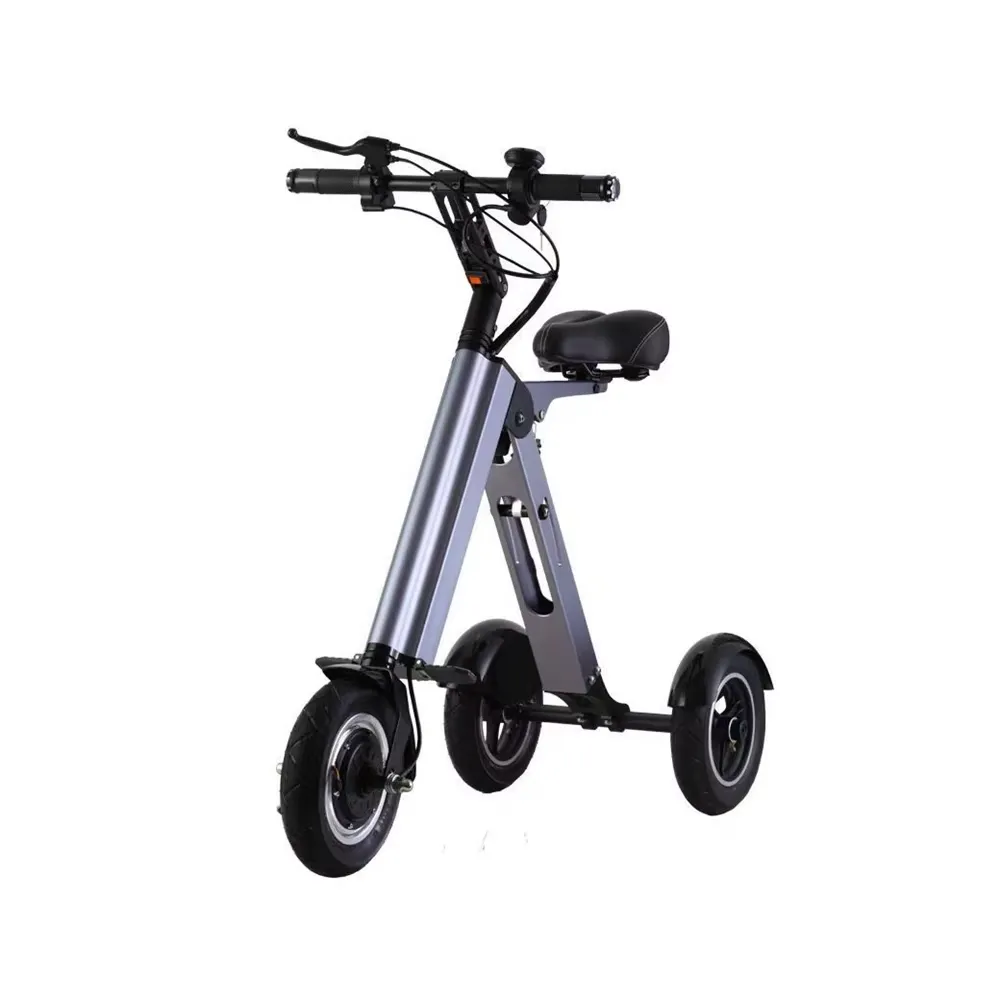
A mobility scooter charger must meet the maker's stated input requirements and suit the destination's approved mains connection. A plug adaptor alone does not answer the full question. Confirm the supplied version as part of the order.
What should an overseas buyer state in the brief?
Name the destination early. Send the supplier the intended market and power-supply requirements, then request the correct charger and lead combination. Have the responsible technical or compliance adviser resolve any local requirements.
- Specify the intended destination market.
- Confirm the charger input range and supplied lead.
- Request the applicable product records for that version.
| Order field | Supplier response |
|---|---|
| Destination | Correct supplied version for review |
| Charger and lead | Exact references and input details |
Keep this answer tied to the quoted unit rather than the catalogue as a whole. Key Takeaway: The receiving team can check the version it actually ordered.
Where should a mobility scooter charger be used?
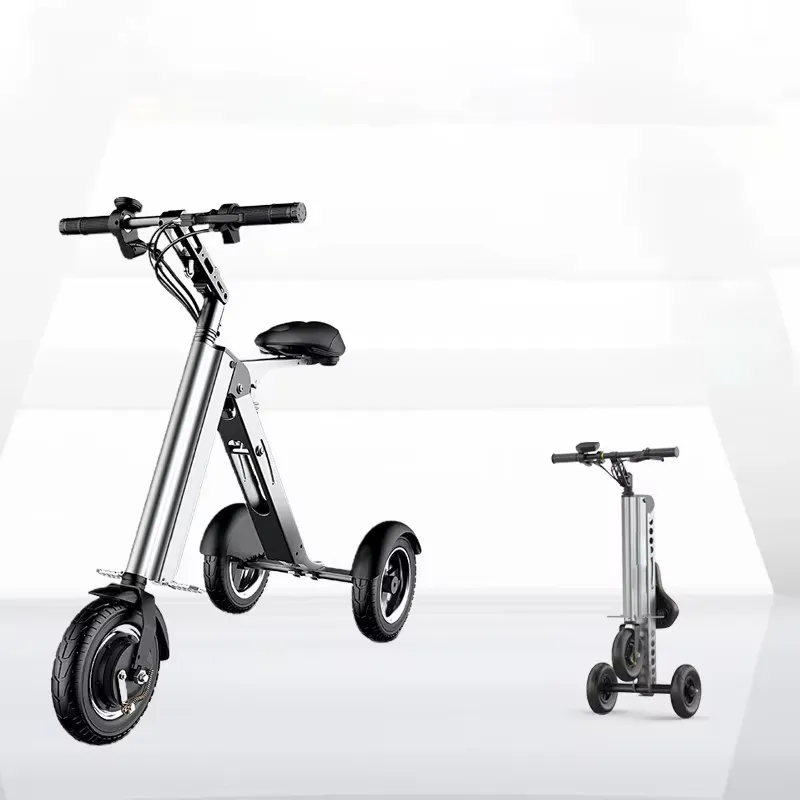
Use a mobility scooter charger only in the place and conditions allowed by its instructions. Check the surface, ventilation and cable route before setting up a dealer charging area. Ask the supplier team for the current care guide where the paperwork is incomplete.
What can you check without powering it on?
Walk through the setup first. You can inspect the intended area and read the guide before connecting equipment. Keep leads away from wheels, walkways and places where a door or folding joint could trap them.
- Check the specified indoor or environmental limits.
- Keep vents clear as the guide requires.
- Plan a cable route that avoids damage and trip hazards.
| Setup check | Question |
|---|---|
| Charger location | Does it meet the stated use conditions? |
| Lead route | Can movement or traffic damage the cable? |
Resolve poor placement before writing the area into a staff routine. Key Takeaway: The approved charger will also have a suitable place to operate.
How should a mobility scooter charger be checked for damage?

Check a mobility scooter charger for visible damage and follow the maker's response when a defect is found. Do not keep a suspect unit in use merely because its indicator still lights. Pass repairs and electrical checks to an appropriate service provider.
What should a receiving or handover check record?
Describe what you can see. Record cracked cases, damaged leads, loose parts or other visible concerns without claiming a diagnosis. A photo and the part number give the service team a more useful starting point than a vague note that it is faulty.
- Inspect the case, lead and connectors as instructed.
- Record the device and charger identifiers.
- Keep suspect items out of the ready-to-use stock.
| Record | Purpose |
|---|---|
| Visible condition | Shows the reported concern |
| Part and stock IDs | Traces the item sent for review |
Keep the observation separate from the service team's diagnosis. Key Takeaway: Your staff can raise a clear fault report without trying to repair the charger.
Does a mobility scooter charger light prove the battery is ready?
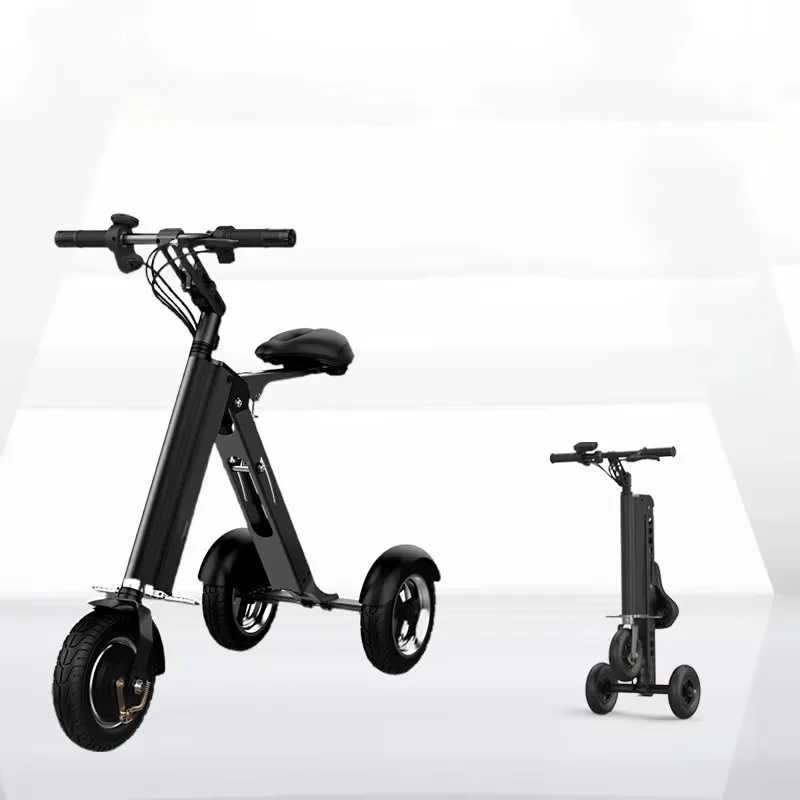
A mobility scooter charger light only tells you what the model's guide says that signal means. Colours and patterns can differ between chargers. Check the instructions before interpreting an unfamiliar light or declaring a battery ready.
What belongs on a staff reference card?
Use the exact indicator guide. A short local card can point staff to the correct model instructions and fault-report route. Avoid creating a universal colour chart for every charger in the showroom.
- Identify which charger the card covers.
- Use the stated meanings of lights or codes.
- Explain where staff should report an unfamiliar signal.
| Signal | Staff response |
|---|---|
| Normal indication | Follow the exact model guide |
| Unknown or fault indication | Stop guessing and seek the stated support |
Review the card whenever the supplied charger changes. Key Takeaway: A quick handover aid will stay linked to the right instructions.
How do you approve a mobility scooter charger delivery?
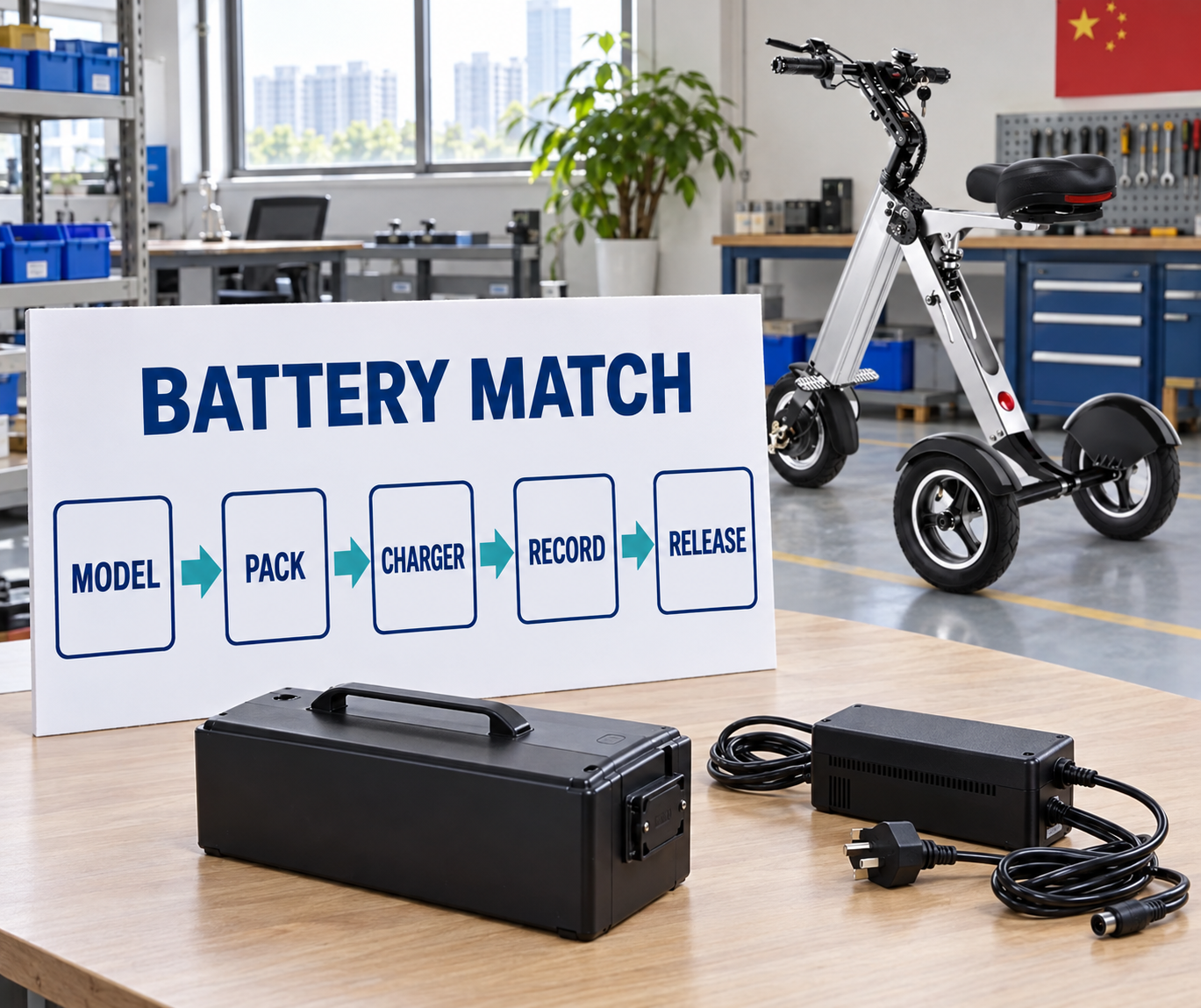
Approve a mobility scooter charger delivery once its label, supplied parts and instructions match the order. Check the charger against the intended battery and device record before release. Record a mismatch rather than accepting a similar-looking substitute.
Can purchasing and receiving use the same checklist?
Carry the part number through the order. Use the same approved references on the quote, purchase order and goods-in record. If the supplier proposes a change, ask for a new written match before your team accepts it.
- Compare the delivered label with the approved reference.
- Check the lead, guide and other agreed items.
- Hold unapproved changes for supplier clarification.
| Stage | Check |
|---|---|
| Purchase approval | Exact charger and device pairing |
| Goods received | Delivered identity and agreed contents |
The record should show where a change was approved, if one occurred. Key Takeaway: You can trace the charger from the quote to the customer handover.
How can you choose a mobility scooter charger with confidence?
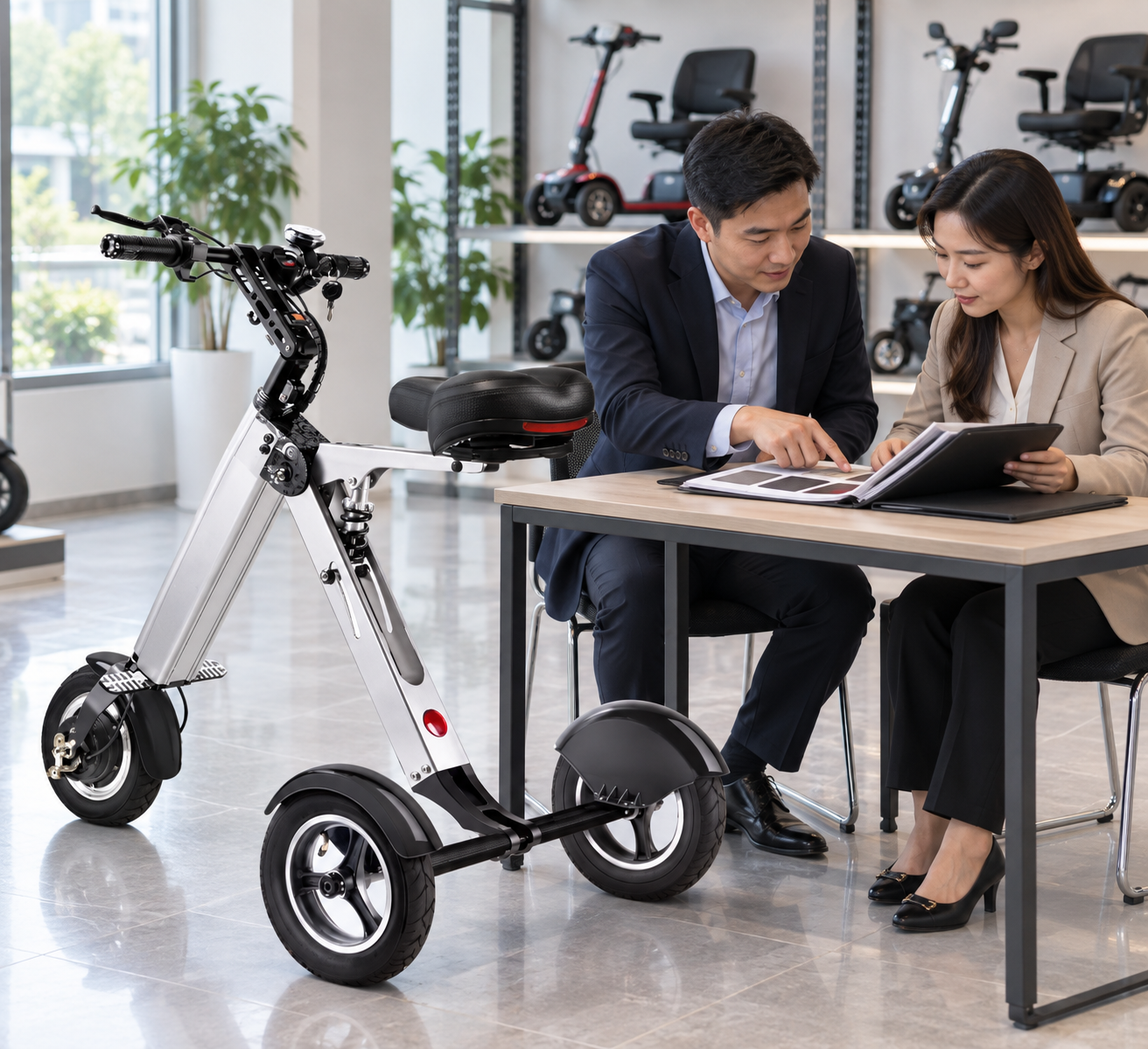
Choose a mobility scooter charger when the model match, power supply, use guide and support route are all clear. Keep the approved references with the order. That lets staff answer a later parts query without starting from another photograph of a plug.
Ready to request a clear charger proposal?
Send the complete pairing brief. Give Ary Medical the scooter, battery and charger details along with the destination market. Ask which current parts and instructions cover that exact setup.
- Include readable label photographs and part numbers.
- State the destination and intended use setting.
- List any unresolved lead, indicator or support questions.
| Your brief | Answer to request |
|---|---|
| Equipment records | Approved charger pairing |
| Use and destination | Correct version, instructions and support |
Use the reply to settle the open pairing and supply questions. Key Takeaway: To review the charger information for your order, contact us. Ary Medical supports purchasing decisions based on clear model records.
Frequently asked questions
Q1: Can I use a charger if the plug fits?
No. Confirm the full approved pairing for the scooter and battery before connecting it.
Q2: What's the best way to order a replacement charger?
Start with the exact model records. Provide the scooter, battery and charger labels and request a written match.
Q3: Can I share one charger across different scooters?
Only with explicit approval for those combinations. Label each approved pairing so staff do not swap units by appearance.
Q4: How do I know what a flashing light means?
Read the guide for that charger. Indicator colours and patterns are not a universal fault code.
Q5: Can I accept another charger when my usual model is unavailable?
Only after the proposed substitute is approved for the exact setup. Record the change and supply its current instructions.