

Make access planning easier by reviewing the electric wheelchair armrest with the user's support needs, transfer plan and control position. In the supplied chair images, one arm support also carries the joystick, so a change can affect more than entry space. Treating the arm as a simple trim part can miss that connection. Confirm the permitted model options and record the complete agreed setup before ordering or adjusting an assembly.
What should an electric wheelchair armrest review include?
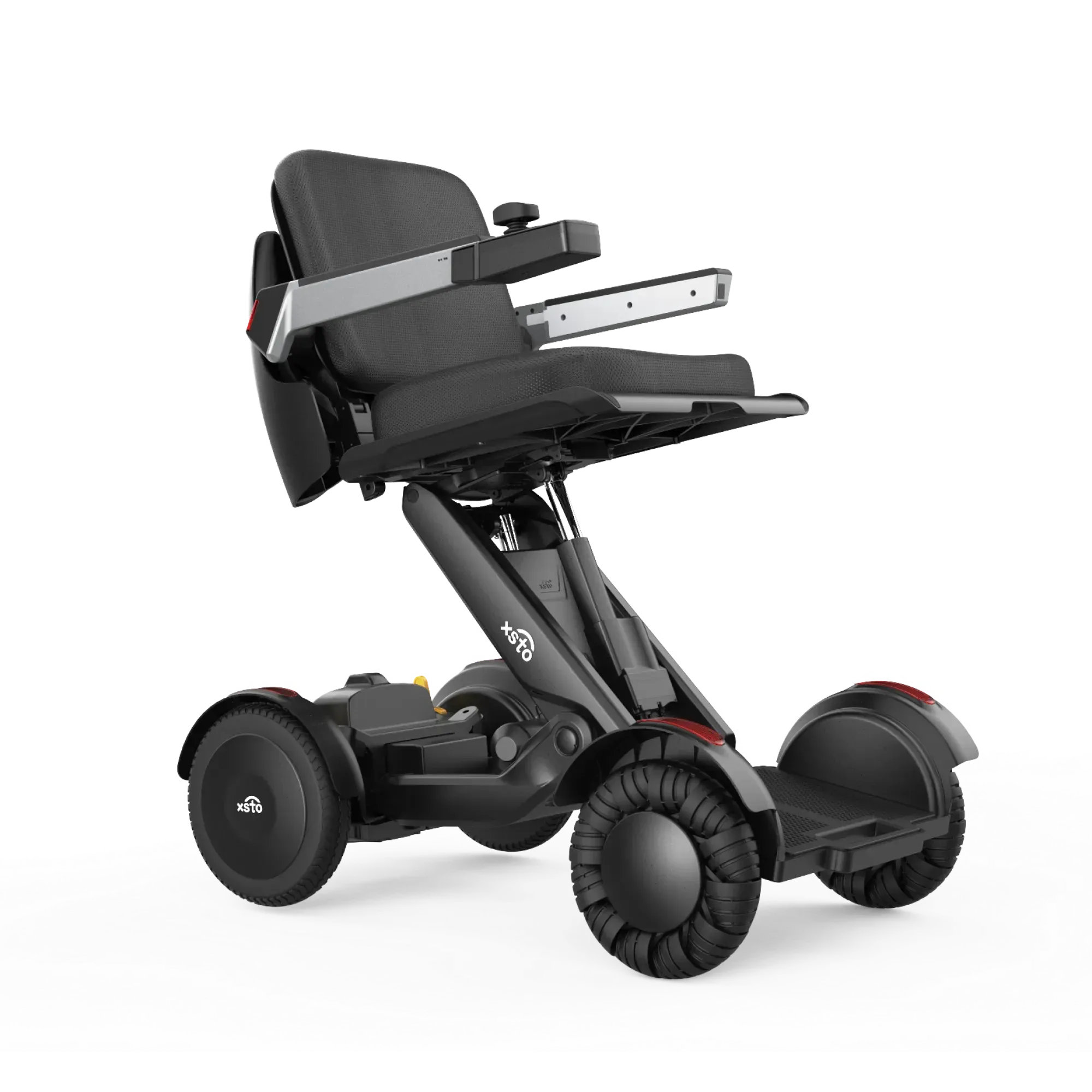
An electric wheelchair armrest review should include support, access, control reach and the part's permitted use. Look at the complete chair setup rather than the arm support in isolation. The supplied product view makes the controller connection visible on one side.
Which roles does the arm assembly serve?
Identify the functions before comparing options. Ask which surfaces provide support, which parts may move and which components carry controls. Record those roles with the exact model information instead of assuming every armrest works alike.
- Identify the support and access roles of the assembly.
- Check any integrated control or accessory mount.
- Request the permitted uses and adjustment information.
| Assembly role | Review question |
|---|---|
| Support and access | How is the part intended to be used? |
| Control mounting | What else is affected when its position changes? |
Use that function list to guide the fit and parts enquiry. Key Takeaway: A change to the arm support will not be treated as a cosmetic swap.
Which electric wheelchair armrest fits the chair model?
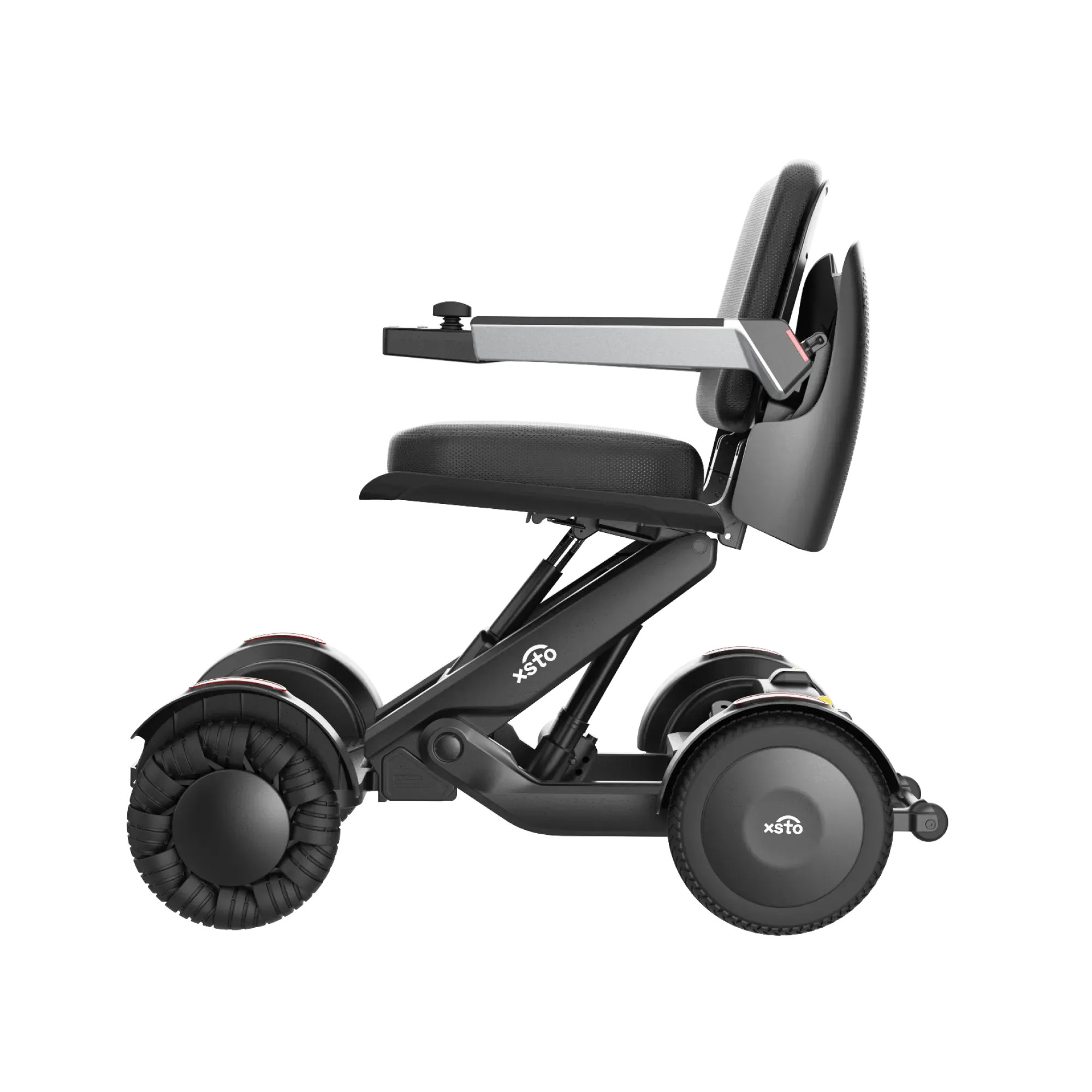
An electric wheelchair armrest must match the exact chair and relevant assembly through the approved parts record. Similar shapes or fixing points do not establish that match. Check the complete product details before ordering a replacement or option.
What should the supplier confirm on the quote?
Name the side and the whole item. Identify whether the request concerns an arm support, cover, mount or complete assembly with other components. Keep the chair model and relevant revision beside the requested part.
- Record the chair and assembly references.
- State the side and intended repair or option.
- Clarify included fittings and the approved service process.
| Quote field | Clarification |
|---|---|
| Part scope | Which components are included? |
| Model and side | Which exact application is approved? |
Match the item description to the work your team needs to complete. Key Takeaway: The receiving team can identify whether the right assembly arrived.
Who should assess an electric wheelchair armrest position?

The user and appropriately trained personnel should review an electric wheelchair armrest position within the whole seating setup. A dealer can gather the product options and arrange the relevant fit review. Do not prescribe one position from a photograph alone.
What needs to stay connected to the seating plan?
Keep the individual needs in the brief. WHO's wheelchair provision guidance treats fitting as part of an individual service process. Record support and control-access needs with the agreed chair and cushion setup.
- Identify the user's assessed support needs.
- Use the permitted model adjustments.
- Retain the reviewed settings for later handover or service.
| Fit record | Purpose |
|---|---|
| Individual needs | Defines the support and access requirements |
| Approved setup | Shows which product positions were reviewed |
Review affected fit points after an approved change. Key Takeaway: The arm position can remain tied to the person and the complete chair.
Can an electric wheelchair armrest move for transfers?
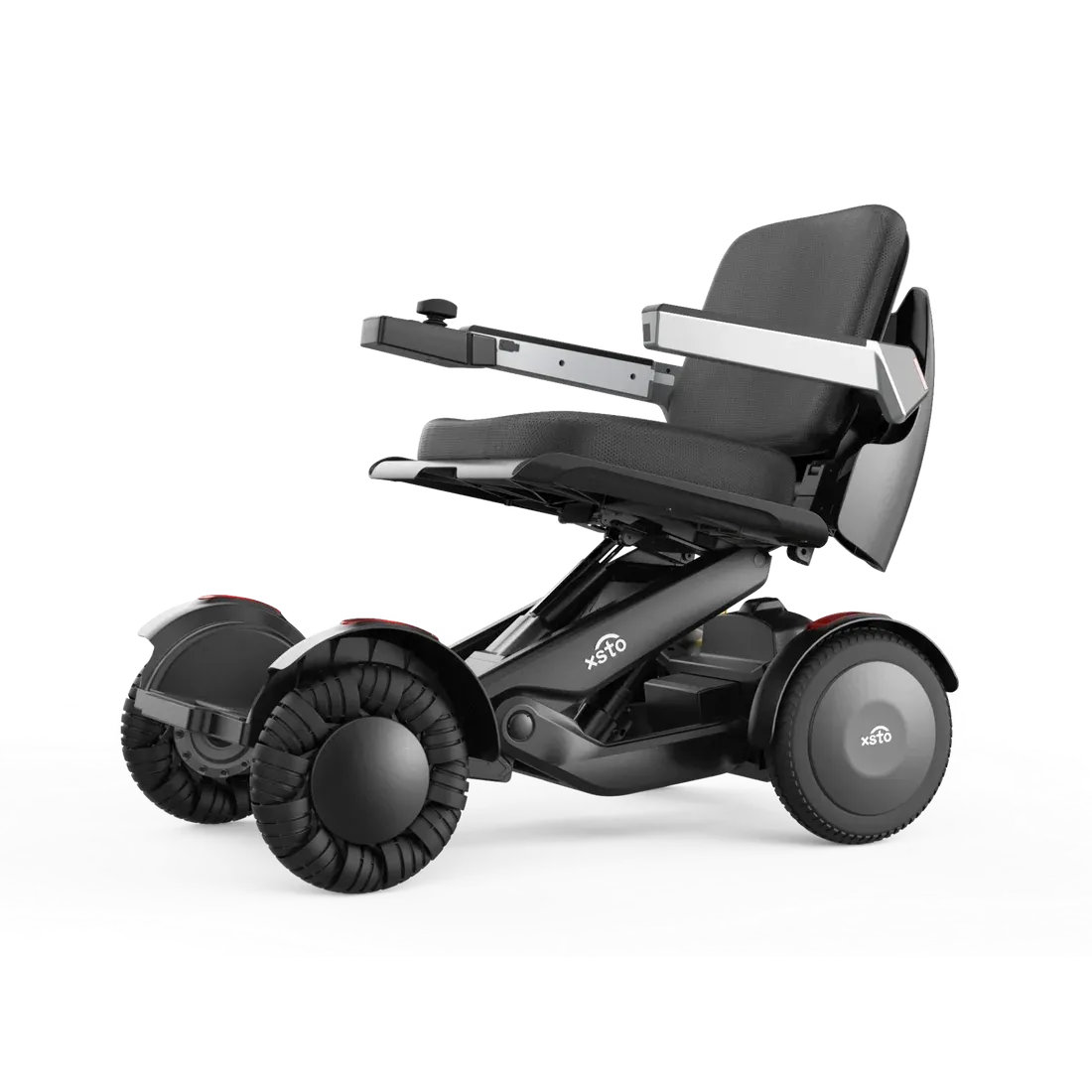
An electric wheelchair armrest may move for transfers only where the exact design permits it and the movement fits the assessed transfer plan. Confirm how the part returns to its required position. Related transfer devices need their own appropriate review.
What should the empty-chair demonstration establish?
Show the permitted movement and return check. Have trained staff use the model guide to explain the mechanism before any individual trial. A movable support should not be given a role or load that its instructions do not allow.
- Identify permitted positions and movements.
- Keep the personal transfer method with the responsible assessor.
- Record refitting or locking checks required before use.
| Question | Relevant basis |
|---|---|
| How may the part move? | Exact model instructions |
| How will the person transfer? | Appropriate individual transfer review |
Keep both parts of the plan clear during handover. Key Takeaway: The buyer can distinguish a product feature from an approved personal transfer routine.
How does an electric wheelchair armrest affect joystick reach?
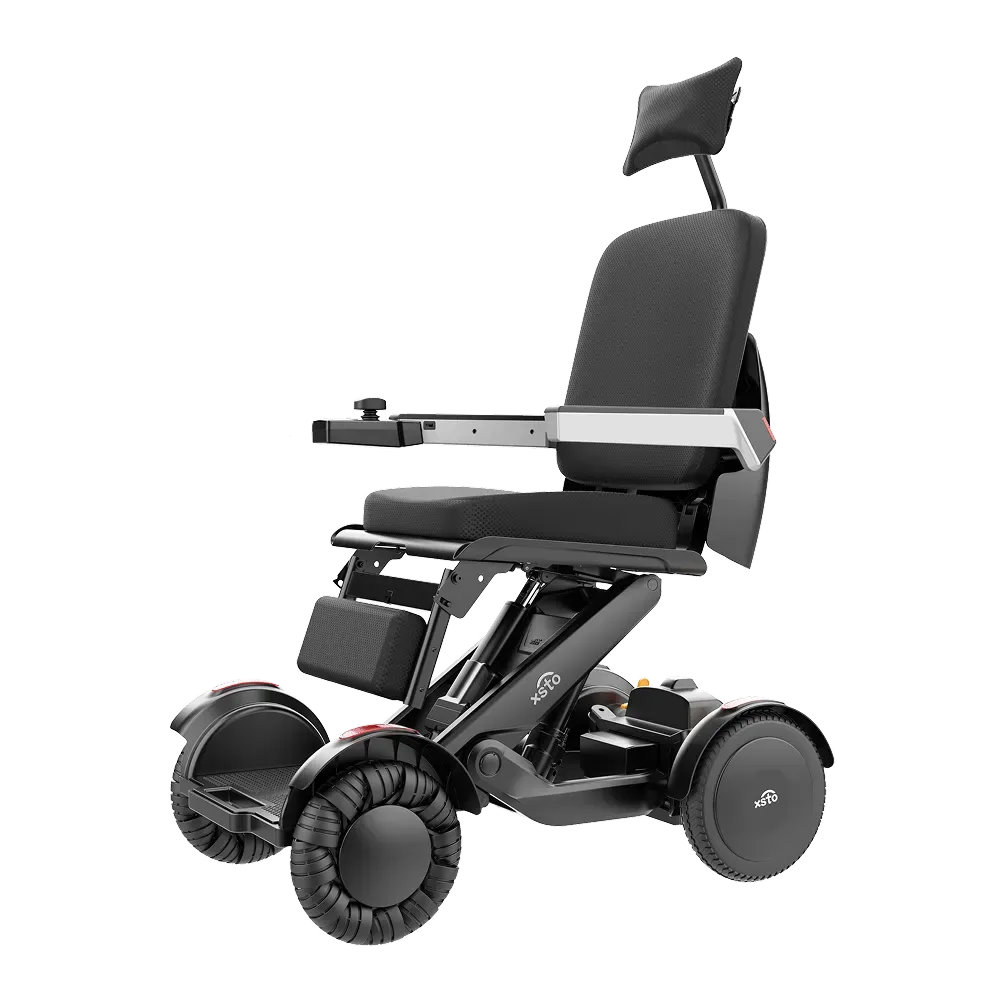
An electric wheelchair armrest can affect joystick reach when the control is mounted on that assembly. The pictured chair carries the controller at the end of one arm support. Review the control relationship whenever a relevant approved position or part changes.
Which checks should follow a permitted adjustment?
Review support and control access together. Use the agreed seating setup and the responsible fit or service guidance. Do not assume that easier entry also leaves the controller in the correct position for normal operation.
- Identify the control-bearing side and assembly.
- Confirm the permitted movement and mounting options.
- Record the final support and controller positions reviewed.
| Change | Review point |
|---|---|
| Arm-support position | Effect on the agreed support arrangement |
| Control-bearing assembly | Effect on reach and normal operation |
Keep the final positions together in the setup record. Key Takeaway: Access changes will not silently replace the reviewed control arrangement.
What loads may an electric wheelchair armrest support?
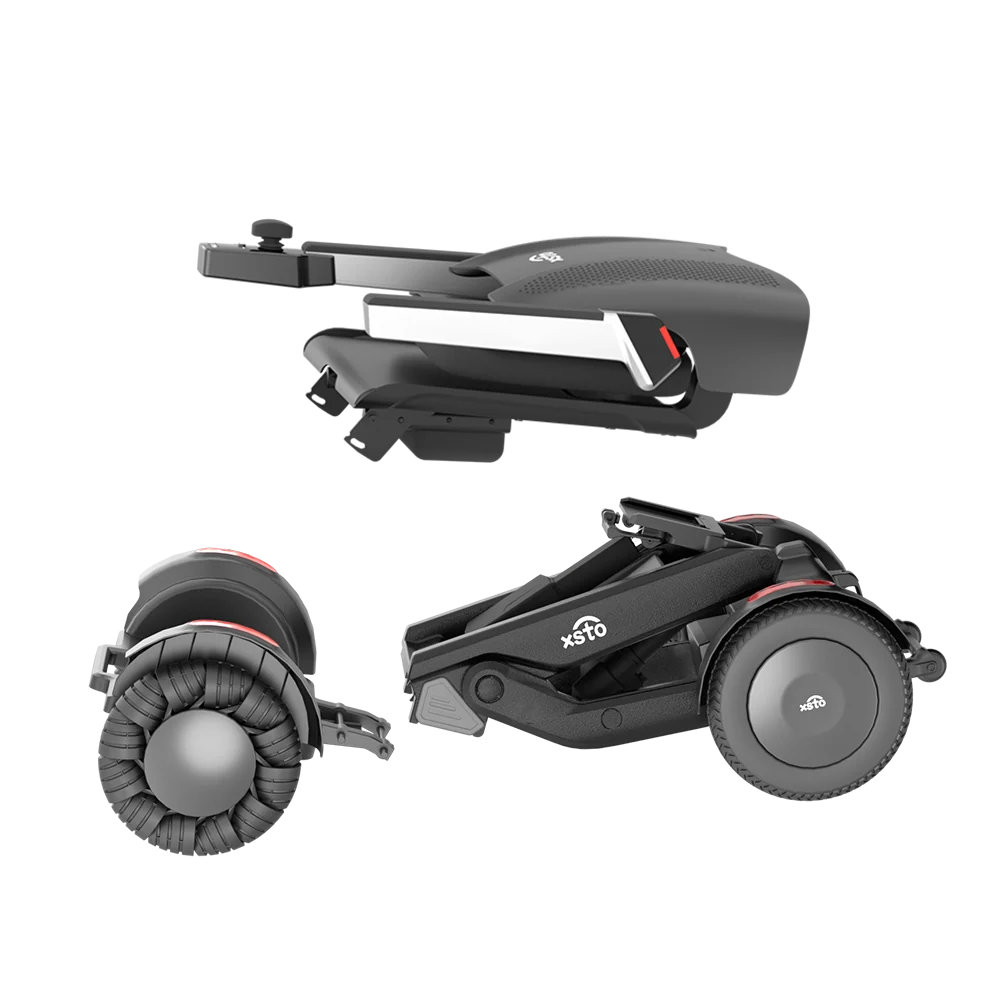
An electric wheelchair armrest may support only the uses and loads specified for the exact product and relevant assessed task. Forearm support does not automatically make the part a lifting handle or body-weight transfer aid. Ask the supplier team to clarify any unclear use.
Can the dealer demonstrate a use that looks convenient?
Check the intended role before applying force. Keep the handling method tied to the maker's guidance and the person's transfer plan. Do not infer load capacity from the thickness of a bracket or the appearance of a metal surface.
- Request the stated intended uses and limits.
- Use the approved handling points for the chair.
- Refer uncertain transfer or support needs for the proper review.
| Proposed use | Required confirmation |
|---|---|
| Supporting an arm | Relevant fit and intended-use information |
| Lifting or transfer support | Explicit product permission and appropriate personal plan |
A strong-looking component is not a documented load rating. Key Takeaway: Your demonstration will stay within the part's established role.
How should an electric wheelchair armrest be protected in storage?
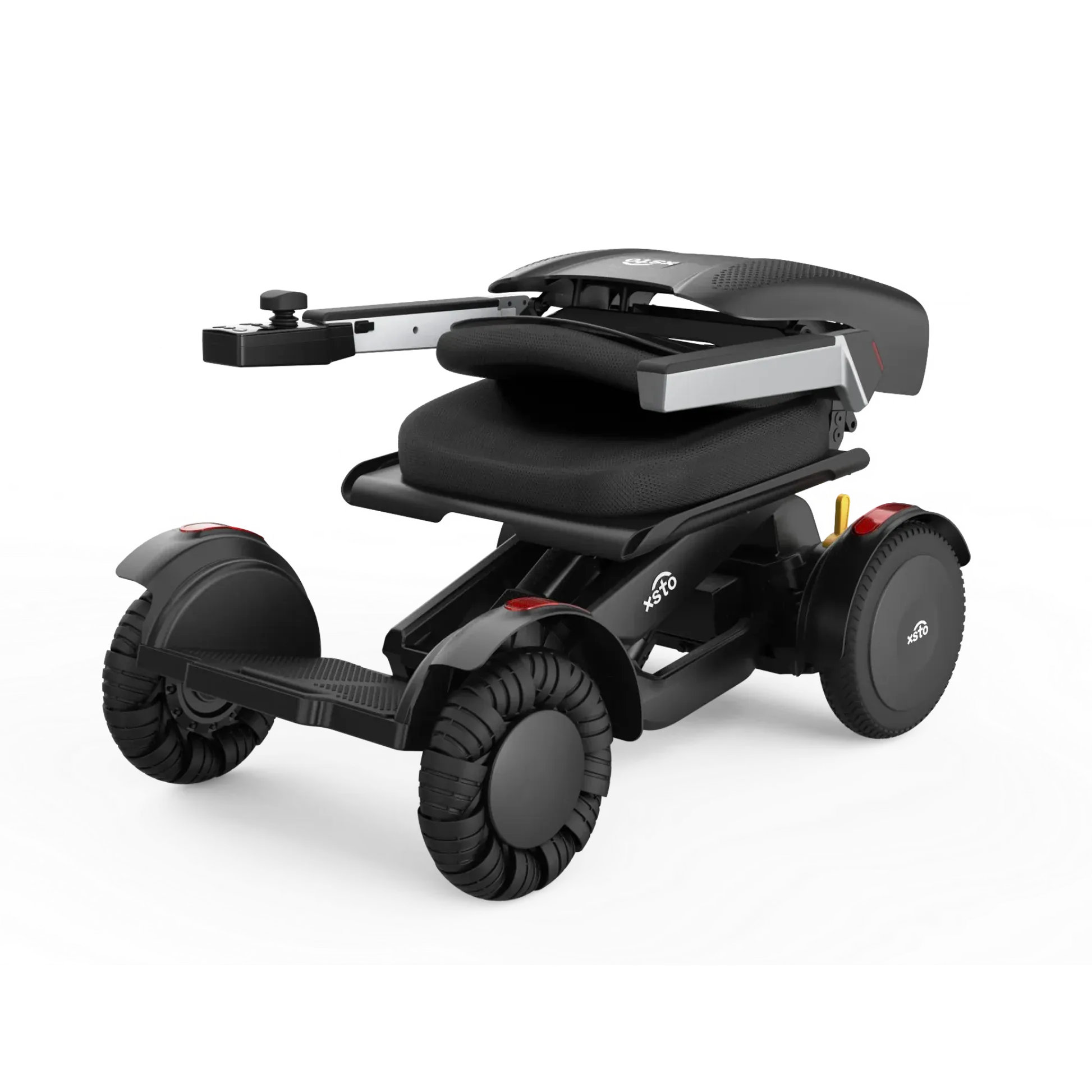
Protect an electric wheelchair armrest during storage using the chair's approved folding and handling method. Include any attached controller or accessory in the clearance check. The folded product view here shows why projecting parts need their own space.
What should the handler follow through the fold?
Track the whole assembly. Check the permitted sequence and where the arm, controller and leads end up. Restore the required positions and checks before the chair returns to use.
- Use the exact folding or removal instructions.
- Protect projecting controls and permitted cable routes.
- Record the required reopening and pre-use checks.
| Handling stage | Review point |
|---|---|
| Putting away | Assembly position and protection from contact |
| Returning to use | Correct setup and required checks |
A compact seat package may still leave a control or support projecting beyond it. Key Takeaway: The storage plan can account for the whole chair, not just its largest frame section.
What damage to an electric wheelchair armrest needs review?
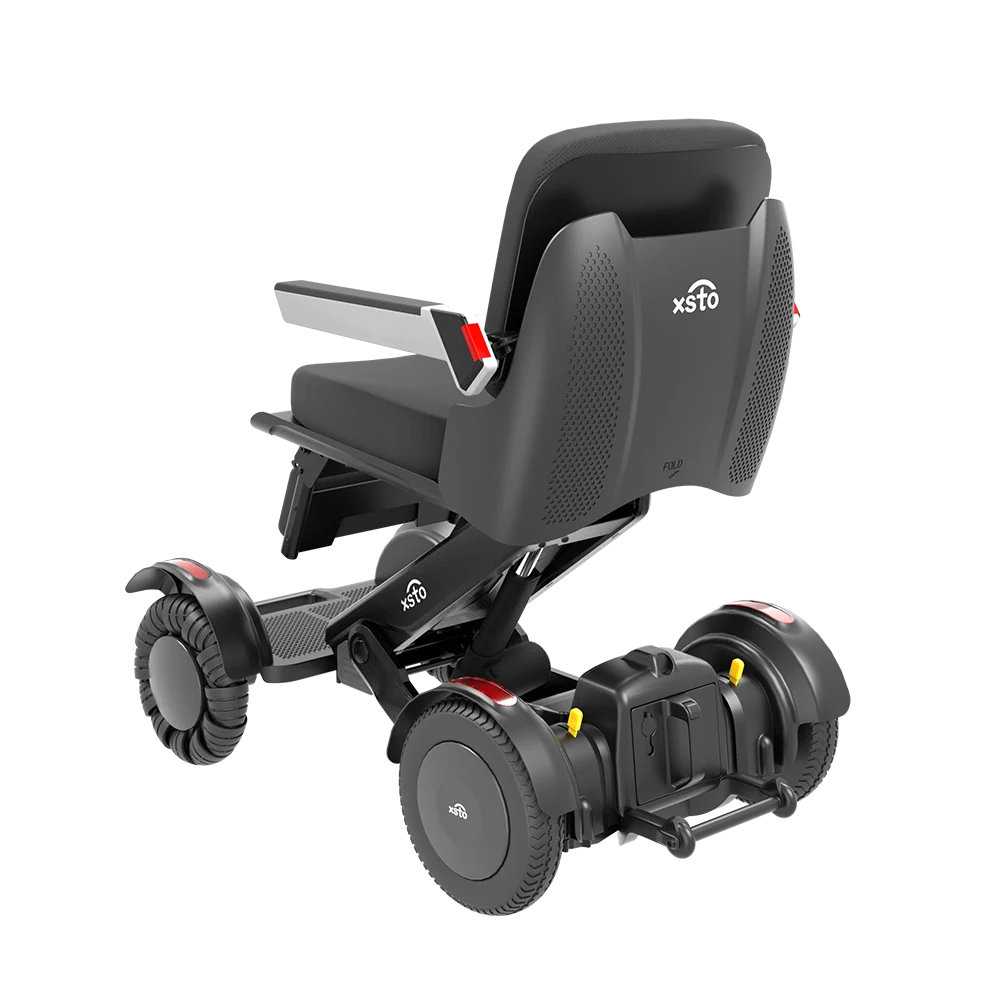
Damage, looseness or an unexpected change in an electric wheelchair armrest needs review through the applicable service guidance. Record the concern and follow any required stop-use response. Do not decide that a part is fit for use only because it still appears attached.
Which evidence should the dealer collect?
Show the concern in its product context. Provide the chair and part references with clear views of the affected area. Record recent handling or service history without asking the user to force the mechanism or recreate a suspect event.
- Identify the model, assembly and side involved.
- Describe the observed concern and relevant recent changes.
- Use the prescribed service and referral process.
| Report field | Use |
|---|---|
| Identity and position | Locates the correct assembly |
| Observation and history | Supports a focused technical review |
Keep the symptom separate from the technician's diagnosis. Key Takeaway: The service team can review the issue with fewer missing details.
How do you record an approved electric wheelchair armrest setup?

Record an approved electric wheelchair armrest setup with its part reference, side, permitted positions and related control arrangement. Keep the current fit and handling instructions with it. A later authorised change should be added to the same record.
Could a colleague restore the reviewed arrangement?
Make the current version easy to find. Use a clear part-and-settings record supported by relevant photographs where useful. Keep outdated instructions from being mistaken for the active handover guidance.
- Identify the current approved assembly and settings.
- Record any connected control or accessory arrangement.
- Retain changes and the responsible fit or service directions.
| Record | Practical value |
|---|---|
| Current parts and positions | Identifies the reviewed setup |
| Approved change history | Explains what was changed and why |
Use the record during later repairs or fit reviews. Key Takeaway: The next staff member can follow the agreement without relying on memory.
How can an electric wheelchair armrest make access planning clearer?

An electric wheelchair armrest makes access planning clearer when its support role, permitted movement and control relationship are understood together. Keep the exact product setup tied to the person's reviewed needs. Resolve unclear options before placing the order.
Ready to request the right arm-support option?
Send the access brief with the model details. Ary Medical can review product options when the chair, required support and control needs are stated. Ask for the approved assemblies and current handling and service information for that setup.
- Describe the required support and access needs.
- Identify the chair, side and any integrated control.
- Request approved options, part scope and current instructions.
| Your brief | Supplier information to request |
|---|---|
| Access and support needs | Relevant model options for review |
| Assembly and control details | Approved parts, positions and support guidance |
Use the response to close the remaining fit and assembly questions. Key Takeaway: For options tied to the actual chair, contact us. Ary Medical supports access plans that keep the whole approved setup in view.
Frequently asked questions
Q1: Can I assume every armrest can move out of the way?
No. Confirm the permitted movement and return checks for the exact model and assembly.
Q2: What's the best armrest position for easier access?
Use the position and method established through the appropriate fit and transfer review. Keep the product's permitted uses in that decision.
Q3: Can I lift the chair by an armrest?
Only if the maker expressly permits that handling use. Appearance alone does not establish a safe lifting point or load rating.
Q4: How do I know if moving the arm changes joystick reach?
Review the complete control-bearing assembly with the agreed seating setup. Record the resulting approved position before normal use.
Q5: Can a similar-looking armrest replace the original part?
Only with an approved match for the exact chair and side. Confirm the included fittings and relevant service process.