

Choose an electric walker seat by confirming the exact model's approved seated use, then checking the person's fit and controls with trained staff. A seat visible in a product photo may invite a quick purchase, but it cannot show whether this person can sit, rise or use the control safely. Ask for current instructions and a complete sample review before describing any seated mode.
What does an electric walker seat include here?
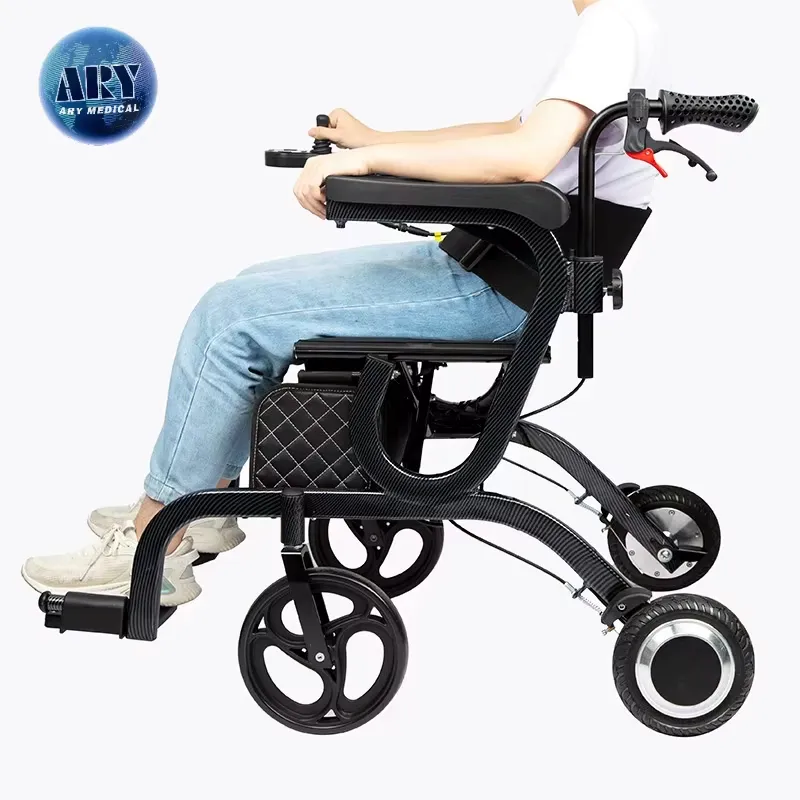
An electric walker seat is visible in this photographed black powered aid alongside arm support, controller, foot support and a multi-wheel frame. A seated adult appears in the gallery, but that image does not establish use limits for a buyer. Identify the complete model before drawing conclusions from the scene.
Which components affect seated use?
Review the whole setup, not just the cushion. Ask how seat, back support, controller, foot support and hand grips relate in the approved configuration. The product range has different mobility devices, so do not borrow another model's seating description.
- Identify the exact seat and support assembly.
- Confirm included control and foot-support parts.
- Request the maker's intended-use statement.
| Visible part | Question |
|---|---|
| Seat and supports | Which use is approved? |
| Controller | Who may operate it in this mode? |
An isolated seat photo cannot describe the whole device. Key Takeaway: Your team can request the right model information.
Which electric walker seat modes are approved?
Electric walker seat modes must come from the exact model's current instructions and configuration record. The product page and some media labels use different mode counts, so the number in a name should not settle a buying decision. Ask the maker to reconcile the labels.
What should be confirmed in writing?
Use one model identifier across the file. List which seated, walking or attendant tasks the maker permits and what components each requires. Do not infer powered drive, transfer use or passenger transport from a still image alone.
- Record model and revision.
- Name each permitted task and required parts.
- Keep unconfirmed modes out of sales promises.
| Claim | Evidence |
|---|---|
| Seated operation | Model instructions and configuration |
| Attendant role | Maker guidance and individual plan |
Clear mode definitions prevent an unsafe category mix-up. Key Takeaway: Purchasing can compare confirmed functions rather than labels.
Who should assess an electric walker seat fit?
An electric walker seat fit should be reviewed for the individual user by appropriately trained personnel. Seat position, arm support, foot placement and how the person sits and rises may all matter. Do not prescribe a universal setting from the photograph.
What should a fitting record connect?
Keep the person with the product data. WHO stresses trained assessment, fitting and follow-up for assistive products. Record what the user needs and what the approved model offers.
- Identify the person's assessed seated tasks.
- Use verified model dimensions and options.
- Keep fit outcomes with the current device record.
| Input | Owner |
|---|---|
| Personal needs | Appropriate assessor |
| Product configuration | Manufacturer or supplier |
A size number without a personal review can mislead. Key Takeaway: Your quote can support a proper fitting conversation.
How does an electric walker seat affect control reach?
An electric walker seat can change the user's relationship to the side-mounted controller and rear hand controls. The empty side view shows a control mount beside an arm support, but not any person's approved reach. Review the control position with the exact seated setup.
Which checks belong together?
Follow the user's hand across the layout. Ask who operates each control in the confirmed mode. Keep the individual's seating and reach review with the model's operating instructions; do not move mounts without an approved procedure.
- Identify each control-bearing assembly.
- Confirm permitted adjustment and operator.
- Record the reviewed control positions.
| Control area | Question |
|---|---|
| Side-mounted control | Is reach approved for this user? |
| Rear handles | What role is documented for them? |
A control that looks close in a photo may not be usable in the final fit. Key Takeaway: The whole control layout remains part of the seat decision.
What foot support belongs with an electric walker seat?
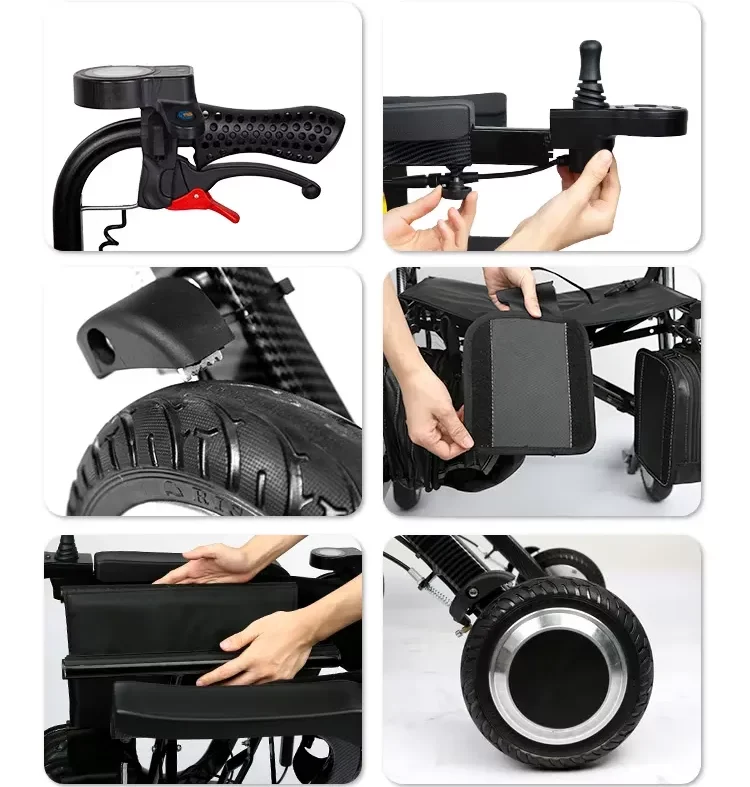
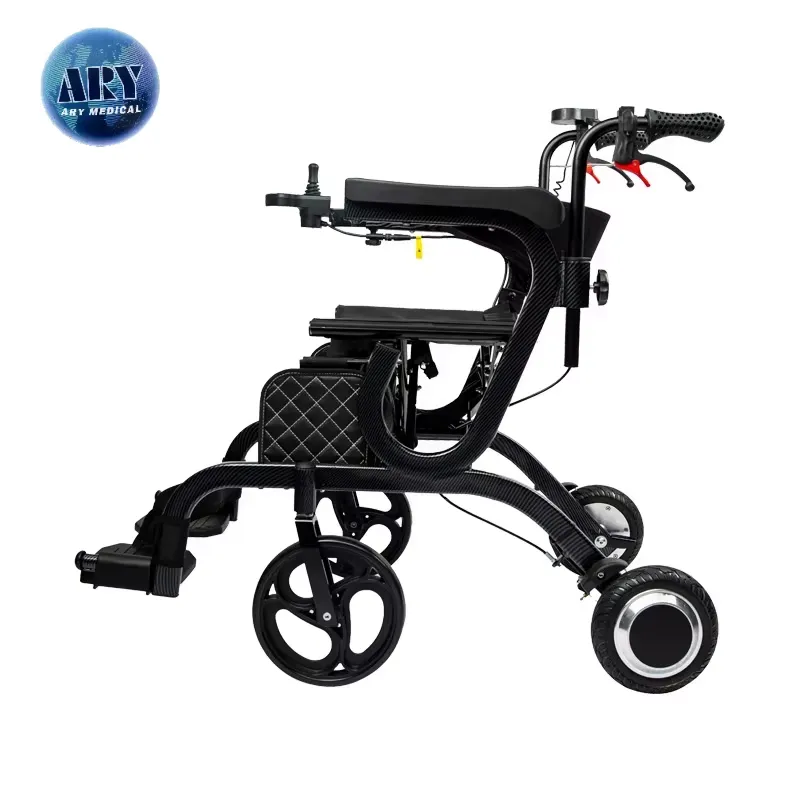
An electric walker seat setup needs foot support only as specified for the exact model and user plan. One side image shows a front support bar and the component collage shows related parts. Neither image proves an adjustable position or load rating.
What should be in the order?
Name the supporting parts explicitly. Ask for the approved foot-support assembly, any permitted positions and handling instructions. Refer placement and transfer needs for individual review rather than estimating from the product image.
- Confirm the included foot-support parts.
- Request any documented adjustment range.
- Keep the approved arrangement in the fit record.
| Product detail | Needed confirmation |
|---|---|
| Foot support | Intended use and permitted position |
| Seat and feet | Individual fit outcome |
A visible support does not by itself resolve a person's leg position. Key Takeaway: Buyers can request the complete seated configuration.
Does an electric walker seat change walking use?
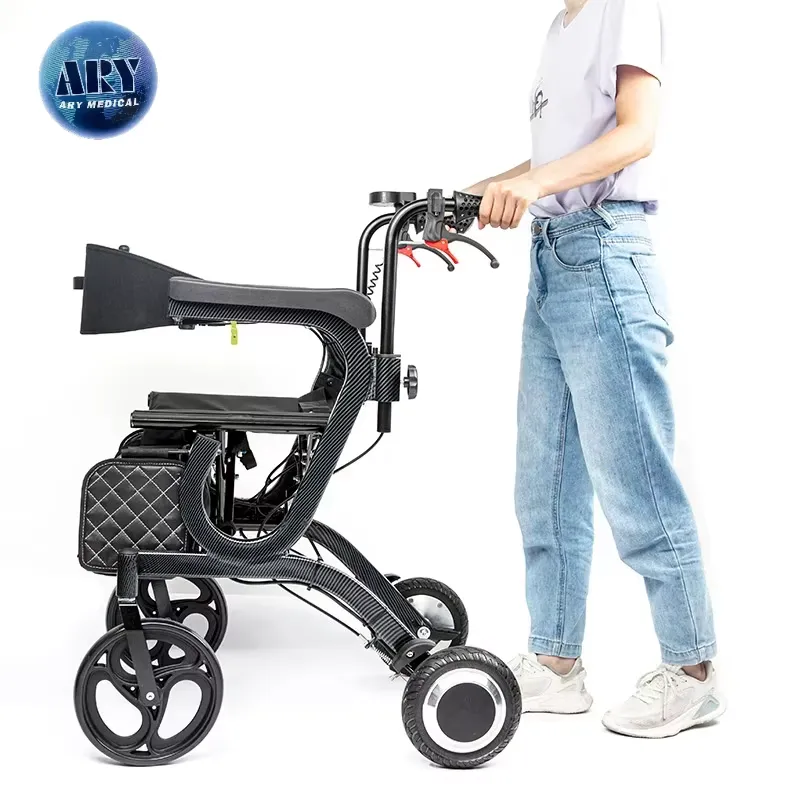
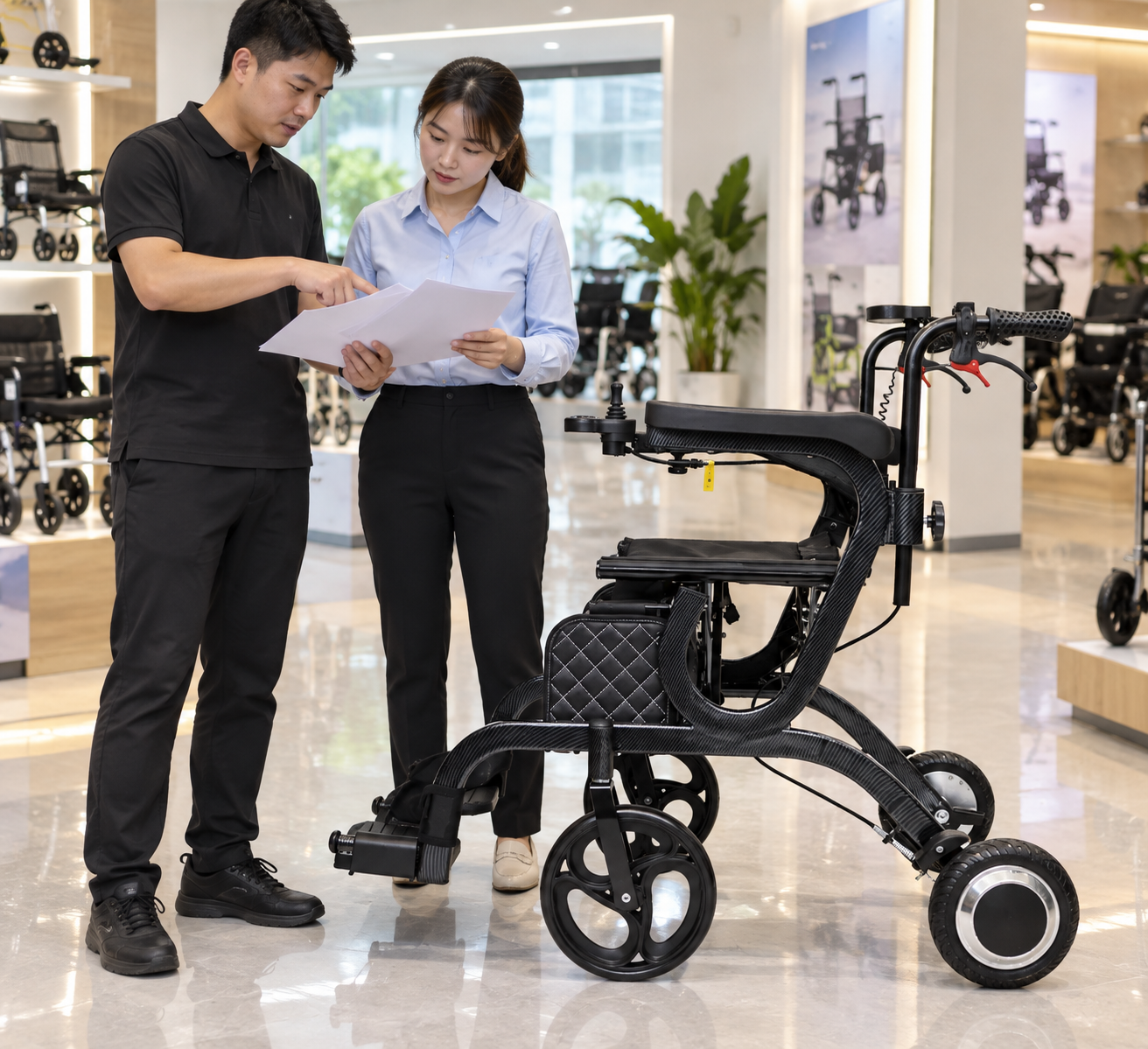
An electric walker seat does not replace the need to review the aid's walking task. The gallery also shows an adult behind the open device, which may involve different controls and body position. Ask for the approved sequence between documented tasks.
What should staff avoid assuming?
Keep each use mode separate. A manual shopping walker is a different product with its own brake and seat instructions. Do not transfer its fold, parking or seated-rest routine to this powered model.
- Name each approved use task.
- Review transition between tasks under the model guide.
- Keep user training matched to the selected mode.
| Task | Review |
|---|---|
| Walking | Handle and control arrangement |
| Seated use | Seat, support and operator arrangement |
One product photo cannot demonstrate every transition. Key Takeaway: Handover can teach the correct task at the correct time.
What role can an electric walker seat attendant have?

An electric walker seat may be shown with an attendant behind the aid, but the permitted attendant role must be confirmed for the exact model. A person holding a rear handle in a photo does not establish braking, propulsion or transport instructions. Keep the user's assessed plan beside the maker's guidance.
Which responsibilities need clarity?
Write the handover role down. Ask whether the attendant may guide, brake or operate any powered feature in an approved mode. The UK assistive-technology guidance stresses training and use within maker instructions.
- Identify the authorised operator for each control.
- Train the attendant on confirmed tasks.
- Record any task still awaiting approval.
| Role question | Answer source |
|---|---|
| Who controls movement? | Exact model instructions |
| Who assists this user? | Individual assessed plan |
An attendant photograph is a prompt for questions, not permission. Key Takeaway: Your team can prevent a role from being invented at delivery.
How is an electric walker seat restored after folding?
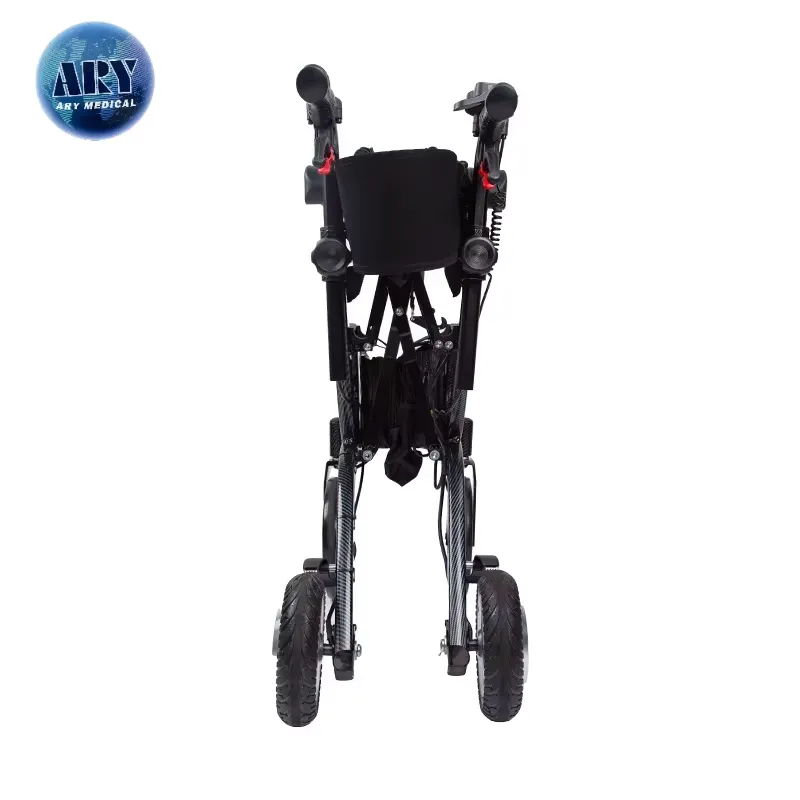
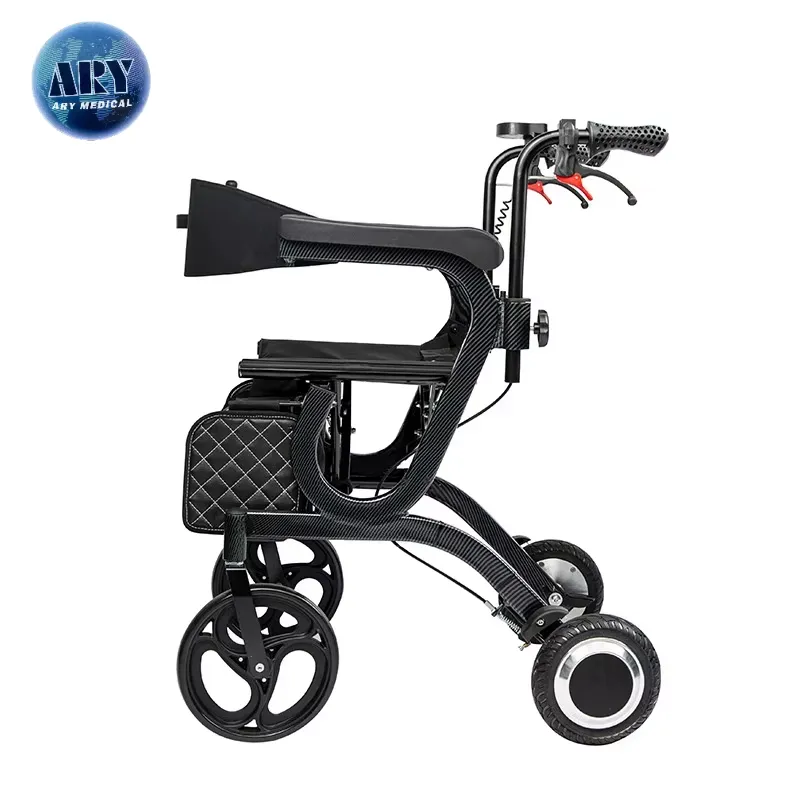
An electric walker seat should be checked in its fully restored use configuration after any approved fold or transport. The compact front photo shows a narrowed aid, but no safe seat setup. Follow the model guide for frame, supports, control and power checks.
What should a receiver verify?
Rebuild the complete arrangement. Confirm the seat, arm and foot supports are in their documented positions. Refer a damaged latch, cable or unexpected movement to trained service before the next user trial.
- Use the approved reopen sequence.
- Check relevant supports and controls.
- Restore the individual's reviewed settings.
| After transport | Check |
|---|---|
| Frame and supports | Approved open configuration |
| Control and power | Model pre-use procedure |
An open-looking frame may still be incomplete. Key Takeaway: The seated review begins only after restoration.
What electric walker seat records belong at handover?
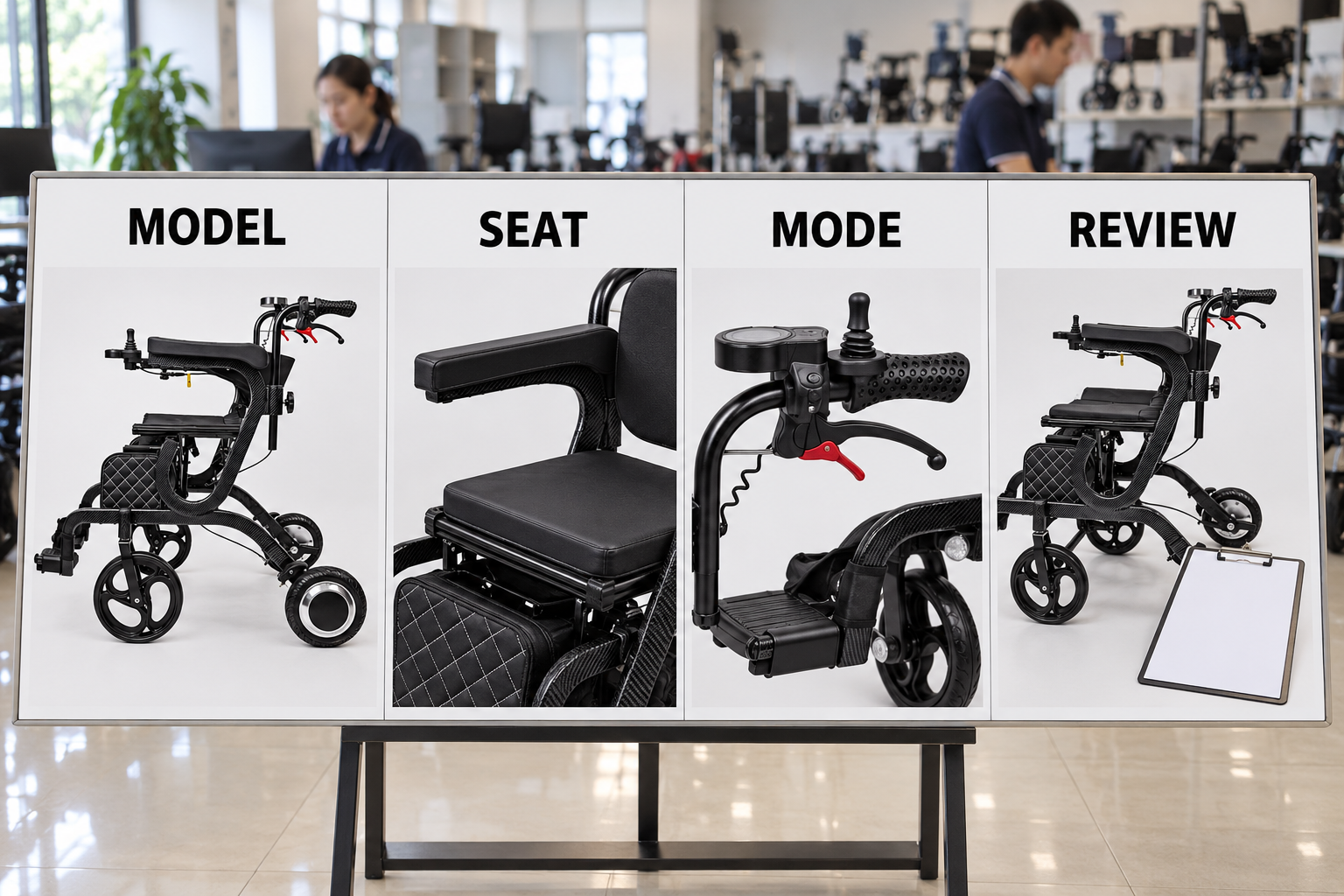
Electric walker seat records should include exact model identity, approved modes, seat and control configuration, individual fit and service route. Keep current instructions accessible to user and attendant. The chart above organizes a review, not a certification.
Could another colleague repeat the setup?
Make the current version easy to use. Ask the supplier team for parts references and current operating documents. Record changes so an older mode label does not replace the active configuration.
- Name model, revision and included supports.
- Store fit, training and mode decisions.
- Log service contacts and unresolved questions.
| Record | Purpose |
|---|---|
| Product and mode | Identifies approved use |
| Fit and service | Preserves person-specific setup |
A documented decision survives staff and product-photo changes. Key Takeaway: The next handler can follow the same approved arrangement.
How do you choose an electric walker seat?

Choose an electric walker seat by confirming the model's intended seated use and testing the complete configuration with the intended user. Review operator controls, supports, folding and attendant roles under current instructions. Do not infer safety from a seated gallery image.
What should the buying brief include?
Send the whole use case. Name the model candidate, user assessor, seated task and any walking or attendant task. Request verified dimensions, permitted modes and a sample demonstration.
- Confirm the approved seated configuration.
- Arrange an individual fit and control review.
- Keep model instructions with the final decision.
| Buyer input | Response to seek |
|---|---|
| Model and tasks | Permitted modes and component list |
| Person and staff | Fit and training path |
A seat choice is only sound when product and person are reviewed together. Key Takeaway: For model details and samples, contact us. Ary Medical supports seating decisions grounded in a real user and a confirmed device.
Frequently asked questions
Q1: Can I assume the seated photo proves this mode is approved?
No. Ask for current instructions naming the exact model and configuration.
Q2: What's the best seat position for every user?
There is no universal setting. Use an individual fit review and verified product dimensions.
Q3: Can an attendant operate this aid from the rear?
Only as the exact model permits and the user's plan approves. A photo cannot define the role.
Q4: How do I know if the control suits seated use?
Review its approved mount and reach with trained personnel in the complete seated setup.
Q5: Can I sit after unfolding without checks?
No. Follow the maker's reopening and pre-use procedure, then the person's approved plan.