

Choose cane seat rubber feet by matching each tip to the exact three-leg seat cane and reviewing wear before the aid returns to use. A black foot can look intact from above while a split edge or loose fit is hidden near the floor. Ask for approved replacement parts, trained service and a documented full-device check instead of relying on a photograph or a generic tip size.
What do cane seat rubber feet cover?
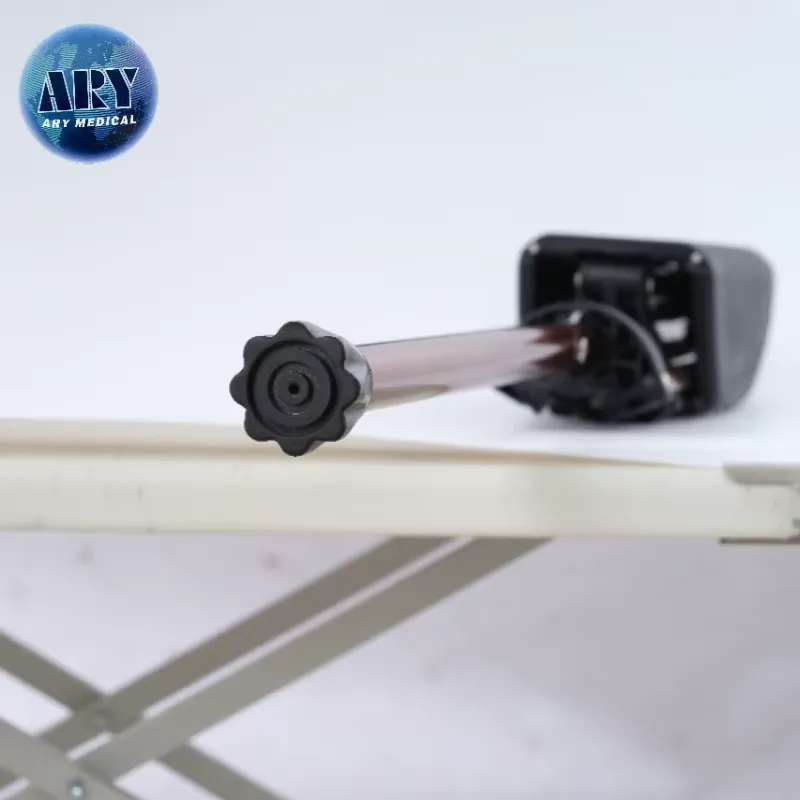
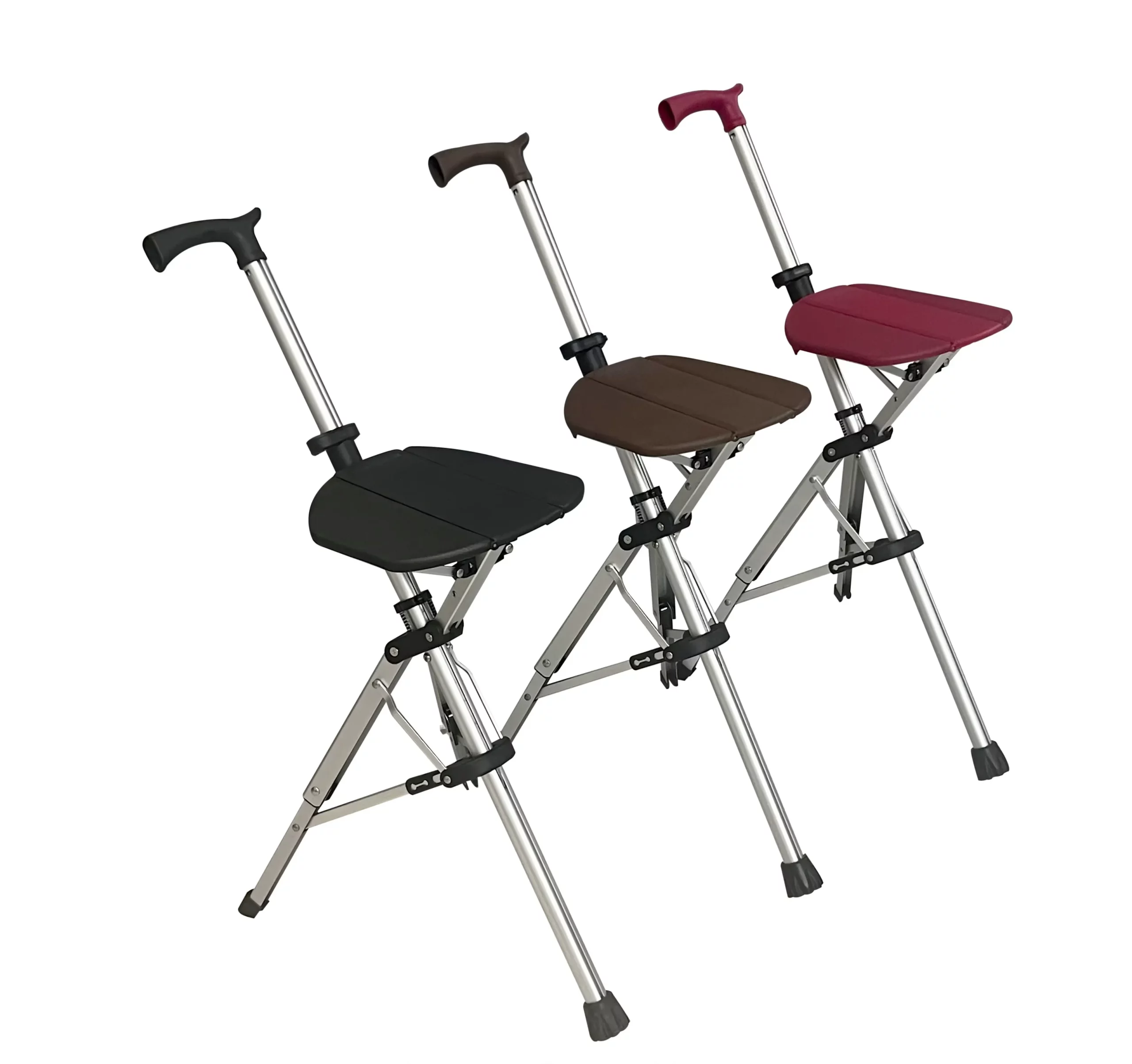
Cane seat rubber feet cover the floor-contact ends of the three-leg opened seat cane shown here. The close-up shows a black tip on a silver shaft, but cannot prove its material, grip or wear limit. Check all contact points on the actual model.
Which parts belong in one inspection?
Follow every leg to the floor. The folded-and-open product view helps identify the cane leg and two hinged supports. Ask the product team for a part map rather than treating each black tip as interchangeable.
- Identify all three leg ends on the open aid.
- Record each visible tip and shaft condition.
- Request the model's intended contact parts.
| Part | Question |
|---|---|
| Cane leg tip | Which approved part fits? |
| Support-leg tips | Are these the same or different parts? |
The photograph does not show a universal one-size kit. Key Takeaway: Buyers can order a full set of correct contact parts.
How do cane seat rubber feet match a model?
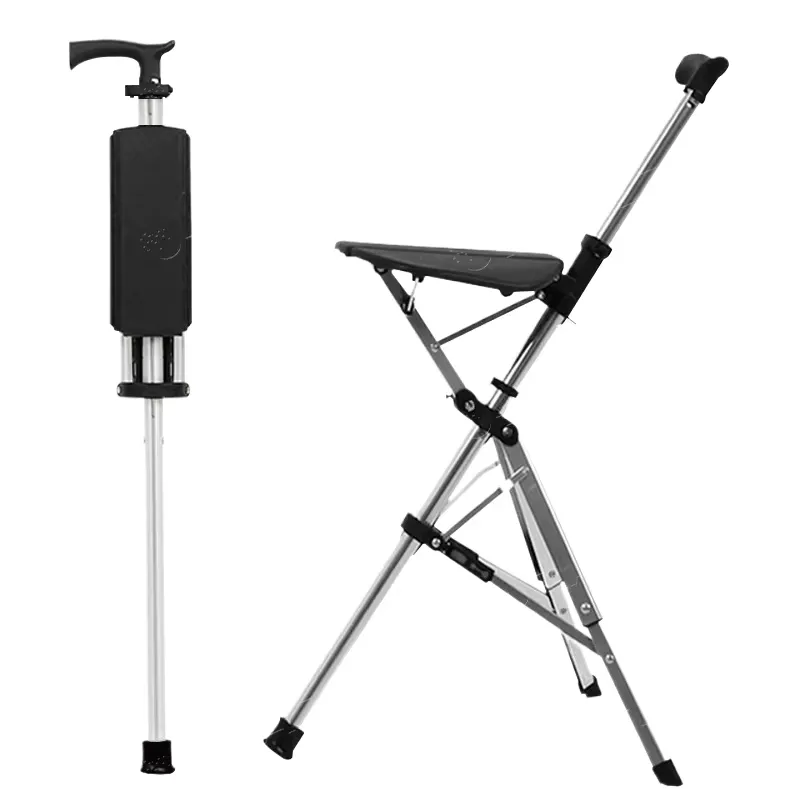
Cane seat rubber feet match only when the maker approves their size, shape and fit for the exact cane-seat frame. Similar-looking caps may seat differently on the cane shaft and support legs. Keep the model and part references on the purchase order.
What should a quote specify?
Name the leg and its tip together. Ask whether the request covers one cane-end part, both support-leg ends or a complete service kit. The walking-aids collection contains different frames, so do not borrow another product's ferrule listing.
- Record model and version.
- Identify which leg each tip serves.
- Ask for approved fit and service guidance.
| Quote field | Why it helps |
|---|---|
| Leg position | Prevents a wrong-cap swap |
| Part reference | Connects the replacement to the model |
A precise order is more useful than a photo of a loose cap. Key Takeaway: Receiving staff can check the supplied pieces.
What wear on cane seat rubber feet needs attention?
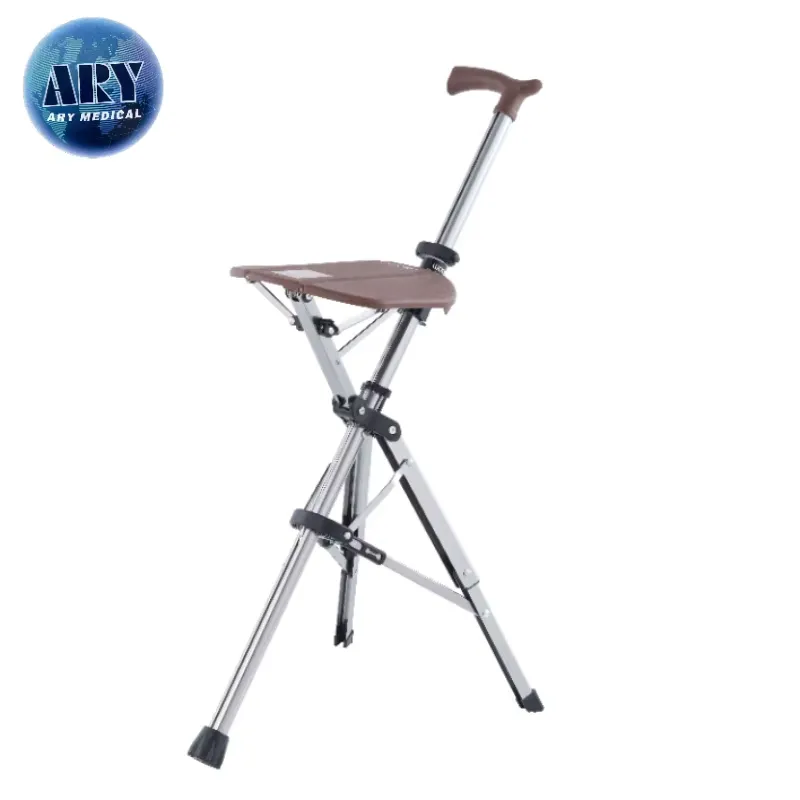
Cane seat rubber feet need review when the contact surface looks worn, split, loose or otherwise changed. Inspect the actual aid rather than estimating wear from a marketing image. Refer a suspect part to the responsible service team before relying on it.
What is worth recording?
Describe what you see before naming a fix. South Tees NHS walking-stick guidance says worn or split ferrules need replacement. This cane-seat model still needs its own approved part and response.
- Note the affected leg and visible change.
- Photograph the tip and adjacent shaft.
- Request an approved inspection or replacement route.
| Observation | Next action |
|---|---|
| Split or worn contact | Seek model-matched service |
| Loose fit | Stop relying on it and escalate |
A factual note helps a technician without inviting a field guess. Key Takeaway: Your team can spot when routine use needs a pause.
Can cane seat rubber feet prove seat stability?
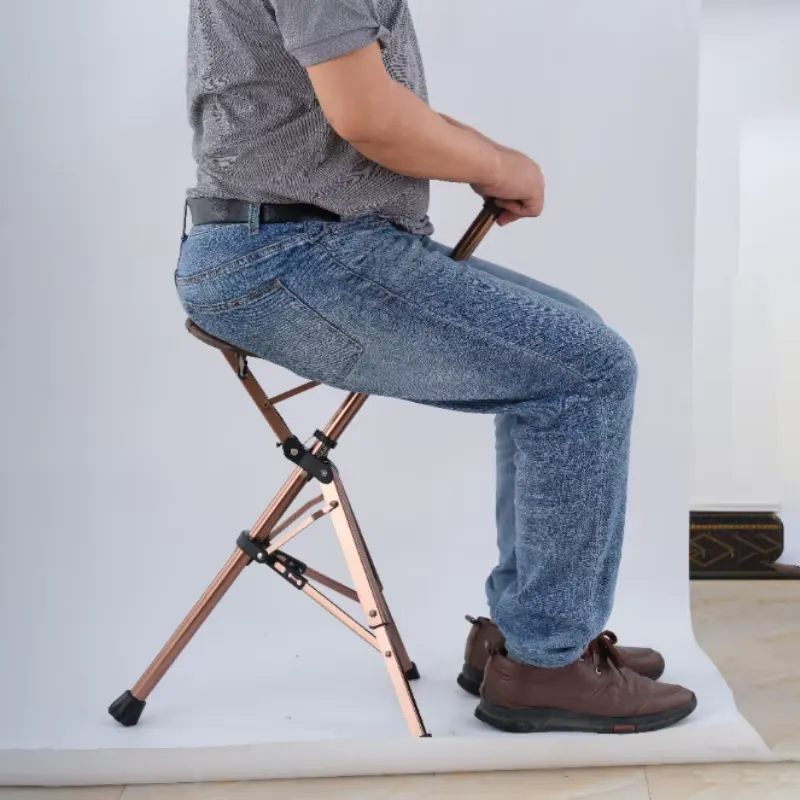
Cane seat rubber feet alone cannot prove that an opened cane seat is stable for a person. Frame geometry, hinge position, floor and individual use plan also matter. The seated source photo shows one demonstration, not a load test or a use permit for every setting.
What should a buyer request instead?
Review the whole aid in its intended task. Ask for the exact model's instructions, permitted surfaces and tested limits. Keep personal fit and sitting technique with trained personnel rather than a DIY balance trial.
- Check the maker's stated intended use.
- Review all three contact points and frame joints.
- Refer user-specific seating to trained staff.
| Evidence | What it can answer |
|---|---|
| Product instructions | Approved setup and limits |
| Individual review | Fit for the intended person |
A new rubber cap cannot make an unsuitable setup suitable. Key Takeaway: The buyer can avoid an unsupported safety promise.
Which floors affect cane seat rubber feet checks?
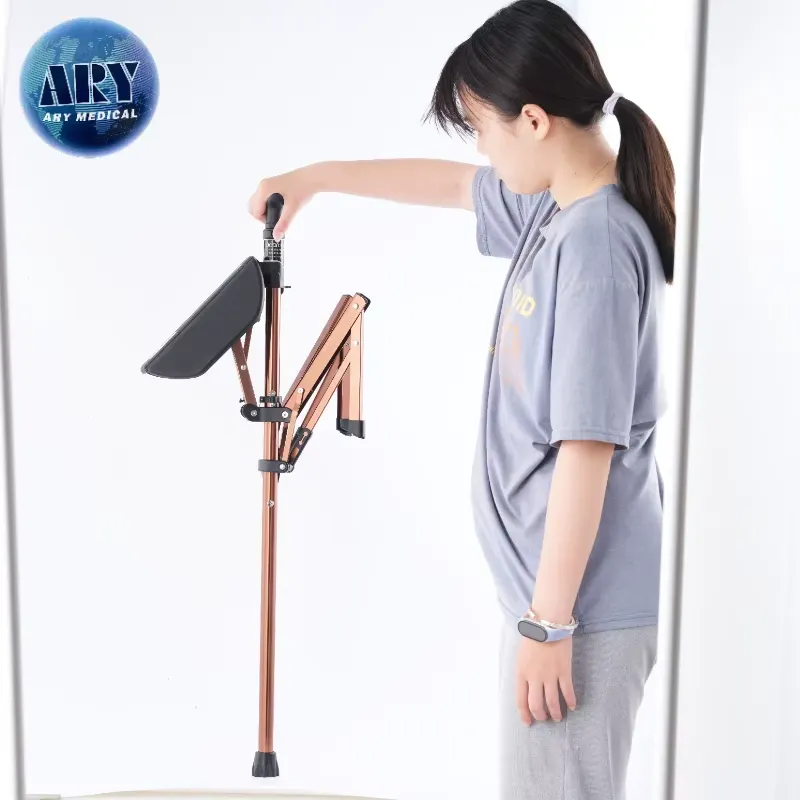
Cane seat rubber feet should be reviewed on the surfaces allowed by the exact product instructions and the person's plan. A close-up of a tip does not establish performance on wet tiles, slopes or loose ground. Record real use conditions for a trained review.
Which route details should be gathered?
Bring the floor into the parts enquiry. Worcestershire NHS walking-aid guidance includes checking worn rubber tips. It does not validate this product on every floor.
- List common indoor and outdoor surfaces.
- Check model-specific surface limits.
- Report any loss of contact or unusual movement.
| Route fact | Buyer question |
|---|---|
| Smooth or damp floor | Is use permitted here? |
| Uneven ground | Does the maker allow this setting? |
A route photo is more useful than an unsupported traction claim. Key Takeaway: Service staff can review the conditions that matter.
How do cane seat rubber feet relate to the shaft?
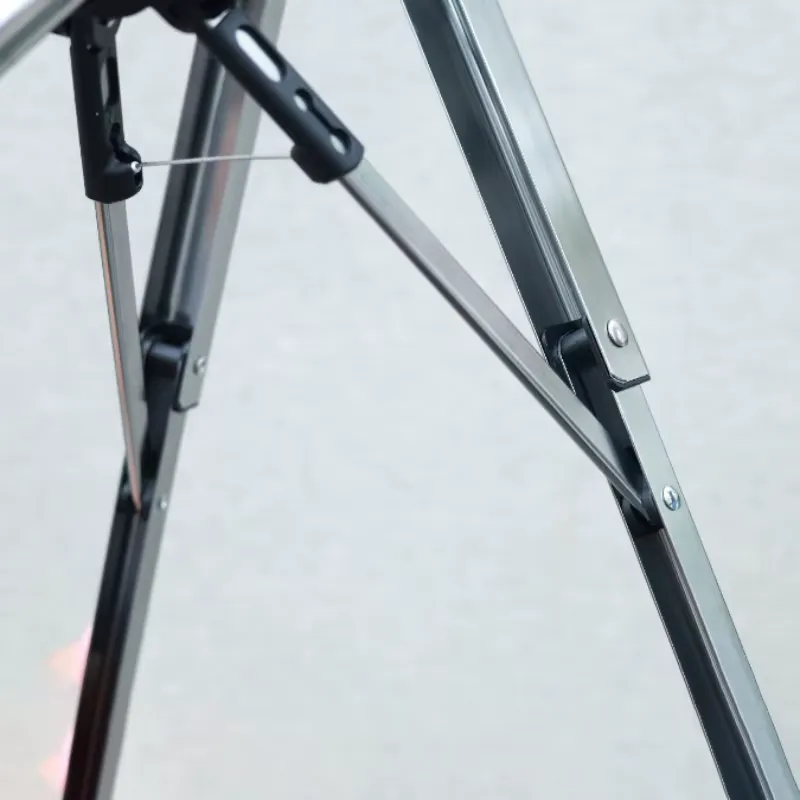
Cane seat rubber feet work with the lower shafts and their approved geometry, not as isolated accessories. The model gallery shows a telescoping cane shaft and two folding support legs. A tip that fits one tube may not fit another.
What should be checked alongside a tip?
Look up the leg before replacing its end. Record bent tubing, loose joints or damaged adjustment areas for the responsible technician. A standard cane has a different function and may use a different ferrule.
- Identify cane and support shafts.
- Record nearby frame or joint damage.
- Keep any adjustment within model guidance.
| Area | Review |
|---|---|
| Lower tube | Condition and correct tip fit |
| Adjustment or hinge | Approved position and service need |
A perfect tip cannot correct a damaged shaft. Key Takeaway: The repair request covers the full affected assembly.
Who should replace cane seat rubber feet?
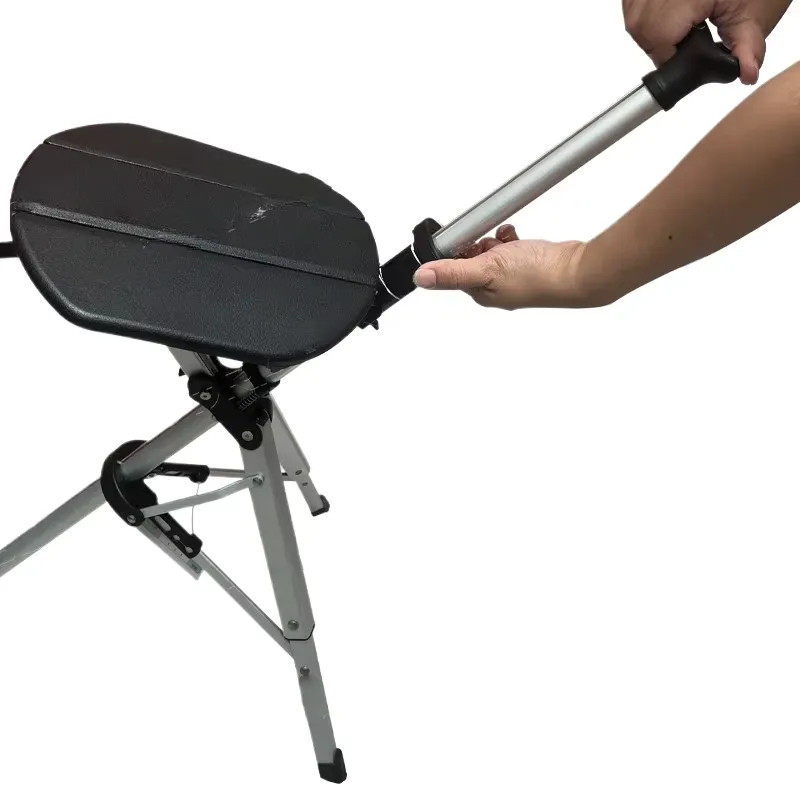
Cane seat rubber feet should be replaced through the maker-approved service method by a person competent for that task. The hinge photo shows hands near the folding frame, but it is not a replacement guide. Avoid pushing a generic cap on without confirmation.
What should be settled before work begins?
Check the part and responsibility first. Ask for the exact part, instructions and post-service checks. Do not turn a blog paragraph into a force, adhesive or traction test procedure.
- Confirm the approved replacement part.
- Identify the trained service owner.
- Record required return-to-use checks.
| Decision | Needed proof |
|---|---|
| Part choice | Maker approval for model and leg |
| Service route | Documented method and reviewer |
Clear roles prevent an improvised repair. Key Takeaway: The user gets a checked aid, not just a fresh-looking tip.
How are cane seat rubber feet checked after service?
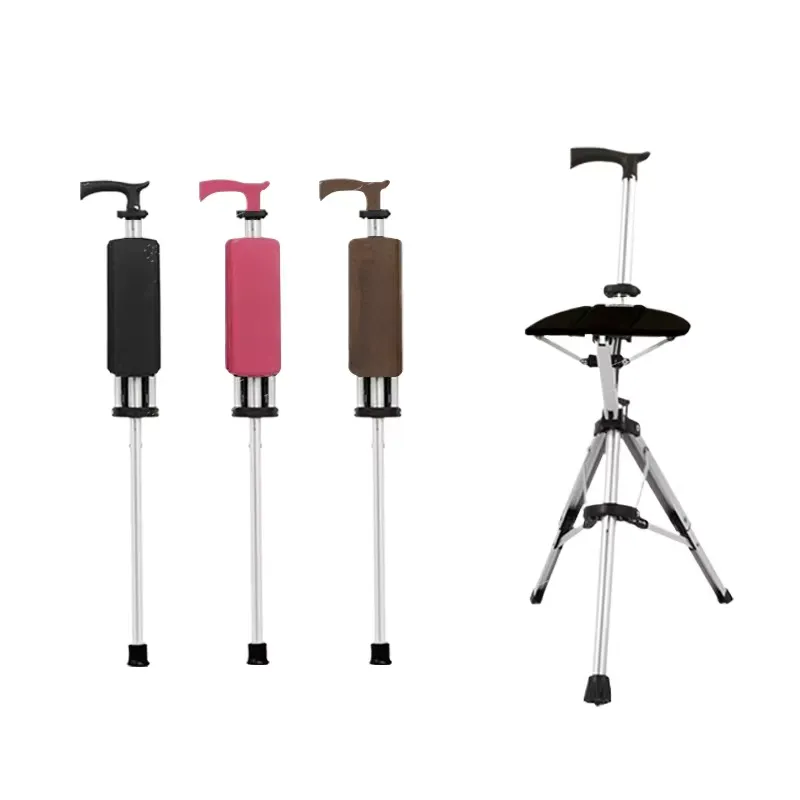
Cane seat rubber feet should be reviewed as part of the full cane-seat setup after any approved replacement. The brace close-up shows one joint but not the whole opened frame. Use the model's prescribed checks and refer any concern before the aid returns to use.
What should the service note include?
Make the result traceable. List the replaced leg-end parts, date, technician and any remaining concern. Keep the user-fit review separate from the technical service result.
- Identify every replaced tip by leg.
- Record frame and hinge observations.
- State who cleared the aid for the next review.
| Record | Practical value |
|---|---|
| Parts and location | Supports later ordering |
| Service findings | Explains the return decision |
A single 'tips changed' note leaves too many questions open. Key Takeaway: Later staff can see exactly what was reviewed.
What cane seat rubber feet should buyers stock?

Cane seat rubber feet stock should follow the exact model and leg positions in the approved parts list. Do not plan inventory from colors or a guessed shaft size. The chart above can organize the request, not certify a replacement.
What should your stock sheet show?
Separate demand from assumptions. Ask the supplier team for part numbers and ordering scope. Keep current model versions and service guidance beside the stock record.
- List each compatible cane-seat model.
- Record the tip needed at each leg.
- Note any approved kit or separate part.
| Stock line | Check |
|---|---|
| Cane end | Approved model and size |
| Support ends | Approved quantity and part code |
A kit is only helpful when every cap actually belongs on the frame. Key Takeaway: Procurement can avoid a box of near matches.
How do you choose cane seat rubber feet safely?
Choose cane seat rubber feet by confirming the exact three-leg model, examining wear and using approved parts and service. Review the frame and intended surfaces as well. No picture can substitute for the maker's current instructions or an individual fit check.
What should an enquiry include?
Send a part question that can be answered. Provide the model, affected leg, clear photos and service concern. Request the approved replacement and a return-to-use route.
- Name model and leg position.
- Describe wear without guessing cause.
- Ask for the service and follow-up plan.
| Buyer input | Supplier response |
|---|---|
| Model and tip | Approved replacement |
| Observed issue | Trained review pathway |
Specific evidence makes the next step clear. Key Takeaway: For model-matched parts, contact us. Ary Medical supports repairs grounded in actual product identity, not a rubber cap that merely looks right.
Frequently asked questions
Q1: Can I fit any walking-stick tip to a cane seat?
No. Confirm the exact model and each leg's approved part before replacement.
Q2: How do I know if a rubber foot is worn?
Visible splitting, thinning or looseness calls for review. Use the maker's service guidance for the final decision.
Q3: What's the best way to test a new tip?
Use the model's prescribed service and return-to-use checks with trained staff. Do not improvise a load or slip test.
Q4: Can new feet make the seat safe on wet tiles?
No blanket claim is possible. Check the maker's surface limits and the user's plan.
Q5: Should I inspect only the main cane leg?
No. Identify all three contact points and the nearby frame before clearing the aid.