

Choose cane seat instructions that identify the exact product, explain its approved closed and open states, and give French users clear safety information. A buyer may see a neat folded cane and an open seat, yet still be unable to tell which hinge or height setting the maker permits. A guessed demonstration can mislead the next user. Ask for the current maker guide and review its French user-facing version before handover.
What should cane seat instructions identify?
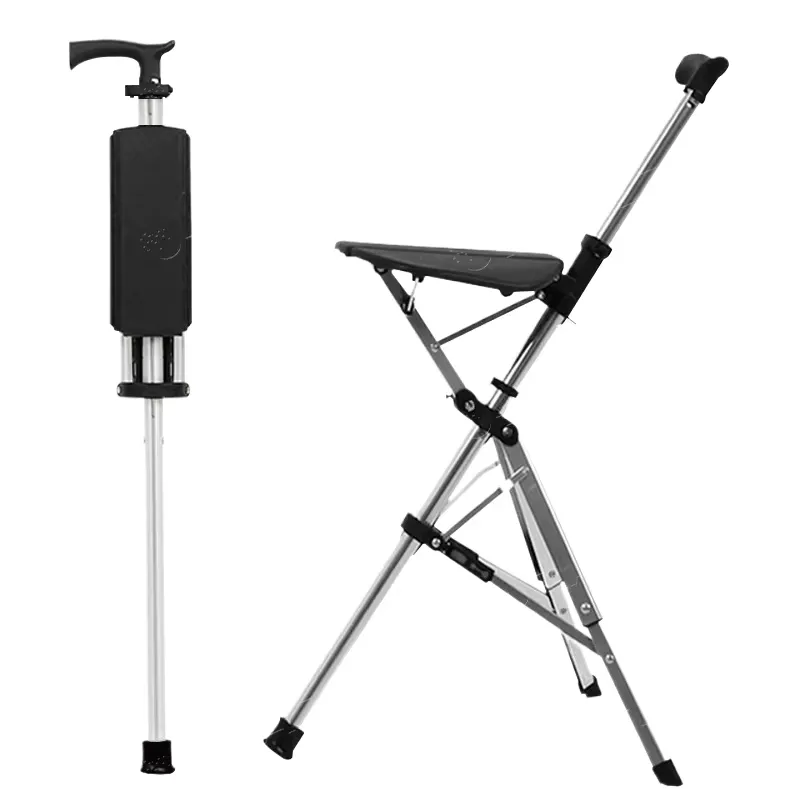
Cane seat instructions should identify the exact model, supplied parts, intended uses and current document version. The paired product photo shows a slim closed cane beside an open three-leg seat, but not a safe operating sequence. Match every instruction to the unit in the box.
What belongs at the start of the guide?
Name the product before naming a step. Ask for the model reference, maker contact and labelled views of parts that users need to recognise. Keep optional colours or revisions separate from the supplied configuration.
- Record model and revision.
- List included parts and intended uses.
- Show where current warnings and service contacts sit.
| Guide field | Purpose |
|---|---|
| Exact identity | Avoids mixing models |
| Part names | Makes later steps clear |
A guide cannot be safe if it addresses the wrong unit. Key Takeaway: Your French dealer can match booklet and product before a demonstration.
How should cane seat instructions show two states?
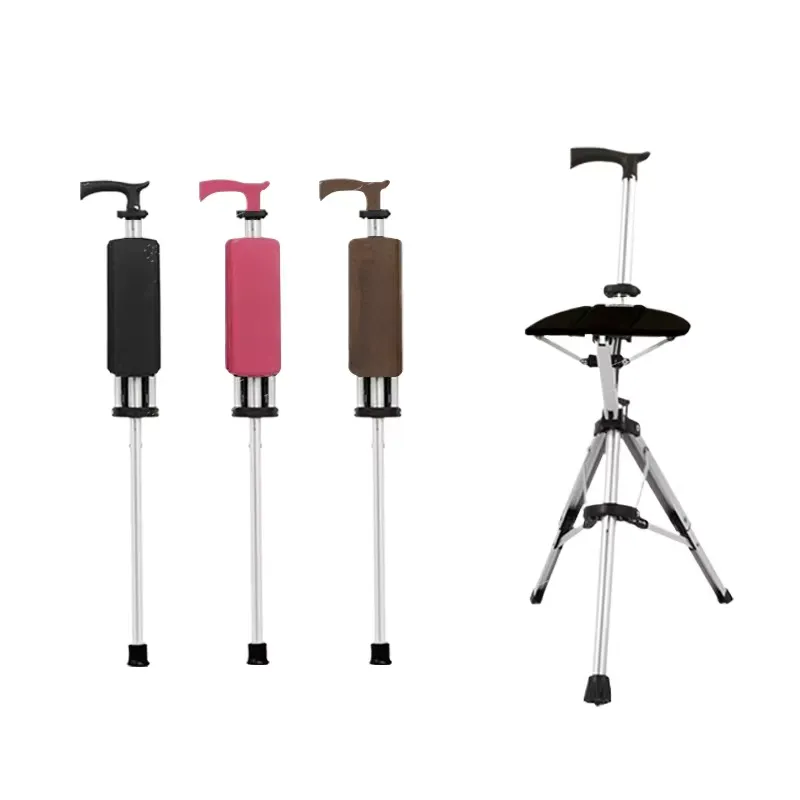
Cane seat instructions should show the closed walking-cane state and the fully open three-leg seat state for the exact model. A colour-variant montage does not prove that all versions share one mechanism. Ask the product team for approved drawings and wording.
Which transitions need maker wording?
Show the target form, then explain the approved route. The maker should describe how a user recognises the permitted state and any lock or stop condition. Do not turn still photos into a universal unfolding procedure.
- Include model-specific closed and open views.
- Name checks required before each intended use.
- Keep variant changes tied to document revision.
| State | Guide must establish |
|---|---|
| Closed | Walking configuration and checks |
| Open | Seat configuration and checks |
Clear state names reduce confusion between walking and resting. Key Takeaway: Your demonstration can follow the booklet rather than improvise a gesture.
Why must cane seat instructions name three feet?
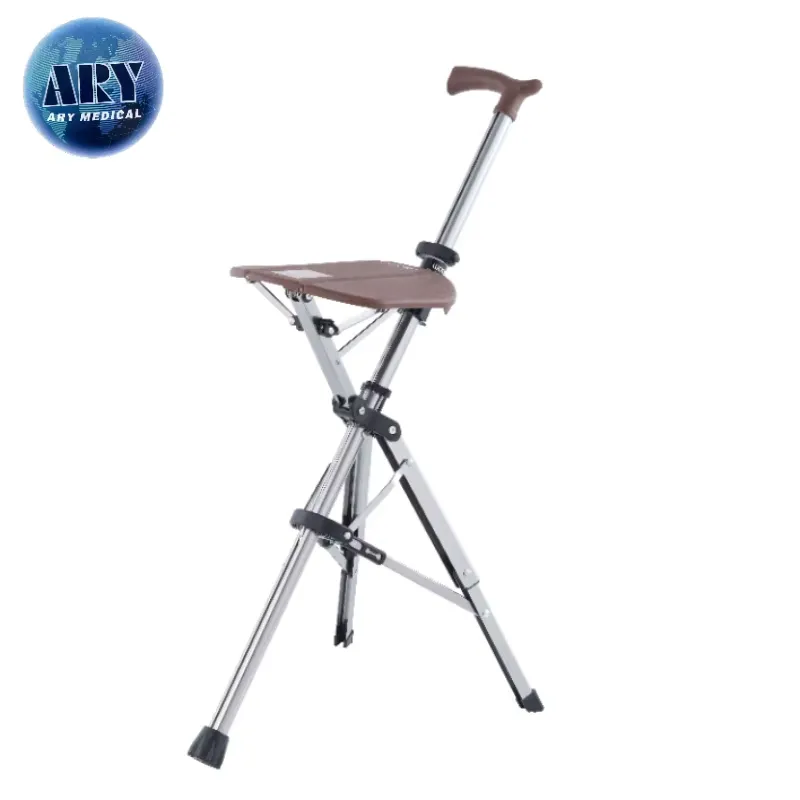
Cane seat instructions must account for all three rubber-tipped ground contacts on the open seat because one missing or worn tip changes the supplied configuration. The brown model photo shows an open three-leg form, not a stability test. Request the maker's inspection and replacement advice.
What should a visual check cover?
Count contact points before discussing seating. The booklet should explain what a user can inspect, what condition calls for stopping and which replacement fits. Do not state that any slope, pavement or wet floor is suitable from the studio image.
- Identify every open-seat tip.
- Describe wear or damage cues from the maker.
- Provide a service route for a doubtful tip.
| Visible issue | Documented response |
|---|---|
| Missing or damaged tip | Stop-use or service rule |
| Replacement | Approved part and method |
Three tips in a photo do not prove every delivered unit is complete. Key Takeaway: Users can check the whole support arrangement under current guidance.
How should cane seat instructions cover handle height?
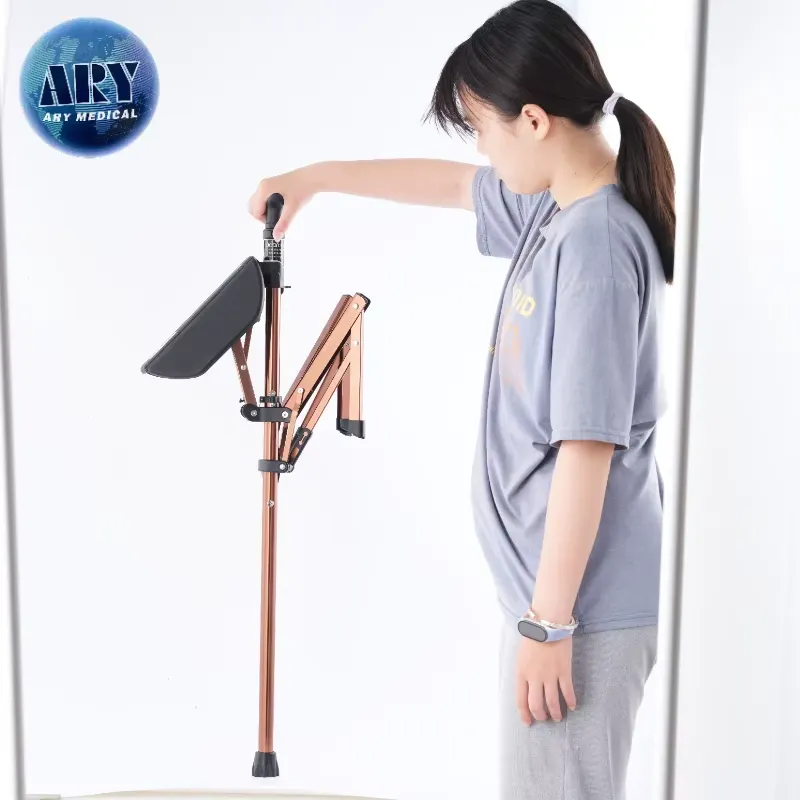
Cane seat instructions should give the maker's permitted adjustment range and setting checks for the exact shaft, with individual fit reviewed by trained personnel. The image of a person touching the telescoping tube is not a height-setting procedure. Use the walking-aids range only to compare types.
What should a fitting note say?
Separate device limits from personal fit. Ask for the model's adjustment method, lock indication and post-adjustment check without writing steps from observation. The appropriate clinician or fitter should decide a setting for the person.
- Request verified range and maker method.
- Name who reviews the user's grip position.
- Record the accepted setting and later review route.
| Question | Source |
|---|---|
| What can adjust? | Current model guide |
| What suits the user? | Appropriate individual assessment |
A marked shaft is not a personal prescription. Key Takeaway: Your guide can support fitting without making a photo do a clinician's work.
What should cane seat instructions say about seating?
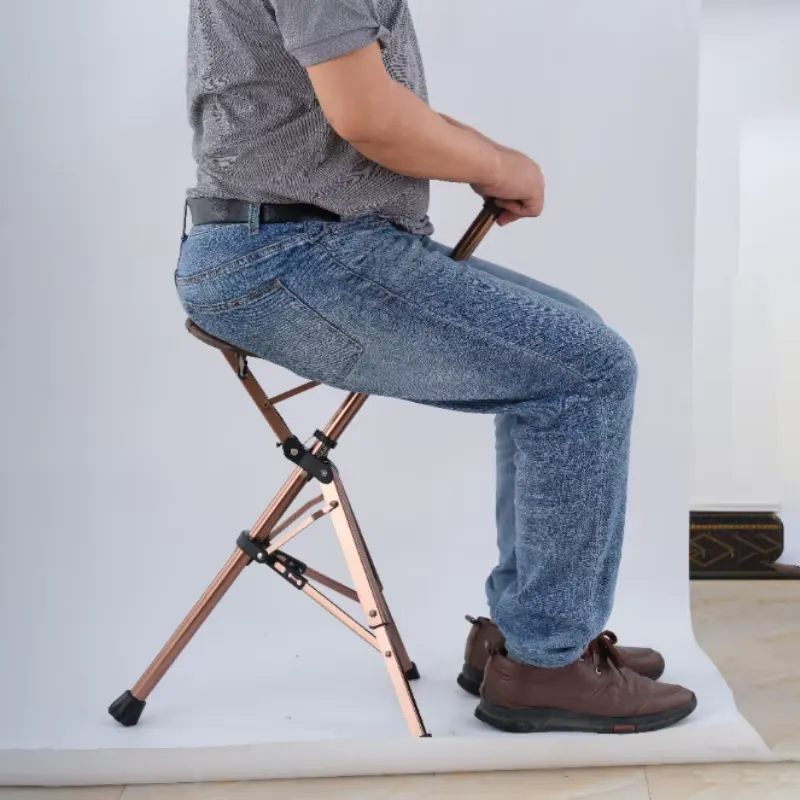
Cane seat instructions should state the maker's intended seated use, user limits and required open-state checks for the exact device. A photo of an adult on the triangular seat is not a verified load rating. Refer personal suitability to an appropriate professional review.
Which warnings belong near the seat view?
Put use limits where readers need them. The maker should specify permitted surface and condition limits and any action when the frame feels loose or incomplete. Keep unverified numbers and blanket terrain promises out of the translated guide.
- Request documented seated-use conditions.
- State model-specific stop-use signs.
- Keep individual support needs in the handover plan.
| Claim | Evidence |
|---|---|
| Seated use | Maker's current instructions |
| Personal fit | Trained assessment |
A real seated photo can illustrate form while still leaving limits to the guide. Key Takeaway: The user sees both the seat and the conditions for its use.
How do cane seat instructions address rubber tips?
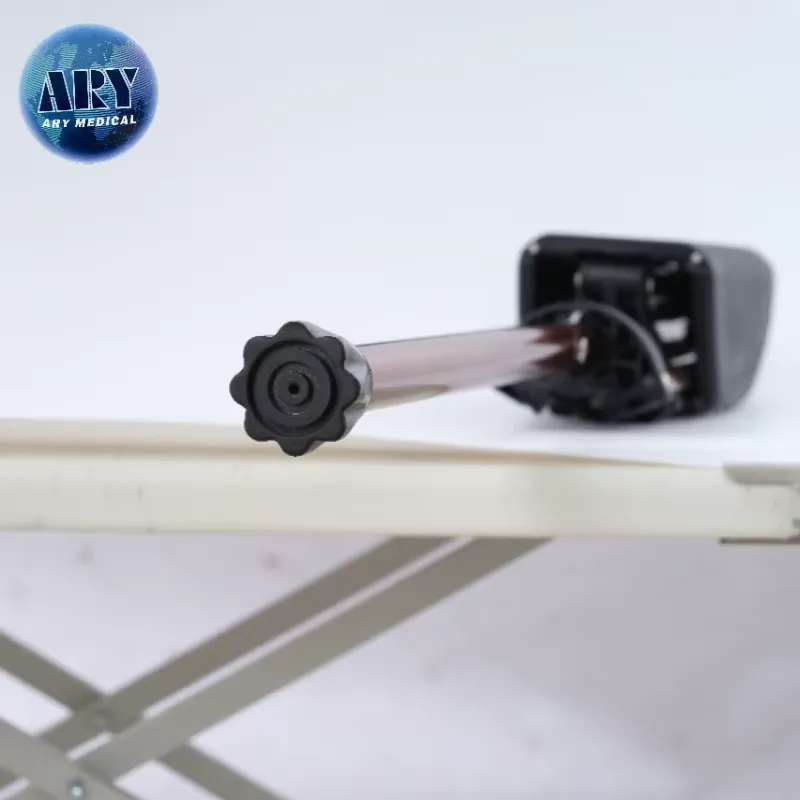
Cane seat instructions should explain how to inspect and replace the exact rubber tips within the maker's service rules. The close-up shows one tip and lower shaft but not the full three-foot layout. Ask for parts information instead of treating any similar black tip as compatible.
Which details help a user report wear?
Make the affected part easy to name. Use labelled views of closed and open contact points and describe the maker's stop-use response. A dealer should be able to match the report to the proper part code.
- Identify tip positions on both configurations.
- Describe visible wear and damage cues.
- Give approved replacement and contact details.
| Report detail | Use |
|---|---|
| Tip location | Finds the affected part |
| Part reference | Avoids an unapproved substitute |
One photo of a foot cannot stand for a complete service guide. Key Takeaway: Your support team can handle tip questions without guessing.
When should cane seat instructions call for hinge review?
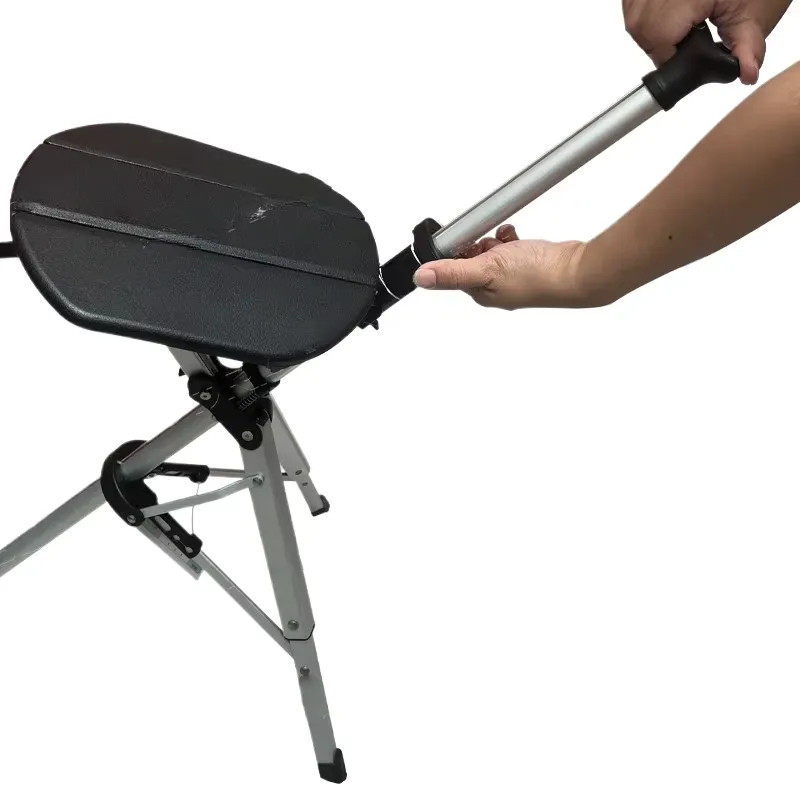
Cane seat instructions should tell users to stop and seek the named service route when a hinge or brace does not match the maker's normal condition. Hands in a photo cannot prove a correct opening step. Do not ask a user to force a doubtful joint.
What should the dealer record?
Describe what happened without diagnosing it. Record model, part, visible concern and the point at which the demonstration stopped. A trained service person should decide whether the unit needs repair or replacement.
- Name the joint and current guide.
- Capture damage or changed movement.
- Use the approved hold and service path.
| Observation | Next step |
|---|---|
| Loose-looking brace | Technical review |
| Unclear lock state | Pause use and ask maker |
A short stop rule can prevent a risky improvised demo. Key Takeaway: Your dealer knows when to refer the unit instead of trying harder.
What French text should cane seat instructions include?
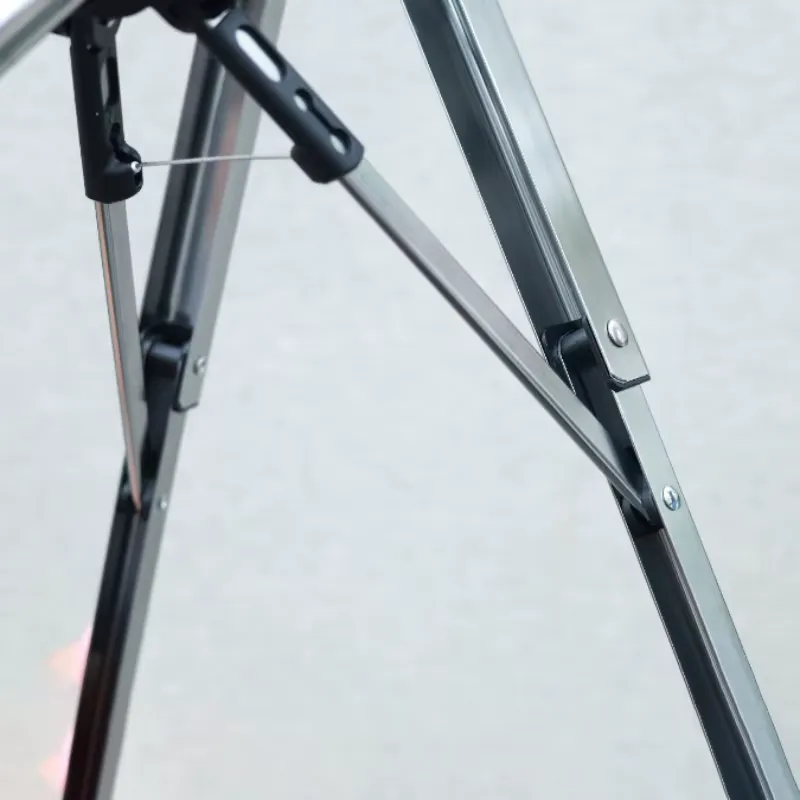
Cane seat instructions for consumer-facing use in France should provide the information needed to choose and use the product safely in clear French, with exact scope checked for the sales route and classification. The brace close-up underscores why part names and warnings must be understandable. Ask the supplier team for a version-controlled source guide.
Do trade papers follow the same rule?
Separate user copy from business correspondence. France's DGCCRF language guidance covers consumer-facing instructions and notes an exception for documents exchanged only between professionals. If the product is classified as a medical device, confirm any added device-specific language duties with qualified local support.
- Provide readable French user-facing safety text.
- Keep translated warnings tied to the current model.
- Have a local reviewer check classification and scope.
| Document | Review |
|---|---|
| User instructions | Clear French for intended readers |
| B2B exchange | Check separate applicable rules |
A precise translation keeps safety meaning, not just word order. Key Takeaway: Your French user can understand the relevant guide without a blanket claim about every trade paper.
How should cane seat instructions guide a demo?
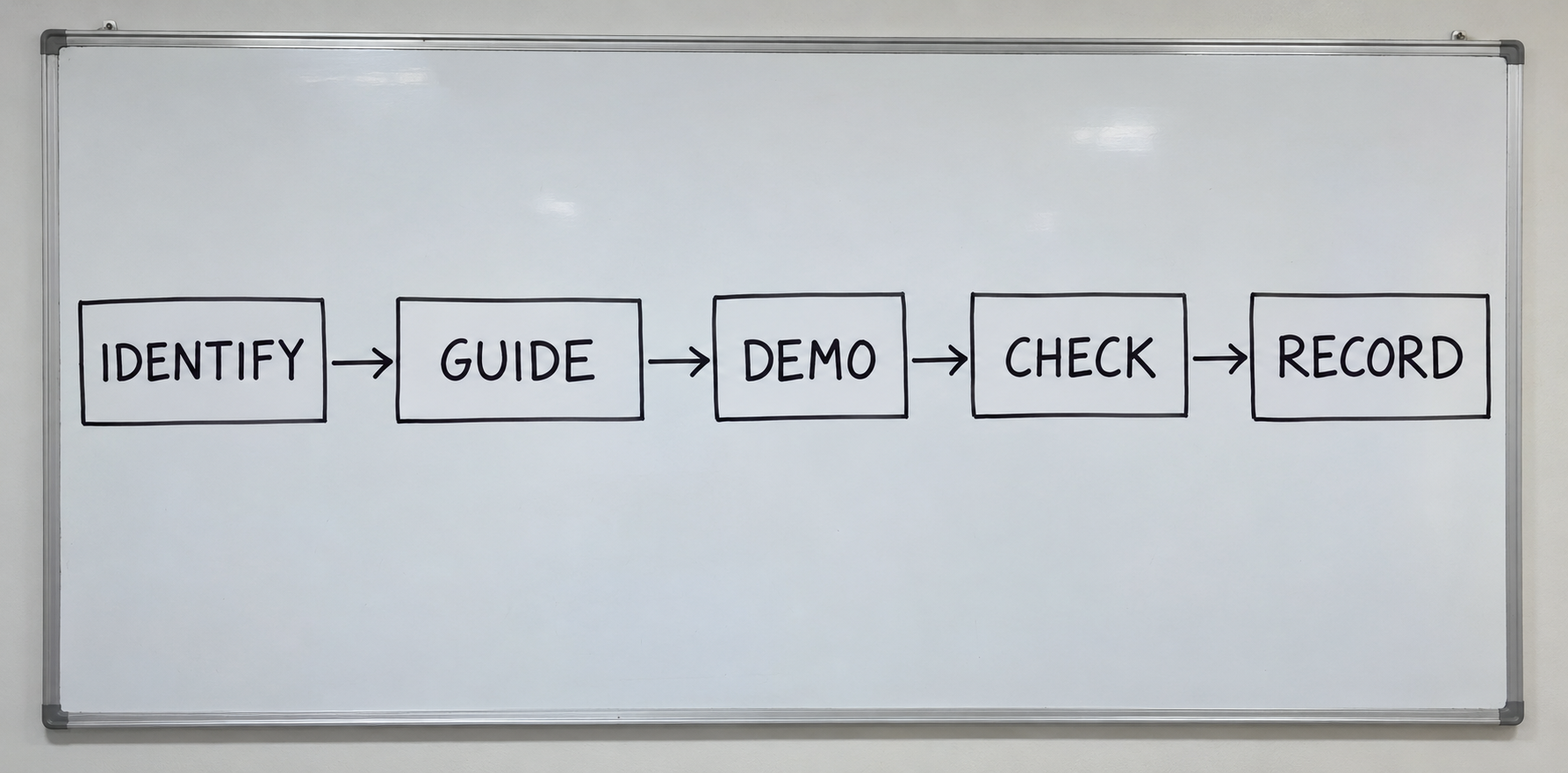
Cane seat instructions should guide a trained demonstration by identifying the model, approved method, required checks and stop conditions. The chart moves from identify and guide through demo, check and record; it does not supply physical steps. Keep the user's questions with the handover note.
What should the demonstrator record?
Make the observed lesson traceable. Log the guide version, trained presenter, topics shown and any issue that halted the demo. Use the approved instructions for the actual movement and a fitting review for personal settings.
- Show only maker-approved tasks.
- Record checks and unanswered questions.
- Leave the current guide with the user.
| Demo field | Purpose |
|---|---|
| Method and presenter | Shows what was taught |
| Issue or stop | Routes the next action |
A demonstration is useful when its limits are visible. Key Takeaway: Another staff member can see what the user learned.
How can cane seat instructions stay current?
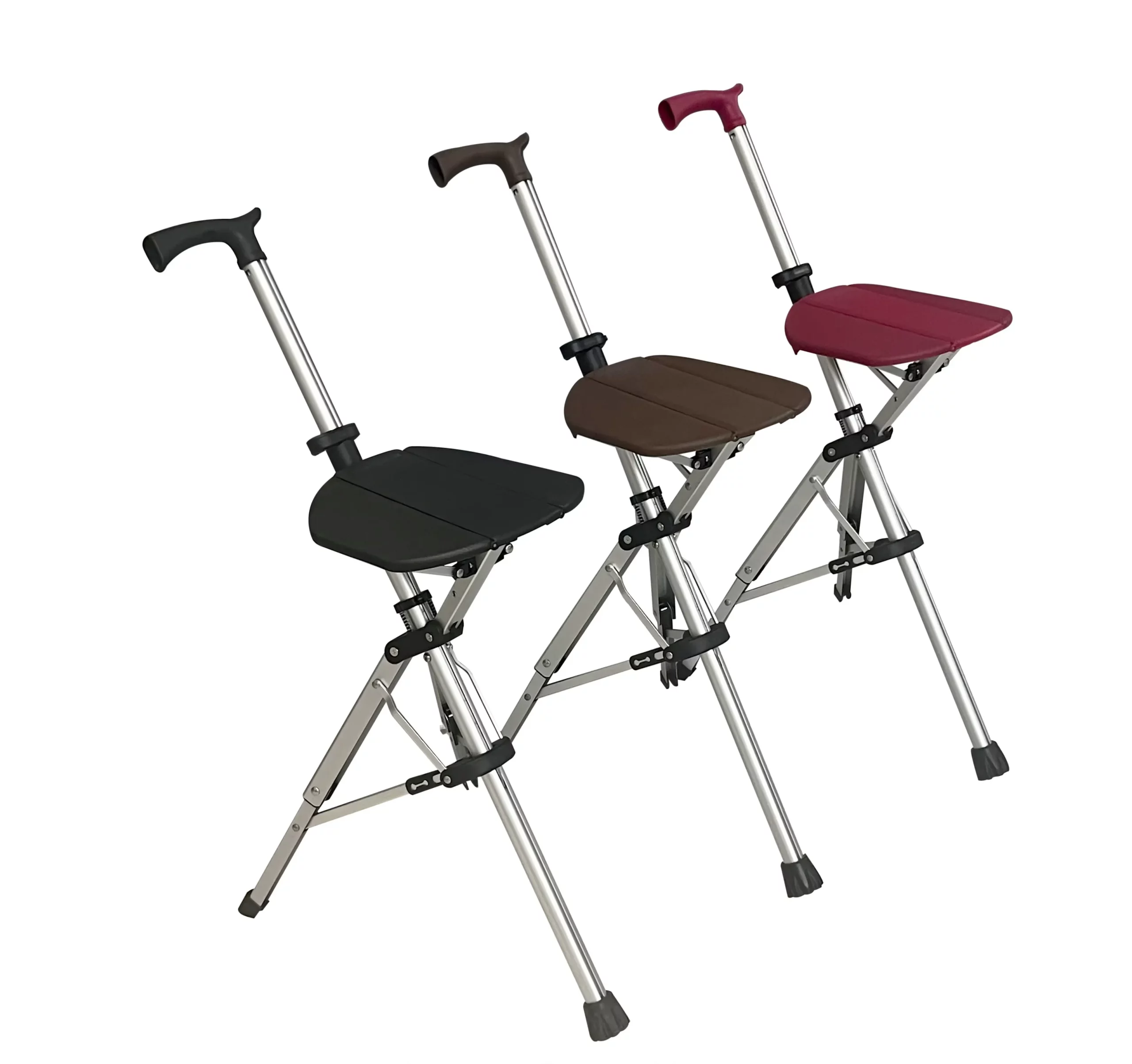
Cane seat instructions stay current when a model change, revised warning or service update reaches every user-facing copy. Colours shown in a montage may differ by order, so match each booklet to the delivered item. Keep obsolete versions out of handover packs.
Ready to request the source guide?
Send the model and language questions together. Ary Medical can clarify available cane-seat documents for a named configuration. Ask for current part names, use limits, warnings and a controlled source file before finalising the French version.
- Identify model and current revision.
- Request approved steps and warning text.
- Set a review owner for French copy updates.
| Buyer input | Supplier response |
|---|---|
| Exact model | Current source instructions |
| French handover plan | Version and change route |
A stale guide can undo careful training. Key Takeaway: For model-specific documents, contact us. Ary Medical values instructions people can follow without guesswork.
Frequently asked questions
Q1: Can I unfold the cane seat by copying a photo?
No. Follow the exact maker guide and a trained demonstration for that model.
Q2: What's the best way to set the handle height?
Use the model's approved range and an individual fit review; a photo cannot prescribe a setting.
Q3: How do I know if a rubber tip needs replacement?
Check the maker's visible-condition guidance and request the approved part when wear or damage is found.
Q4: Can English-only user instructions serve French buyers?
Do not assume so. Consumer-facing safety and use information for France needs clear French; have local support check exact duties.
Q5: How do I know whether an old booklet still applies?
Match model and revision on the device and guide, then request the current version if they differ.