
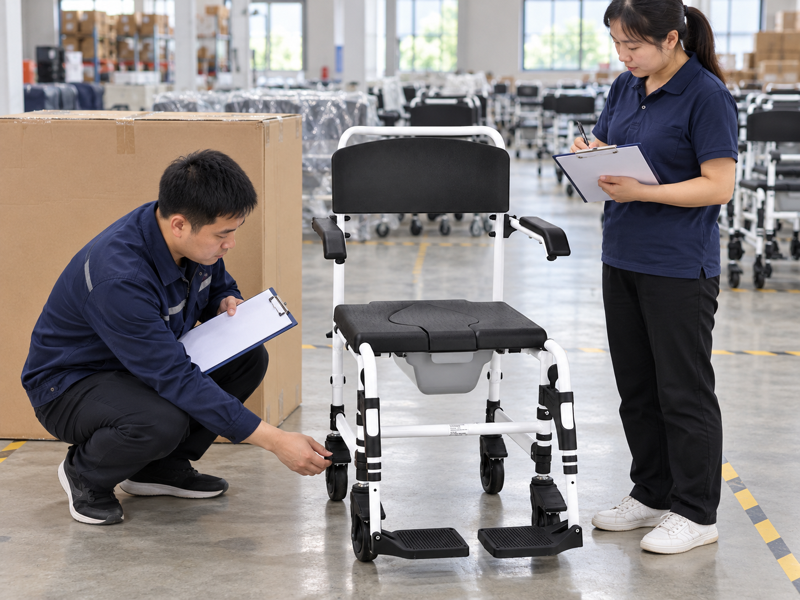
Run commode chair inspection in a U.S. receiving area by matching the delivered model to the order, counting parts and recording visible faults before stock is issued. A carton can arrive intact while a footplate or bucket is missing, and a neat product photo cannot prove the shipped chair is ready. Use a variant-specific checklist, hold discrepancies and keep the later individual fit review separate.
What should commode chair inspection begin with?
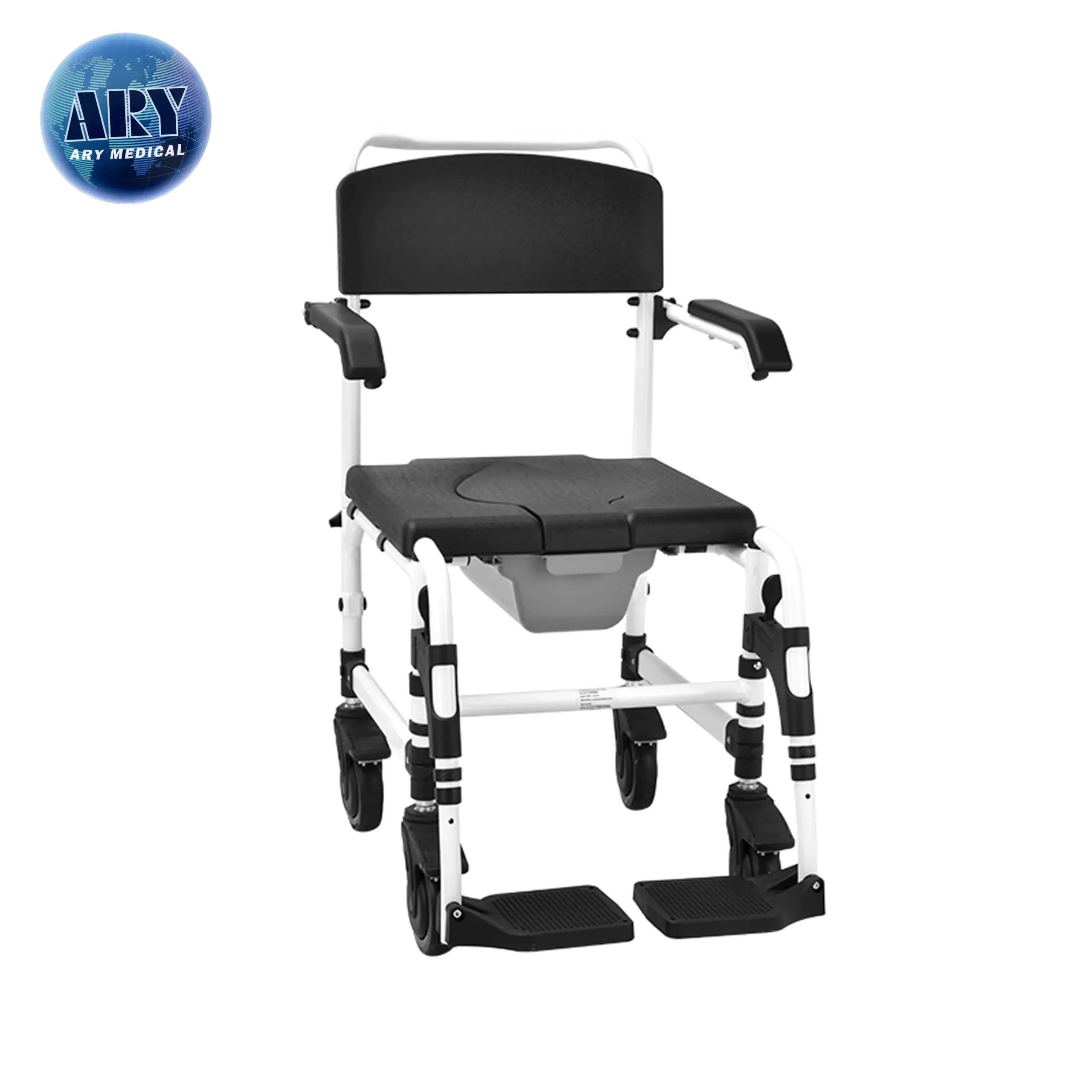
Commode chair inspection begins with the exact model, wheel variant and purchase order. The gallery includes a small-wheel white chair and a large-rear-wheel version. A receiving team should not use one image to clear both.
What goes on the first checklist line?
Name the chair before checking its parts. Record model, version, carton reference and the agreed configuration. A 3-in-1 toilet chair is another product and cannot supply this model's acceptance list.
- Match label and order to one model.
- Identify small-wheel or large-rear-wheel layout.
- Keep the approved parts list with the carton.
| Identity field | Purpose |
|---|---|
| Model and version | Defines what was bought |
| Wheel variant | Selects the right checklist |
A visible chair type is not a traceable model identity. Key Takeaway: The warehouse starts with the correct standard of comparison.
Why separate commode chair inspection wheel variants?
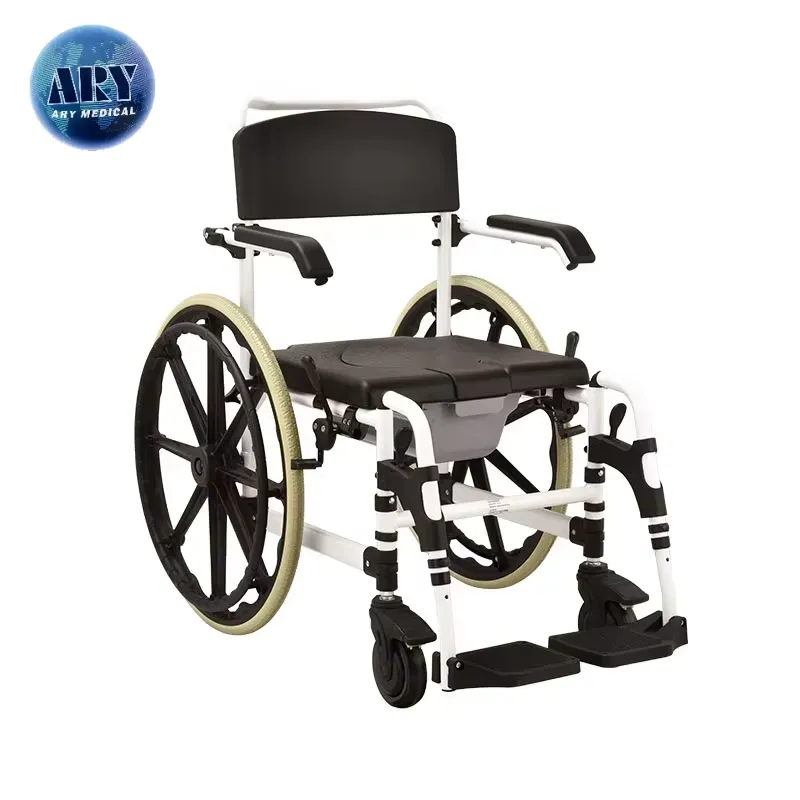
Commode chair inspection must separate four-small-castor and large-rear-wheel versions because their bases and components differ. The large-wheel front-angle image makes that variation obvious. Do not presume shared brakes or axle parts from matching seat color.
What should the variant card record?
Build two checklists if two models arrive. List wheels, footplates, pan and frame features expected for each ordered unit. The toilet-chair range is background context, not a substitute for the maker's exact drawing.
- Count each variant separately.
- Use model-specific component lists.
- Photograph discrepancies with the order code.
| Variant | Receiving focus |
|---|---|
| Small castors | Four specified wheel units |
| Large rear wheels | Rear wheel and front-castor scope |
A mixed shipment needs more than one generic tick box. Key Takeaway: Receiving staff can spot the wrong base quickly.
What should commode chair inspection count in each carton?

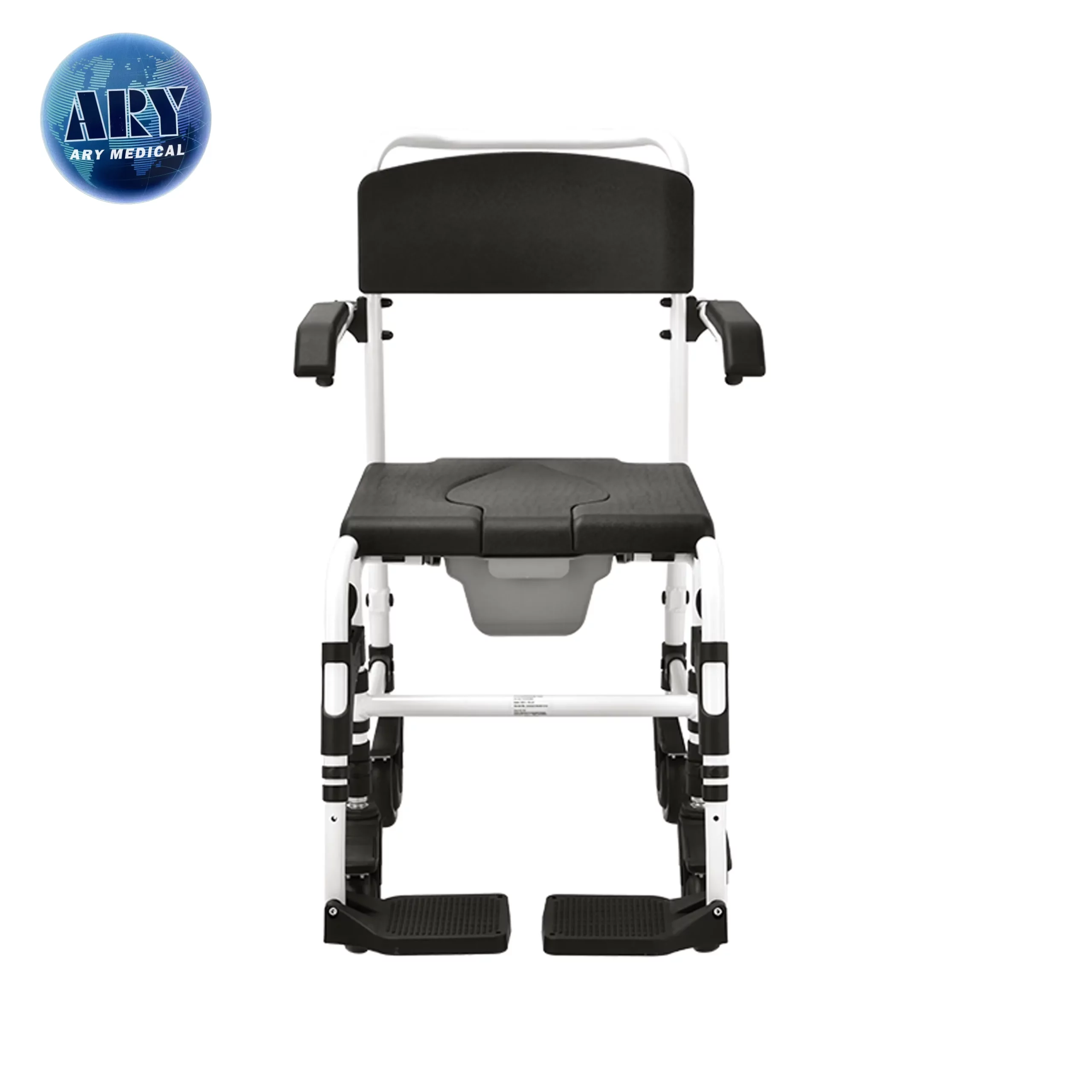
Commode chair inspection should count the components promised for the exact shipped configuration. This may include the seat cover, grey pan, arm supports, footplates and current instructions if listed in the order. A closed carton cannot establish completeness.
How should missing items be logged?
Count against the order, not memory. Record the part, quantity expected, quantity found and affected carton. Hold an incomplete unit for supplier review rather than issuing it with an informal promise to finish later.
- Use the accepted packing or parts list.
- Record missing or extra components.
- Link the discrepancy to carton and model.
| Count line | Record |
|---|---|
| Product parts | Expected versus received |
| Instruction pack | Current document present or missing |
A parts count makes shortages easier to resolve. Key Takeaway: The buyer can hold the right unit and make a clear claim.
Which frame details matter in commode chair inspection?
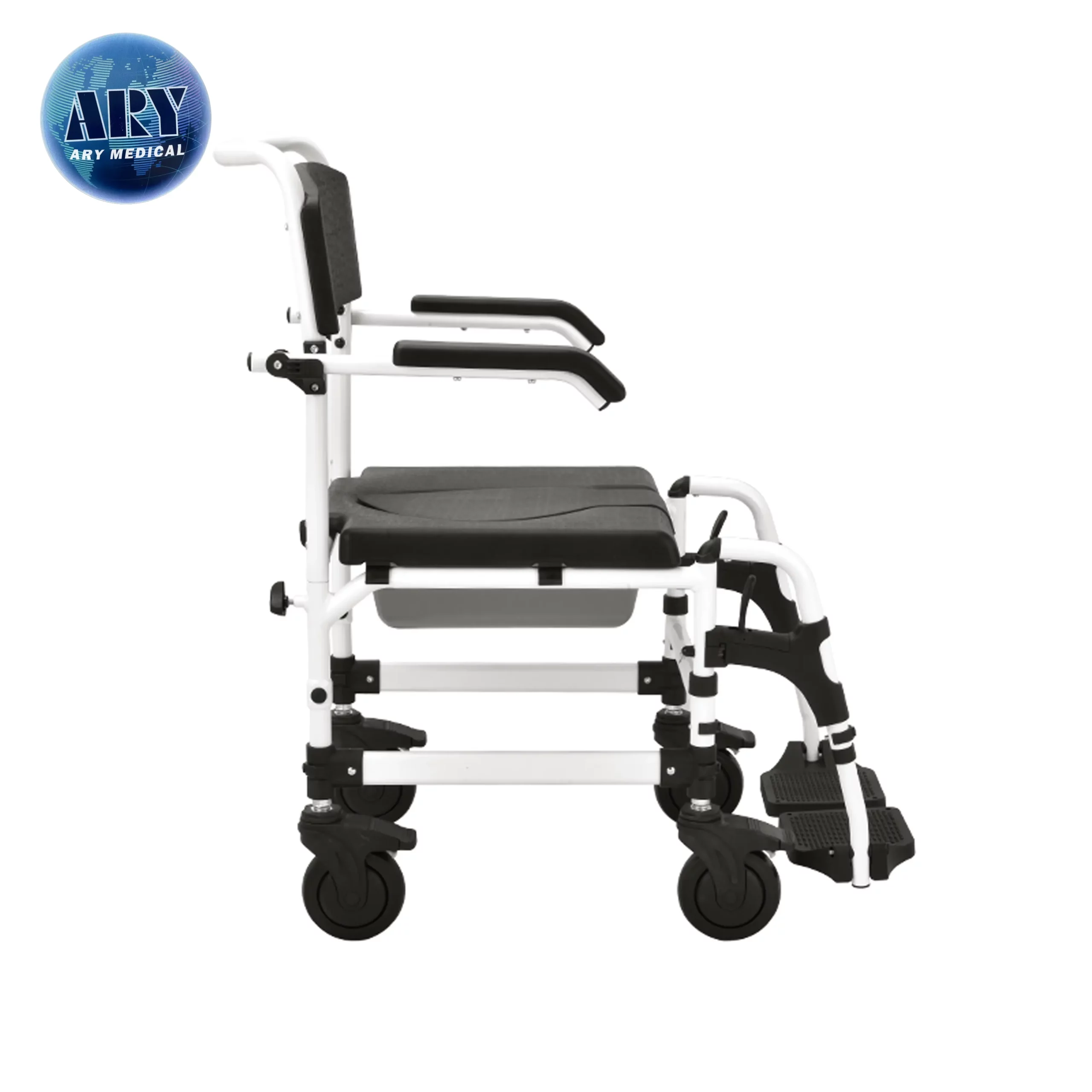
Commode chair inspection should document visible frame, seat and arm condition against the accepted sample. The side photo shows joints and pads but does not prove strength or a specific test result. Refer cracks, deformation or loose parts for trained review.
What should the inspector avoid?
Observe; do not invent a load test. Use visual checks permitted by the maker and warehouse plan. The UK assistive-technology guidance flags damaged devices and inadequate maintenance; model instructions govern actual action.
- Record visible frame and pad condition.
- Note looseness without forcing parts.
- Hold uncertain units for service decision.
| Observation | Response |
|---|---|
| Damage or deformation | Document and hold |
| Looks complete | Continue specified checks |
A clean finish is not a safety certificate. Key Takeaway: The warehouse can report facts without overclaiming performance.
How should commode chair inspection review wheels?
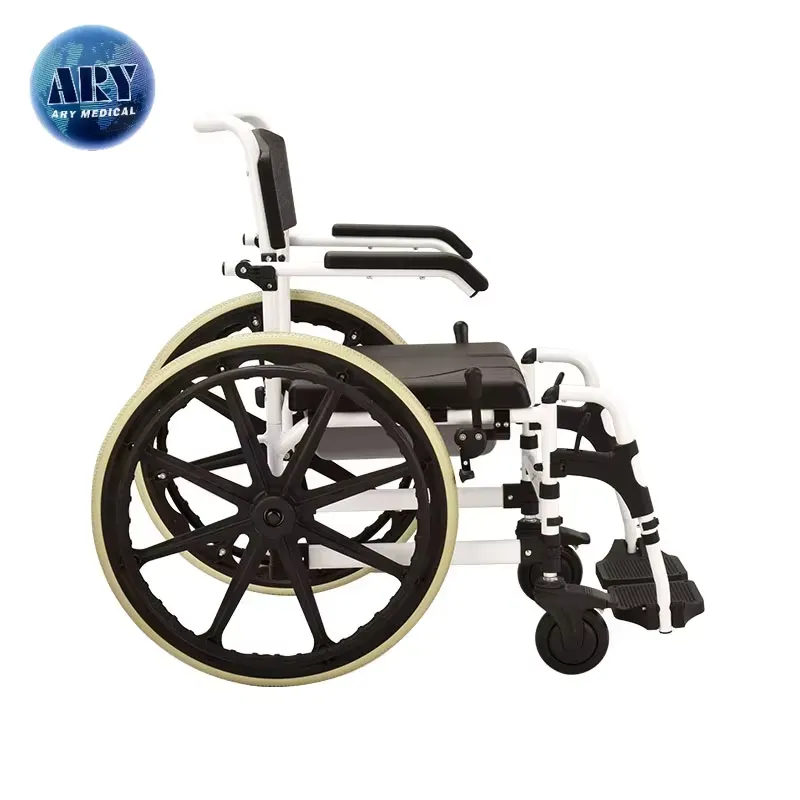
Commode chair inspection should review the wheel set and related brake hardware for the exact variant. The large-rear-wheel side image shows a very different base from the small-castor chair. A photo cannot prove wheel retention or braking function.
What belongs in the wheel note?
Follow the wheel to its matching frame. Identify front and rear position, obvious damage and required maker checks. Refer unusual movement or missing parts to competent service staff rather than substituting a near match.
- Count the specified wheel units.
- Record visible caster or rear-wheel condition.
- Use model-defined function checks only.
| Wheel item | Question |
|---|---|
| Front castor | Correct unit and condition? |
| Rear assembly | Correct variant and fittings? |
A wheel inspection is meaningful only when variant identity is fixed. Key Takeaway: A mixed-wheel shipment can be caught before issue.
What seat and pan checks belong in commode chair inspection?
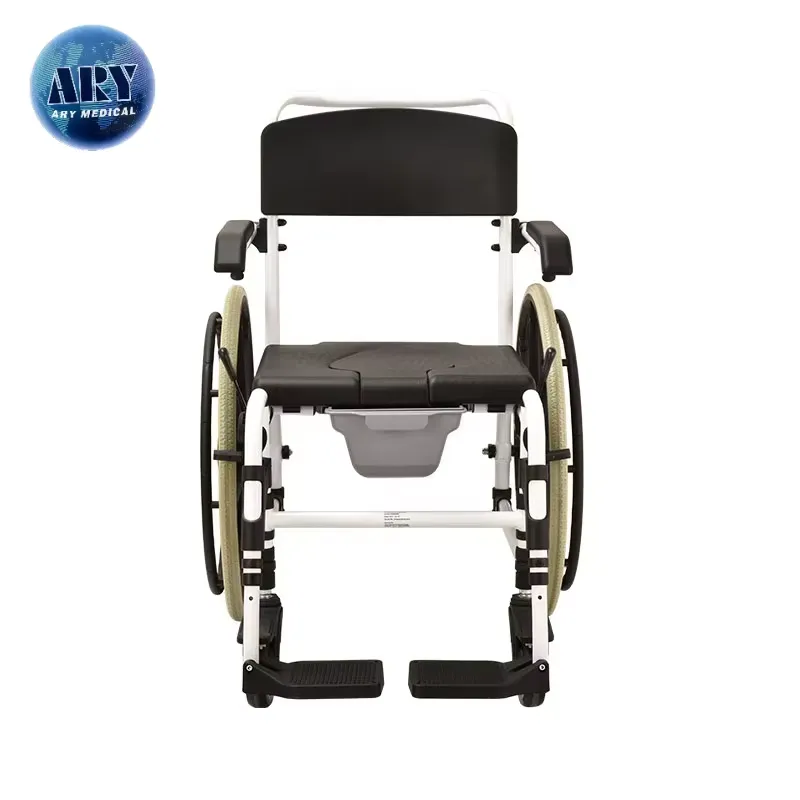
Commode chair inspection should confirm the ordered seat cover, pan and footplates are present and visibly intact. The large-wheel front view shows those items but not removal or cleaning steps. Keep care instructions with the model file.
How should the team record a mismatch?
Name the missing assembly precisely. Note which side's footplate or which pan component is affected. A D30 toilet chair may have a different seat or pan; do not use its parts as substitutes without maker approval.
- Check seat cover and pan against order.
- Count left and right foot-support parts.
- Hold damage or uncertain fit for review.
| Part | Record |
|---|---|
| Seat and pan | Present, intact and model-matched |
| Footplates | Both specified sides present |
A small missing part can block the intended setup. Key Takeaway: Receiving staff can make a specific corrective request.
Do FDA claims belong in commode chair inspection?
Commode chair inspection should verify any U.S. regulatory claim against the product's actual legal route, not a supplier badge. FDA establishment registration and device listing do not mean FDA approval, clearance or authorization. Determine what applies to the exact chair before repeating a claim.
What should a document review ask?
Separate listing from marketing language. The FDA explains that registration/listing entries are not product approvals. Ask for model-matched records under the route the manufacturer identifies; do not use an 'FDA certificate' image as evidence.
- Name the exact offered model.
- Ask which U.S. rules apply.
- Check the basis for every approval or clearance claim.
| Claim | What it proves |
|---|---|
| Facility registration | An establishment entry, not approval |
| Product approval claim | Needs its own official basis |
A regulatory checkbox must not outrun the evidence. Key Takeaway: The buyer can catch a misleading label before resale.
When does commode chair inspection end and fit begin?
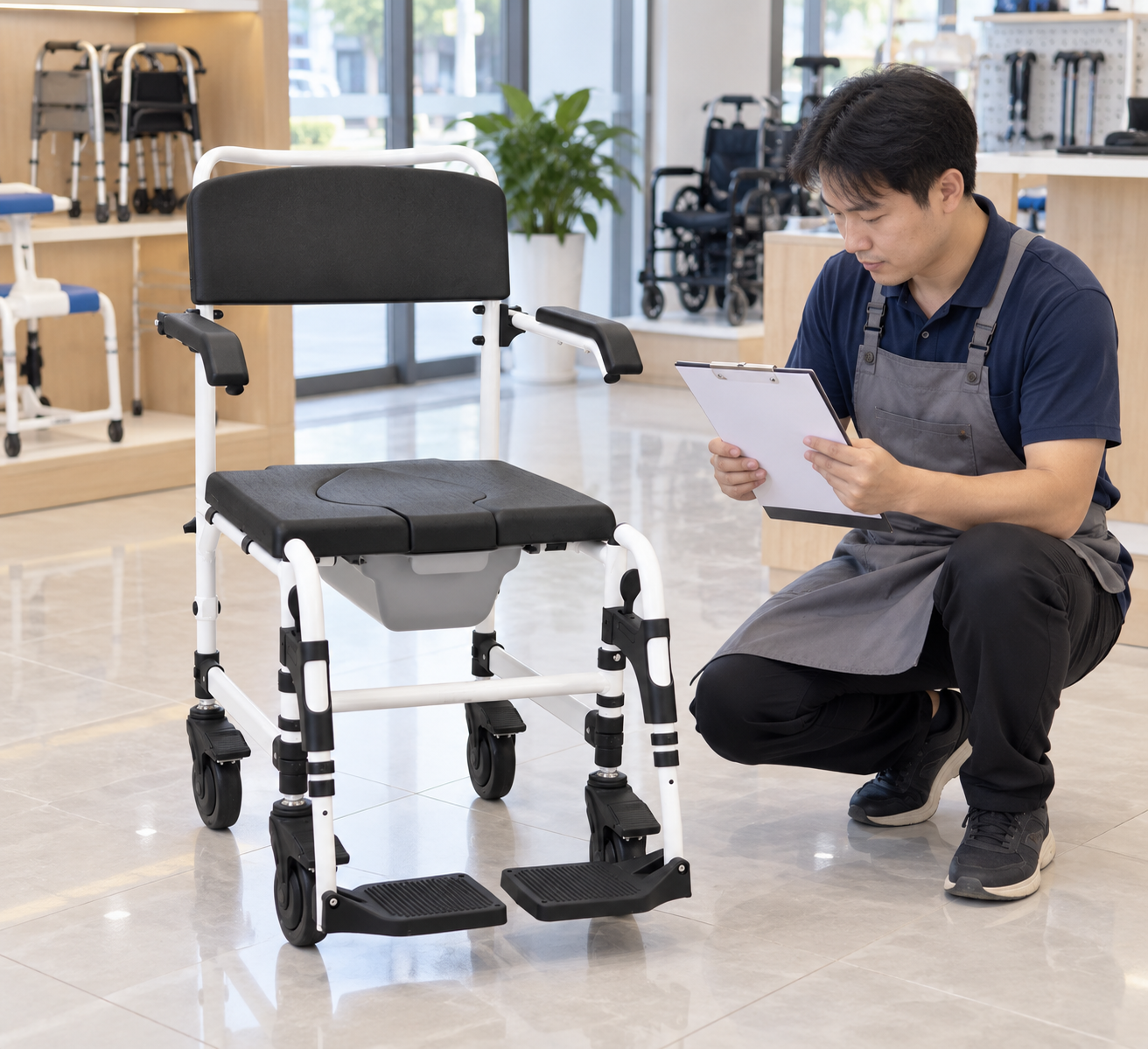
Commode chair inspection at receiving ends with product identity, completeness and specified condition checks. It does not decide whether the chair fits a particular person or room. Keep individual fitting and training with qualified staff after warehouse release.
Which team owns each decision?
Split the handoff clearly. WHO assistive-product training treats selection, fitting, use and follow-up as linked steps. A warehouse pass is only one part of delivery.
- Record warehouse acceptance or hold.
- Assign the personal fit review separately.
- Keep user training tied to the actual model.
| Stage | Owner |
|---|---|
| Incoming stock | Receiving and technical staff |
| Personal use | Appropriate fitting and care staff |
A complete carton can still contain the wrong chair for one user. Key Takeaway: The organization avoids confusing stock control with suitability.
What commode chair inspection record helps a supplier?
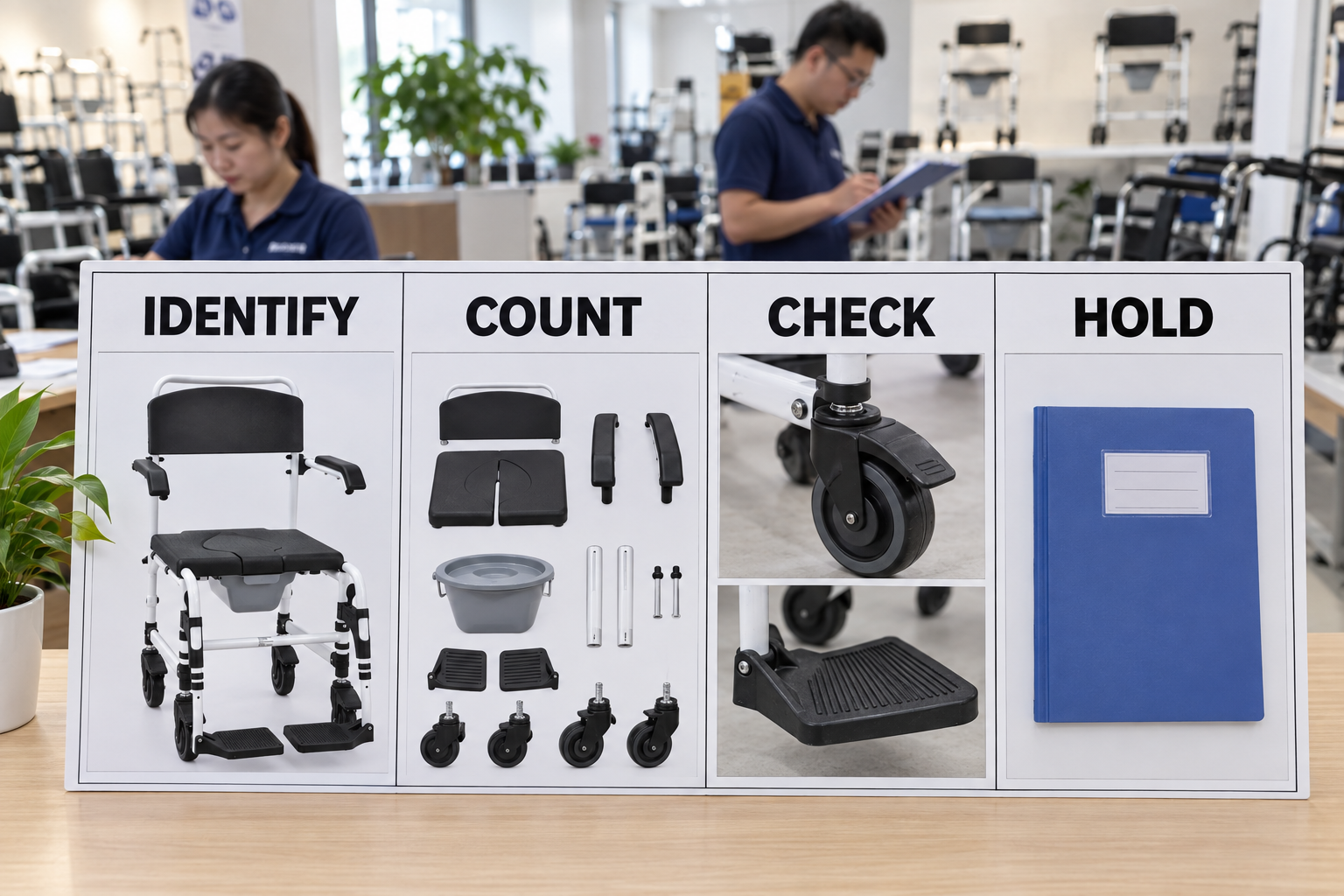
Commode chair inspection records should include purchase order, model, variant, carton, observations, photos and disposition. Keep passed and held units separate. The chart above organizes the review; it is not proof of a performance test.
How should a hold be closed?
Give every discrepancy a traceable next step. Ask the supplier team for replacement, service or return instructions tied to the recorded unit. Do not erase the original finding after a remedy.
- Log model and carton identifiers.
- Record issue, owner and response date.
- Keep final resolution with the first record.
| Record | Purpose |
|---|---|
| Finding | Shows what was observed |
| Disposition | Shows whether the unit may proceed |
A clear hold record reduces repeat questions and silent release. Key Takeaway: Both buyer and supplier can resolve the same issue.
How do you run commode chair inspection consistently?
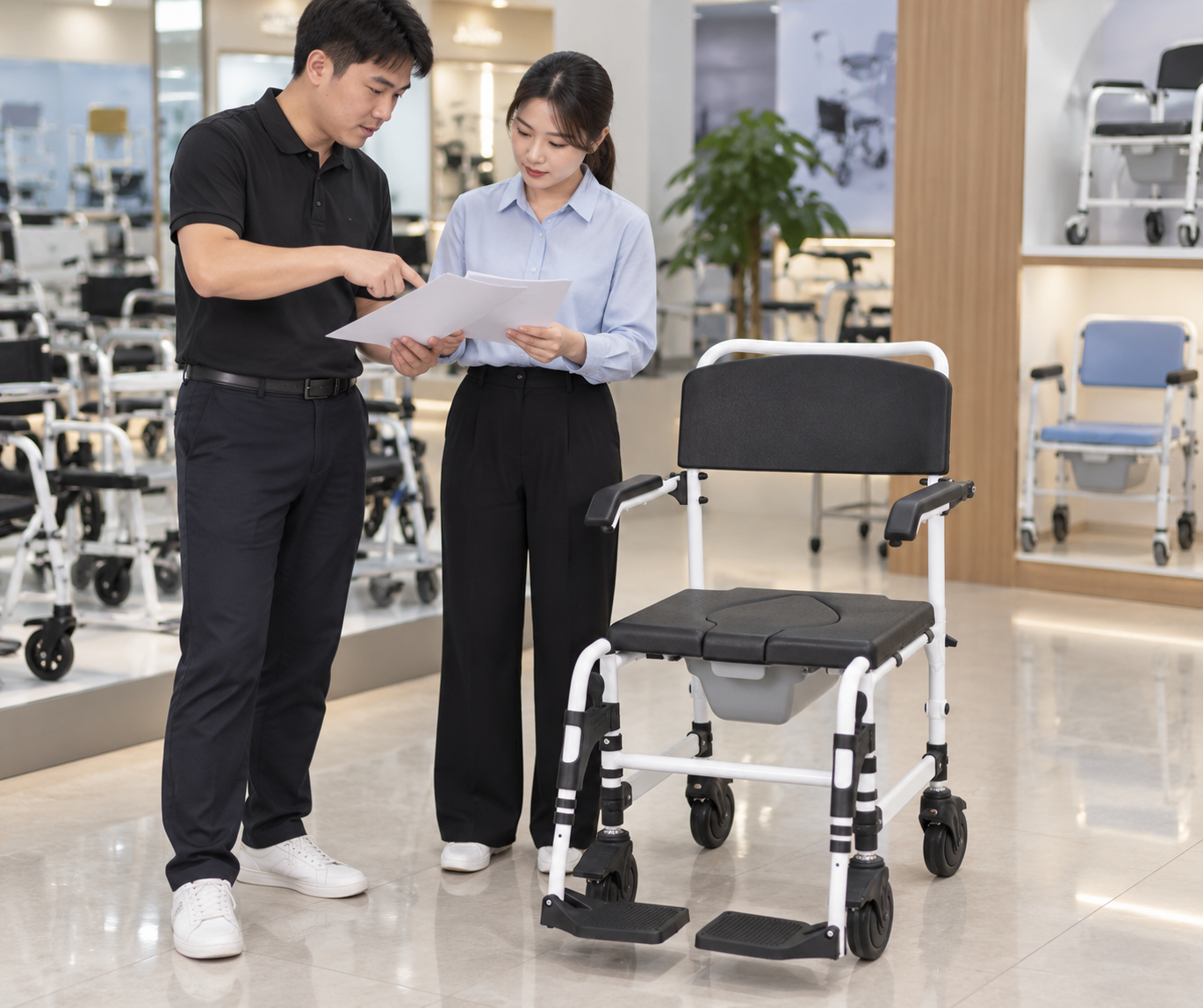
Run commode chair inspection with a variant-specific checklist, trained product checks and a documented hold process. Verify any U.S. claim through the correct official route and leave individual fit to the care team. A product photo cannot replace these steps.
What belongs in the standard work?
Make the next delivery easy to compare. Use the exact order and model file for each batch. Review recurring faults with the supplier before a later shipment.
- Match model, parts and documents.
- Record visible condition and required checks.
- Hold discrepancies until resolved.
| Buyer action | Result |
|---|---|
| Consistent incoming record | Traceable stock decision |
| Separate fit review | User-specific decision later |
A repeatable warehouse process catches issues without claiming clinical clearance. Key Takeaway: For model details and sample records, contact us. Ary Medical supports careful incoming checks and honest product claims.
Frequently asked questions
Q1: Can a warehouse pass mean the chair fits a user?
No. Incoming inspection checks stock; trained staff must review the individual fit and care plan.
Q2: How do I know which wheel variant arrived?
Match model and wheel layout to the order, drawing and product label. Do not rely on seat color.
Q3: What's the best response to a missing pan?
Hold the unit, record the model and carton, then request a supplier resolution.
Q4: Does FDA registration mean this chair is approved?
No. FDA says registration and listing do not establish product approval, clearance or authorization.
Q5: Can I load-test a chair at receiving from a blog checklist?
No. Follow the maker's approved inspection and test instructions with competent staff.