
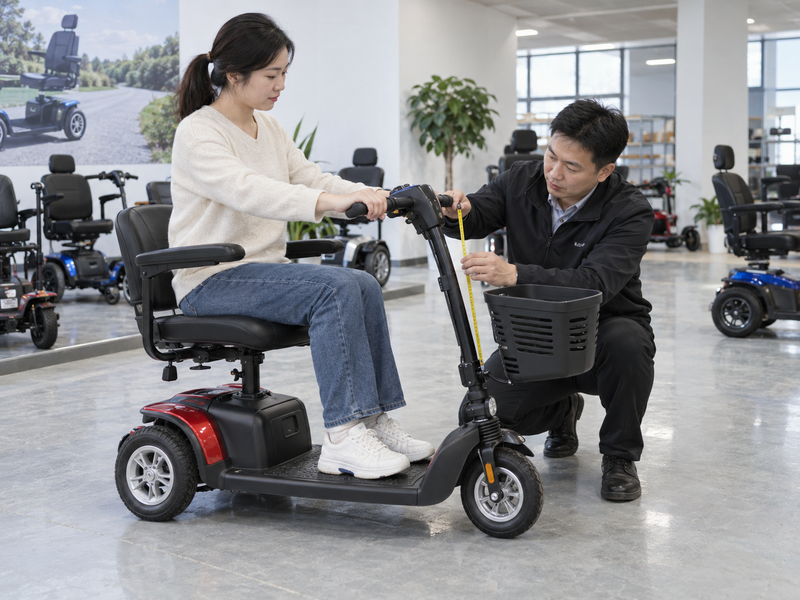
Check a mobility scooter tiller by matching seated reach, permitted adjustment and control access to the exact scooter model. In a dealer showroom, a handlebar may look comfortable until the user must steer or stop without leaning forward. A short supervised trial, current maker instructions and written fit notes give you a better basis for the order.
Which tiller parts should a buyer identify?
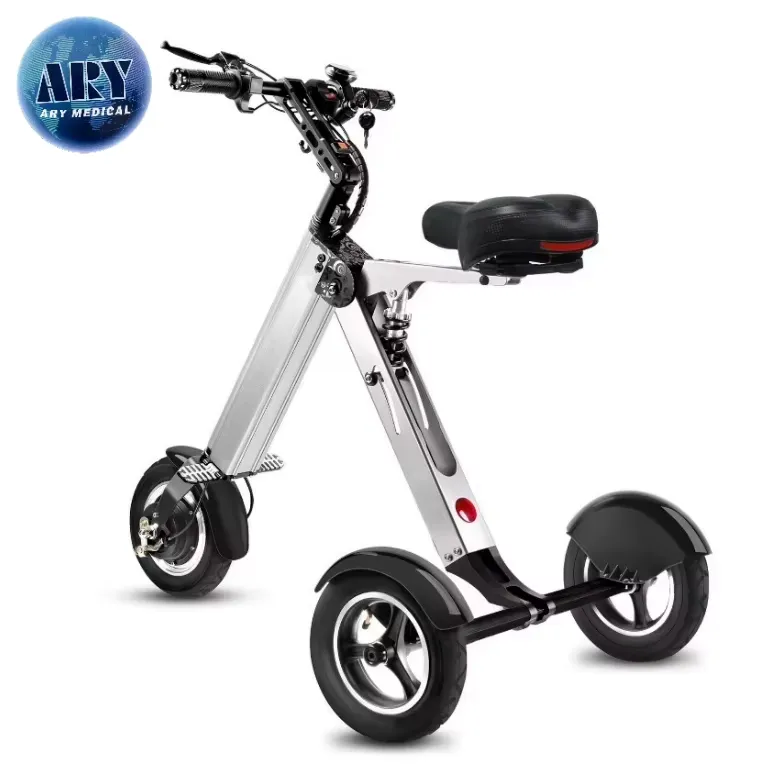
Mobility scooter tiller review starts with the handlebar, stem, control cluster and the exact scooter model. A showroom photograph can show their general arrangement but cannot establish an adjustment range or operating force. Ask for the current product drawing before comparing variants.
What should appear on the model sheet?
Name the parts before discussing comfort. Match every control in the scooter range to one photographed sample and its revision. Keep optional baskets or grip styles separate from the base configuration.
- Record the model and revision.
- Photograph both handlebar sides.
- List fitted options.
| Buyer check | Evidence to keep |
|---|---|
| Record the model and revision | Current model drawing |
| Photograph both handlebar sides | Dated sample images |
An unnamed sample makes later measurements hard to repeat. Key Takeaway: Your buyer can compare the intended tiller rather than a generic product photo.
How should you check seated reach?
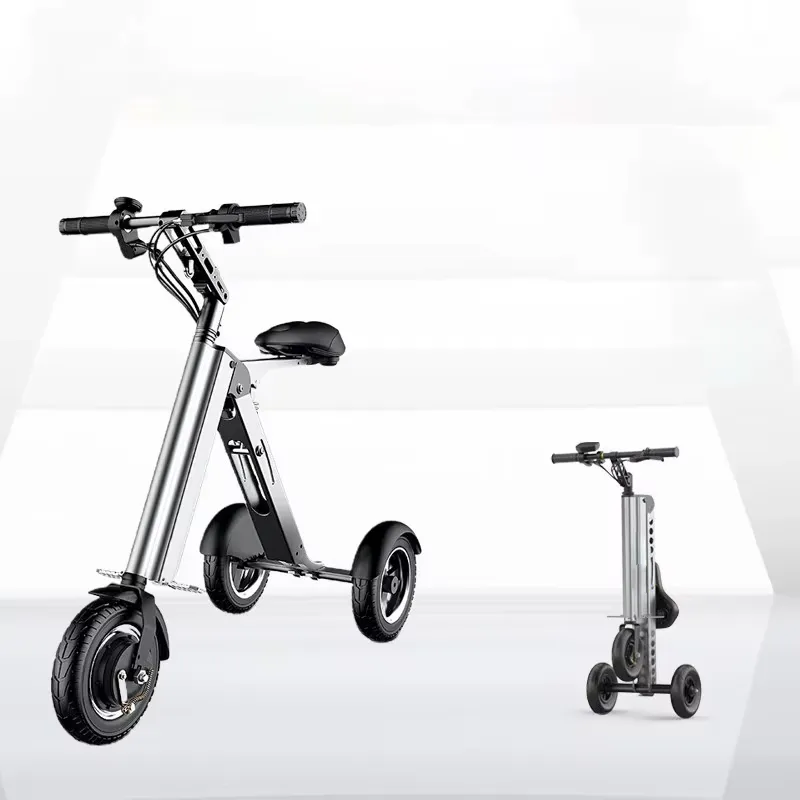
A mobility scooter tiller reach check compares a seated person's hand position with the exact handlebar and control locations. A buyer should not infer fit from standing beside the scooter. Use a responsible assessor when individual mobility needs affect the trial.
Which positions belong in the trial?
Start from the seat, not the catalog. Record the seat setup, arm support position and comfortable hand contact before moving the tiller. Ask the maker which adjustments are permitted and keep the trial within those limits.
- Record the seated setup.
- Observe both hands on controls.
- Check reach after adjustment.
| Buyer check | Evidence to keep |
|---|---|
| Record the seated setup | Seat and arm position note |
| Observe both hands on controls | Supervised trial record |
A reach measurement without the seat setting has little value. Key Takeaway: You can judge control access in the same posture the person will use.
Which adjustments does the tiller actually allow?
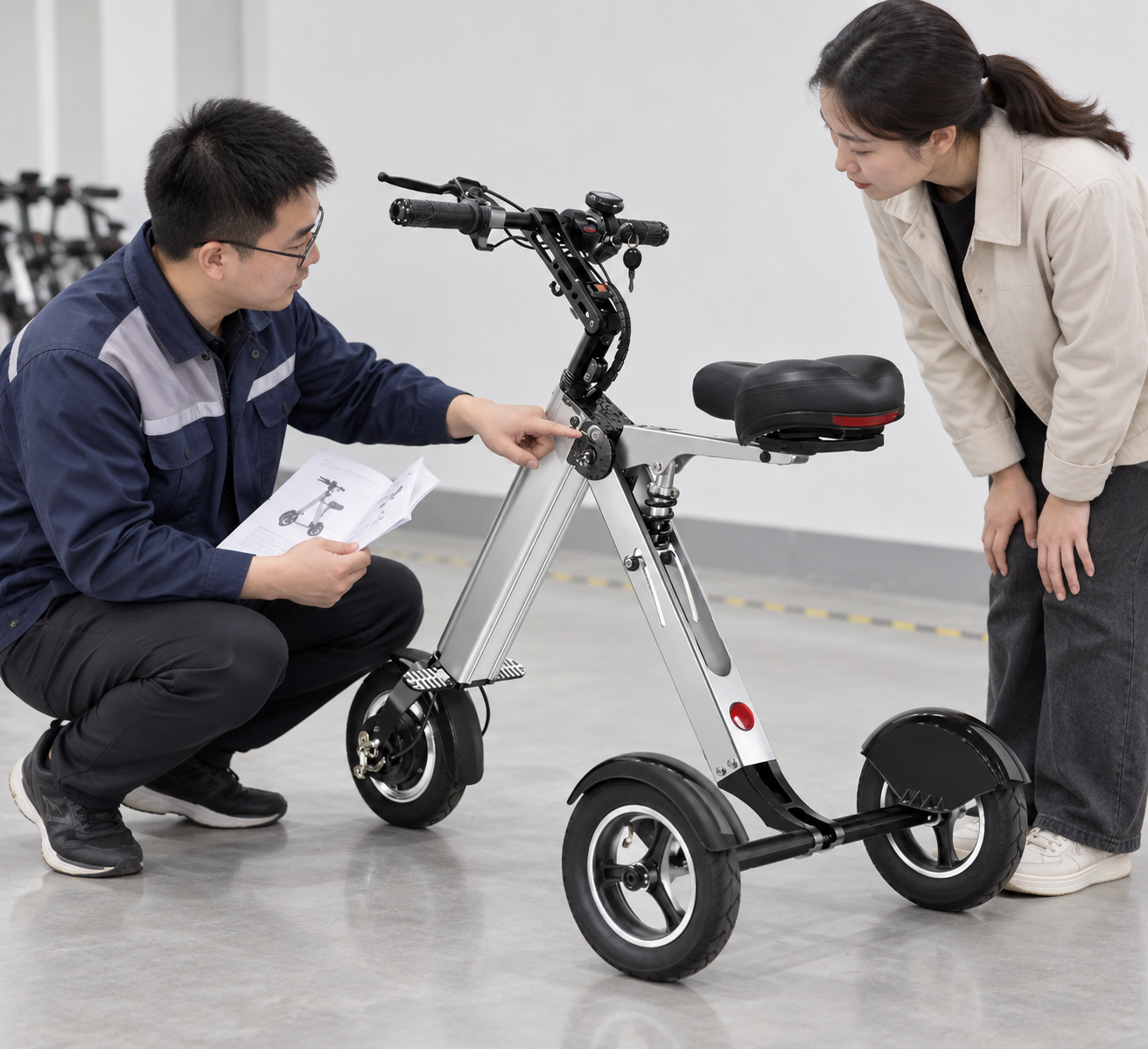
Mobility scooter tiller adjustment depends on the specific stem, hinge and locking method shown in the maker's current instructions. A visible joint is not proof of unlimited movement. Record the permitted positions before promising a buyer more reach.
How can a dealer verify the setting?
The lock deserves a closer look. Have trained staff demonstrate adjustment on an unloaded sample, then return it to the prescribed operating position. Note any tool, pin or release step without improvising a new procedure.
- Request the exact adjustment guide.
- Demonstrate each allowed position.
- Confirm the final locked state.
| Buyer check | Evidence to keep |
|---|---|
| Request the exact adjustment guide | Current maker instructions |
| Demonstrate each allowed position | Controlled sample record |
A loose or undocumented setting can undermine an otherwise good fit. Key Takeaway: Your specification can state only adjustments the confirmed model supports.
What changes when the scooter turns or stops?
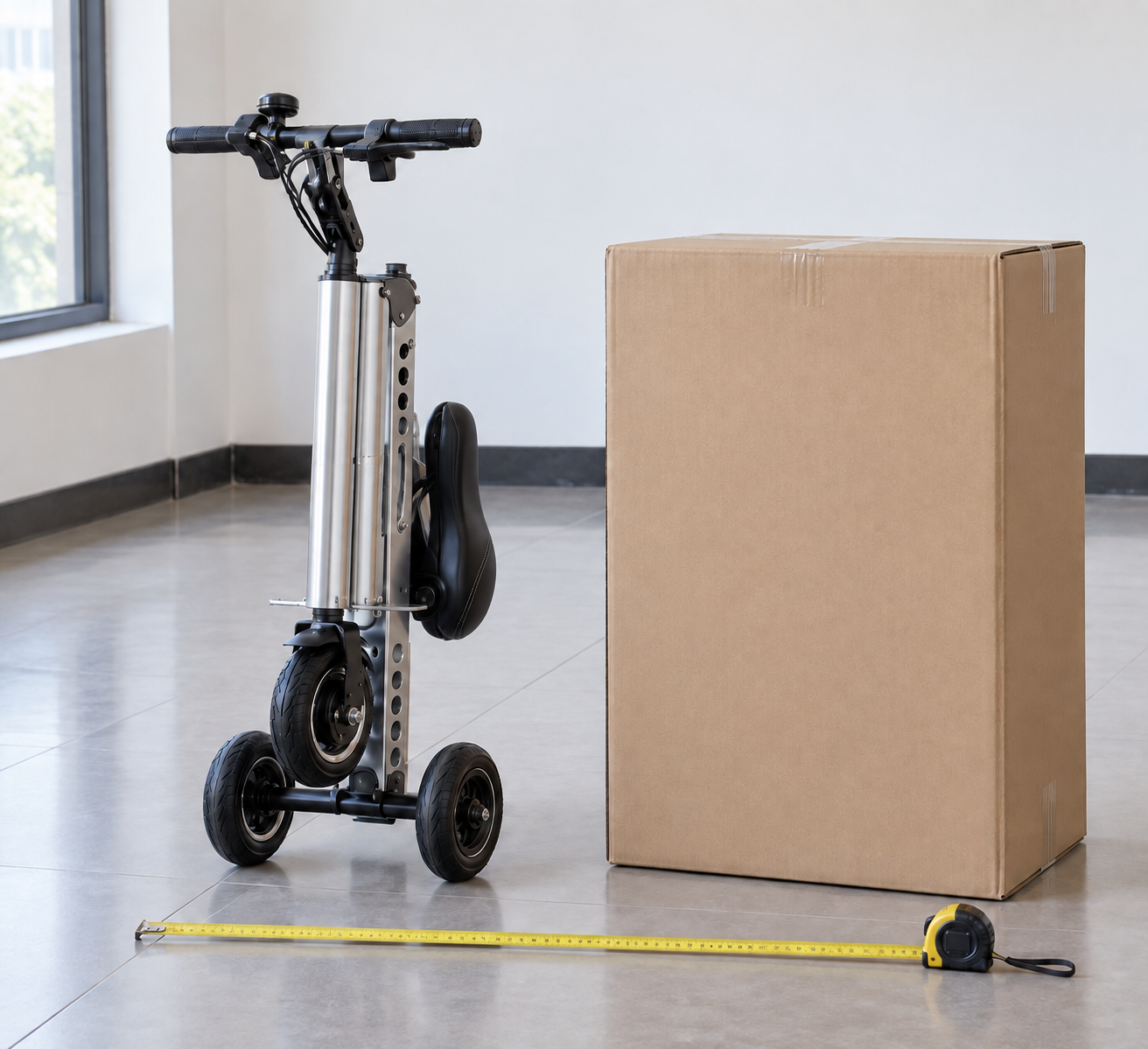
A mobility scooter tiller must remain reachable while the user steers and uses the model's normal stop controls. Static hand placement alone misses what happens during a turn. Run a low-speed sample route under the maker's procedure.
What should the route show?
A short route reveals more than a pose. Use clear space and one approved folding scooter configuration at a time. Watch for unintended leaning, blocked control access or a need to release the grip.
- Mark a simple turning route.
- Observe control access while moving.
- Record the stopping action.
| Buyer check | Evidence to keep |
|---|---|
| Mark a simple turning route | Measured trial layout |
| Observe control access while moving | Supervised observation |
The trial should describe what happened without claiming a universal stopping distance. Key Takeaway: You can distinguish a comfortable showroom posture from usable control on the route.
How do grip shape and control spacing affect fit?
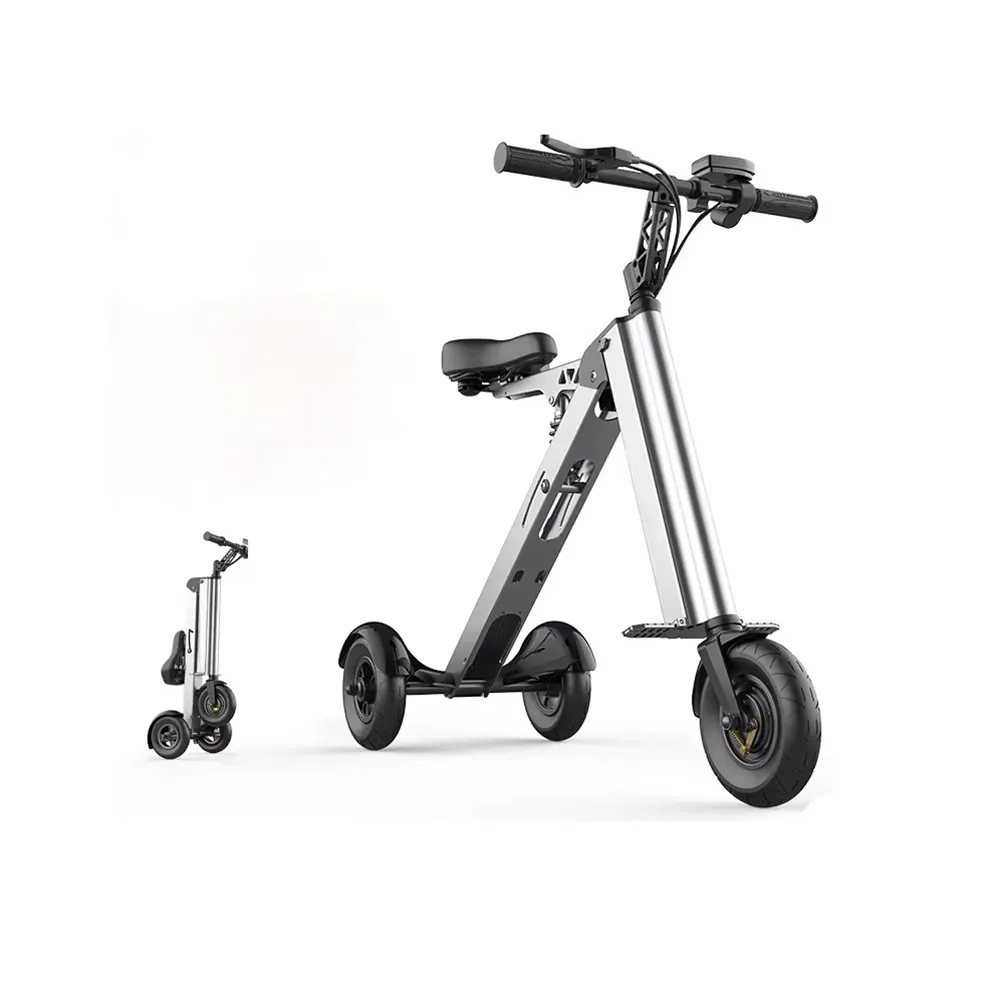
Mobility scooter tiller grip shape and spacing affect where a person can hold the bar and reach the controls. A larger handle is not automatically easier for every user. Compare the exact grip supplied with the quoted model.
Which contact details should be recorded?
Hands tell the story here. Note the grip surface, thumb control location and any glove or dexterity needs in the buyer brief. Ask for a sample when a change in grip style is proposed.
- Photograph the supplied grips.
- Check thumb reach in the seat.
- Record any proposed option.
| Buyer check | Evidence to keep |
|---|---|
| Photograph the supplied grips | Model-specific image |
| Check thumb reach in the seat | Observed fit note |
A grip substitution can change access even when the scooter frame stays the same. Key Takeaway: Your buyer can match the actual control interface to the intended user.
Can the tiller affect knee and transfer space?
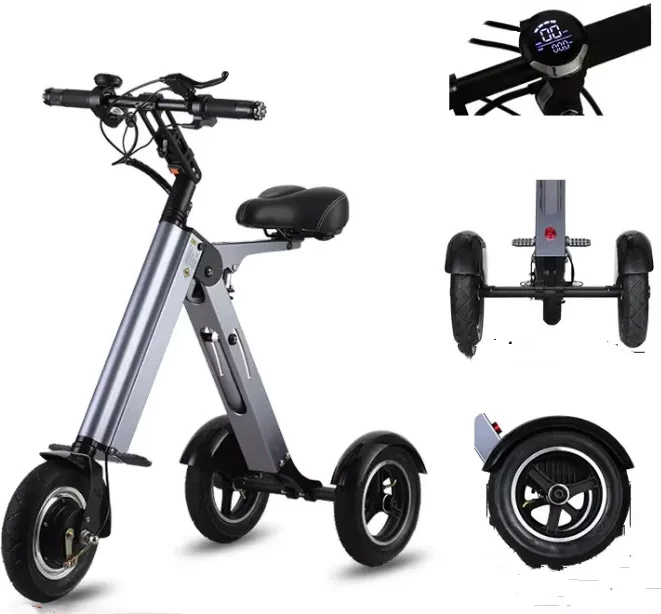
A mobility scooter tiller can affect knee clearance and the space a person uses to approach or leave the seat. Check the complete scooter with its seat and basket fitted. A cropped handlebar image cannot settle transfer access.
Where should clearances be measured?
Measure the route around the person. Record the tiller position, foot platform, seat swivel if that model provides one and the intended approach side. Let an appropriate assessor decide whether the configuration fits the person's transfer plan.
- Measure knee-to-stem clearance.
- Record approach side.
- Check fitted accessories.
| Buyer check | Evidence to keep |
|---|---|
| Measure knee-to-stem clearance | Seated sample measurement |
| Record approach side | Individual access plan |
An attractive handlebar layout may still obstruct the practical way on and off. Key Takeaway: You can screen out a poor fit before placing a fleet order.
Which route conditions belong in a tiller review?
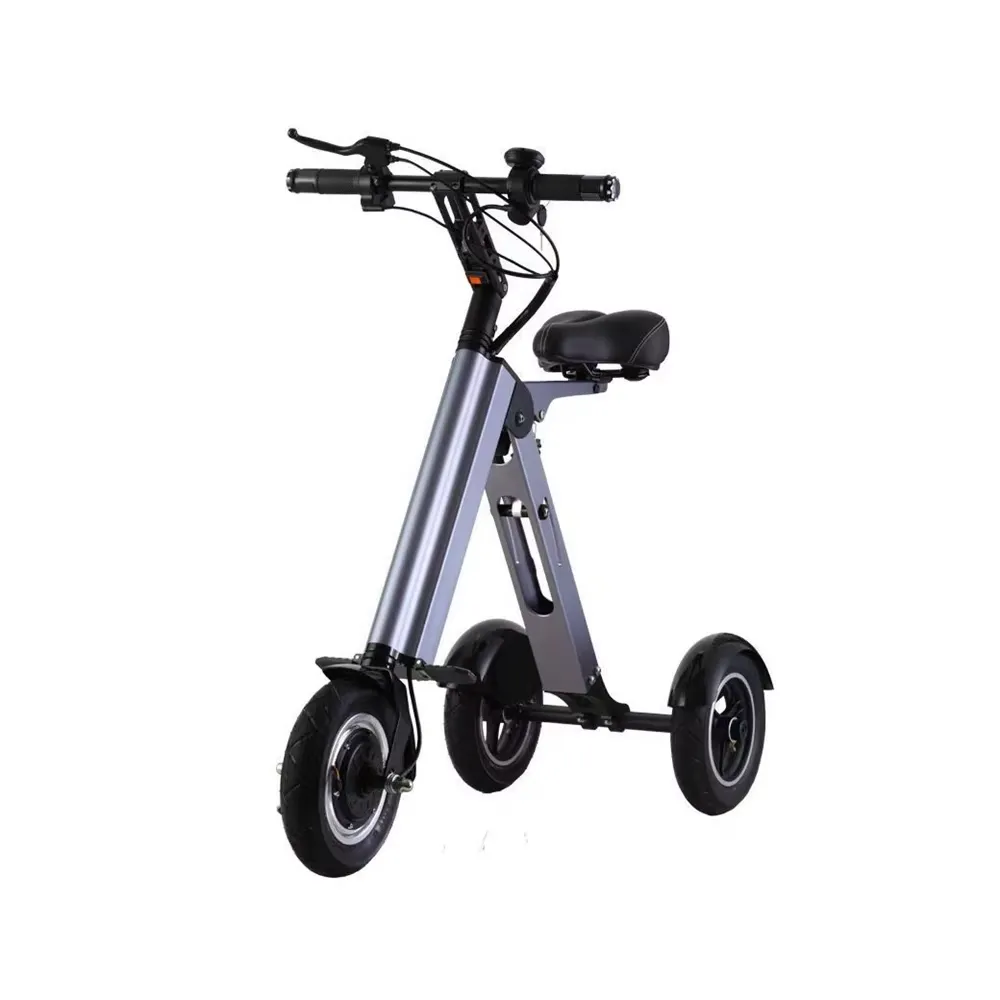
Mobility scooter tiller suitability depends on the actual route, surface and the maker's permitted operating conditions. A smooth showroom floor is only one part of that picture. Ask the buyer to describe regular doorways, turns and slopes without assuming a photograph proves capability.
How should a route brief be written?
Bring the route into the room. Compare the sample with a four-wheel option only after identifying both exact models. Keep route observations separate from unverified claims about terrain or climbing.
- Measure narrow passages.
- List surface changes.
- Check maker use limits.
| Buyer check | Evidence to keep |
|---|---|
| Measure narrow passages | Route survey |
| List surface changes | Site observation |
A route summary gives control-reach findings useful context. Key Takeaway: Your dealer can choose a model for the place it will actually be used.
What should a sample trial record?
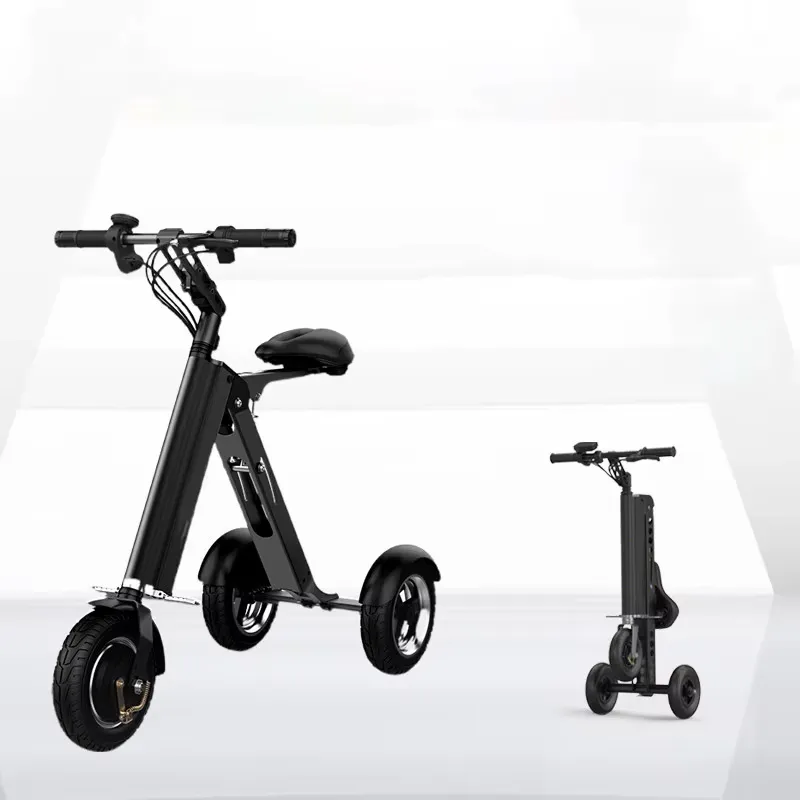
A mobility scooter tiller sample trial should record the model, setting, participant, route and observed control access. A verbal “felt fine” note cannot support a later comparison. Keep a short form that a second dealer can reproduce.
Which fields make the result reusable?
A blank form beats a vague memory. Capture the date, seat setup, allowed tiller position and any reason the trial stopped. Store the maker guide version beside the result so future staff know which configuration was tested. WHO's assistive product specifications give procurement context, not this rider's tiller setting.
- Identify the sample unit.
- Record the exact setting.
- Note the trial outcome.
| Buyer check | Evidence to keep |
|---|---|
| Identify the sample unit | Model and serial record |
| Record the exact setting | Adjustment position |
A repeatable record can reveal a variant mismatch before delivery. Key Takeaway: You can compare sample findings without relying on recollection.
How should dealers compare tiller options?
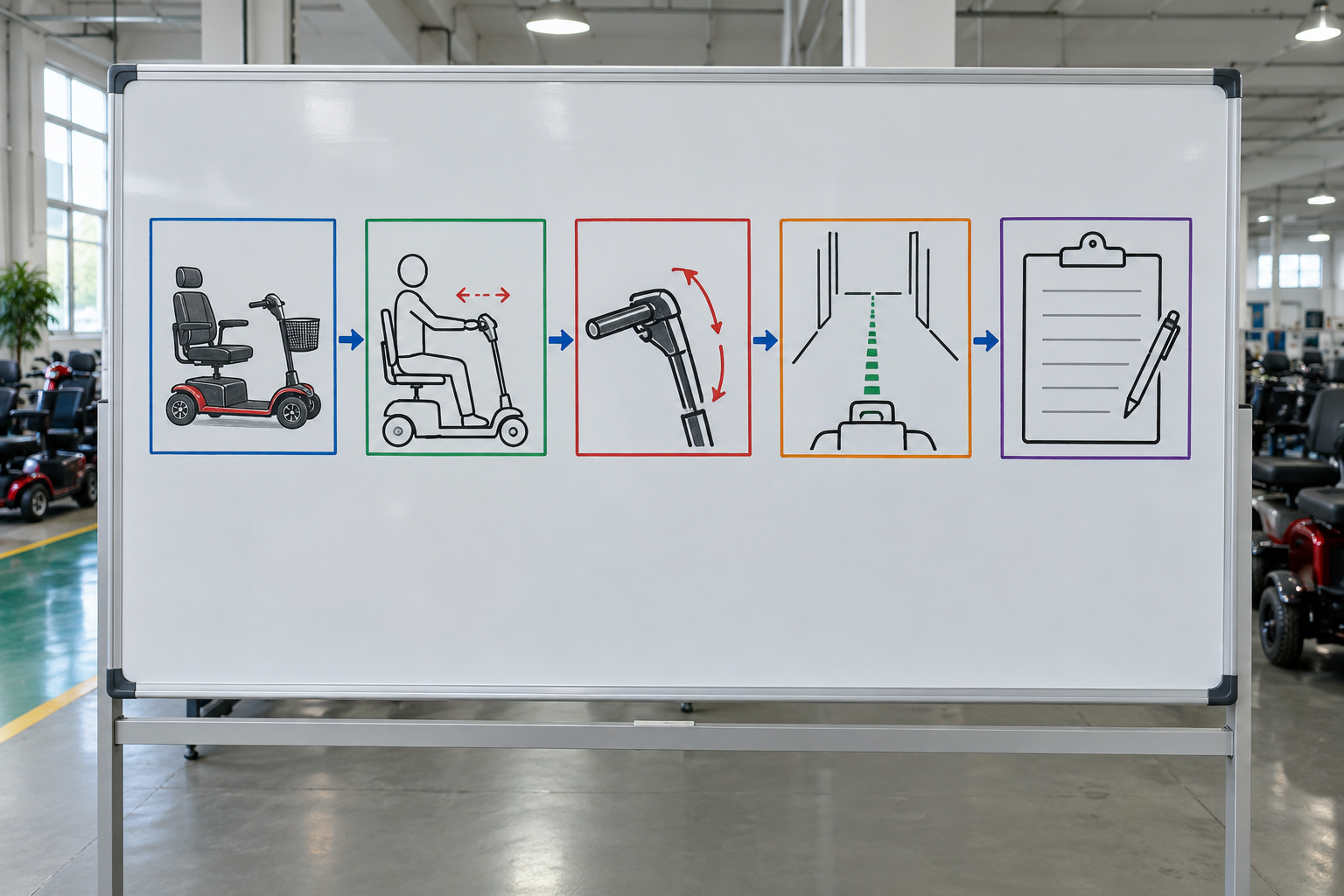
Mobility scooter tiller options should be compared using the same seated setup, route and maker-approved checks. Changing the scooter and the test together hides why a result improved. Keep each quote tied to its own model record.
Which comparison fields matter?
One variable at a time keeps the choice honest. Photograph the complete scooter and record adjustment method, control reach and transfer space for each candidate. Do not turn a blank chart into a performance claim.
- Use one seat setup for both samples.
- Record each control layout.
- List unresolved questions.
| Buyer check | Evidence to keep |
|---|---|
| Use one seat setup for both samples | Comparable trial form |
| Record each control layout | Model-specific images |
A comparison is useful only when its conditions are visible. Key Takeaway: Your buyer can select from documented differences rather than sales language.
How can a buyer choose a tiller with confidence?
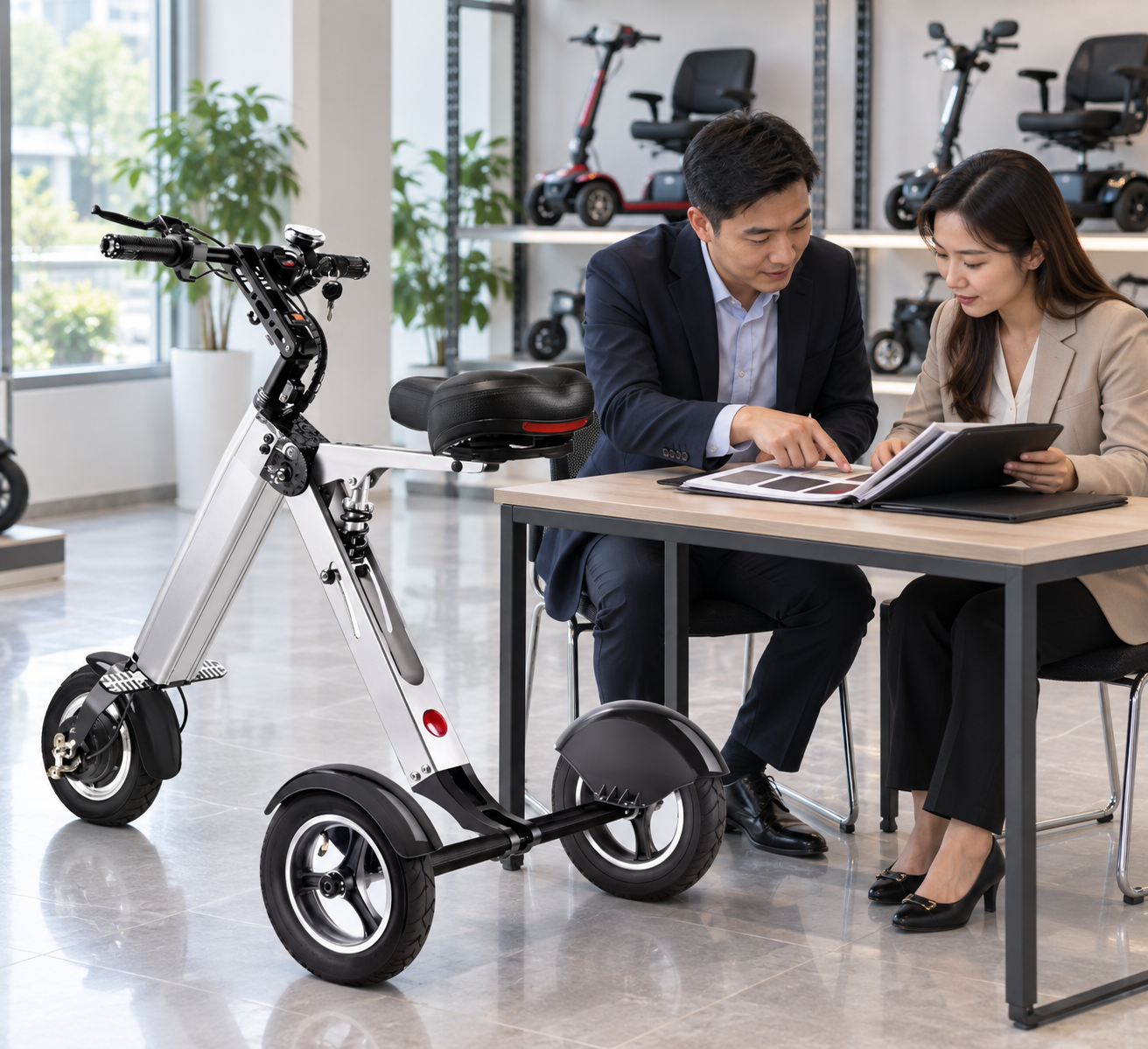
Mobility scooter tiller selection is strongest when an exact model, permitted adjustment and observed user access agree. Ask for the current guide, a sample and a clear quote before committing. Keep unresolved fit questions open rather than making a universal comfort promise.
What should the final enquiry contain?
Finish with a decision someone can check. Send the model code, intended seated setup, route notes and questions about adjustment or service. Request written answers that refer to the same version offered for sale.
- Name the intended model.
- Attach fit observations.
- List open service questions.
| Buyer check | Evidence to keep |
|---|---|
| Name the intended model | Current quote and drawing |
| Attach fit observations | Sample trial record |
A precise brief gives the supplier a fair chance to respond. Key Takeaway: For a model-specific review, contact us. Ary Medical backs choices that can be checked against a real person and product.
Frequently asked questions
Q1: Can I judge tiller fit from a product photo?
No. A photo cannot show seated reach, permitted adjustment or a person's route. Use the exact model and a supervised sample.
Q2: What's the best tiller position for every user?
There is no universal position. Follow the model guide and an individual fit assessment.
Q3: How do I know if the tiller locks correctly?
Use the maker's prescribed check. Have trained staff demonstrate it on the exact model.
Q4: Can I change a grip without checking the controls?
No. A different grip can change reach and control access. Confirm approved parts first.
Q5: Should a dealer keep trial records?
Yes. Record model, setting, route and observations so another staff member can review the choice.