
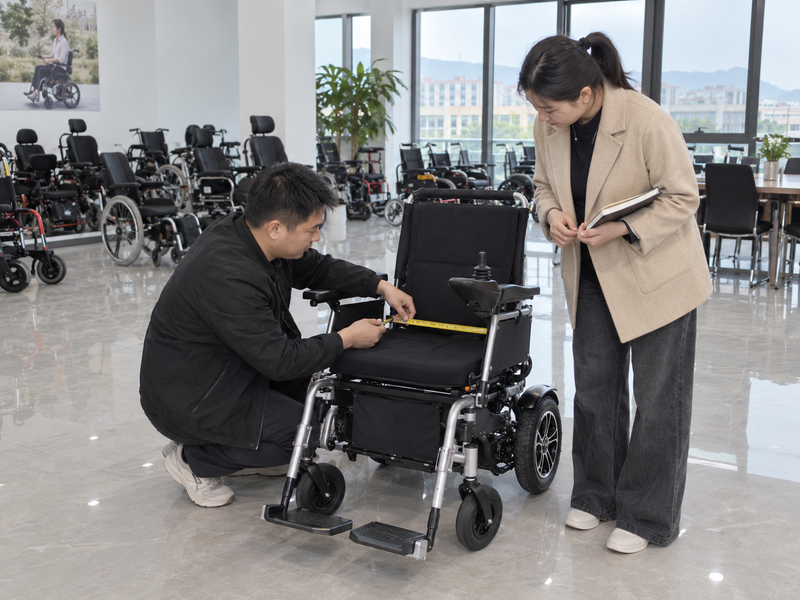
Check electric wheelchair seat depth by measuring the exact configured chair and asking a qualified assessor to review the intended user. A buyer may receive a seat dimension that looks right on paper while a different cushion or backrest changes usable space. Model drawings, an itemized seat setup and a supervised trial give you a firmer basis for the order.
What does seat depth mean on an electric wheelchair?
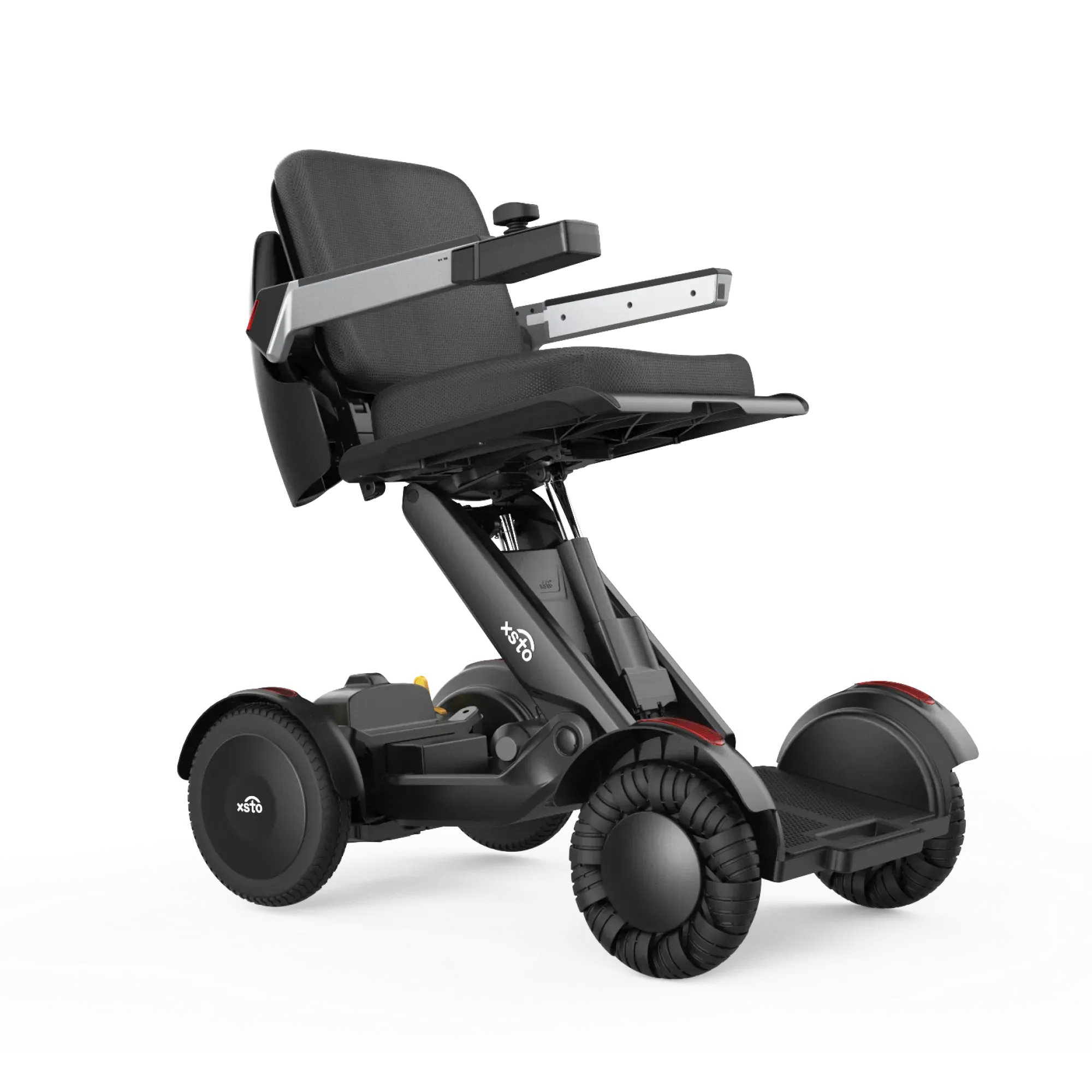
Electric wheelchair seat depth should name the usable front-to-back seat dimension for the exact configured chair. A photograph can show a cushion and backrest but not the reference points used in a specification. Request the maker's drawing and measurement method.
Which configuration belongs on the drawing?
Name the seat you are measuring. Match the lightweight electric wheelchair model, back support and cushion supplied in the quote. Keep optional seating parts on separate lines.
- Record the exact model.
- Name the cushion.
- Ask for measurement points.
| Buyer check | Evidence to keep |
|---|---|
| Record the exact model | Current drawing |
| Name the cushion | Quoted parts list |
Two sellers can report different numbers if they measure different surfaces. Key Takeaway: Your buyer can compare dimensions on the same basis.
Who should judge personal seat fit?
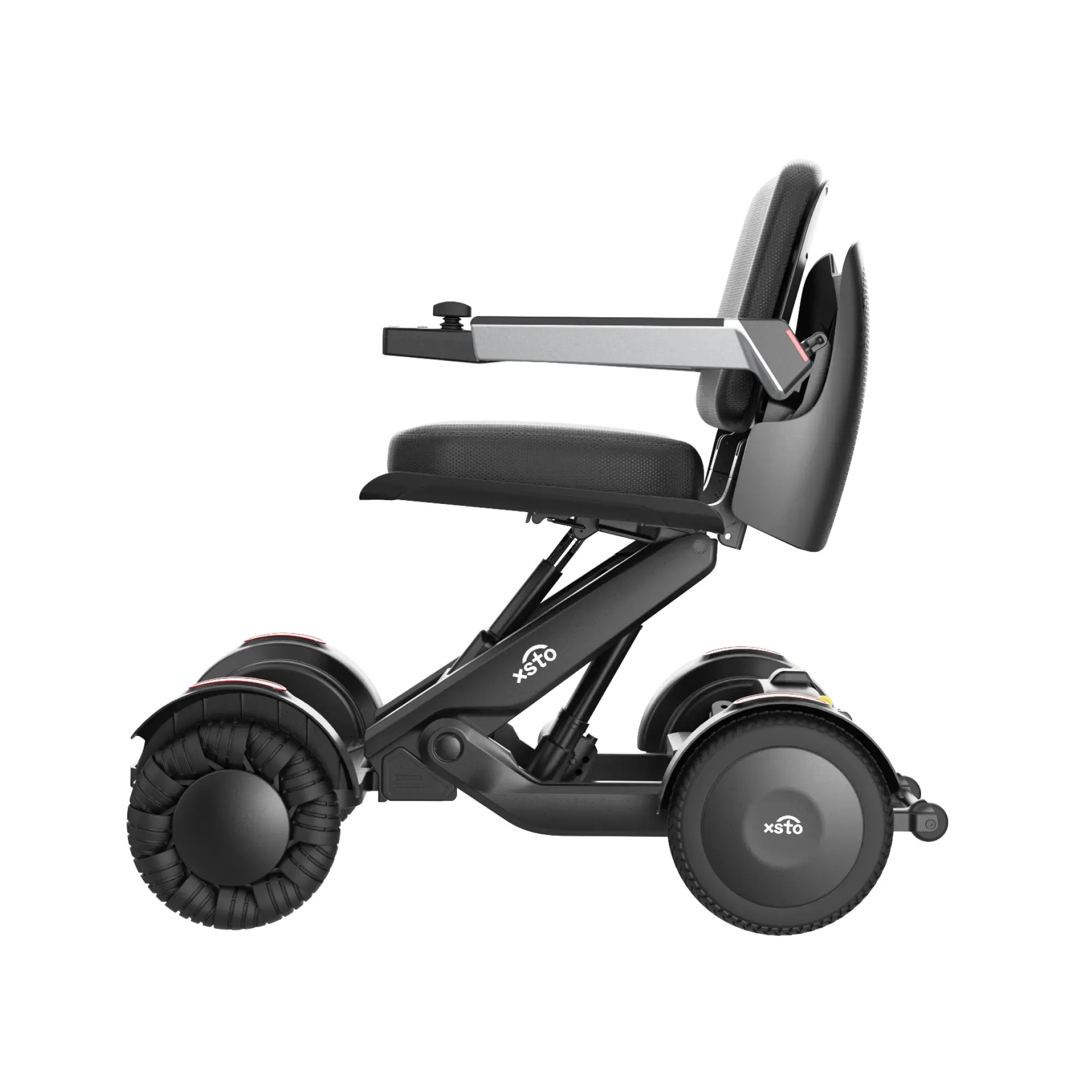
Electric wheelchair seat depth fit for an individual should be reviewed by an appropriate qualified assessor with the user present. A dealer dimension alone cannot determine suitability. Separate personal recommendations from product measurements in the enquiry.
What should the assessor receive?
Bring the person into the decision. Provide the exact chair configuration, adjustment options and current instructions. Record the assessor's requested trial setup without inventing a universal fitting rule.
- Share the model sheet.
- Describe the user context.
- Record the chosen setup.
| Buyer check | Evidence to keep |
|---|---|
| Share the model sheet | Current specification |
| Describe the user context | Assessment brief |
A correct product measurement may still be wrong for a particular person. Key Takeaway: You can order around an assessed need rather than a catalog average.
How can cushions change usable seat depth?
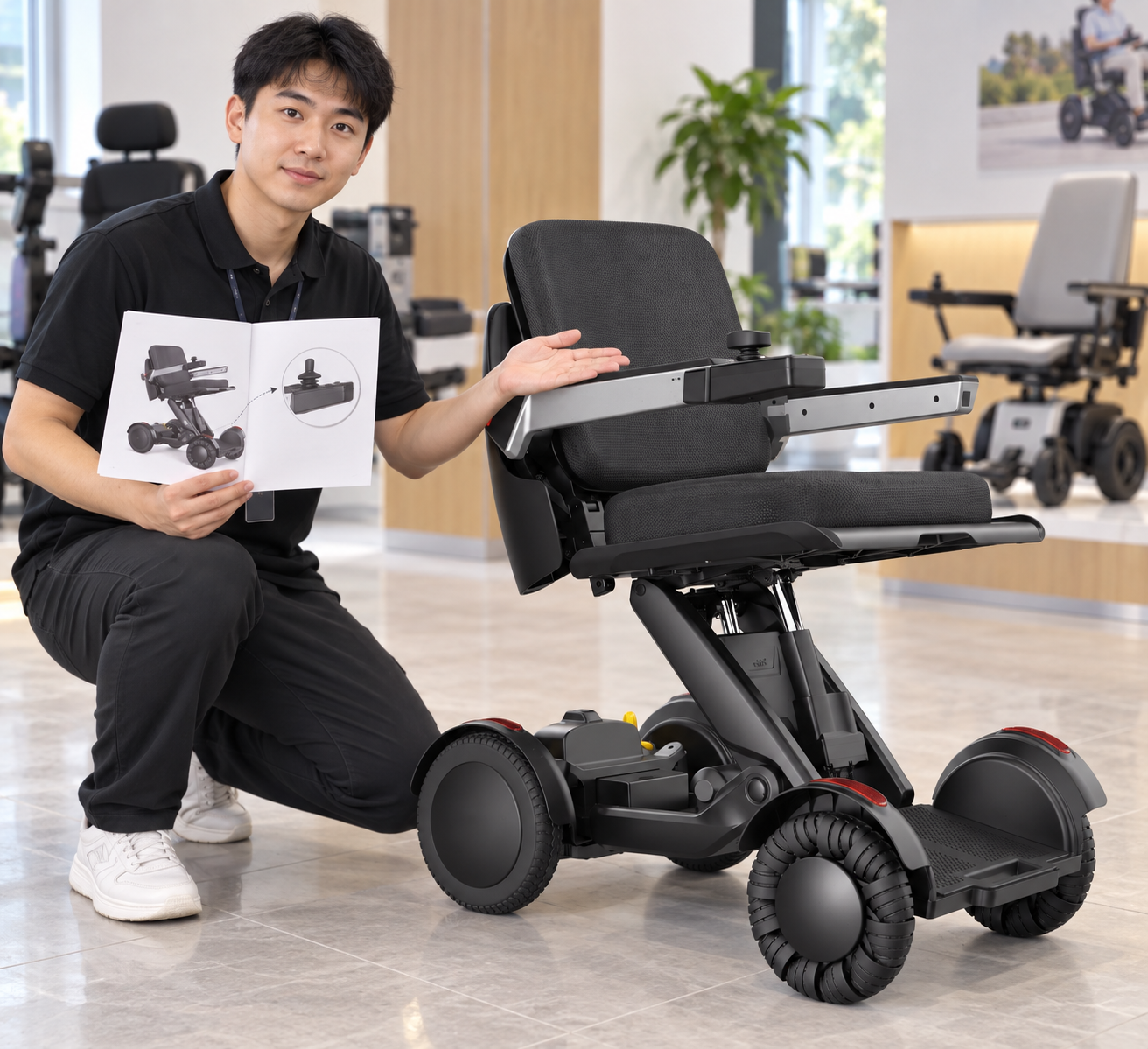
Electric wheelchair seat depth can change when a different cushion or back pad is installed. A nominal frame dimension may not equal the usable surface after accessories are fitted. Measure the exact configuration quoted to the buyer.
Which cushion details belong in the record?
Accessories change the reference point. List each cushion and back pad by part number, then compare the maker's fit guidance. Do not promise pressure relief or clinical benefit without an individual assessment and product evidence.
- Record cushion part code.
- Measure fitted seat.
- Note back pad position.
| Buyer check | Evidence to keep |
|---|---|
| Record cushion part code | Supplier list |
| Measure fitted seat | Sample dimensions |
An unrecorded cushion swap makes a fit figure hard to reproduce. Key Takeaway: Your buyer can connect the quoted seat to the measured one.
What should a backrest review include?
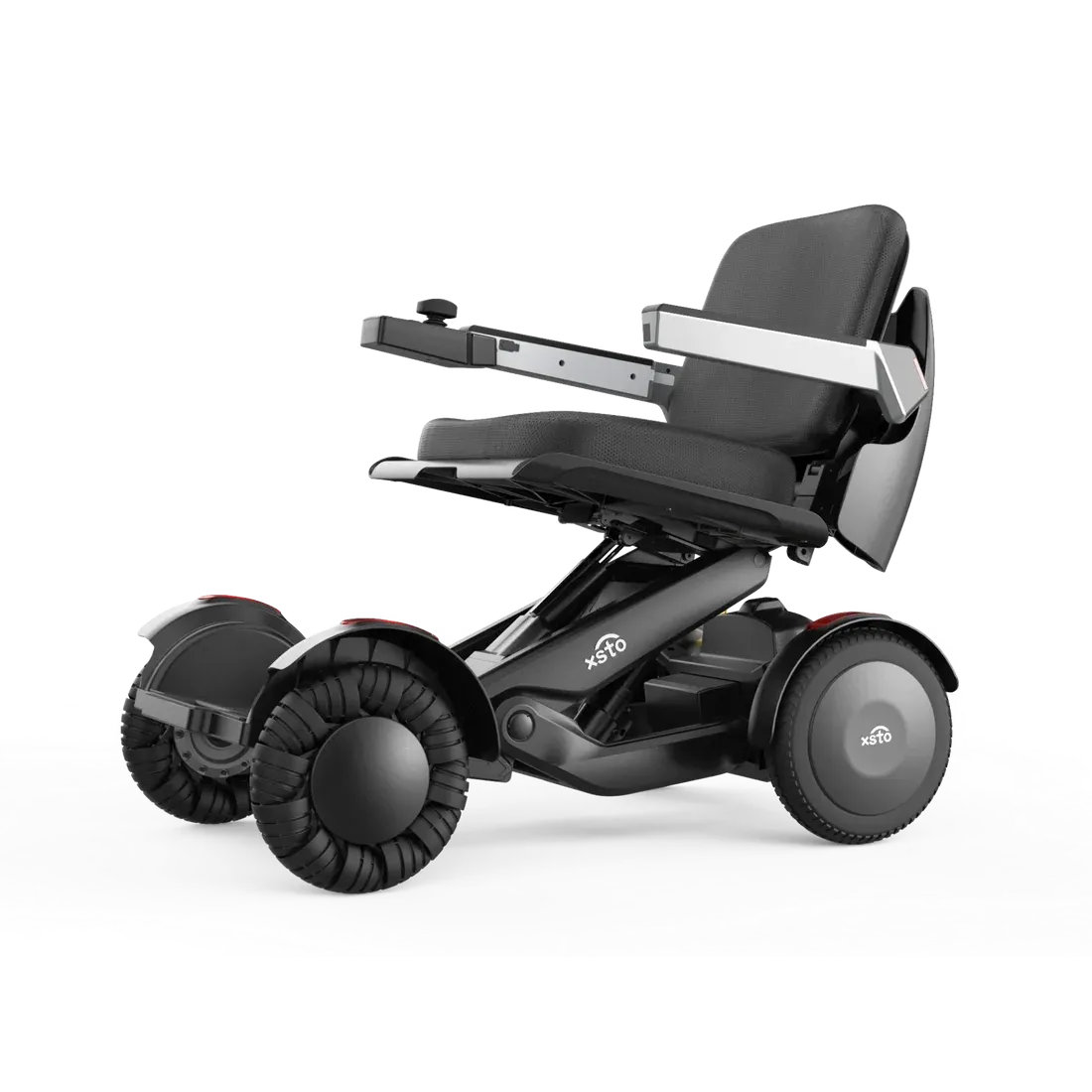
Electric wheelchair seat depth review should consider the installed back support and its permitted adjustment because it defines the rear seat reference. A wide-seat electric wheelchair may differ from another model even when both look broad. Use the current model guide.
Which backrest facts matter?
The back edge is not just fabric. Record the backrest model, mounting position and any approved setting. Ask the assessor to judge contact and support for the intended person.
- Identify the back support.
- Record approved position.
- Document user response.
| Buyer check | Evidence to keep |
|---|---|
| Identify the back support | Part number |
| Record approved position | Maker guide |
A changed backrest can alter where the person actually sits. Key Takeaway: You can avoid comparing dimensions from different setups.
How do leg supports relate to seat depth?
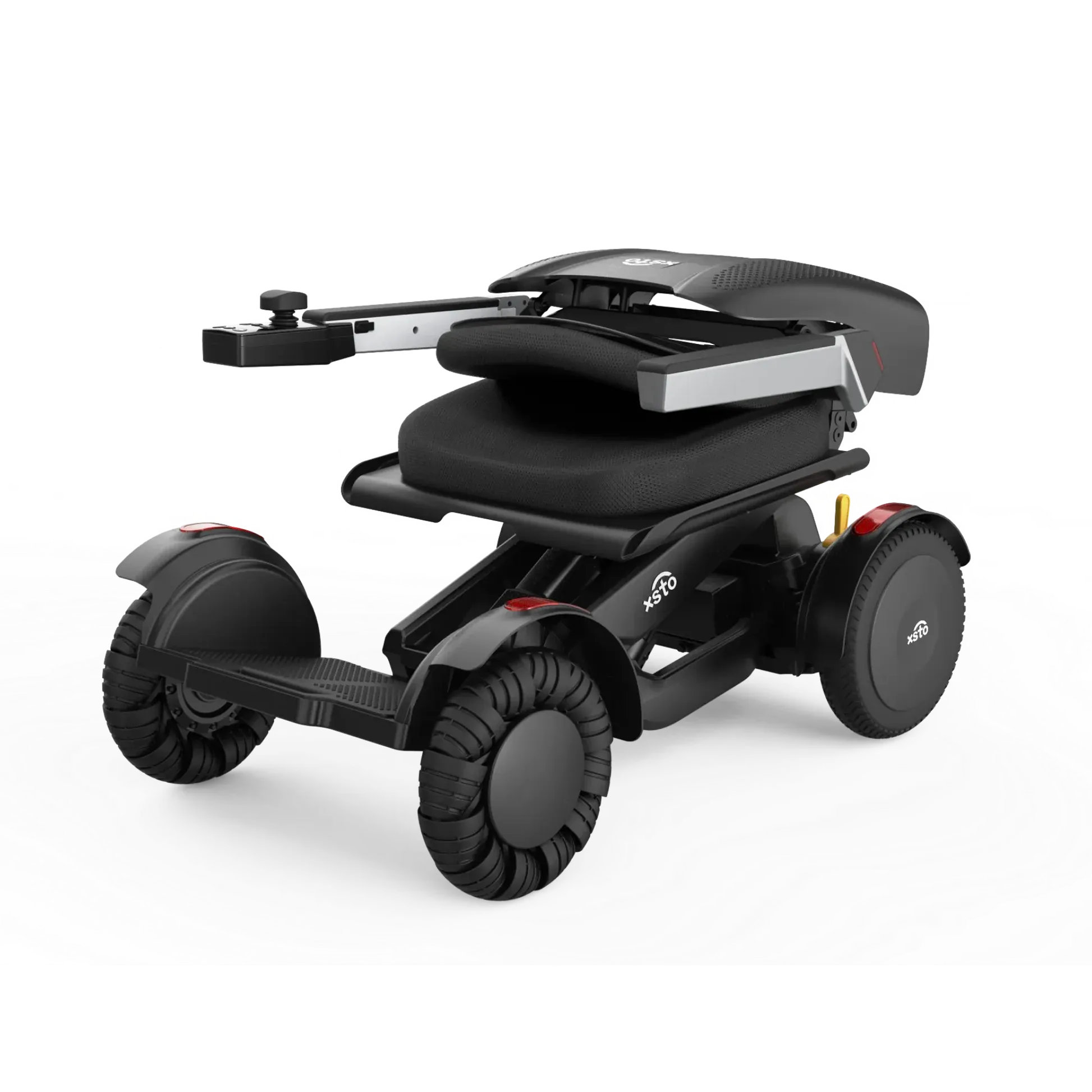
Electric wheelchair seat depth selection should be checked alongside the foot and leg support configuration. Seat length alone does not describe a complete seated position. Ask for the specific leg support fitted to the trial unit.
What should the trial record?
Look beyond the cushion front. Note foot support reach, permitted settings and any contact issue observed by the assessor. Keep these observations separate from a diagnosis or an unsupported clinical claim.
- Record foot support model.
- Note approved settings.
- Capture assessor findings.
| Buyer check | Evidence to keep |
|---|---|
| Record foot support model | Parts list |
| Note approved settings | Maker instructions |
A seat may appear acceptable until the lower-limb setup is considered. Key Takeaway: Your buyer can review the chair as a complete seating system.
What if the chair has optional seating features?
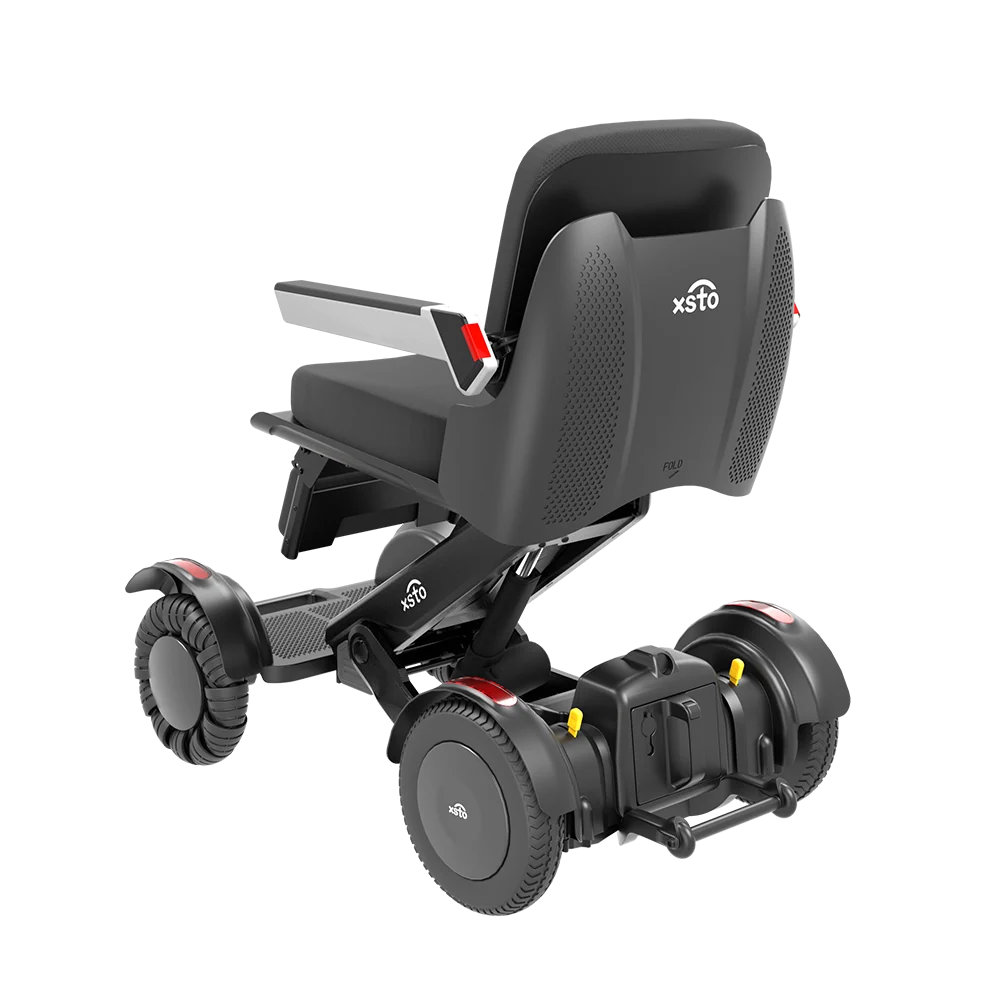
Electric wheelchair seat depth comparisons need the same seating variant on the sample and quote. Optional head, back or leg supports may change the setup being evaluated. Do not use a different pictured variant to imply a feature is included.
How should options be named?
Keep the base chair and options apart. Request a bill of materials for the model under review. Photograph the exact trial chair and identify any option that will be removed or added before delivery.
- List base configuration.
- Identify optional supports.
- Compare sample with order.
| Buyer check | Evidence to keep |
|---|---|
| List base configuration | Current quote |
| Identify optional supports | Part codes |
Variant confusion can leave an assessor reviewing the wrong chair. Key Takeaway: You can align the trial with what will actually be supplied.
Can seat depth affect transfer access?
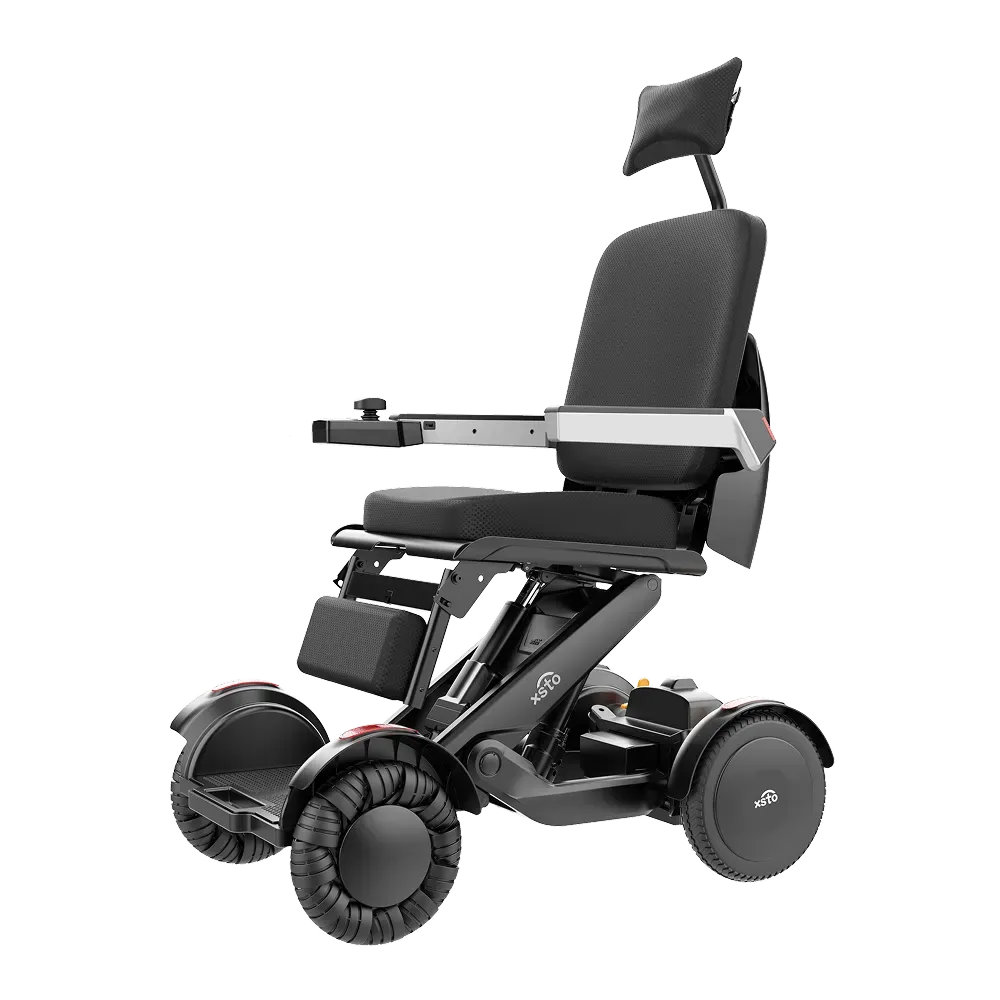
Electric wheelchair seat depth review should include how the person approaches and leaves the configured chair under an individual transfer plan. The ergonomic electric wheelchair page offers product context, not a transfer prescription. Check arm supports, footrests and surrounding space.
Which access details should be measured?
Fit continues beyond sitting. Record the room route and relevant chair settings with the responsible assessor. Do not improvise a transfer method based on a product image.
- Measure approach space.
- Record arm support setup.
- Note transfer findings.
| Buyer check | Evidence to keep |
|---|---|
| Measure approach space | Site survey |
| Record arm support setup | Exact model guide |
A seat choice that ignores entry and exit can fail in daily use. Key Takeaway: Your buyer can include practical access in the selection brief.
How should a sample fit review be run?
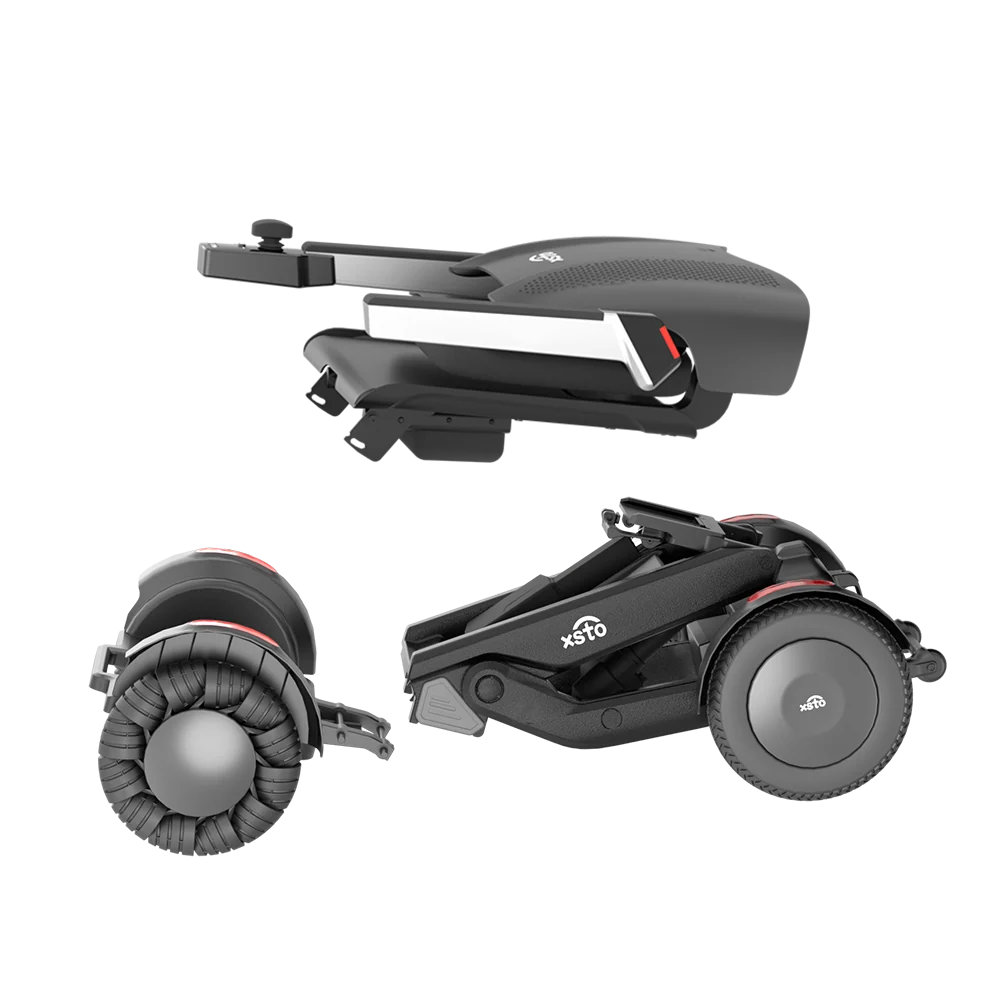
Electric wheelchair seat depth sample review should use an identified chair, fitted cushion and back support, and a documented assessor-led observation. A tape measure by itself cannot settle user comfort. Record what was tested and what remains open.
Which fields make the trial reproducible?
Repeat the same setup before comparing. Capture the model revision, seat parts, approved settings and date. If another chair is tried, change one variable at a time where practical.
- Identify the sample unit.
- List seating parts.
- Record observations.
| Buyer check | Evidence to keep |
|---|---|
| Identify the sample unit | Model and serial |
| List seating parts | Configuration sheet |
A repeatable trial is easier to discuss with the supplier. Key Takeaway: You can compare options without relying on a vague impression.
Which records should support a seat-depth quote?
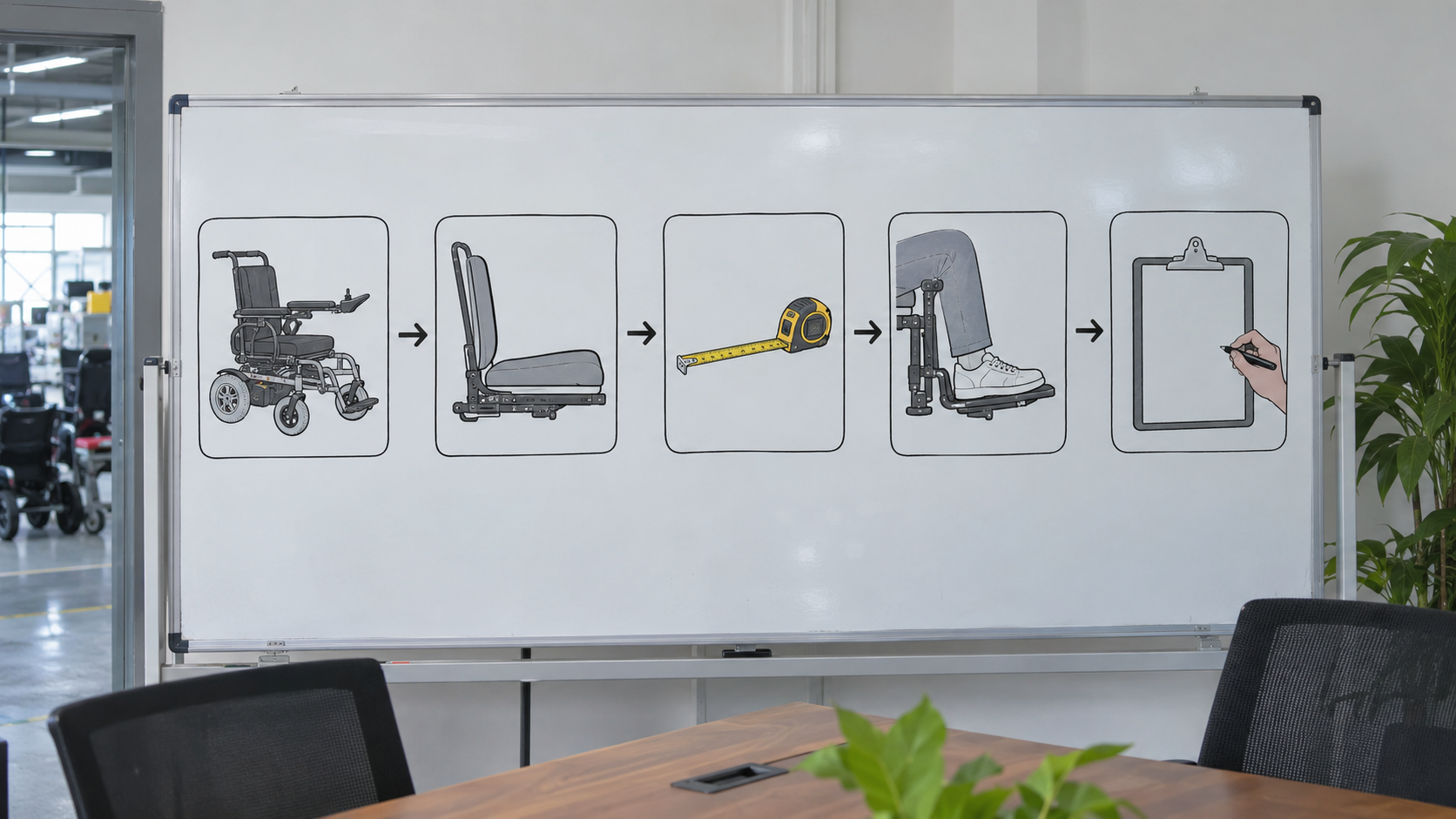
Electric wheelchair seat depth quotations should attach the exact measurement method, seating configuration and unresolved fit questions. WHO's assistive product specifications support careful procurement but do not prescribe this user's seat dimension. Keep the quote tied to the tested chair.
What should the buyer ask for?
A dimension needs a definition. Request the current drawing and an itemized seating list. Ask who will confirm final individual fit before a larger order is released.
- Attach the drawing.
- Itemize seating parts.
- Assign fit sign-off.
| Buyer check | Evidence to keep |
|---|---|
| Attach the drawing | Measurement reference |
| Itemize seating parts | Quoted configuration |
A bare number cannot tell a buyer which seating system it describes. Key Takeaway: Your procurement team can compare quotes with less ambiguity.
How should buyers decide on seat depth?

Electric wheelchair seat depth choice should follow exact product measurements and a qualified review of the intended person and setting. Keep a model on hold when the sample and quote differ. Do not promote one dimension as suitable for every user.
What should the final enquiry include?
Close the specification gap before ordering. Send the model, seating parts, measurement method and assessor questions to the supplier. Ask for a sample if the current documents cannot settle the fit.
- Name the model and variant.
- Attach fit observations.
- List open questions.
| Buyer check | Evidence to keep |
|---|---|
| Name the model and variant | Purchase brief |
| Attach fit observations | Assessor note |
A documented fit decision can travel with the chair into after-sales service. Key Takeaway: For a model-specific seating review, contact us. Ary Medical values fit decisions that can be checked, not guessed.
Frequently asked questions
Q1: Can I choose seat depth from a product photo?
No. Request a defined measurement and review the configured chair with an assessor.
Q2: What's the best seat depth for every user?
There is no universal value. Fit depends on the person, cushion, back support and assessment.
Q3: How do I know if a cushion changes the measurement?
Compare the exact fitted configuration and the maker's measurement method.
Q4: Should leg supports be reviewed with the seat?
Yes. The complete seated setup matters more than a single frame number.
Q5: Can a supplier quote substitute for a fit trial?
No. Use product documents for specifications and a qualified trial for individual fit.