

Check electric wheelchair transfer space by measuring the complete configured chair and the room route while a qualified assessor reviews personal transfer needs. A wheelchair may clear the front door yet leave too little space beside the bed or desk. Product drawings, a room sketch and a controlled sample reveal that problem before the order is placed.
What space does the chair need at rest?
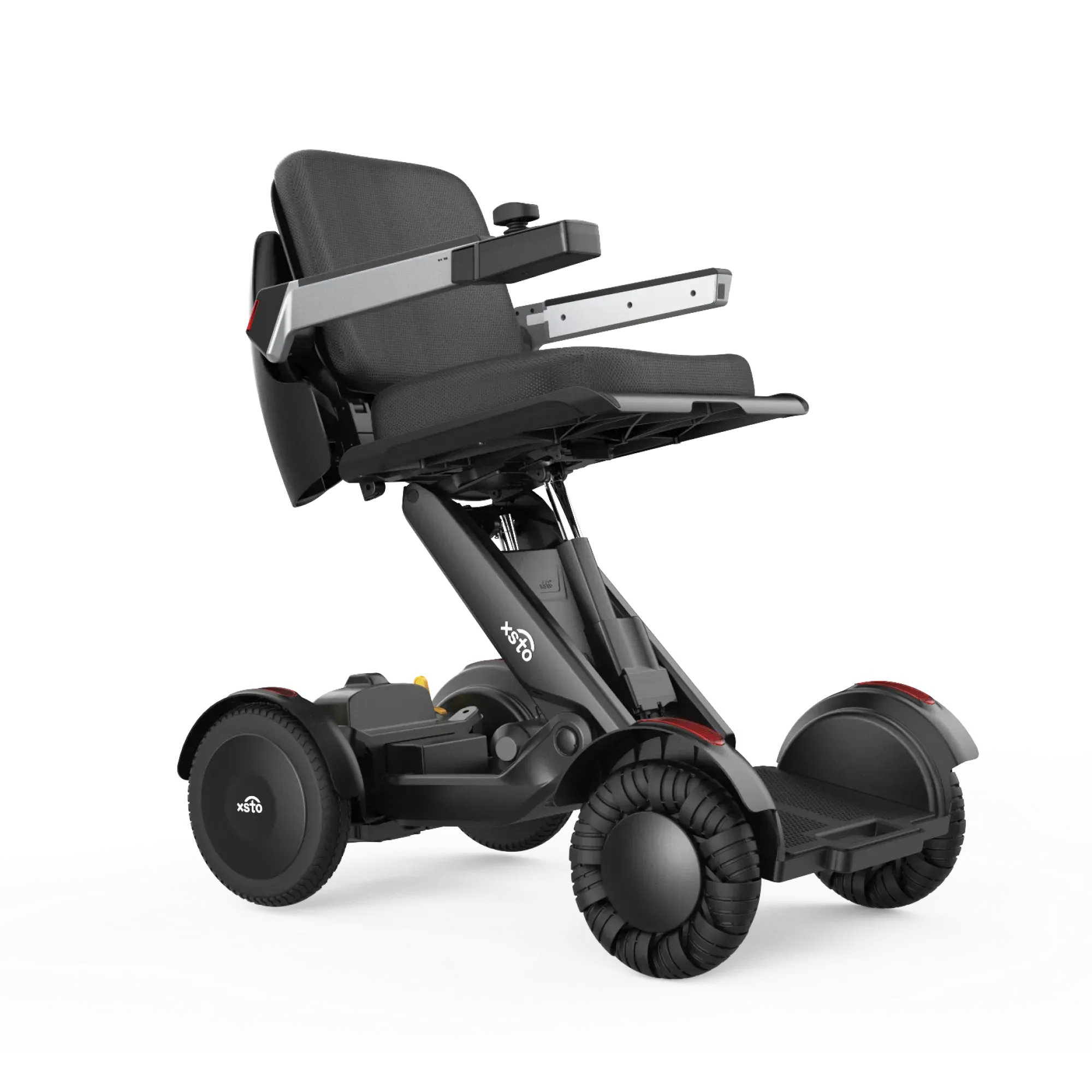
Electric wheelchair transfer space begins with the complete configured chair and the place where it will stop. Frame width alone omits foot supports, controller and access for the person. Request measured drawings for the exact model.
Which outline should be drawn?
Draw the whole chair footprint. Include the fitted lightweight electric wheelchair variant and its permitted operating position. Mark any accessory that extends beyond the frame.
- Record the chair version.
- Measure full outline.
- Mark fitted options.
| Buyer check | Evidence to keep |
|---|---|
| Record the chair version | Current drawing |
| Measure full outline | Configured sample |
A bare frame number can understate the space in daily use. Key Takeaway: Your buyer can survey the real chair, not a catalog rectangle.
How should doorways be measured?
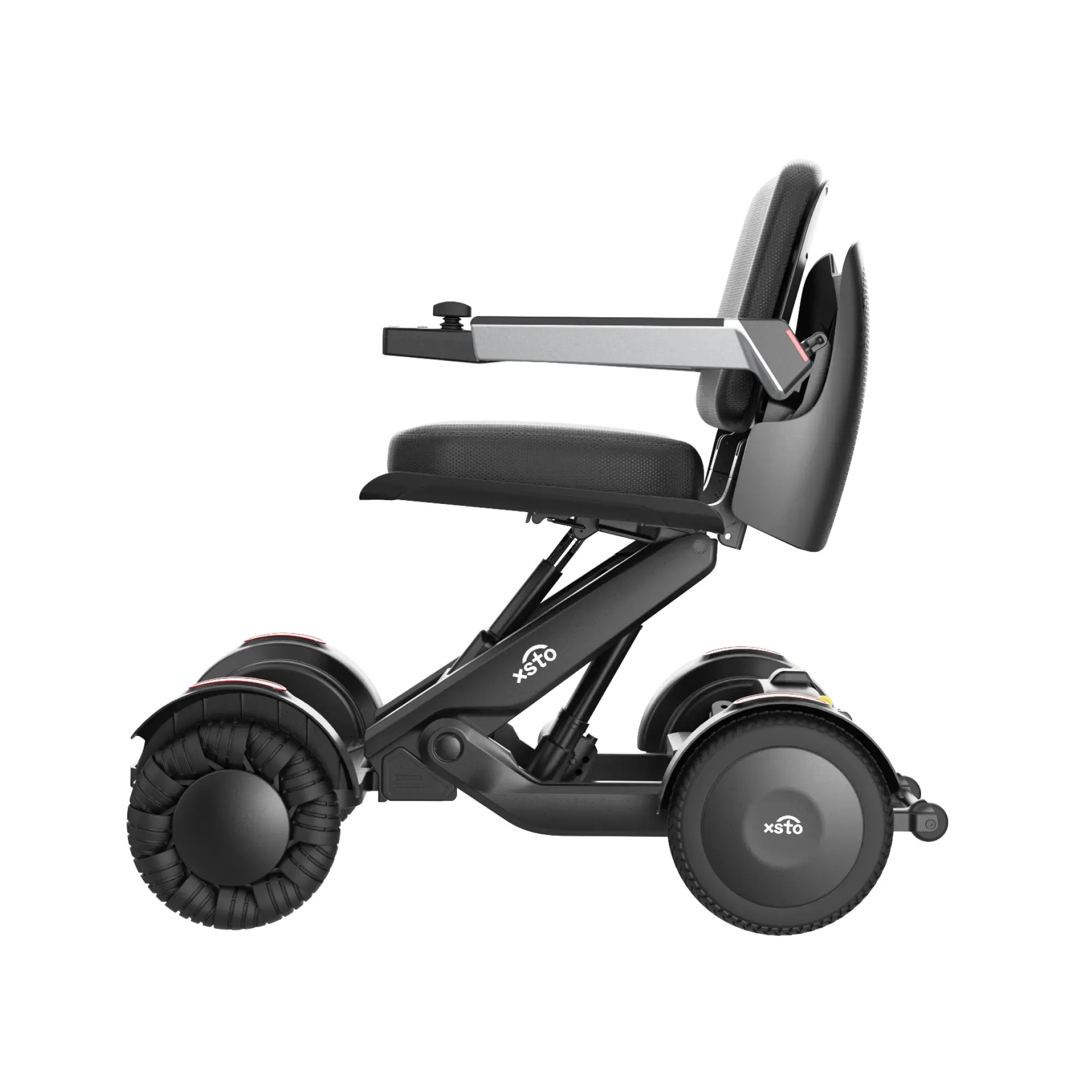
Electric wheelchair transfer space survey should use the clear opening with doors, handles and thresholds in their normal positions. A nominal door size may be larger than the passable width. Measure both approaches to the doorway.
Which measurements belong on the plan?
Use clear width, not the frame label. Record the tightest point and any turn immediately before or after the door. Compare the result with the chair under the maker's stated configuration.
- Measure clear opening.
- Note door hardware.
- Record adjacent turn.
| Buyer check | Evidence to keep |
|---|---|
| Measure clear opening | Site survey |
| Note door hardware | Approach photograph |
A chair can pass a straight opening yet struggle with the approach. Key Takeaway: You can identify the actual bottleneck before ordering.
What should a turning-area check include?
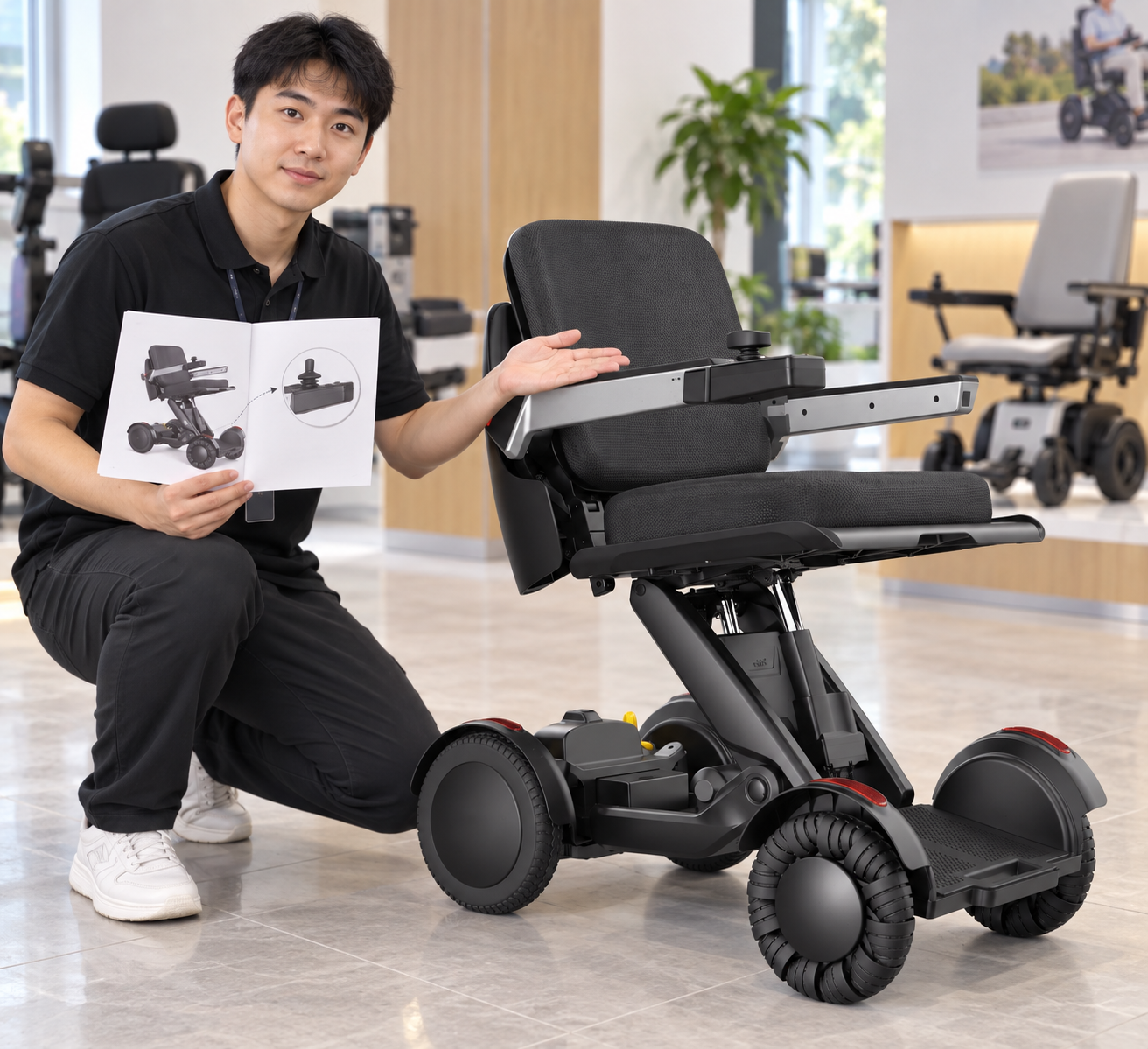
Electric wheelchair transfer space turning review needs the exact chair, user setup and a measured route rather than a single catalog radius. Different control settings or obstacles can change a trial. Use a supervised sample where possible.
How should the trial be recorded?
Mark the furniture, not just the floor. Sketch fixed objects and available clearance, then note the model and conditions of the trial. Do not advertise a universal turning claim from one room.
- Measure the usable area.
- Identify the test chair.
- Record observed route.
| Buyer check | Evidence to keep |
|---|---|
| Measure the usable area | Room drawing |
| Identify the test chair | Model and settings |
A route map gives context to a turning observation. Key Takeaway: Your buyer can compare the chair with the room that matters.
How do side approaches change the plan?
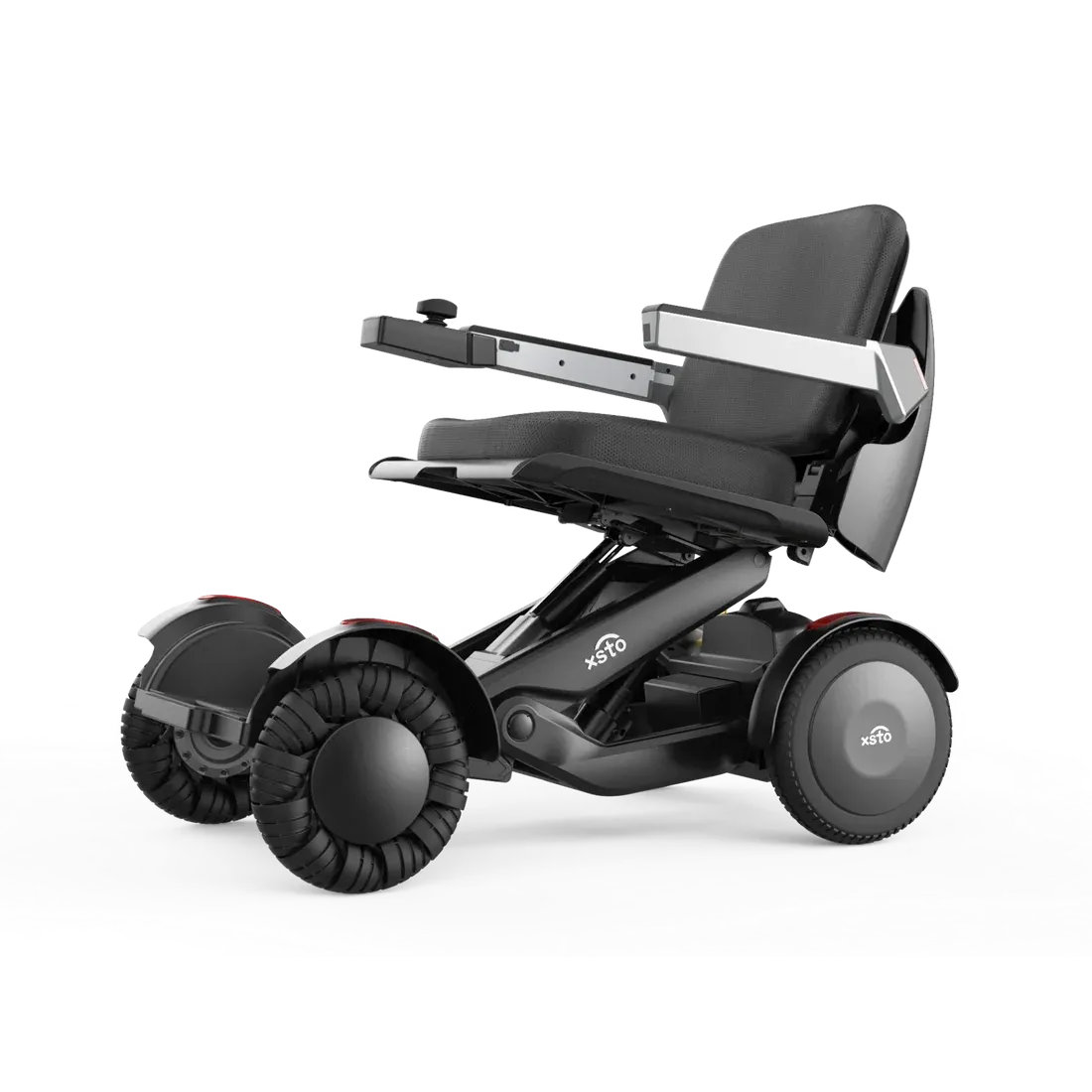
Electric wheelchair transfer space needs review on the approach side specified in the individual transfer plan. A transfer device may create another footprint, so do not measure the chair alone. Ask an appropriate assessor to map the complete task.
Which side should be marked?
Choose the side before placing furniture. Record the person's assessed approach, staff position and nearby equipment. Keep the product drawing separate from clinical instructions.
- Name approach side.
- Map staff space.
- List other equipment.
| Buyer check | Evidence to keep |
|---|---|
| Name approach side | Qualified plan |
| Map staff space | Site sketch |
A workable doorway does not guarantee a workable transfer area. Key Takeaway: You can include the whole activity in the room survey.
How do foot supports affect clearance?
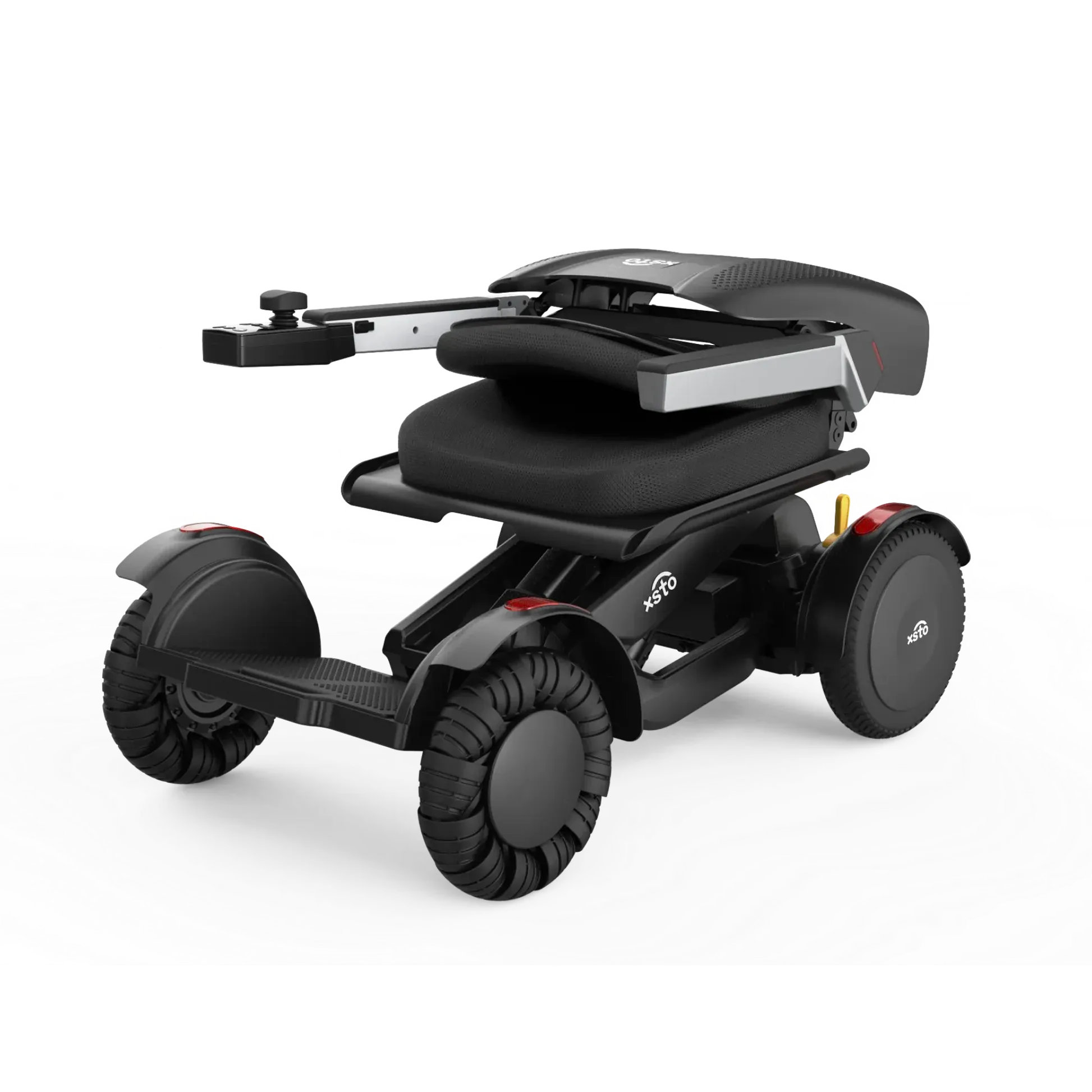
Electric wheelchair transfer space calculations should include the fitted foot supports in the state permitted during approach and parking. Their projection can change a narrow path. Use the exact parts on the sample chair.
What should the buyer note?
The front of the chair is not the caster line. Record foot support model and its approved positions. Ask the maker about any removable or swing-away function before planning to use it.
- Identify foot support.
- Measure projection.
- Check permitted movement.
| Buyer check | Evidence to keep |
|---|---|
| Identify foot support | Part code |
| Measure projection | Configured sample |
An omitted footplate can turn a measured route into a poor fit. Key Takeaway: Your plan can account for the chair as delivered.
Can armrests and the joystick block access?
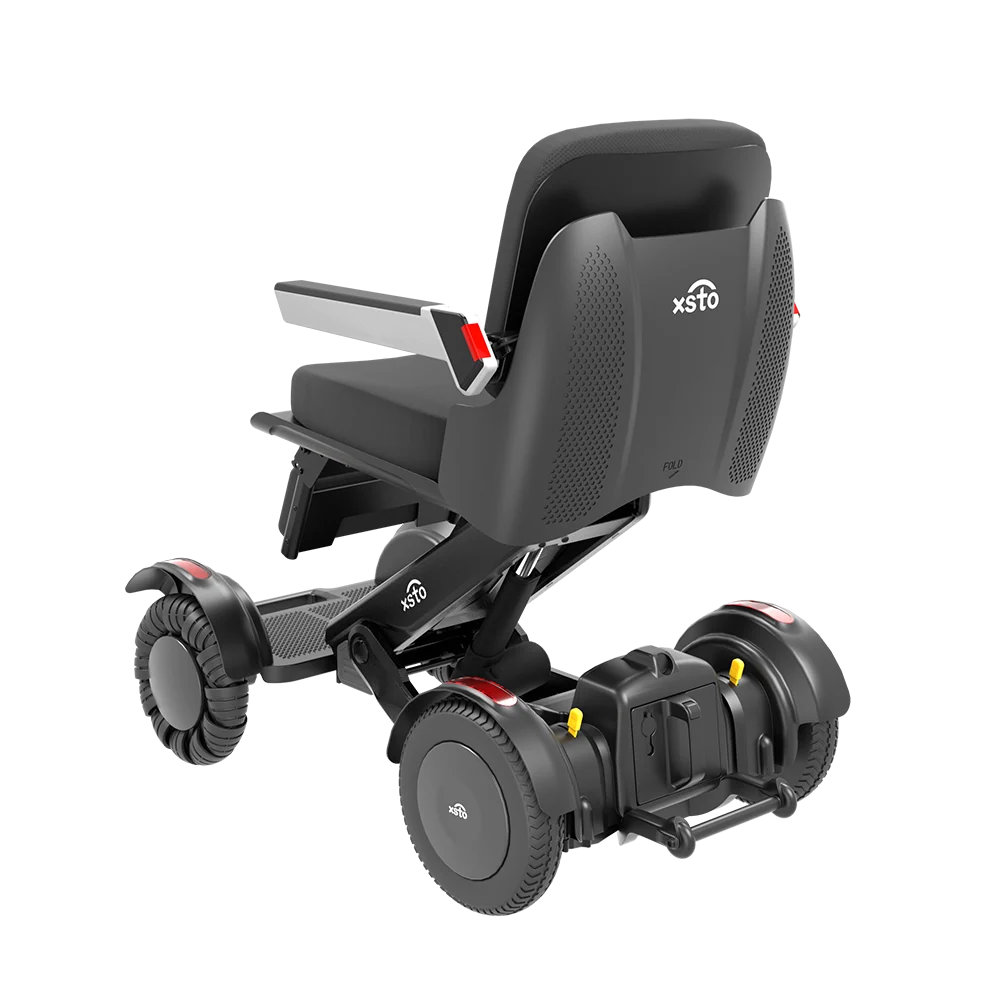
Electric wheelchair transfer space review should include arm support position and the controller mount on the chosen side. A good driving reach may conflict with a side approach. Check both uses on the same chair.
Which settings should be photographed?
Controls and transfers share space. Capture the wide-seat electric wheelchair option only if it matches the actual order. Record any maker-approved swing-away or removal method without assuming one exists.
- Record control side.
- Measure arm outline.
- Check approved movement.
| Buyer check | Evidence to keep |
|---|---|
| Record control side | Quoted configuration |
| Measure arm outline | Sample photo |
A controller location can change the practical route into the seat. Key Takeaway: You can reconcile control access with transfer access.
Who should assess a personal transfer route?
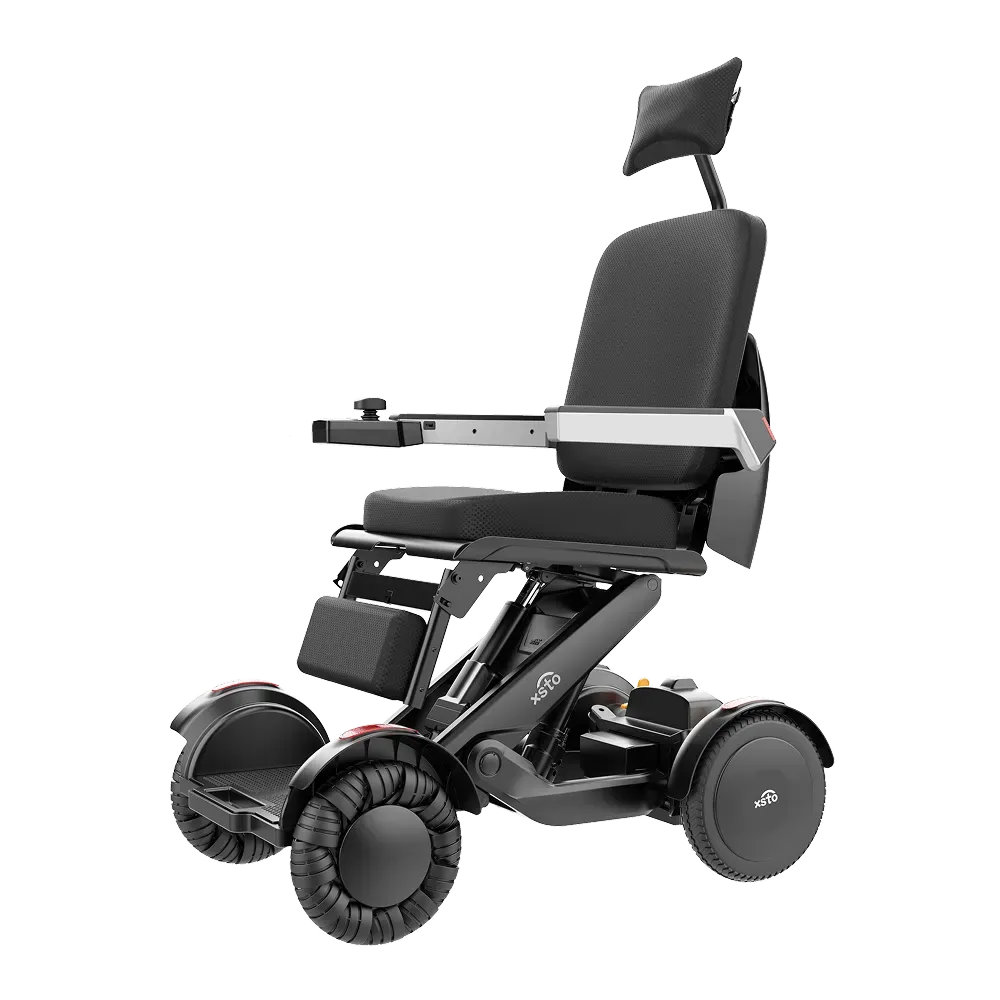
Electric wheelchair transfer space decisions involving a person's transfer should be led by an appropriate qualified assessor. Product dimensions inform that decision but do not replace it. Keep each role clear between supplier, buyer and care team.
What should the assessor receive?
Measurements need human context. Provide the exact chair drawing, sample setup and room survey. Ask for a written plan where a transfer method or staff assistance is required.
- Share product dimensions.
- Share site measurements.
- Record assessor decision.
| Buyer check | Evidence to keep |
|---|---|
| Share product dimensions | Current drawing |
| Share site measurements | Room survey |
A narrow specification is safer than a universal transfer promise. Key Takeaway: Your buyer can decide with both product and person information.
How should a room mock-up be tested?
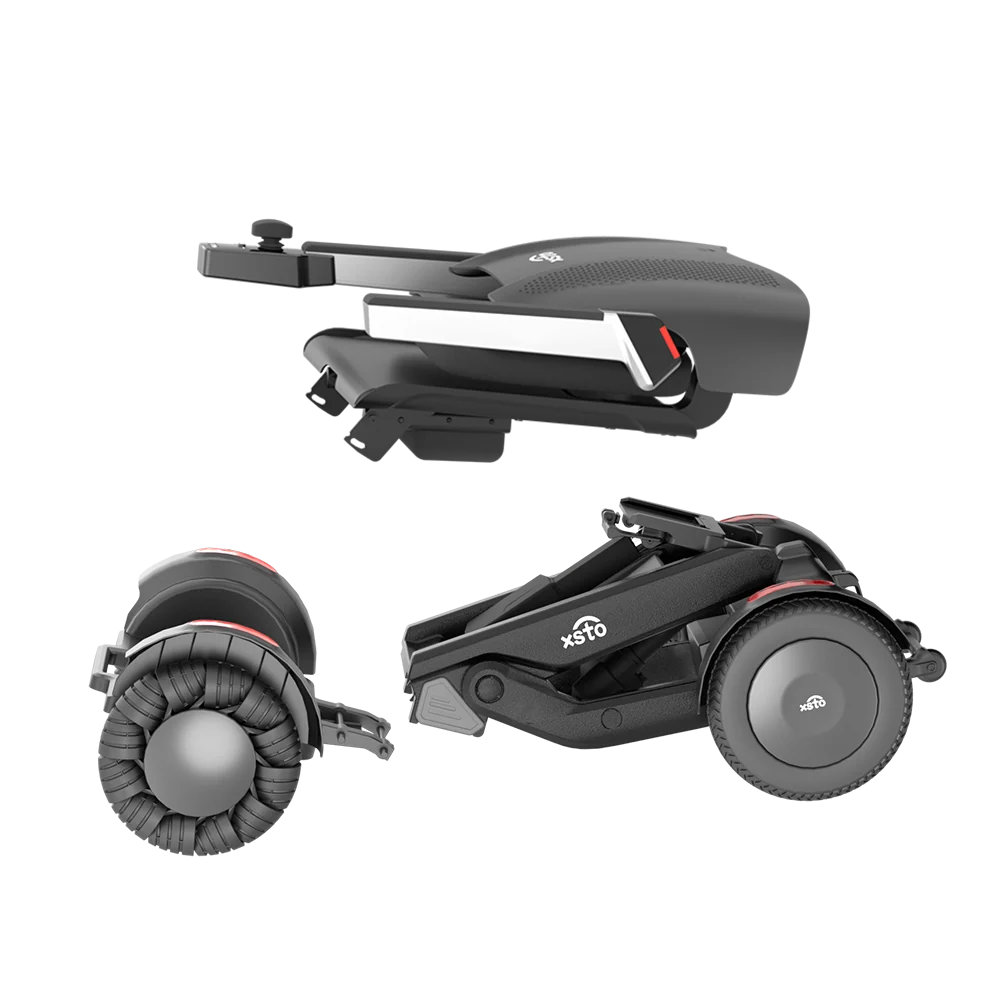
Electric wheelchair transfer space mock-up should reproduce the tight doorway, turn and parking location with the configured chair. Tape on the floor can be a useful planning aid but is not proof of personal suitability. Record who observed the trial.
Which conditions should stay fixed?
Recreate the hard part of the route. Use the same chair variant, foot supports and controller side proposed for the order. Repeat the test if a major furniture or chair setting changes.
- Mark obstacles.
- Identify the sample.
- Log observations.
| Buyer check | Evidence to keep |
|---|---|
| Mark obstacles | Measured layout |
| Identify the sample | Model record |
A mock-up exposes practical conflicts before installation. Key Takeaway: Your team can revise the route while changes remain cheap.
What should a space approval record show?
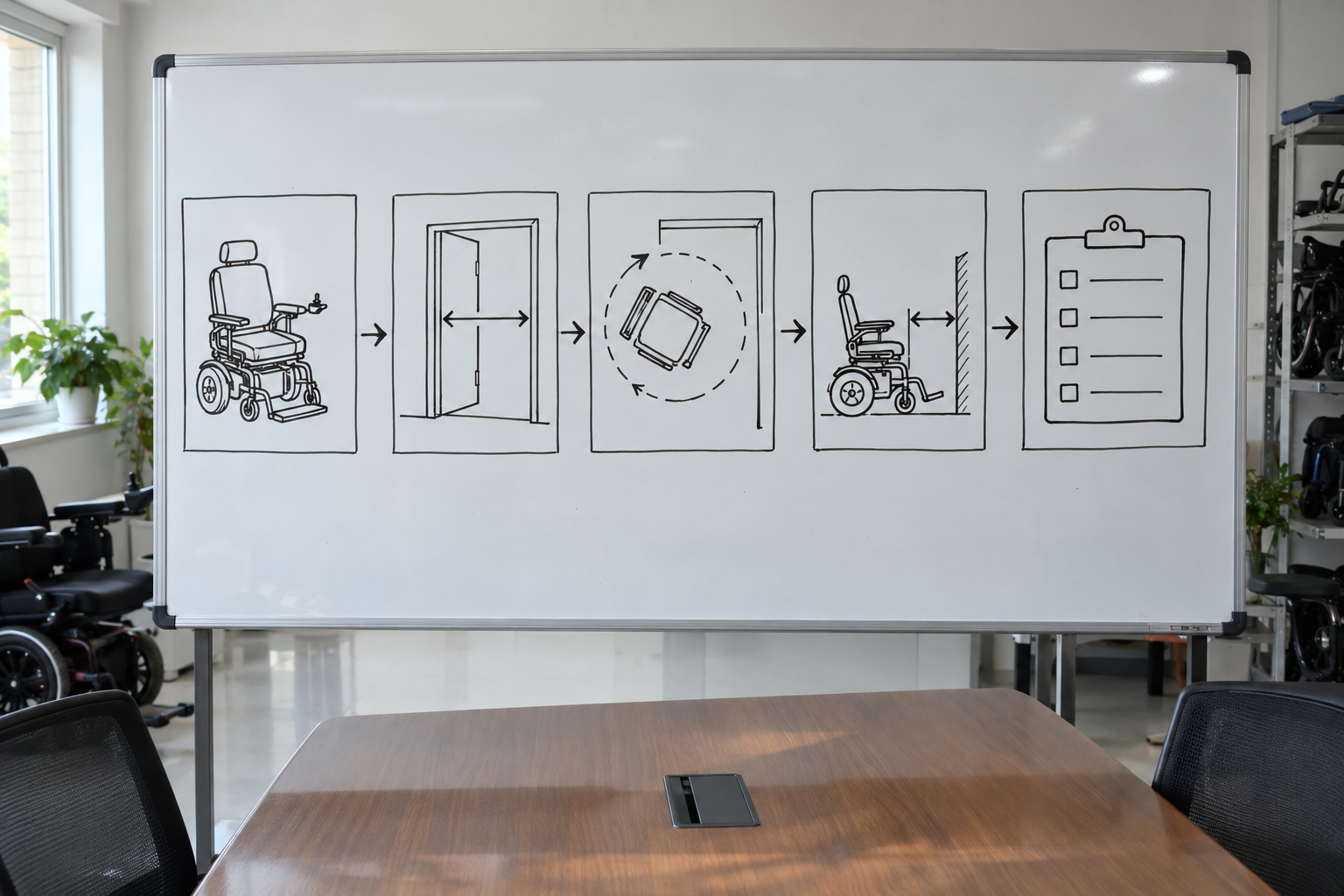
Electric wheelchair transfer space approval should connect exact chair dimensions, room measurements, sample results and assessor input. WHO's assistive product specifications help frame procurement but do not approve one person's transfer route. Note unresolved constraints plainly.
Which fields should stay on one page?
Make the decision traceable. List the chair version, room date, measured bottleneck and responsible reviewer. Attach a sketch rather than a memory of where the chair turned.
- Record chair configuration.
- Record room dimensions.
- Name reviewer.
| Buyer check | Evidence to keep |
|---|---|
| Record chair configuration | Model sheet |
| Record room dimensions | Site survey |
A measured record can be checked again if the room changes. Key Takeaway: You can show why a specific configuration was chosen.
How can a buyer choose for transfer space?

Electric wheelchair transfer space choice should follow a measured room route and an individual assessment of the intended person. Hold the order when the proposed sample and quote differ. Do not promise access from dimensions alone.
What should the final enquiry include?
Send the room with the chair question. Provide model, controller side, foot supports and bottleneck measurements. Request a sample review where product drawings cannot settle the fit.
- Specify chair setup.
- Attach room sketch.
- List open fit issues.
| Buyer check | Evidence to keep |
|---|---|
| Specify chair setup | Itemized quote |
| Attach room sketch | Site survey |
A clear brief lets each party answer its own part of the decision. Key Takeaway: For a model-specific access review, contact us. Ary Medical wants equipment to fit the place where life happens.
Frequently asked questions
Q1: Can I use total chair width as a transfer-space figure?
No. Include controls, foot supports and the person's assessed approach.
Q2: What's the best way to check a narrow doorway?
Measure the clear opening and the turns on both sides with the configured chair.
Q3: How do I know if a room mock-up is enough?
Use it as planning evidence, then seek an appropriate personal assessment.
Q4: Can I assume the joystick swings away?
No. Check the exact mount and maker instructions.
Q5: Should I redo measurements after a chair change?
Yes. A changed configuration can change the practical route.