
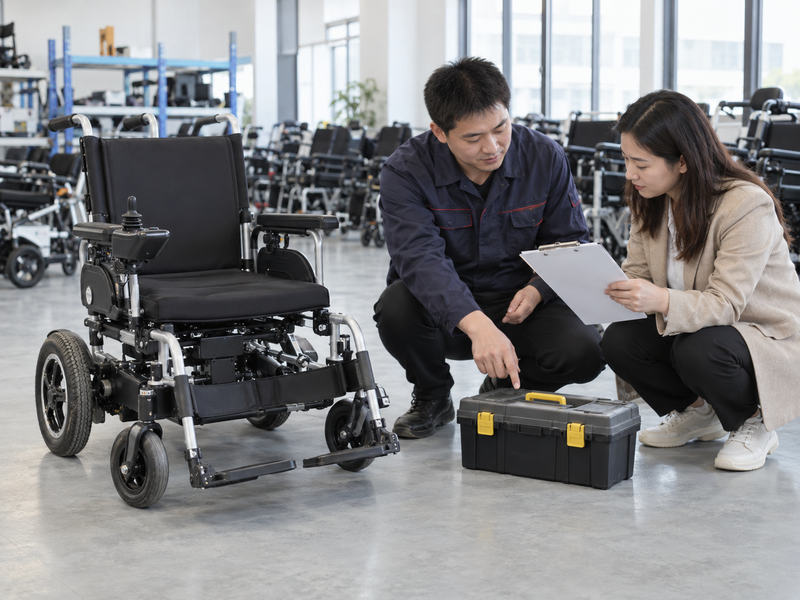
Keep an electric wheelchair service log by recording one chair's identity, observed issues, approved parts and service outcome in order. A distributor may receive a call about a “failed wheelchair” and lack the model or past repair needed to respond. A unit-level record helps trained staff investigate and gives the buyer a clear support history.
Which chair does the service log follow?
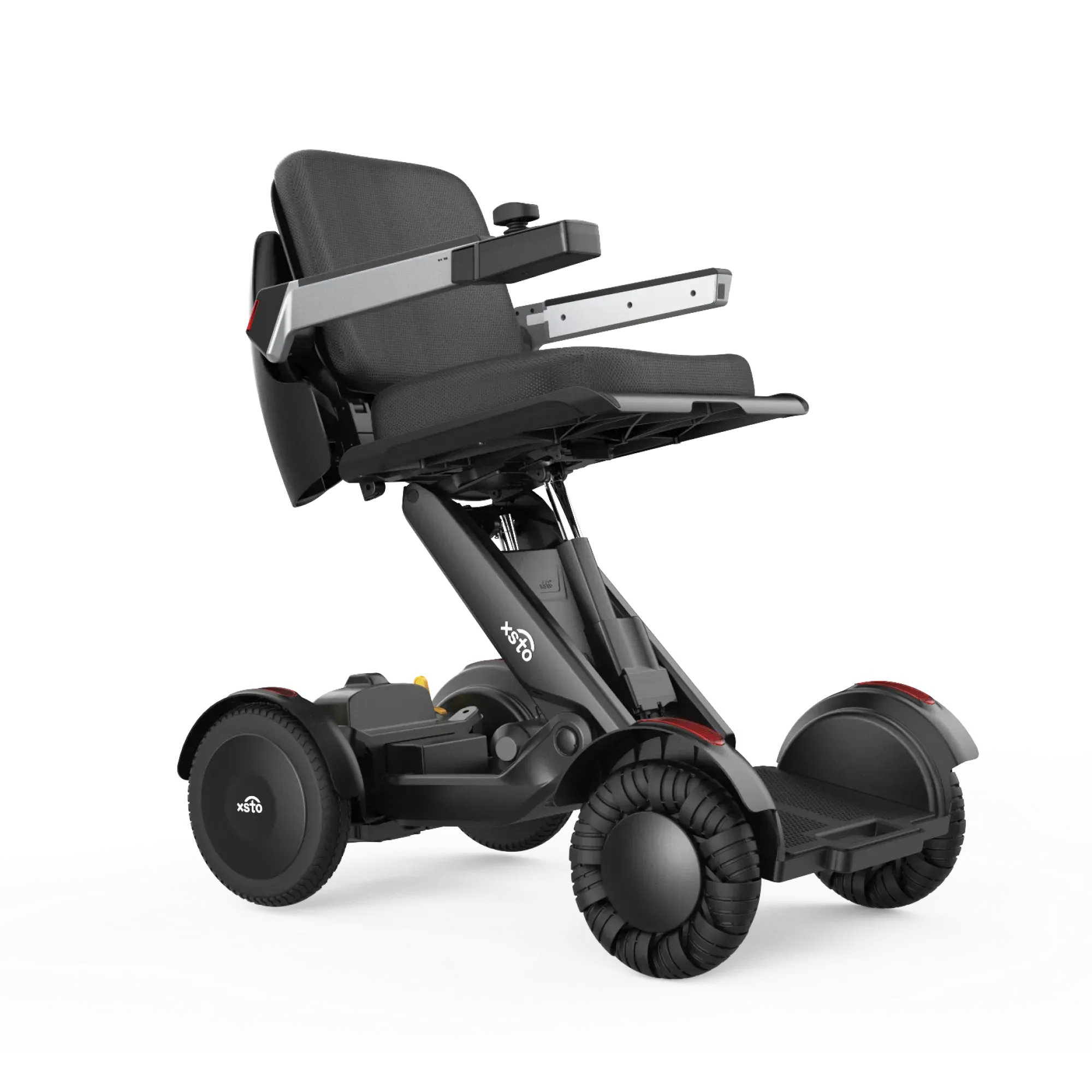
Electric wheelchair service log should follow one identified chair and its exact model revision throughout its life. A repair note without a unit identifier can be attached to the wrong customer chair. Capture the model, serial or batch code and initial configuration.
What should the record header contain?
Give each chair its own file. Match the lightweight electric wheelchair variant on the purchase order with the delivered unit. Keep optional controls or seating parts listed separately.
- Record unit identity.
- List fitted options.
- Record owner or site.
| Buyer check | Evidence to keep |
|---|---|
| Record unit identity | Model and serial |
| List fitted options | Delivery configuration |
A unit-level file makes later parts questions answerable. Key Takeaway: Your service team can trace an issue to the right chair.
What should be recorded at delivery?
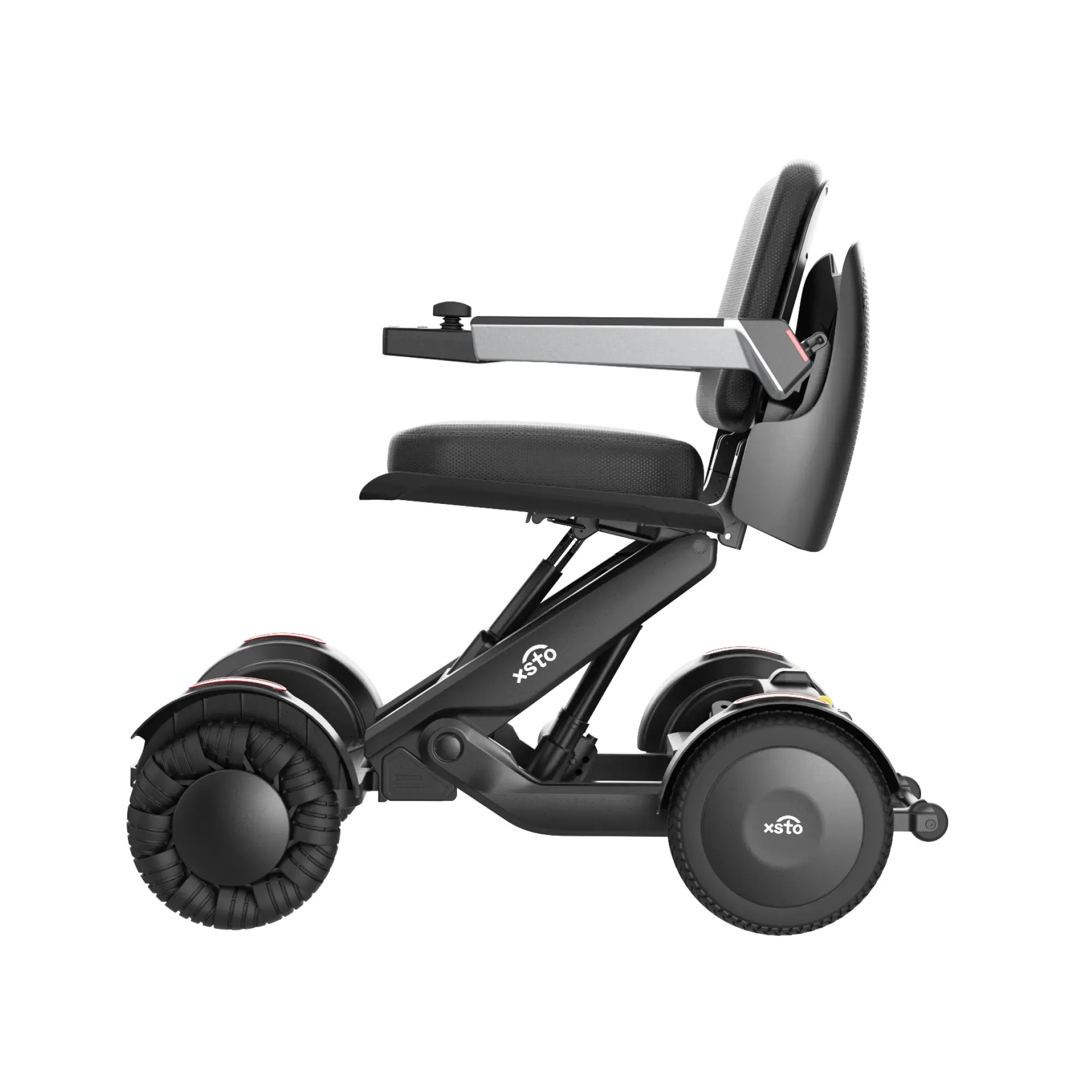
Electric wheelchair service log baseline should show the as-delivered condition, accessories and maker documents before service begins. A clean carton is not proof that every part is present. Link receiving photographs and setup checks to the unit.
Which baseline records are useful?
Start before the first fault. Capture chair condition, charger and pack identifiers, seating options and current guide revision. Store any open delivery issue as an exception rather than marking the chair ready.
- Photograph condition.
- Count accessories.
- Record setup result.
| Buyer check | Evidence to keep |
|---|---|
| Photograph condition | Dated images |
| Count accessories | Packing list |
A good baseline separates arrival issues from later wear. Key Takeaway: You can discuss a future claim using known starting facts.
How should a customer issue be described?
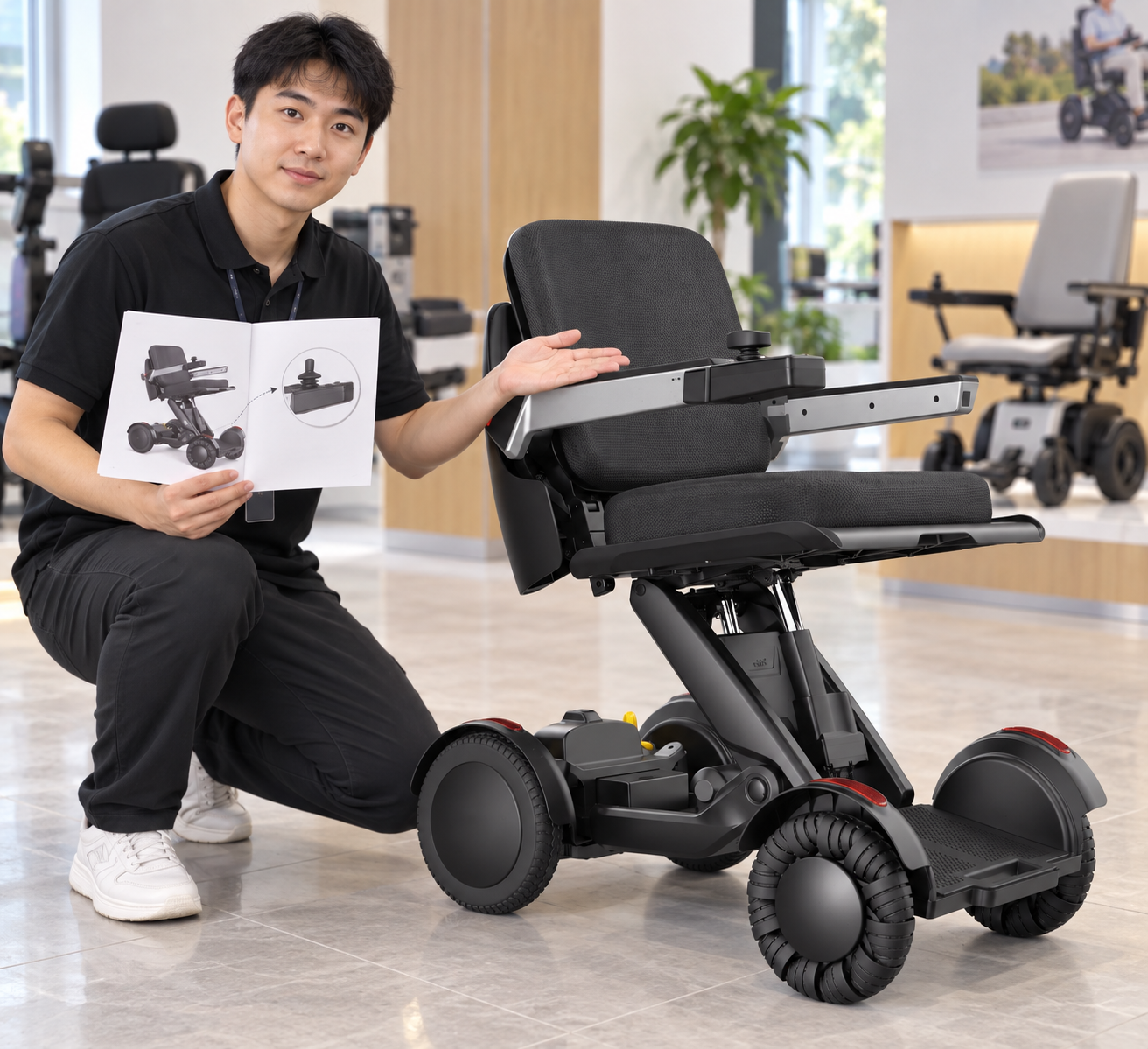
Electric wheelchair service log entry should record the customer's observed symptom, when it appeared and the conditions involved. Do not convert that report into a diagnosis before inspection. Keep the person's account in plain language.
What should the intake form ask?
Write what happened, not what you assume failed. Record the chair setup, battery state and route when relevant. Protect personal details and separate them from product identifiers where possible.
- Quote the observed symptom.
- Record occurrence context.
- Note immediate safety concern.
| Buyer check | Evidence to keep |
|---|---|
| Quote the observed symptom | Customer report |
| Record occurrence context | Dated intake |
An honest symptom description helps trained staff investigate the right system. Key Takeaway: Your buyer avoids a premature parts order.
Who may diagnose and repair the chair?
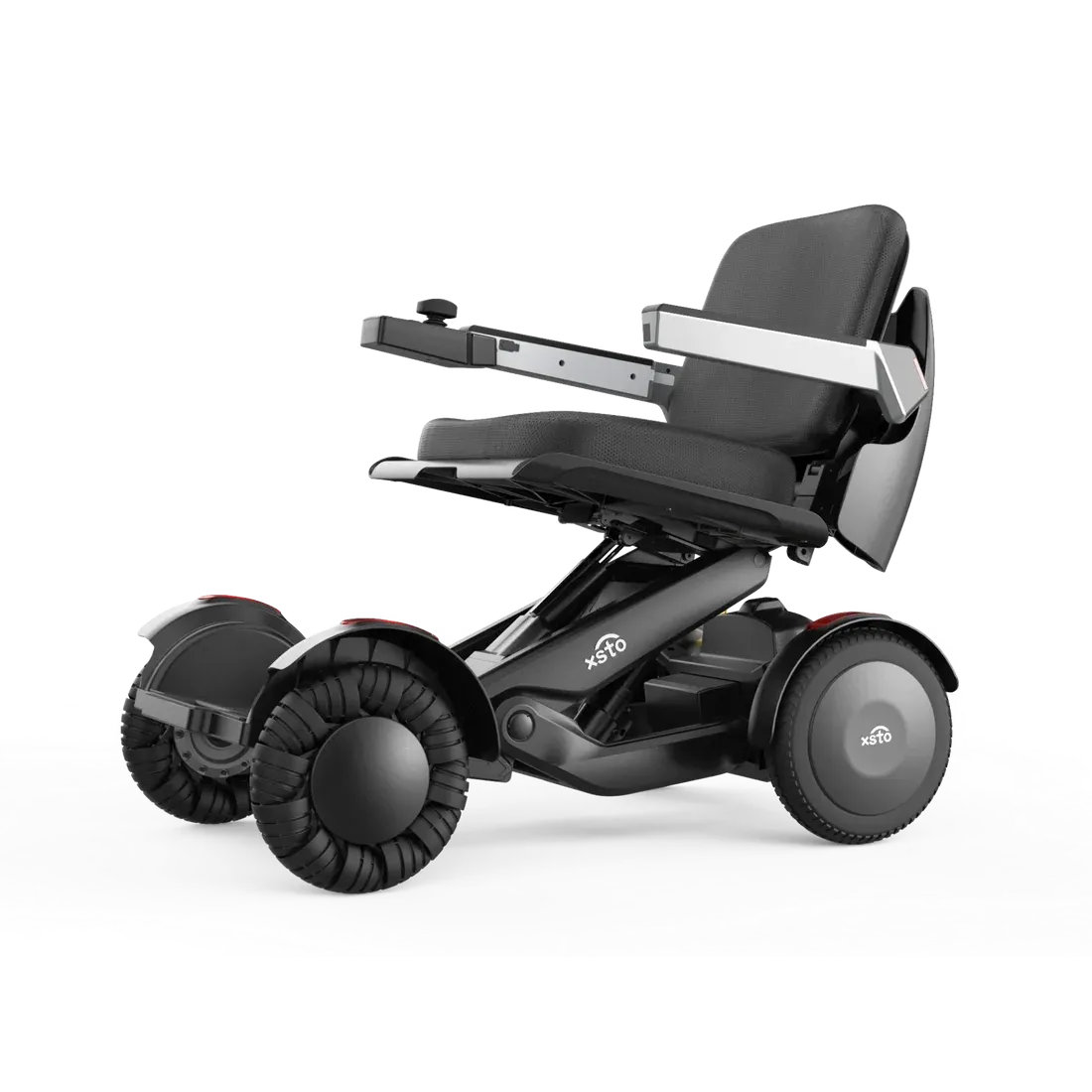
Electric wheelchair service log should name the qualified technician, approved procedure and chair version for each service action. A ergonomic electric wheelchair product photo cannot serve as a repair guide. Refer electrical or structural concerns to trained personnel.
Which authorizations belong in the file?
Service work needs an owner. Record the maker guide used and any supplier support ticket. Do not describe a DIY wiring or brake adjustment as a routine buyer step.
- Name the technician.
- Record guide revision.
- Keep supplier advice.
| Buyer check | Evidence to keep |
|---|---|
| Name the technician | Work order |
| Record guide revision | Service document |
Unrecorded service changes can obscure later problems. Key Takeaway: Your team can show what was done and by whom.
How should replacement parts be traced?
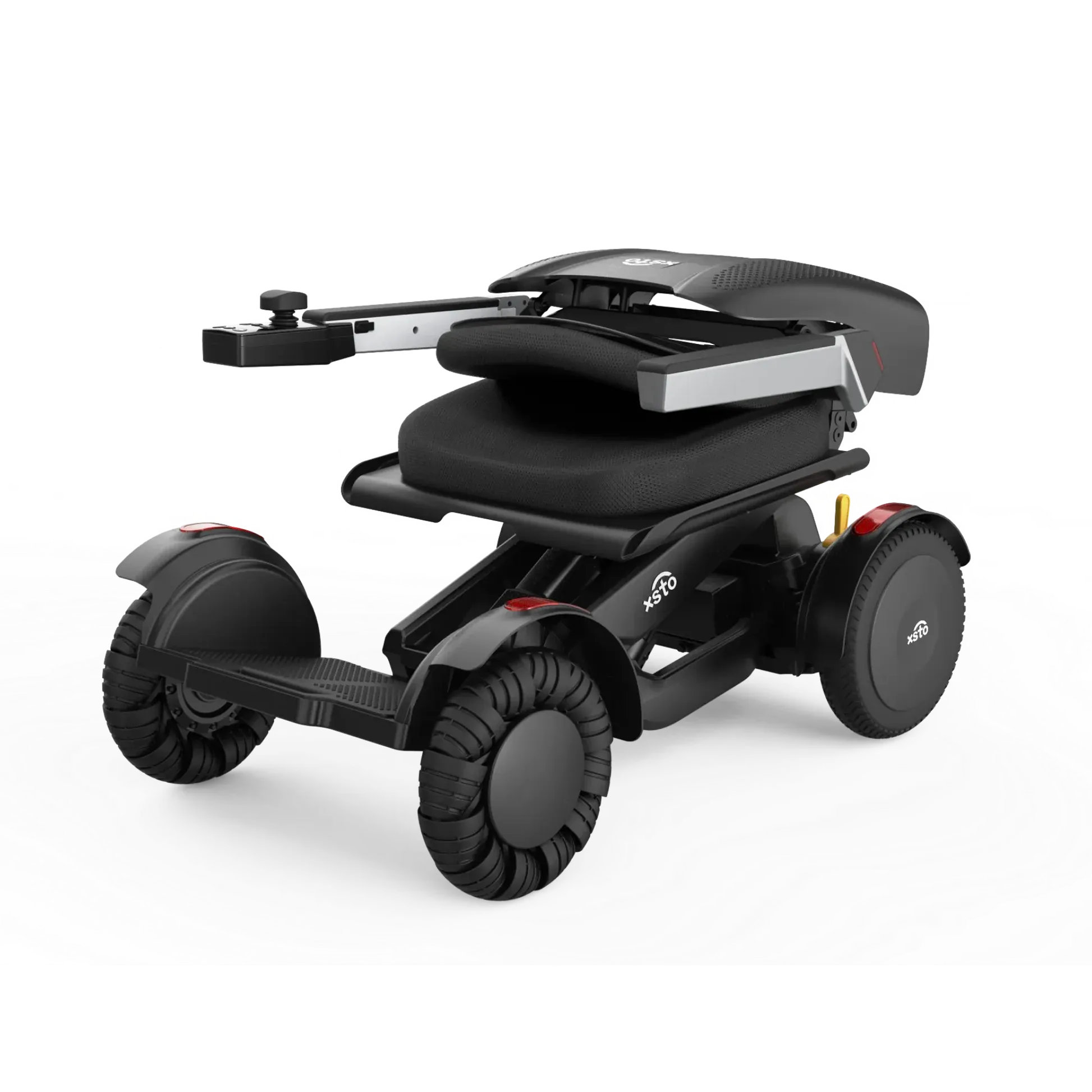
Electric wheelchair service log should list every removed and fitted part by exact code and chair compatibility. A generic “new battery” note cannot support stock control. Ask the supplier to map revised parts to the older unit before installation.
What should accompany a part change?
Keep the old and new identities together. Record part codes, dates and source documents. Note whether a complete assembly or single component was supplied.
- List removed part.
- List fitted part.
- Record compatibility.
| Buyer check | Evidence to keep |
|---|---|
| List removed part | Original code |
| List fitted part | Supplier code |
Part traceability can speed a later service response. Key Takeaway: Your buyer can verify that a replacement belongs to the chair.
What belongs in battery and charger history?
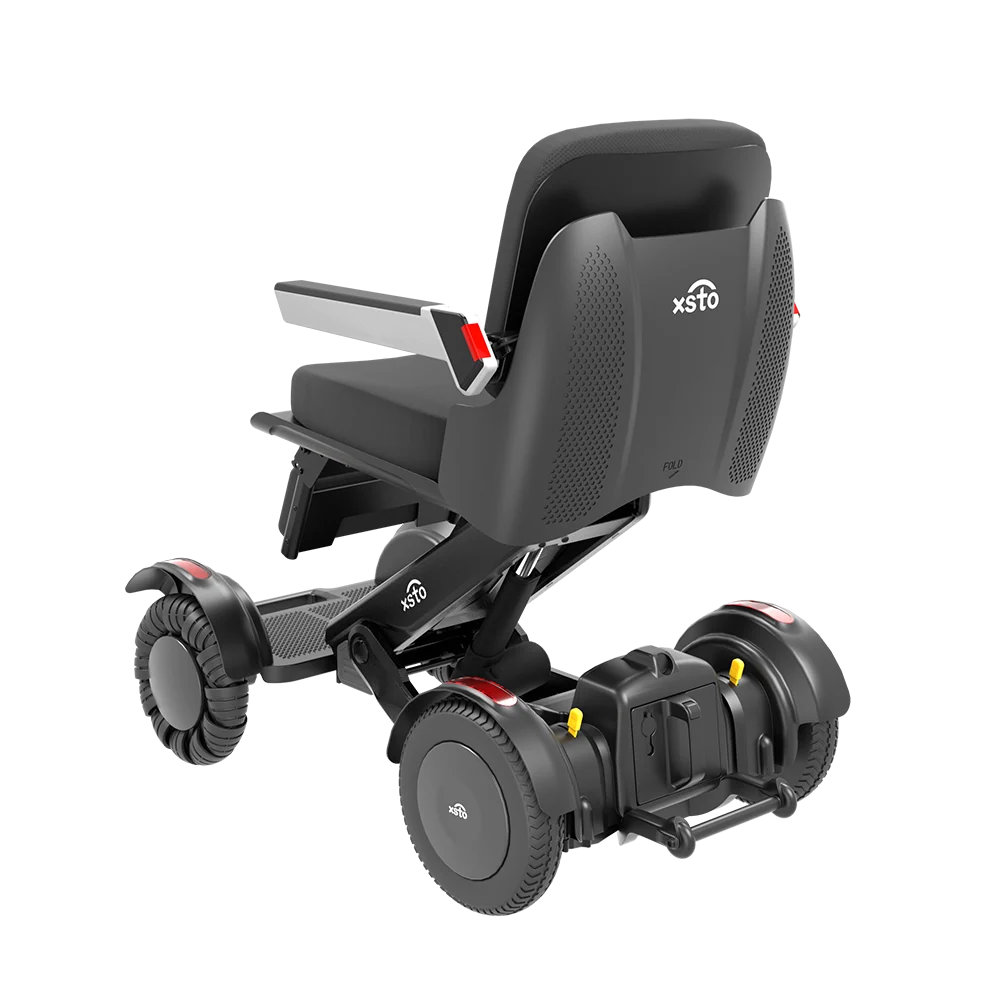
Electric wheelchair service log battery entries should identify the pack, charger and observed issue without inventing range or lifespan claims. A charge indicator alone is not a complete diagnosis. Keep any qualified test result with its method and conditions.
Which fields keep the history useful?
Separate observation from measurement. Record pack and charger identifiers, dates and service action. Do not generalize one chair's result to an entire model line.
- Record pack identity.
- Record charger model.
- Keep test conditions.
| Buyer check | Evidence to keep |
|---|---|
| Record pack identity | Battery label |
| Record charger model | Compatibility list |
A consistent history helps staff distinguish a pack change from a control fault. Key Takeaway: Your team can answer battery questions with evidence.
How should control or seating changes be noted?
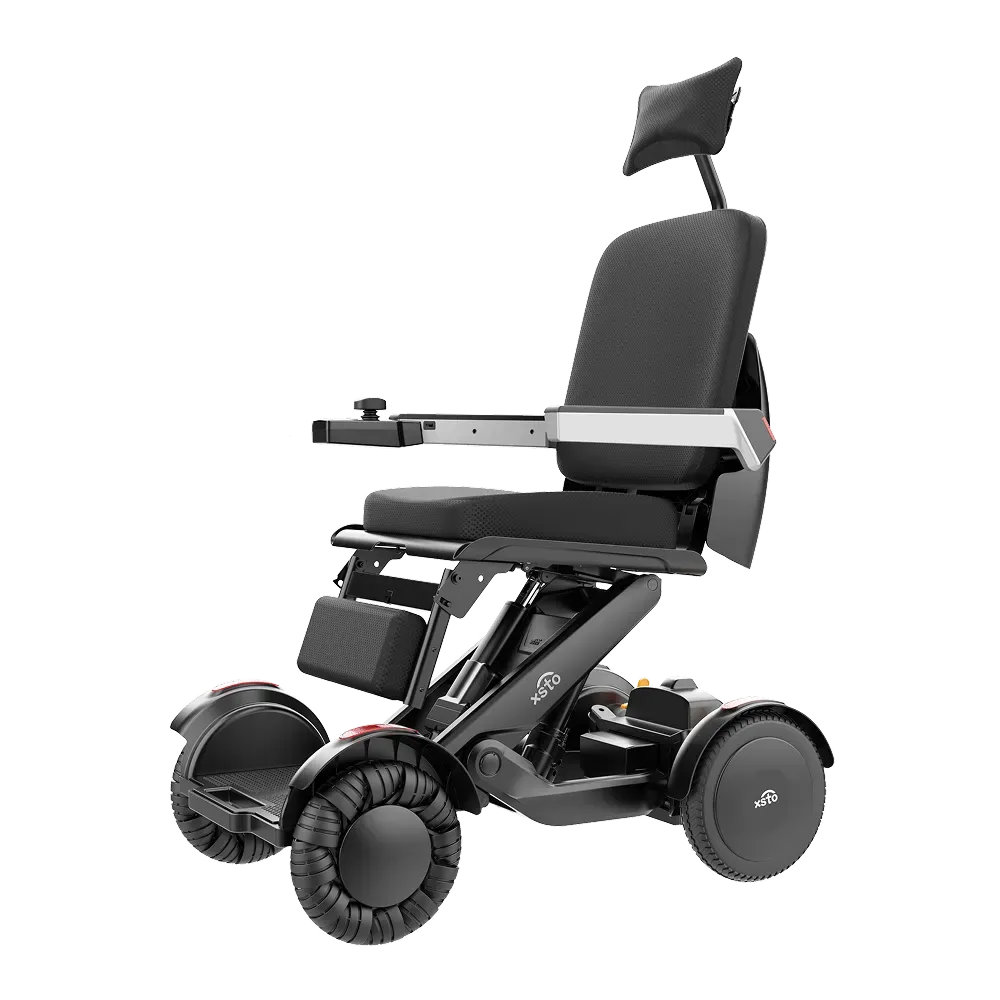
Electric wheelchair service log should capture any approved joystick, armrest, cushion or foot-support change. A wide-seat electric wheelchair option may not match another chair's configuration. Note who approved the change and why.
What should the change record include?
Small adjustments can change the whole setup. Attach the part list and current maker method. Ask an appropriate assessor to review changes that affect individual fit.
- Name the changed part.
- Record approval.
- Photograph final setup.
| Buyer check | Evidence to keep |
|---|---|
| Name the changed part | Part code |
| Record approval | Service or assessor note |
An undocumented adjustment can confuse a later technician or assessor. Key Takeaway: Your service record preserves the actual configuration.
What confirms a chair may return to use?
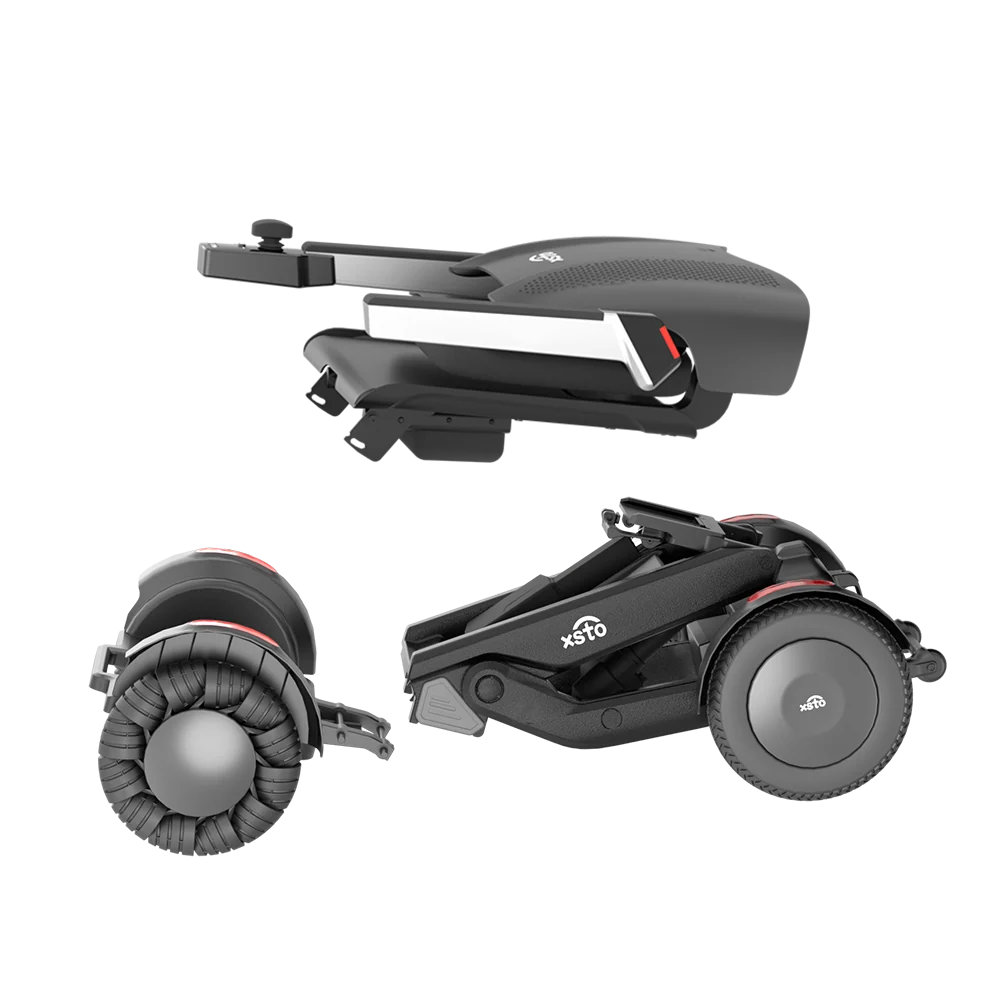
Electric wheelchair service log closure should show the maker-prescribed post-service checks and the person authorized to release the chair. Completing a repair does not itself prove readiness. Keep unresolved faults open.
Which result should be signed?
Close the work order with evidence. Record the check method, observed result and any customer handover instructions. If a concern remains, identify the next service action instead of writing “passed.”
- Use prescribed checks.
- Record observed result.
- Assign release owner.
| Buyer check | Evidence to keep |
|---|---|
| Use prescribed checks | Current guide |
| Record observed result | Test sheet |
A clear return decision supports safe, accountable service. Key Takeaway: Your buyer knows whether the chair is ready or still on hold.
How should a service log be shared?
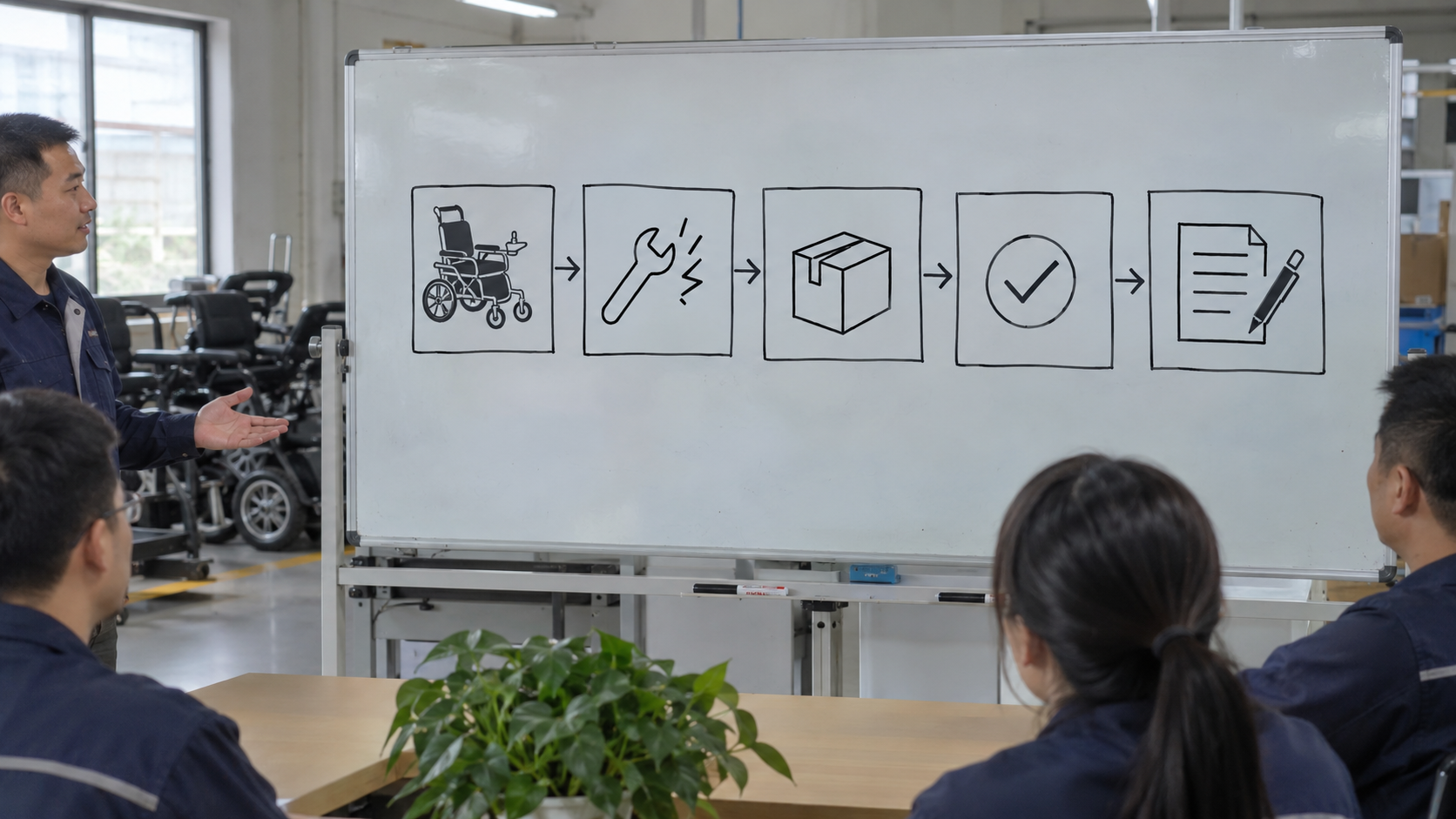
Electric wheelchair service log should give procurement, service and the supplier the product facts they need without exposing unnecessary personal information. WHO's assistive product specifications support traceable procurement but do not dictate your data policy. Follow applicable local privacy rules.
What should each recipient receive?
Share the minimum useful record. Use the chair identifier, fault and parts history for supplier questions. Keep personal assessment notes under the responsible care team's controls.
- Separate product facts.
- Restrict personal notes.
- Record recipient.
| Buyer check | Evidence to keep |
|---|---|
| Separate product facts | Service extract |
| Restrict personal notes | Access policy |
A useful service record does not need to become an uncontrolled personal file. Key Takeaway: Your team can coordinate repair while protecting the user.
How can buyers keep the log useful?
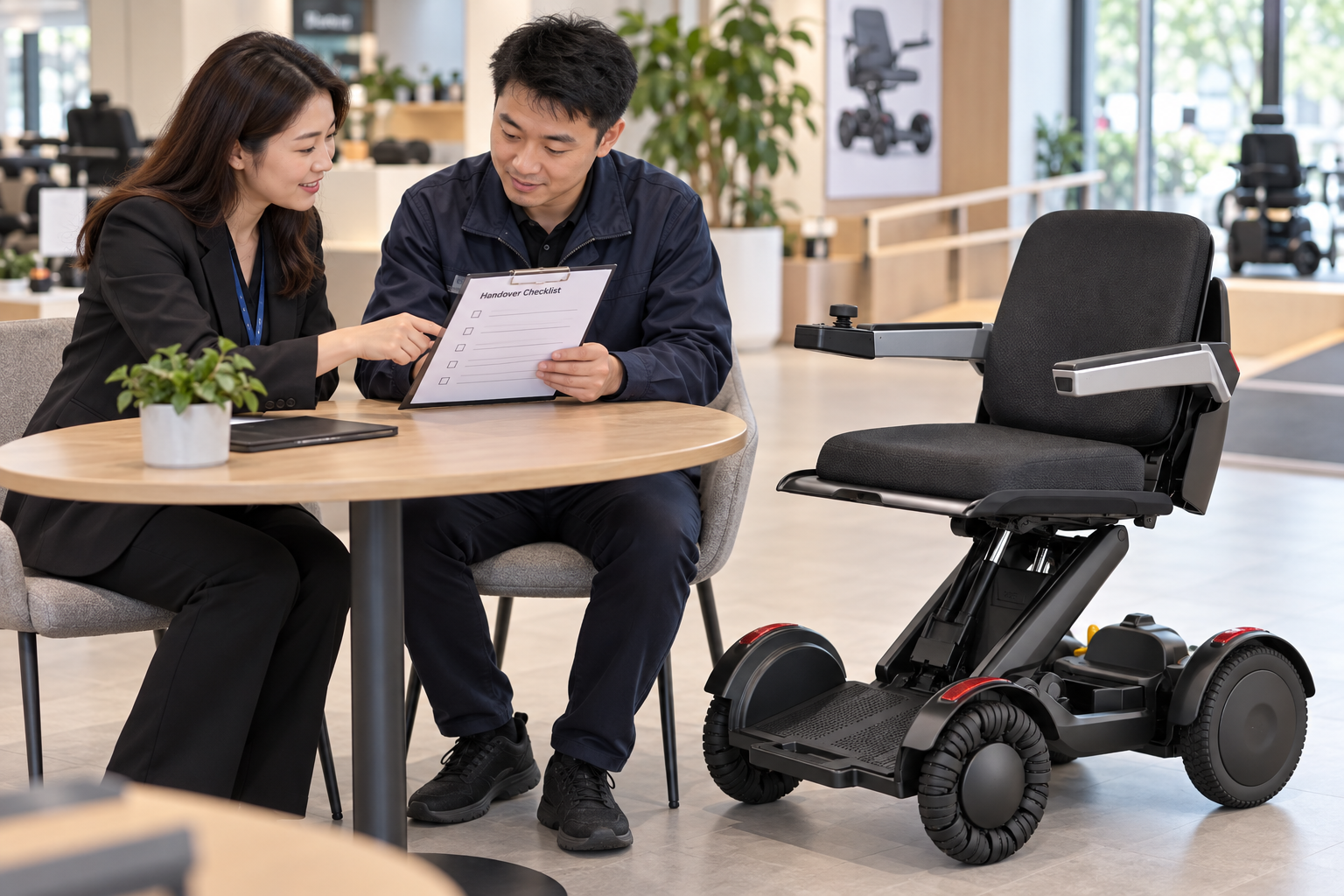
Electric wheelchair service log remains useful when every entry has a unit, date, observation, action and outcome. Review open items before another fleet order or warranty discussion. Keep the log aligned with the exact chair configuration.
What should a dealer ask the supplier?
Send the record, then ask a precise question. Provide model, part codes, dated fault history and current status. Request written next steps rather than a vague promise of support.
- Identify the unit.
- Attach history.
- List open decisions.
| Buyer check | Evidence to keep |
|---|---|
| Identify the unit | Model and serial |
| Attach history | Chronological entries |
A practical log can shorten the path from complaint to answer. Key Takeaway: For a model-specific service discussion, contact us. Ary Medical believes service should be traceable long after the sale.
Frequently asked questions
Q1: Can I combine service notes for several chairs?
No. Keep a unit-level identity and link fleet summaries back to individual records.
Q2: What's the best way to describe a fault?
Record the observed symptom, timing and conditions before assigning a cause.
Q3: How do I know if a replacement part was approved?
Keep the supplier part code and compatibility confirmation with the work order.
Q4: Should personal assessment notes be sent to every supplier?
No. Share only necessary product facts under applicable privacy controls.
Q5: Can I close a case as soon as a part is fitted?
No. Complete the maker-prescribed checks and record the release decision.