

Check a manual wheelchair frame by identifying the exact model, keeping clear arrival photos and referring suspected deformation to qualified service. A chair may look uneven because of camera angle, wheel position or a real issue; guessing can produce the wrong repair. A maker drawing and repeatable inspection record let you ask a precise question.
Which frame is being inspected?
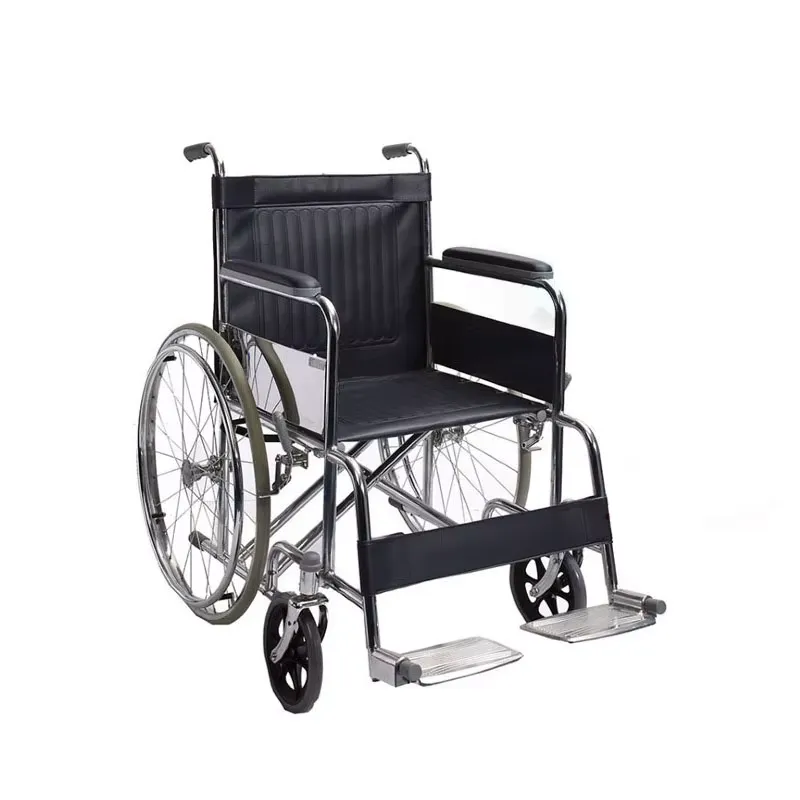
Manual wheelchair frame inspection must identify the exact chair model, revision and fitted wheels before comparing its sides. A different variant may use another frame shape. Ask for the current drawing and approved inspection method.
Which identity fields matter?
Start with the complete chair. Match the manual wheelchair unit label to the purchase order. Record optional seating or foot support parts that change the visible outline.
- Record the chair model.
- List fitted wheels.
- Capture unit identifier.
| Buyer check | Evidence to keep |
|---|---|
| Record the chair model | Current drawing |
| List fitted wheels | Configuration sheet |
A visual difference may be a variant rather than damage. Key Takeaway: Your buyer can compare the chair with its proper reference.
What baseline should receiving staff keep?
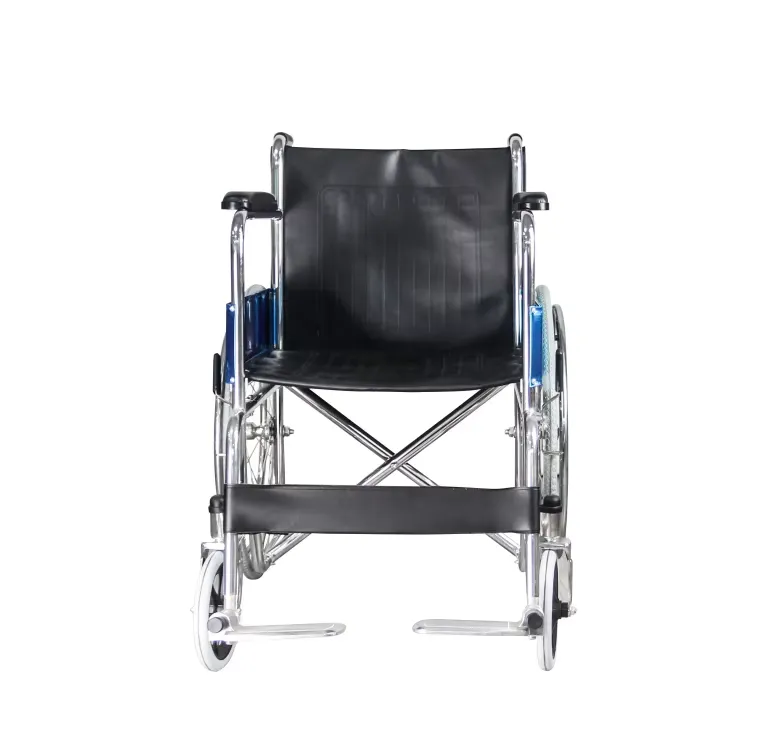
Manual wheelchair frame baseline should show the chair from front, rear and both sides before use. Carton damage or a rushed setup can complicate a later claim. Date images and keep them with the unit record.
Which views should be photographed?
Take the pictures before adjusting anything. Include the wheels, frame joints, seat and foot supports in full view. Note packaging condition separately from any product observation.
- Photograph full chair.
- Record carton condition.
- List open concerns.
| Buyer check | Evidence to keep |
|---|---|
| Photograph full chair | Four dated views |
| Record carton condition | Arrival images |
A baseline gives service staff a point of comparison. Key Takeaway: You can trace whether an issue existed on arrival.
How should symmetry be observed?
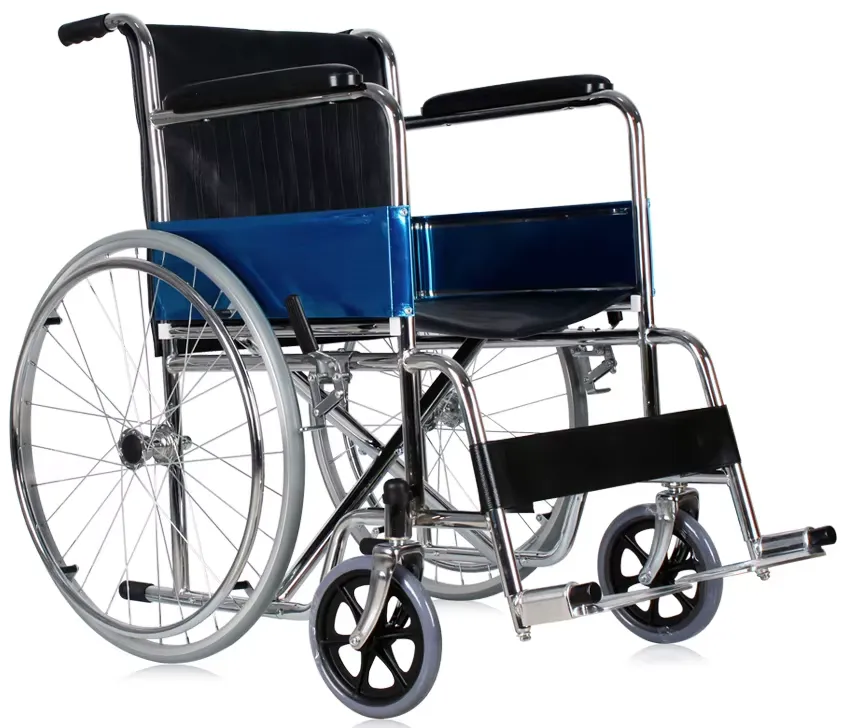
Manual wheelchair frame visual review can compare the left and right sides on a level surface without declaring a tolerance. Camera perspective can make a straight frame look uneven. Use the maker's measurement references for any formal check.
What conditions should stay constant?
Level ground makes the comparison fair. Place the empty chair as the guide requires and record wheel and caster positions. Refer suspected deformation to qualified service staff.
- Use a level reference.
- Compare both sides.
- Request formal review.
| Buyer check | Evidence to keep |
|---|---|
| Use a level reference | Inspection setup |
| Compare both sides | Dated images |
A photograph can flag a concern but cannot certify alignment. Key Takeaway: Your buyer can ask the supplier a specific inspection question.
Could a wheel create an apparent frame issue?
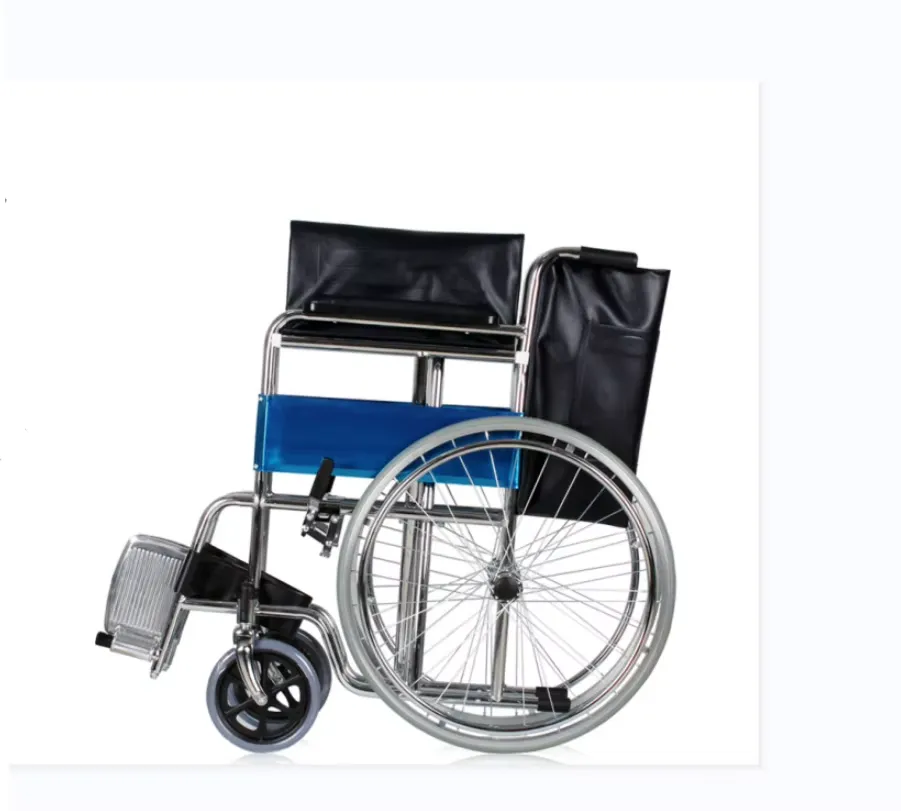
Manual wheelchair frame review should separate frame observations from a wheel, axle or caster problem. A chair that pulls to one side may not have a bent frame. Have trained staff follow the model's diagnostic path.
Which parts should be listed?
Do not blame the frame too soon. Record rear wheel and front caster identifiers for the wheelchair series model being checked. Keep replacement decisions with qualified service.
- Identify wheel parts.
- Record observed behavior.
- Refer root-cause check.
| Buyer check | Evidence to keep |
|---|---|
| Identify wheel parts | Parts list |
| Record observed behavior | Service note |
Separating systems prevents unnecessary frame replacement. Key Takeaway: Your service team can investigate the right component.
What should a folding joint inspection include?
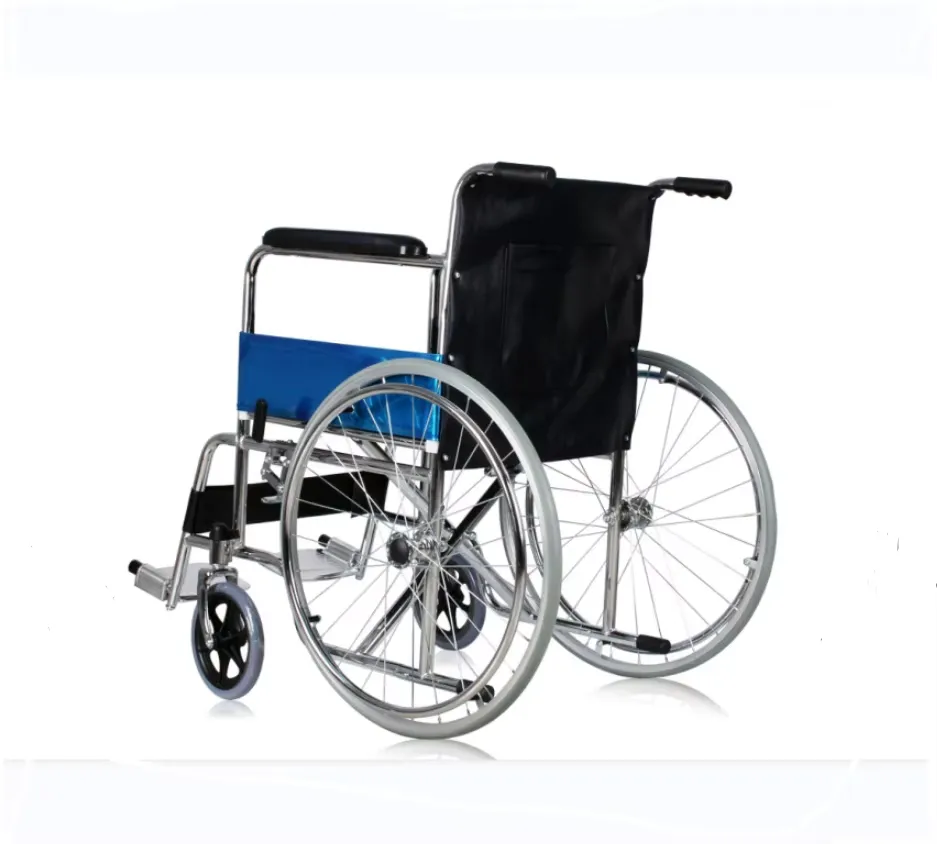
Manual wheelchair frame inspection should include the approved open and folded states where the chair is designed to fold. A visible cross-brace is not permission to bend or adjust it. Use the maker's current procedure.
Who should review unusual movement?
The joint deserves its own record. Trained staff should note loose or damaged components and stop where the guide requires. Photograph the chair without attempting an improvised correction.
- Record open state.
- Check approved fold.
- Refer abnormal movement.
| Buyer check | Evidence to keep |
|---|---|
| Record open state | Full-chair image |
| Check approved fold | Maker checklist |
A joint issue can look like an alignment problem from one angle. Key Takeaway: You can describe the condition without prescribing a repair.
How do seat and foot supports affect the view?
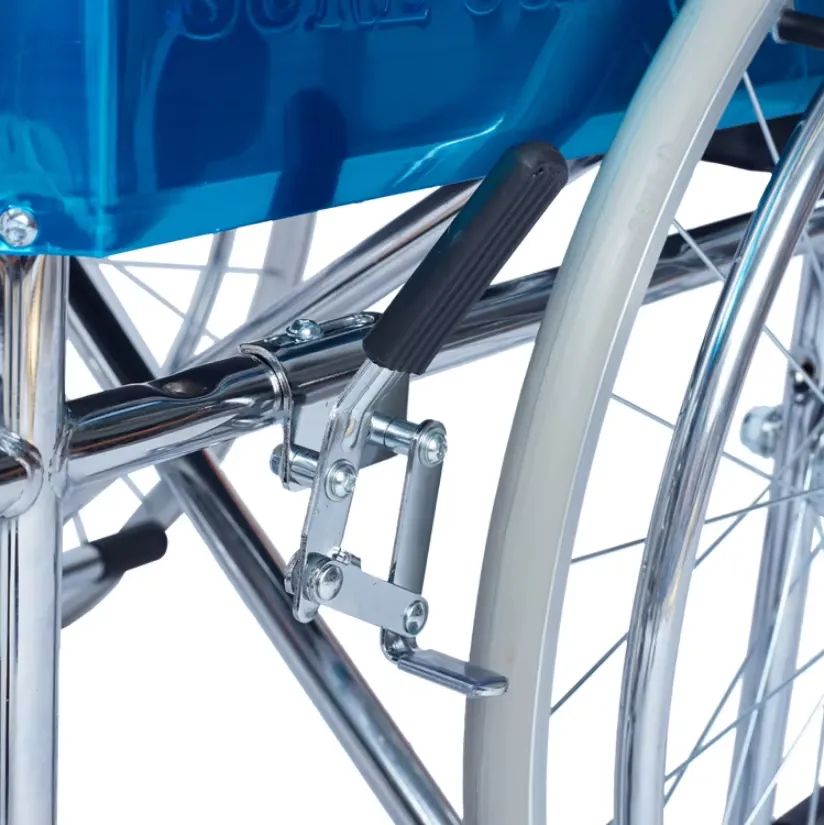
Manual wheelchair frame photographs should show the seat, back and foot supports in their quoted positions. A tilted cushion or uneven footrest can draw the eye away from the actual frame. Record accessories separately.
Which setup should be reproduced?
Compare like with like. Use the maker-approved configuration and note any part that has been changed since delivery. Do not infer a frame defect from fabric alone.
- List seating parts.
- Record foot supports.
- Capture current setup.
| Buyer check | Evidence to keep |
|---|---|
| List seating parts | Configured bill of materials |
| Record foot supports | Part codes |
A consistent setup makes visual comparisons more useful. Key Takeaway: Your buyer can distinguish a product change from a frame concern.
What route observation might justify review?
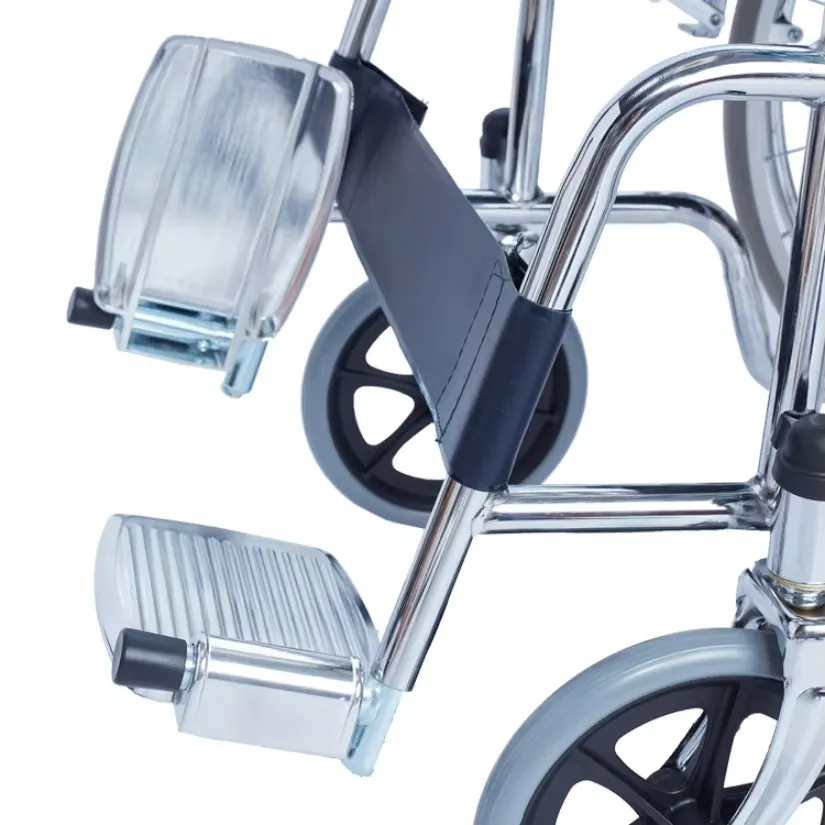
Manual wheelchair frame concern can arise when the chair behaves differently on a familiar route, but a route test is not a frame diagnosis. Check the racing sports wheelchair design separately because it is not the same frame. Keep model and conditions in each record.
How should behavior be described?
Record the route, not a theory. Note surface, user setup and observed movement under trained supervision. Refer unusual handling to qualified staff and avoid universal performance claims.
- Describe surface.
- Identify the chair.
- Record behavior.
| Buyer check | Evidence to keep |
|---|---|
| Describe surface | Site note |
| Identify the chair | Model record |
Context helps staff decide which checks are relevant. Key Takeaway: Your buyer can request service with a useful description.
How should transit damage be separated?
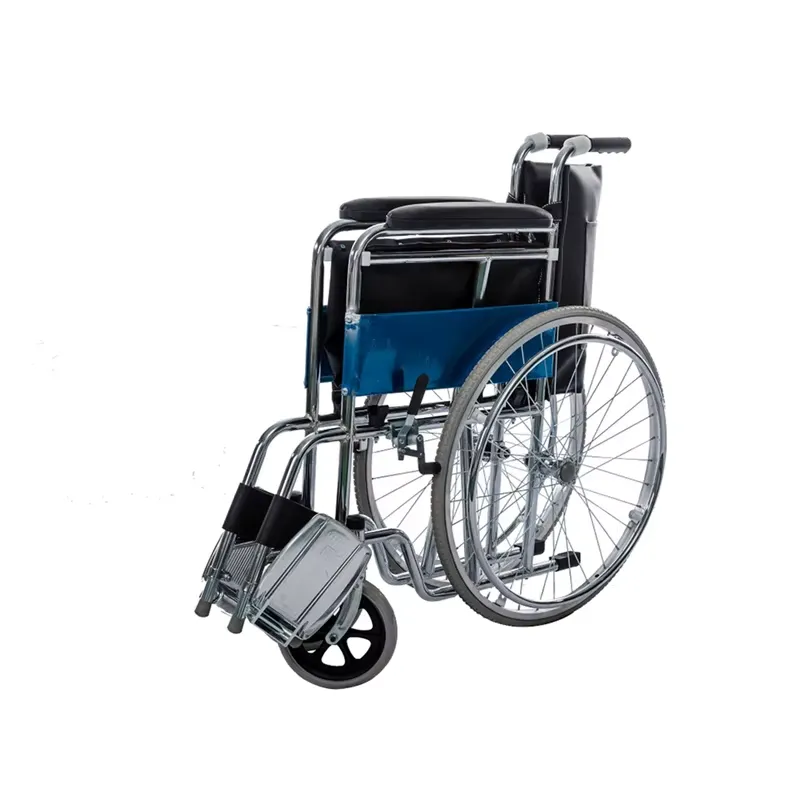
Manual wheelchair frame inspection after shipping should connect carton condition with full-chair images and specific frame observations. A crushed carton does not prove a bent frame, and a clean carton does not rule out damage. Keep evidence before disposal.
What should receiving staff retain?
Photograph the shipment as it arrives. Record carton code, date, seals and product condition. Follow the carrier and supplier claim process before deciding on release.
- Capture carton sides.
- Record frame concern.
- Keep packaging.
| Buyer check | Evidence to keep |
|---|---|
| Capture carton sides | Dated photos |
| Record frame concern | Unit-specific note |
Evidence collected promptly is easier to evaluate. Key Takeaway: You can make a fair transport claim without guessing.
What should an alignment report contain?
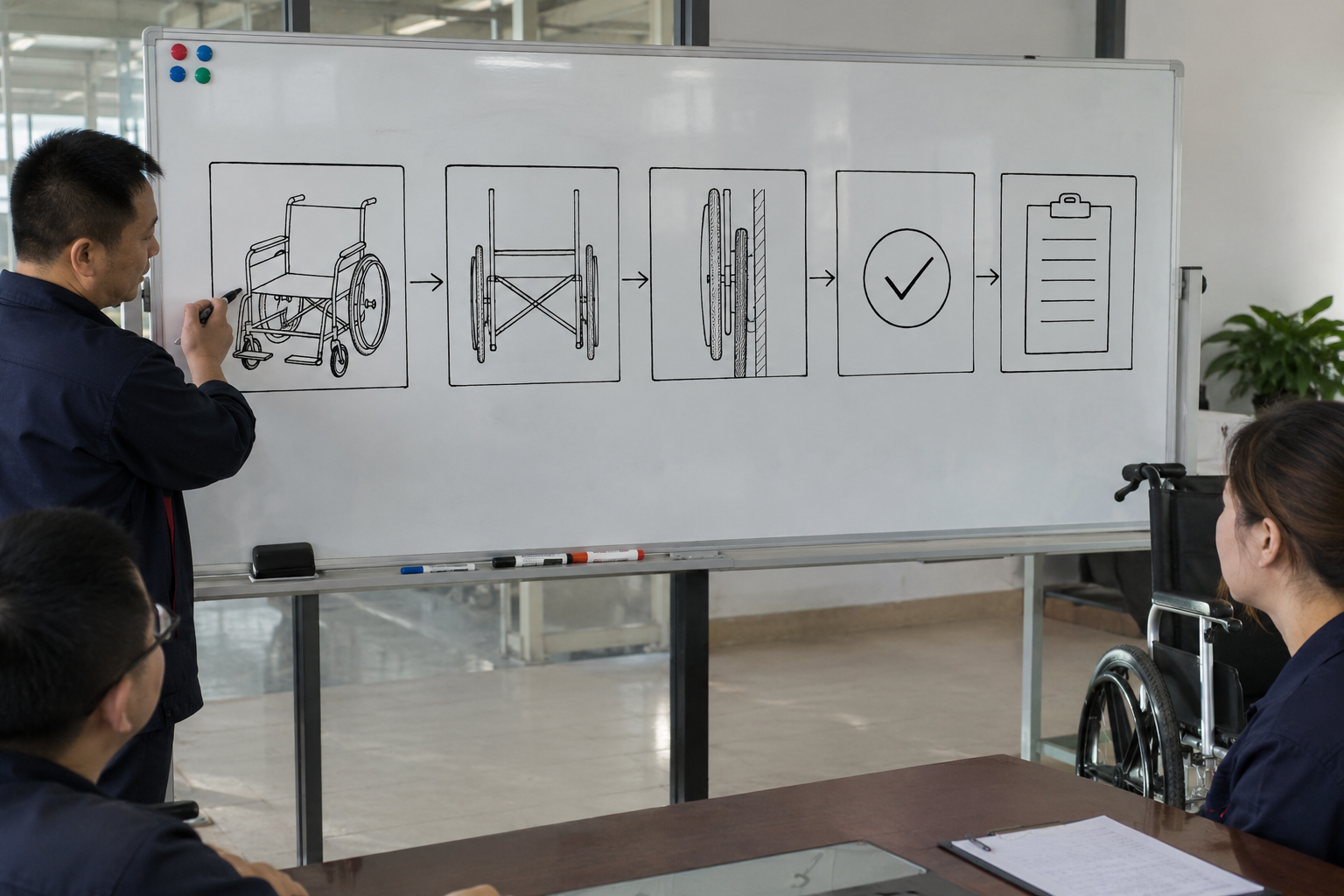
Manual wheelchair frame report should identify the chair, reference method, observation and qualified reviewer. WHO's assistive product specifications support procurement records but do not set this frame's tolerance. Leave unverified measurements open.
Which fields support a decision?
A ruler needs a reference point. Attach the current maker drawing and dated full-chair images. Ask the supplier for any approved limits or service path before making a repair claim.
- Name the model.
- Record inspection method.
- Log supplier answer.
| Buyer check | Evidence to keep |
|---|---|
| Name the model | Unit identity |
| Record inspection method | Guide revision |
A structured report can be checked by another technician. Key Takeaway: Your buyer can move from concern to a documented service decision.
How should buyers decide on a frame concern?
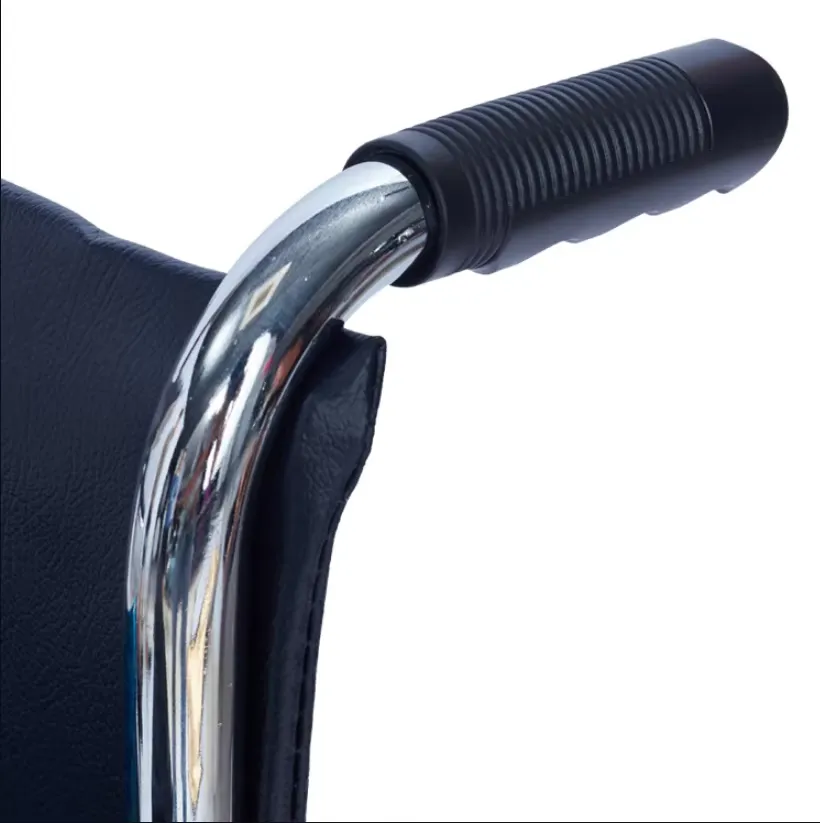
Manual wheelchair frame decision should follow the maker's check and a qualified finding for the exact chair. Hold a suspected damaged unit rather than trying to straighten it. Ask whether repair or replacement is approved.
What should the final enquiry say?
Send evidence before proposing a fix. Provide model, arrival record, observed behavior and inspection images. Request a written response tied to that unit.
- Identify affected chair.
- Attach observations.
- Request next step.
| Buyer check | Evidence to keep |
|---|---|
| Identify affected chair | Serial or batch |
| Attach observations | Inspection file |
A specific record supports a safer and faster resolution. Key Takeaway: For a model-specific frame review, contact us. Ary Medical treats uncertainty as a reason to inspect, not to improvise.
Frequently asked questions
Q1: Can I straighten a frame that looks bent?
No. Hold the chair and seek the maker's qualified service decision.
Q2: What's the best first photo for a frame concern?
Take full front, rear and side views on a level surface with the unit identified.
Q3: How do I know if the frame or wheel caused a pull?
Use the exact model's qualified diagnostic process. Do not decide from one symptom.
Q4: Can a clean carton rule out damage?
No. Inspect the chair itself and record the condition.
Q5: Should I compare different wheelchair models?
Only with their own drawings and methods; different frames can look unlike each other.