
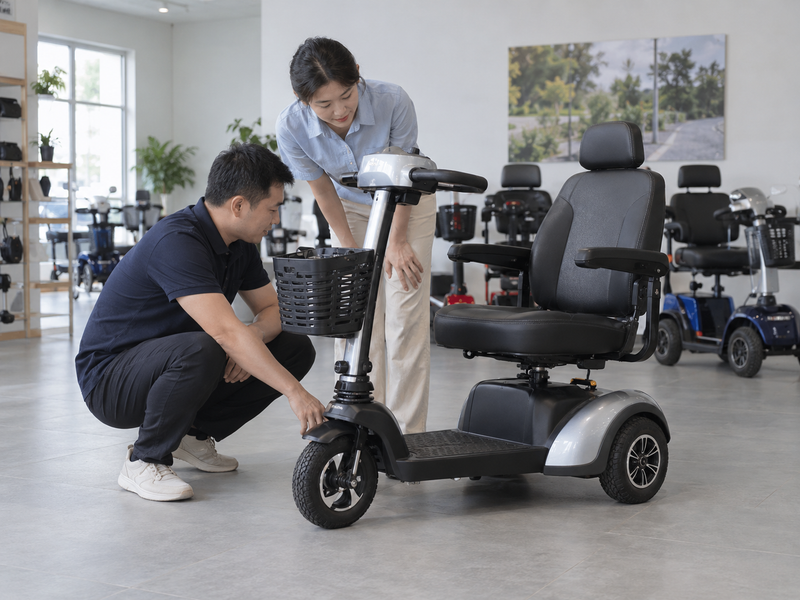
Check a mobility scooter foot platform by matching it to the specific mobility scooter, intended setting and latest maker documents. A purchaser can see a familiar foot platform in a clean product image yet miss crowded knee space or a damaged platform edge. A controlled demonstration unit, qualified review and written parts match give you a firmer basis for the order.
What identifies the mobility scooter foot platform?
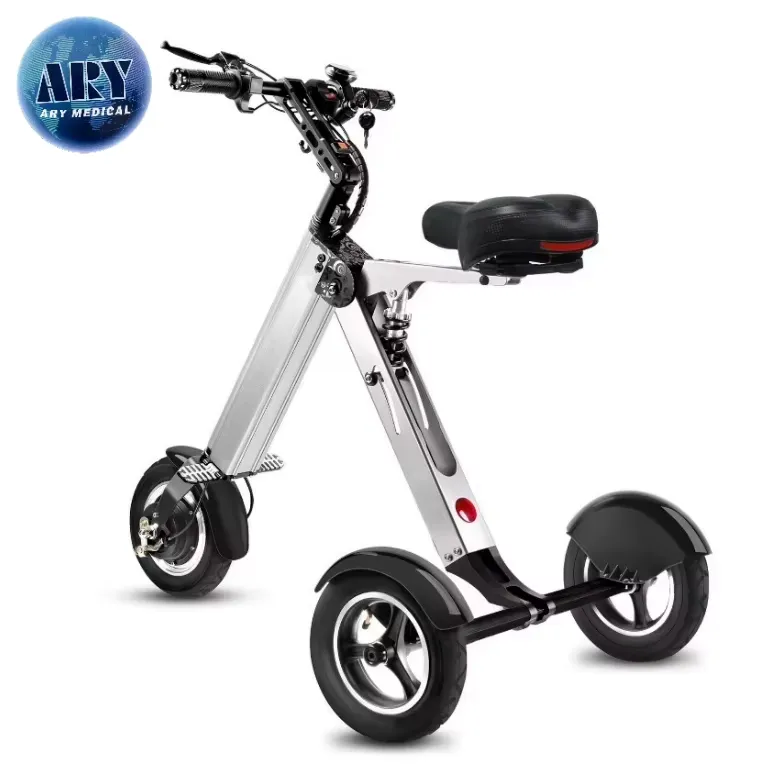
Mobility scooter foot platform identity comes from the quoted mobility scooter, its revision and the fitted foot platform. A studio image reveals placement, yet it cannot settle crowded knee space or a damaged platform edge. Request records for platform assembly and its mounting hardware before treating two options as interchangeable. Name the foot platform clearly.
Which foot platform identifiers should agree?
Start with the product identity. Put the mobility scooter model, foot platform code and ordered configuration on one comparison sheet. Separate optional versions whenever seat, tiller and front wheel change between variants. Compare the mobility scooter range only when it matches the product under review.
- Record this mobility scooter model.
- Capture the foot platform code.
- List changes around seat, tiller and front wheel.
| Buyer check | Evidence to keep |
|---|---|
| Record this mobility scooter model | Current product drawing |
| Capture the foot platform code | Maker parts list |
Without a named foot platform, the mobility scooter model alone leaves the parts question open. Key Takeaway: Your purchaser can discuss this foot platform with a manufacturer using the same product identity.
How should buyers review foot platform fit?
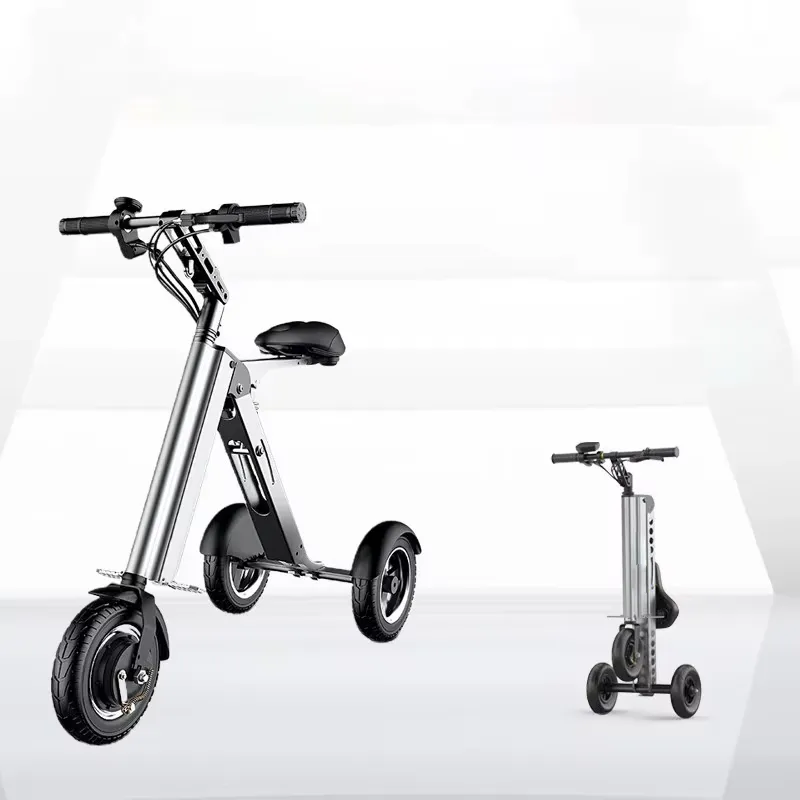
Mobility scooter foot platform fit depends on seated foot clearance and the route onto the scooter, not on one isolated catalog dimension. For the mobility scooter, a studio pose cannot decide whether seat, tiller and front wheel suit an intended user. Bring an appropriate assessor into any choice that affects personal access or support. Fit needs foot platform context.
What belongs in a foot platform fit brief?
Fit depends on the complete setup. Before the trial, document this mobility scooter configuration, its permitted settings and the task involving foot platform. Keep measured product facts apart from individual recommendations about seated foot clearance and the route onto the scooter. Note each foot platform change while the setup stays stable.
- Freeze the mobility scooter setup.
- Describe seated foot clearance and the route onto the scooter.
- Keep the foot platform finding.
| Buyer check | Evidence to keep |
|---|---|
| Freeze the mobility scooter setup | Sample configuration |
| Describe seated foot clearance and the route onto the scooter | Buyer use brief |
Changing seat, tiller and front wheel can change how the same foot platform works for another person. Key Takeaway: You can connect mobility scooter evidence with the user and setting that the foot platform must serve.
Which nearby parts affect the foot platform?
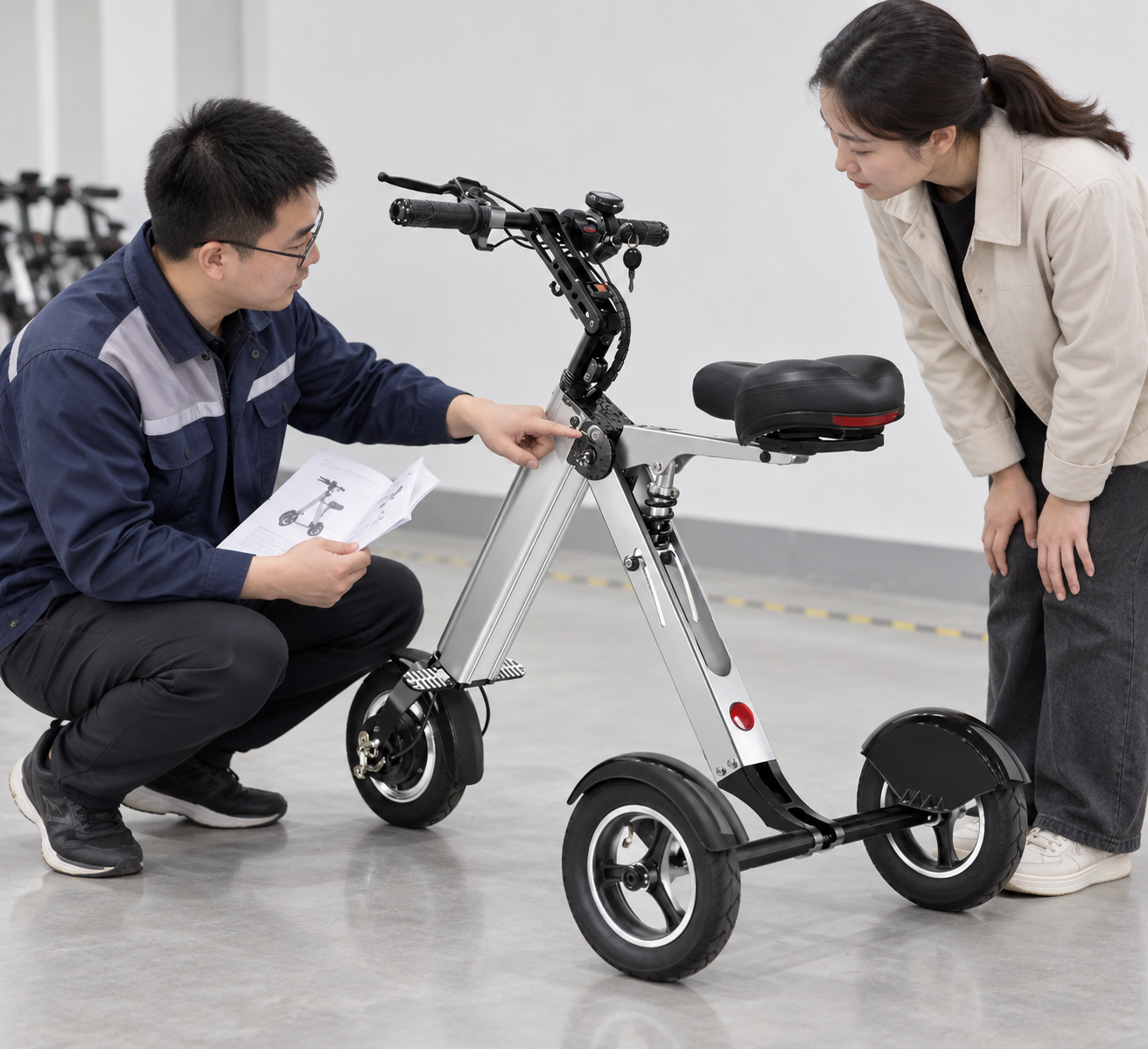
Mobility scooter foot platform inspection must also cover seat, tiller and front wheel, because crowded knee space or a damaged platform edge may originate elsewhere in this assembly. Review a complete configured mobility scooter and its maker diagram before ordering platform assembly and its mounting hardware. Trace the foot platform carefully.
How should the mobility scooter assembly be mapped?
Nearby parts can change the answer. Photograph this mobility scooter as a whole, then capture the foot platform from useful angles. Tie each item in seat, tiller and front wheel to a latest part listing instead of matching shapes by eye. Label every clear photograph of the foot platform.
- Map seat, tiller and front wheel.
- Photograph this mobility scooter.
- Flag uncertain foot platform details.
| Buyer check | Evidence to keep |
|---|---|
| Map seat, tiller and front wheel | Model assembly drawing |
| Photograph this mobility scooter | Dated full-setup images |
A wider assembly view can prevent an unnecessary foot platform change. Key Takeaway: Your service team can see how seat, tiller and front wheel interact with the foot platform.
What should a mobility scooter demonstration unit demonstrate?
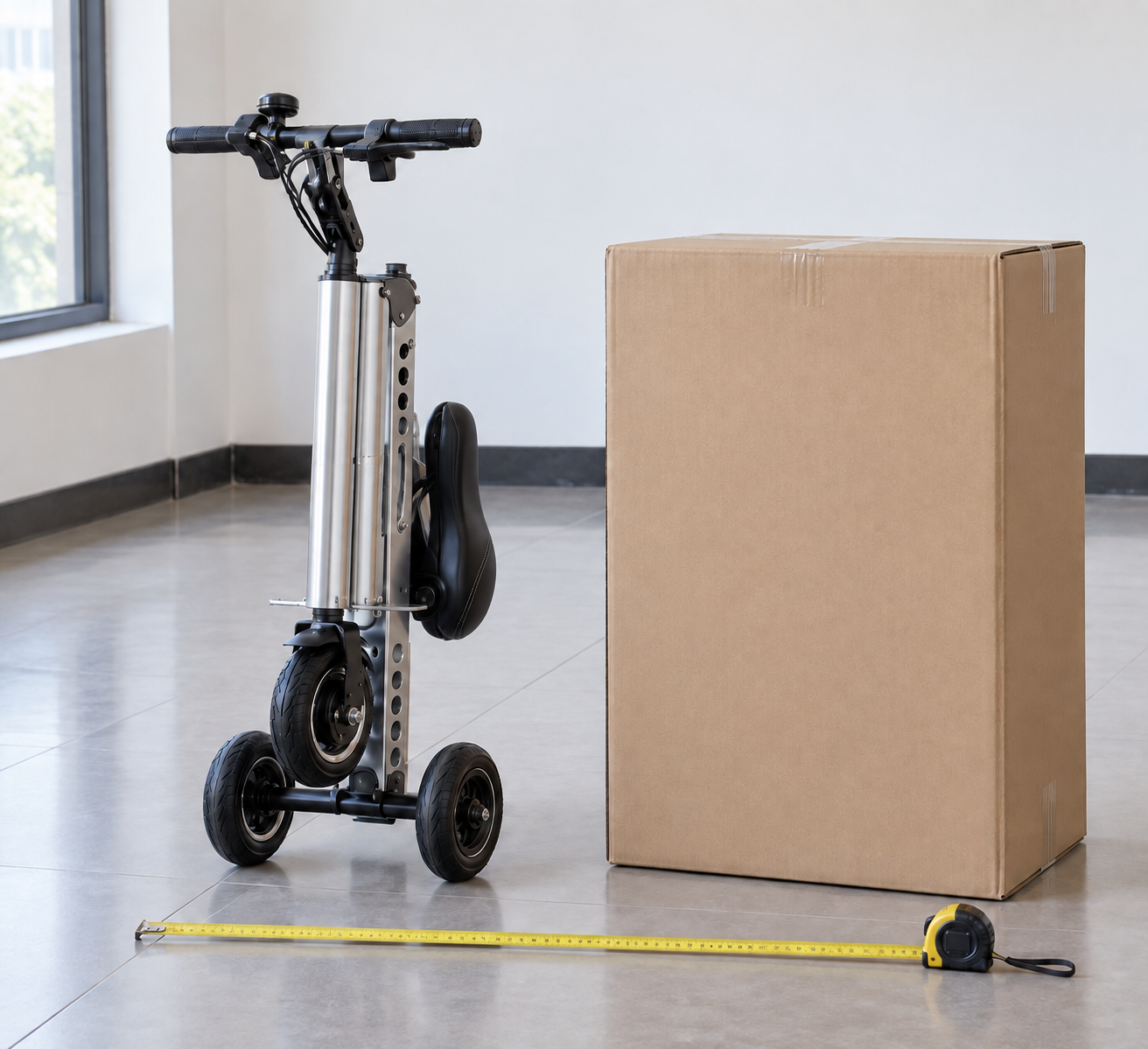
Mobility scooter foot platform sampling should answer whether the identified foot platform follows its latest instructions on an unloaded mobility scooter. A quick sales demonstration cannot cover seated foot clearance and the route onto the scooter. Write down the procedure and stop if crowded knee space or a damaged platform edge appears. Keep the foot platform trial narrow.
Which foot platform trial conditions stay fixed?
A demonstration unit should settle one clear question. Use the quoted mobility scooter, its approved settings and a controlled area suited to measure the configured demonstration unit with the intended user. Name the staff member and guide revision behind the demonstration. Compare the three-wheel scooter only when it matches the product under review.
- Identify this mobility scooter demonstration unit.
- Follow the foot platform procedure.
- Record any crowded knee space or a damaged platform edge.
| Buyer check | Evidence to keep |
|---|---|
| Identify this mobility scooter demonstration unit | Model and serial or batch |
| Follow the foot platform procedure | Current maker instructions |
A repeatable foot platform demonstration unit says more than an unrestricted performance promise. Key Takeaway: Your purchaser can compare delivered units with a known mobility scooter example.
How does the setting change the foot platform check?
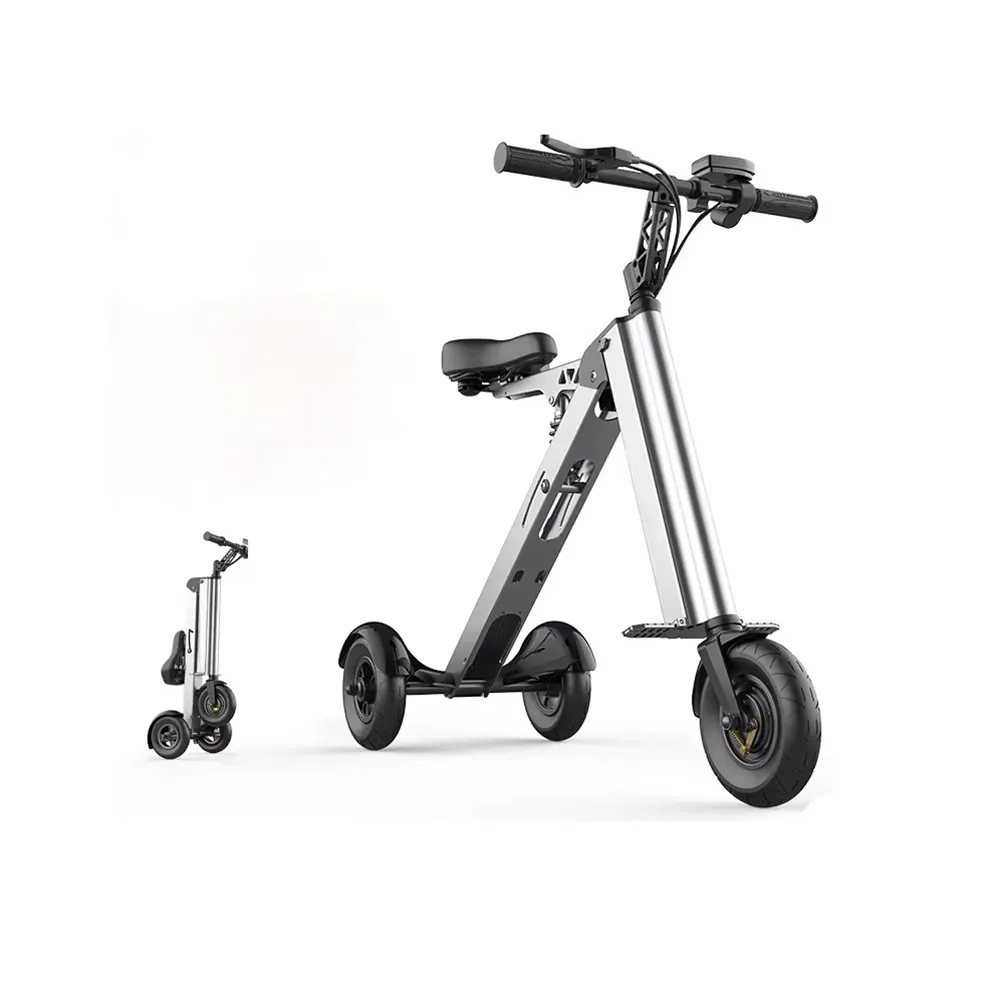
Mobility scooter foot platform suitability changes with seated foot clearance and the route onto the scooter and the room or route around this mobility scooter. A showroom removes constraints that may expose crowded knee space or a damaged platform edge at the purchaser site. Measure the practical setting while staying inside maker limits. Map the foot platform at the site.
What should the mobility scooter site brief file?
The operating setting belongs in the review. List the clearances, surfaces, staff roles and configuration relevant to foot platform. Keep one observation about seated foot clearance and the route onto the scooter from becoming a universal claim about this product line. Mark the foot platform position at the hardest point.
- Measure space around foot platform.
- Describe seated foot clearance and the route onto the scooter.
- Check this mobility scooter limit.
| Buyer check | Evidence to keep |
|---|---|
| Measure space around foot platform | Site survey |
| Describe seated foot clearance and the route onto the scooter | Operating brief |
The operating context turns an isolated foot platform observation into usable evidence. Key Takeaway: You can catch a mobility scooter mismatch before the fleet reaches its destination.
Which foot platform wear signs need service?
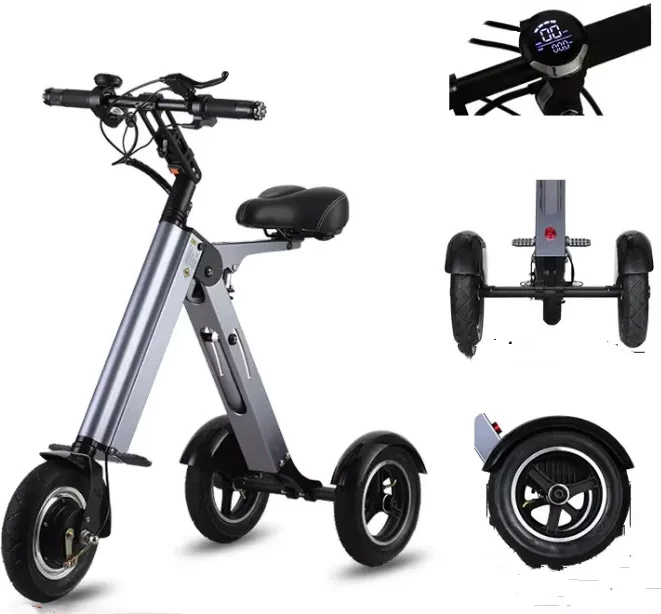
Mobility scooter foot platform visual checks may file crowded knee space or a damaged platform edge, but they cannot predict remaining service life. Avoid forcing or adjusting platform assembly and its mounting hardware from generic instructions. Put the affected mobility scooter into its qualified service path. Hold the foot platform if needed.
How should staff report foot platform wear?
Condition needs a qualified response. Photograph the entire mobility scooter, then show the foot platform concern beside its unit identity. Preserve user observations separately from a trained technical conclusion about seat, tiller and front wheel. Describe events without forcing the foot platform.
- Capture this mobility scooter condition.
- Describe crowded knee space or a damaged platform edge.
- Assign the foot platform review.
| Buyer check | Evidence to keep |
|---|---|
| Capture this mobility scooter condition | Dated overview images |
| Describe crowded knee space or a damaged platform edge | Service intake |
A precise description of crowded knee space or a damaged platform edge gives the manufacturer a question it can answer. Key Takeaway: Your team can hold this mobility scooter without inventing a diagnosis.
How should staff clean the foot platform?
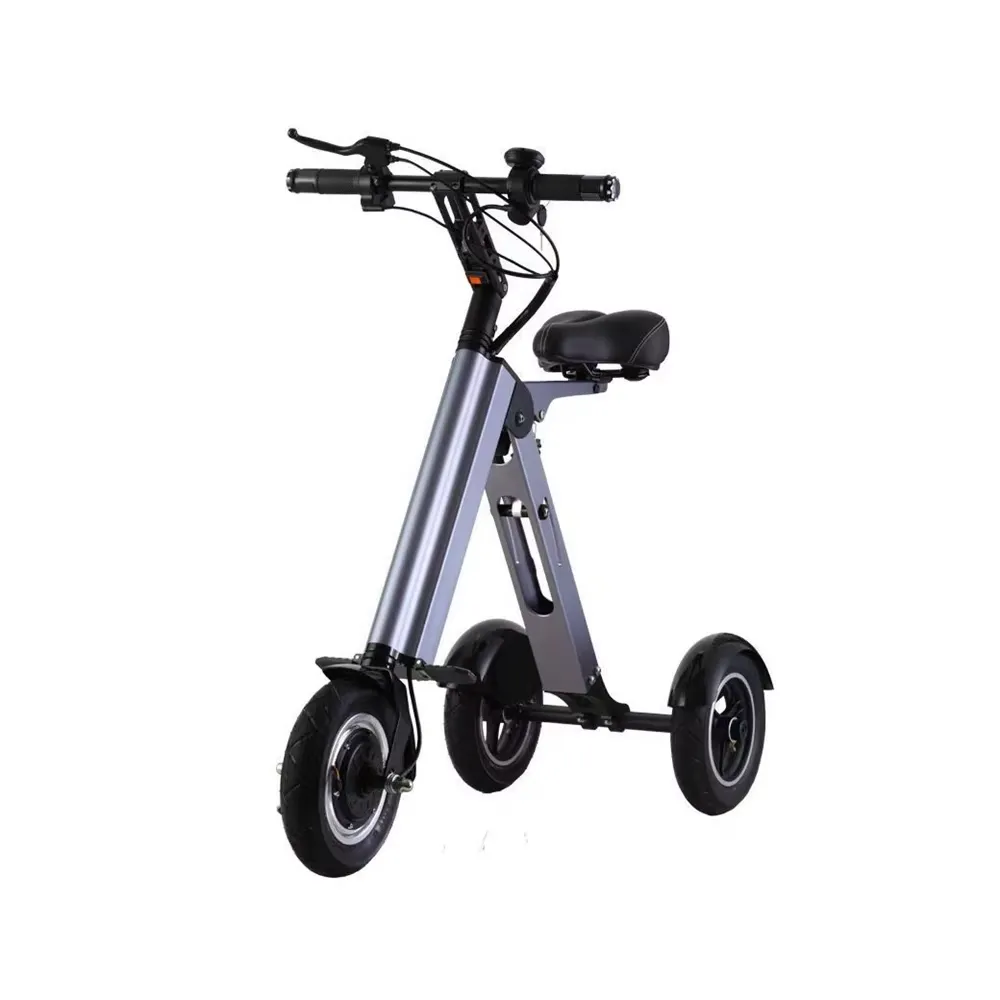
Mobility scooter foot platform care must follow material and service instructions written for this mobility scooter. The wrong chemical or method can worsen crowded knee space or a damaged platform edge. Ask the manufacturer which surfaces in seat, tiller and front wheel belong in the routine. Inspect the foot platform again.
Which foot platform care records matter?
Care and inspection should work together. Record the approved method, inspection date and any change around foot platform. Move damage or persistent contamination into this mobility scooter service file. Compare the folding scooter only when it matches the product under review.
- Request the foot platform care guide.
- Inspect seat, tiller and front wheel afterward.
- Refer crowded knee space or a damaged platform edge.
| Buyer check | Evidence to keep |
|---|---|
| Request the foot platform care guide | Maker document |
| Inspect seat, tiller and front wheel afterward | Routine checklist |
A consistent foot platform routine makes changes easier to spot between inspections. Key Takeaway: Your staff can care for this mobility scooter without improvising materials or steps.
How should a replacement foot platform be matched?
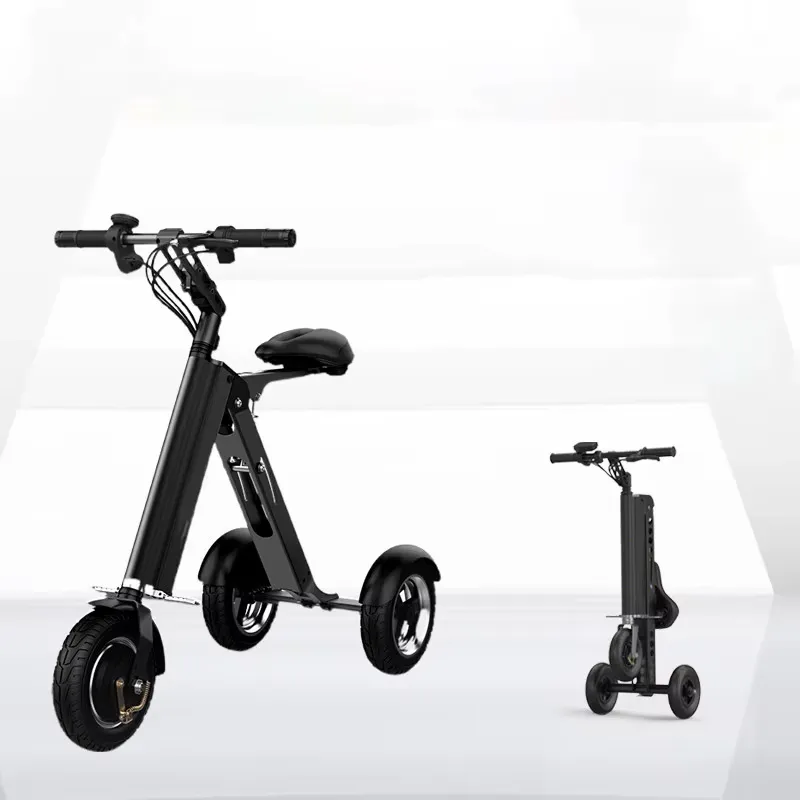
Mobility scooter foot platform replacement requires platform assembly and its mounting hardware approved for this mobility scooter revision. Similar-looking hardware can create crowded knee space or a damaged platform edge or alter seat, tiller and front wheel. Ask for an itemized kit and the qualified fitting route. Match the foot platform part first.
What belongs in the foot platform parts enquiry?
Order the assembly, not a look-alike. Send the mobility scooter identity, installed part code and condition photographs. Request every included item, compatible revision and post-service check for foot platform in writing. Keep every item in the foot platform kit together.
- Name the installed foot platform.
- List the platform assembly and its mounting hardware.
- Confirm the mobility scooter fitting path.
| Buyer check | Evidence to keep |
|---|---|
| Name the installed foot platform | Current part code |
| List the platform assembly and its mounting hardware | Itemized manufacturer quote |
A complete foot platform kit is easier for receiving staff to trace. Key Takeaway: Your stockroom can reject a near-match before it reaches this mobility scooter.
Which records support a foot platform decision?

Mobility scooter foot platform records should connect the mobility scooter identity, its configuration, demonstration unit result and reviewer. WHO's assistive product specifications offer procurement context but do not approve this foot platform or resolve crowded knee space or a damaged platform edge. Date the foot platform evidence.
How should the foot platform file stay traceable?
A useful file keeps the limits visible. Attach the maker drawing, dated mobility scooter images and manufacturer replies to one unit or batch. Record any change to platform assembly and its mounting hardware so later staff know what is fitted. Link the foot platform evidence in one product file.
- Identify this mobility scooter.
- Attach foot platform evidence.
- Record the foot platform outcome.
| Buyer check | Evidence to keep |
|---|---|
| Identify this mobility scooter | Model and unit file |
| Attach foot platform evidence | Controlled product file |
A traceable foot platform file can be checked by both procurement and service. Key Takeaway: Your purchaser can explain why this mobility scooter was accepted or held.
How can buyers approve the foot platform?
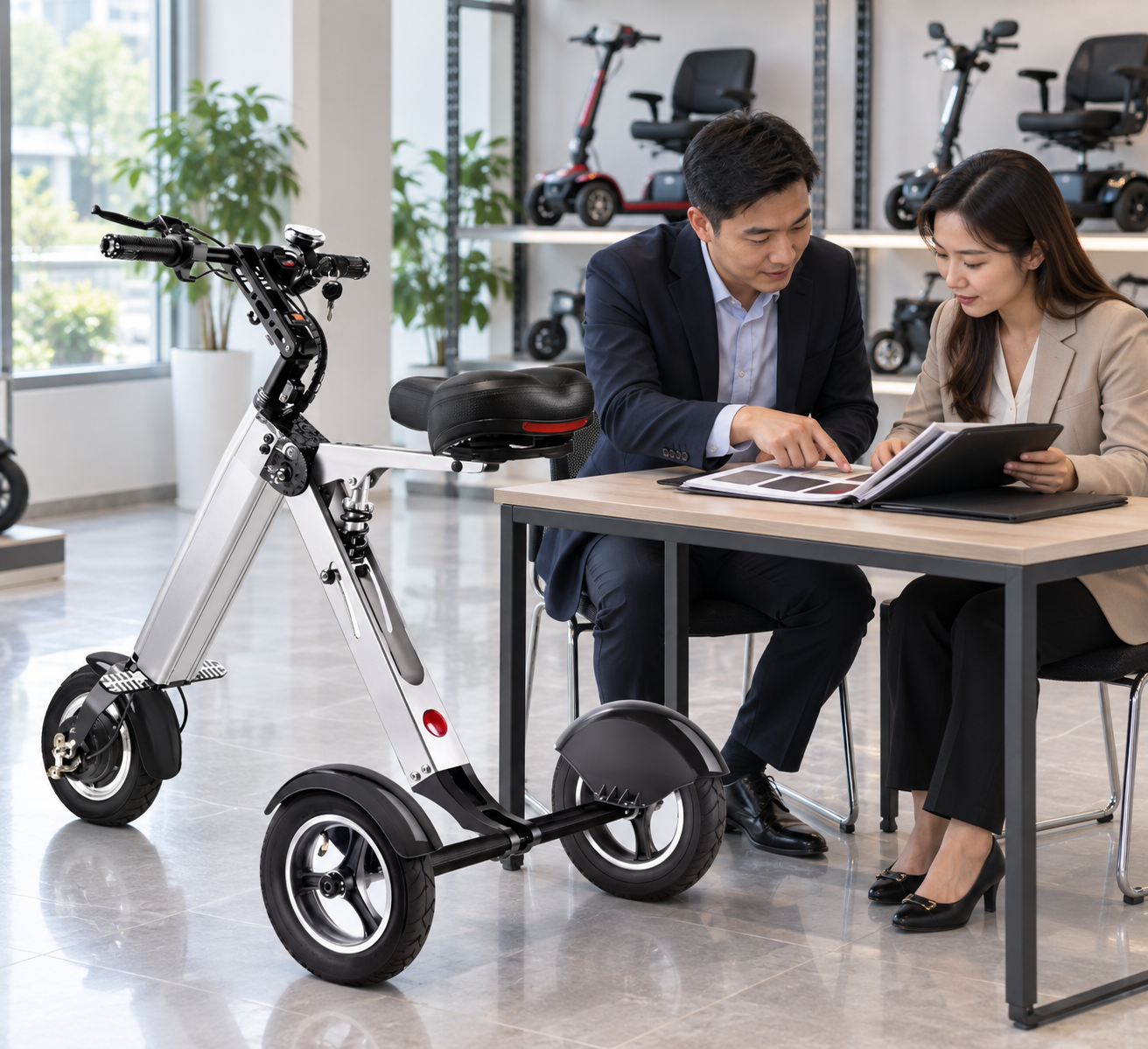
Mobility scooter foot platform approval should combine specific mobility scooter identity, a controlled demonstration unit and a documented answer to crowded knee space or a damaged platform edge. Measure the configured demonstration unit with the intended user. Hold the purchase when quoted and inspected versions of platform assembly and its mounting hardware differ. Write the foot platform decision down.
What should the final foot platform enquiry include?
Close the decision with traceable evidence. Send the mobility scooter model, foot platform images, intended setting and unresolved questions about seat, tiller and front wheel. Request written confirmation of platform assembly and its mounting hardware and its latest service method. Keep the answer to one clear foot platform question.
- Specify this mobility scooter.
- Attach the foot platform findings.
- List questions about crowded knee space or a damaged platform edge.
| Buyer check | Evidence to keep |
|---|---|
| Specify this mobility scooter | Purchase order |
| Attach the foot platform findings | Inspection file |
A narrow foot platform question is easier for the manufacturer to resolve with evidence. Key Takeaway: For a model-specific foot platform review, contact us. Ary Medical supports mobility scooter decisions that stay clear from order through service.
Frequently asked questions
Q1: Can I choose a foot platform from a product photo?
No. Match the specific model and part code. Keep the foot platform documents together.
Q2: What's the best foot platform for every purchaser?
There is no universal answer. Review the configured product and task. Let the foot platform evidence guide the decision.
Q3: How do I know if the foot platform needs service?
Record the observed condition. Seek the maker-approved qualified review. Keep the foot platform on hold when required.
Q4: Can I fit a similar-looking foot platform?
No. Use a written compatibility match. Check the foot platform against the specific model revision.
Q5: Should I keep the demonstration unit and service records?
Yes. They let teams repeat the same checks. Store the foot platform history with the product.