
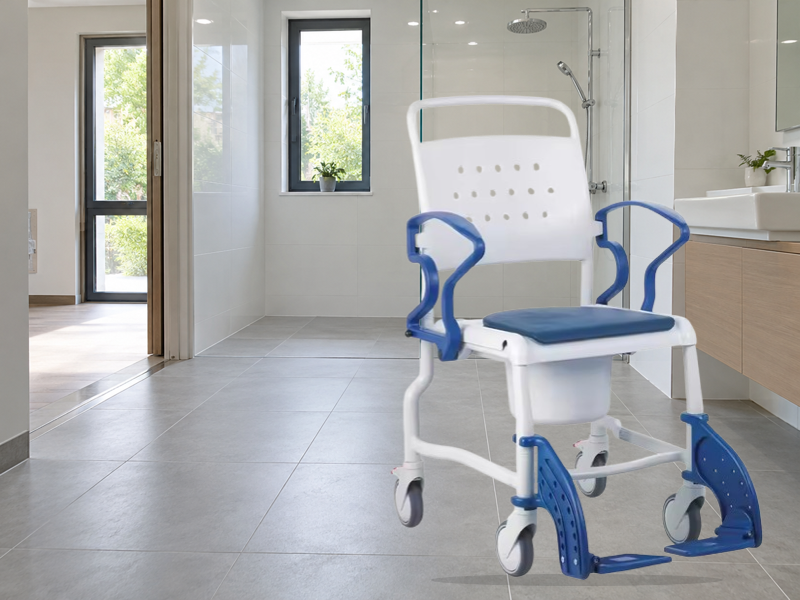
Check a commode chair caster lock by tying it to the identified commode chair, operating setting and maker evidence. A procurement manager may see a familiar caster lock yet miss a damaged pedal, uncertain engagement or a caster from another revision. A measured trial unit, receiving file and approved parts path support a better purchase decision.
How should buyers specify the commode chair caster lock?
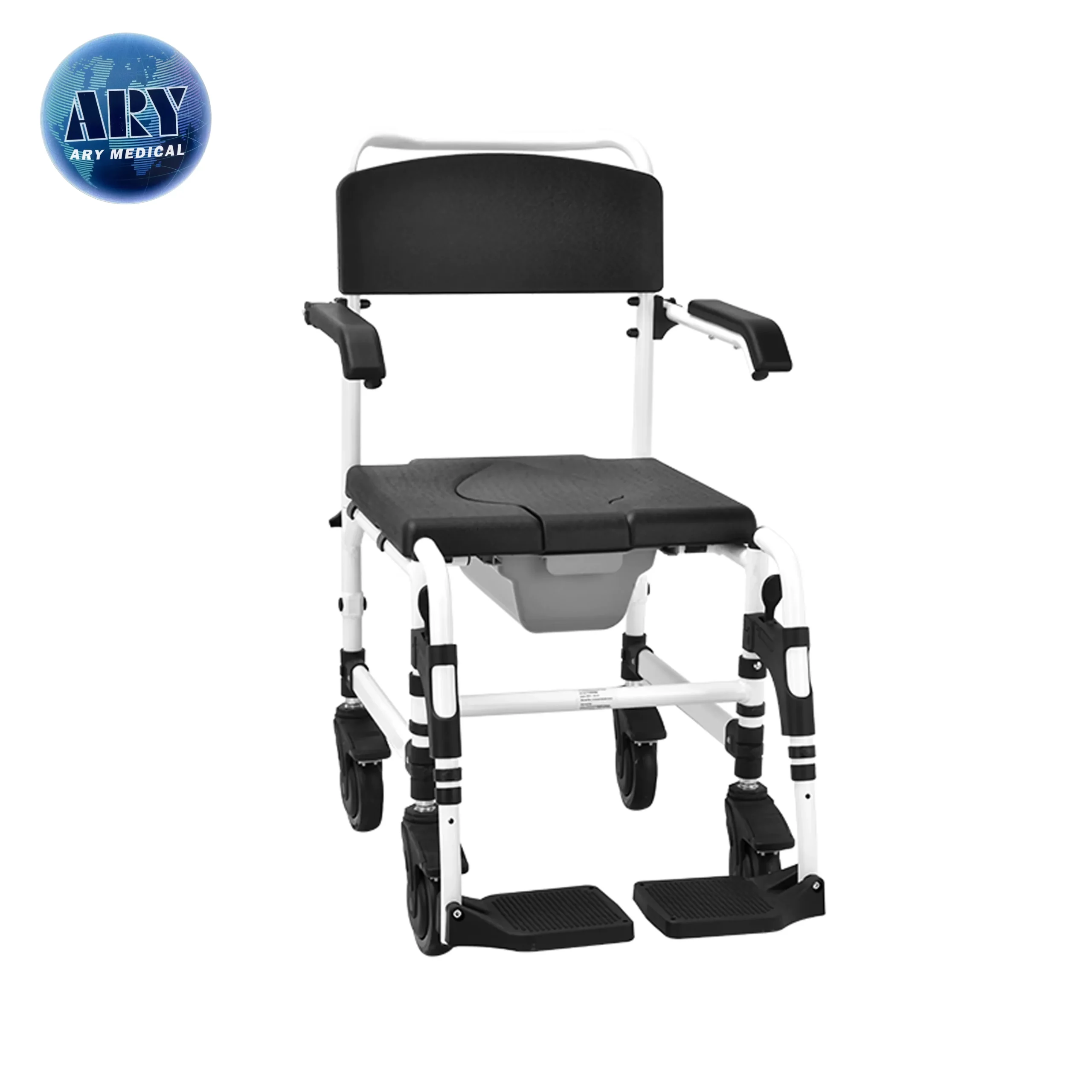
Commode chair caster lock specification should name the commode chair, component version and every included fixing. A category photo cannot settle a damaged pedal, uncertain engagement or a caster from another revision. Keep the purchase line tied to approved locking caster assembly. Name the caster lock first.
Which caster lock fields should the order include?
Put the purchase line on paper. List this commode chair model, the caster lock part code and any option that changes caster, pedal, fork and chair frame. Use one dated specification for the quote. Compare the 5-in-1 toilet chair only when it matches the product under review.
- Name the commode chair.
- Name the caster lock.
- List caster, pedal, fork and chair frame.
| Buyer check | Evidence to keep |
|---|---|
| Name the commode chair | Current model sheet |
| Name the caster lock | Maker parts list |
A clear purchase line makes the caster lock recognizable at receiving. Key Takeaway: Your procurement team can compare offers for the same caster lock.
How does the caster lock work with the product?
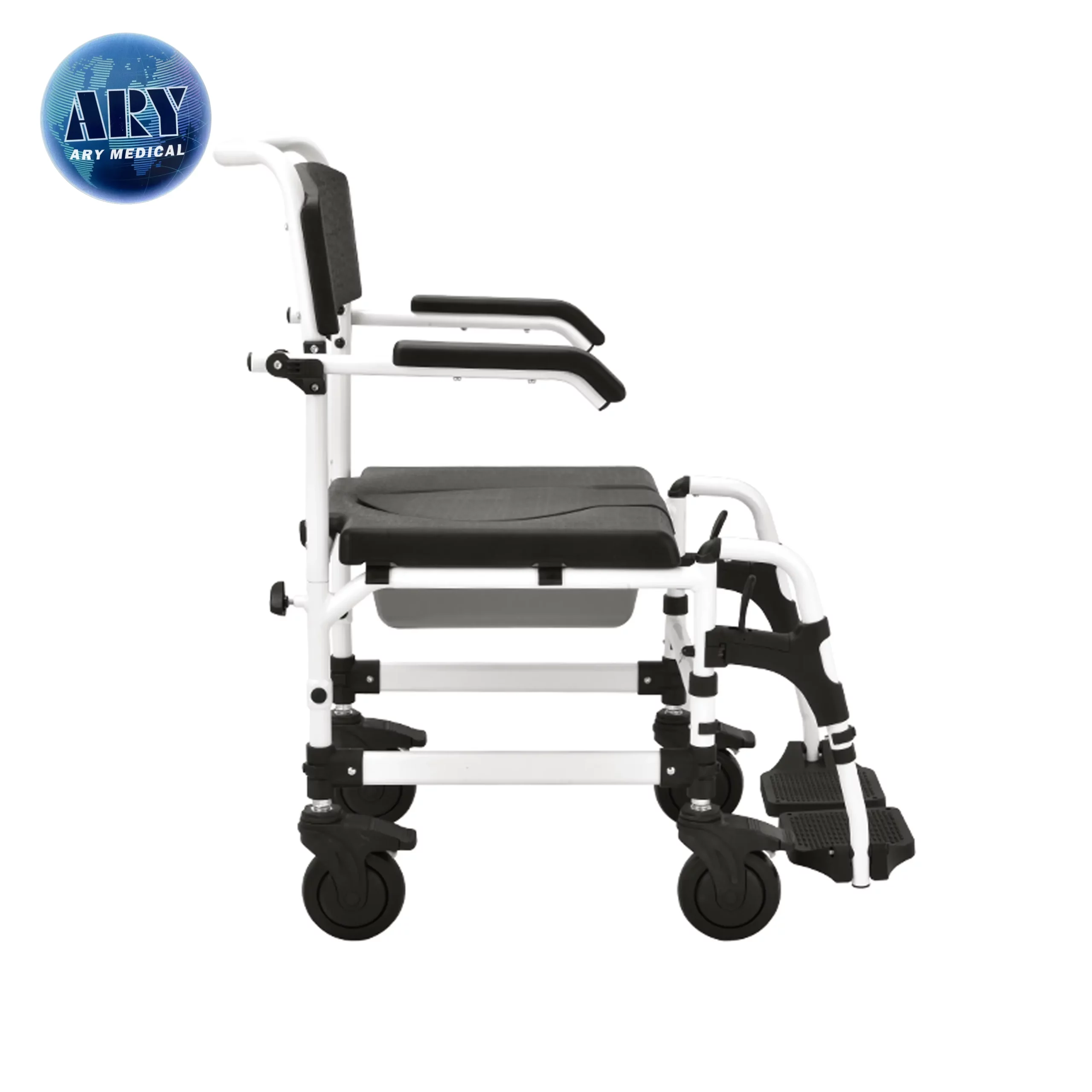
Commode chair caster lock belongs to an assembly that includes caster, pedal, fork and chair frame. A concern around caster lock may start at another connection point. Inspect the complete configured commode chair before isolating one part. Keep the caster lock setup clear.
What should the caster lock assembly map show?
Now inspect the complete assembly. Photograph the commode chair as a whole and then show each interface around caster lock. Link those views to the maker drawing rather than matching parts by appearance.
- Map caster, pedal, fork and chair frame.
- Show the full commode chair.
- Mark the caster lock interface.
| Buyer check | Evidence to keep |
|---|---|
| Map caster, pedal, fork and chair frame | Assembly drawing |
| Show the full commode chair | Dated image |
Assembly context can prevent a wrong caster lock order. Key Takeaway: Your service team can see where the caster lock belongs.
What should buyers measure around the caster lock?
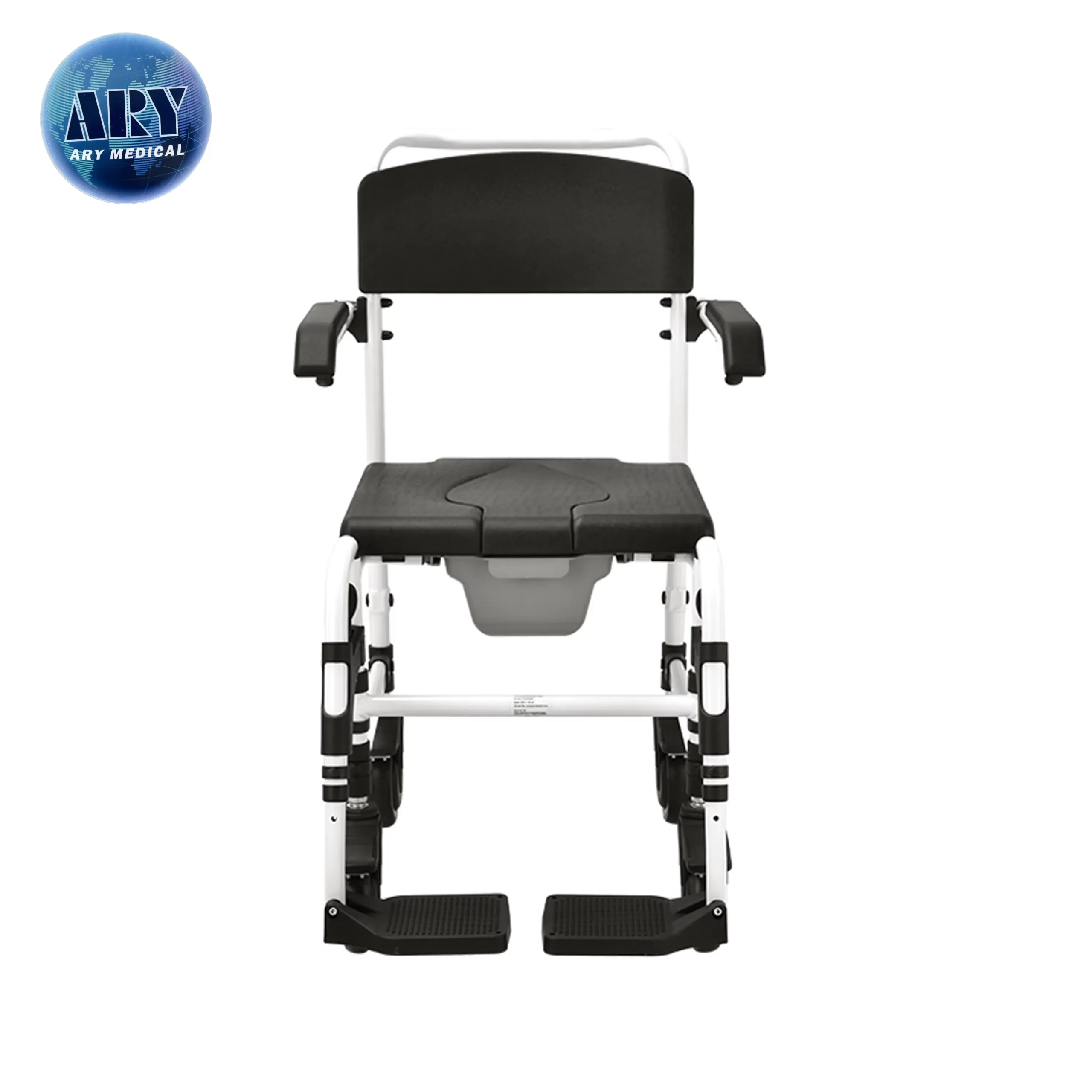
Commode chair caster lock dimensions need named reference points on the configured commode chair. An isolated catalog number cannot describe care-site positioning, empty-chair movement and cleaning. Use the maker method and report the trial unit state. Use plain caster lock measures.
Which caster lock measurements are useful?
A number needs a measuring method. Measure only the clearances or positions relevant to caster, pedal, fork and chair frame. Note the setup, tool and person who collected each value.
- Define the caster lock reference.
- Freeze the commode chair setup.
- Record relevant clearance.
| Buyer check | Evidence to keep |
|---|---|
| Define the caster lock reference | Measurement method |
| Freeze the commode chair setup | Configuration image |
A value without its caster lock reference can mislead another procurement manager. Key Takeaway: You can compare measurements collected under the same commode chair setup.
Which caster lock variant differences matter?
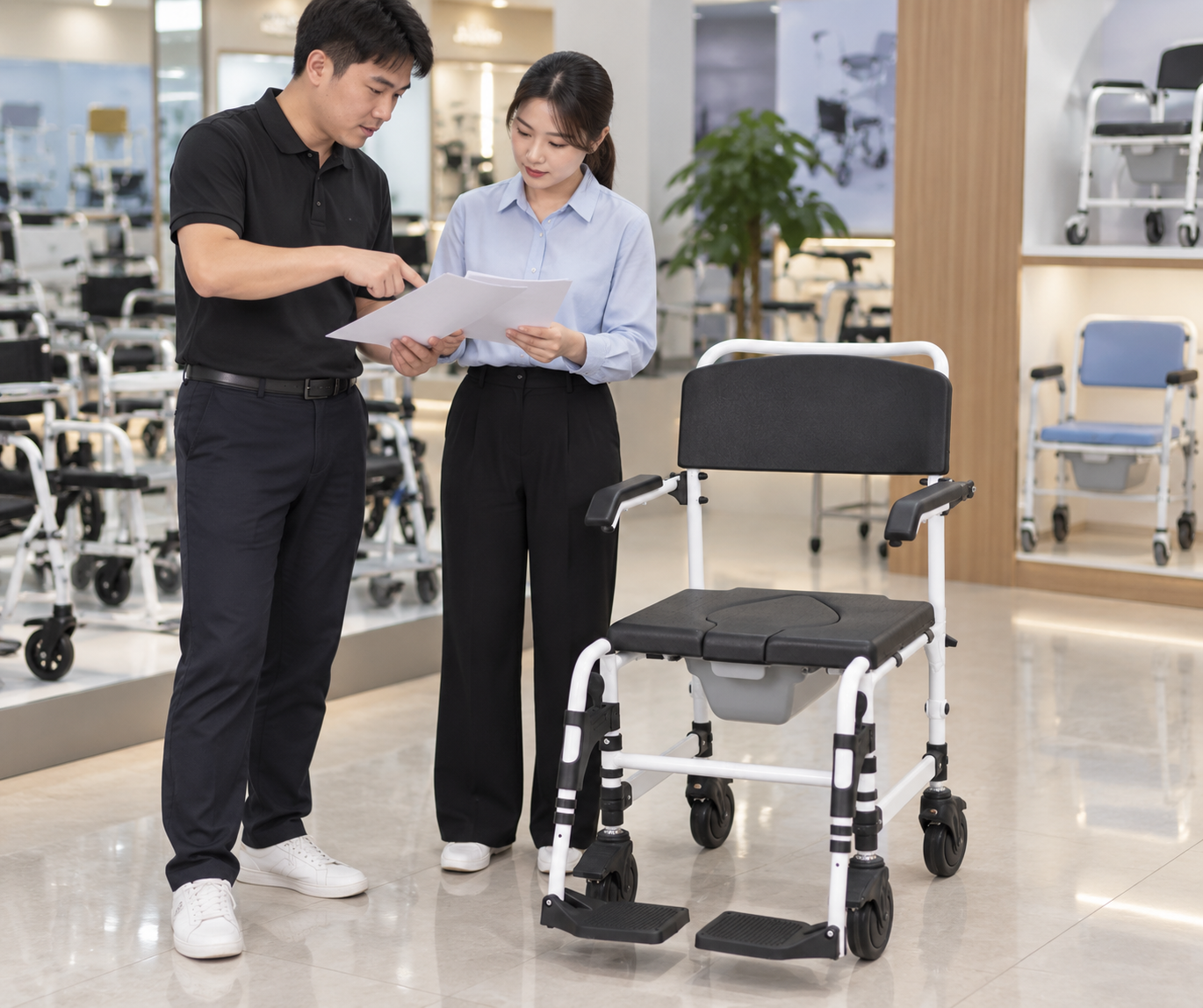
Commode chair caster lock options can change with commode chair revision, side or related hardware. One visible feature does not prove another variant includes it. Separate each version before making a compatibility statement. Separate each caster lock version.
How should the caster lock versions be compared?
Variant control prevents wrong assumptions. Put model revision, part code and included hardware in separate rows. Ask the maker to explain any superseded caster lock option. Compare the toilet chair range only when it matches the product under review.
- List each commode chair revision.
- Compare caster lock codes.
- Note changed hardware.
| Buyer check | Evidence to keep |
|---|---|
| List each commode chair revision | Controlled model table |
| Compare caster lock codes | Parts history |
Variant control keeps a familiar-looking caster lock from becoming an unsupported match. Key Takeaway: Your procurement manager can specify the version that was actually reviewed.
How should receiving inspect the caster lock?
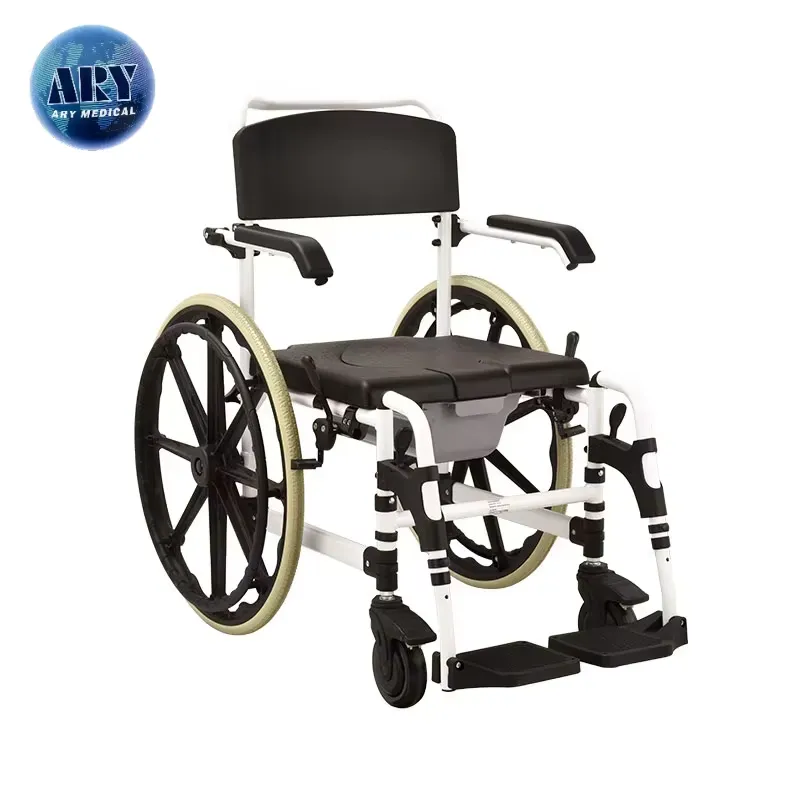
Commode chair caster lock receiving inspection should start before staff discard packaging or change the commode chair setup. Record a damaged pedal, uncertain engagement or a caster from another revision as an observation, not as a diagnosis. Hold uncertain units under the maker procedure. Date the caster lock photos.
Which arrival views document the caster lock?
Receiving is the best time to capture evidence. Photograph the package, full commode chair and caster lock detail with one unit identifier. Reconcile included parts against the order.
- Capture the commode chair on arrival.
- Show the caster lock.
- List missing or damaged items.
| Buyer check | Evidence to keep |
|---|---|
| Capture the commode chair on arrival | Dated overview |
| Show the caster lock | Close-up image |
Early evidence helps separate transit condition from later use. Key Takeaway: Your warehouse can release only commode chair units that match the order.
What should a caster lock trial observe?
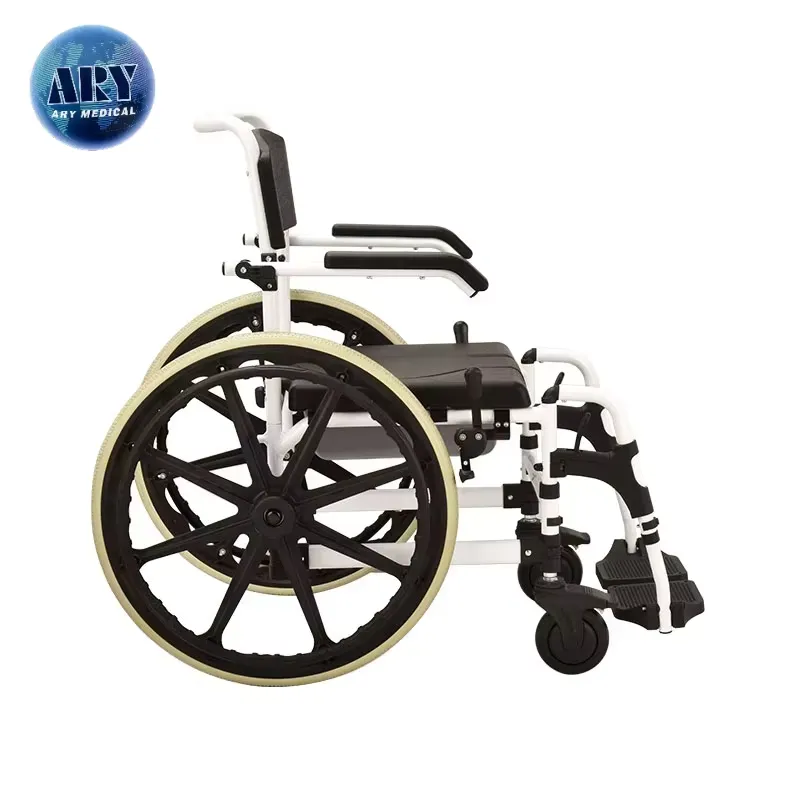
Commode chair caster lock trial should answer one question about care-site positioning, empty-chair movement and cleaning on the identified commode chair. A quick demonstration cannot prove every condition. Use trained staff and stop if a damaged pedal, uncertain engagement or a caster from another revision appears. Keep the caster lock trial short.
How should the caster lock trial be written?
A trial should answer a practical question. Name the product, permitted setup, route and reviewer. Record what happened without turning one trial unit into a broad safety or performance claim.
- Identify the commode chair unit.
- Define the caster lock task.
- Write the observation.
| Buyer check | Evidence to keep |
|---|---|
| Identify the commode chair unit | Model and serial or batch |
| Define the caster lock task | Trial brief |
A narrow caster lock trial is easier to repeat and discuss. Key Takeaway: Your procurement manager can use the result for the intended setting.
How should staff care for the caster lock?
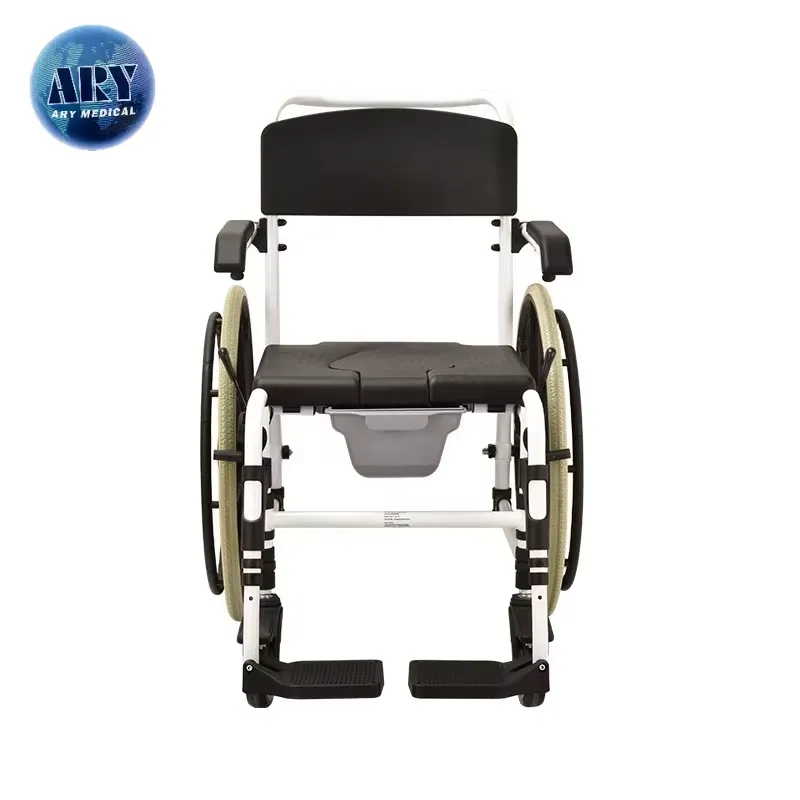
Commode chair caster lock care should follow material and inspection guidance for this commode chair. Unapproved cleaning or handling can worsen a damaged pedal, uncertain engagement or a caster from another revision. Keep care steps and condition findings separate. Clean the caster lock as directed.
What belongs in the caster lock care log?
Routine care can reveal early change. Record the approved method, date and change found around caster, pedal, fork and chair frame. Send persistent damage into qualified service. Compare the 3-in-1 toilet chair only when it matches the product under review.
- Use the caster lock care guide.
- Inspect caster, pedal, fork and chair frame.
- Escalate a damaged pedal, uncertain engagement or a caster from another revision.
| Buyer check | Evidence to keep |
|---|---|
| Use the caster lock care guide | Maker instruction |
| Inspect caster, pedal, fork and chair frame | Routine checklist |
Consistent care makes change around the caster lock easier to see. Key Takeaway: Your staff can avoid improvised products and methods.
Which spare parts support the caster lock?
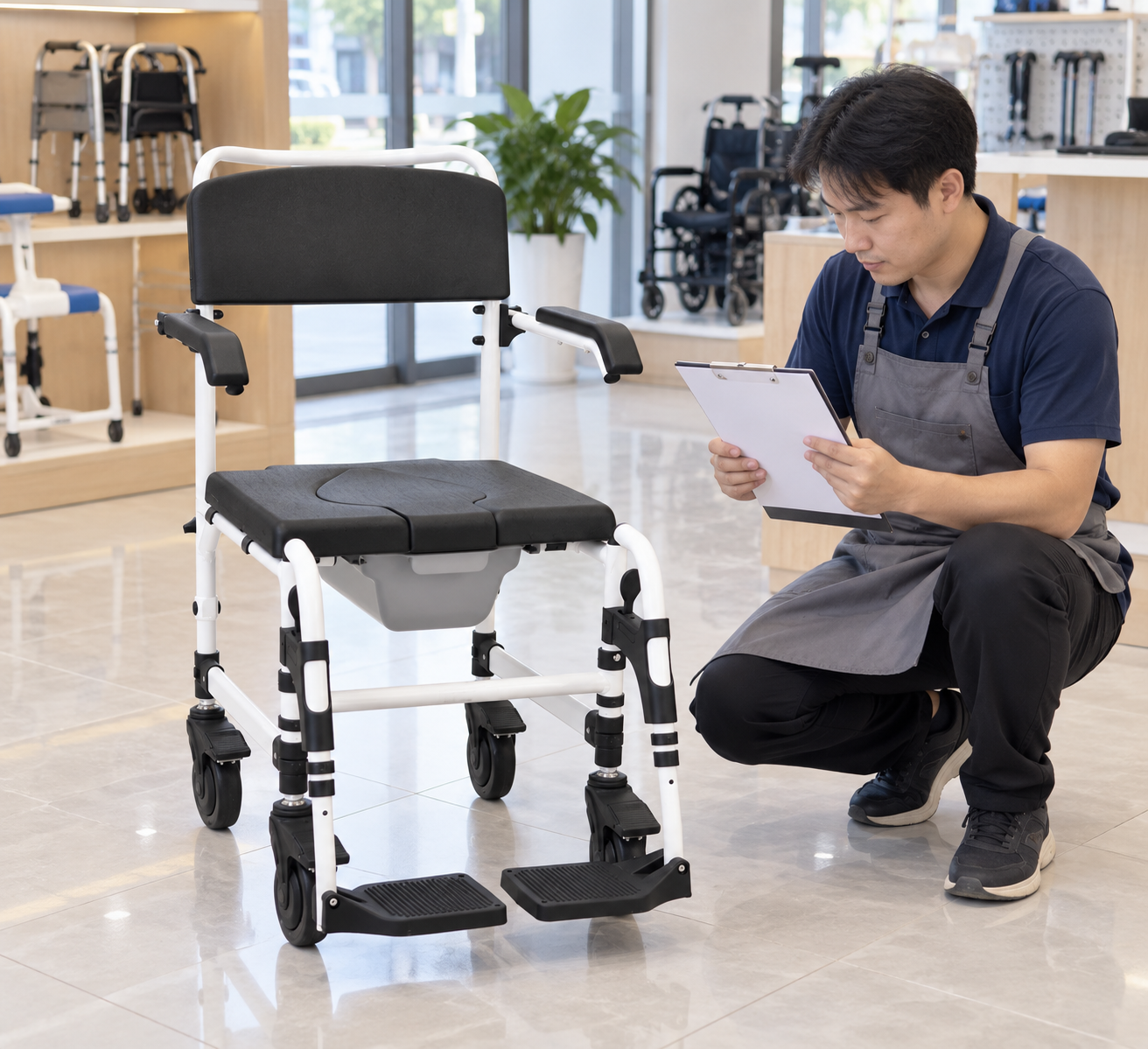
Commode chair caster lock support should identify approved locking caster assembly for the identified commode chair revision. Similar shapes do not prove interchangeability. Ask for a complete kit and qualified fitting route. Match the caster lock part code.
What should the caster lock parts quote contain?
Service planning starts before a fault. Send the installed part code, product identity and condition images. Request included hardware, compatible revisions and return-to-use checks.
- Identify installed caster lock.
- List approved locking caster assembly.
- Confirm service path.
| Buyer check | Evidence to keep |
|---|---|
| Identify installed caster lock | Current part code |
| List approved locking caster assembly | Itemized quote |
A complete caster lock kit is easier to receive and trace. Key Takeaway: Your stockroom can reject a near match before fitting.
Which caster lock claims require evidence?
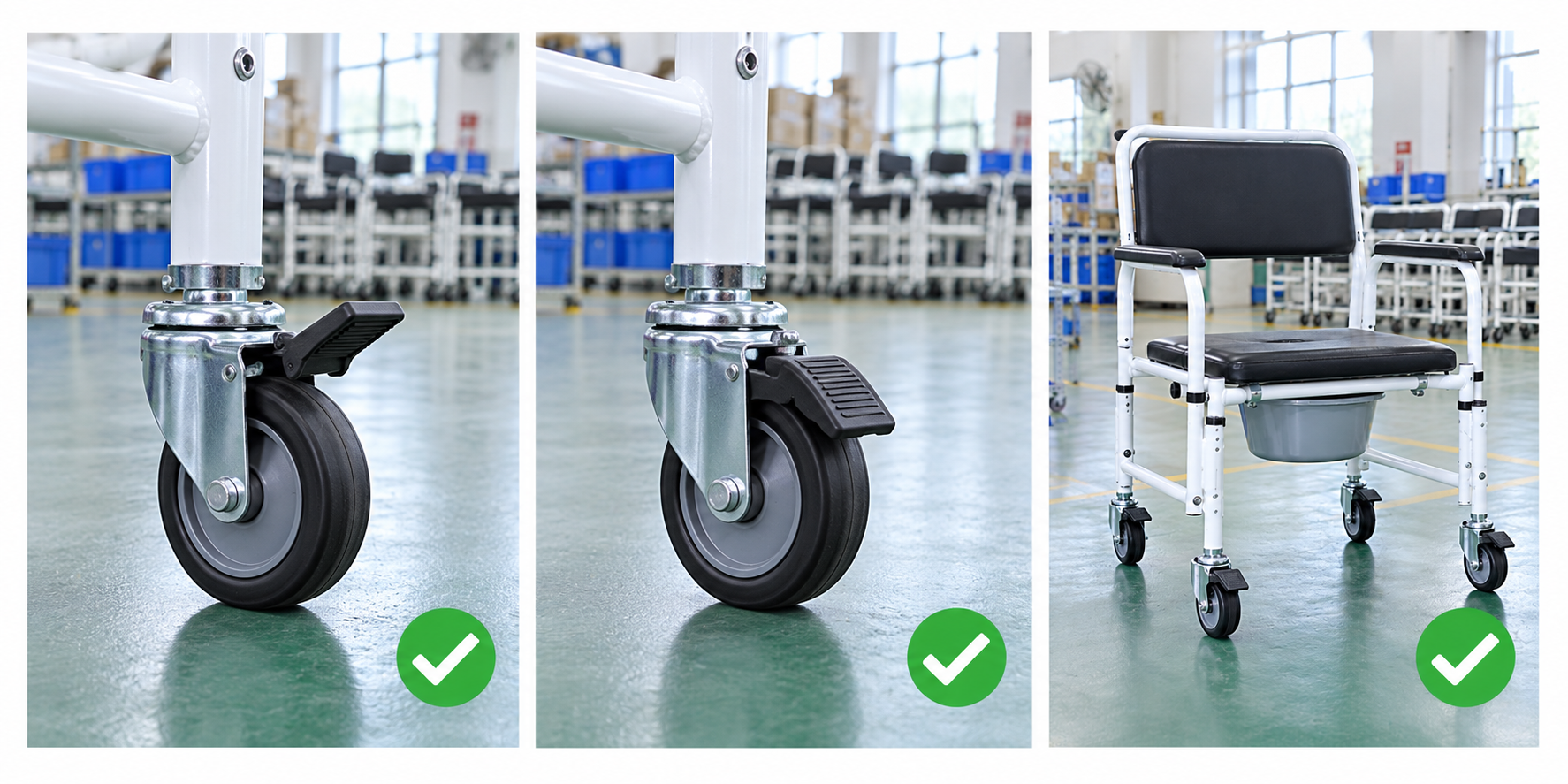
Commode chair caster lock claims about fit, durability or safety need model-specific evidence and stated limits. WHO's assistive product specifications give procurement context but do not approve this caster lock. Keep unsupported claims out of product copy. File the caster lock proof.
How should the caster lock claim file be organized?
Claims need a model and a source. Attach the maker drawing, test source, applicable conditions and document date. Mark unresolved claims so sales staff do not repeat them.
- Write the caster lock claim.
- Attach its source.
- Record limits.
| Buyer check | Evidence to keep |
|---|---|
| Write the caster lock claim | Exact wording |
| Attach its source | Controlled evidence |
Evidence boundaries make the caster lock description more credible. Key Takeaway: Your team can publish only what the product file supports.
How should procurement approve the caster lock?

Commode chair caster lock approval should reconcile the ordered commode chair, trial unit finding, site need and service path. Hold the decision when a damaged pedal, uncertain engagement or a caster from another revision remains open. Keep the accepted configuration visible to receiving staff. Write the caster lock decision down.
What should the final caster lock decision include?
Close with a decision another team can repeat. Send the model, component photos, intended setting and unresolved questions. Request written confirmation of approved locking caster assembly and dated instructions.
- Specify the commode chair.
- Attach the caster lock review.
- Assign open issues.
| Buyer check | Evidence to keep |
|---|---|
| Specify the commode chair | Purchase order |
| Attach the caster lock review | Approval file |
A traceable caster lock decision can be checked after delivery. Key Takeaway: For model-specific caster lock support, contact us. Ary Medical keeps product identity connected to service.
Frequently asked questions
Q1: Can I choose a caster lock from a photo?
No. Match the commode chair revision, part code and maker file. Keep the caster lock facts short and clear.
Q2: What's the best caster lock for every user?
There is no universal answer. Review care-site positioning, empty-chair movement and cleaning on the configured product. Keep the caster lock facts short and clear.
Q3: How do I know if the caster lock is worn?
Record a damaged pedal, uncertain engagement or a caster from another revision and seek the qualified maker-approved review. Keep the caster lock facts short and clear.
Q4: Can I fit a similar-looking caster lock?
No. Request written compatibility for approved locking caster assembly. Keep the caster lock facts short and clear.
Q5: Should I keep receiving and service records?
Yes. Store the caster lock history with the product unit. Keep the caster lock facts short and clear.