

Check a wheelchair armrest pad by tying it to the specific manual wheelchair, operating setting and maker evidence. A purchaser may see a familiar armrest pad yet miss tears, looseness or a pad from another chair model. A measured demonstration unit, receiving file and approved parts path support a better purchase decision.
How should buyers specify the wheelchair armrest pad?
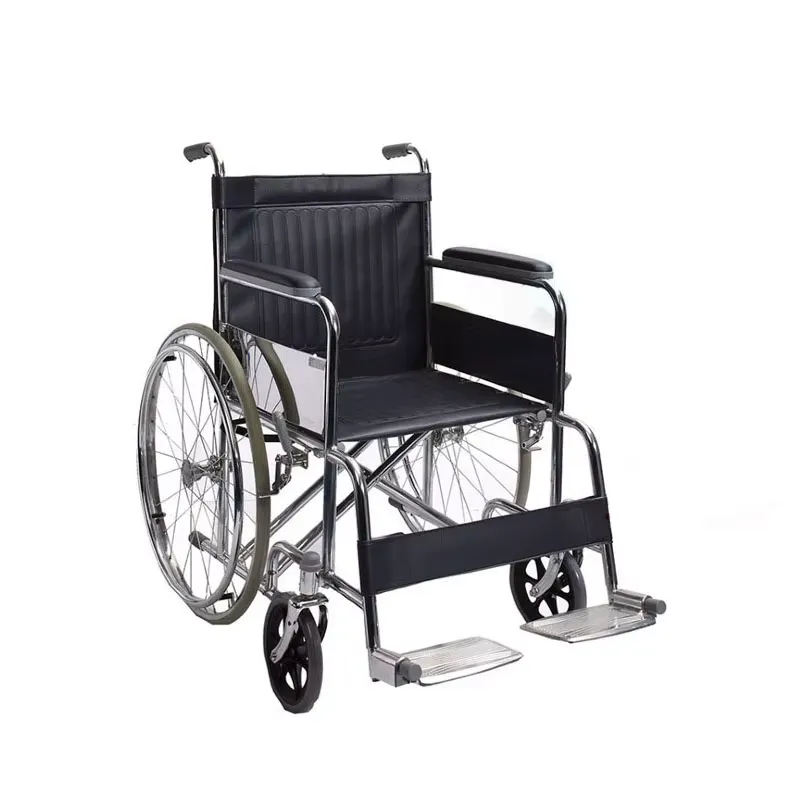
Wheelchair armrest pad specification should name the manual wheelchair, component version and every included fixing. A category photo cannot settle tears, looseness or a pad from another chair model. Keep the purchase line tied to approved pad and fastener set. Name the armrest pad first.
Which armrest pad fields should the order include?
Put the purchase line on paper. List this manual wheelchair model, the armrest pad part code and any option that changes arm support, pad fasteners and seat access. Use one dated specification for the quote. Compare the manual wheelchair range only when it matches the product under review.
- Name the manual wheelchair.
- Name the armrest pad.
- List arm support, pad fasteners and seat access.
| Buyer check | Evidence to keep |
|---|---|
| Name the manual wheelchair | Current model sheet |
| Name the armrest pad | Maker parts list |
A clear purchase line makes the armrest pad recognizable at receiving. Key Takeaway: Your procurement team can compare offers for the same armrest pad.
How does the armrest pad work with the product?
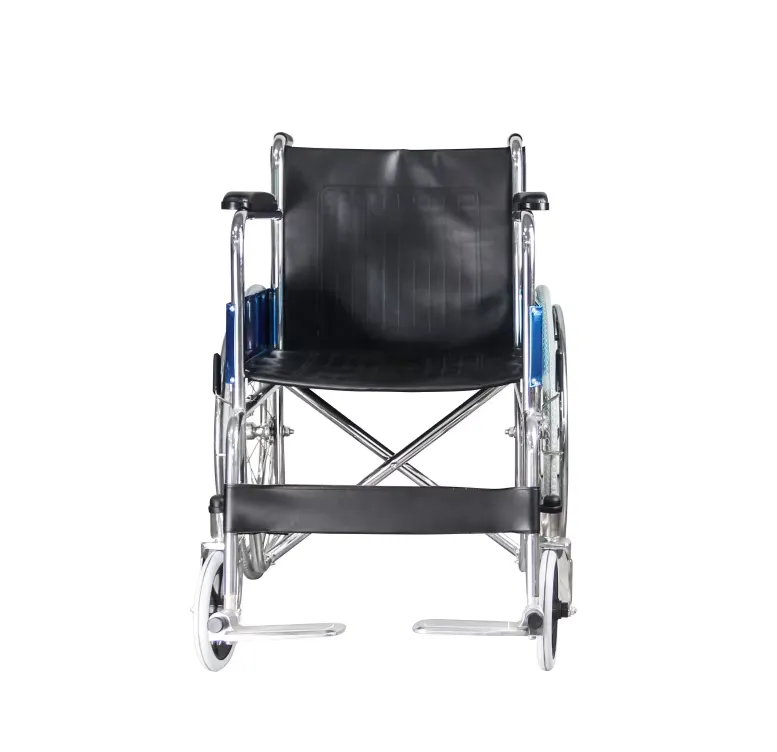
Wheelchair armrest pad belongs to an assembly that includes arm support, pad fasteners and seat access. A concern around armrest pad may start at another connection point. Inspect the complete configured manual wheelchair before isolating one part. Keep the armrest pad setup clear.
What should the armrest pad assembly map show?
Now inspect the complete assembly. Photograph the manual wheelchair as a whole and then show each interface around armrest pad. Link those views to the maker drawing rather than matching parts by appearance.
- Map arm support, pad fasteners and seat access.
- Show the full manual wheelchair.
- Mark the armrest pad interface.
| Buyer check | Evidence to keep |
|---|---|
| Map arm support, pad fasteners and seat access | Assembly drawing |
| Show the full manual wheelchair | Dated image |
Assembly context can prevent a wrong armrest pad order. Key Takeaway: Your service team can see where the armrest pad belongs.
What should buyers measure around the armrest pad?
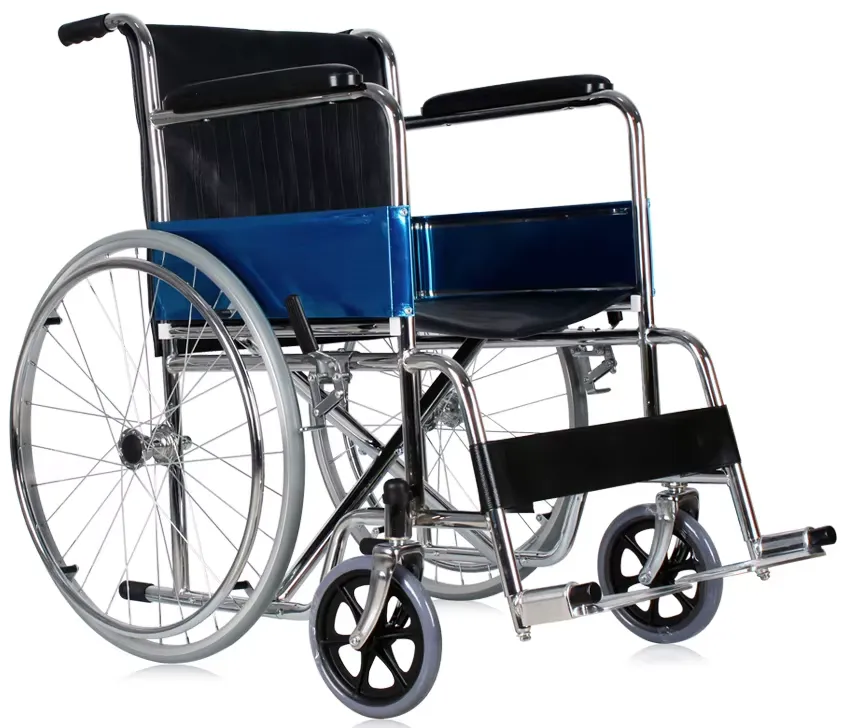
Wheelchair armrest pad dimensions need named reference points on the configured manual wheelchair. An isolated catalog number cannot describe seated support, transfer access and cleaning. Use the maker method and file the demonstration unit state. Use plain armrest pad measures.
Which armrest pad measurements are useful?
A number needs a measuring method. Measure only the clearances or positions relevant to arm support, pad fasteners and seat access. Note the setup, tool and person who collected each value.
- Define the armrest pad reference.
- Freeze the manual wheelchair setup.
- Record relevant clearance.
| Buyer check | Evidence to keep |
|---|---|
| Define the armrest pad reference | Measurement method |
| Freeze the manual wheelchair setup | Configuration image |
A value without its armrest pad reference can mislead another purchaser. Key Takeaway: You can compare measurements collected under the same manual wheelchair setup.
Which armrest pad variant differences matter?
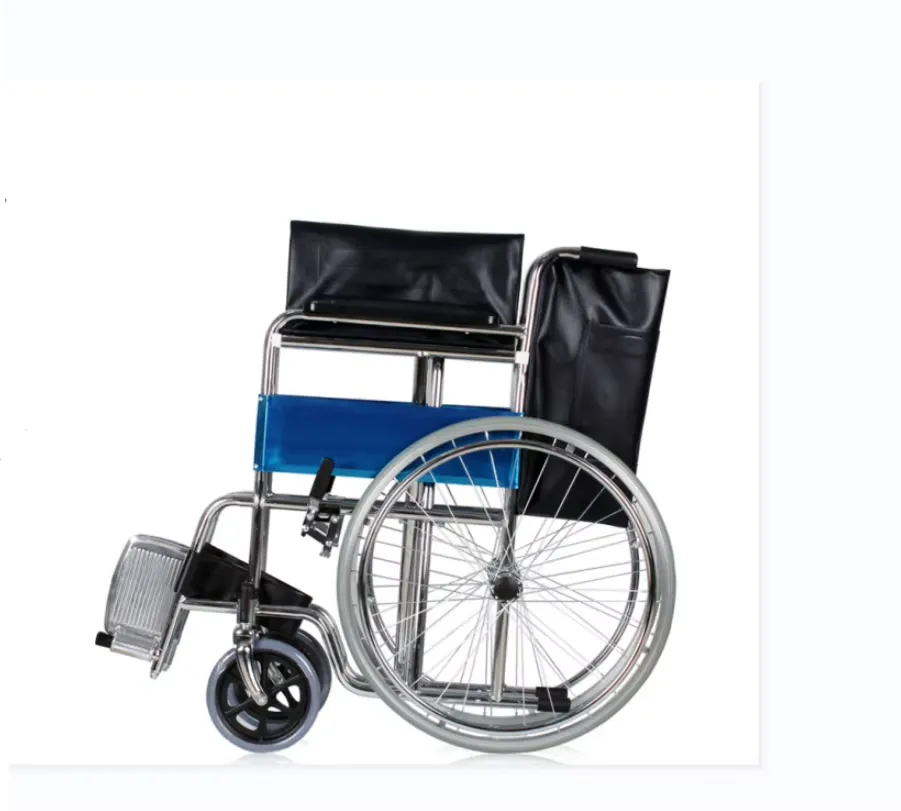
Wheelchair armrest pad options can change with manual wheelchair revision, side or related hardware. One visible feature does not prove another variant includes it. Separate each version before making a compatibility statement. Separate each armrest pad version.
How should the armrest pad versions be compared?
Variant control prevents wrong assumptions. Put model revision, part code and included hardware in separate rows. Ask the maker to explain any superseded armrest pad option. Compare the wheelchair series only when it matches the product under review.
- List each manual wheelchair revision.
- Compare armrest pad codes.
- Note changed hardware.
| Buyer check | Evidence to keep |
|---|---|
| List each manual wheelchair revision | Controlled model table |
| Compare armrest pad codes | Parts history |
Variant control keeps a familiar-looking armrest pad from becoming an unsupported match. Key Takeaway: Your purchaser can specify the version that was actually reviewed.
How should receiving inspect the armrest pad?
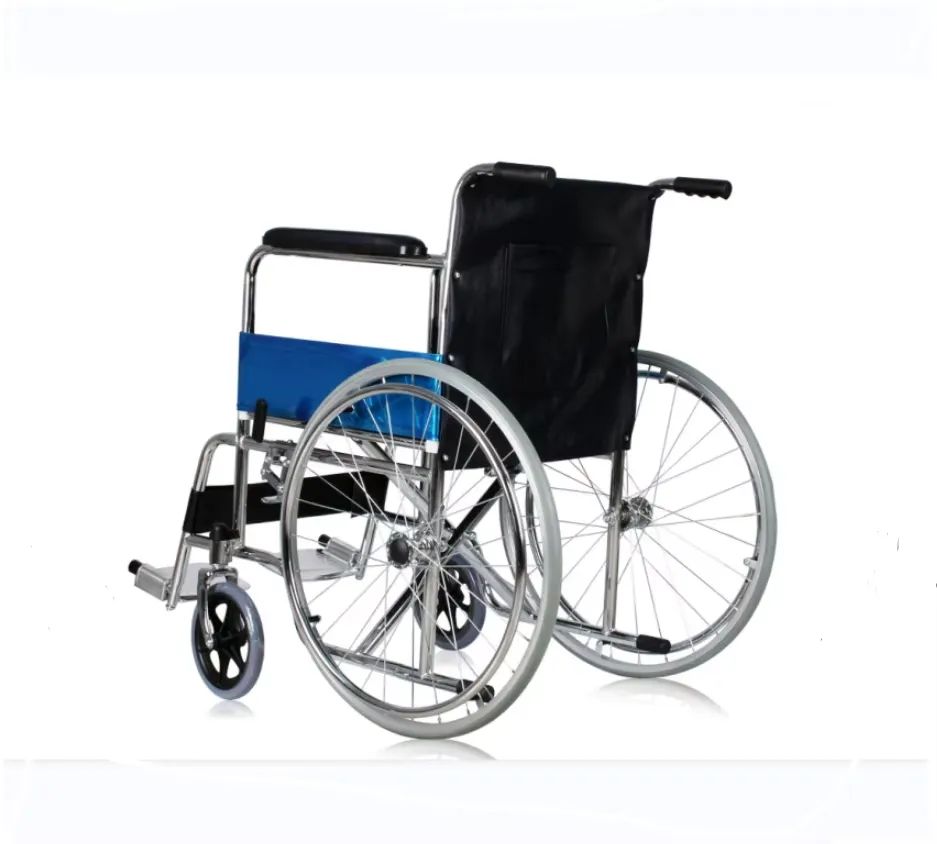
Wheelchair armrest pad receiving inspection should start before staff discard packaging or change the manual wheelchair setup. Record tears, looseness or a pad from another chair model as an observation, not as a diagnosis. Hold uncertain units under the maker procedure. Date the armrest pad photos.
Which arrival views document the armrest pad?
Receiving is the best time to capture evidence. Photograph the package, full manual wheelchair and armrest pad detail with one unit identifier. Reconcile included parts against the order.
- Capture the manual wheelchair on arrival.
- Show the armrest pad.
- List missing or damaged items.
| Buyer check | Evidence to keep |
|---|---|
| Capture the manual wheelchair on arrival | Dated overview |
| Show the armrest pad | Close-up image |
Early evidence helps separate transit condition from later use. Key Takeaway: Your warehouse can release only manual wheelchair units that match the order.
What should a armrest pad trial observe?
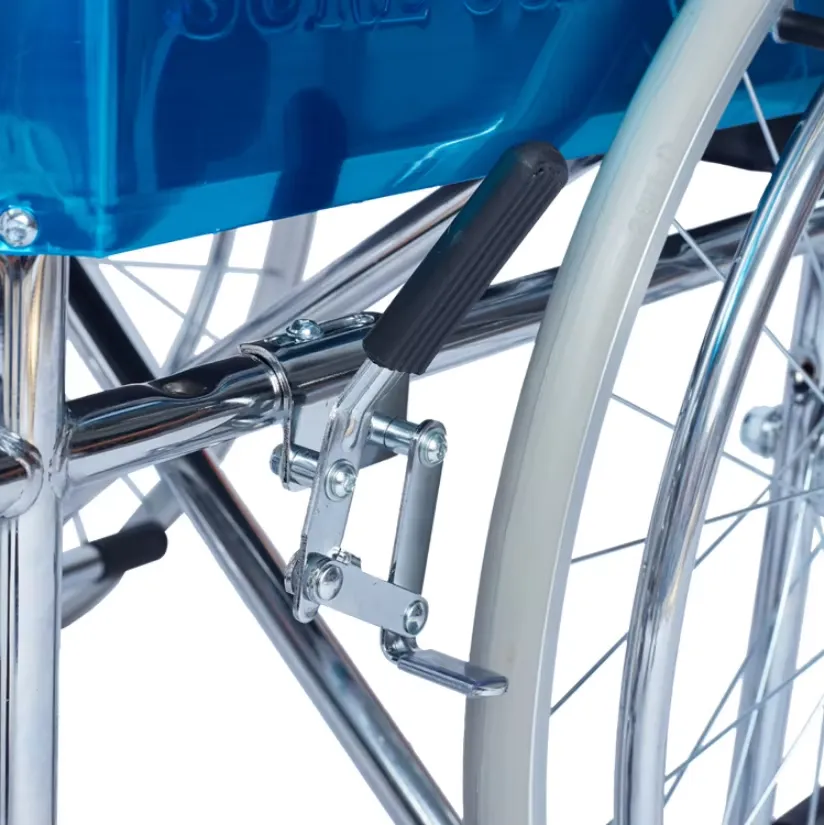
Wheelchair armrest pad trial should answer one question about seated support, transfer access and cleaning on the identified manual wheelchair. A quick demonstration cannot prove every condition. Use trained staff and stop if tears, looseness or a pad from another chair model appears. Keep the armrest pad trial short.
How should the armrest pad trial be written?
A trial should answer a practical question. Name the product, permitted setup, route and reviewer. Record what happened without turning one demonstration unit into a broad safety or performance claim.
- Identify the manual wheelchair unit.
- Define the armrest pad task.
- Write the observation.
| Buyer check | Evidence to keep |
|---|---|
| Identify the manual wheelchair unit | Model and serial or batch |
| Define the armrest pad task | Trial brief |
A narrow armrest pad trial is easier to repeat and discuss. Key Takeaway: Your purchaser can use the result for the intended setting.
How should staff care for the armrest pad?
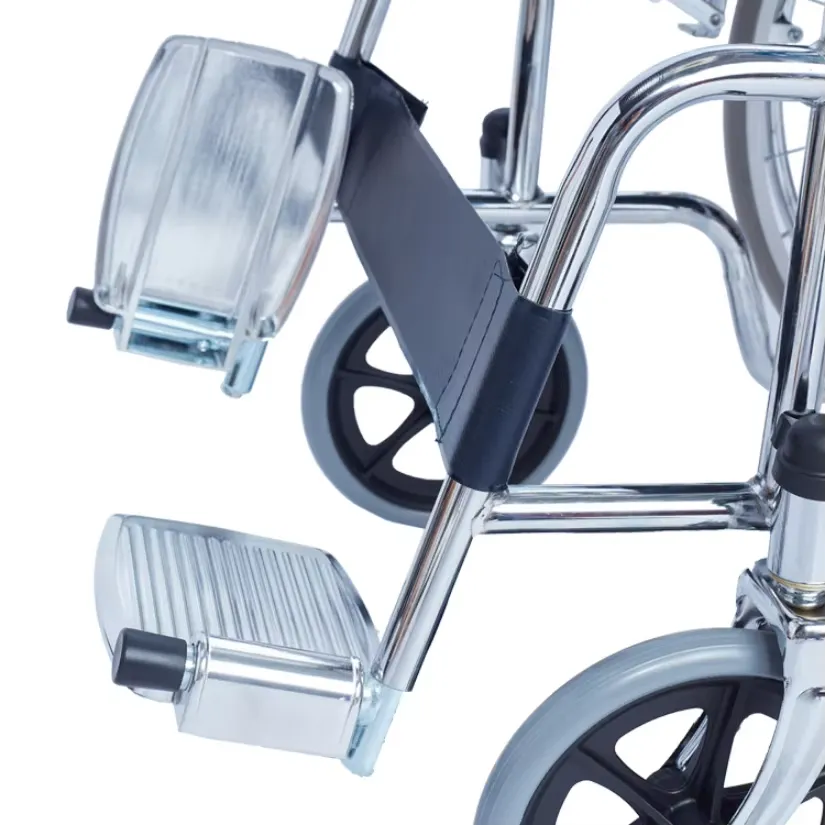
Wheelchair armrest pad care should follow material and inspection guidance for this manual wheelchair. Unapproved cleaning or handling can worsen tears, looseness or a pad from another chair model. Keep care steps and condition findings separate. Clean the armrest pad as directed.
What belongs in the armrest pad care log?
Routine care can reveal early change. Record the approved method, date and change found around arm support, pad fasteners and seat access. Send persistent damage into qualified service. Compare the sports wheelchair only when it matches the product under review.
- Use the armrest pad care guide.
- Inspect arm support, pad fasteners and seat access.
- Escalate tears, looseness or a pad from another chair model.
| Buyer check | Evidence to keep |
|---|---|
| Use the armrest pad care guide | Maker instruction |
| Inspect arm support, pad fasteners and seat access | Routine checklist |
Consistent care makes change around the armrest pad easier to see. Key Takeaway: Your staff can avoid improvised products and methods.
Which spare parts support the armrest pad?
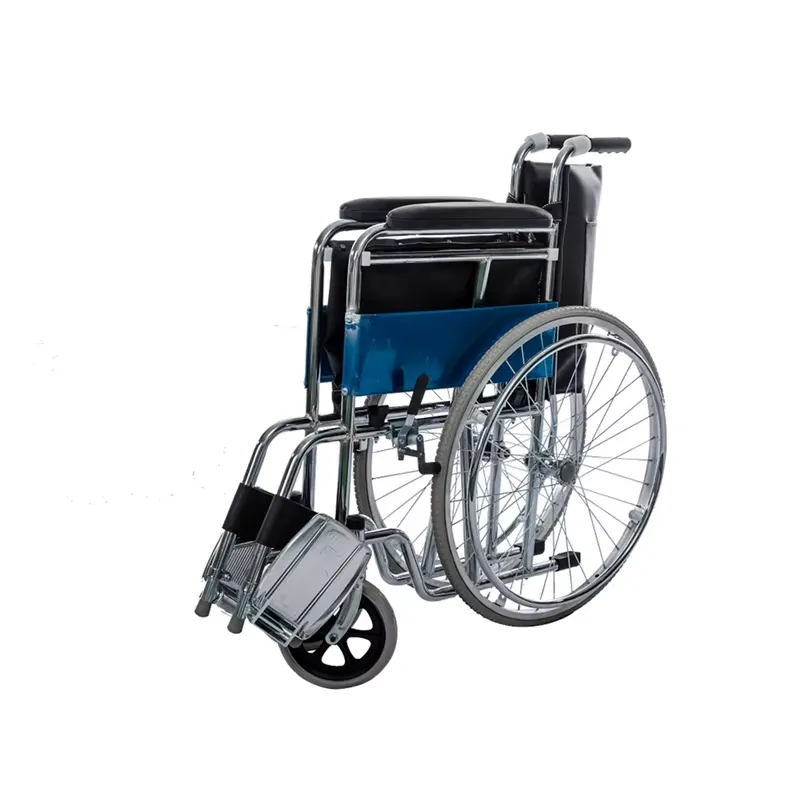
Wheelchair armrest pad support should identify approved pad and fastener set for the specific manual wheelchair revision. Similar shapes do not prove interchangeability. Ask for a complete kit and qualified fitting route. Match the armrest pad part code.
What should the armrest pad parts quote contain?
Service planning starts before a fault. Send the installed part code, product identity and condition images. Request included hardware, compatible revisions and return-to-use checks.
- Identify installed armrest pad.
- List approved pad and fastener set.
- Confirm service path.
| Buyer check | Evidence to keep |
|---|---|
| Identify installed armrest pad | Current part code |
| List approved pad and fastener set | Itemized quote |
A complete armrest pad kit is easier to receive and trace. Key Takeaway: Your stockroom can reject a near match before fitting.
Which armrest pad claims require evidence?
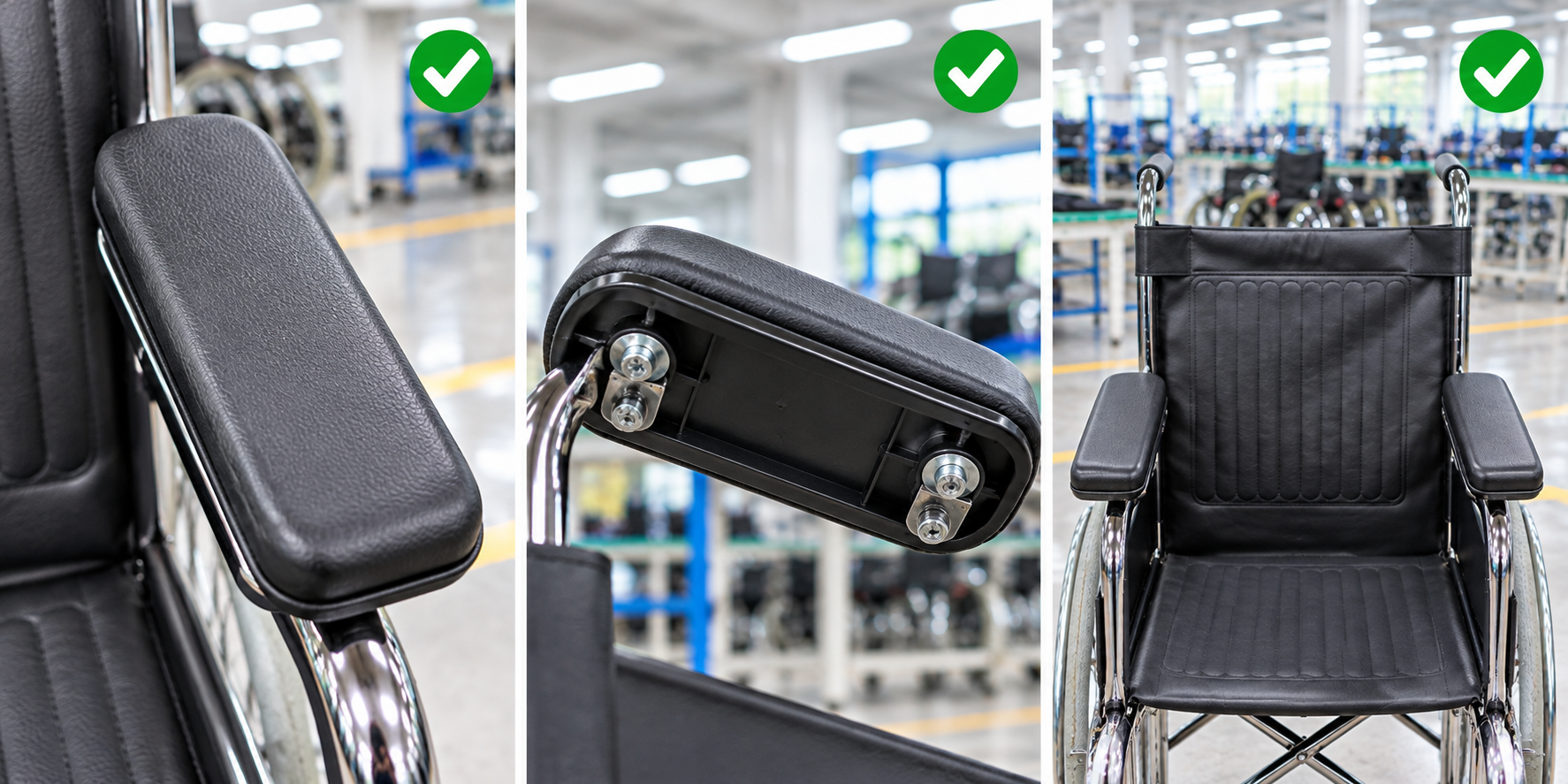
Wheelchair armrest pad claims about fit, durability or safety need model-specific evidence and stated limits. WHO's assistive product specifications give procurement context but do not approve this armrest pad. Keep unsupported claims out of product copy. File the armrest pad proof.
How should the armrest pad claim file be organized?
Claims need a model and a source. Attach the maker drawing, test source, applicable conditions and document date. Mark unresolved claims so sales staff do not repeat them.
- Write the armrest pad claim.
- Attach its source.
- Record limits.
| Buyer check | Evidence to keep |
|---|---|
| Write the armrest pad claim | Exact wording |
| Attach its source | Controlled evidence |
Evidence boundaries make the armrest pad description more credible. Key Takeaway: Your team can publish only what the product file supports.
How should procurement approve the armrest pad?
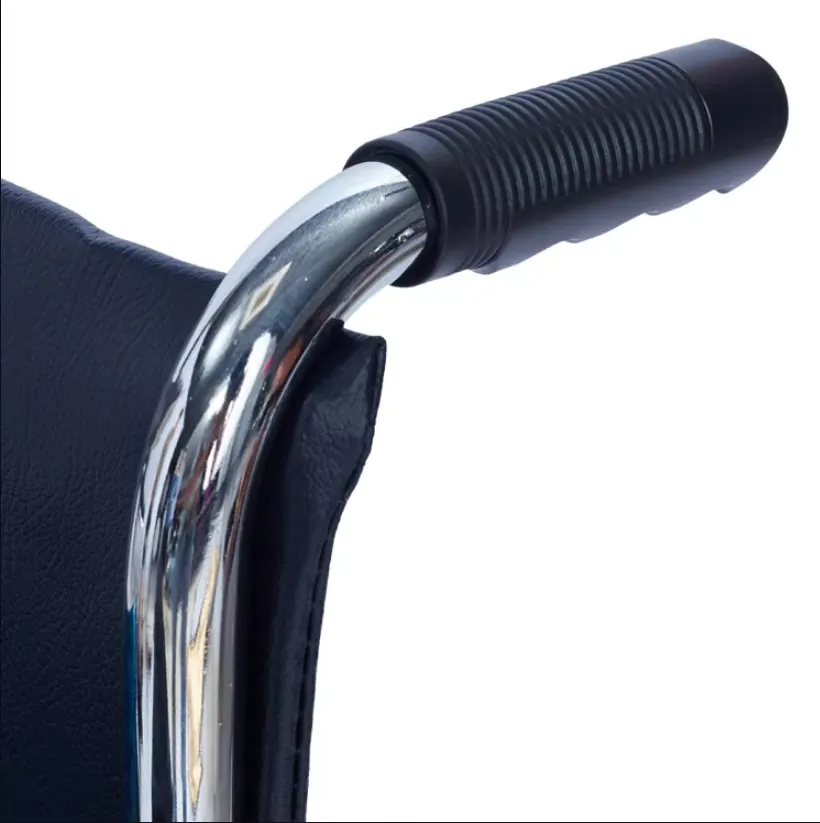
Wheelchair armrest pad approval should reconcile the ordered manual wheelchair, demonstration unit finding, site need and service path. Hold the decision when tears, looseness or a pad from another chair model remains open. Keep the accepted configuration visible to receiving staff. Write the armrest pad decision down.
What should the final armrest pad decision include?
Close with a decision another team can repeat. Send the model, component photos, intended setting and unresolved questions. Request written confirmation of approved pad and fastener set and latest instructions.
- Specify the manual wheelchair.
- Attach the armrest pad review.
- Assign open issues.
| Buyer check | Evidence to keep |
|---|---|
| Specify the manual wheelchair | Purchase order |
| Attach the armrest pad review | Approval file |
A traceable armrest pad decision can be checked after delivery. Key Takeaway: For model-specific armrest pad support, contact us. Ary Medical keeps product identity connected to service.
Frequently asked questions
Q1: Can I choose a armrest pad from a photo?
No. Match the manual wheelchair revision, part code and maker file. Keep the armrest pad facts short and clear.
Q2: What's the best armrest pad for every user?
There is no universal answer. Review seated support, transfer access and cleaning on the configured product. Keep the armrest pad facts short and clear.
Q3: How do I know if the armrest pad is worn?
Record tears, looseness or a pad from another chair model and seek the qualified maker-approved review. Keep the armrest pad facts short and clear.
Q4: Can I fit a similar-looking armrest pad?
No. Request written compatibility for approved pad and fastener set. Keep the armrest pad facts short and clear.
Q5: Should I keep receiving and service records?
Yes. Store the armrest pad history with the product unit. Keep the armrest pad facts short and clear.