
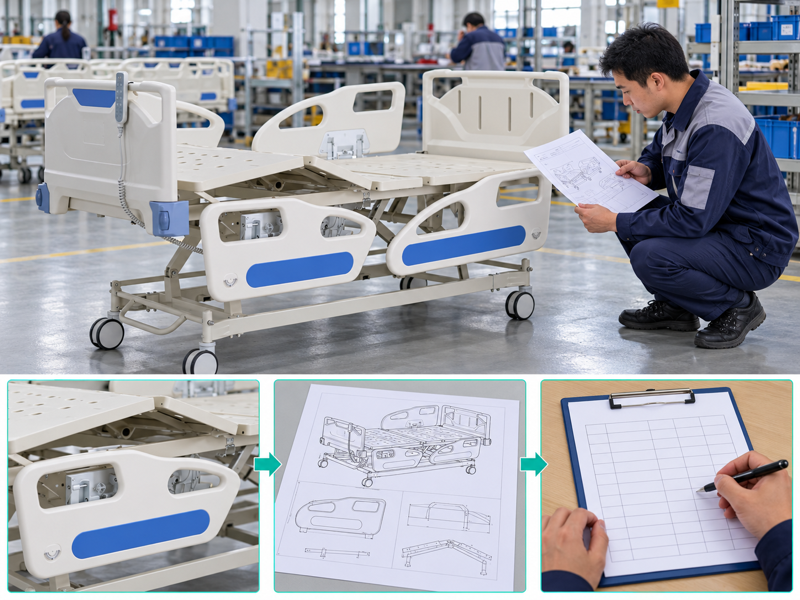
Establish hospital bed rail compatibility through the exact rail, frame, mattress and care context. A French buyer may find that a replacement rail attaches while its suitability for the complete bed system remains unclear. A documented compatibility enquiry keeps attachment fit separate from the qualified system decision.
What should hospital bed rail compatibility establish?
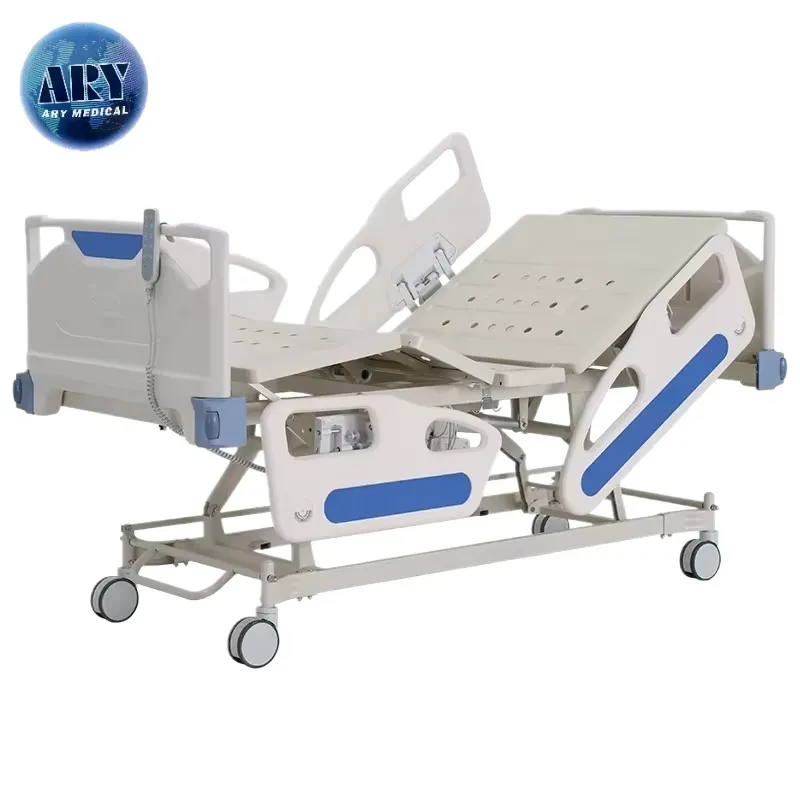
Hospital bed rail compatibility requires a review of the exact rail, bed, mattress and care needs. A rail that fits a bracket is not proof of a safe system.
Identify the complete arrangement
Identify the complete supported arrangement. Use current maker guidance and a qualified care review. Keep the rail linked to the whole bed system.
- Rail identity
- Bed and mattress
- Care context
| Check | Record or reference |
|---|---|
| Rail identity | Part code |
| Bed and mattress | Model files |
| Care context | Assessment |
Key Takeaway: The review starts from the actual equipment combination.
Which rail details should be recorded?
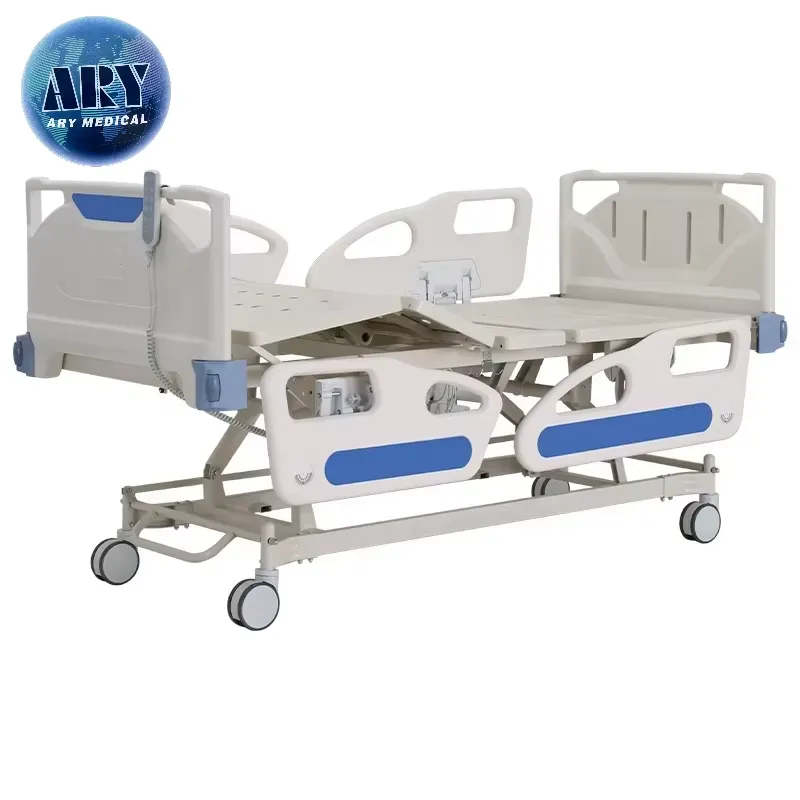
Hospital bed rail compatibility needs the rail code, mounting design and intended positions. Similar panels can use different fittings or serve different roles.
Confirm the rail and mounting design
Confirm the model and mounting design. Ask for the current parts and use guide. Do not copy a mounting method from another bed or an old photo.
- Rail version
- Mounting method
- Operating positions
| Check | Record or reference |
|---|---|
| Rail version | ID |
| Mounting method | Guide |
| Operating positions | Instructions |
Key Takeaway: The buyer can distinguish the rail being proposed.
How should mattress facts be included?
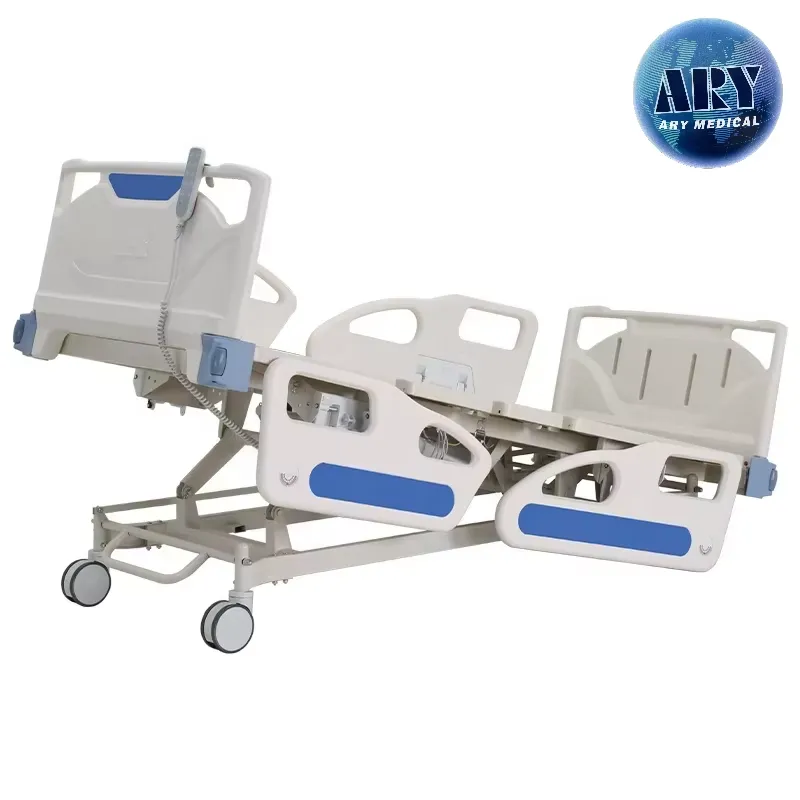
Hospital bed rail compatibility needs the exact mattress model and the features the makers ask you to check. A broad size label leaves other questions open.
Document the mattress setup
Describe the mattress actually selected. List any overlay or changed cover as part of the proposed set. Ask the makers which facts the team needs for its review. Specify the air-mattress model where it forms part of the proposed system.
- Mattress model
- Additional layer
- Required features
| Check | Record or reference |
|---|---|
| Mattress model | File |
| Additional layer | Record |
| Required features | Guidance |
Key Takeaway: The rail review uses the complete sleeping-surface setup.
Who should assess gaps and entrapment concerns?
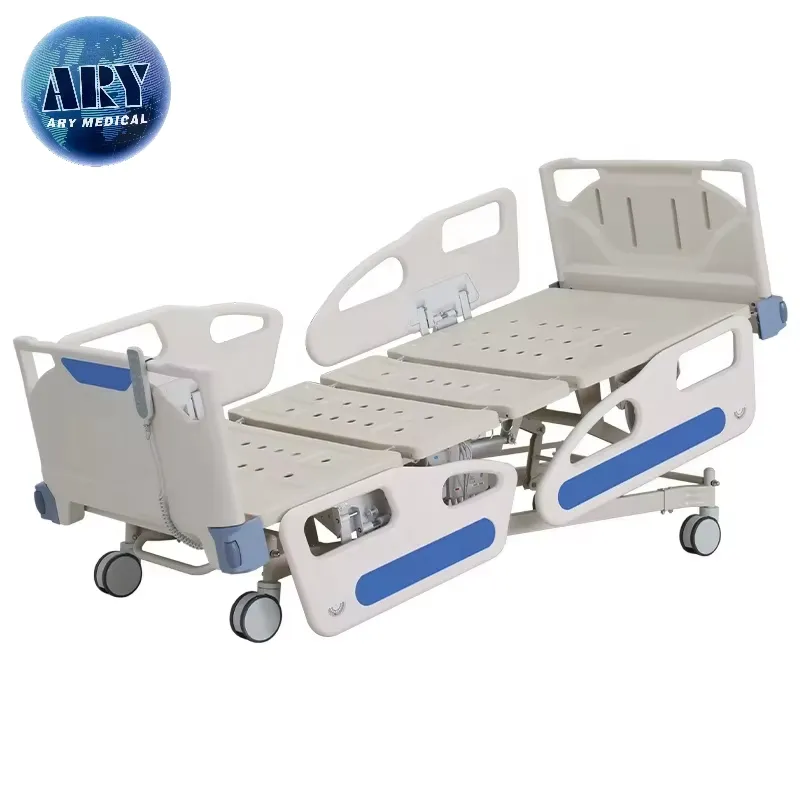
Hospital bed rail compatibility requires qualified review of gaps and entrapment risks using the right guidance. An informal tape check is not a complete safety assessment.
Use qualified bed-system review
Use qualified bed-system review. Let the qualified team choose the correct method and evidence. Do not invent gap rules or fit makeshift fillers to an unknown system.
- Review method
- Qualified reviewer
- Unresolved concern
| Check | Record or reference |
|---|---|
| Review method | Guidance |
| Qualified reviewer | Record |
| Unresolved concern | Action list |
Key Takeaway: The decision can use the right expertise and product facts.
Can rails from another bed be substituted?

For hospital bed rail compatibility, a replacement needs maker support for the exact bed system. Similar clamps or colors do not prove that it is a match.
Control substitute components
Require a confirmed compatible replacement. Ask for the approved part code and any linked changes. Keep technical fitting and clinical-use decisions with their responsible teams. Do not treat an alternative inflatable mattress as an automatic compatible substitute.
- Replacement code
- Affected components
- Review decision
| Check | Record or reference |
|---|---|
| Replacement code | Maker response |
| Affected components | List |
| Review decision | Record |
Key Takeaway: A spare-parts shortage does not create an unverified rail system.
What should changes in bed position trigger?
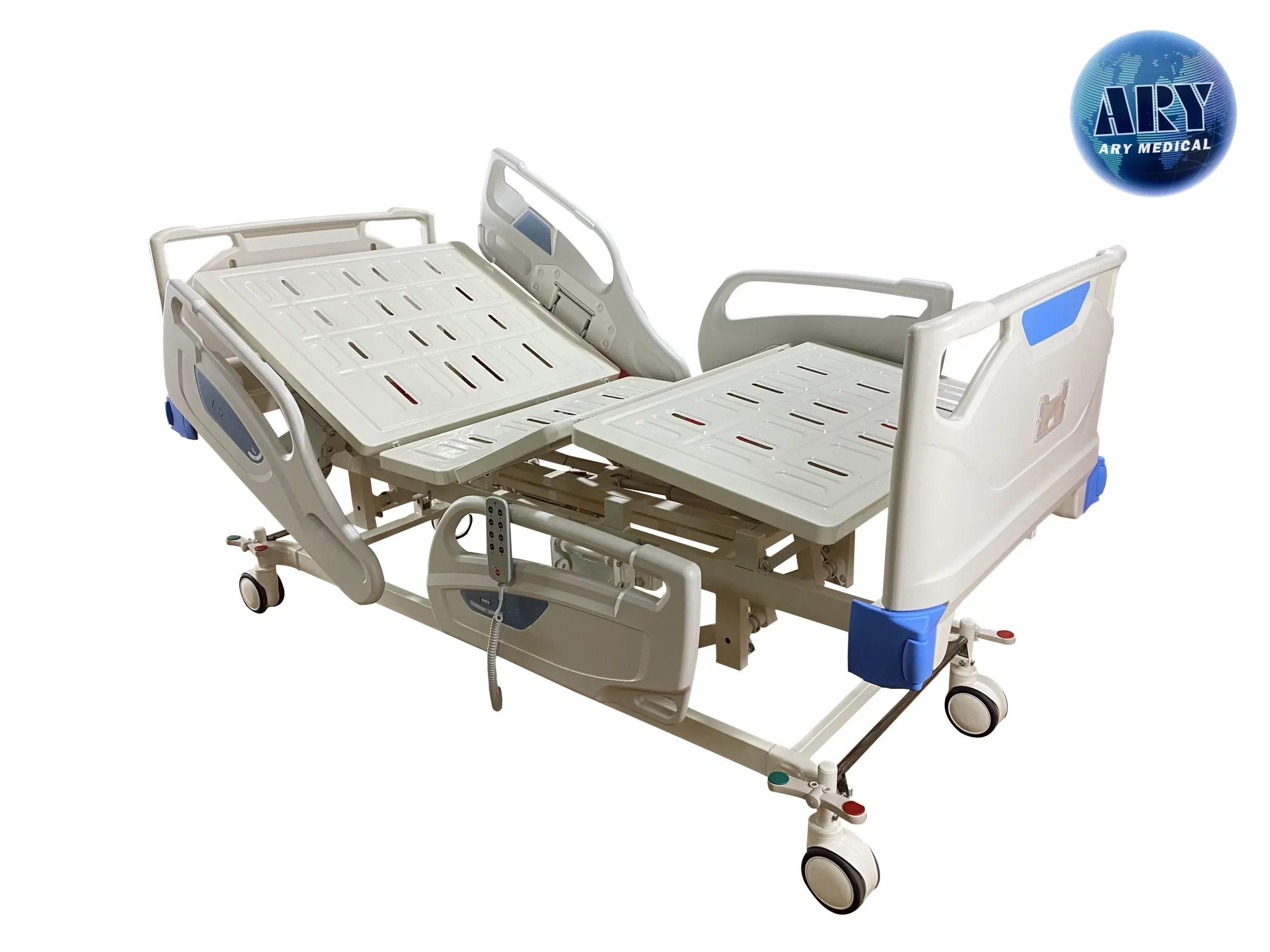
Hospital bed rail compatibility should cover the bed positions required by the care plan and product guide. One static view cannot answer every movement question.
Include relevant bed positions
Review the positions relevant to use. Have the qualified team set the scope of the check. Record the actual bed positions and parts reviewed.
- Required positions
- Product limits
- Review scope
| Check | Record or reference |
|---|---|
| Required positions | Care plan |
| Product limits | Guide |
| Review scope | Record |
Key Takeaway: The compatibility decision has a clear operating context.
How should service concerns be reported?
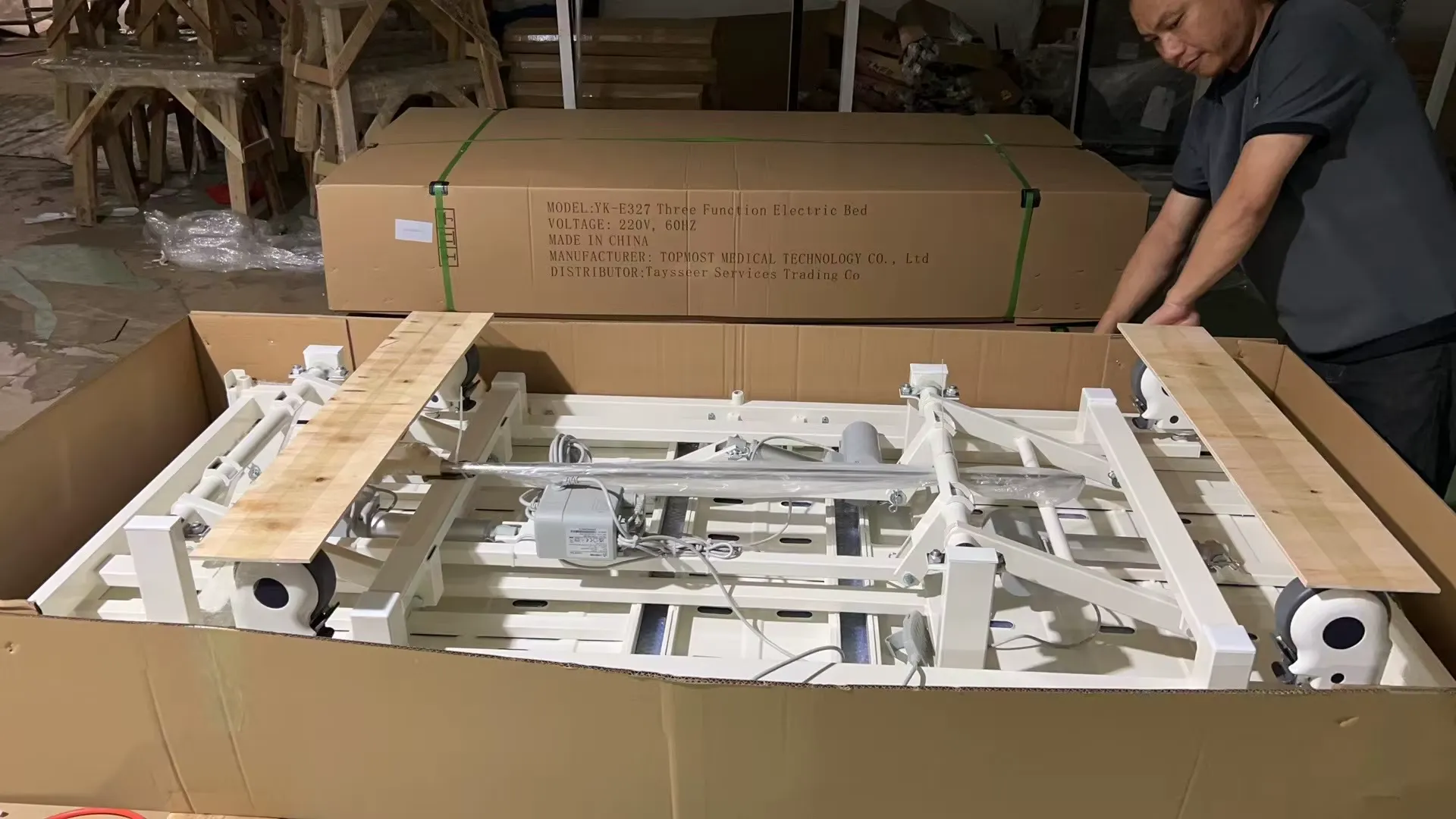
For hospital bed rail compatibility, report a loose or damaged part with the bed and rail IDs. A short photo cannot establish the cause or prove continued use is safe.
Report a specific service concern
Describe the part and observed issue. Follow the site's service and care process. Qualified staff should decide the unit's status and next step.
- Affected unit
- Observed concern
- Disposition
| Check | Record or reference |
|---|---|
| Affected unit | ID |
| Observed concern | Report |
| Disposition | Qualified decision |
Key Takeaway: The report can reach the right reviewer with useful context.
What should staff receive at handover?

Hospital bed rail compatibility handover records should name the selected parts and the guide that applies. A note saying rails fitted does not explain the reviewed use.
Provide the approved handover facts
Provide the approved setup and current guide. Keep the product setup and open tasks in the handover record. The responsible clinical team should retain the personal care decisions. Keep the approved components in the complete hospital-equipment record.
- Selected parts
- Current guide
- Open actions
| Check | Record or reference |
|---|---|
| Selected parts | Record |
| Current guide | Document |
| Open actions | Handover list |
Key Takeaway: Staff can find the guidance for the actual bed system.
When should compatibility be reconsidered?
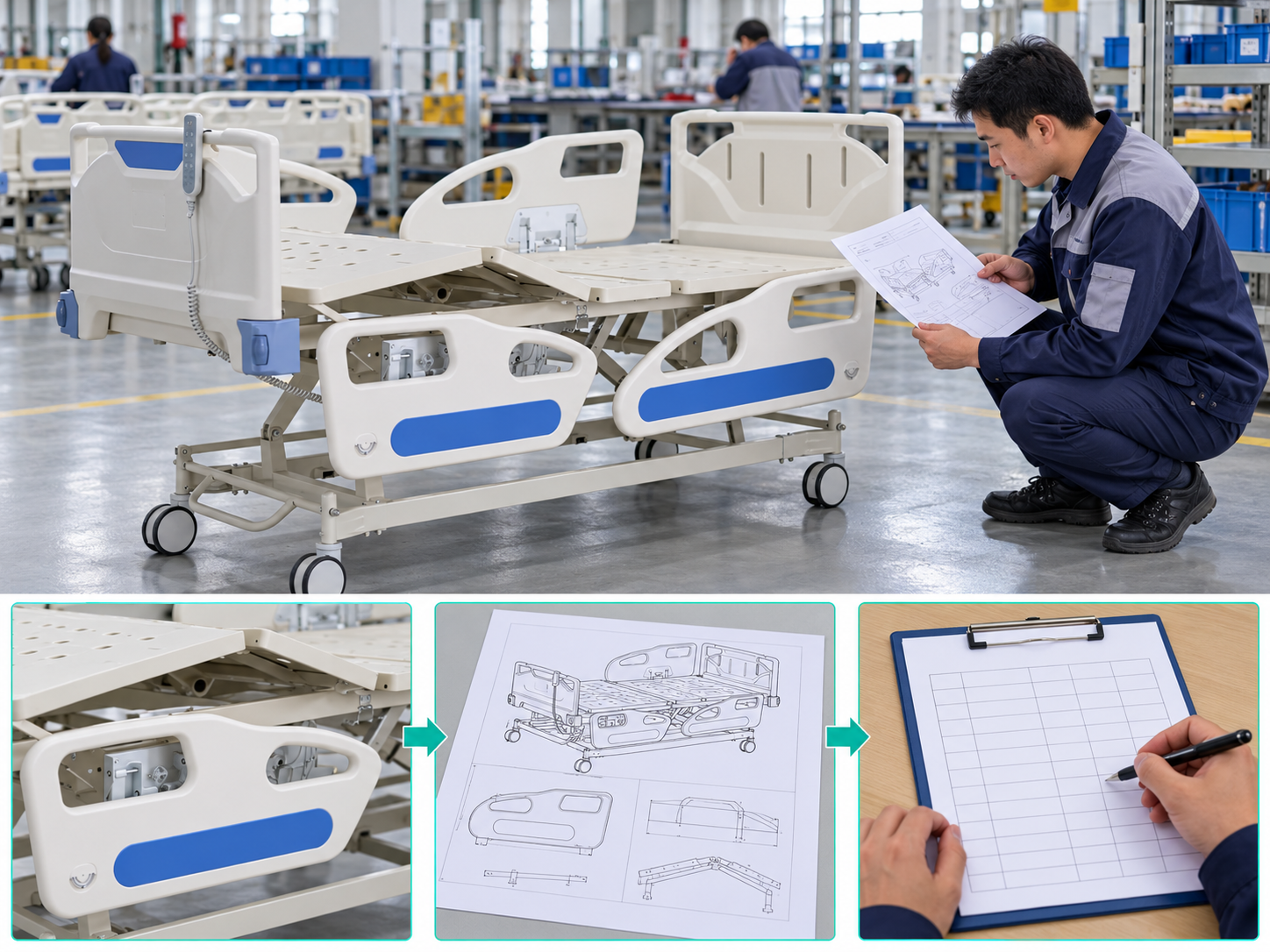
Review hospital bed rail compatibility when a mattress, rail, frame or relevant care need changes. The old assessment may not cover the new set.
Revisit changed circumstances
Respond to equipment and personal changes. Keep model and service records current. Refer each new concern to the responsible care or technical team. The MHRA bed-rail guidance provides context for qualified system review.
- Equipment change
- Personal change
- Review owner
| Check | Record or reference |
|---|---|
| Equipment change | Record |
| Personal change | Assessment |
| Review owner | Contact |
Key Takeaway: The system can be reviewed against current circumstances.
What belongs in a rail-related purchase brief?

A hospital bed rail compatibility brief should name the bed, mattress and rail options. List the facts the qualified reviewers need before an order is approved.
What should you do next?
Request evidence for the complete system. Ask for the maker's current parts and use guidance. Keep unanswered system questions out of the final supply promise.
- System identity
- Product evidence
- Open issue
| Check | Record or reference |
|---|---|
| System identity | Brief |
| Product evidence | Supplier files |
| Open issue | Review log |
Key Takeaway: The order can support a traceable compatibility decision. To discuss the model and documents for your order, contact us with your requirements. At AryMD, useful product facts should support every care-equipment purchase.
Frequently asked questions
Q1: Can attachment to the frame prove a rail is compatible?
No. Review the complete bed, mattress, rail and intended care arrangement using suitable guidance.
Q2: What’s the best universal gap rule for buyers to use?
Do not apply an improvised universal rule. Qualified reviewers should use the applicable methods and exact product facts.
Q3: How do I know whether a rail from another bed can be used?
Request maker confirmation for the exact system and have affected requirements reviewed appropriately.
Q4: Can a loose rail be declared safe from a photograph?
No. Record the concern and follow the site's qualified service and care decision process.
Q5: Should a mattress change trigger a rail review?
Review changes affecting the system or person. An earlier assessment may not cover the revised combination.