
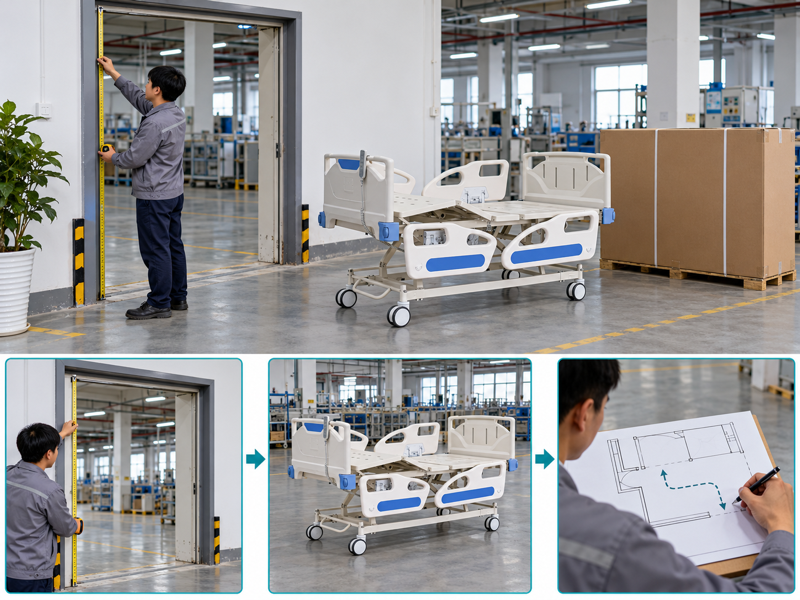
Plan hospital bed delivery access from the shipping configuration to the final room and assembly space. An Italian facility may confirm the room size while a narrow lift or turn blocks the delivery route. Current packing data and a measured site brief help the delivery team resolve that problem before dispatch.
What should hospital bed delivery access cover?
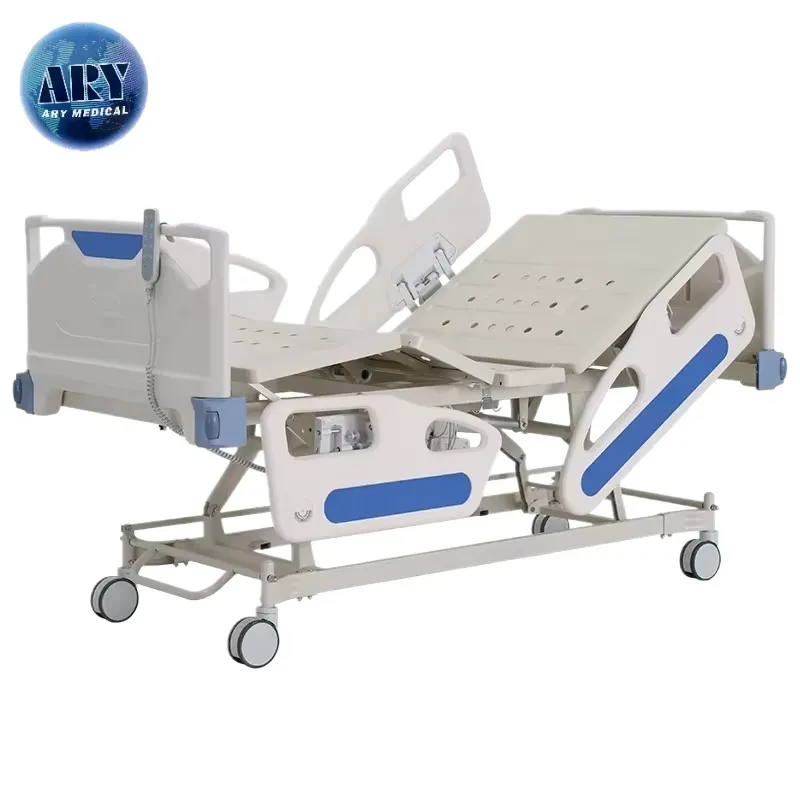
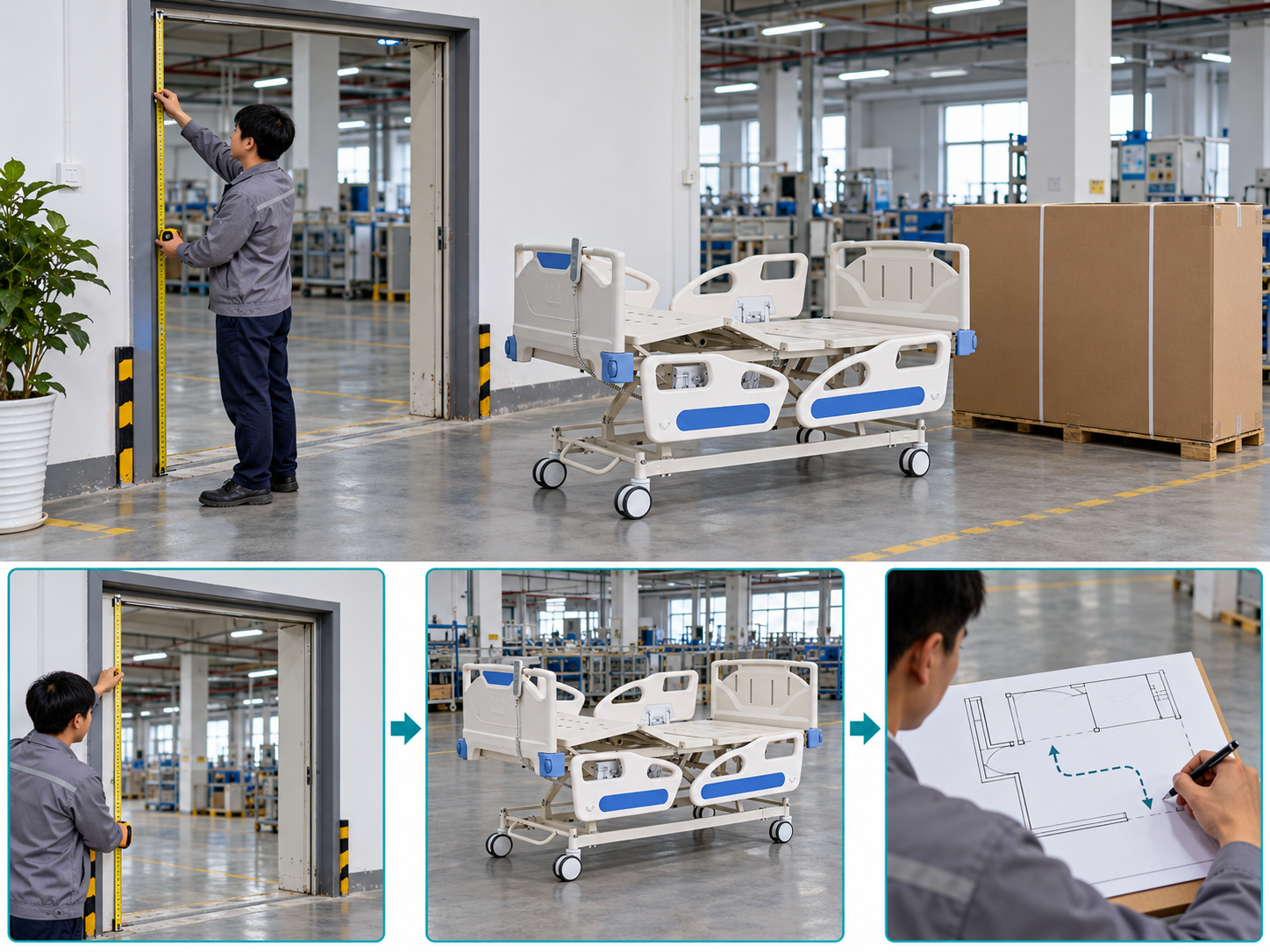
Hospital bed delivery access should cover the packed product, unloading point, building route and final assembly space. A bed fitting inside the room does not prove it can reach the room.
Map the complete delivery route
Plan the full route to the room. Identify the exact model and its approved shipping state. Ask the delivery and site teams to review the route before confirming arrangements.
- Packed model
- Site route
- Assembly area
| Check | Record or reference |
|---|---|
| Packed model | Order |
| Site route | Plan |
| Assembly area | Room brief |
Key Takeaway: The delivery plan starts before the bedroom or ward doorway.
Which packed dimensions should be requested?
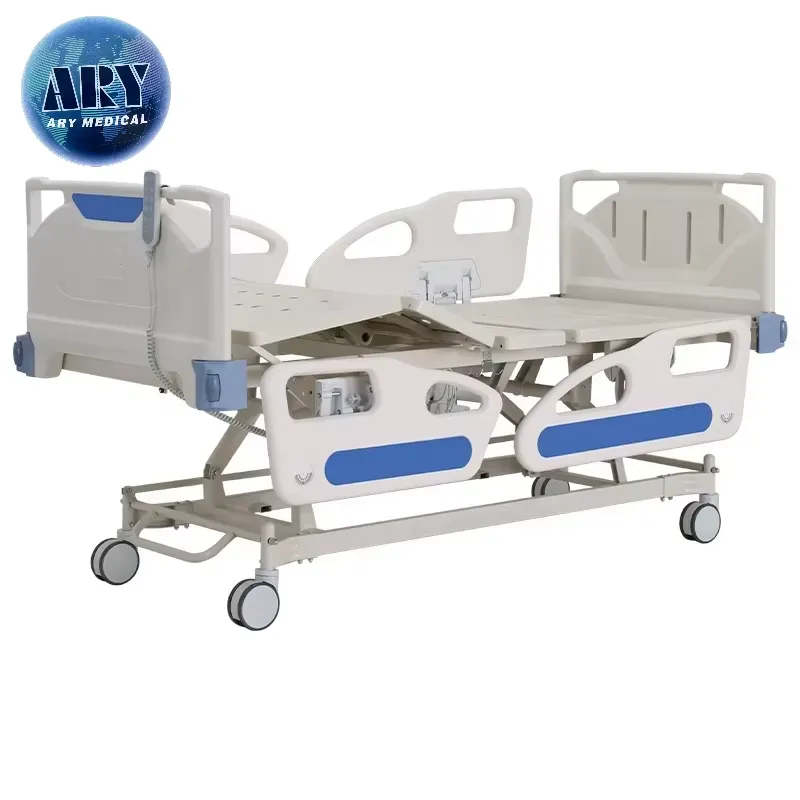
For hospital bed delivery access, request carton or crate dimensions and weights for the supplied version. Assembled bed dimensions cannot substitute for shipping data.
Request actual package data
Use the shipment's actual configuration. Ask how many packages and loose items form the complete delivery. Keep any special handling information with the shipment record.
- Package dimensions
- Package count
- Handling information
| Check | Record or reference |
|---|---|
| Package dimensions | Packing file |
| Package count | List |
| Handling information | Guide |
Key Takeaway: The carrier can review the actual shipment.
How should doors and turns be documented?
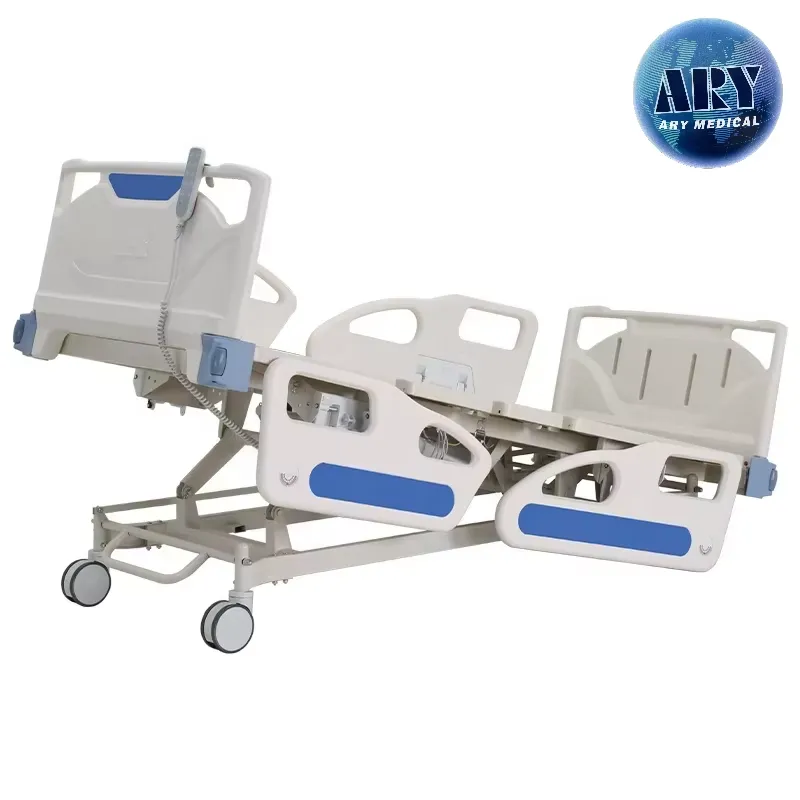
Hospital bed delivery access needs usable openings, turns, thresholds and other route constraints. A building's main entrance width may not describe the narrowest point inside.
Measure openings and turns
Measure the usable path. Provide a measured sketch and relevant photographs. Record door movement and fixed obstacles in their normal positions.
- Door openings
- Turning areas
- Obstacles
| Check | Record or reference |
|---|---|
| Door openings | Measurements |
| Turning areas | Plan |
| Obstacles | Photos |
Key Takeaway: The route brief identifies likely conflicts before arrival.
What should be checked about lifts or stairs?
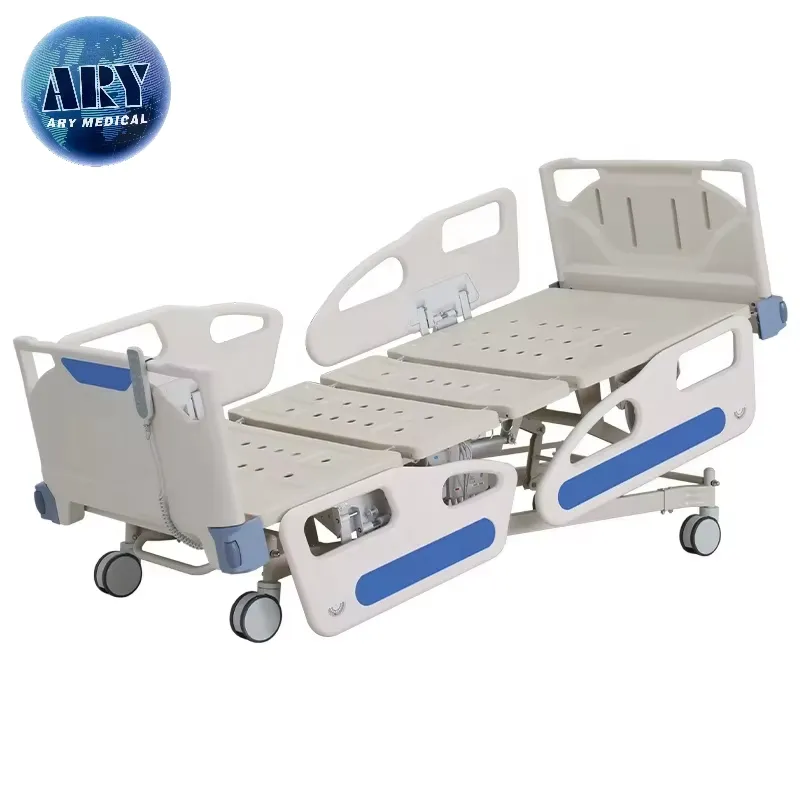
For hospital bed delivery access, lifts, stairs and loading equipment need review by the responsible delivery and site professionals. A large cabin or staircase does not establish a supported handling method.
Refer difficult handling stages
Use a qualified delivery review. Provide the equipment and site information they request. Do not improvise lifting points or disassembly to solve an access problem.
- Site constraints
- Product handling
- Delivery method
| Check | Record or reference |
|---|---|
| Site constraints | Brief |
| Product handling | Guide |
| Delivery method | Qualified plan |
Key Takeaway: The difficult stage of the route has an appropriate owner.
Can the bed be dismantled for access?

For hospital bed delivery access, disassembly and reassembly must follow the exact model's instructions and authorized service scope. A removable-looking panel is not permission to reduce the bed however needed.
Confirm permitted disassembly
Confirm the maker's permitted shipping method. Ask which parts may be separated and who may perform the work. Keep required tools and component identity in the delivery plan.
- Permitted separation
- Responsible staff
- Loose parts
| Check | Record or reference |
|---|---|
| Permitted separation | Guide |
| Responsible staff | Scope |
| Loose parts | Checklist |
Key Takeaway: The access solution can preserve the approved product setup.
What should the receiving area provide?
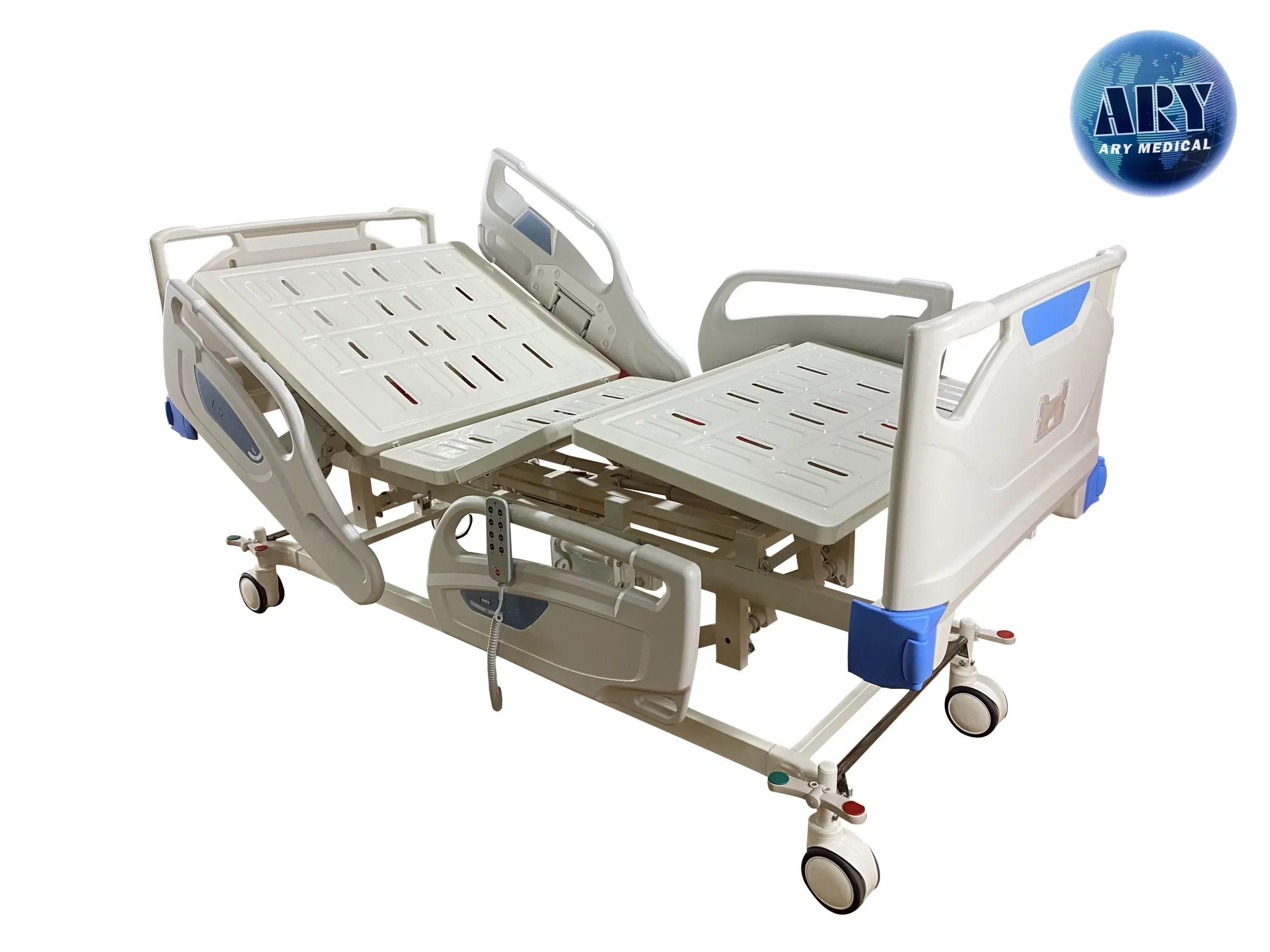
Hospital bed delivery access should include a suitable area for receipt, contents checks and the planned assembly work. A crowded corridor can turn an otherwise workable delivery into a handling problem.
Prepare the receiving area
Allow space for the agreed checks. Have the site team agree the location and timing. Keep the area requirements tied to the actual shipment and process. Allow for separate cabinet packages where they are included in the room delivery.
- Receiving space
- Check scope
- Time window
| Check | Record or reference |
|---|---|
| Receiving space | Site plan |
| Check scope | Procedure |
| Time window | Agreement |
Key Takeaway: The delivery has a planned place to be received and reviewed.
How should accessories be kept traceable?
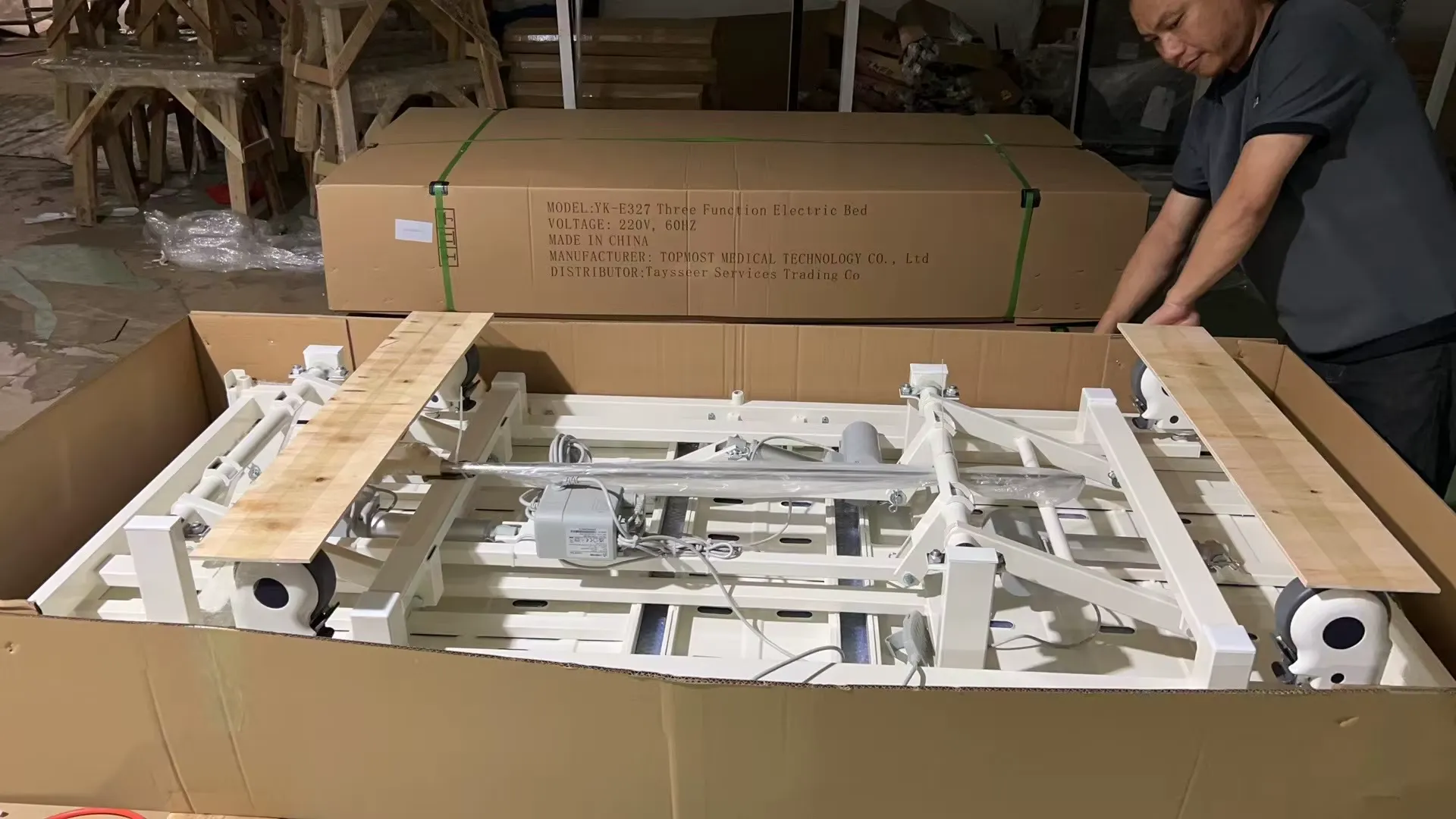
For hospital bed delivery access, label mattresses, rails, controls and other supplied items by the agreed order and model references. Several similar cartons can otherwise be assigned to the wrong room or bed.
Keep accessories with the correct bed
Connect every package with the bed. Use the packing list and receiving record to reconcile contents. Resolve missing or uncertain parts before normal release. Identify air-mattress packages separately from the bed cartons.
- Package identity
- Bed reference
- Contents match
| Check | Record or reference |
|---|---|
| Package identity | Label |
| Bed reference | Order |
| Contents match | Receiving record |
Key Takeaway: The complete supplied system stays connected through delivery.
What if the planned route fails on arrival?
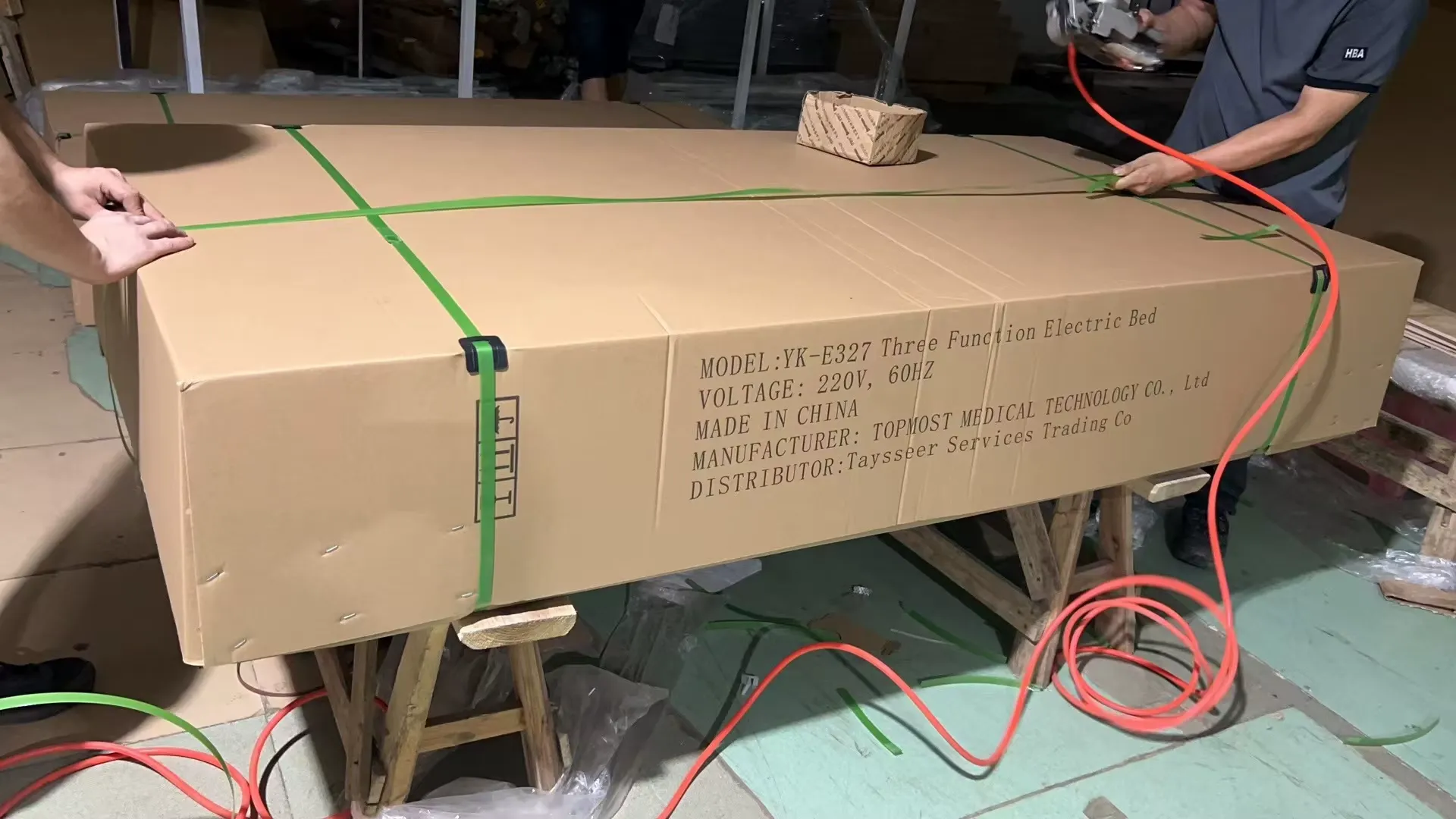
For hospital bed delivery access, an unexpected route conflict needs a revised qualified plan. Staff should not force the package through or alter the product to keep the appointment moving.
Review an unexpected route conflict
Stop and review the specific obstacle. Record the obstruction and inform the responsible teams. Keep the agreed next step and storage status clear. Record any shared access constraint for transfer equipment included in the delivery.
- New obstacle
- Review owner
- Next arrangement
| Check | Record or reference |
|---|---|
| New obstacle | Photos |
| Review owner | Contact |
| Next arrangement | Record |
Key Takeaway: The delivery problem can be resolved with a supported plan.
Which delivery records should be retained?
A hospital bed delivery access record should show what arrived, where it was placed and which checks or actions remain open. A carrier signature alone may not confirm completed assembly or release.
Record the delivery outcome
Record the actual outcome. Keep damage, missing items and access exceptions separate. Assign unresolved actions to named owners. The MHRA device-use checklists provide a broader equipment-review framework.
- Receipt outcome
- Exception
- Open action
| Check | Record or reference |
|---|---|
| Receipt outcome | Delivery note |
| Exception | Case record |
| Open action | Owner |
Key Takeaway: The site can distinguish arrival from readiness for use.
What should buyers settle before dispatch?

For hospital bed delivery access, confirm the packing data, site access, handling responsibilities and assembly scope before shipment. Each delivery promise should have an owner who can fulfill it.
What should you do next?
Agree the route and service scope. Send the measured route and required service details with your enquiry. Ask for current packing and installation information for the exact model.
- Shipment data
- Site access
- Service scope
| Check | Record or reference |
|---|---|
| Shipment data | Supplier file |
| Site access | Plan |
| Service scope | Agreement |
Key Takeaway: The purchase can include a delivery process the teams can carry out. To discuss the model and documents for your order, contact us with your requirements. At AryMD, useful product facts should support every care-equipment purchase.
Frequently asked questions
Q1: Can assembled bed dimensions be used as shipping dimensions?
No. Request data for the actual packed configuration and all included packages.
Q2: What’s the best way to assess a difficult stair or lift route?
Use a qualified delivery and site review with the product handling guidance and measured constraints.
Q3: How do I know which parts may be removed for access?
Use the exact maker instructions and authorized service scope. Do not infer permission from a removable-looking part.
Q4: Can a delivery signature prove the bed is ready for use?
No. Receipt, assembly and release are separate stages that need their own records.
Q5: Should staff force a package through an unexpected restriction?
No. Record the obstacle and obtain a revised supported plan from the responsible teams.