
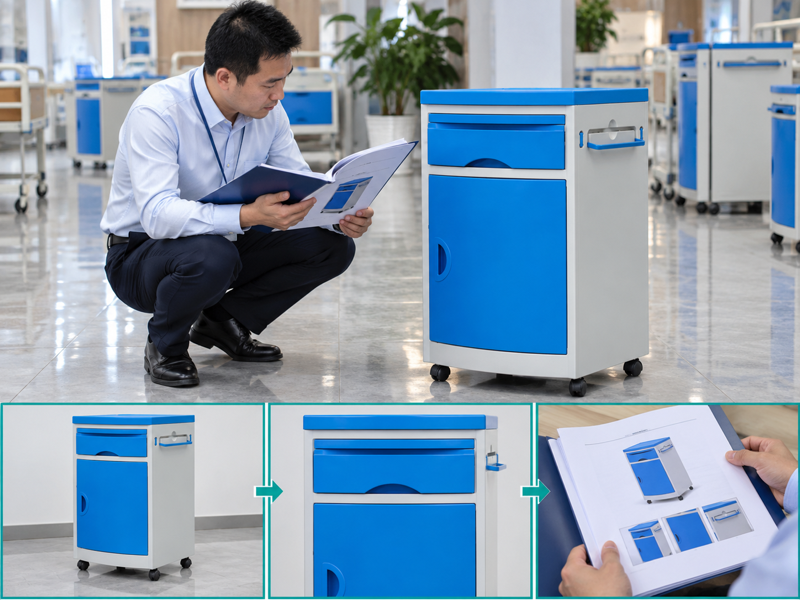
Choose a hospital bedside cabinet by matching its verified storage features and fixed furniture form with the room's intended tasks. A French buyer may search for a bedside table but receive a cabinet with drawers and a cupboard rather than an overbed work surface. Confirming the product type first makes the later size and care comparison more useful.
What should a hospital bedside cabinet provide?
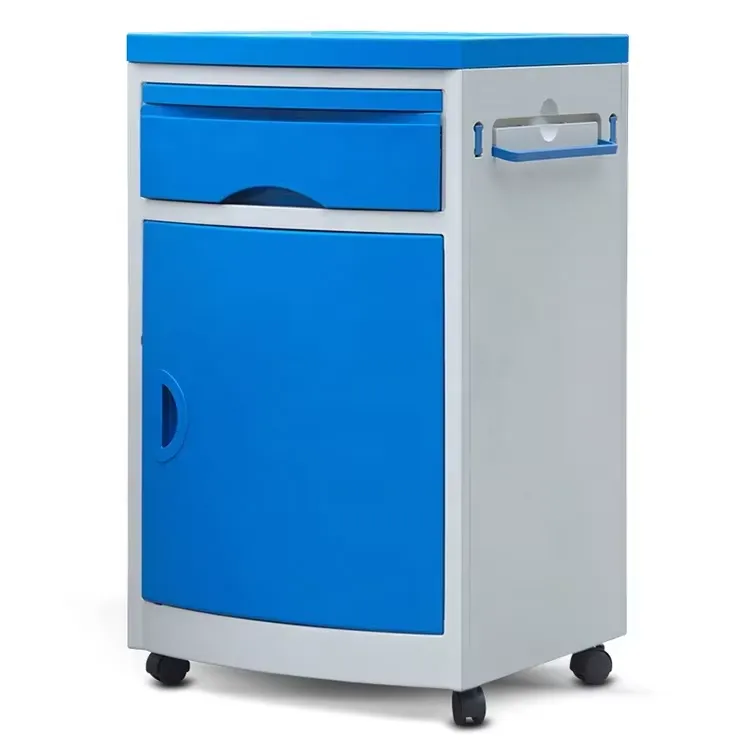
A hospital bedside cabinet should provide the storage, working surface and access features the buyer needs. It should not be assumed to function as an adjustable overbed table or a mobility support.
Confirm the furniture category
Match storage and access to the intended room task. Identify the exact cabinet and its supplied features. Use product facts and appropriate care review to judge its place in the room.
- Product type
- Intended task
- Supplied features
| Check | Record or reference |
|---|---|
| Product type | Model file |
| Intended task | Brief |
| Supplied features | List |
Key Takeaway: The buyer can select the correct furniture category.
Which dimensions should be compared?
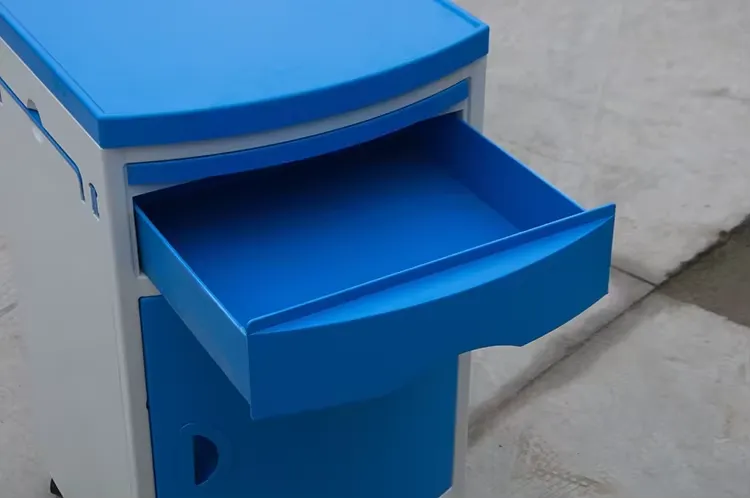
For a hospital bedside cabinet, compare overall size with the space used when drawers, doors or trays are open. A closed footprint can hide the clearance needed during use.
Compare closed and open dimensions
Use the closed and open outlines. Request drawings for the actual configuration. Keep the measured room and adjacent bed position in the review.
- Closed outline
- Open features
- Room space
| Check | Record or reference |
|---|---|
| Closed outline | Specification |
| Open features | Drawing |
| Room space | Plan |
Key Takeaway: The comparison includes normal access to storage.
How should top height be reviewed?
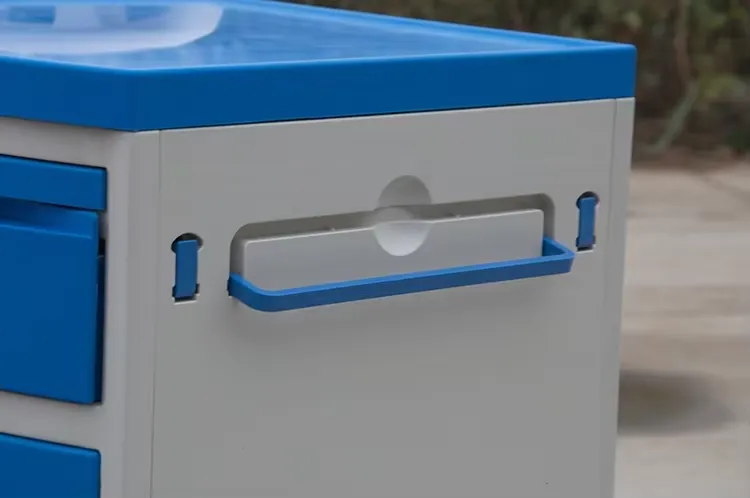
A hospital bedside cabinet needs a top height that can be reviewed against the intended task and bedside arrangement. Do not assume a fixed cabinet can be raised or lowered.
Review the actual top height
Treat height as a verified product dimension. Ask for the model's actual dimensions and any genuine adjustment feature. Personal reach or care needs should be reviewed appropriately.
- Top height
- Adjustment status
- Task needs
| Check | Record or reference |
|---|---|
| Top height | Drawing |
| Adjustment status | Guide |
| Task needs | Assessment |
Key Takeaway: The height decision uses a feature the product actually has.
What should the storage layout include?

For a hospital bedside cabinet, identify the actual drawers, cupboard, shelves and pull-out features included in the offer. A photo from another version may show a different layout.
List the supplied compartments
List the compartments supplied. Ask for a contents and feature list tied to the model. Keep optional trays or fittings separate from standard supply.
- Drawer layout
- Cupboard space
- Options
| Check | Record or reference |
|---|---|
| Drawer layout | Specification |
| Cupboard space | Drawing |
| Options | Quote |
Key Takeaway: The quoted cabinet can be compared with the storage need.
How should casters and movement be considered?

A hospital bedside cabinet with casters needs its movement and any locking guidance confirmed for the exact model. Small wheels do not establish that the cabinet is suitable as a walking support.
Confirm movement and caster functions
Confirm the intended handling method. Use the maker's handling instructions and the site process. Ask about uncertain floor or storage arrangements rather than improvising them. Include the route for any transfer equipment when planning cabinet parking.
- Caster type
- Locking feature
- Handling method
| Check | Record or reference |
|---|---|
| Caster type | Model file |
| Locking feature | Guide |
| Handling method | Instructions |
Key Takeaway: The cabinet's movement role stays within its design.
Which material information should buyers request?
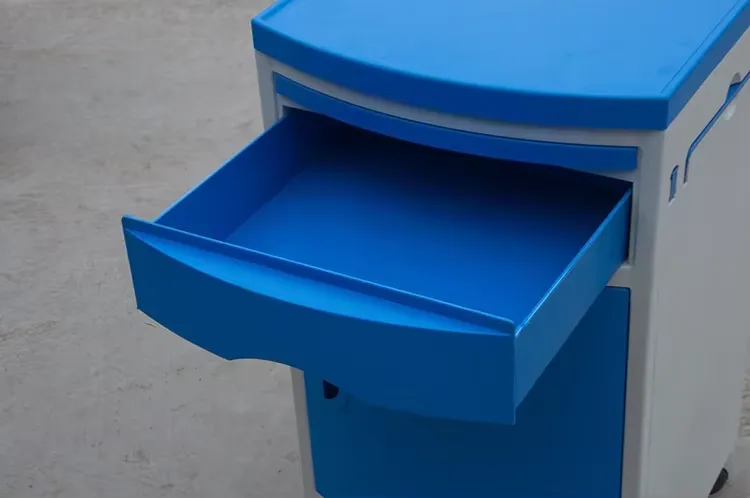
For a hospital bedside cabinet, ask for the materials and finishes relevant to care, wear and the intended setting. Color or a glossy appearance cannot prove a material grade or hygiene claim.
Request supported material information
Use the actual surface and fitting specification. Have the responsible team review the current product file. Keep unsupported antibacterial or chemical-resistance claims out of the comparison.
- Surface material
- Fittings
- Claim evidence
| Check | Record or reference |
|---|---|
| Surface material | Specification |
| Fittings | Parts file |
| Claim evidence | Review |
Key Takeaway: The selection can use supported material information.
What should care instructions cover?

A hospital bedside cabinet should have care guidance for its top, compartments, handles, fittings and casters as applicable. One surface's cleaning method may not describe every part.
Check the complete care scope
Check the complete supplied cabinet. Compare the maker's limits with the facility's approved process. Ask for clarification before adopting an uncertain method. Keep care instructions for adjacent air-mattress equipment separate from cabinet care.
- Care areas
- Facility process
- Unclear method
| Check | Record or reference |
|---|---|
| Care areas | Guide |
| Facility process | Procedure |
| Unclear method | Supplier question |
Key Takeaway: The cabinet can be reviewed for the care process it will enter.
How should a sample be assessed?

A hospital bedside cabinet sample can help check identity, dimensions, finish and supplied functions within an agreed scope. It should not be used for improvised load or stability tests.
Define the sample review
Use a defined furniture review. Record the model and observations with useful photos. Qualified reviewers should decide any technical or personal-use questions beyond the buyer check. Identify each item separately if the sample review covers a hospital-furniture package.
- Sample ID
- Review scope
- Observed result
| Check | Record or reference |
|---|---|
| Sample ID | Label |
| Review scope | Plan |
| Observed result | Record |
Key Takeaway: The sample supports a specific acceptance decision.
What should delivery and support terms include?
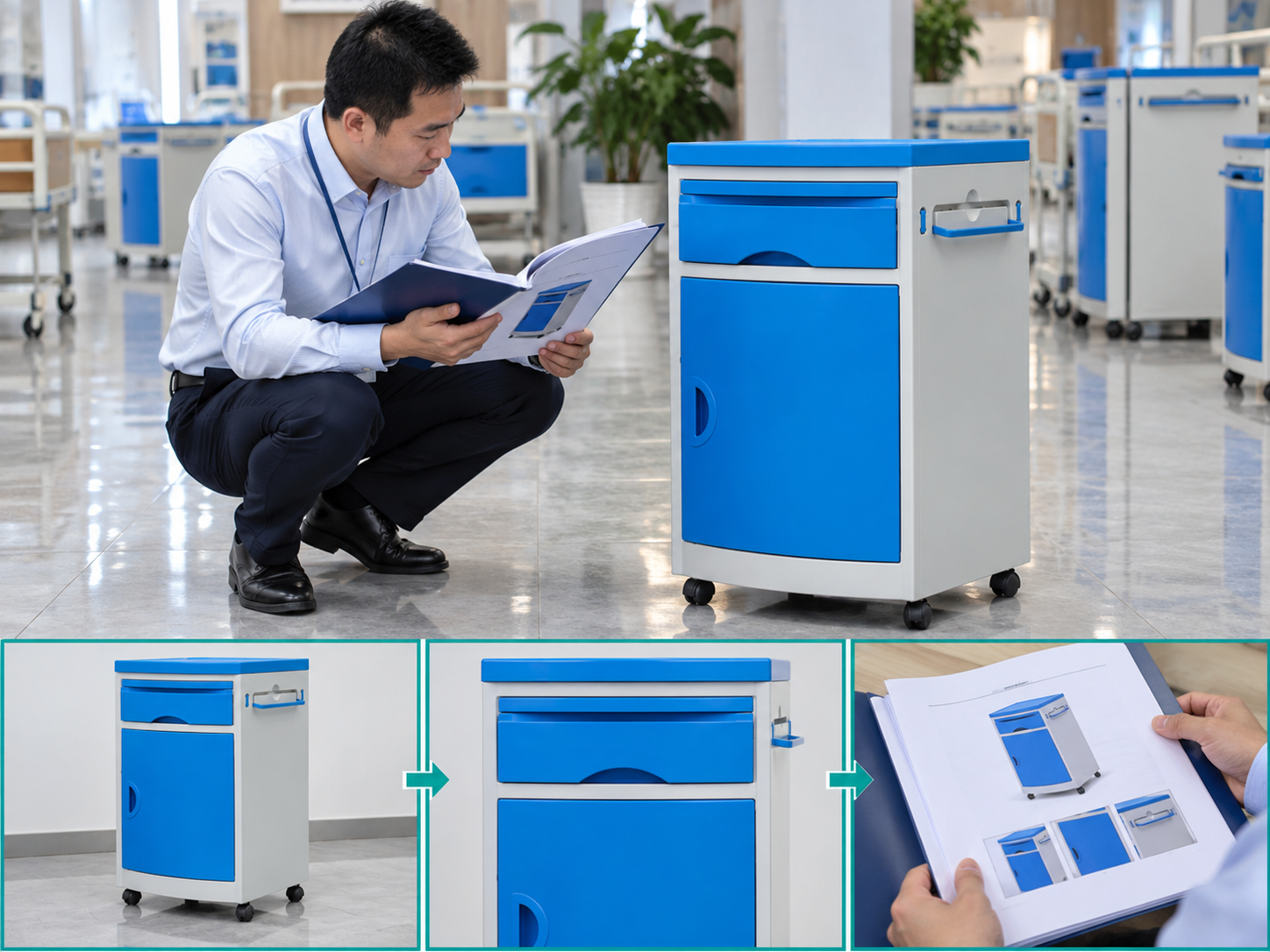
For a hospital bedside cabinet, confirm the packed state, assembly scope, included fittings and service contacts. A carton price may exclude work or accessories needed by the buyer.
Include delivery and support
Plan for receipt and later parts questions. Ask for current packing data and approved replacement references. Keep commercial exclusions visible in the order review. The CDC environmental-cleaning guidance provides facility-process context.
- Packed state
- Included items
- Support route
| Check | Record or reference |
|---|---|
| Packed state | Guide |
| Included items | List |
| Support route | Terms |
Key Takeaway: The purchase covers the cabinet as supplied and supported.
How should buyers finalize the choice?

Choose a hospital bedside cabinet by matching verified features with the intended storage, access and care requirements. Avoid choosing only by the product photograph or nominal size.
What should you do next?
Select against a clear room and care brief. Send the model, room constraints and document questions with your enquiry. Ask for a clear configuration and quotation before ordering.
- Required features
- Verified model
- Final scope
| Check | Record or reference |
|---|---|
| Required features | Brief |
| Verified model | Files |
| Final scope | Quote |
Key Takeaway: Your cabinet choice can be explained through practical requirements. To discuss the model and documents for your order, contact us with your requirements. At AryMD, useful product facts should support every care-equipment purchase.
Frequently asked questions
Q1: Can a bedside cabinet be treated as an adjustable overbed table?
No. Confirm the actual furniture type and documented functions rather than relying on a broad catalog label.
Q2: What’s the best height for every bedside cabinet?
There is no universal choice for every room and person. Use verified dimensions and the appropriate task and care review.
Q3: How do I know whether a pull-out tray is included?
Check the exact model's contents and feature list. A photograph from another version may show different storage.
Q4: Can a cabinet on wheels serve as a walking support?
Do not assume that role. Use the maker's stated purpose and the appropriate care assessment.
Q5: Should a glossy finish be described as antibacterial?
Only with applicable supporting evidence. Appearance alone cannot establish that claim.