
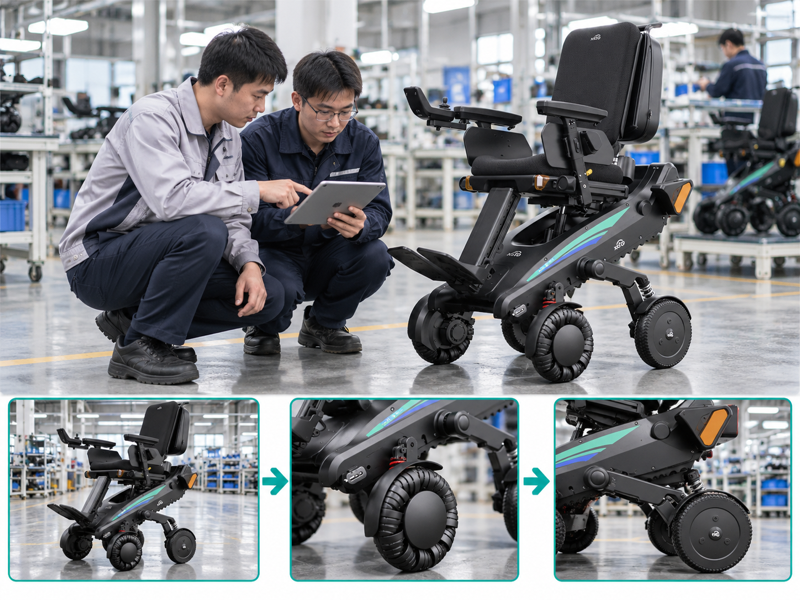
Review XSTO X12 drive modes as descriptions of the named product system, then check the exact instructions for your intended use. A buyer may hear wheel, hybrid and track mode and assume each label proves access over a different obstacle. That assumption skips the conditions behind the feature. Keep the mode explanation, qualified route review and operator training as linked but separate buying questions.
What do XSTO X12 drive modes describe?
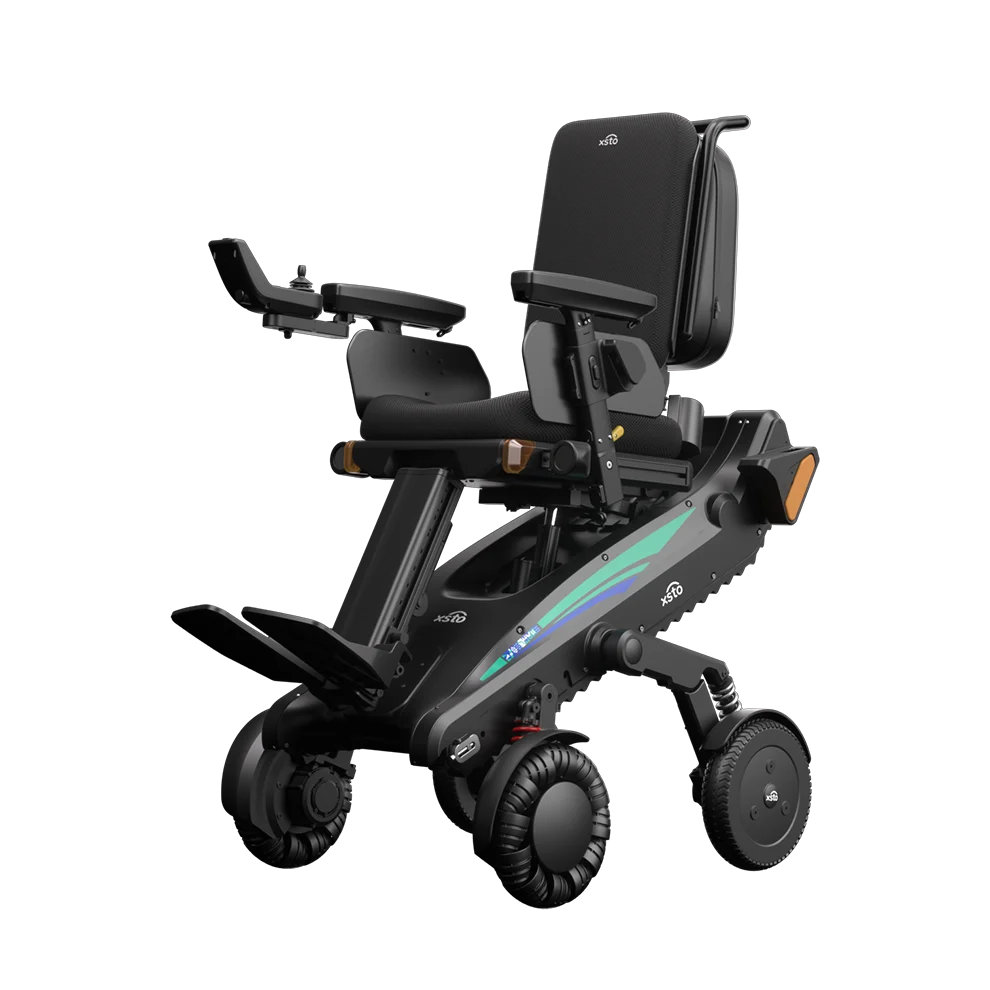
XSTO X12 drive modes describe the manufacturer's named wheel, wheel-track hybrid and tracked arrangements. Those labels explain the product concept; they do not tell a buyer how to operate it on a particular route.
What do the mode names explain?
Separate the modes by their purpose. Use the exact supplied manual for operating limits. Keep a feature explanation separate from hands-on instruction. Compare the manufacturer product reference with the exact offered version.
- Name the supplied model version
- List the manufacturer mode names
- Request the matching operating guide
| Check | What to keep |
|---|---|
| Name the supplied model version | Product identity record |
| List the manufacturer mode names | Current product reference |
| Request the matching operating guide | Model instruction file |
Key Takeaway: You can discuss the design clearly without turning marketing labels into a practical driving procedure.
How should buyers understand the wheeled arrangement?
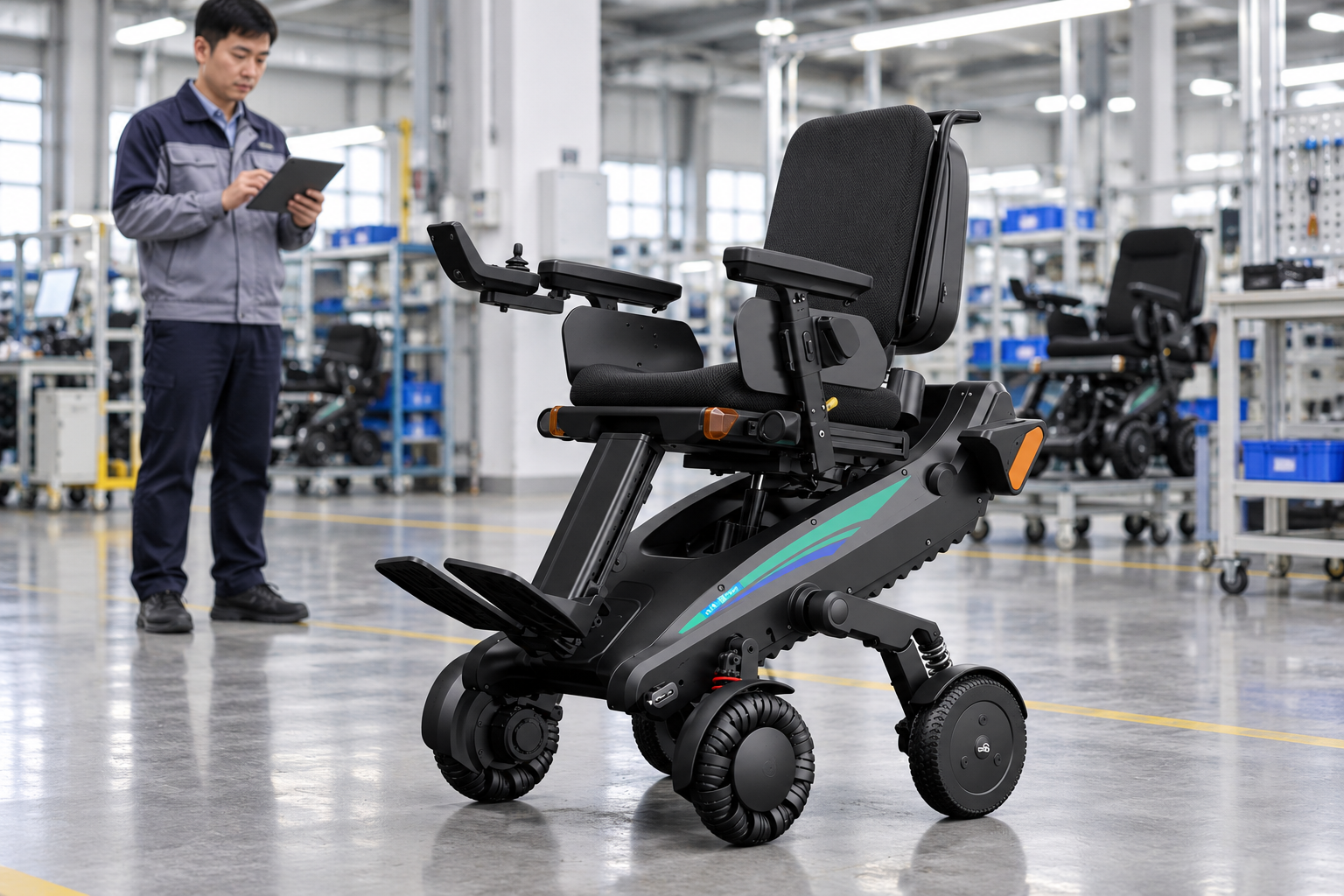
For XSTO X12 drive modes, the wheeled arrangement is one part of the integrated system shown in the product material. Its presence does not make every ordinary wheelchair rule or accessory automatically applicable.
Review the whole wheeled chassis
Look at the whole chassis. Review the actual dimensions and supplied setup. Ask which documented conditions apply to your intended level-ground route. Keep equipment dimensions with the proposed route.
- Record the complete offered chassis
- Describe the intended level route
- Request model-specific conditions
| Check | What to keep |
|---|---|
| Record the complete offered chassis | Product photos and version |
| Describe the intended level route | Site-use brief |
| Request model-specific conditions | Manufacturer guidance |
Key Takeaway: Your comparison can account for the X12 system rather than treating it as a generic four-wheel chair.
What should a XSTO X12 drive modes review ask about hybrid use?
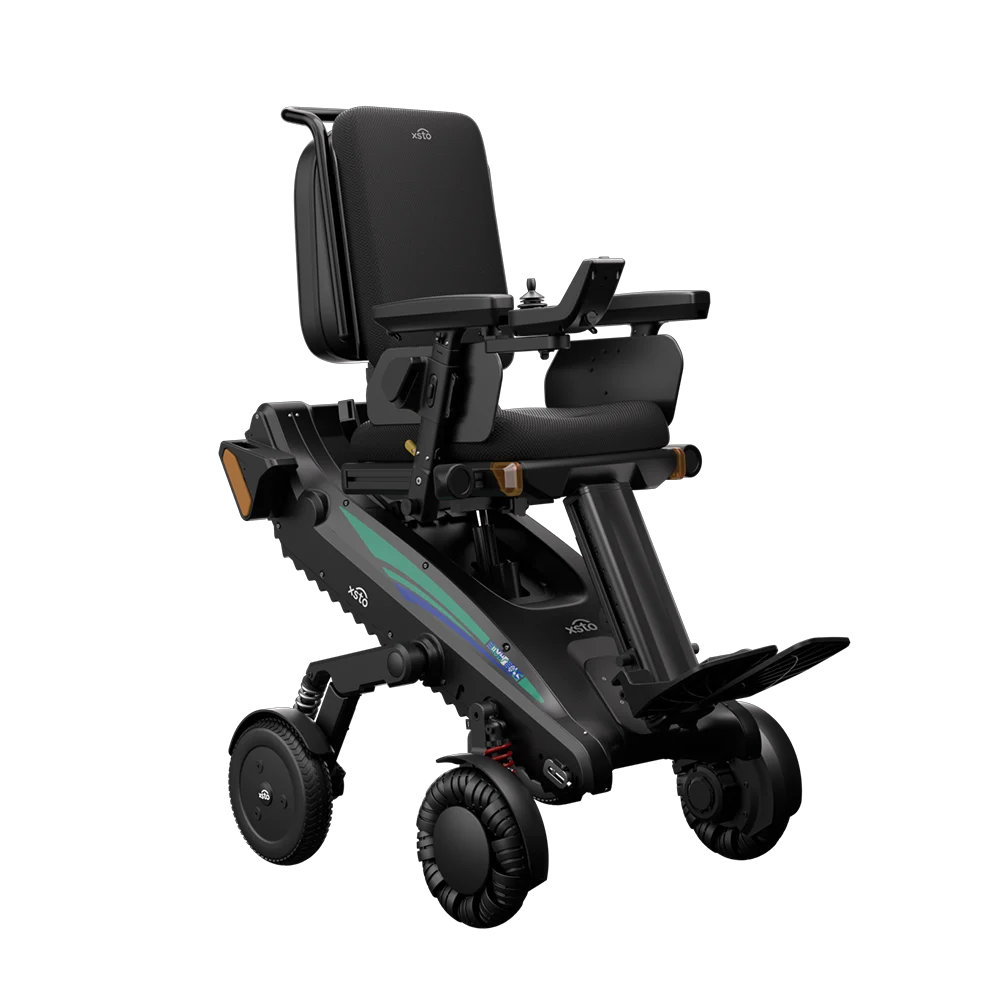
A XSTO X12 drive modes review should ask where the manufacturer permits the hybrid arrangement and what assessment or training it requires. Do not use another model's video to fill gaps in that guidance.
Ask about the hybrid-use context
Ask for the supported context. Name the proposed stair or curb question in your brief. Leave exact operating steps with trained instruction and the current manual.
- Identify the intended route feature
- Request the relevant model guidance
- Confirm required review and training
| Check | What to keep |
|---|---|
| Identify the intended route feature | Location and use question |
| Request the relevant model guidance | Applicable manual section |
| Confirm required review and training | Provider scope |
Key Takeaway: You can seek an answer about the actual route without assuming that a mode name proves compatibility.
How should tracked operation be described?
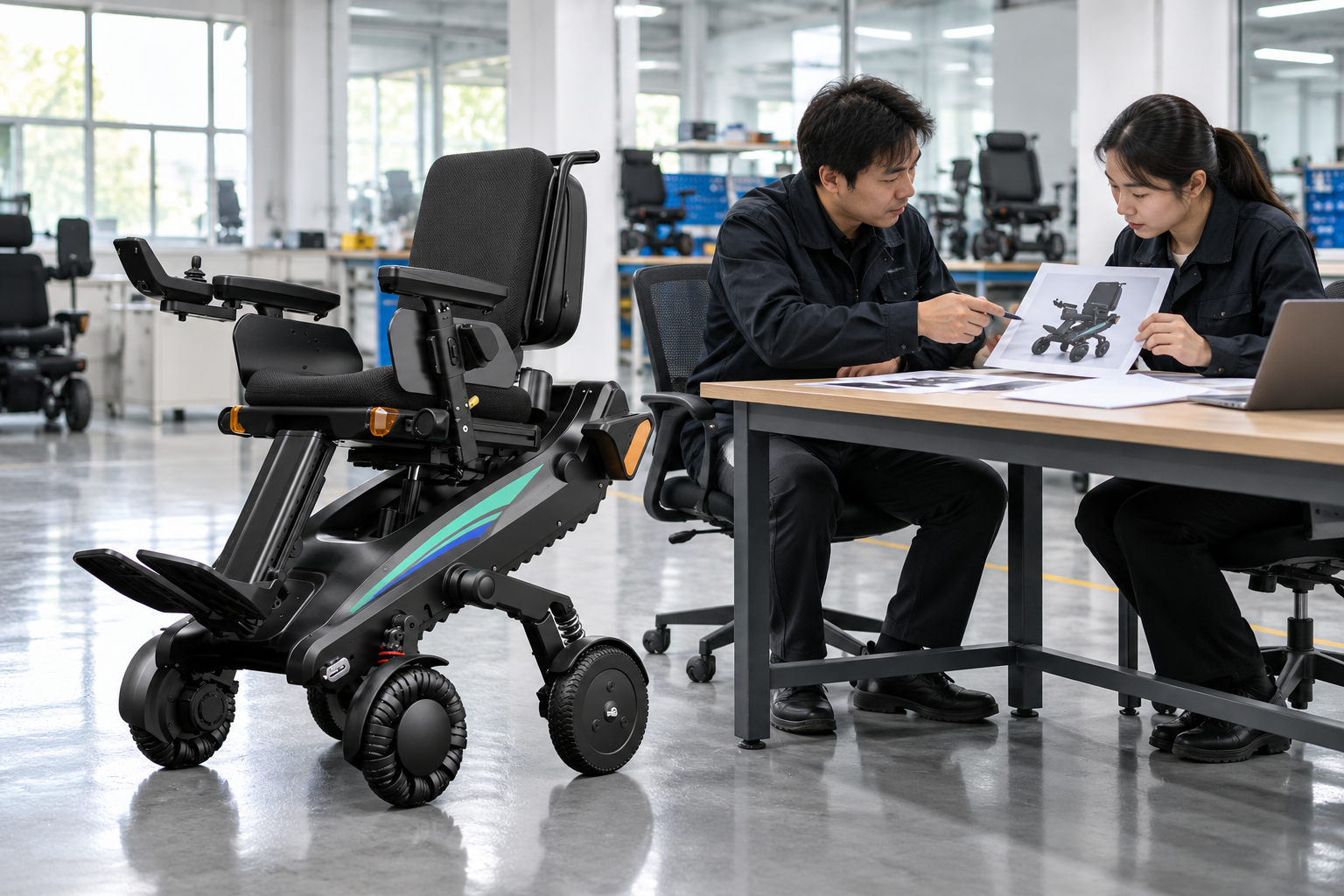
Describe tracked operation within XSTO X12 drive modes using the manufacturer's stated scope and the exact offered version. The existence of tracks does not establish access across every gap, surface or stair shape.
Keep tracked claims within evidence
Keep capability claims bounded. Ask for the conditions behind any capability claim. Avoid presenting a diagram or generated scene as a performance result.
- Name the claimed capability
- Retain stated conditions
- Separate illustrations from evidence
| Check | What to keep |
|---|---|
| Name the claimed capability | Supplier claim record |
| Retain stated conditions | Supporting model file |
| Separate illustrations from evidence | Reviewed media notes |
Key Takeaway: Your article or sales explanation can remain useful without promising performance that the evidence does not establish.
Can XSTO X12 drive modes remove the need for training?
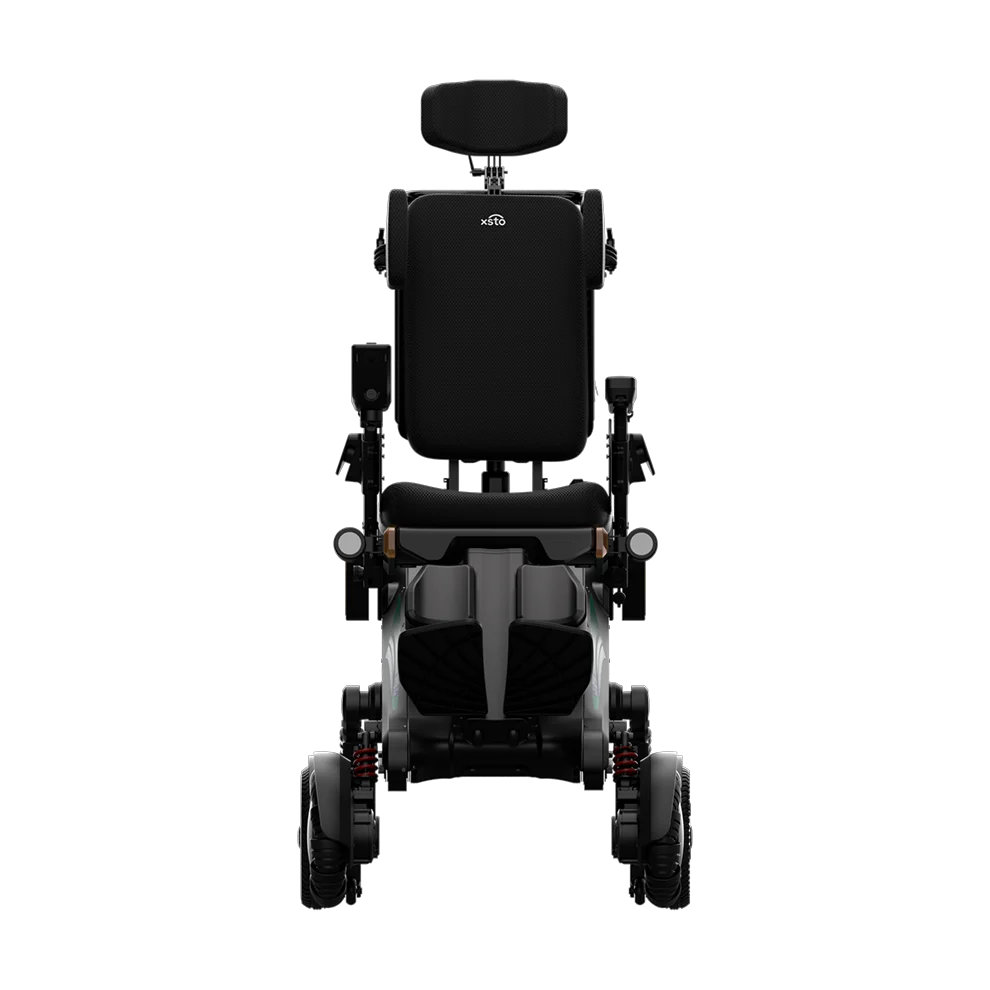
No, XSTO X12 drive modes do not remove the need for the training and assessment required by the supplied product. An automatic feature does not show that a user understands its limits or warning messages.
Does automation replace training?
Keep assistance and competence distinct. Ask who provides model-specific instruction. Record any tasks or situations outside the agreed training scope. Retain the wider stair-device selection brief as context.
- Request the training provider
- Define covered tasks and limits
- Keep completion evidence
| Check | What to keep |
|---|---|
| Request the training provider | Named support contact |
| Define covered tasks and limits | Course scope |
| Keep completion evidence | Training record |
Key Takeaway: You can plan real user support instead of treating automation as proof that instruction is unnecessary.
How should controls relate to XSTO X12 drive modes?
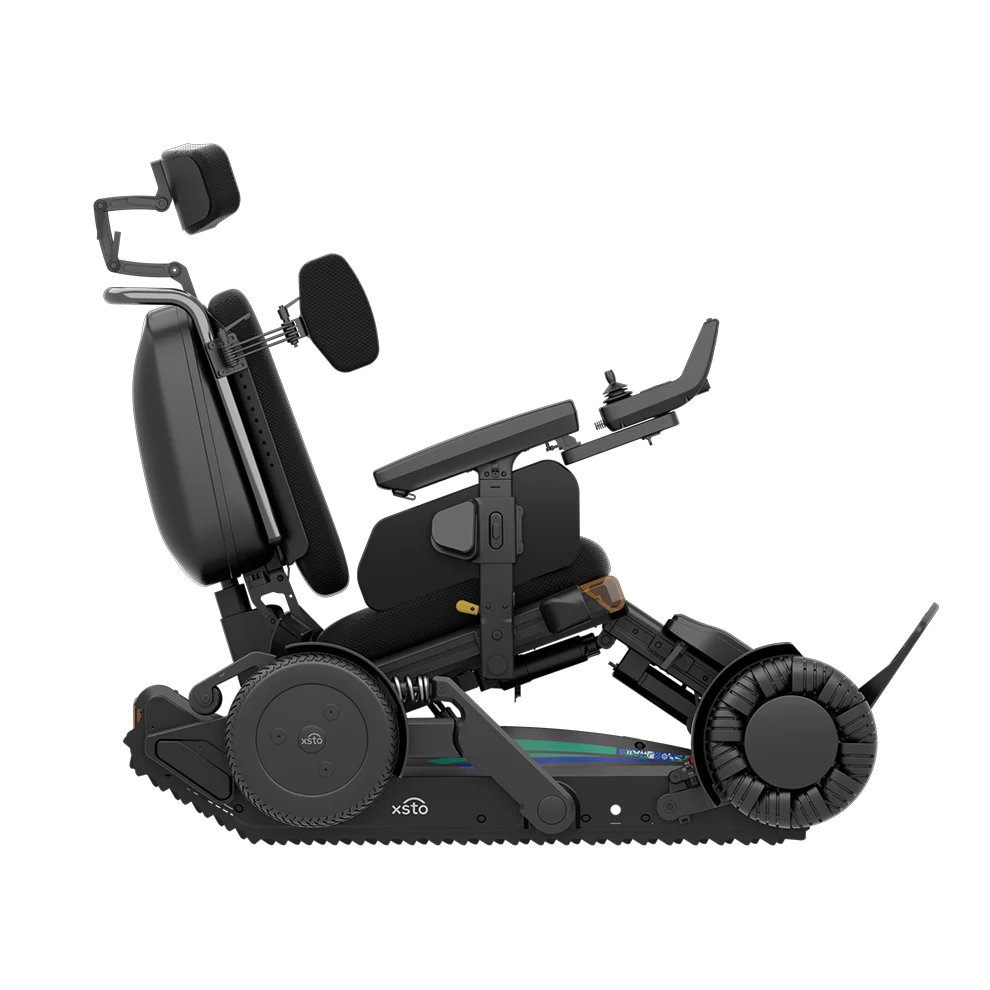
Controls associated with XSTO X12 drive modes should be identified through the current manual and supplied layout. A button image does not establish its function, permitted use or the person authorized to use it.
Match controls with current guidance
Use the manual's names and roles. Keep photos linked to the exact version. Ask qualified support to resolve differences between a demo unit and your offer.
- Match controls to the manual
- Identify version differences
- Resolve unclear control functions
| Check | What to keep |
|---|---|
| Match controls to the manual | Layout reference |
| Identify version differences | Comparison notes |
| Resolve unclear control functions | Qualified support reply |
Key Takeaway: Your team can explain the supplied interface without guessing from icons or another X12 version.
Which route details help a mode discussion?
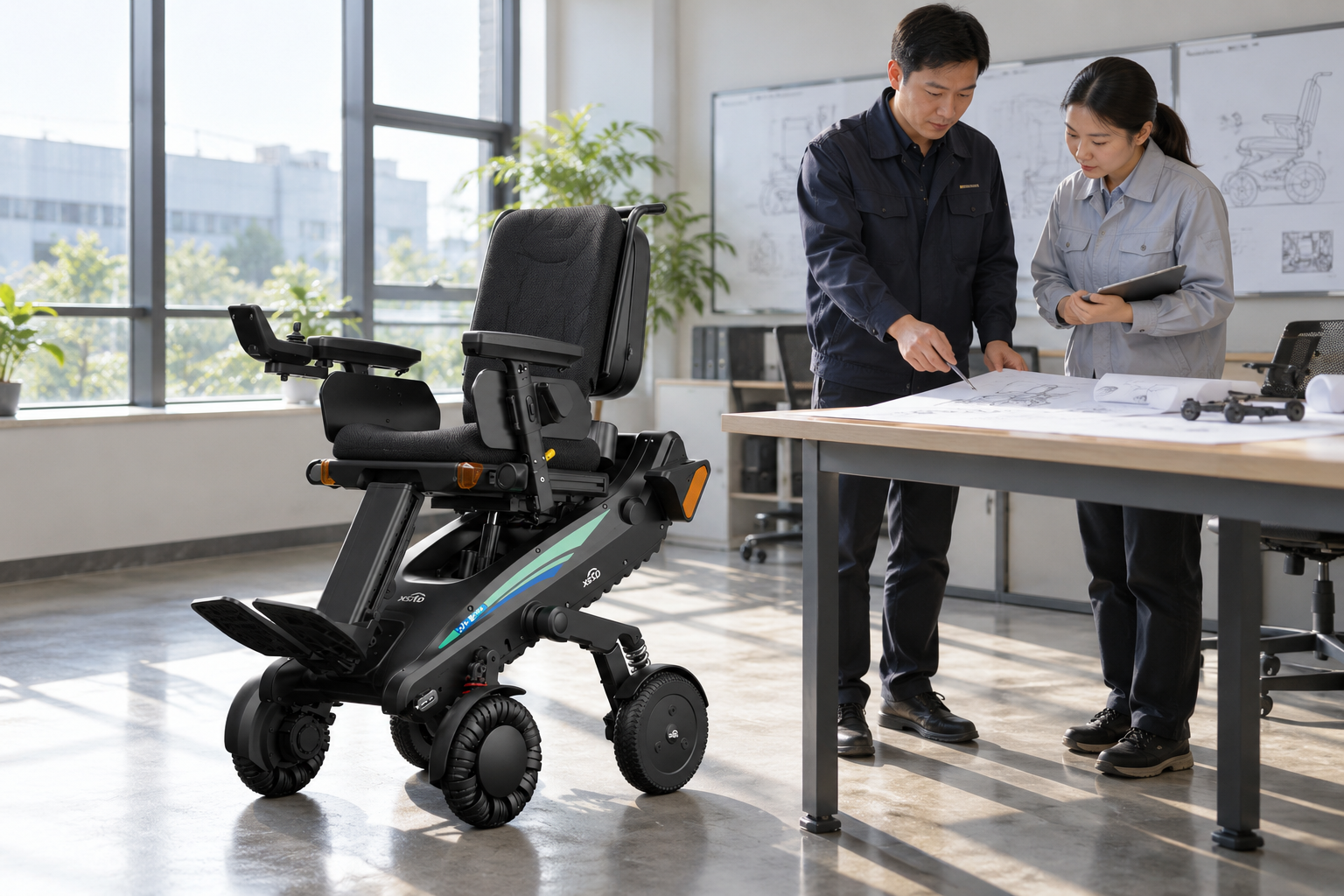
A useful XSTO X12 drive modes discussion starts with the intended path, including transitions between surfaces and access points. A broad label such as outdoor use leaves many practical questions unanswered.
Describe the route in detail
Describe the path before the feature. Provide requested site records rather than improvising a trial. Let qualified reviewers decide what further evidence the route needs.
- Describe each route segment
- Record changes in surfaces
- Assign suitability questions
| Check | What to keep |
|---|---|
| Describe each route segment | Site sketch |
| Record changes in surfaces | Location-linked photos |
| Assign suitability questions | Qualified reviewer brief |
Key Takeaway: A specific route gives the supplier a clearer question than asking whether one mode can go anywhere.
How should dealers demonstrate the design?
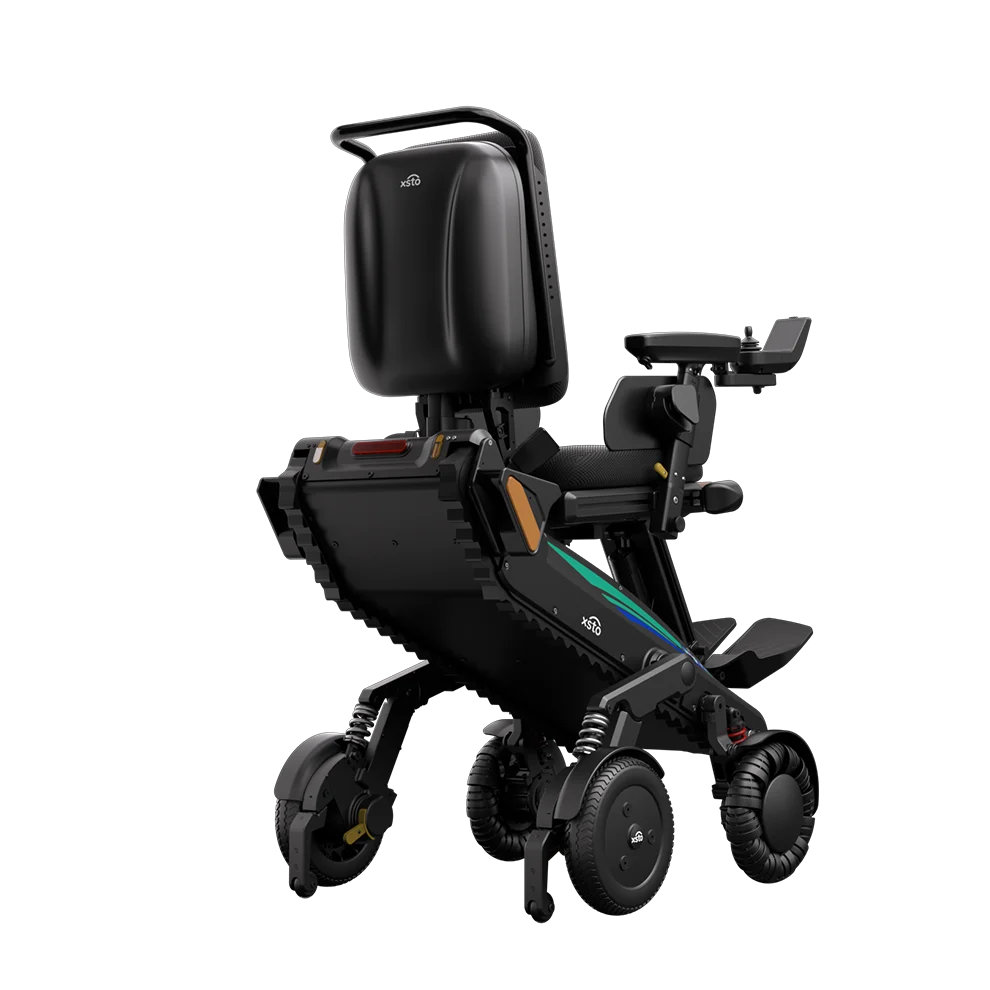
Dealers should demonstrate XSTO X12 drive modes within a planned, appropriately supervised scope based on current instructions. A sales appointment should not become an unplanned passenger stair trial.
What should a demo establish?
Show only the agreed demo scope. Name the model, audience and purpose before the session. Record what the demo establishes and what still needs separate assessment. Name the exact version in your purchase quotation.
- Define the session purpose
- Confirm equipment and supervision
- List unanswered use questions
| Check | What to keep |
|---|---|
| Define the session purpose | Demo brief |
| Confirm equipment and supervision | Prepared session record |
| List unanswered use questions | Follow-up sheet |
Key Takeaway: You can use a demo to explain the product without treating it as blanket approval for future routes.
What should a XSTO X12 drive modes comparison record contain?
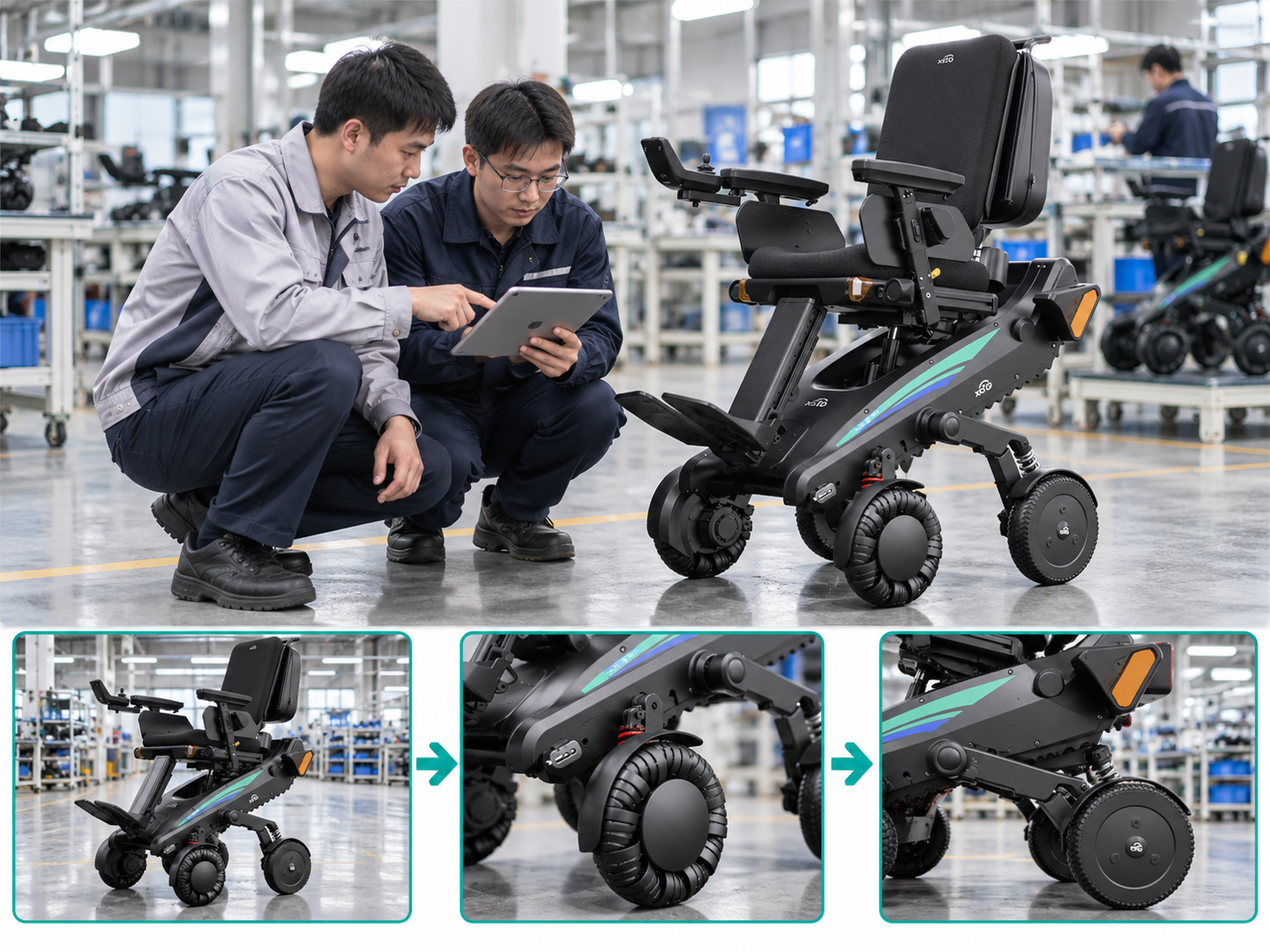
A XSTO X12 drive modes record should connect each discussed feature with its source, offered version and unresolved questions. Do not simplify a conditional manufacturer statement into a promise of automatic safety.
Keep conditions with the mode record
Put conditions beside the mode names. Keep original wording where technical meaning matters. Ask for clarification when supplier descriptions and current files disagree.
- Link each mode claim to source
- Record the exact offered version
- Retain limits and open questions
| Check | What to keep |
|---|---|
| Link each mode claim to source | Document reference |
| Record the exact offered version | Model record |
| Retain limits and open questions | Comparison sheet |
Key Takeaway: Your team can trace what supports the mode description and which decisions still require qualified review.
What should you ask about XSTO X12 drive modes before ordering?
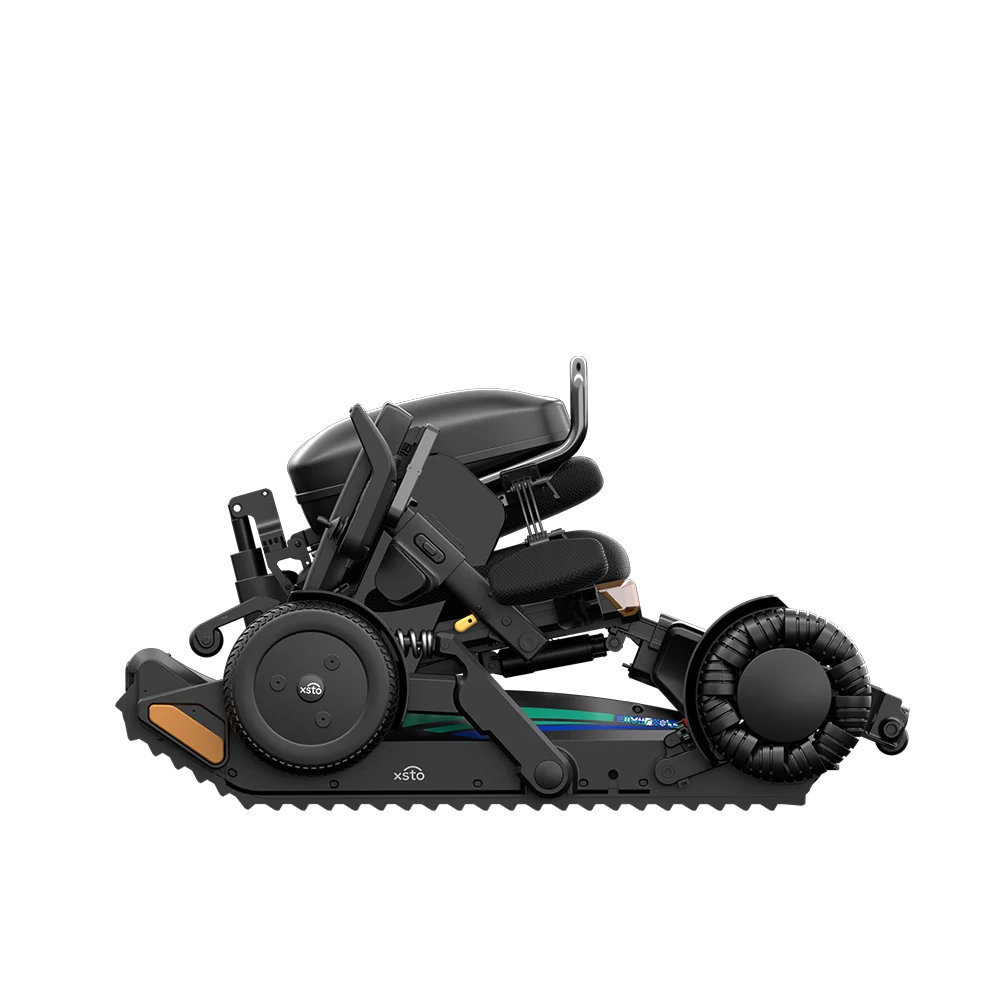
Ask about XSTO X12 drive modes using your intended route, exact model and training needs. Request the relevant instructions and a defined review plan before accepting a demo or buying commitment.
Prepare your mode questions
Request clarity before a trial. Keep commercial timing separate from technical answers. A clear question list helps the supplier identify the files and people needed for the next step.
- Name the proposed use case
- Request mode-specific source guidance
- Agree review and training scope
| Check | What to keep |
|---|---|
| Name the proposed use case | Buyer brief |
| Request mode-specific source guidance | Current manual sections |
| Agree review and training scope | Supplier response |
Key Takeaway: You can compare the wheel-track concept with your real requirements while keeping operating decisions within their proper scope. Contact us with your X12 model, intended use and purchasing questions so we can discuss the product information you need. AryMD supports buying decisions grounded in clear model facts.
Frequently asked questions
Q1: Can a mode name prove that X12 suits my route?
No. Check the exact manufacturer's conditions and seek the appropriate site and personal assessment before making a suitability claim.
Q2: What's the best way to compare mode descriptions?
Use current files for the offered version. Keep the described function separate from the conditions required for actual use.
Q3: How do I know what a control button does?
Use the supplied manual and qualified instruction. Do not infer a function or permitted task from an icon or another model's video.
Q4: Can automatic features remove operator training needs?
No. Required training and assessment still apply; assistance features do not prove that a person understands their limits or warnings.
Q5: Can I show an obstacle video as proof of general capability?
No. Keep the model, setup and demonstrated conditions clear, and do not extend a specific demo into a promise about every route.