
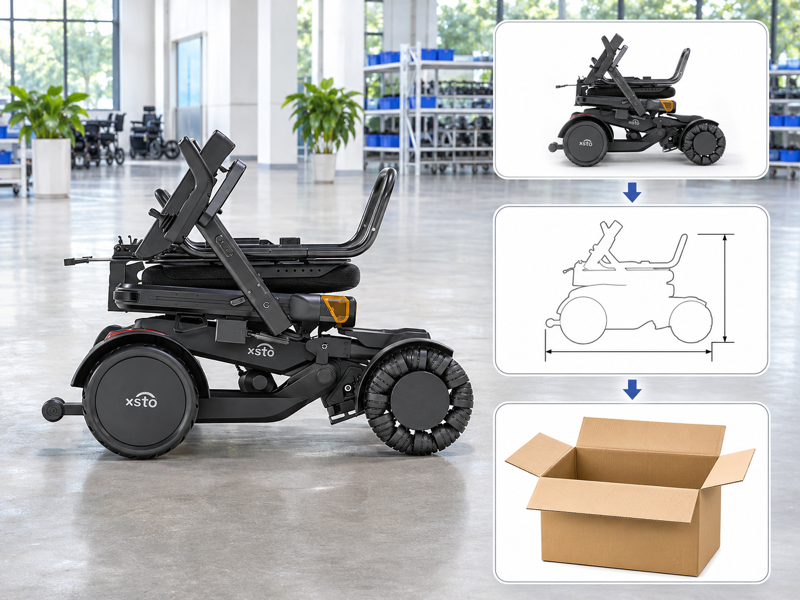
Prepare an XSTO M4Pro car transport plan around the actual vehicle and the exact product state being carried. A folded-size claim can hide a smaller boot opening or an additional bag of parts. The difficulty then appears at loading time. Match current product data with vehicle measurements and the responsible handling review before purchase.
What should an XSTO M4Pro car transport review start with?
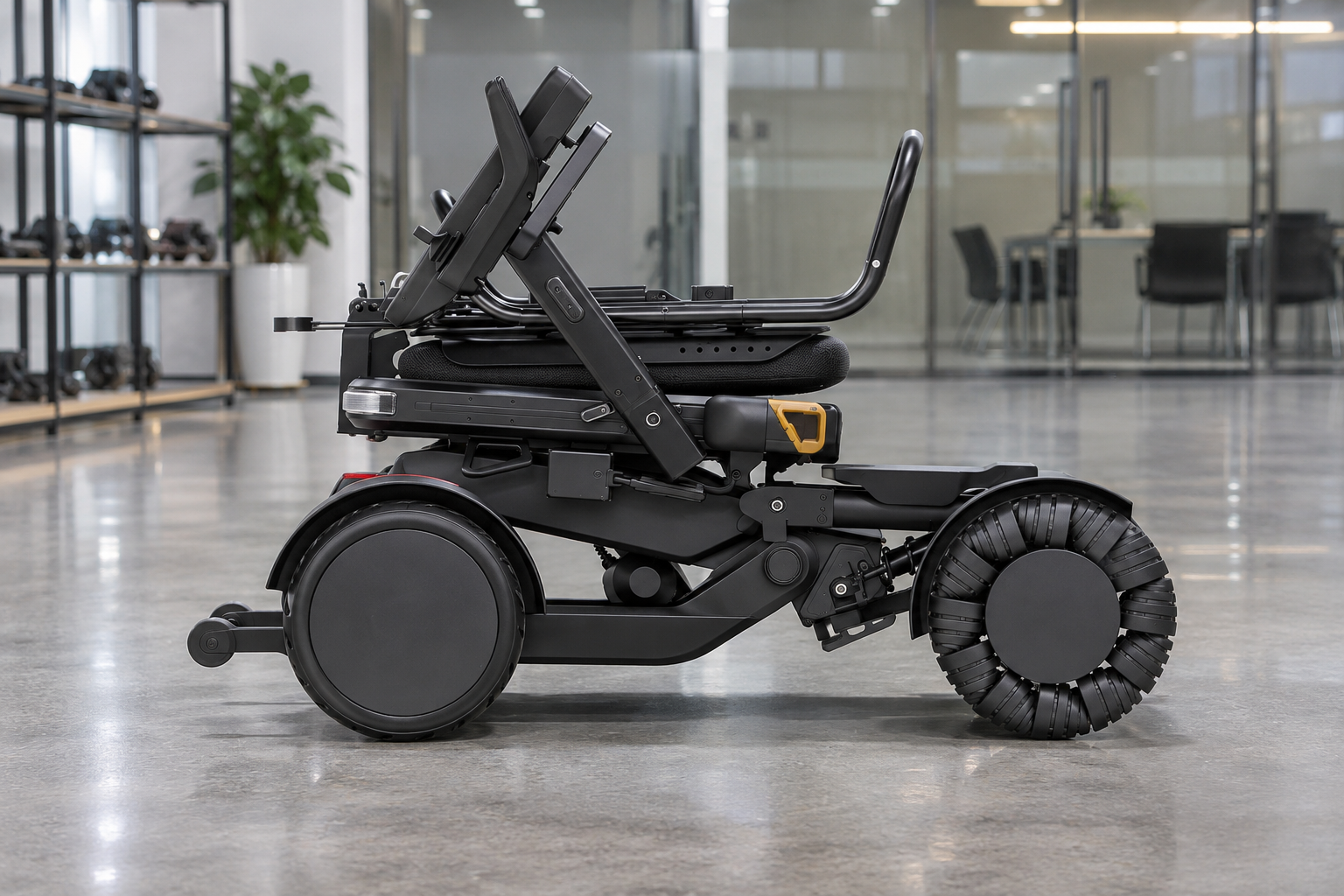
An XSTO M4Pro car transport review should start with the actual vehicle and the exact product state being transported. A general car-trunk claim does not identify the opening, load area or handling task you will face.
Name the vehicle and the load
Start with measurable details. Record the relevant opening and internal space for the responsible reviewer. Ask the supplier which chair arrangement its transport dimensions describe. WHO guidance supports assessment, fitting and follow-up.
- Vehicle identity
- Product state
- Handling task
| Review point | What to confirm |
|---|---|
| Vehicle identity | Actual model and access point |
| Product state | Defined compact arrangement |
| Handling task | Planned loading process |
Key Takeaway: You can review the real transport problem instead of relying on a general portability phrase.
Which dimensions should be measured on the vehicle?
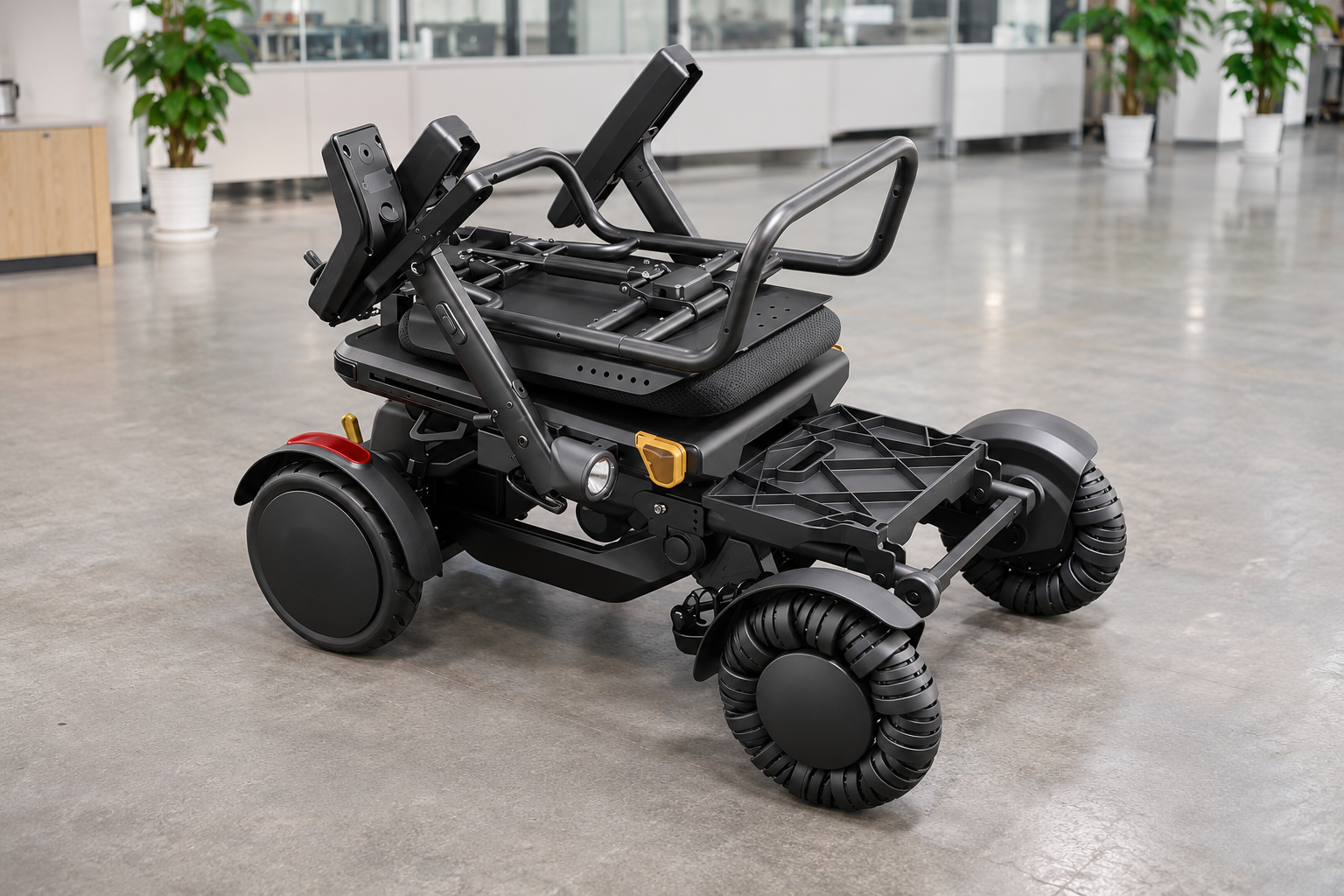
For XSTO M4Pro car transport, the relevant vehicle dimensions include the entry opening and the space available for the defined load. A wide boot floor may still sit behind a smaller opening or an awkward approach.
Which part of the entry limits the task?
Keep the opening and load area separate. Provide clear measurements and photographs to the person planning the task. Do not treat a single width as proof that the product will fit. Use clearly labeled dimensions for both sides of the comparison.
- Entry opening
- Load area
- Approach context
| Review point | What to confirm |
|---|---|
| Entry opening | Relevant width and height |
| Load area | Available internal envelope |
| Approach context | Actual access geometry |
Key Takeaway: You can identify which part of the vehicle needs closer review.
How should XSTO M4Pro car transport use product dimensions?
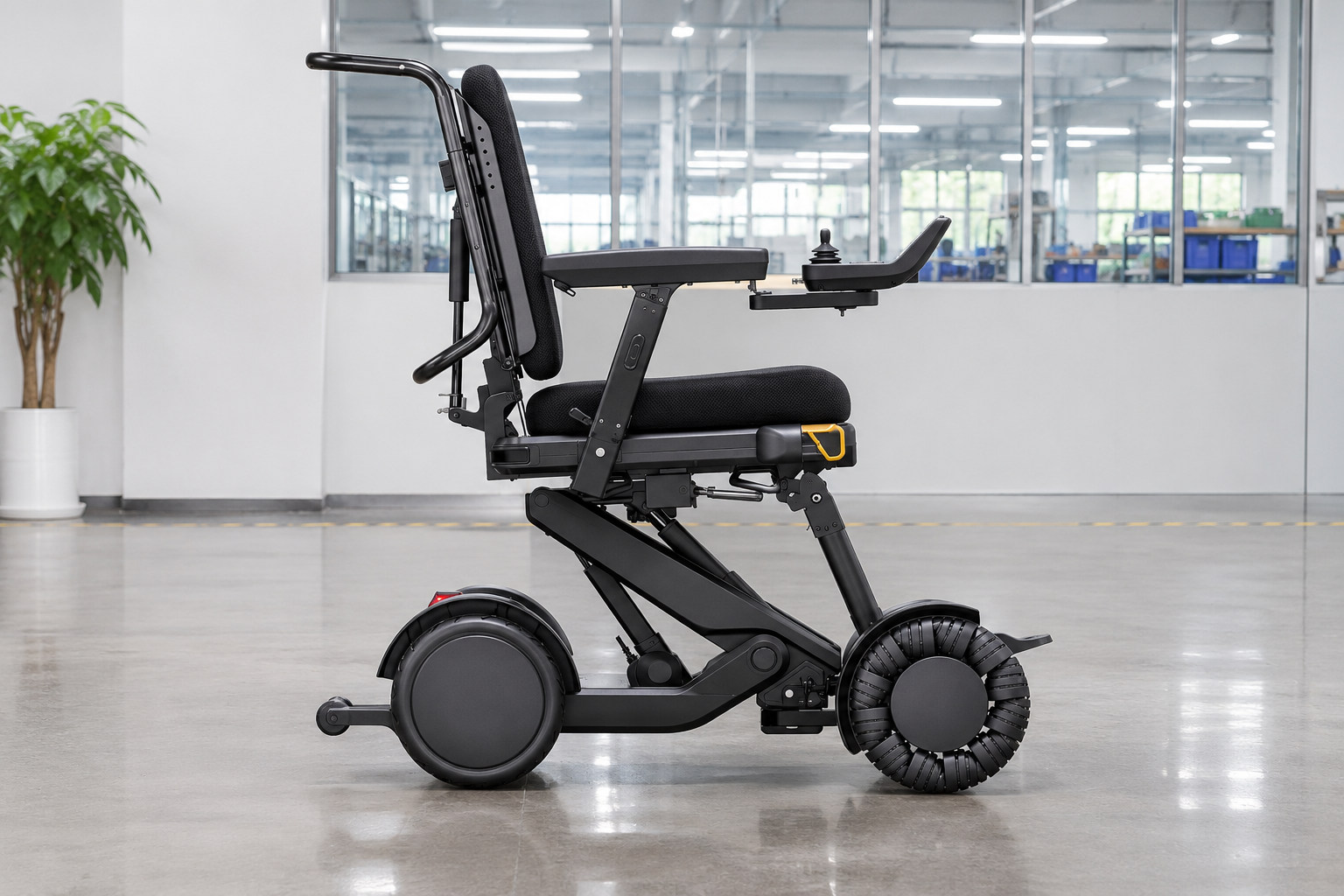
XSTO M4Pro car transport should use one confirmed set of dimensions for a named product state. The supplied materials show different folded figures, so their configuration and endpoints need clarification before comparison.
Match the size record to the photo
The dimensions need a visible state. Ask for the current length, width and height of the offered arrangement. Keep any separately carried parts outside that main envelope and listed individually.
- Confirmed dimensions
- Matching state
- Separate items
| Review point | What to confirm |
|---|---|
| Confirmed dimensions | Current labeled set |
| Matching state | Supplier photograph |
| Separate items | Additional parts and bags |
Key Takeaway: You can avoid undercounting the space required by the complete transport load.
How should weight be defined for loading plans?
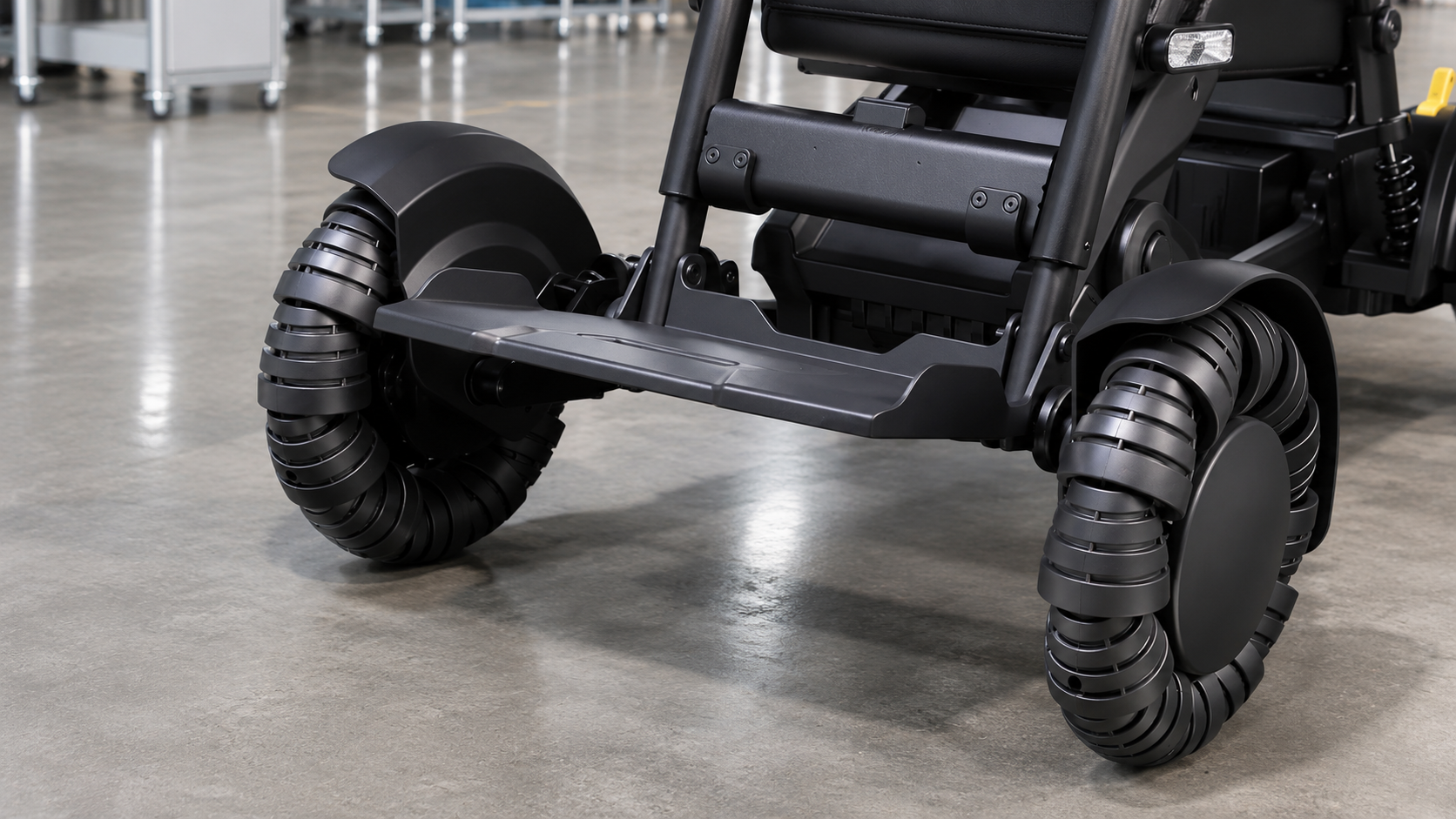
Weight for XSTO M4Pro car transport should describe the actual handled item set, including any fitted parts or bag that stays with it. Product mass, battery mass and gross shipment mass are different fields.
Name what remains together
The handling load needs its own definition. Ask for current figures and the applicable handling guidance. Do not convert a compact-size claim into a lifting method or staffing assumption.
- Handled item set
- Mass definition
- Task review
| Review point | What to confirm |
|---|---|
| Handled item set | Exact parts together |
| Mass definition | Supplier's stated scope |
| Task review | Responsible handling plan |
Key Takeaway: You can give the handling reviewer information that matches the proposed load.
Can XSTO M4Pro car transport use any ramp or hoist?
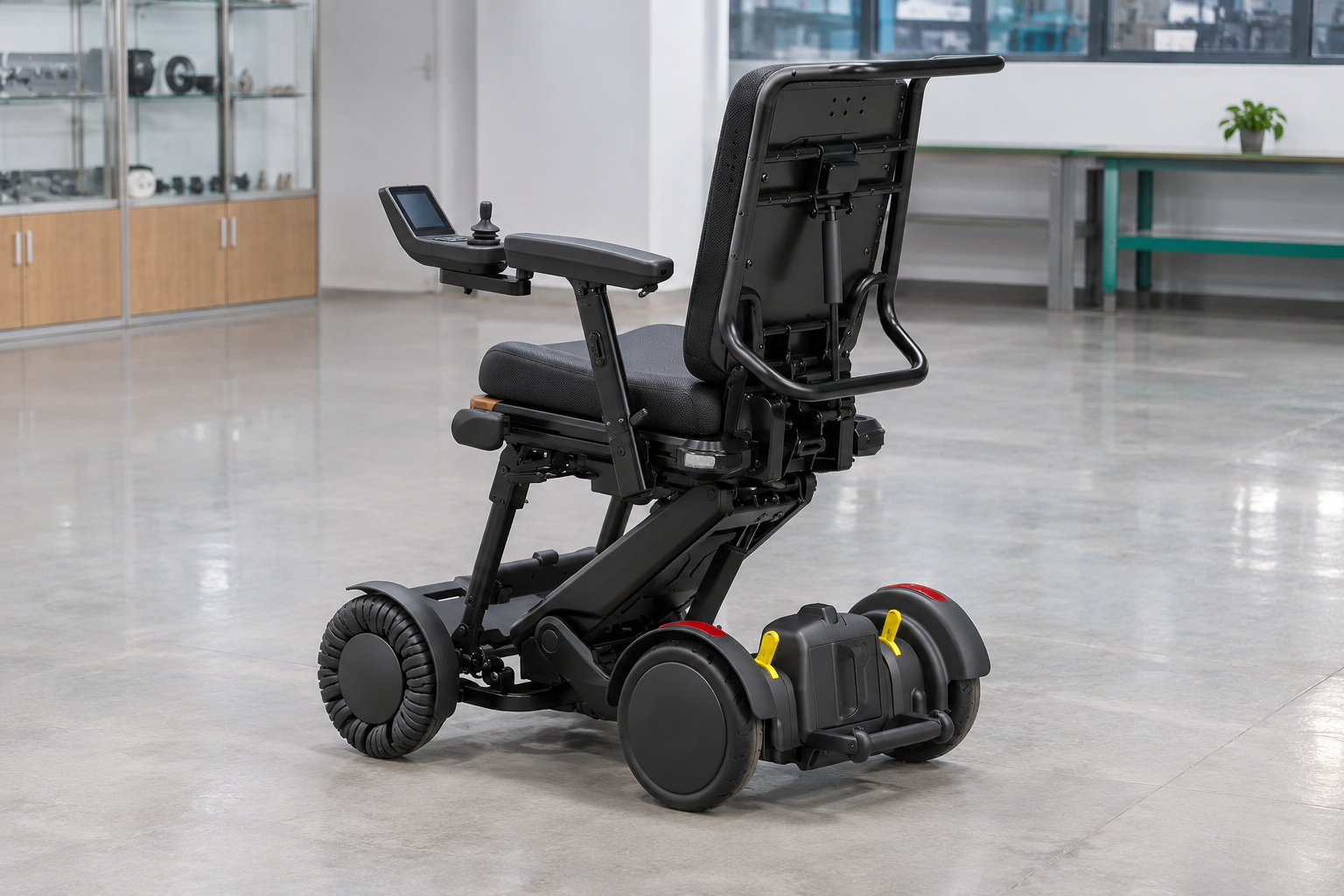
No, XSTO M4Pro car transport requires a specific compatibility review for the proposed ramp, hoist or other handling equipment. Capacity alone does not settle geometry, contact points or permitted use.
Check the complete combination
Each item has its own guidance. Provide the exact product data to the equipment provider. Use its documented review process rather than assuming a generic accessory will work. Bring that combination into the loading-equipment review.
- Handling equipment
- Compatibility data
- Provider decision
| Review point | What to confirm |
|---|---|
| Handling equipment | Exact proposed model |
| Compatibility data | Dimensions mass and permitted points |
| Provider decision | Documented review result |
Key Takeaway: You can avoid choosing loading equipment from a single capacity number.
Does a cargo-fit check approve occupied vehicle travel?
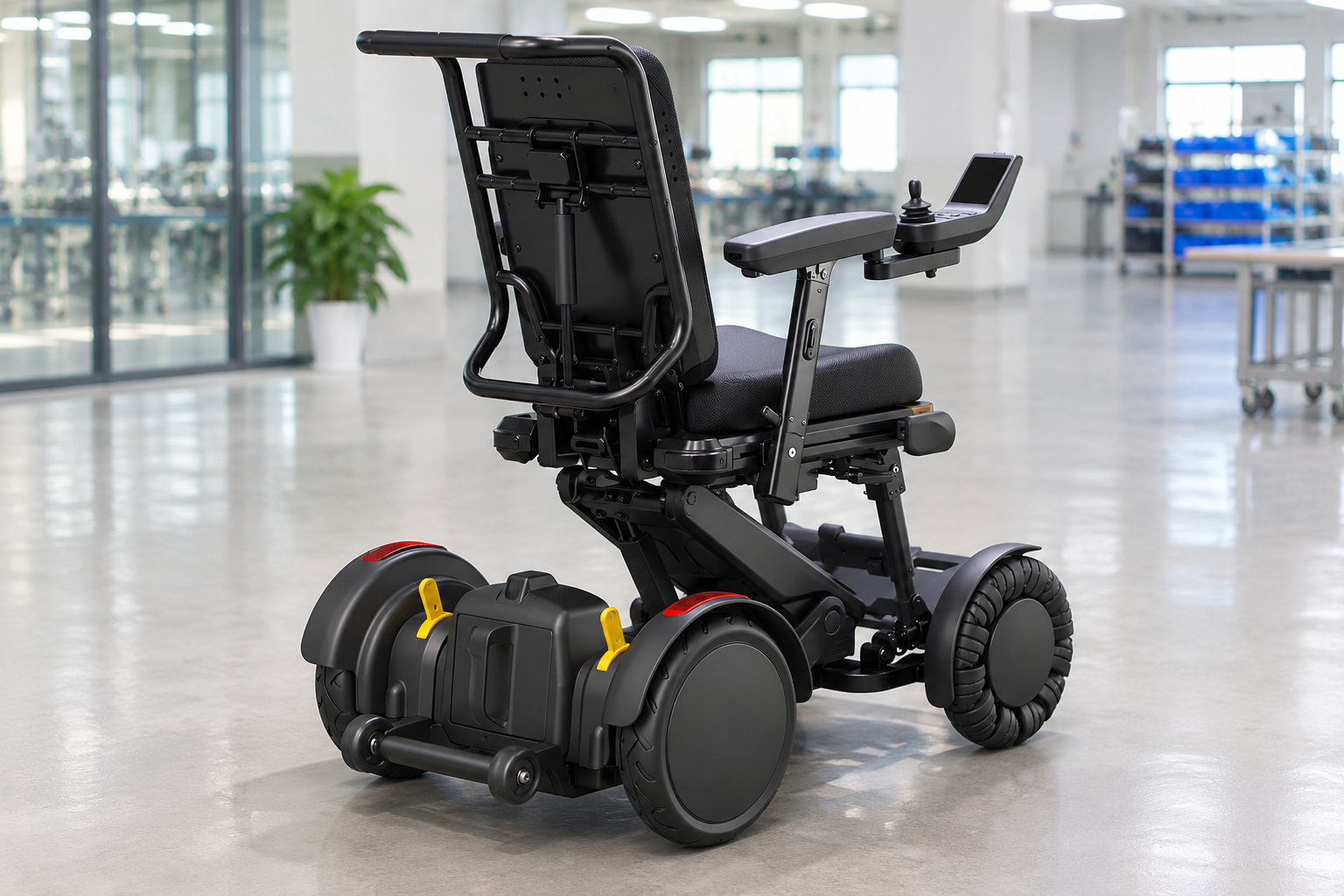
No, an XSTO M4Pro car transport cargo-fit check does not establish that the chair may be used as an occupied vehicle seat. That is a separate question requiring appropriate product and transport evidence.
Keep the passenger-seat question separate
A fitted load is not a transport approval. Ask the responsible transport provider what documentation applies to the actual arrangement. Do not infer crash-test status from a product photo or tie-down-looking frame part.
- Proposed transport use
- Required evidence
- Decision owner
| Review point | What to confirm |
|---|---|
| Proposed transport use | Empty cargo or occupied seating |
| Required evidence | Applicable product and vehicle documents |
| Decision owner | Responsible transport provider |
Key Takeaway: You can prevent a storage comparison from being mistaken for occupied-transport approval.
How should the battery enter the car-transport brief?
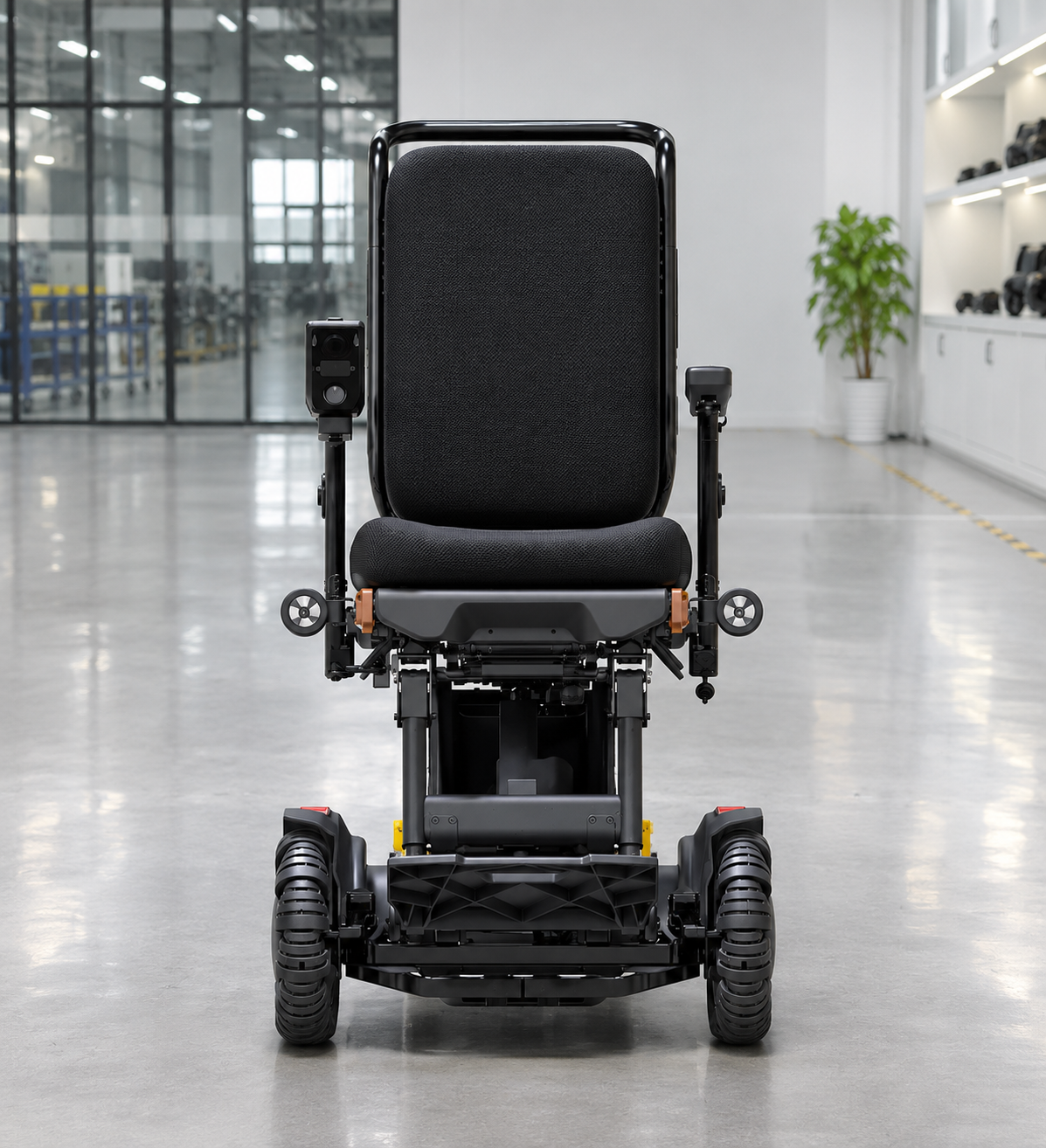
An XSTO M4Pro car transport brief should state the actual battery configuration and the maker's relevant transport guidance. Battery handling should follow the matching instructions rather than a rule borrowed from another chair.
Record the power setup
The battery is part of the transport question. Ask which documented state applies and what the responsible handler needs to know. Keep passenger-airline rules out of a road-loading conclusion.
- Battery identity
- Transport state
- Handling information
| Review point | What to confirm |
|---|---|
| Battery identity | Exact fitted pack |
| Transport state | Applicable maker guidance |
| Handling information | Responsible provider's requirements |
Key Takeaway: You can describe the transported configuration without mixing different modes of transport.
What should a loading demonstration record?
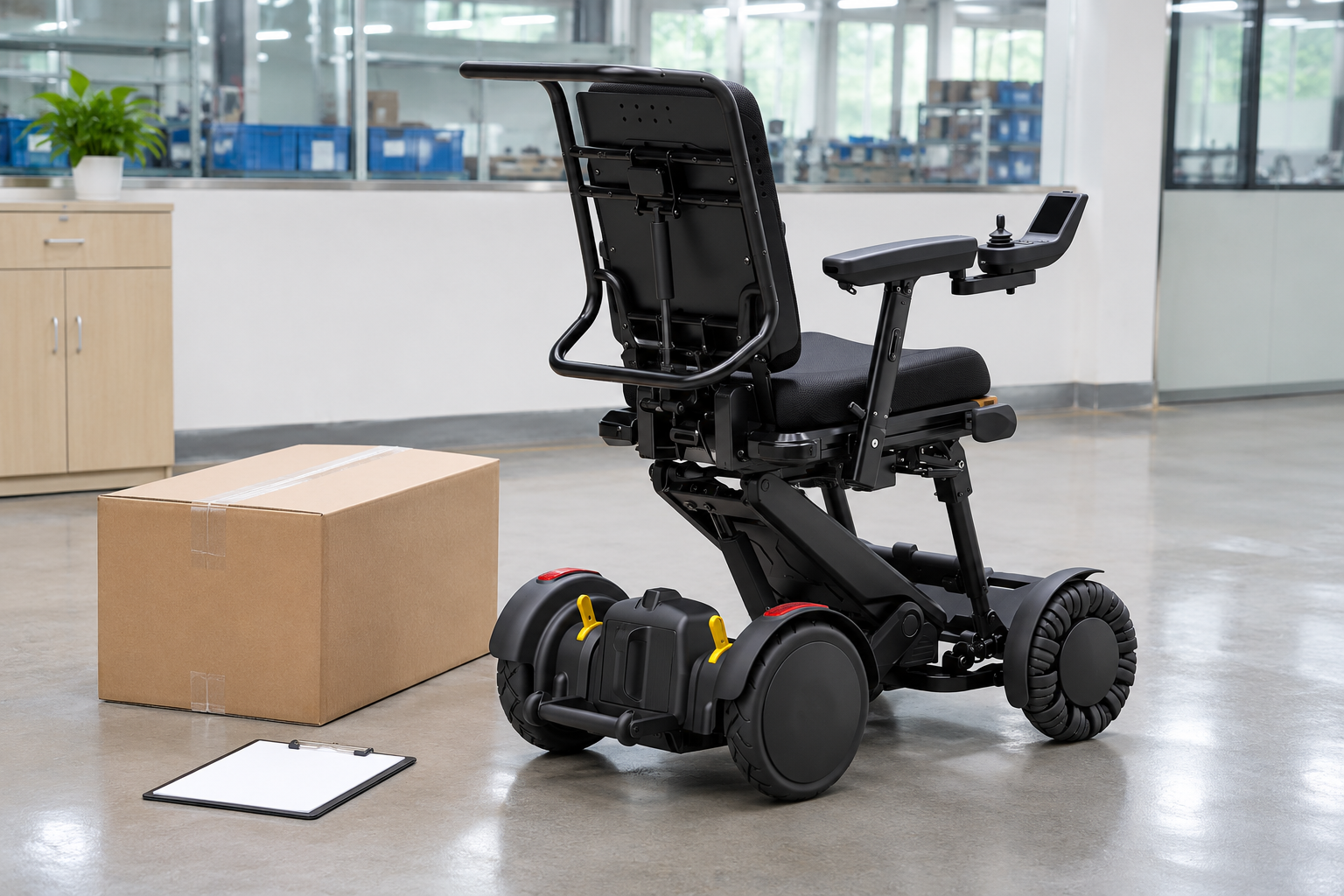
A demonstration for XSTO M4Pro car transport should record the actual vehicle, product state and scope reviewed by the responsible provider. A successful display with another car does not prove the same result for yours.
Use the vehicle that matters
The example needs a clear scope. Keep the relevant dimensions and handling plan with the demonstration record. Note any unresolved point rather than declaring a universal fit. Keep protection and package questions in the relevant transport record.
- Vehicle reference
- Product arrangement
- Review outcome
| Review point | What to confirm |
|---|---|
| Vehicle reference | Actual demonstrated vehicle |
| Product arrangement | Exact transported state |
| Review outcome | Confirmed scope and open questions |
Key Takeaway: You can judge what the demonstration established without extending it to other vehicles.
What should an XSTO M4Pro car transport checklist retain?
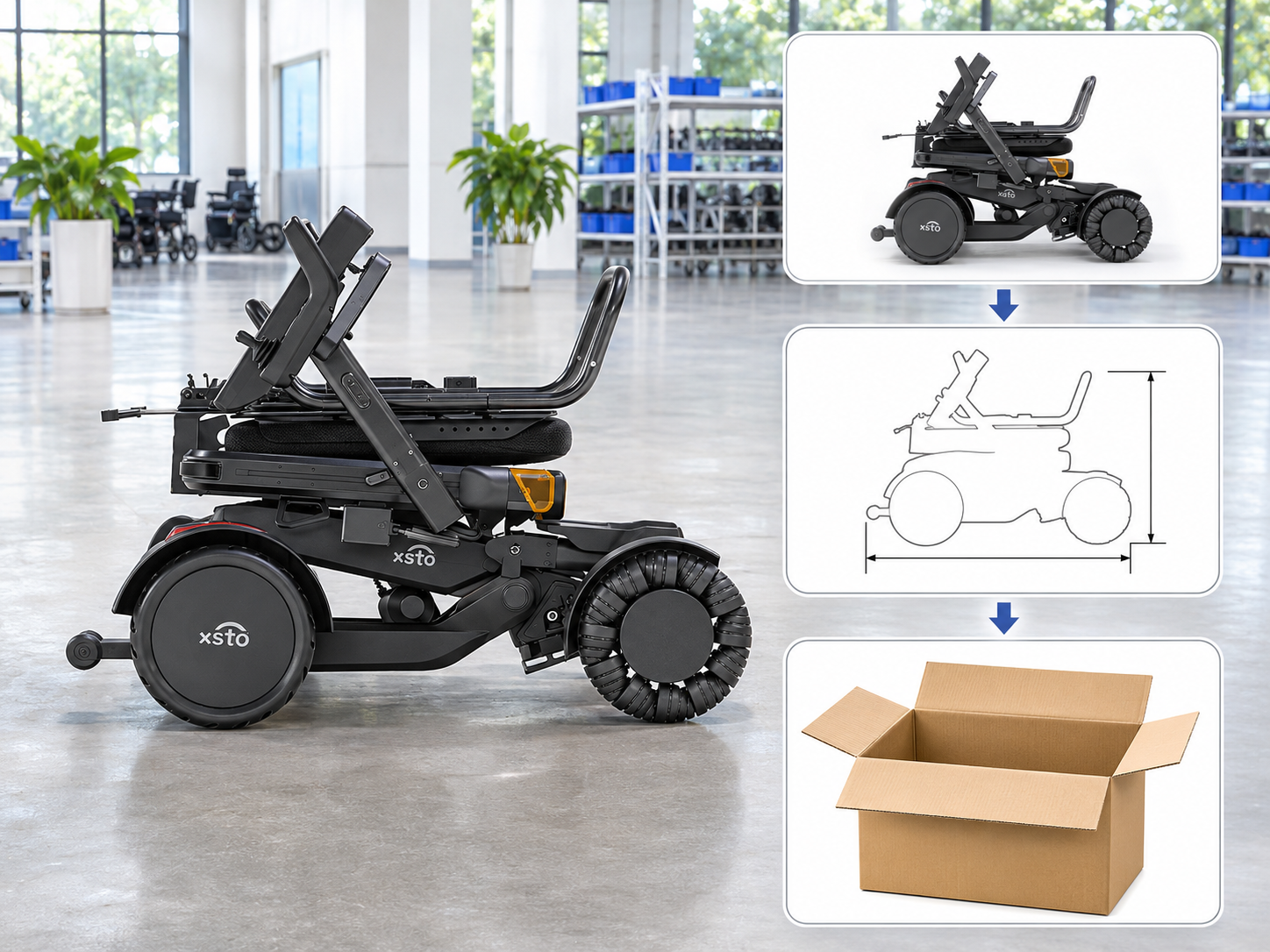
An XSTO M4Pro car transport checklist should retain confirmed dimensions, defined masses, the applicable guidance and responsible decisions. It should identify which information came from the supplier and which came from the vehicle review.
Keep the evidence in one place
Different teams may own different facts. Use a dated product record and the actual vehicle measurements. Update the review when a relevant accessory, battery or vehicle changes.
- Product facts
- Vehicle facts
- Decision history
| Review point | What to confirm |
|---|---|
| Product facts | Current supplier record |
| Vehicle facts | Measured site information |
| Decision history | Named review and changes |
Key Takeaway: You can revisit the transport plan without reconstructing its assumptions.
How can you request XSTO M4Pro car transport details?
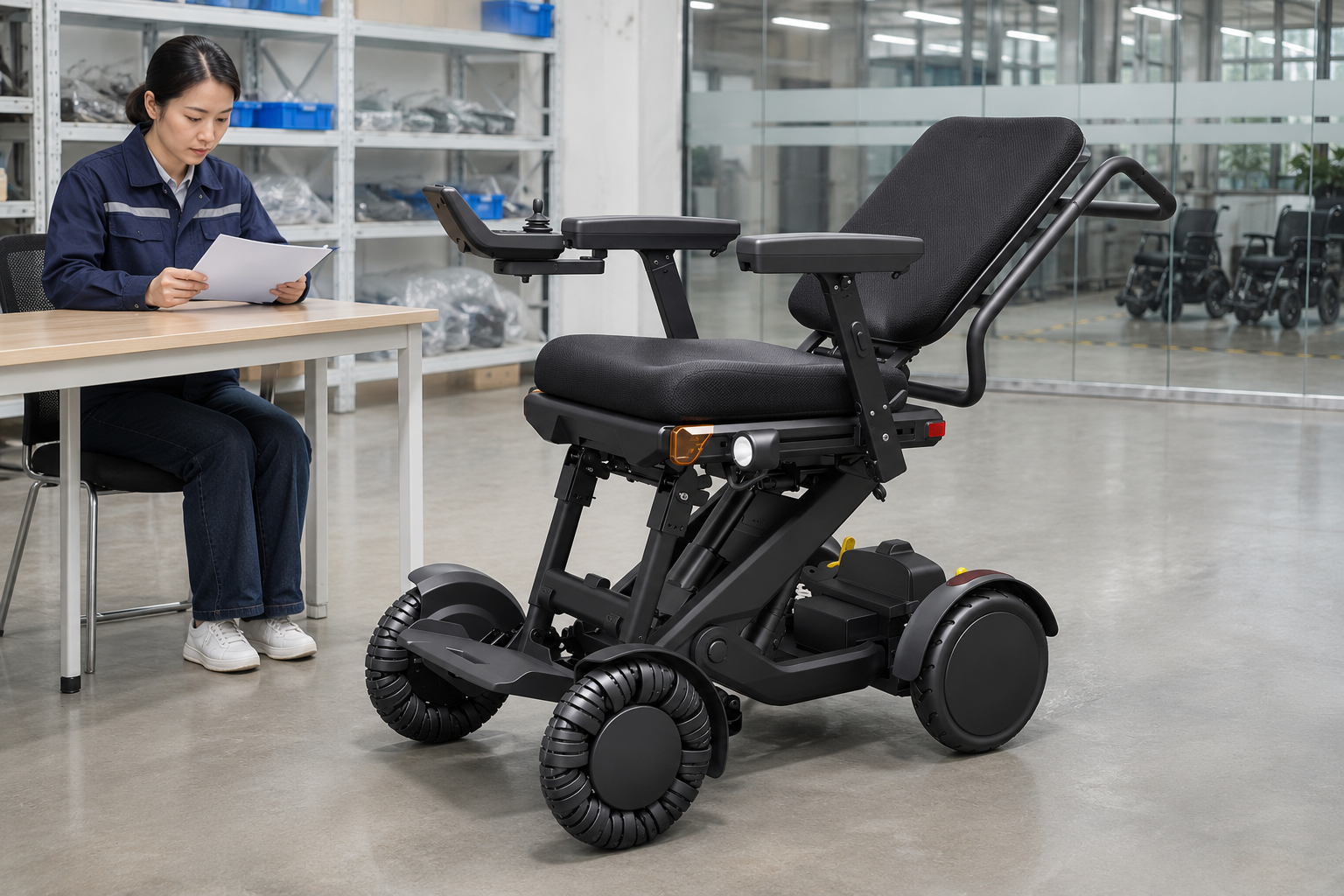
Request XSTO M4Pro car transport details with the actual vehicle, proposed product state and the handling question you need to resolve. Ask for current dimensions, defined masses and matching instructions.
Prepare a vehicle-specific brief
Make the load and entry point clear. Use the supplier's reply alongside the responsible vehicle and handling review. Keep unresolved compatibility questions outside the purchasing assumption.
- Vehicle context
- Product state
- Requested information
| Review point | What to confirm |
|---|---|
| Vehicle context | Actual opening and load area |
| Product state | Documented arrangement |
| Requested information | Dimensions masses and guidance |
Key Takeaway: You can make a transport-informed purchase without relying on a fits-any-car claim. Contact us with your M4 Pro configuration and purchasing questions so we can discuss the product information and written scope you need. AryMD puts clear product facts at the center of buying decisions.
Frequently asked questions
Q1: Can I rely on a fits-most-cars statement?
No. The actual entry opening, load area and handling task need a specific review for the proposed arrangement.
Q2: What's the best product size to request for the comparison?
Request the complete envelope for the named transport state. List separately carried parts and bags as additional items.
Q3: How do I know whether a ramp or hoist is compatible?
Give the exact product and task information to the handling-equipment provider. Capacity alone does not establish the complete match.
Q4: Does fitting the chair in a vehicle approve occupied travel?
No. Using a wheelchair as an occupied vehicle seat requires its own applicable product and transport evidence.
Q5: Should I repeat the review after changing vehicles or accessories?
Yes, when the change affects the load or task. Keep the new information linked to the revised transport decision.