
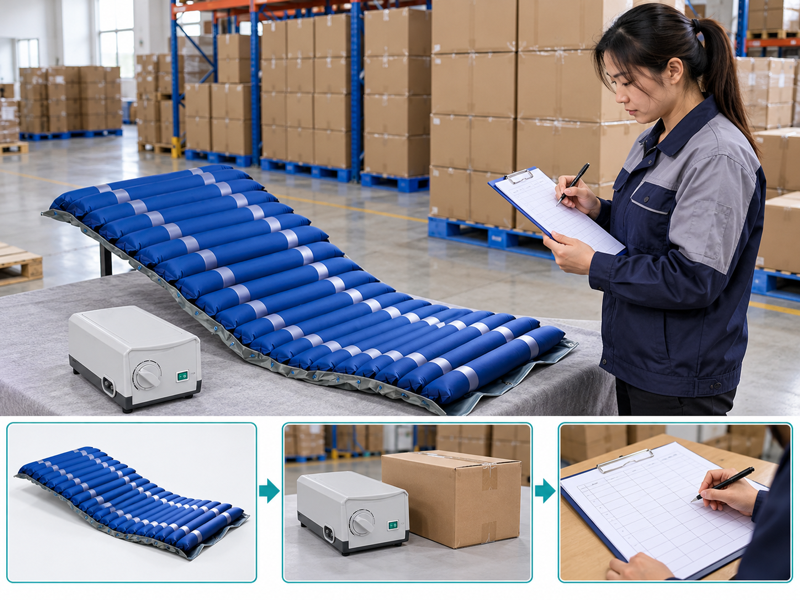
Base air mattress stock planning on complete approved sets, usable stock and the time needed to receive released replacements. A Spanish distributor may count enough mattresses while several compatible pumps remain on service hold. Separating those states makes the next purchasing quantity easier to explain.
What should air mattress stock planning count?
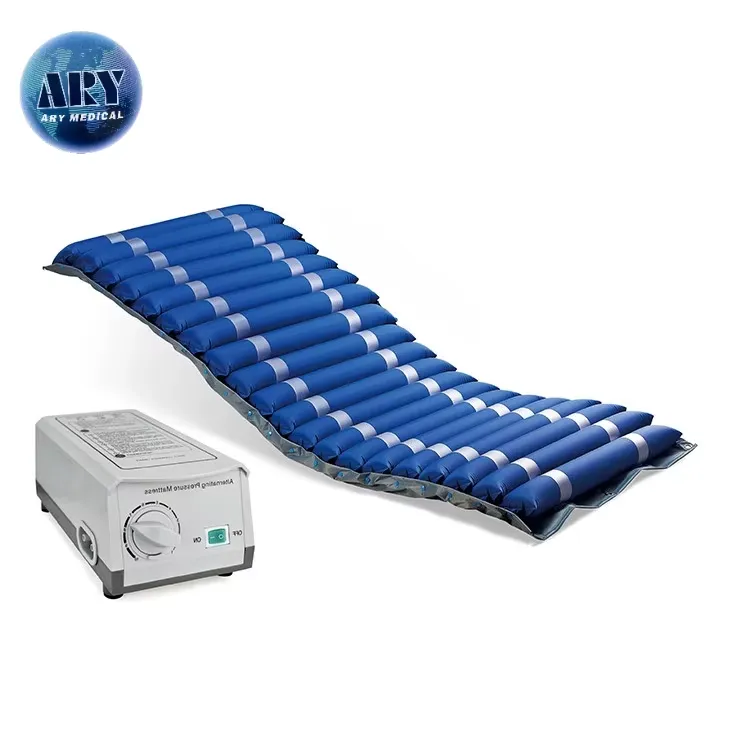
Air mattress stock planning should count the mattress, approved pump and required accessories as a complete system where applicable. A store full of mattresses may still lack the pumps needed for ready supply.
Count complete released sets
Count complete released systems. Use model and part codes to distinguish available sets. Keep incomplete or unresolved items separate from released stock.
- Mattress stock
- Matched pumps
- Ready sets
| Check | Record or reference |
|---|---|
| Mattress stock | Register |
| Matched pumps | Parts record |
| Ready sets | Status |
Key Takeaway: The stock total reflects what can actually be supplied.
How should different mattress formats be separated?

For air mattress stock planning, separate systems when their format, components, instructions or care needs differ. Similar color or packaging does not establish interchangeability.
Separate product types and versions
Keep product types and versions visible. Retain supplier codes alongside internal stock references. Use the maker's compatibility records when grouping parts.
- Product type
- Version
- Compatible parts
| Check | Record or reference |
|---|---|
| Product type | Model file |
| Version | ID |
| Compatible parts | Maker list |
Key Takeaway: The stock plan does not conceal mismatched systems.
Which demand records are useful?

Air mattress stock planning should use relevant purchase, issue or rental records with a clear review period. A temporary loan may affect stock differently from a sale.
Use the right demand measure
Match the measure to the operation. Separate one-time projects and unusual events from routine demand. Label estimates where the records are incomplete.
- Demand type
- Review period
- One-time event
| Check | Record or reference |
|---|---|
| Demand type | Transaction code |
| Review period | Plan |
| One-time event | Note |
Key Takeaway: The next order has a visible demand basis.
Which stock should stay outside the available balance?

For air mattress stock planning, incomplete, returned, damaged or unreviewed systems should not automatically count as ready stock. Physical presence on a shelf does not establish release for the intended use.
Exclude unresolved stock holds
Exclude units awaiting the required release. Use clear statuses under the maker's and site's processes. Assign unresolved holds to responsible reviewers. Keep the bed model associated with each reviewed mattress setup identifiable.
- Stock status
- Hold reason
- Release owner
| Check | Record or reference |
|---|---|
| Stock status | Register |
| Hold reason | Case note |
| Release owner | Record |
Key Takeaway: Availability can reflect the actual product condition and process stage.
How should replacement parts support the plan?

Air mattress stock planning may include approved hoses, covers or pumps where the maker supports those replacements. A generic accessory inventory can create matching problems later.
Plan supported service parts
Stock only confirmed compatible references. Use current part-to-model mapping and service terms. Keep unsupported substitutions outside the purchasing plan.
- Approved part
- Model match
- Service route
| Check | Record or reference |
|---|---|
| Approved part | Code |
| Model match | Mapping |
| Service route | Guide |
Key Takeaway: The support stock can be linked to the systems in service.
How should replenishment time be measured?

For air mattress stock planning, timing should cover order approval, supply, transport, receiving and the required release work. Production completion alone is not the ready-stock date.
Measure the full replenishment route
Use the full route to usable receipt. Compare quoted timing with actual completed orders. Keep delayed or uncertain incoming quantities clearly marked. Separate wider hospital-furniture deliveries where their supply stages differ.
- Quoted timing
- Actual receipt
- Release stage
| Check | Record or reference |
|---|---|
| Quoted timing | Offer |
| Actual receipt | Records |
| Release stage | Process log |
Key Takeaway: The planning interval includes the stages your operation needs.
What should a reserve quantity reflect?
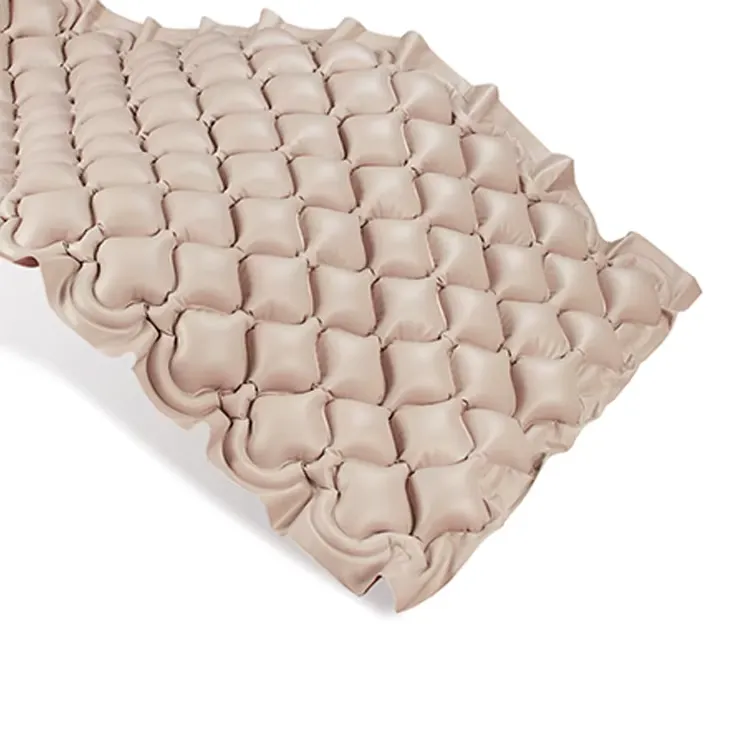
Air mattress stock planning reserves should reflect demand variation, service holds and the operation's agreed commitments. A universal spare percentage ignores those differences.
Justify reserve quantities
Tie the reserve to an identified need. Have the responsible team review storage, cost and availability together. Update the assumptions when use or supply conditions change.
- Demand variation
- Service holds
- Reserve basis
| Check | Record or reference |
|---|---|
| Demand variation | History |
| Service holds | Records |
| Reserve basis | Decision note |
Key Takeaway: The reserve has a reason that can be reviewed.
How should storage conditions be included?
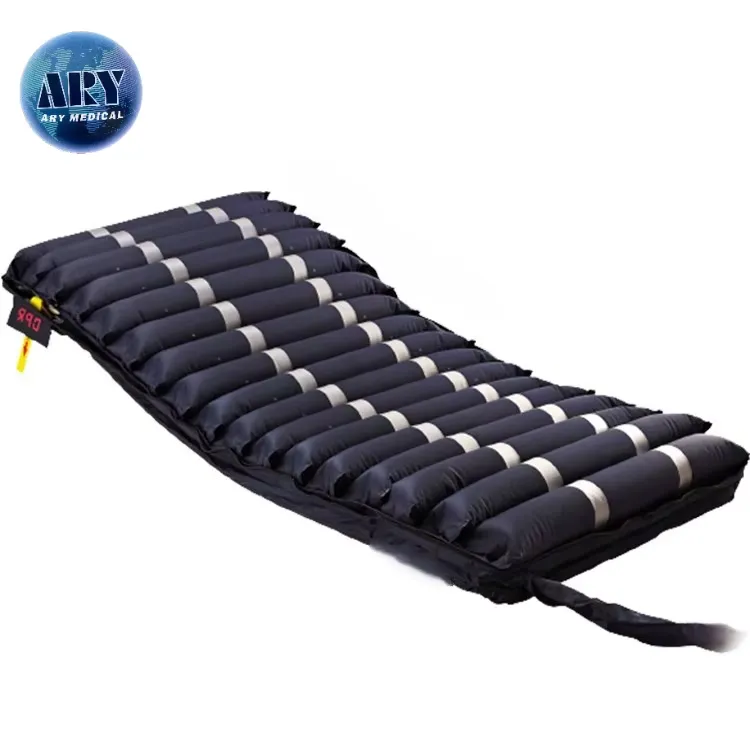
Air mattress stock planning should include the maker's storage and packing limits for mattresses, pumps and accessories. A compact storage method is not acceptable merely because it saves shelf space.
Include storage requirements
Use the guidance for each system component. Keep product identity and status visible during storage. Review uncertain condition or packaging changes before dispatch. Preserve model identity for air-mattress formats sharing a storage area.
- Storage limits
- Packing state
- Dispatch status
| Check | Record or reference |
|---|---|
| Storage limits | Manual |
| Packing state | Guide |
| Dispatch status | Record |
Key Takeaway: Stored equipment remains identifiable for a release decision.
When should the plan be revised?
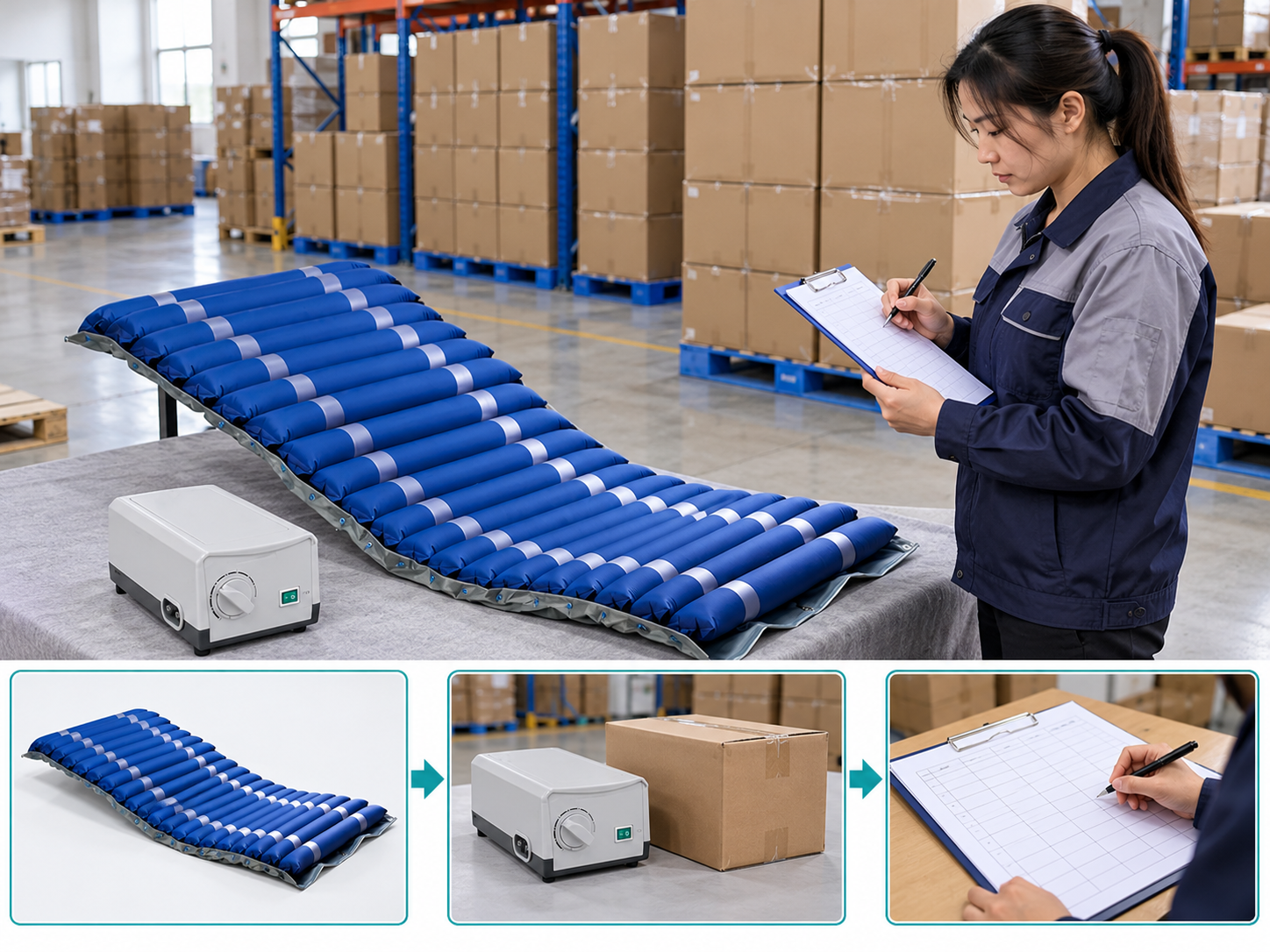
Update air mattress stock planning when product versions, care processes, demand or supply timing change. Copying an old purchase quantity can miss a changed pump or a growing service hold.
Review changed planning inputs
Review meaningful changes in demand or supply. Compare the plan with actual receipt and issue records. Adjust the input that changed rather than replacing every planning rule at once. The WHO assistive-product specifications provide broader procurement context.
- Changed input
- Actual outcome
- Revised plan
| Check | Record or reference |
|---|---|
| Changed input | Review note |
| Actual outcome | Records |
| Revised plan | Approval |
Key Takeaway: Each order can improve the next planning decision.
What should a stock-related enquiry specify?
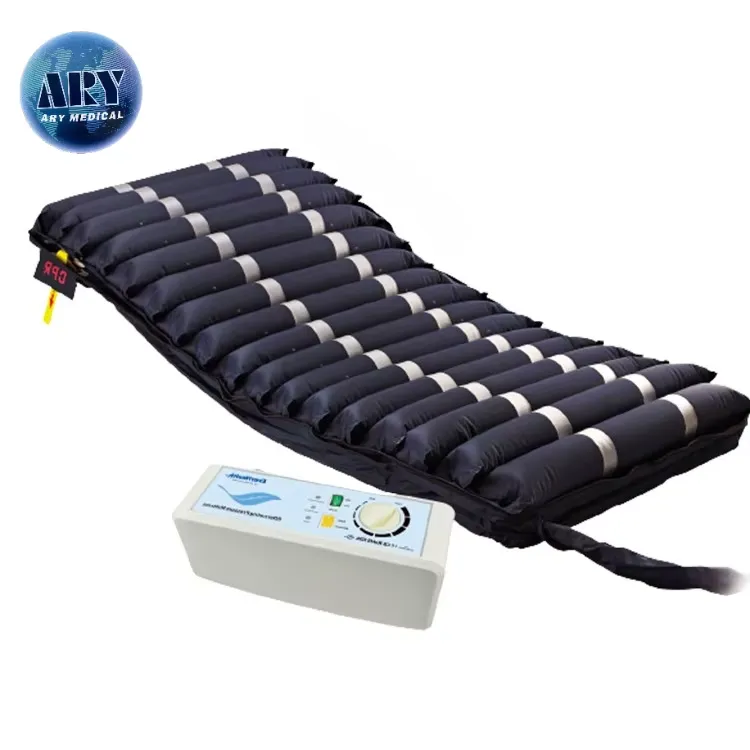
An air mattress stock planning enquiry should state the required models, complete sets, quantities and desired receipt window. Keep forecasts separate from confirmed commitments.
What should you do next?
Order the complete supported supply scope. Ask for current compatibility files, packing details and supply terms. Use those facts to close the plan before approving an order.
- Complete sets
- Quantity basis
- Supply terms
| Check | Record or reference |
|---|---|
| Complete sets | Brief |
| Quantity basis | Planning sheet |
| Supply terms | Offer |
Key Takeaway: The next purchase can meet a defined stock need. To discuss the model and documents for your order, contact us with your requirements. At AryMD, useful product facts should support every care-equipment purchase.
Frequently asked questions
Q1: Can every mattress on a shelf count as available stock?
No. Count complete systems released for the intended supply and keep incomplete or held items separate.
Q2: What’s the best reserve percentage for every distributor?
There is no universal percentage. Use your demand variation, service holds, storage and agreed commitments.
Q3: How do I know which pump can be paired with spare mattresses?
Use the maker's current model-to-part mapping and retain the exact approved references.
Q4: Can production completion be treated as the ready-stock date?
No. Include transport, receiving and required release stages in the replenishment plan.
Q5: Should forecasts and confirmed orders share the same status?
No. Keep planning estimates distinct from commitments so incoming stock is not misunderstood.