
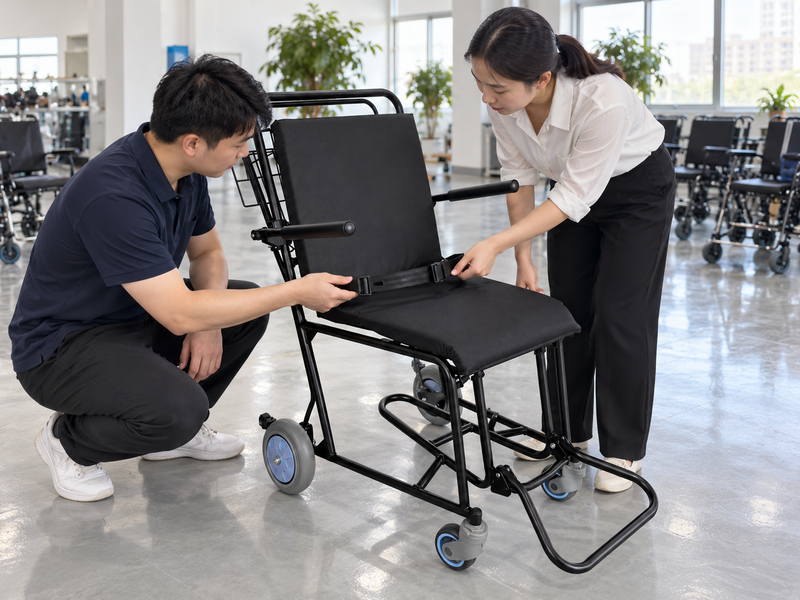
Check an airport wheelchair belt by identifying the exact attendant chair, inspecting its lap strap, buckle and anchors, and recording the result for each shift. A fleet buyer may see a belt in a product photo and assume it is approved for every transport setting. The maker's stated use, trained inspection and operator acceptance process define what can actually be claimed.
Which belt is fitted to this airport chair?
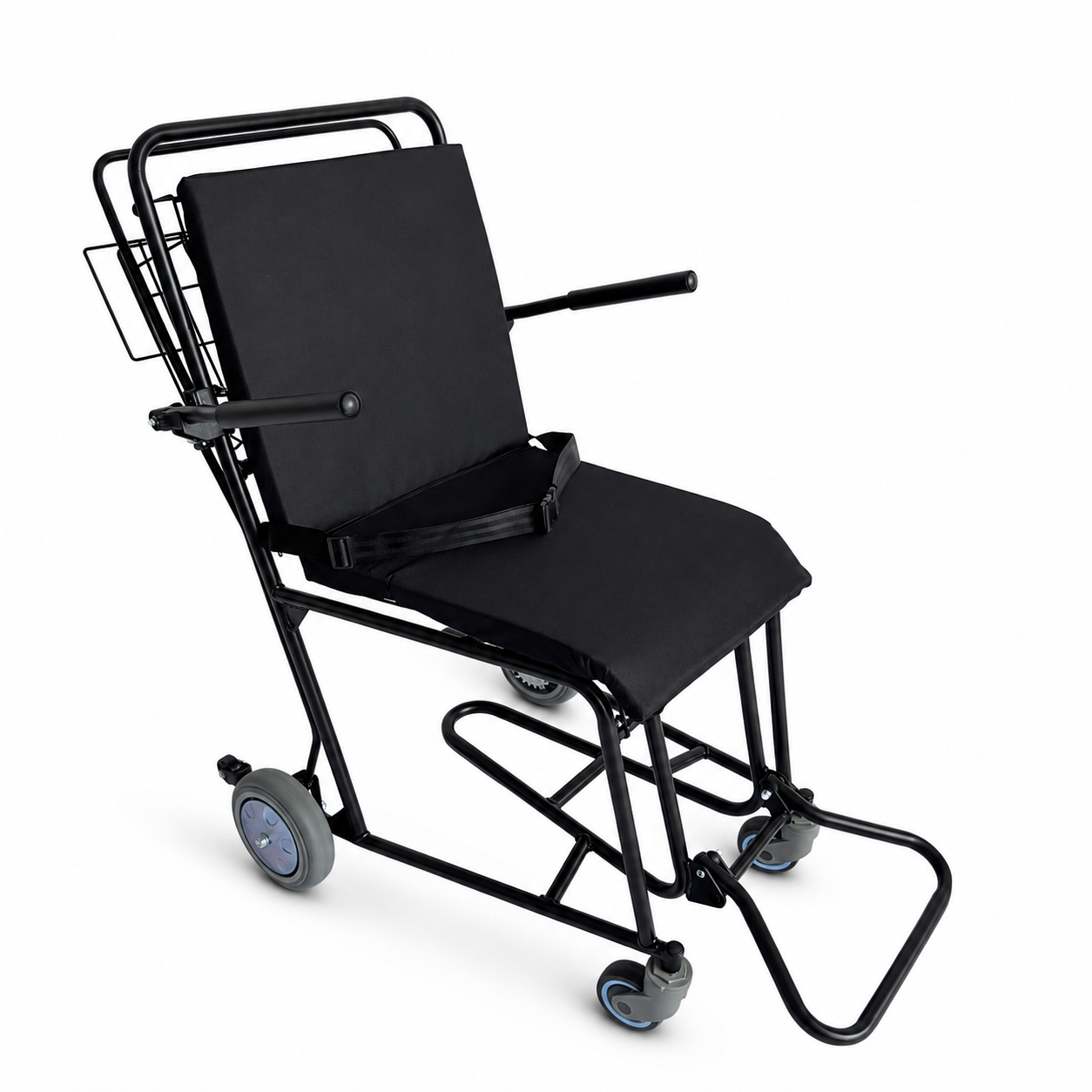
Airport wheelchair belt review should identify the lap belt on the exact black attendant-pushed service chair. The supplied product photos show a strap across the seat, but they do not establish a test rating or airline approval. Ask for the maker's current parts and use instructions.
What should a fleet spec name?
Call the chair and belt by their part codes. Keep the wheelchair series category separate from this specific chair. Record chair revision, belt assembly and included buckle.
- Identify chair model.
- Identify belt assembly.
- List buckle type.
| Buyer check | Evidence to keep |
|---|---|
| Identify chair model | Current drawing |
| Identify belt assembly | Parts list |
A belt visible in a photo is not a complete safety specification. Key Takeaway: Your buyer can order and inspect the intended assembly.
What role does the belt serve?
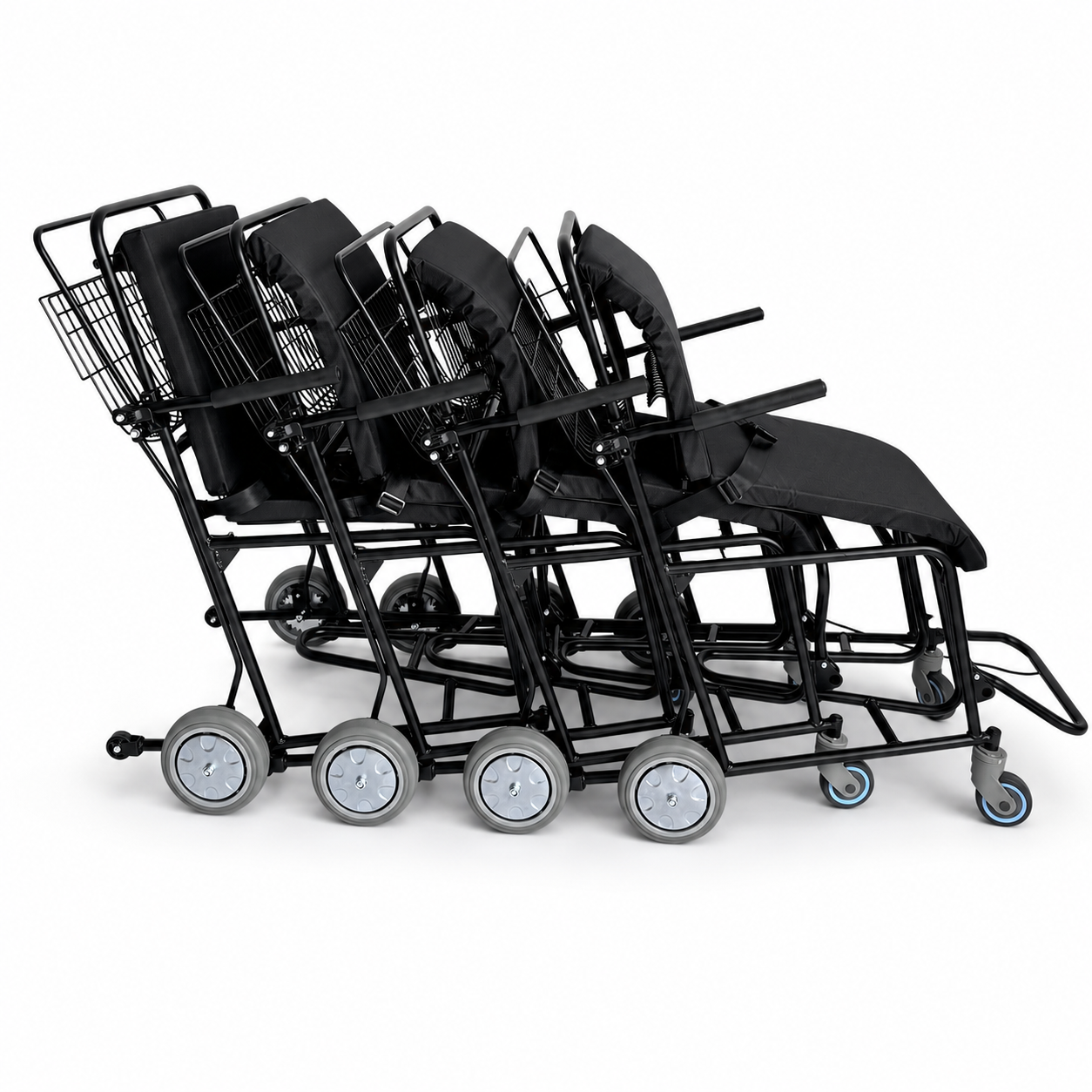
Airport wheelchair belt purpose should be taken from the chair maker's intended-use instructions. Do not present this lap belt as a vehicle restraint or aircraft seat belt. Ask the airport or service operator about its own procedures.
Which claims need a boundary?
A lap strap is not every kind of restraint. Record the maker's stated purpose and any limitations. Keep transport-vehicle use, aircraft cabin approval and occupant handling as separate decisions for the responsible operator.
- Request intended-use guide.
- Record limitations.
- Ask operator about service.
| Buyer check | Evidence to keep |
|---|---|
| Request intended-use guide | Maker instructions |
| Record limitations | Product file |
Clear scope protects buyers from an unsupported approval claim. Key Takeaway: Your team can describe the belt honestly.
How should buckle condition be checked?
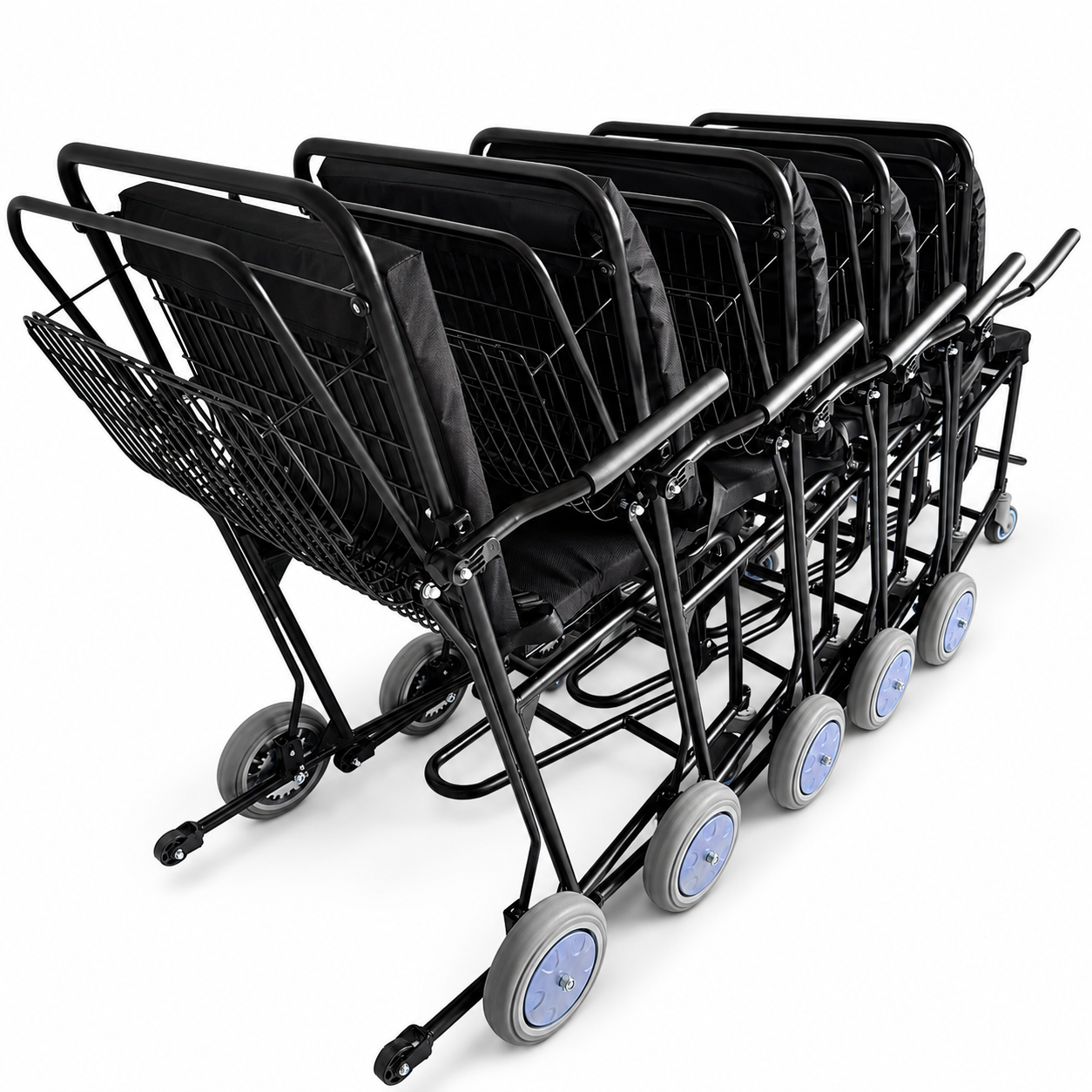
Airport wheelchair belt visual check should follow the maker's prescribed empty-chair procedure for the buckle and release. A clean-looking latch cannot prove function. Have trained staff record any sticking, damage or missing part.
Which observations belong in the log?
Look closely without improvising a test. Photograph the buckle and record the model-specific result. Stop using a suspect assembly as the maker directs and refer it for qualified review.
- Photograph buckle.
- Use maker check.
- Refer abnormal result.
| Buyer check | Evidence to keep |
|---|---|
| Photograph buckle | Dated close-up |
| Use maker check | Inspection sheet |
A specific observation is more useful than a blanket “working” note. Key Takeaway: Your fleet team can take the right service action.
Which anchor points should be documented?
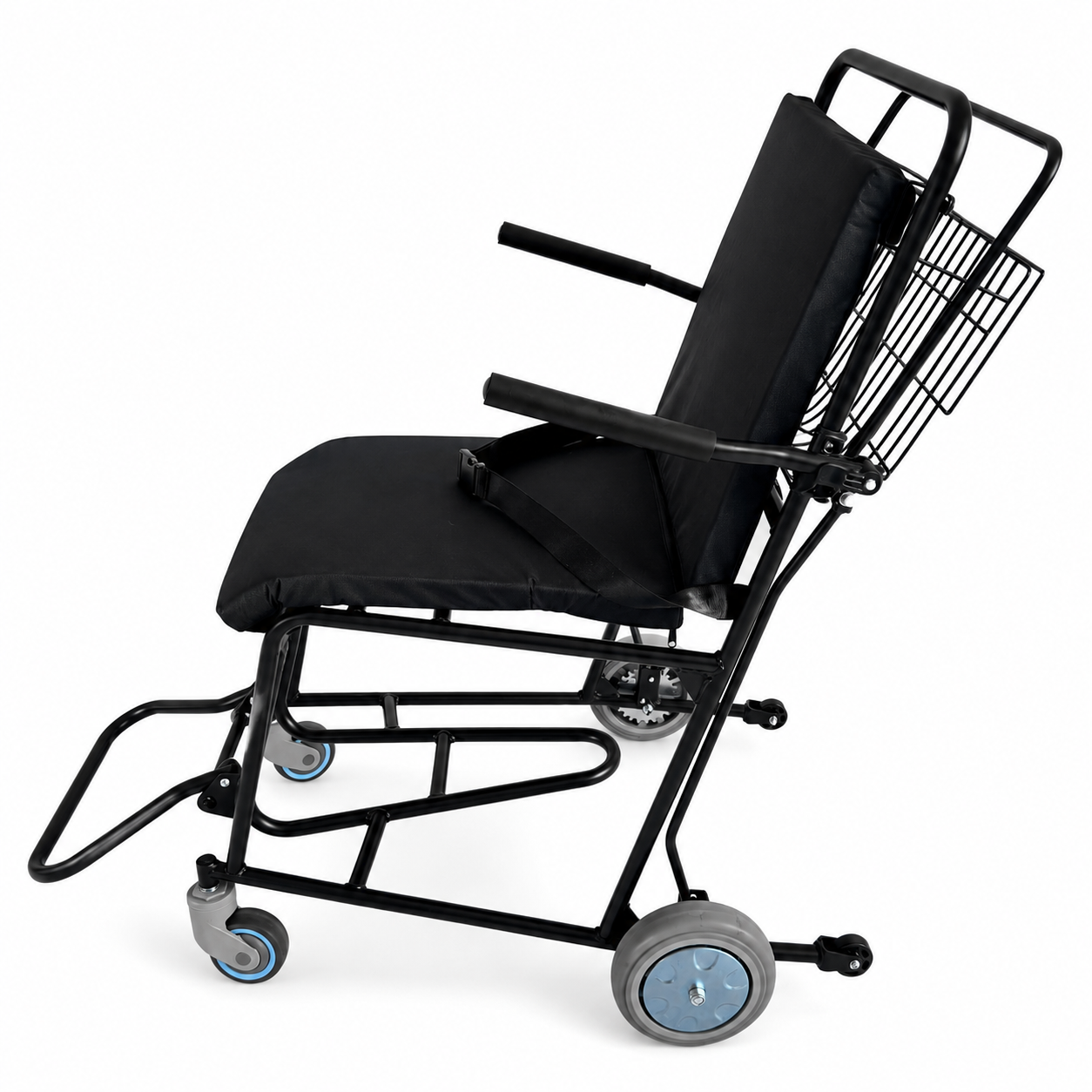
Airport wheelchair belt anchors should be identified on the exact chair frame using the maker's parts drawing. A manual wheelchair may use a different seat and belt arrangement. Do not transfer anchoring instructions across models.
What should a buyer ask for?
The strap is only one part of the assembly. Request the approved fixing components and service method. Keep any loose or damaged anchor in a qualified inspection file.
- Identify anchor parts.
- Check visible condition.
- Record service path.
| Buyer check | Evidence to keep |
|---|---|
| Identify anchor parts | Current drawing |
| Check visible condition | Dated images |
A replacement strap without matching anchors may not solve the issue. Key Takeaway: You can specify the complete belt system.
How should user fit be reviewed?
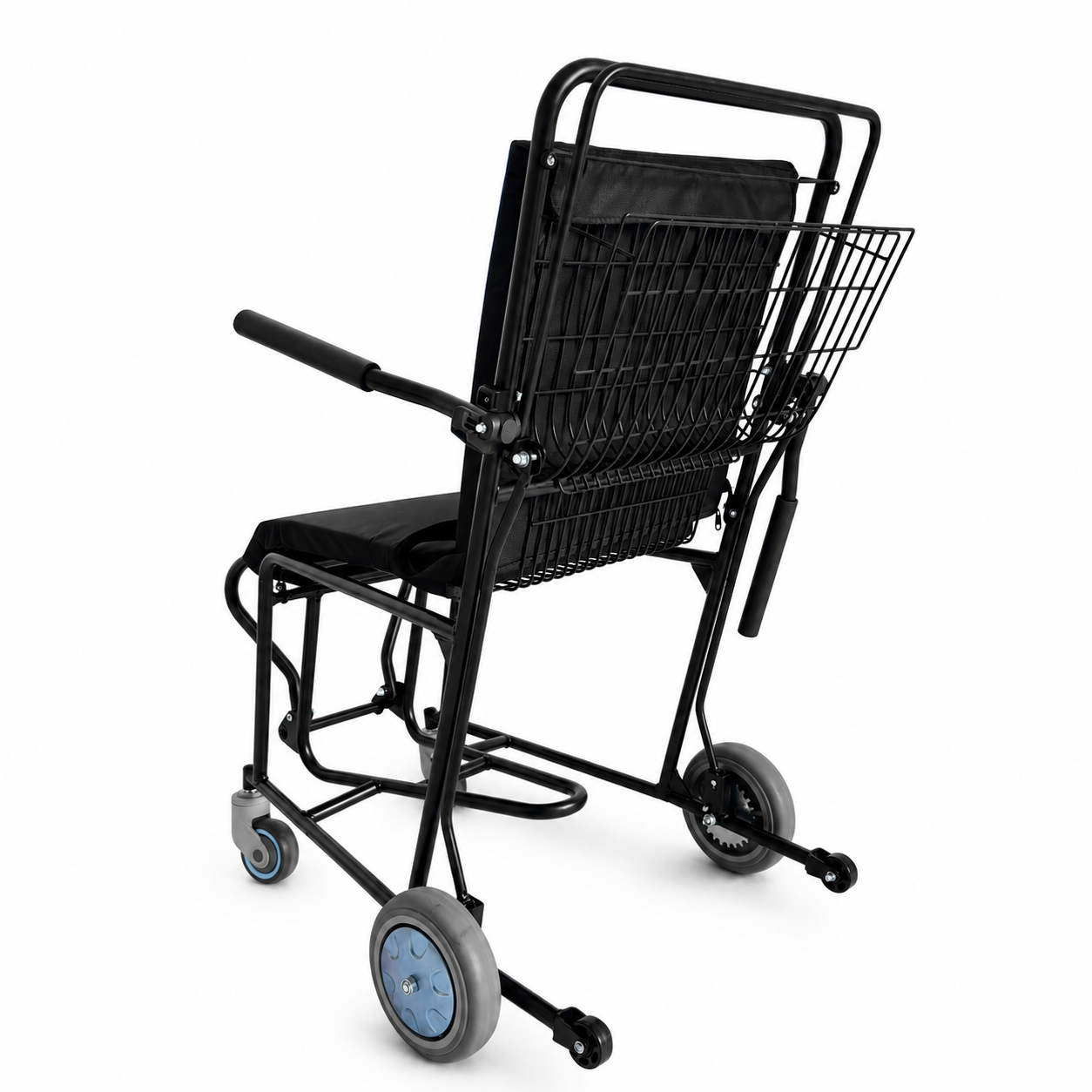
Airport wheelchair belt use should follow the maker's instructions and the operator's assessed assistance process for the passenger. A single belt length cannot fit every situation by assumption. Keep individual handling decisions with trained staff.
Who owns the fit decision?
The service team must know its role. Record the chair setup and any adjustment permitted by the maker. Do not promise that the belt substitutes for supervision or a transfer plan.
- Record belt setting.
- Use trained staff.
- Note unmet need.
| Buyer check | Evidence to keep |
|---|---|
| Record belt setting | Service note |
| Use trained staff | Operator procedure |
Fit and supervision need more than a photo of a fastened strap. Key Takeaway: Your buyer can plan staff training alongside equipment.
How should the belt be cleaned?
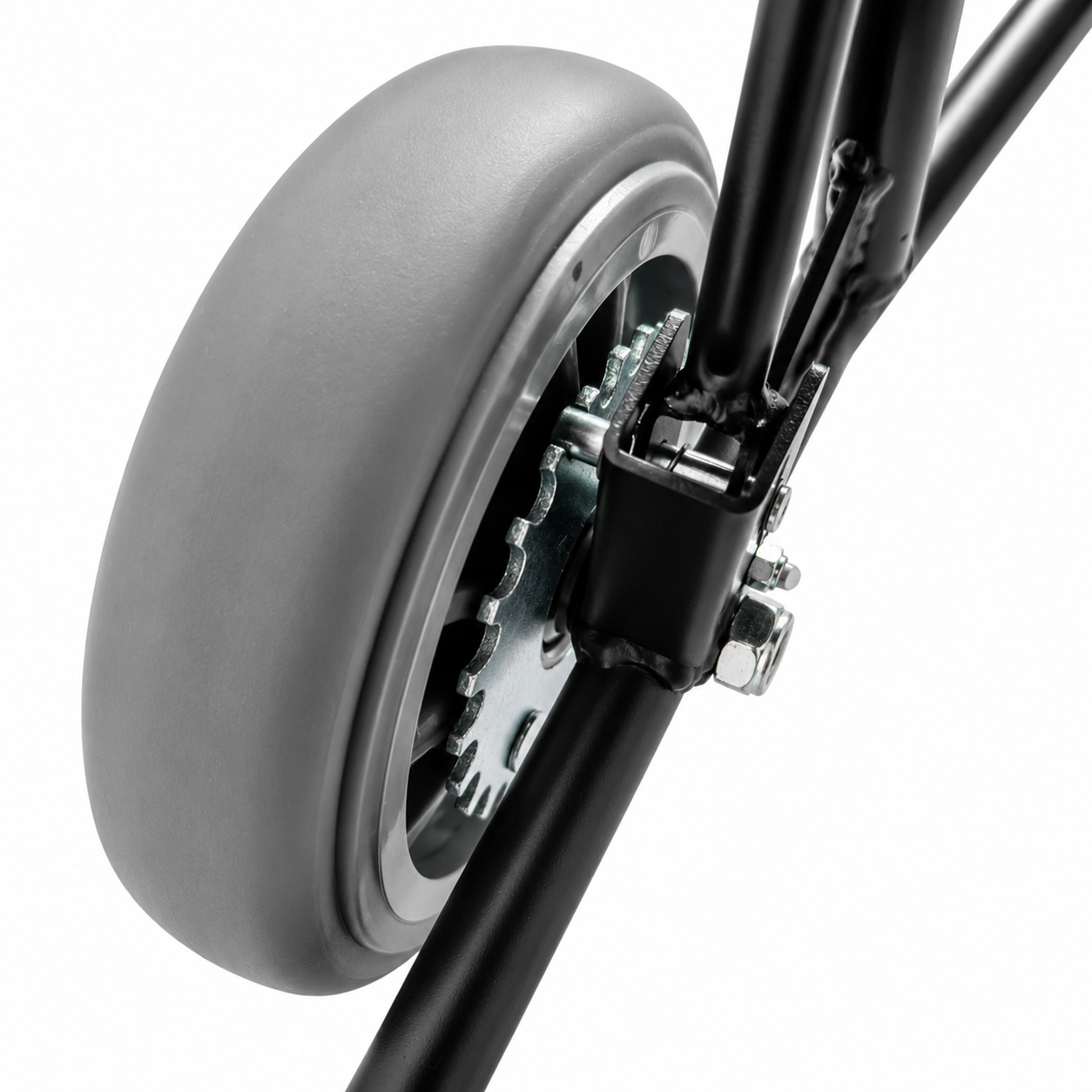
Airport wheelchair belt care should follow the maker's approved method for webbing, buckle and nearby seat material. A strong cleaner may affect a component even when the fabric looks unchanged. Ask for current material guidance.
What should a turnaround routine include?
Clean and inspect are separate steps. Record the approved product, cleaning date and any damage found afterward. Refer an uncertain or damaged belt to qualified service.
- Request care guide.
- Inspect webbing.
- Flag damage.
| Buyer check | Evidence to keep |
|---|---|
| Request care guide | Maker document |
| Inspect webbing | Turnaround note |
A repeatable routine keeps cleaning from hiding wear. Key Takeaway: Your airport team can hand over a documented chair.
Which wear signs need a replacement decision?
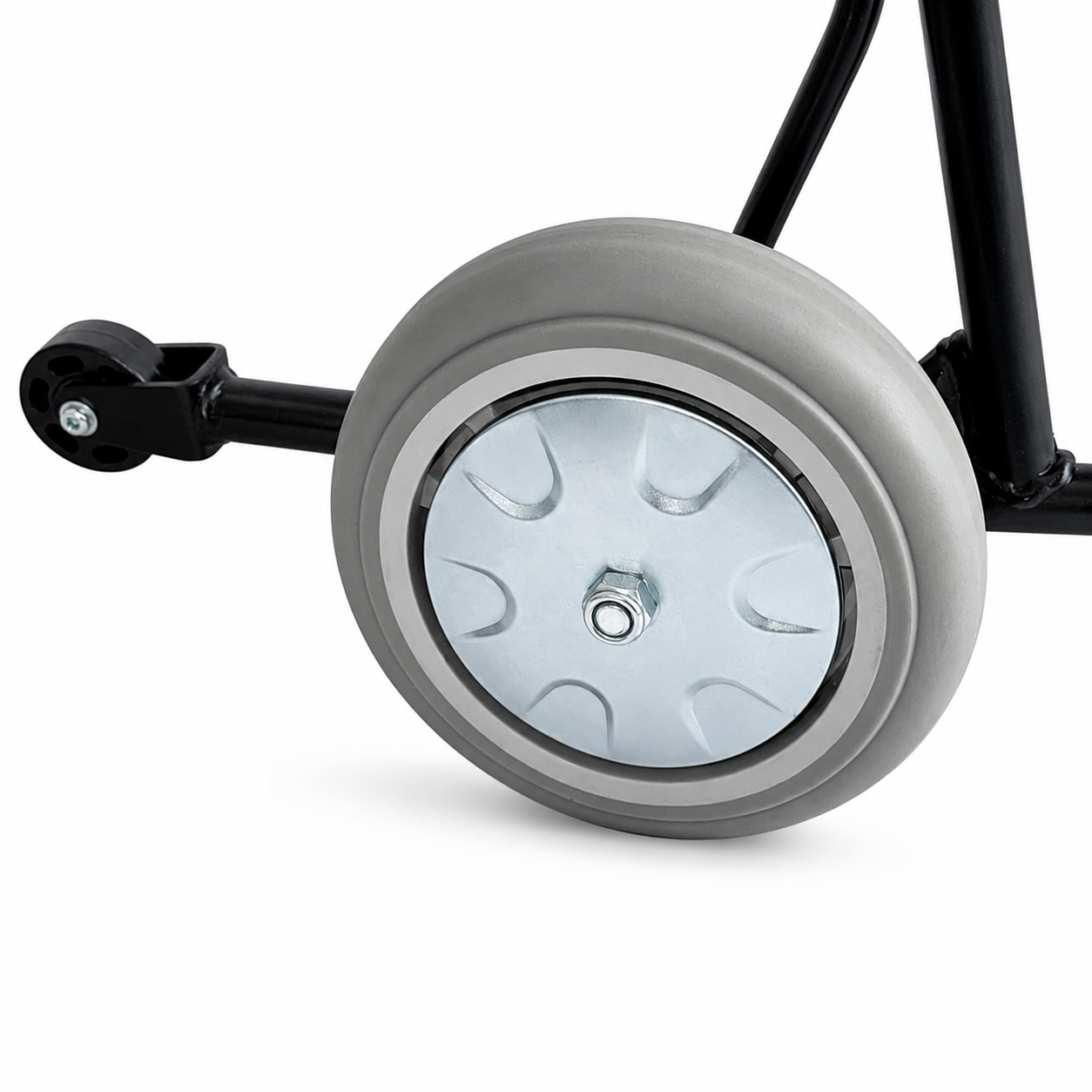
Airport wheelchair belt inspection should note fraying, cuts, damaged stitching, deformation or a faulty buckle without setting an invented threshold. A close-up photo cannot certify remaining life. Use the maker's withdrawal and replacement criteria.
How should fleet staff report it?
Do not wait for a vague failure label. Photograph the full chair and affected belt area with unit identity. Keep the chair on hold when the guide or qualified reviewer requires it.
- Photograph webbing.
- Identify the chair.
- Request service decision.
| Buyer check | Evidence to keep |
|---|---|
| Photograph webbing | Dated image |
| Identify the chair | Fleet register |
A clear report helps the supplier identify the correct assembly. Key Takeaway: Your team can remove a suspect unit from rotation promptly.
How should spare belts be matched?
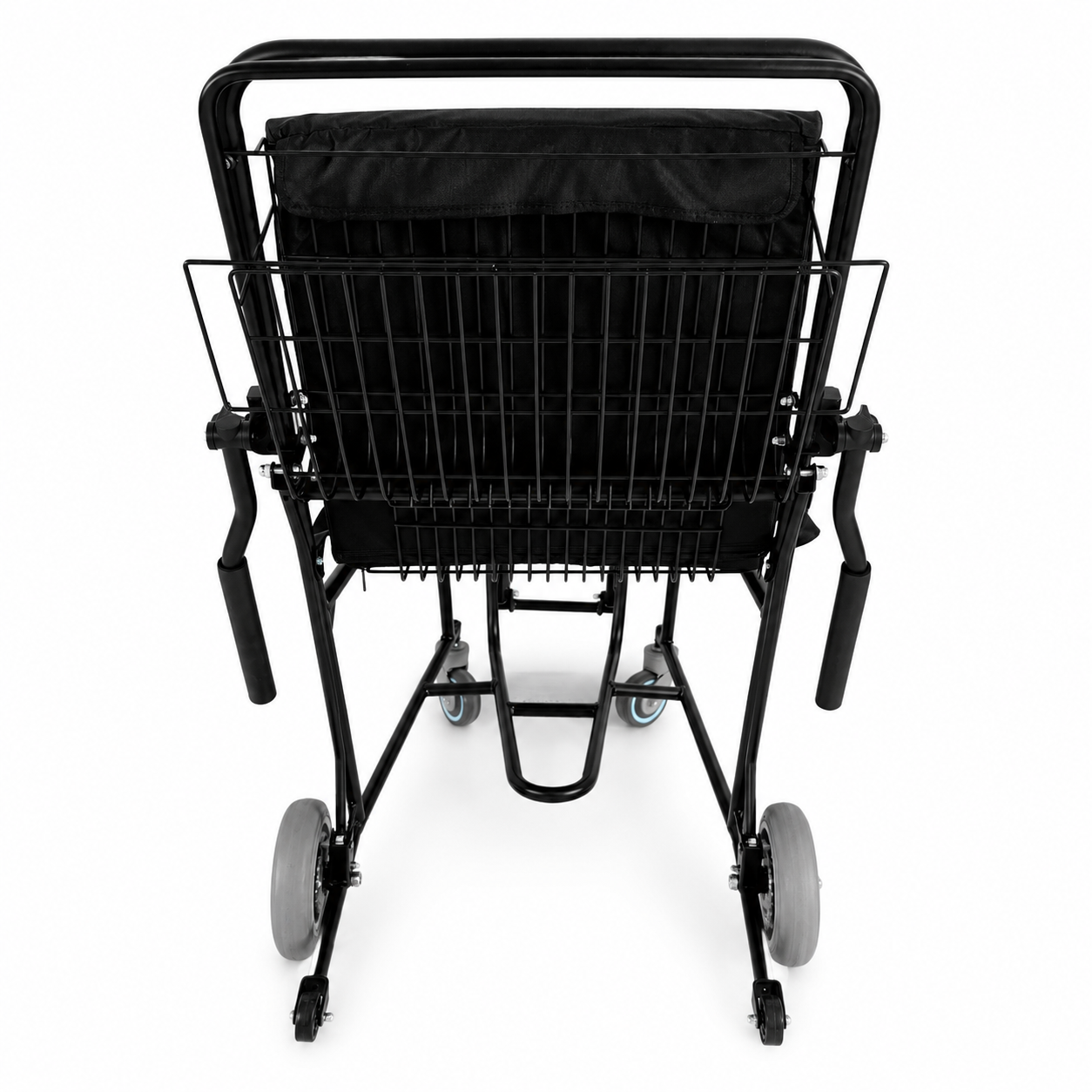
Airport wheelchair belt replacement should use an approved belt and buckle kit for the exact airport chair revision. A transfer device strap is a different product unless a supplier expressly confirms interchange. Ask for an itemized parts list.
What should a spares quote state?
Stock by chair identity. Include webbing, buckle and any maker-specified anchor hardware. Keep qualified fitting and return-to-use checks with the kit.
- Name chair revision.
- List belt kit.
- Confirm service method.
| Buyer check | Evidence to keep |
|---|---|
| Name chair revision | Model record |
| List belt kit | Supplier quote |
A loose strap may omit the component that actually needs replacement. Key Takeaway: Your fleet can stock a complete approved kit.
What belongs in a shift inspection record?
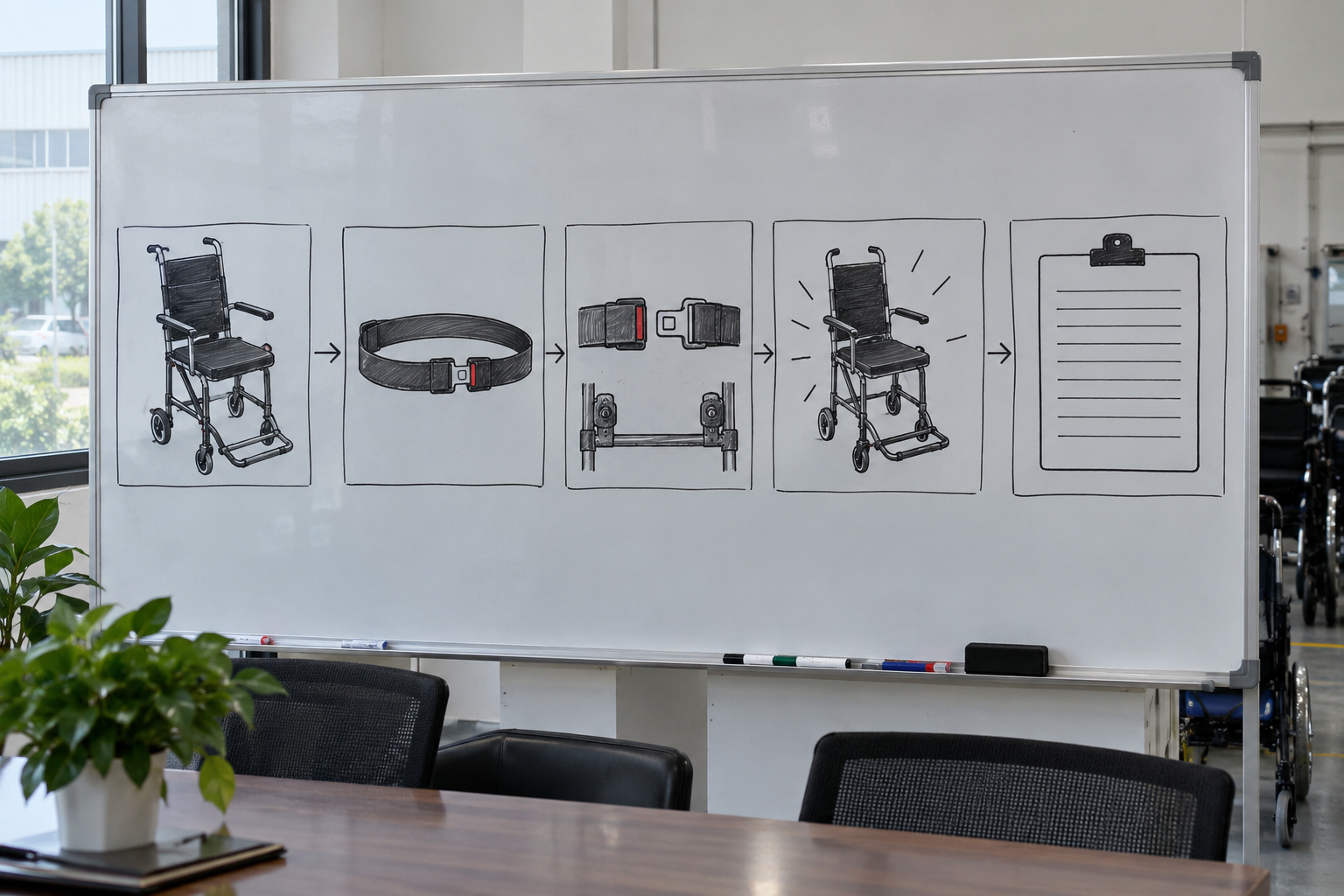
Airport wheelchair belt inspection should link chair identifier, belt condition, trained checker and follow-up result. WHO's assistive product specifications support traceable procurement but do not approve this chair for an airline. Keep operator acceptance as a separate question.
Which fields should be retained?
Make the next shift see the same facts. Record date, unit, observed issue and whether the chair remains in service. Use a clear handover to prevent a held unit re-entering the fleet.
- Identify chair.
- Record condition.
- Mark status.
| Buyer check | Evidence to keep |
|---|---|
| Identify chair | Fleet unit number |
| Record condition | Shift checklist |
A unit-level record closes the gap between inspection and action. Key Takeaway: Your operator can manage the fleet without relying on memory.
How can a buyer approve the belt setup?
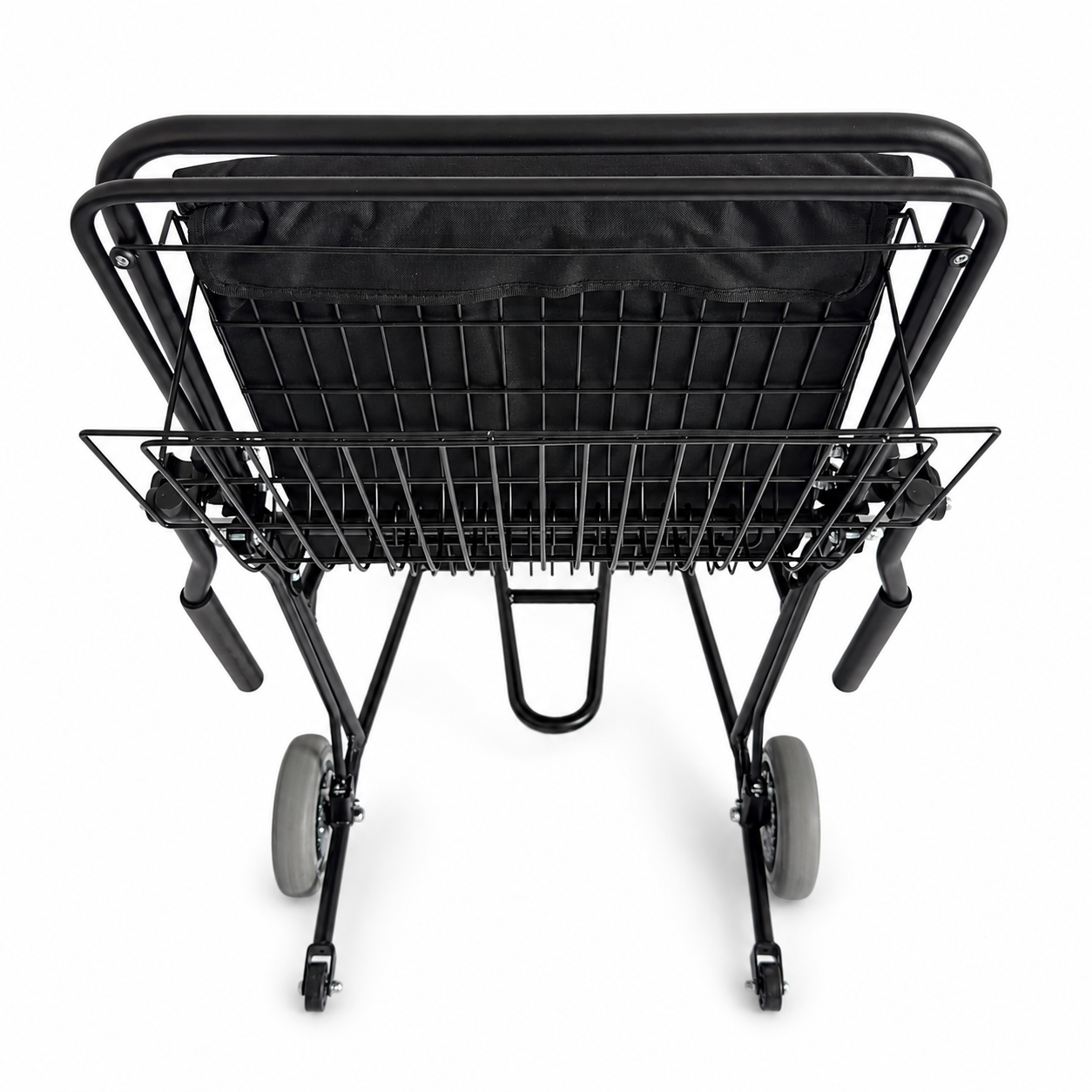
Airport wheelchair belt approval should follow exact-model documents, a qualified empty-chair check and a clear operator procedure. Ask separately about any airport or airline acceptance; do not infer it from the belt. Hold unresolved claims before a fleet order.
What should the final enquiry include?
Send the whole service context. Provide chair model, belt images, proposed use, cleaning process and open questions. Request written support and approved spares for the same version.
- Specify chair and belt.
- Attach inspection notes.
- List acceptance questions.
| Buyer check | Evidence to keep |
|---|---|
| Specify chair and belt | Itemized quote |
| Attach inspection notes | Sample file |
A scoped approval is easier to defend than an all-purpose safety promise. Key Takeaway: For a model-specific belt review, contact us. Ary Medical believes service equipment should carry clear limits and clear records.
Frequently asked questions
Q1: Can I use this belt as a vehicle restraint?
No. Do not make that claim without explicit model-specific approval.
Q2: What's the best way to check the buckle?
Use the maker's empty-chair procedure with trained staff.
Q3: How do I know if a spare belt fits?
Match chair revision, belt kit and anchor parts with the supplier.
Q4: Can a product photo prove airline approval?
No. Ask the responsible airport or airline about its own acceptance rules.
Q5: Should staff hold a chair with frayed webbing?
Yes. Follow the maker's withdrawal and qualified service process.