

Build a bedside cabinet care guide from the exact cabinet's material and handling instructions and the facility's approved process. A US supplier may receive a cleaning question that cannot be answered from a glossy product photograph. Identifying each surface and moving feature gives the care team a practical document checklist.
What should a bedside cabinet care guide use as its source?
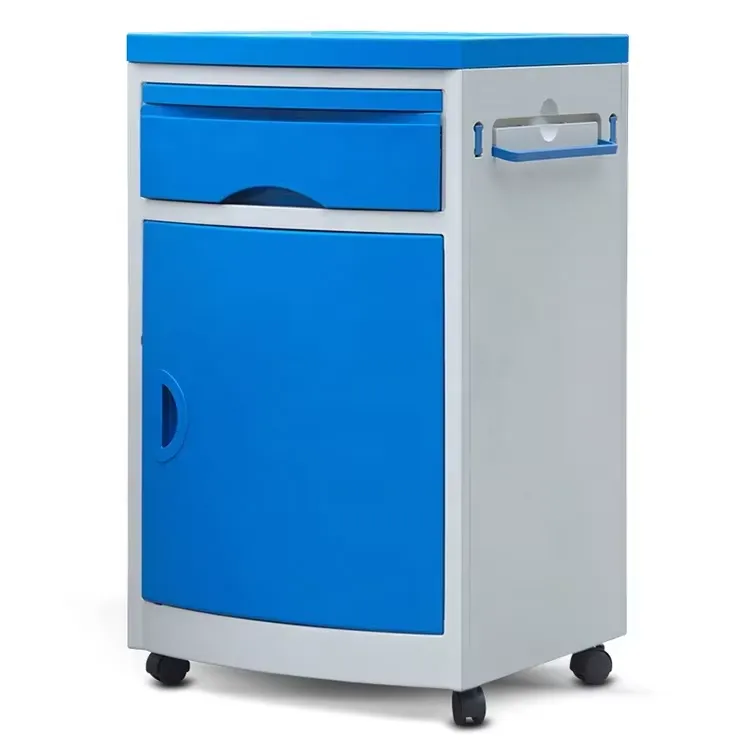
A bedside cabinet care guide should use the maker's current material, cleaning and handling guidance. A similar blue cabinet may have different surfaces, fittings or care limits.
Use the current model instructions
Start with the exact model instructions. Identify the model and intended setting before drafting staff instructions. Keep uncertain methods open for confirmation by the supplier and responsible care team.
- Model identity
- Current instructions
- Care setting
| Check | Record or reference |
|---|---|
| Model identity | Label |
| Current instructions | Guide |
| Care setting | Brief |
Key Takeaway: Staff can use guidance tied to the cabinet they have.
Which areas should the guide identify?
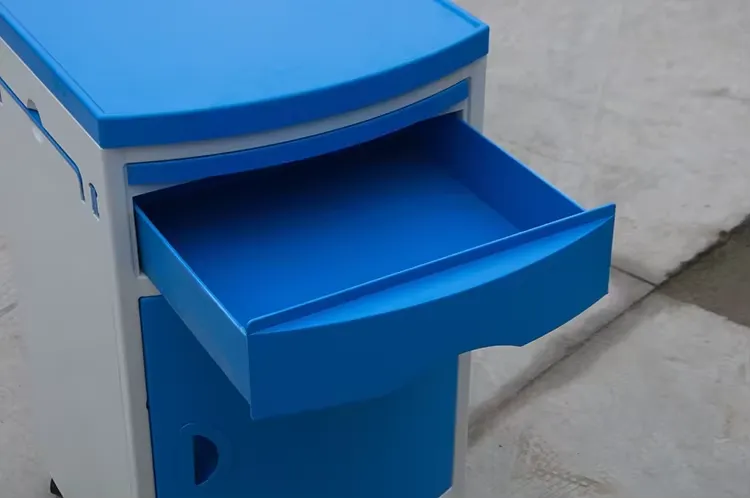
For a bedside cabinet care guide, identify the top, drawer, cupboard, tray, handles and casters actually supplied. A general wipe-down note may miss a feature that needs specific attention.
Identify all care areas
List the surfaces and moving features. Use the product drawing or a verified sample to name the parts. Do not add features shown only on another version.
- Surface list
- Moving features
- Supplied version
| Check | Record or reference |
|---|---|
| Surface list | Model file |
| Moving features | Drawing |
| Supplied version | Record |
Key Takeaway: The guide can cover the complete cabinet without guessing.
How should cleaning products be selected?
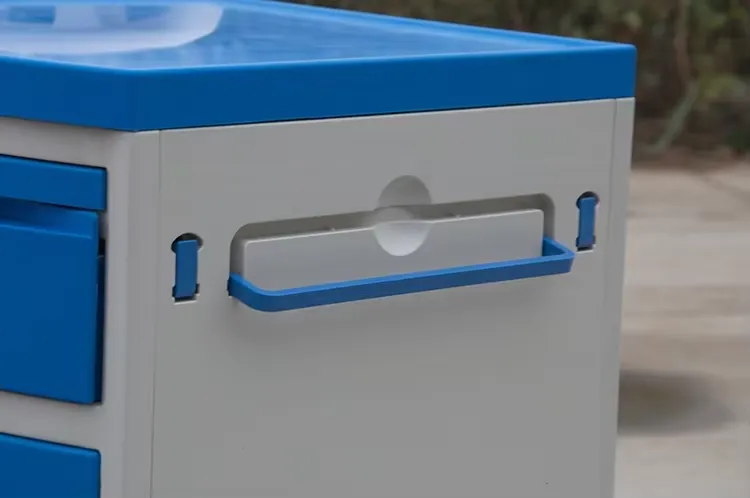
A bedside cabinet care guide should use cleaning methods approved for the actual materials and the facility's requirements. A product's appearance does not prove compatibility with every disinfectant.
Confirm the cleaning method
Confirm product compatibility and the site process. Have the responsible team review the maker's limits. Do not invent chemical concentrations or contact times for an unknown surface. Retain separate care instructions for any neighboring air-mattress system.
- Material limits
- Site procedure
- Unclear method
| Check | Record or reference |
|---|---|
| Material limits | Maker guide |
| Site procedure | Approved process |
| Unclear method | Supplier query |
Key Takeaway: The care method has a clear product and facility basis.
What should staff know about drawers and trays?
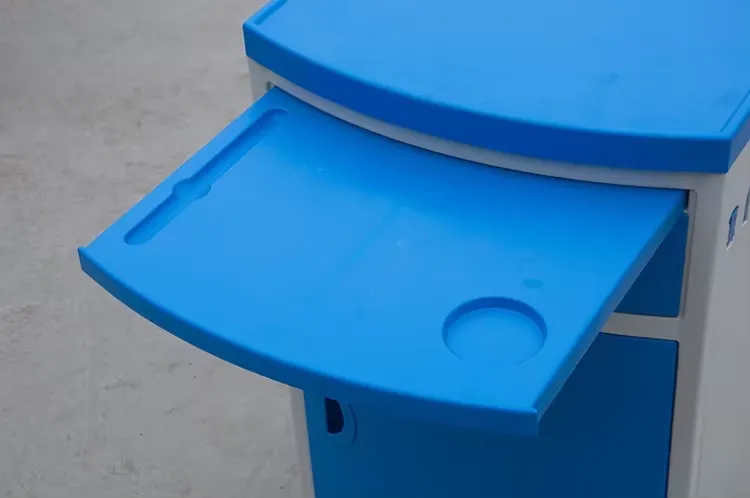
For a bedside cabinet care guide, moving storage features should be handled within the maker's instructions. A pull-out tray should not be treated as a lifting handle or support surface without permission.
Respect drawer and tray functions
Follow the intended movement and load guidance. Keep the relevant operating and load information available. Refer stiff, damaged or unclear mechanisms for service review rather than forcing them.
- Intended function
- Load information
- Observed concern
| Check | Record or reference |
|---|---|
| Intended function | Guide |
| Load information | Product file |
| Observed concern | Service note |
Key Takeaway: Care and handling respect the feature's actual purpose.
How should casters be checked?

A bedside cabinet care guide should include the maker's relevant caster and movement checks. Do not assume the model has wheel locks or a maintenance method copied from another cabinet.
Check the specified casters
Use the documented inspection method. Record visible damage or a change in movement. Let the responsible service team decide the required action.
- Caster type
- Check method
- Condition
| Check | Record or reference |
|---|---|
| Caster type | Specification |
| Check method | Guide |
| Condition | Record |
Key Takeaway: The guide can identify a movement concern without inventing a repair.
What should happen when a surface is damaged?
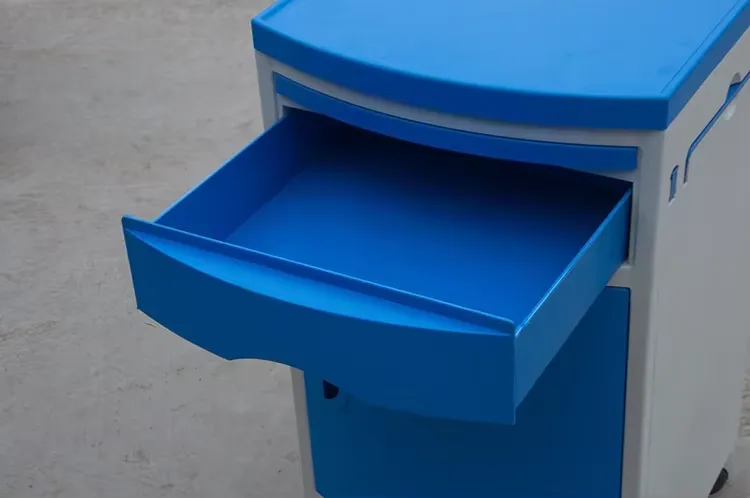
For a bedside cabinet care guide, damaged surfaces or fittings should follow the site's review process. Covering a damaged area with an unapproved coating may hide the issue or affect later care.
Record surface damage
Record the concern and seek a supported decision. Photograph the affected area and identify the cabinet. Ask the maker about the approved repair or replacement route.
- Affected area
- Unit identity
- Approved action
| Check | Record or reference |
|---|---|
| Affected area | Photo |
| Unit identity | Label |
| Approved action | Service response |
Key Takeaway: The condition concern can be reviewed with useful evidence.
How should storage and parking be described?

A bedside cabinet care guide should identify suitable storage or parking arrangements under the maker's guidance and site plan. It should not allow the cabinet to obstruct the agreed access route.
Plan storage and parking
Use the intended location and product limits. Keep status and location clear when the unit is awaiting service or care. Review the arrangement if the room changes. Keep the agreed route for transfer equipment clear in the parking plan.
- Storage guidance
- Parking position
- Unit status
| Check | Record or reference |
|---|---|
| Storage guidance | Manual |
| Parking position | Plan |
| Unit status | Record |
Key Takeaway: The cabinet can remain traceable between care tasks.
What records are useful for shared equipment?

For a bedside cabinet care guide, shared-use records should identify the unit, required care work and unresolved concerns. A visible clean appearance alone does not prove that the approved process is complete.
Keep useful shared-use records
Record the tasks the site requires. Use the site's defined release and documentation rules. Keep staff roles clear without adding unnecessary personal data. Identify each hospital-furniture item separately in shared-use records.
- Unit reference
- Care task
- Open concern
| Check | Record or reference |
|---|---|
| Unit reference | Register |
| Care task | Log |
| Open concern | Action record |
Key Takeaway: The next team can understand the cabinet's current status.
When should the guide be updated?
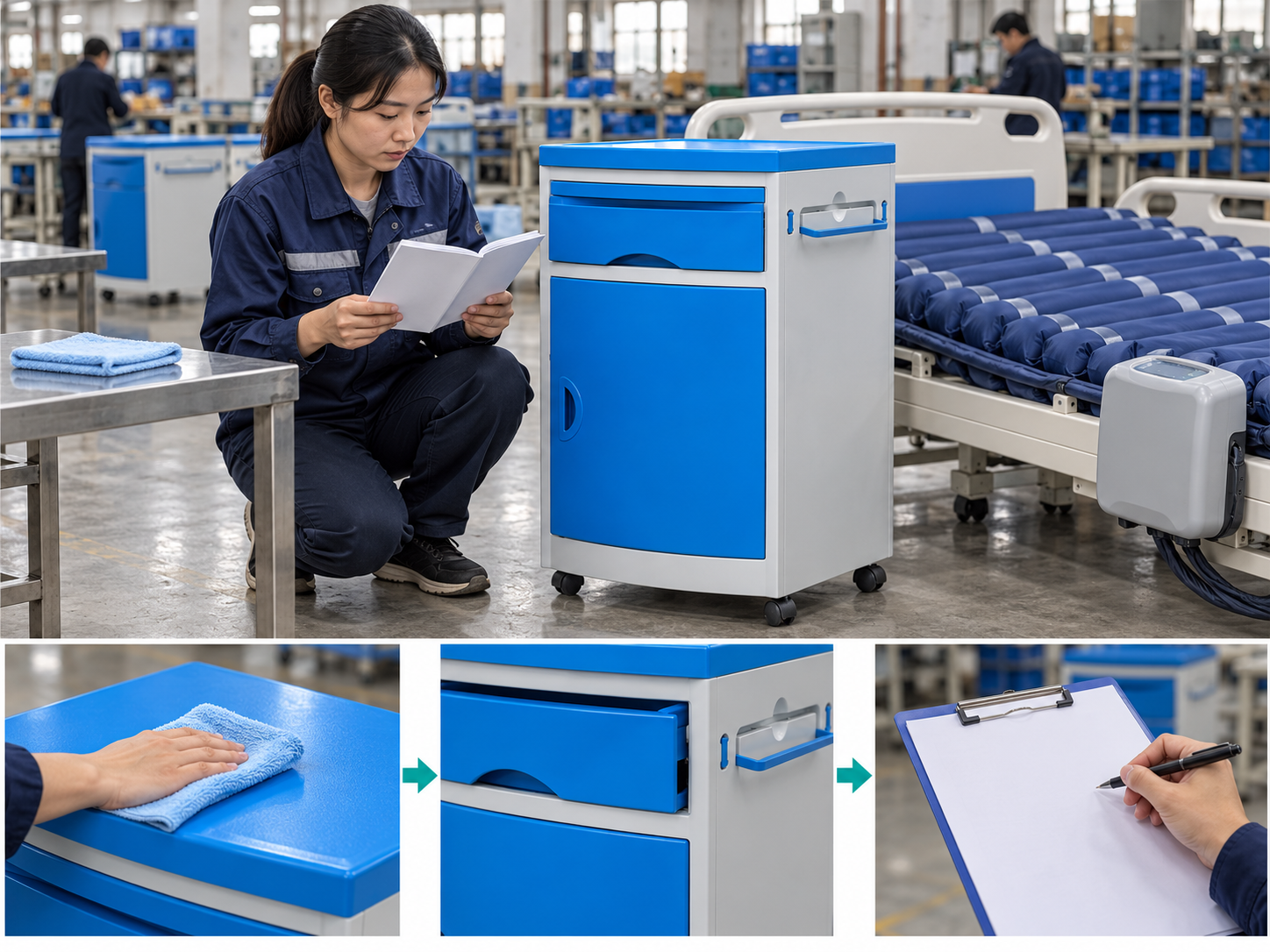
Update a bedside cabinet care guide when the model, materials, approved care methods or site process changes. A new cover date is not a substitute for checking the relevant instructions.
Control guide revisions
Review changes to product or process. Have the responsible reviewers approve the update. Remove superseded files from normal use while retaining the required history. The CDC environmental-cleaning guidance provides facility-process context.
- Change trigger
- Approved update
- Issued version
| Check | Record or reference |
|---|---|
| Change trigger | Notice |
| Approved update | Review |
| Issued version | Register |
Key Takeaway: Staff can find the care guide that applies now.
What should buyers request before supplying cabinets?

For a bedside cabinet care guide, buyers should request current care limits, component references and service contacts. These files help the receiving team prepare an appropriate site procedure.
What should you do next?
Obtain a usable product-care pack. Send the exact cabinet model and intended care setting with your enquiry. Ask the supplier to answer any unresolved material or method question.
- Model and setting
- Required files
- Open issue
| Check | Record or reference |
|---|---|
| Model and setting | Brief |
| Required files | Request |
| Open issue | Supplier response |
Key Takeaway: The supply includes information needed for ongoing care. To discuss the model and documents for your order, contact us with your requirements. At AryMD, useful product facts should support every care-equipment purchase.
Frequently asked questions
Q1: Can one general cleaning method cover every cabinet surface?
Do not assume so. Compare the actual materials and maker limits with the facility's approved procedure.
Q2: What’s the best disinfectant concentration to use?
Use the approved product and facility instructions for the exact application. Do not infer a concentration from the cabinet's appearance.
Q3: How do I know whether staff may remove a drawer for cleaning?
Check the current model guide and permitted staff scope before changing the supplied arrangement.
Q4: Can an unapproved coating fix a damaged surface?
Do not treat it as a supported repair. Ask the maker and responsible service team for an appropriate decision.
Q5: Should a care guide be updated after material changes?
Yes. Review affected methods and issue a controlled version that staff can identify.