
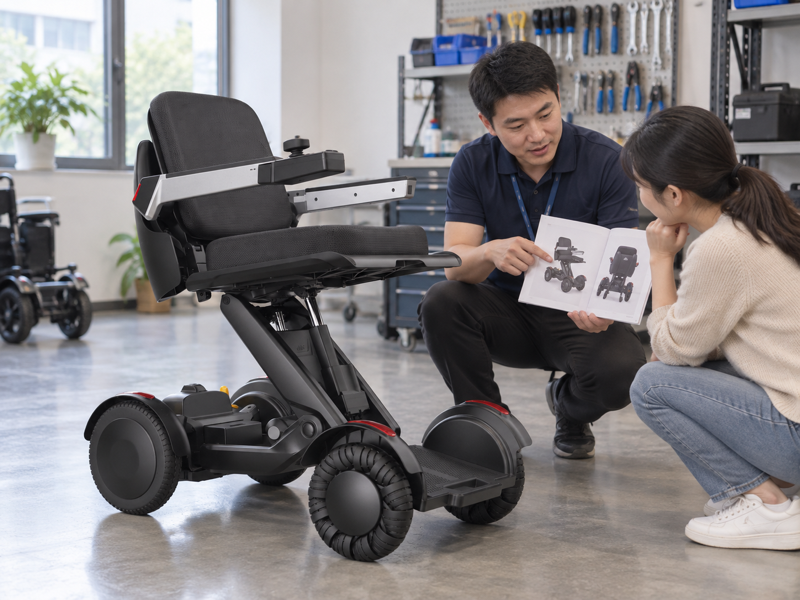
Make checks of electric wheelchair brakes easier by identifying the exact system, naming the function being reviewed and using the approved check method. A dealer can receive a chair with a brake box ticked on a form but no note explaining whether it refers to stopping, parking or another condition. That leaves the receiving team unable to repeat or interpret the check. Build the review around the model guide, relevant evidence and a clear route for unresolved faults.
Where should a review of electric wheelchair brakes begin?
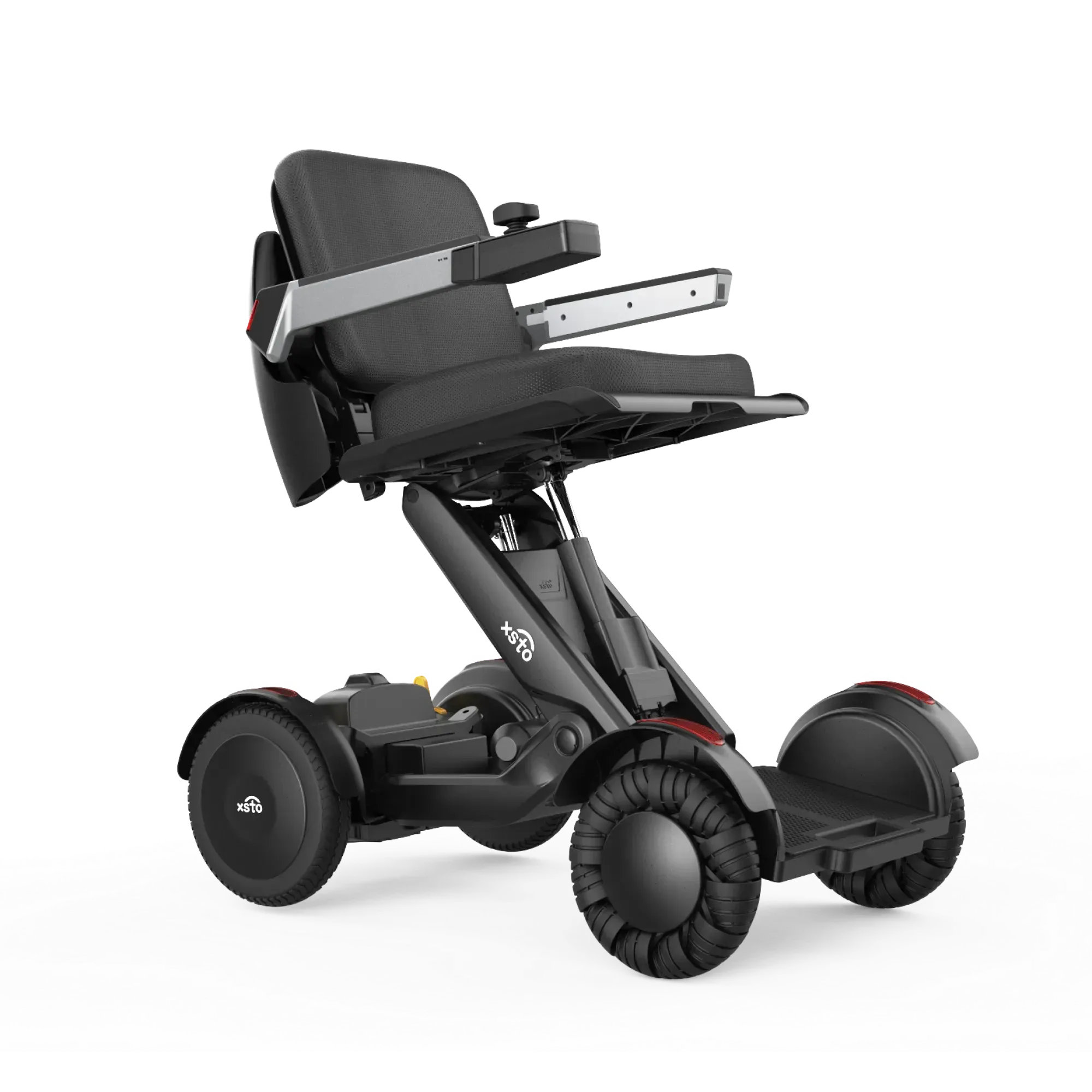
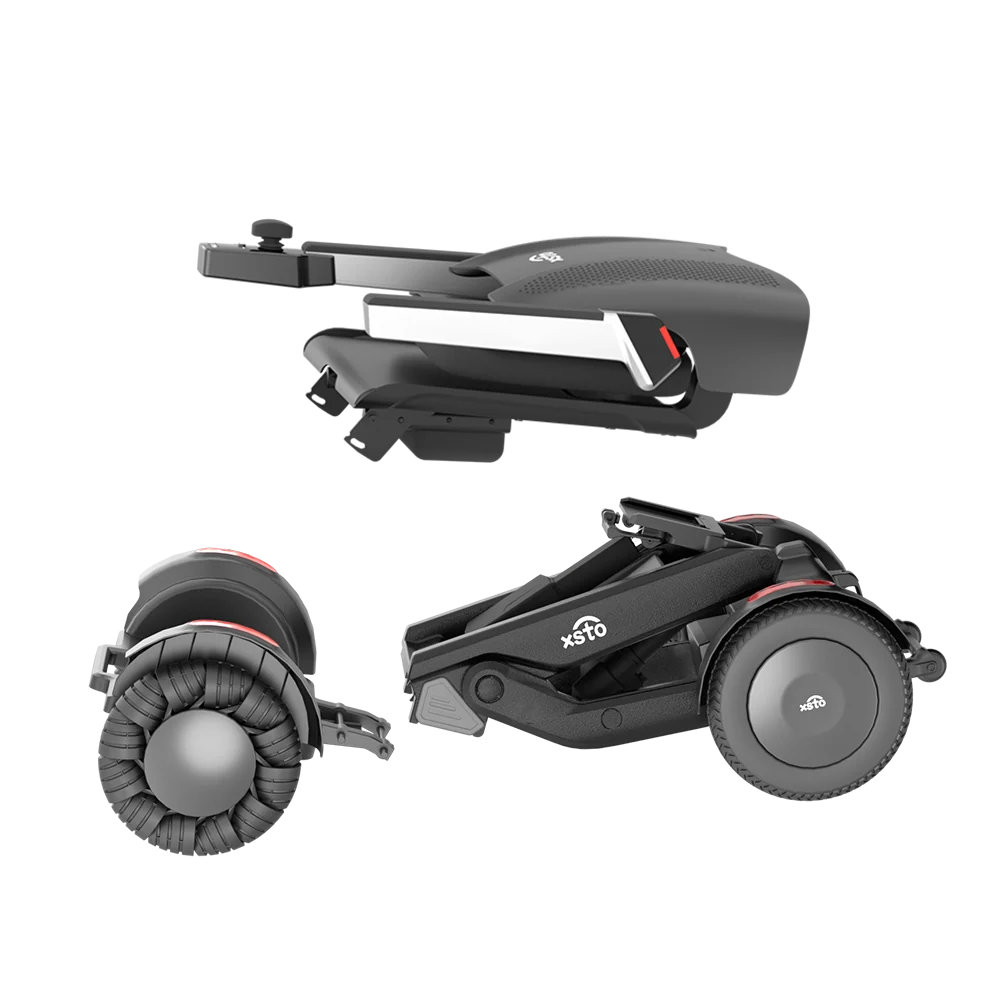
A review of electric wheelchair brakes should begin with the exact chair model and brake-system information. The product photographs here show exterior drive housings, not the internal brake assemblies. Use the model and service records to identify the system before planning a check.
What can a product photograph establish?
Use the image for identification. A front or rear view can help the supplier recognise the chair and its visible layout. It cannot replace the part references, operating states and procedures needed for a brake review.
- Record the chair model and relevant revision.
- Request the current brake and operating information.
- Identify who is qualified to review unclear details.
| Evidence | What it supports |
|---|---|
| Exterior product image | Helps identify the chair and visible layout |
| Model and service records | Defines the fitted system and approved checks |
Keep visual identification separate from confirmation of brake performance. Key Takeaway: Your team can start with the right system instead of guessing from wheel covers.
Which functions of electric wheelchair brakes need separating?
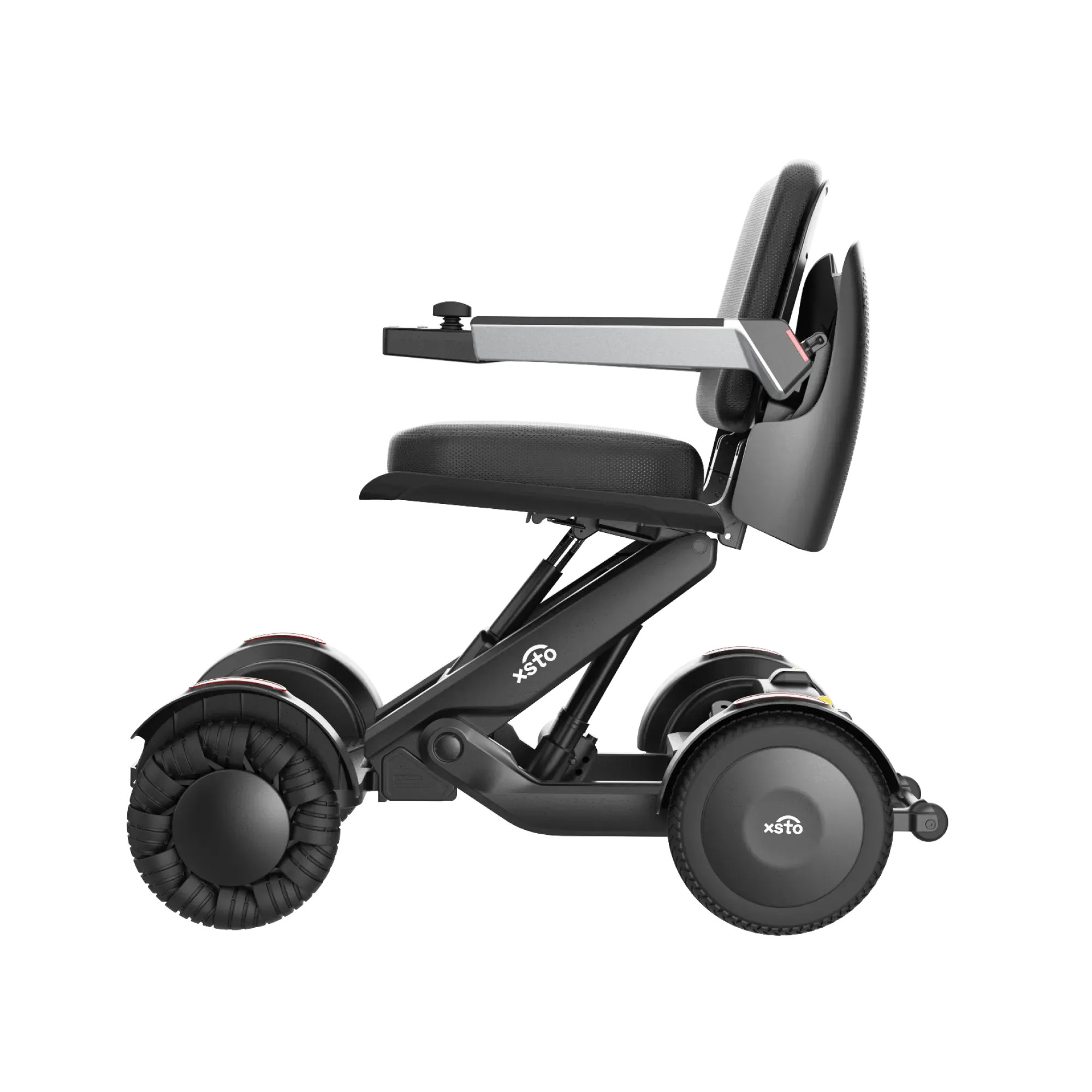
Separate the stopping and parked-holding functions of electric wheelchair brakes when reviewing the evidence. A result for one function should not be assumed to answer every braking question. Compare the functions on the exact supplied product.
Can one ticked brake box explain the result?
Name what was checked. ISO 7176-3:2012 addresses brake-effectiveness testing within its scope, with distinct parking and running-brake provisions. Ask which relevant function and conditions a report covers rather than treating its standard number as a blanket pass.
- Identify the brake function under review.
- Retain the relevant method and conditions.
- Keep separate findings clearly labelled.
| Function | Question for the evidence |
|---|---|
| Stopping while moving | What running-brake condition was reviewed? |
| Remaining parked | What holding condition was reviewed? |
A precise label makes the finding easier to interpret later. Key Takeaway: The receiving team can distinguish a stopping result from a parked-holding result.
What records should support electric wheelchair brakes checks?
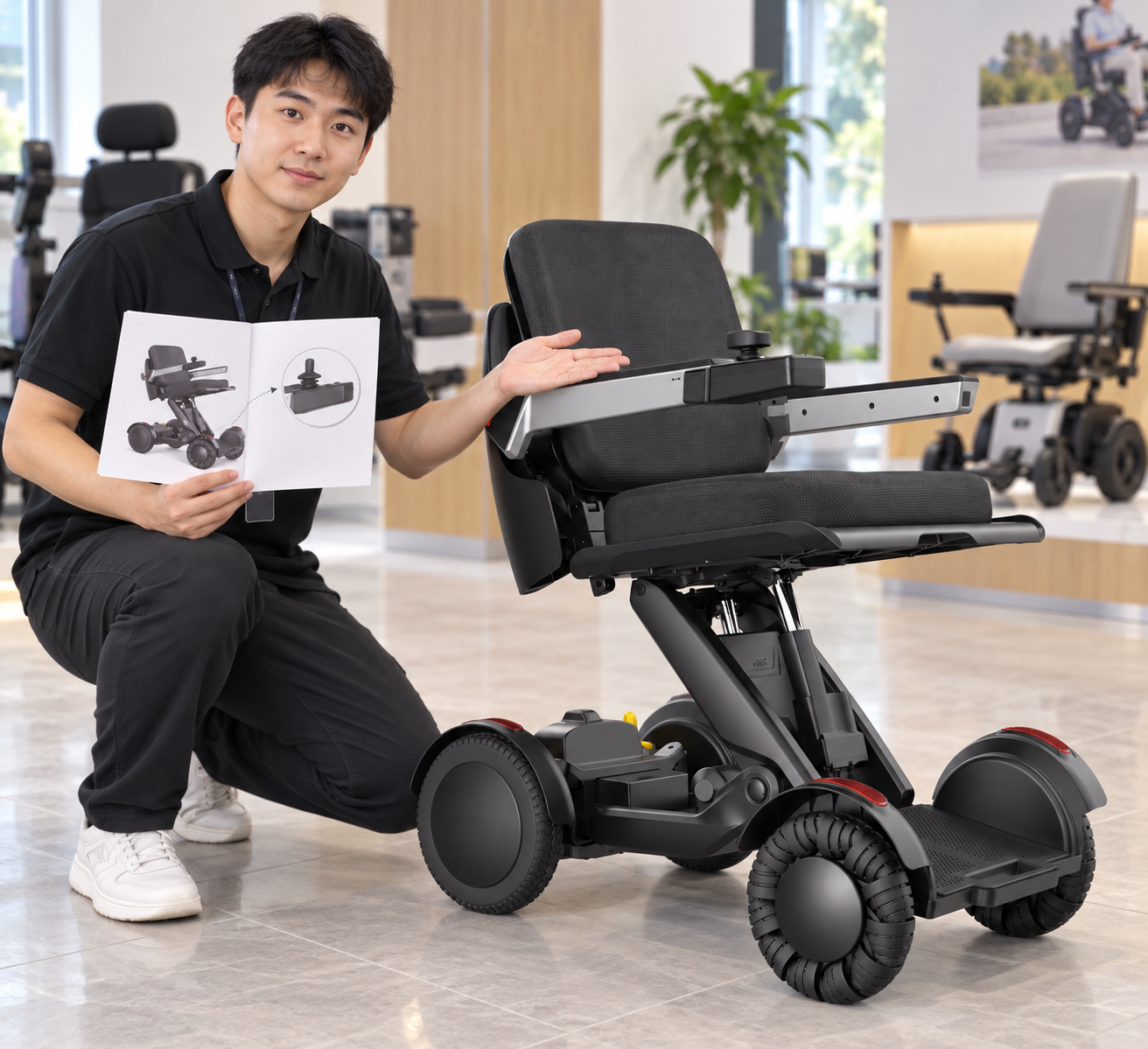
Electric wheelchair brakes checks should be supported by current model instructions and the relevant product or service records. Identify the setup and method the evidence describes. Do not apply a report from another chair revision without confirming its scope.
Which details should travel with a report?
Attach the setup to the finding. Request the model, relevant fitted parts and conditions used in the review. A report reference is useful only when the buyer can connect it to the product being supplied.
- Identify the tested or reviewed chair configuration.
- Record the method and applicable document version.
- Clarify any difference from the quoted supply setup.
| Report detail | Review purpose |
|---|---|
| Model and fitted setup | Connects the evidence to a product version |
| Method and conditions | Explains what the result covers |
Resolve scope differences before accepting the report for the order. Key Takeaway: The evidence will remain traceable to the chair your team receives.
How do electric wheelchair brakes affect transfer planning?
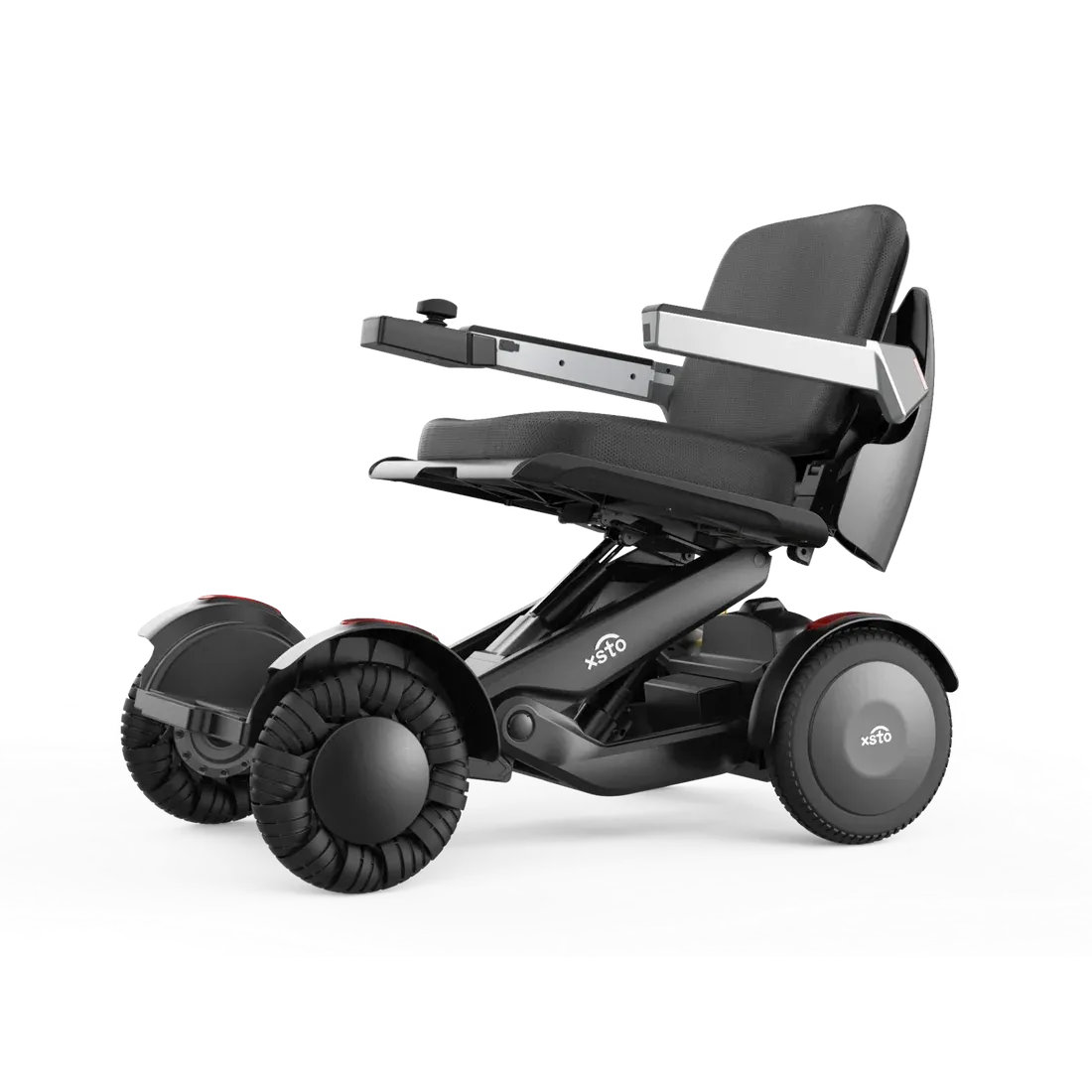
Electric wheelchair brakes form part of the model's required setup for transfers, so use the exact instructions and the individual's assessed transfer plan. Do not assume a general showroom demonstration establishes a suitable method for every person. Related transfer equipment needs its own review.
Who should define the personal transfer method?
Keep the product check and personal assessment together. The responsible assessor should address the person's transfer needs, while trained staff explain the required chair state using the model guide. Record any unresolved question before the handover.
- Follow the stated chair setup for the task.
- Use the appropriate individual transfer assessment.
- Record which product and fit questions still need answers.
| Review area | Responsible information |
|---|---|
| Chair operating state | Exact model instructions |
| Individual transfer method | Appropriate assessment and support plan |
A product feature should not be treated as a complete transfer plan. Key Takeaway: The handover can address both the device and the person using it.
Which mode should electric wheelchair brakes be checked in?
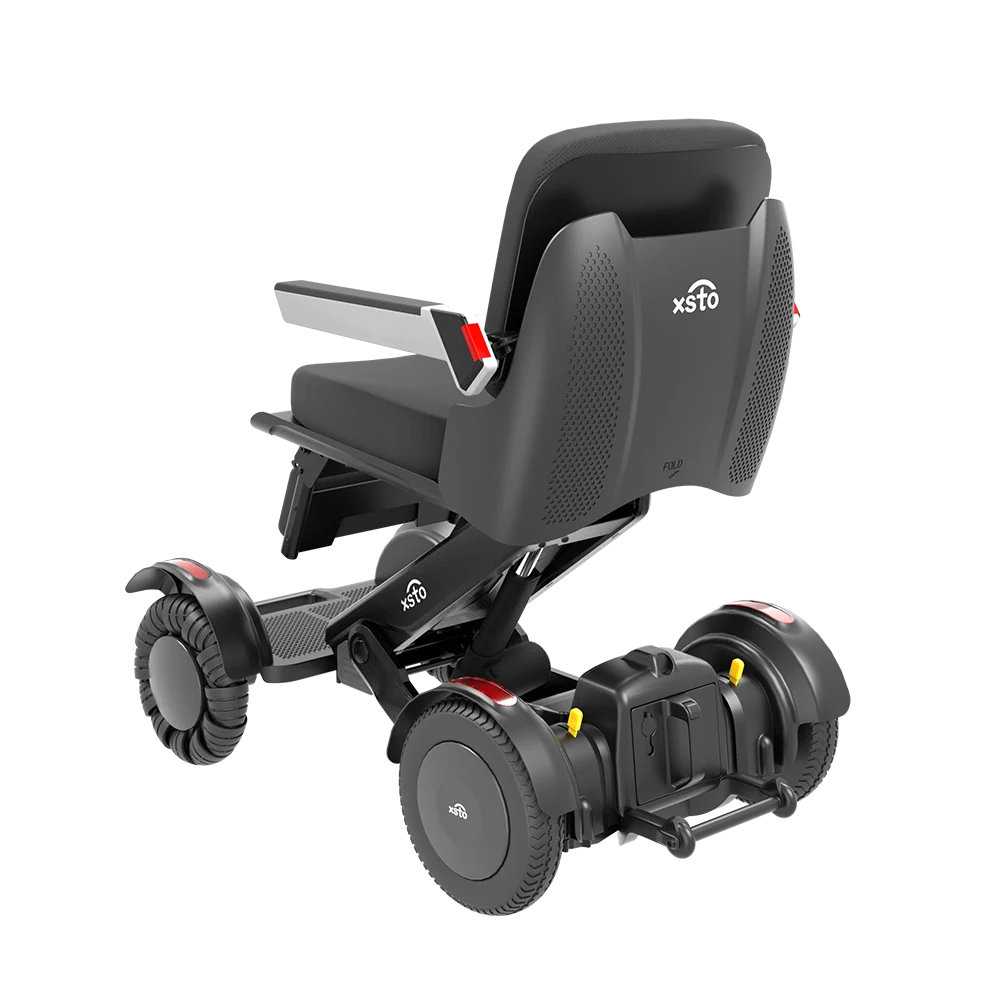
Check electric wheelchair brakes in the state and method specified for the exact task and model. Do not assume that power-off, driving and any freewheel setting have identical effects on every chair. Confirm the meaning of the relevant controls and markings in the guide.
Can the colour of a fitting tell you its required position?
Read the matching label and guide. Two yellow fittings are visible in the supplied rear product view, but their colour does not establish an operating instruction. Ask for the exact function and required state rather than copying a lever position from another chair.
- Identify the controls described in the model guide.
- Record the state required for the planned check.
- Refer unclear markings or modes to trained service staff.
| Observation | Required confirmation |
|---|---|
| Visible fitting or lever | Its exact function on that model |
| Position or mode | The state required by the approved procedure |
Keep the stated mode beside the result of the check. Key Takeaway: Your team will not interpret brake behaviour without knowing the chair's operating state.
When should electric wheelchair brakes be reviewed after handling?
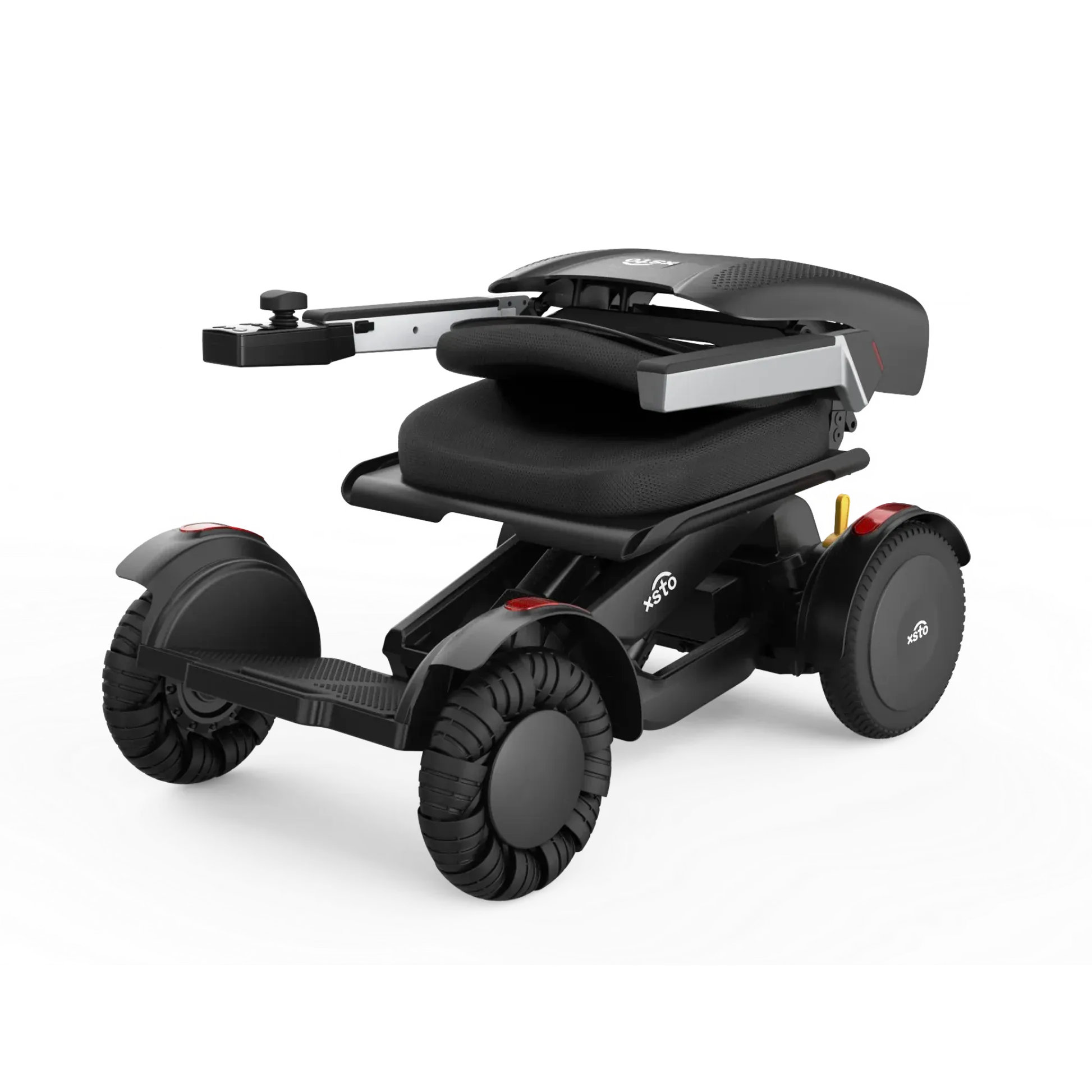
Review electric wheelchair brakes after handling whenever the model instructions or observed condition require it. Include the prescribed checks when restoring the chair from its permitted folded or transport setup. Request current handling and service guidance from the supplier team.
What should staff record after a handling concern?
Describe the event before proposing a repair. Note an impact, trapped lead, changed setting or other observed concern and follow the stated response. Do not assume a chair is ready for use simply because it has been unfolded successfully.
- Restore the required setup using the model guide.
- Complete the prescribed post-handling checks.
- Record and refer damage or uncertain behaviour.
| Handling record | Follow-up |
|---|---|
| Normal approved sequence | Required return-to-use checks |
| Impact or other concern | Specified service or stop-use response |
Keep the handling history with any later fault report. Key Takeaway: The service team can review the concern with its recent context.
Who should perform electric wheelchair brakes checks?
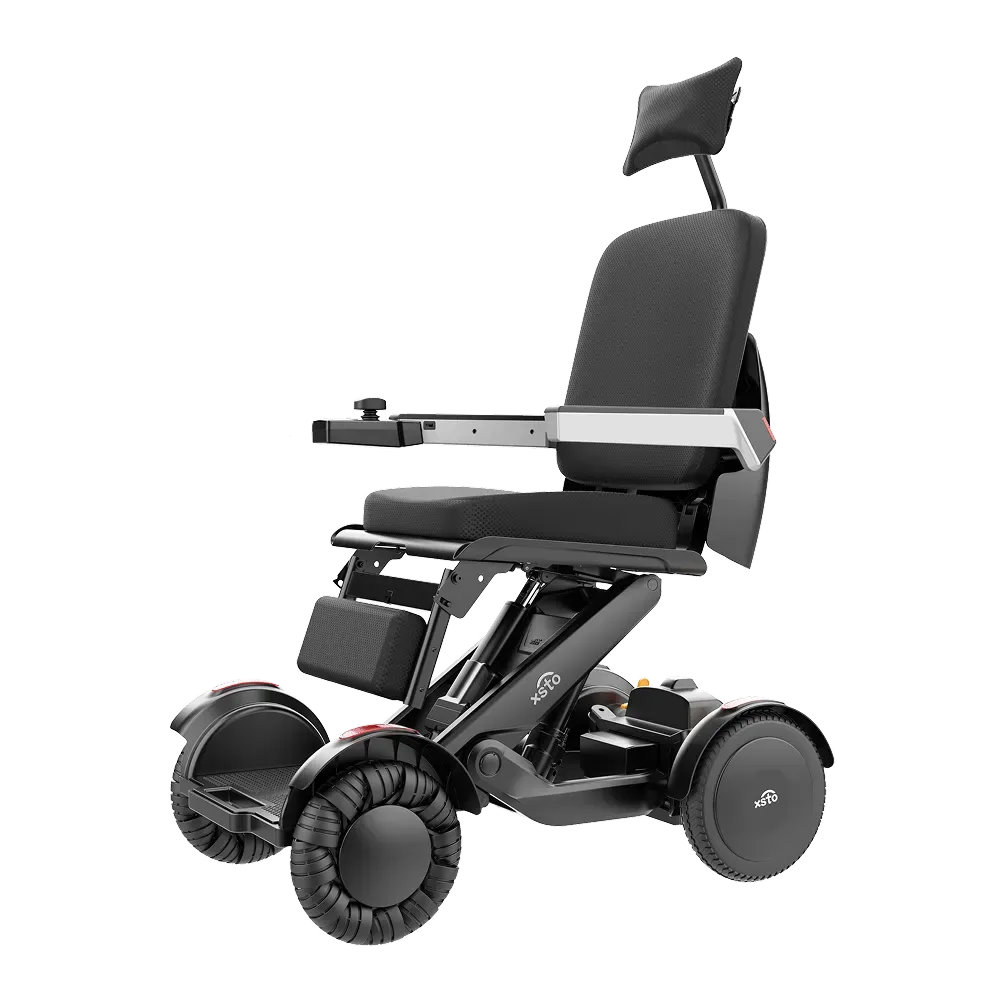
Electric wheelchair brakes checks should be carried out by the people qualified for the particular task under the model's guidance. Routine user checks, dealer receiving checks and formal testing are different activities. Do not replace a required service procedure with an improvised demonstration.
What belongs on a dealer checklist?
Define the task and its limits. Use a current approved checklist for the work the dealer may perform. Refer technical testing, adjustment or repairs to the appropriate trained personnel and facilities.
- Identify the authorised scope of each check.
- Use the current model-specific procedure.
- Provide a clear referral route for work outside that scope.
| Activity | Basis |
|---|---|
| Routine or receiving check | Applicable model guidance and staff competence |
| Technical testing or repair | Qualified personnel and the required method |
A checklist should make the boundary of the task clear. Key Takeaway: Staff can complete useful checks without being pushed into work they are not prepared to perform.
What should a fault report about electric wheelchair brakes contain?
A fault report about electric wheelchair brakes should identify the chair, the observed behaviour and the circumstances already known. Keep the symptom separate from the diagnosis. Follow the required stop-use and service response without asking the user to recreate a suspect event.
Which details help the service team investigate?
Record what happened in order. Include the reported operating state, recent handling or service work and any displayed indication. Clear product photographs can help identification without requiring the customer to open housings or alter controls.
- Record model, revision and relevant service history.
- Describe the observed behaviour and known conditions.
- Provide the evidence requested by the proper service process.
| Report field | Useful detail |
|---|---|
| Identity and history | Which unit and what changed recently? |
| Observation | What happened under the reported conditions? |
Do not turn an incomplete observation into a confirmed component failure. Key Takeaway: The technical review can start from a clear, factual report.
How do you record the outcome of electric wheelchair brakes checks?
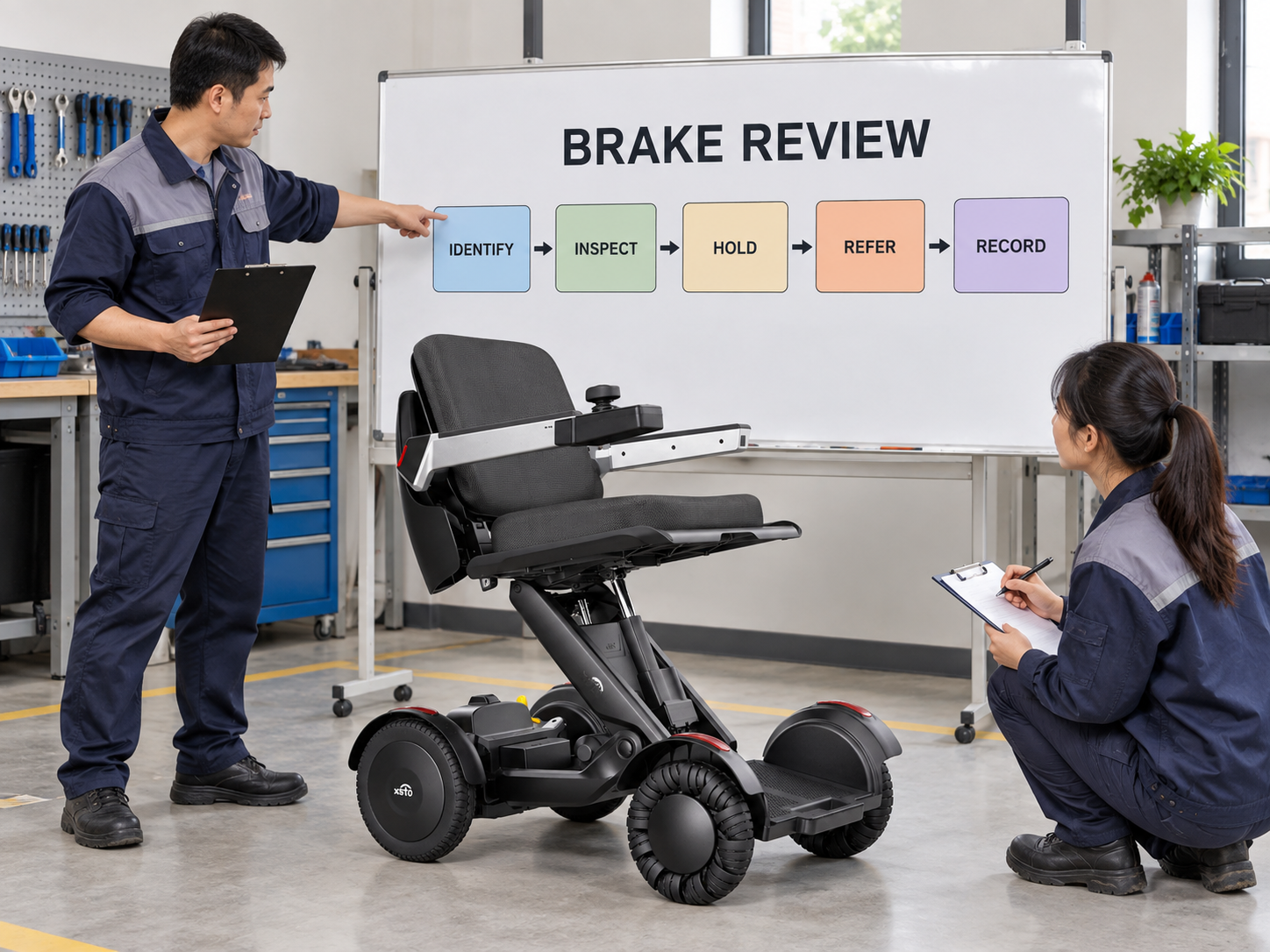
Record electric wheelchair brakes check outcomes with the function, setup, method and responsible person. State any unresolved issue and the required follow-up. A standard reference or a signed form should not be used to imply a result beyond the evidence.
What should justify release after a review?
Connect the decision to the completed work. Retain the applicable findings and any authorised service action, including the required follow-up checks. Keep a unit on hold where the relevant procedure or review still requires it.
- Identify the function and setup reviewed.
- Record the finding and any approved action.
- State who may authorise release under the applicable process.
| Outcome record | Purpose |
|---|---|
| Finding and completed work | Explains the technical basis |
| Release or hold decision | Makes the next action accountable |
A clear record prevents an open question from becoming an assumed pass. Key Takeaway: Another team member can understand why the chair was released or held.
How can you review electric wheelchair brakes with confidence?
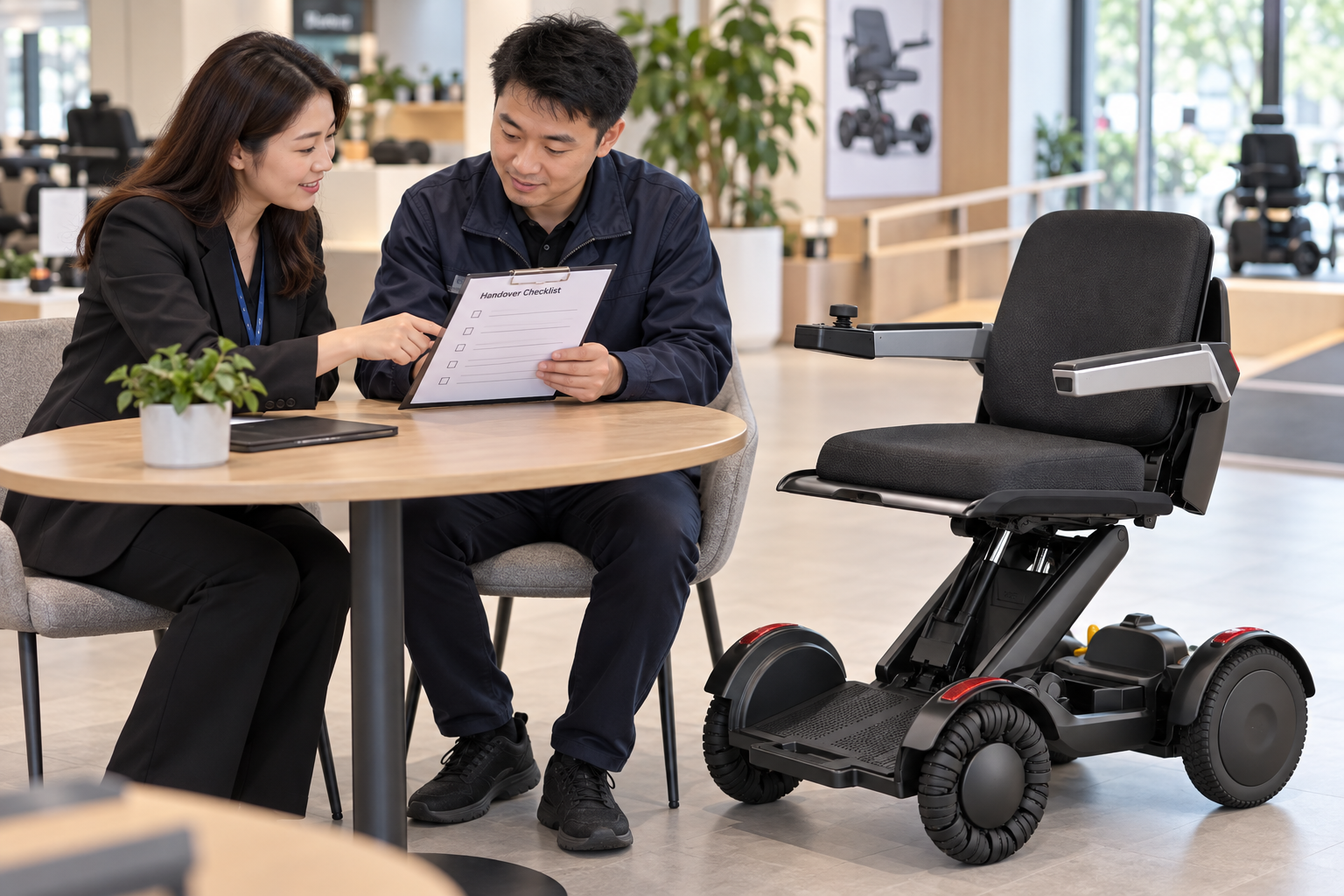
Review electric wheelchair brakes through defined functions, current model guidance and traceable evidence. Keep personal-use needs and the proper service roles in the process. Resolve unknown operating states or report scope before treating a check as complete.
Ready to request the right brake-system information?
Send the model and the question being reviewed. Ary Medical can review a product-information enquiry when the chair, intended use and required evidence are clear. Ask for the current instructions and relevant records for the exact supplied setup.
- Provide the chair model and configuration.
- Name the braking function or concern needing review.
- Request the applicable guidance, evidence and support route.
| Your enquiry | Supplier information to request |
|---|---|
| Model and brake question | Relevant system and operating information |
| Evidence or service need | Applicable records and responsible support route |
Use the reply to close the system, mode and evidence gaps. Key Takeaway: For information tied to the chair under review, contact us. Ary Medical supports brake reviews with a clear method and traceable records.
Frequently asked questions
Q1: Can I judge the brakes from a product photograph?
No. Use photographs for identification, then confirm the fitted system and approved checks through the model records.
Q2: What's the difference between stopping and parking evidence?
They address different functions. A stopping result does not by itself establish every parked-holding condition.
Q3: Can I assume the brakes behave the same when power is off?
No. Confirm the effect of the actual operating state and any freewheel setting in the exact model guide.
Q4: How do I know whether a dealer may perform a particular check?
Use the scope in the current model and service guidance. Refer work requiring specialist methods or skills to the appropriate qualified team.
Q5: Can an ISO reference prove that a particular chair passed?
No. Check the exact report, device setup, scope and findings; a named standard alone is not a product test result.