
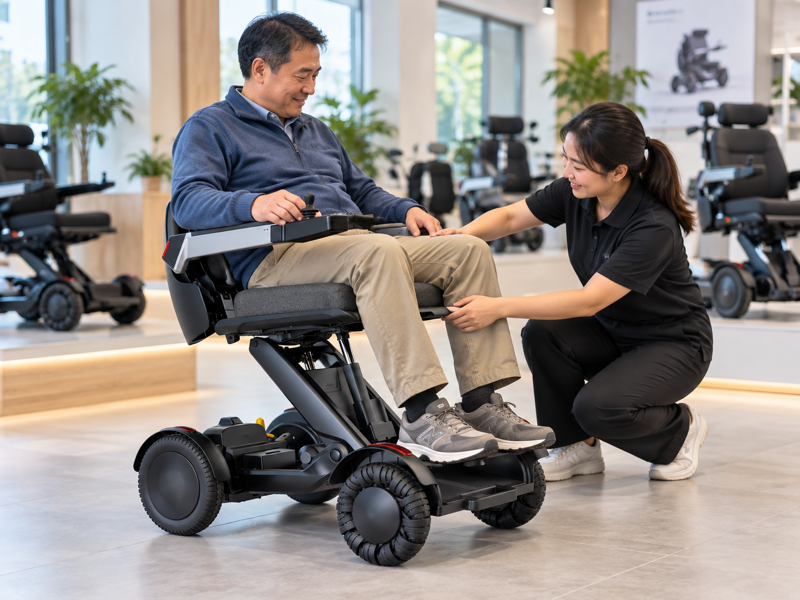
Choose electric wheelchair cushions by matching the person's assessed seating needs with the exact chair, then reviewing fit before handover. A dealer may see a soft pad and assume it solves a long-sitting complaint; a different cushion can also change seat height and control reach. The wheelchair series gives buyers a product starting point, while an individual seating review determines what works for the person. Keep those decisions together in the order and service record.
What makes electric wheelchair cushions suitable for a user?
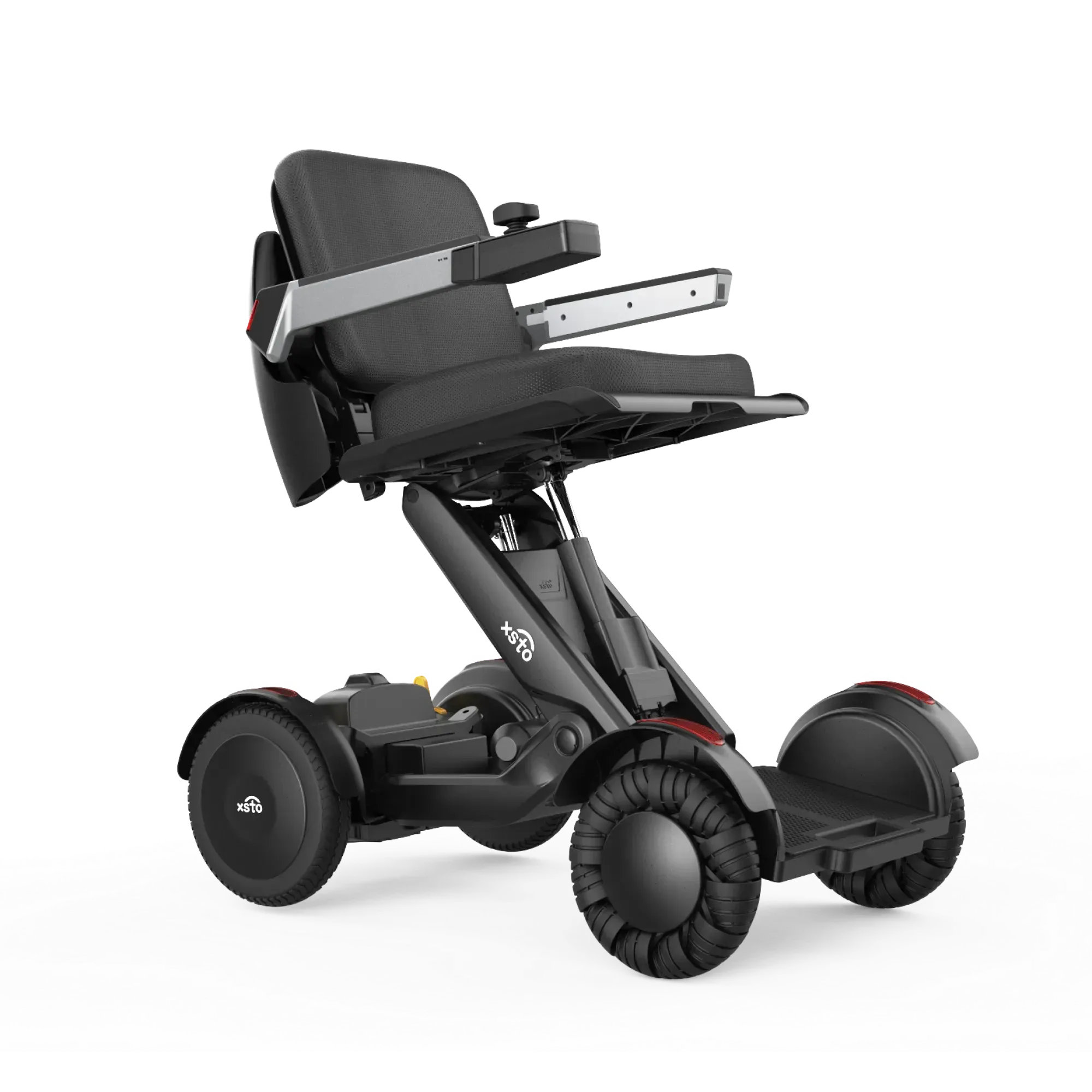
Electric wheelchair cushions suit a user when assessed support, posture, skin concerns and chair fit agree. No single material or photograph establishes that match. Ask who will review the complete seating setup with the user.
Which needs should start the discussion?
Start with the person, then check the pad. Record sitting pattern, posture needs, transfers and any existing seating plan. WHO's wheelchair guidance calls for individual assessment, fitting, training and follow-up rather than a generic product choice.
- Capture the user's assessed support and daily-use needs.
- Identify the chair model and current seating setup.
- Name the qualified reviewer for fit or skin concerns.
| Input | Buyer question |
|---|---|
| Individual needs | Who assessed the seating goal? |
| Chair setup | What position and supports will change? |
A useful product shortlist begins with a recorded seating goal. Key Takeaway: You can reject a convenient-looking pad that does not answer the user's actual need.
How do you match electric wheelchair cushions with a chair?
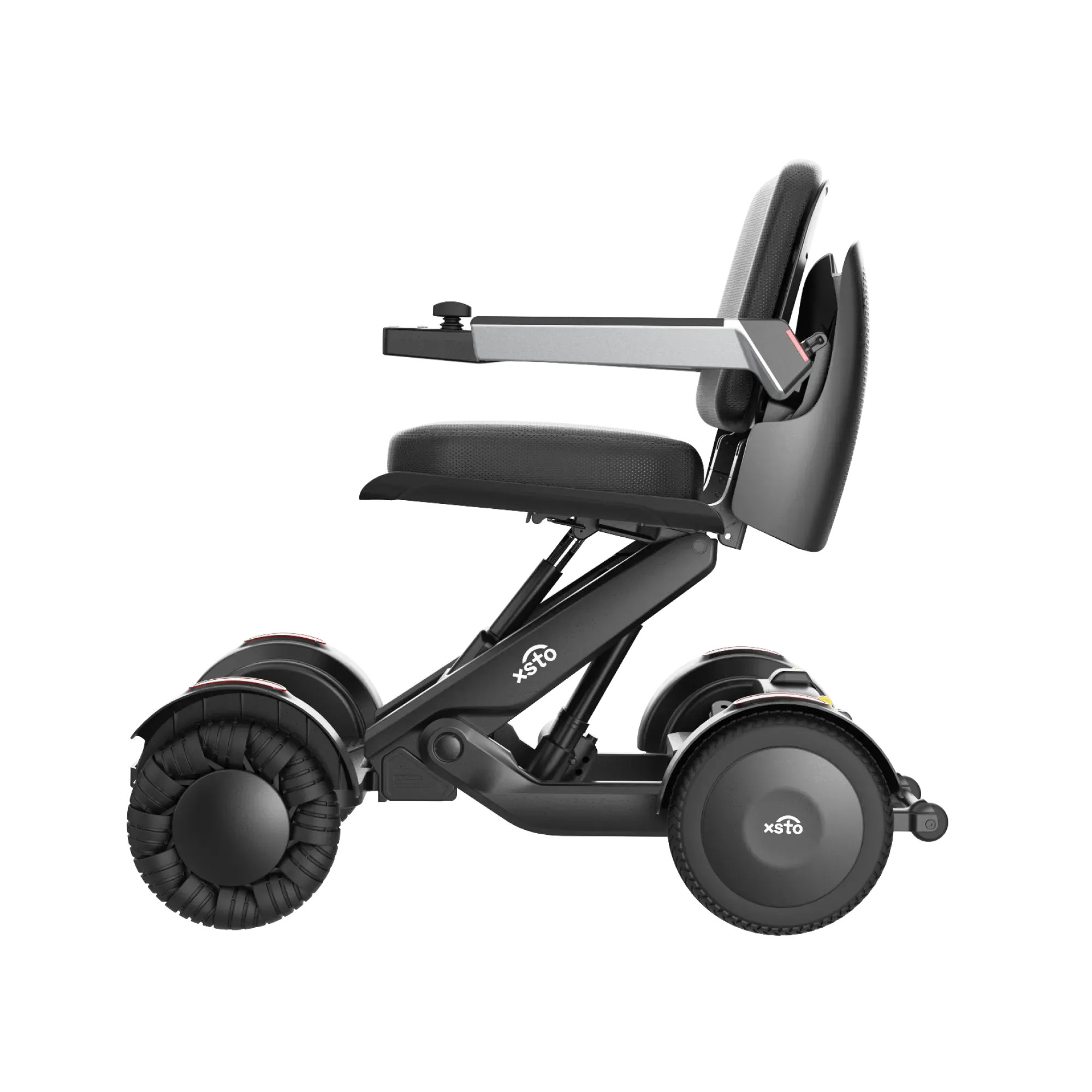
Match electric wheelchair cushions with the exact chair seat, approved attachment method and permitted setup. Width alone does not prove fit because the base, backrest and arm supports also define usable space. Compare the product details with the ordered configuration.
What must the supplier identify?
Ask for the whole seating interface. Request the cushion reference, chair model, seat dimensions as specified and permitted attachment details. Keep the supplier's current instructions with that combination, especially when a replacement item looks similar.
- Match model and approved cushion reference.
- Confirm seat-base shape and permitted fixing method.
- Check whether an added layer changes other fit points.
| Match point | Evidence to request |
|---|---|
| Seat interface | Approved model and cushion pairing |
| Attachment | Instructions for the exact setup |
A fit claim should name both sides of the pairing. Key Takeaway: Receiving staff can confirm the ordered cushion belongs with the delivered chair.
Who should review electric wheelchair cushions for pressure needs?
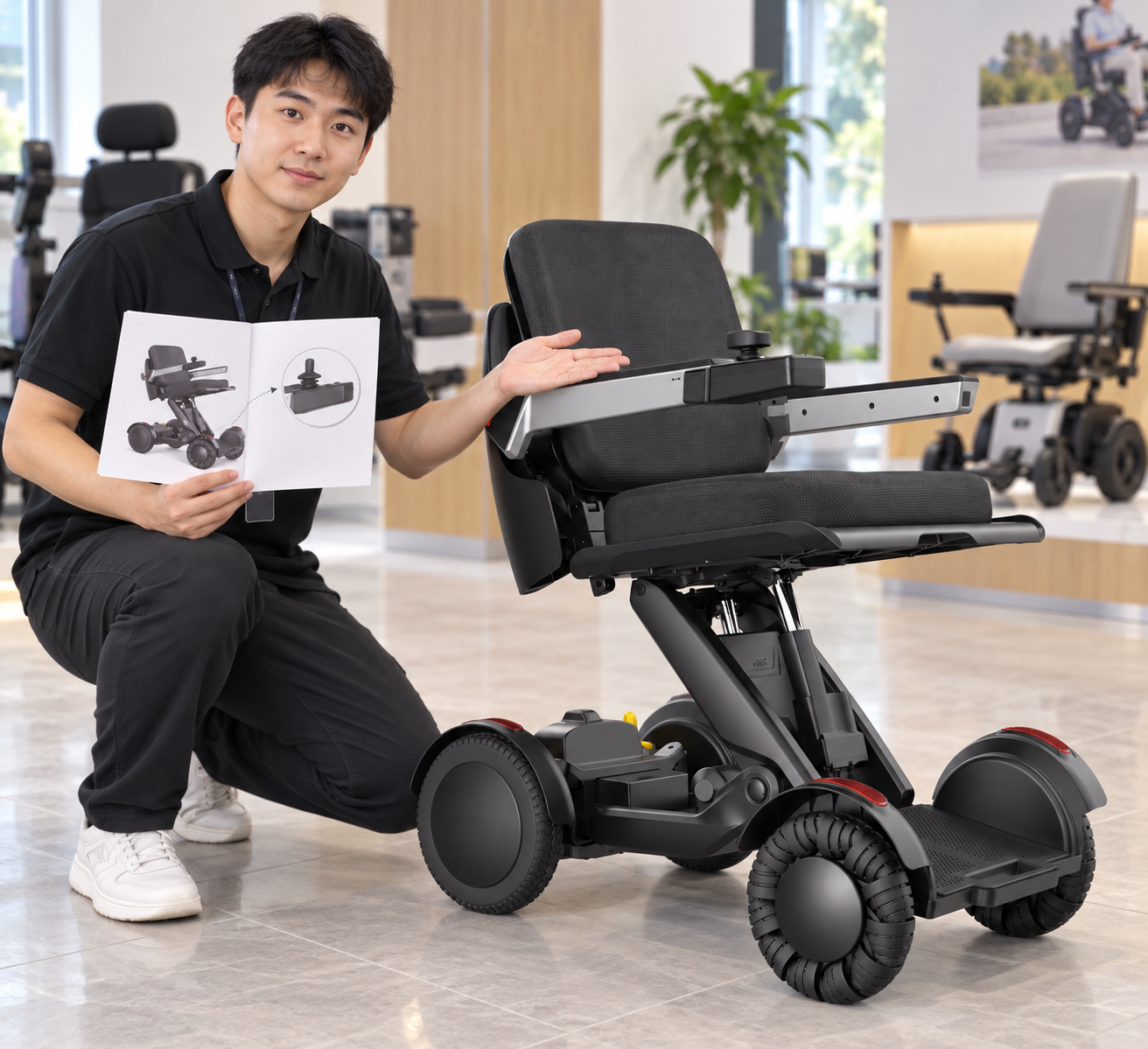
A suitably qualified seating or clinical professional should review electric wheelchair cushions when pressure or skin concerns affect the choice. A dealer can coordinate options and product information, but a catalogue cannot grade an individual's risk. New pain or skin changes warrant the appropriate care referral.
What information supports that referral?
Keep clinical questions with the right professional. The WHO wheelchair provision guidelines place cushion fitting within a person-centred process. Send the current chair and cushion details, relevant observations and the user's existing care plan to the responsible team.
- Identify who owns the seating and skin review.
- Share the present chair and cushion configuration.
- Avoid claiming a cushion prevents or treats a condition.
| Concern | Responsible next step |
|---|---|
| Pressure or skin change | Refer for individual assessment |
| Product compatibility | Obtain model-specific supplier data |
Separate the product question from the clinical decision. Key Takeaway: Your team can help without presenting a cushion as a treatment.
Can electric wheelchair cushions change seat height?
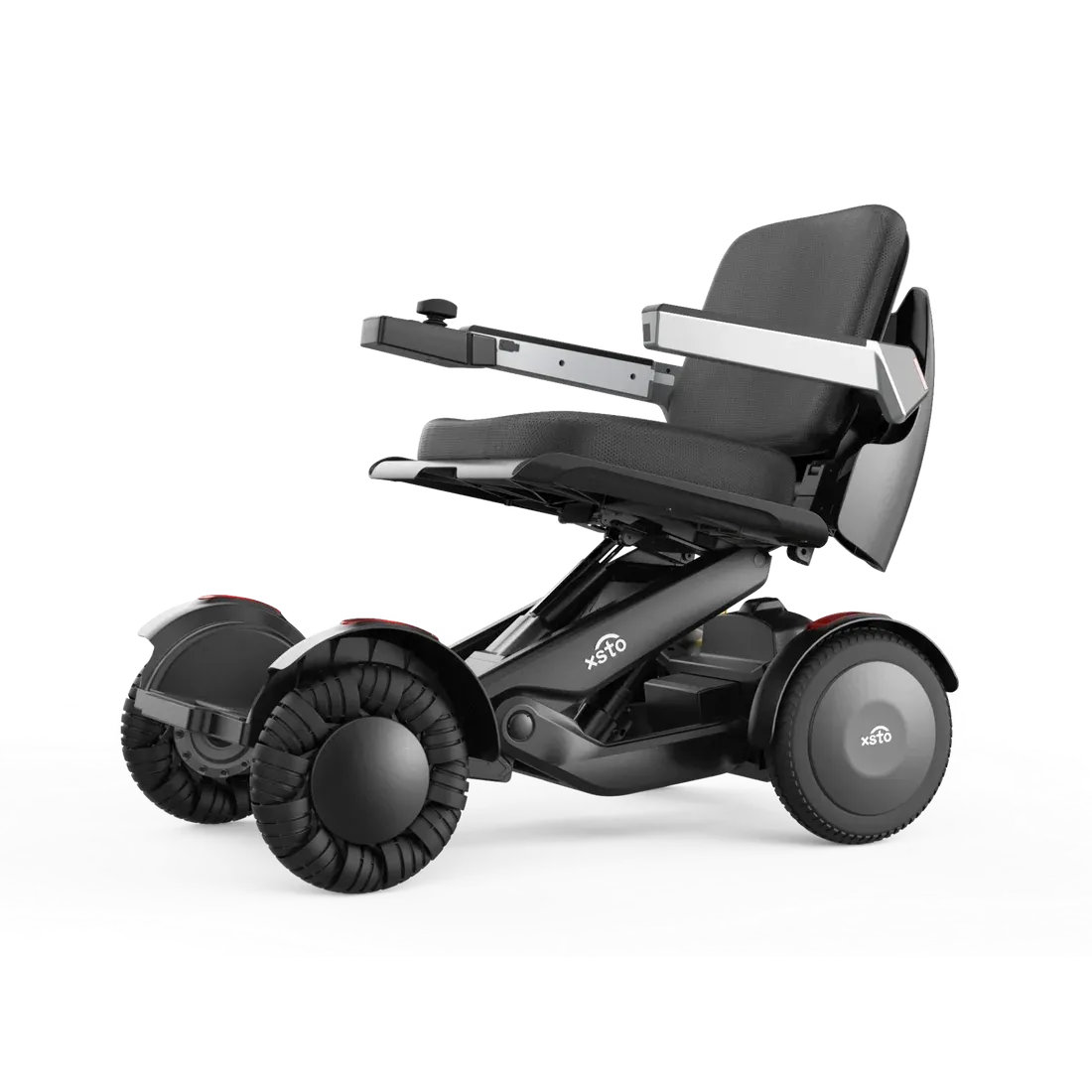
Electric wheelchair cushions can change effective seat height and the user's position within the chair. That shift may alter feet, arm support, controller reach and transfer height. Review these relationships after the cushion is fitted; the ergonomic chair example shows why whole-chair context matters.
What should the fitting review observe?
Follow the change beyond the seat surface. Use the person's assessed setup and the exact chair adjustment range. Oxford Health's clinician guide notes that adding a wheelchair cushion changes sitting ergonomics and calls for seating assessment.
- Check foot support and arm support relationships.
- Observe approved controller reach and transfer setup.
- Document reviewed positions after fitting.
| Changed point | Review question |
|---|---|
| Seat height | Do feet and transfers remain within the plan? |
| Control position | Can the user reach the agreed control? |
A cushion choice can affect more than the sitting surface. Key Takeaway: The final setup remains coherent instead of mixing two separate fit plans.
Which electric wheelchair cushions materials need closer review?
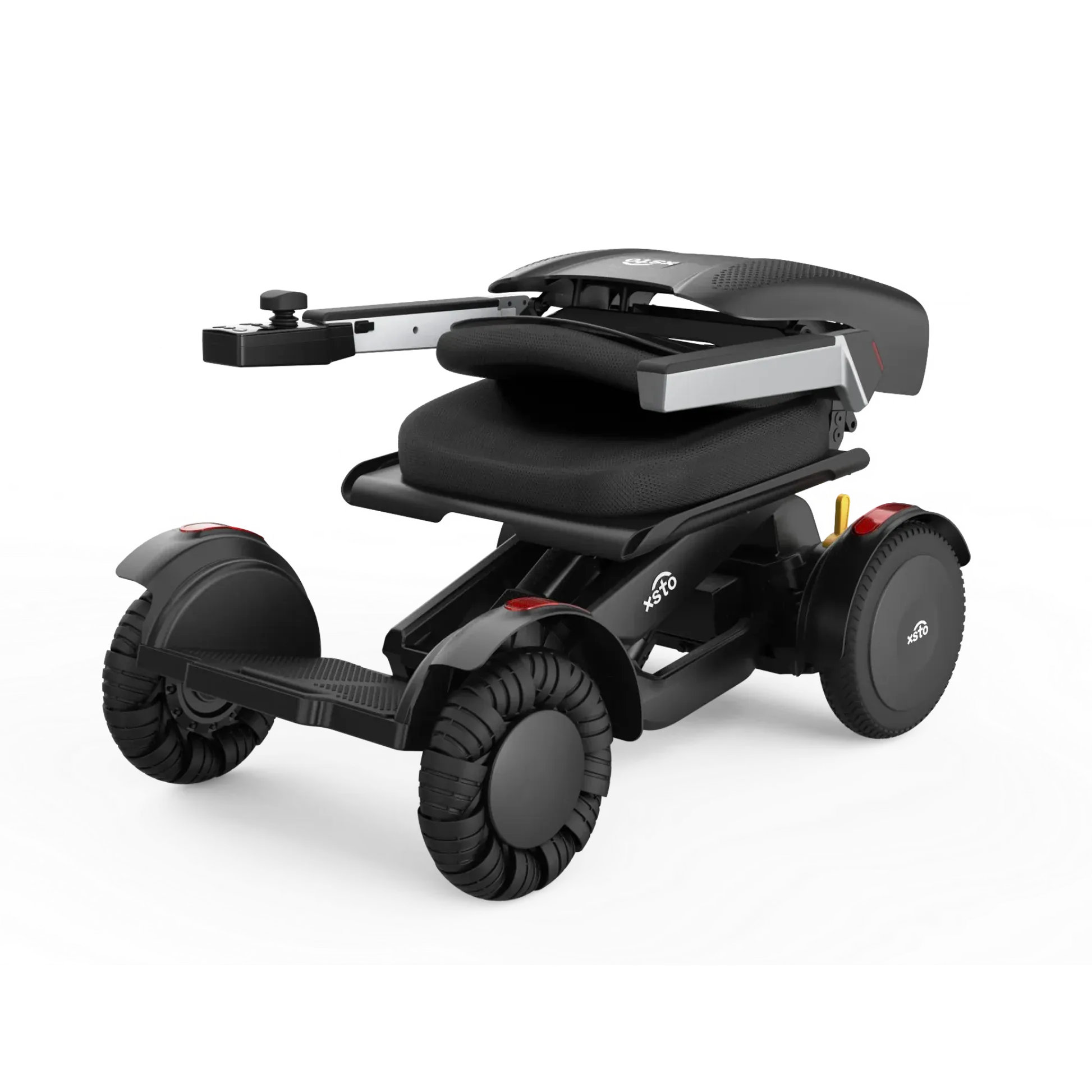
Electric wheelchair cushions with foam, air or other constructions need review against individual needs and the exact product instructions. Material names alone do not establish pressure management, maintenance effort or durability. Ask for the approved use and care information for the proposed item.
How should buyers compare options without guessing?
Compare duties, not product nicknames. A cushion may need a different cover, inflation check or handling routine according to its design. Request the maker's current instructions and have the seating reviewer judge the candidate in use.
- Identify the actual construction and product reference.
- Request cleaning, inspection and replacement guidance.
- Check who can maintain the required setup.
| Comparison field | Evidence |
|---|---|
| Construction | Current product specification |
| Care routine | Model-specific user instructions |
Maintenance feasibility belongs in the selection decision. Key Takeaway: You can compare real products without assigning unverified medical effects to a material.
How should electric wheelchair cushions affect transfers?
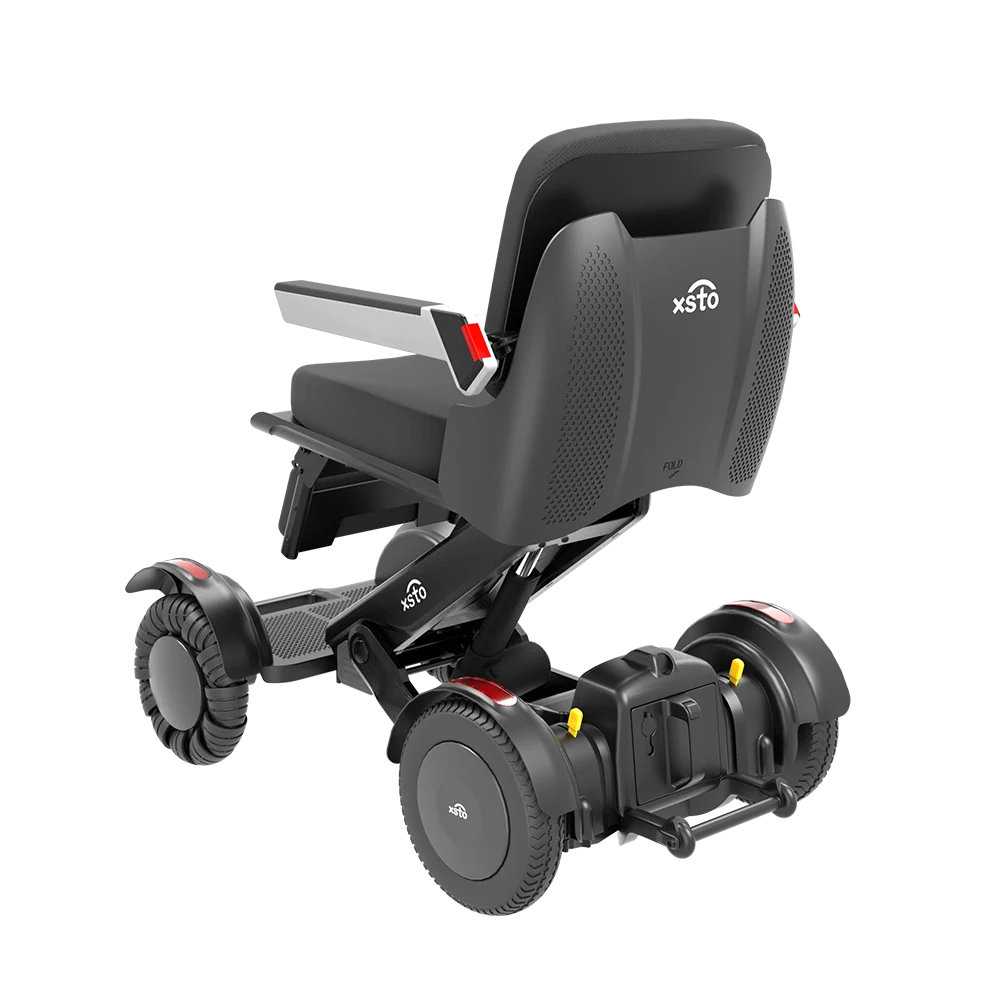
Electric wheelchair cushions should support the person's assessed transfer method without creating an unreviewed seat-height or stability change. Confirm the cushion stays correctly positioned during the permitted transfer routine. Ask the support team for applicable product instructions, while a qualified assessor handles the personal plan.
What belongs in a handover demonstration?
Show the approved setup in context. Explain orientation and securing requirements from the actual cushion instructions. Do not use the pad as a handle or alter an individual's transfer plan because a new surface feels firmer.
- Check cushion orientation and approved fixing.
- Review transfer height with the responsible assessor.
- Record any reset or inspection needed after movement.
| Transfer issue | Check |
|---|---|
| Seat height | Agreed personal method |
| Cushion movement | Approved fixing and return check |
An unchanged chair frame can still feel different after a cushion swap. Key Takeaway: The user and staff can follow one agreed transfer arrangement.
When should electric wheelchair cushions be rechecked?
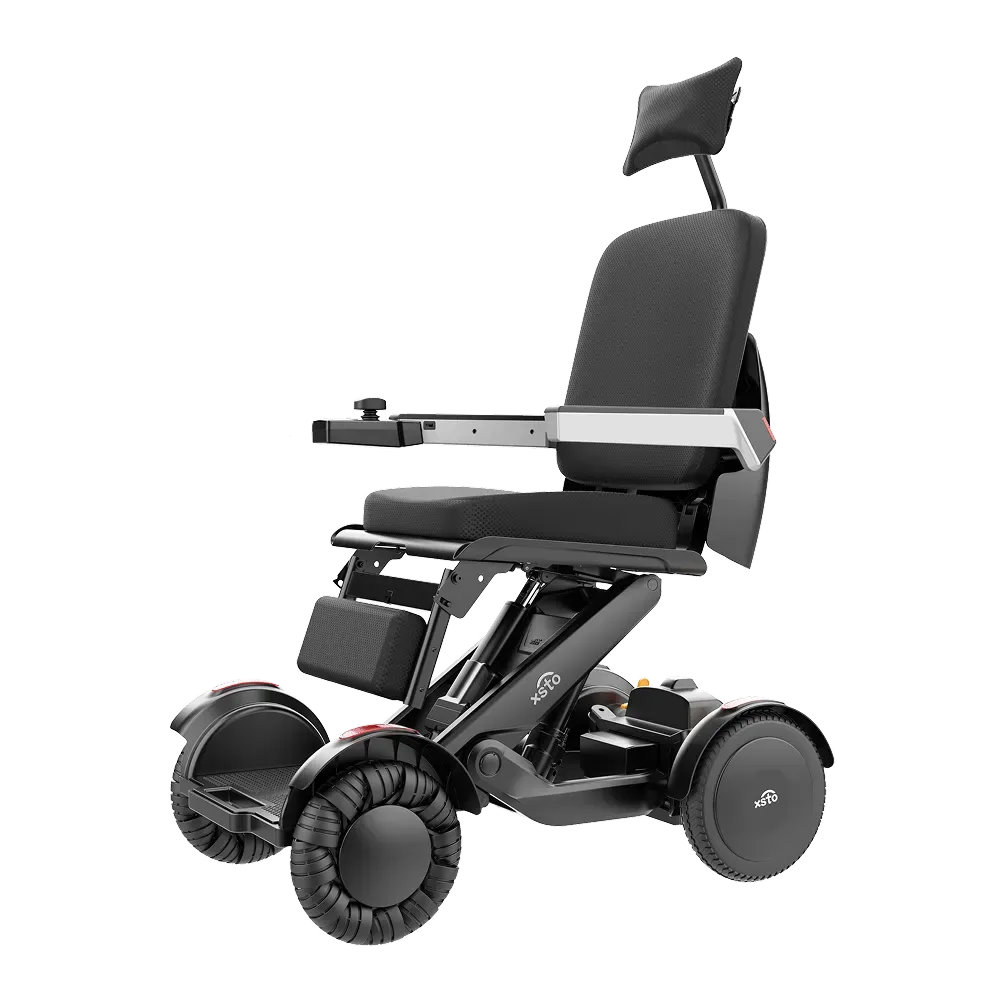
Recheck electric wheelchair cushions after fitting, a relevant health or posture change, visible wear or a change in chair setup. Keep the schedule tied to the individual service plan and product instructions. A supported-seat product variant in the images illustrates another possible configuration, not an included feature of every chair.
What should trigger a closer look?
Use observations, not a universal calendar. A cover tear, lost shape, repeated sliding or new discomfort needs the appropriate review. Do not turn a photograph or a marketing claim into a diagnosis; record what the user and staff actually observe.
- Record the current cushion and chair references.
- Note condition and user-reported change.
- Refer fit or skin concerns through the agreed care route.
| Trigger | Response |
|---|---|
| Visible damage | Check maker guidance and service route |
| Changed comfort or posture | Request seating reassessment |
Trigger-based records make follow-up more useful. Key Takeaway: You know when to call for a fresh fit decision rather than quietly replacing a pad.
How do you care for electric wheelchair cushions in stock?
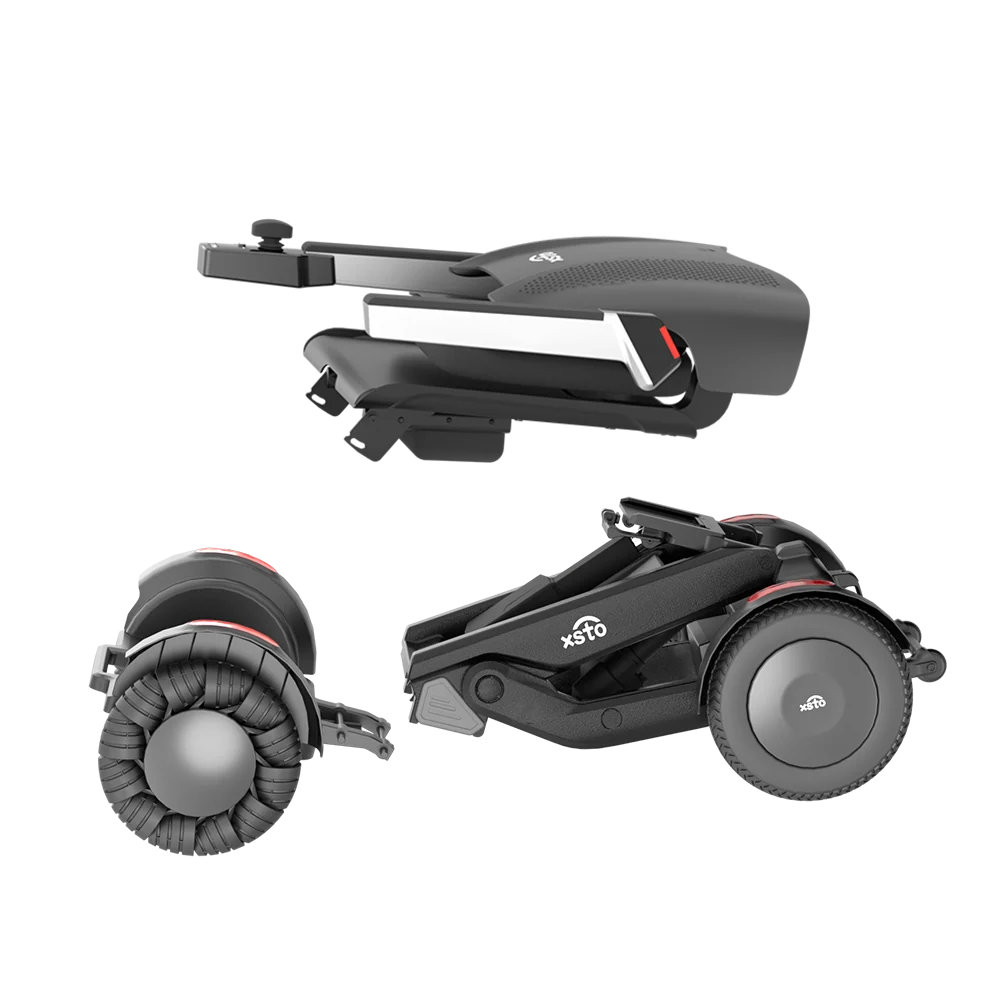
Store electric wheelchair cushions using the maker's packaging, handling and cleaning instructions. Protect covers and surfaces from avoidable damage, and keep each cushion identifiable by reference. A mixed stockroom can make similar-looking products difficult to trace.
Which checks help before dispatch?
Keep identity beside condition. Confirm the correct model, cover, orientation marks and any supplied instructions without opening a sealed item against policy. Ask the supplier what inspection is permitted and how suspected damage should be reported.
- Match part label with the purchase order.
- Inspect outer packaging for moisture or crushing.
- Retain the supplied care and fitting information.
| Stock check | Why it matters |
|---|---|
| Identity | Prevents an unrecorded substitution |
| Condition | Routes visible damage for review |
A clean label makes later service enquiries faster. Key Takeaway: Your team can hand over the right item with its care information intact.
What should a electric wheelchair cushions order record contain?
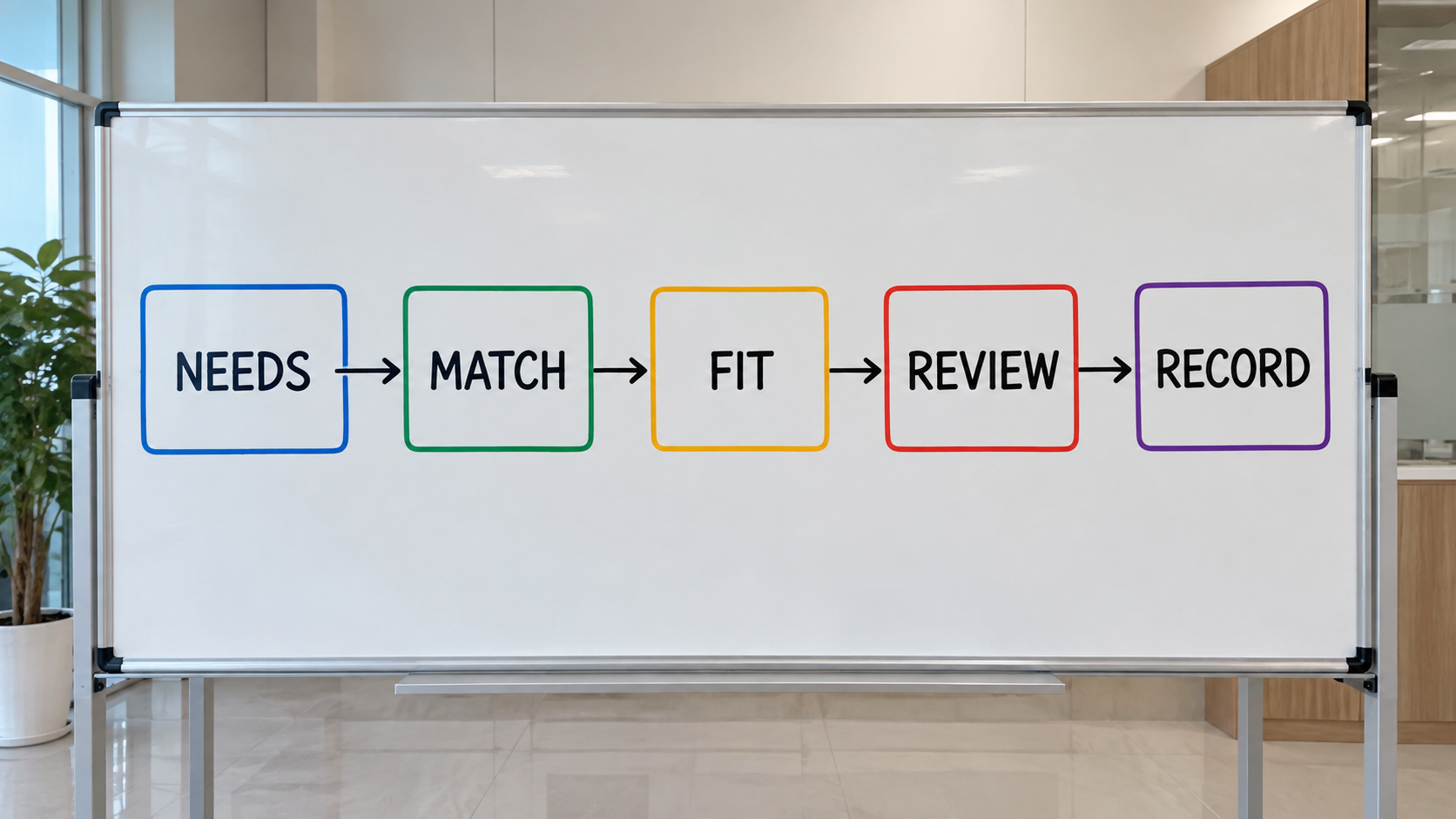
A electric wheelchair cushions order record should identify the user-approved need, exact chair and cushion references, fitting reviewer and current instructions. Keep any approved changes and follow-up plan alongside the order. This turns a product sale into a traceable setup decision.
Can another staff member understand the selection?
Make the handover legible. The workflow chart shows a sequence from needs and model match through fit, review and record. Use the same fields when a replacement is requested months later; the newest approved information should be easy to find.
- Link chair and cushion part references.
- Record who approved the individual fit.
- Keep care instructions and follow-up route current.
| Record field | Use |
|---|---|
| Product pair | Confirms what was supplied |
| Fit review | Explains the approved choice |
A short record avoids a long reconstruction when parts change. Key Takeaway: The next order can follow the assessed setup instead of a guess.
How can electric wheelchair cushions selection stay practical?
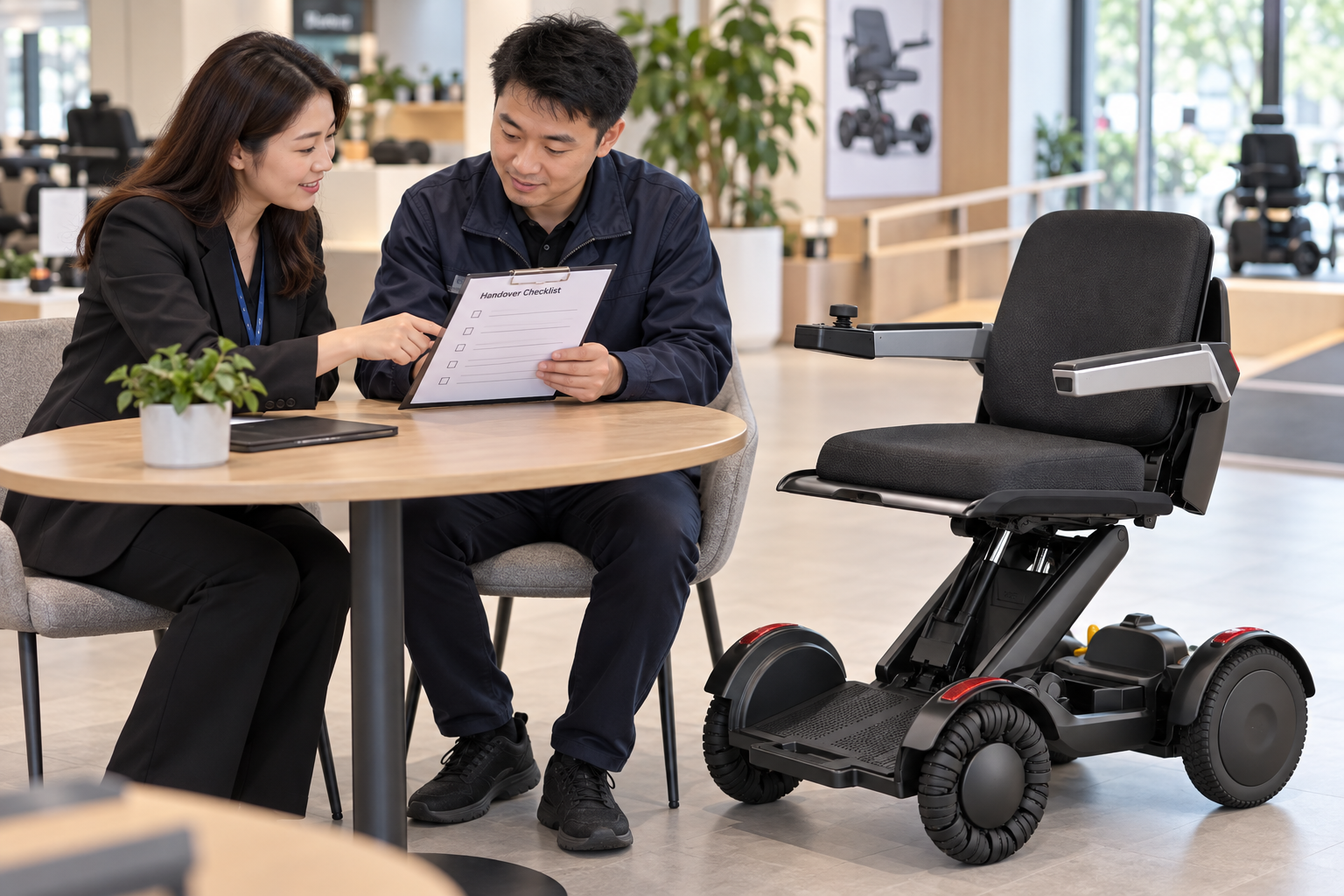
Electric wheelchair cushions selection stays practical when product compatibility, individual fit and care duties are resolved before ordering. You need the chair reference, the proposed cushion and a named fit-review route. Keep unsupported treatment claims out of the purchase decision.
Ready to request a suitable cushion option?
Send a complete seating brief. Ary Medical can clarify available product options and matching information for its wheelchair range. Ask for the current cushion and chair instructions so the responsible professional can review the person's setup.
- State the chair model and existing cushion.
- Describe assessed seating needs and handling duties.
- Request approved options and care information.
| Your input | Supplier response to request |
|---|---|
| Chair identity | Compatible option and part reference |
| Review plan | Fitting and care information |
Resolve the match before placing the purchase order. Key Takeaway: For model-specific options, contact us. Ary Medical stands for seating decisions grounded in the person and the complete chair.
Frequently asked questions
Q1: Can I choose a cushion from a product photo?
No. Confirm model compatibility and arrange an individual seating review for the user.
Q2: What's the best cushion for pressure concerns?
There is no universal best choice. Refer the person's needs to a qualified seating or clinical professional.
Q3: How do I know if a thicker cushion changes fit?
Review effective seat height, foot support, control reach and transfers after fitting.
Q4: Can I swap an air cushion for foam?
Only after an appropriate fit review and confirmation that the proposed item suits the exact chair and care plan.
Q5: How do I know when a cushion needs replacement?
Check the maker's care guidance and seek review for wear, lost shape, new discomfort or changed needs.