

Make electric wheelchair storage easier by planning a dry space around the complete chair and following its exact parking, folding and battery instructions. A UK dealer can sell a compact-looking model, only for the customer to find a projecting joystick or foot platform blocks the chosen cupboard. That mismatch creates daily handling trouble. Measure the real parked setup, agree who will move it and record the return-to-use checks before delivery.
What makes electric wheelchair storage workable each day?
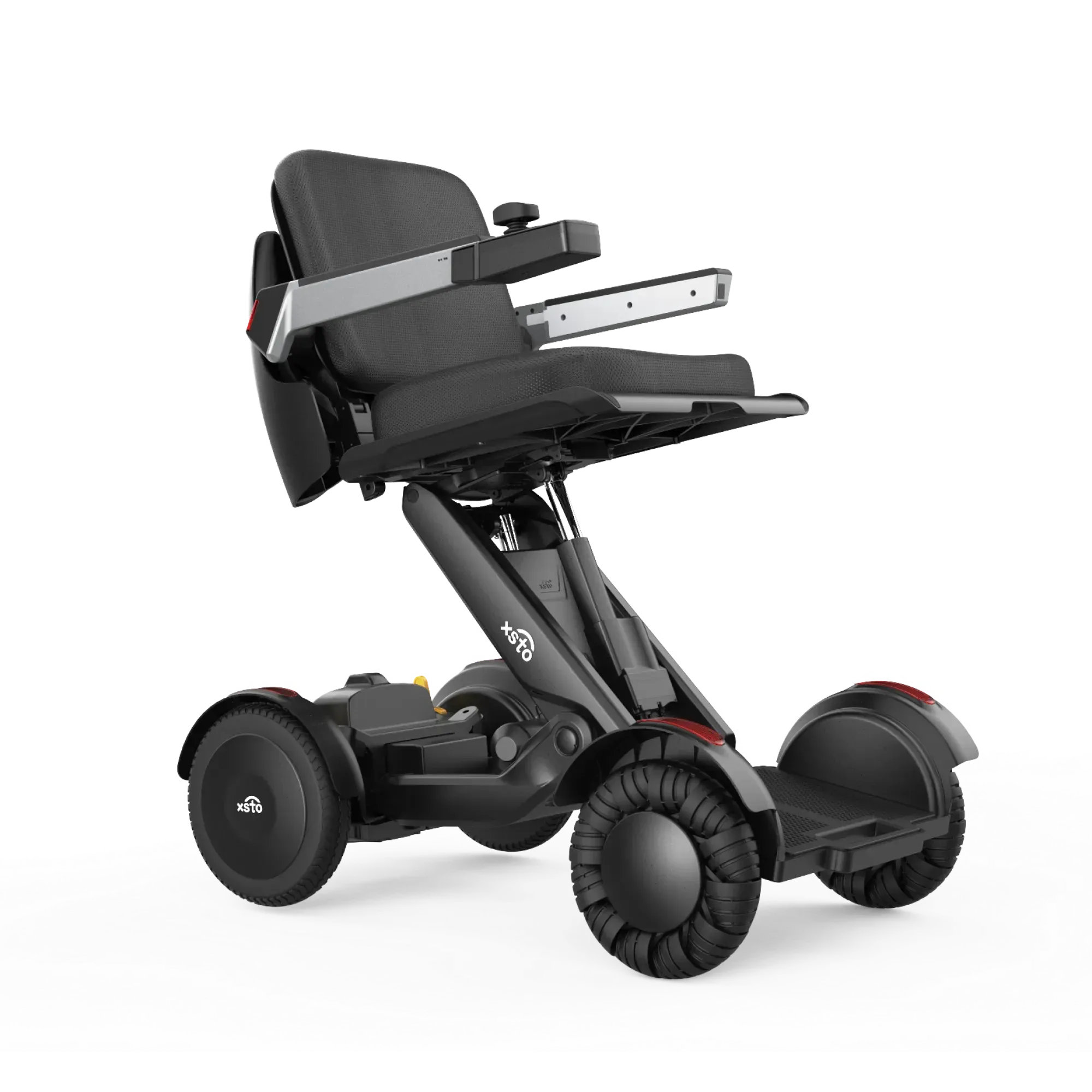
Electric wheelchair storage works when a dry, accessible place holds the whole approved setup without forcing a fold or damaging controls. Check how the user approaches and retrieves the chair. A space that looks large on a floor plan can still leave too little room at the door.
What belongs in the first room check?
Walk the route with the parked shape in mind. Look at door swing, floor surface, socket position and the person responsible for moving the chair. The product catalogue can narrow a shortlist, but actual measurements must come from the selected configuration.
- Measure usable space rather than room area alone.
- Identify the chair's full parked footprint.
- Agree how the user or helper reaches the stored chair.
| Space question | Check on site |
|---|---|
| Does it fit? | Complete parked outline and doorway |
| Can it be retrieved? | Clear approach and handling route |
A narrow opening can defeat a generous-looking storage alcove. Key Takeaway: You can judge storage by the full daily movement, not a single catalogue width.
How much space does electric wheelchair storage need?
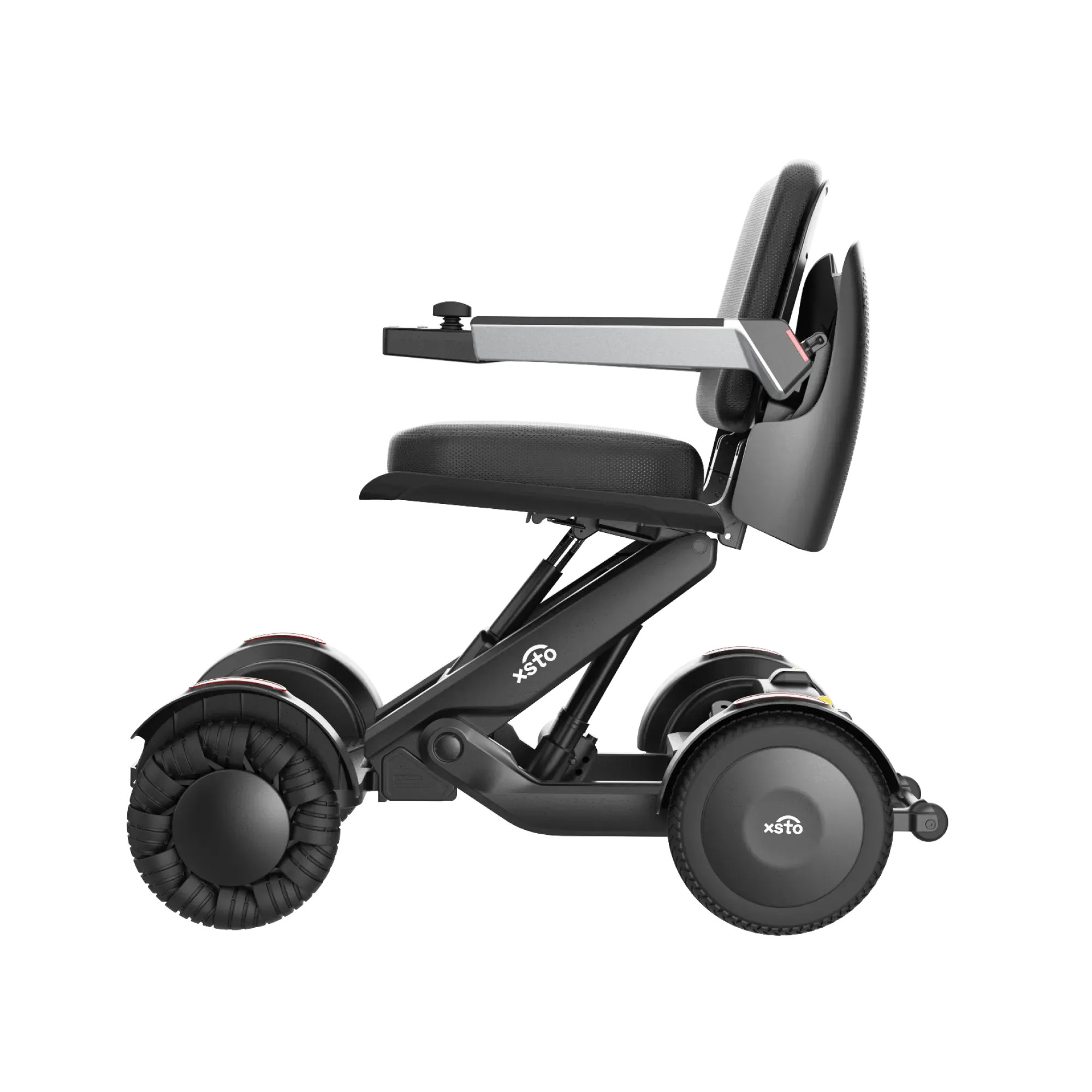
Electric wheelchair storage needs enough room for the chair's real outline, projecting parts and safe access around it. The seat, foot platform and joystick can extend beyond an imagined base rectangle. Ask for the dimensions of the exact supplied setup and test the intended location.
Which projections are easy to miss?
Trace the outermost points. Record any attached support, control mount or accessory that stays in place. Keep a margin for doors and handling rather than treating the chair as a rigid box with zero clearance.
- Note front, rear and side projections.
- Check the storage opening at its narrowest point.
- Leave space for the instructed parking and retrieval method.
| Dimension | Storage implication |
|---|---|
| Outer chair outline | Sets the main space request |
| Attached control or support | May need extra side or upper clearance |
A dimension only helps when its measurement state is stated. Key Takeaway: Your buyer can compare the actual chair with the actual storage opening.
Should electric wheelchair storage use the folded position?

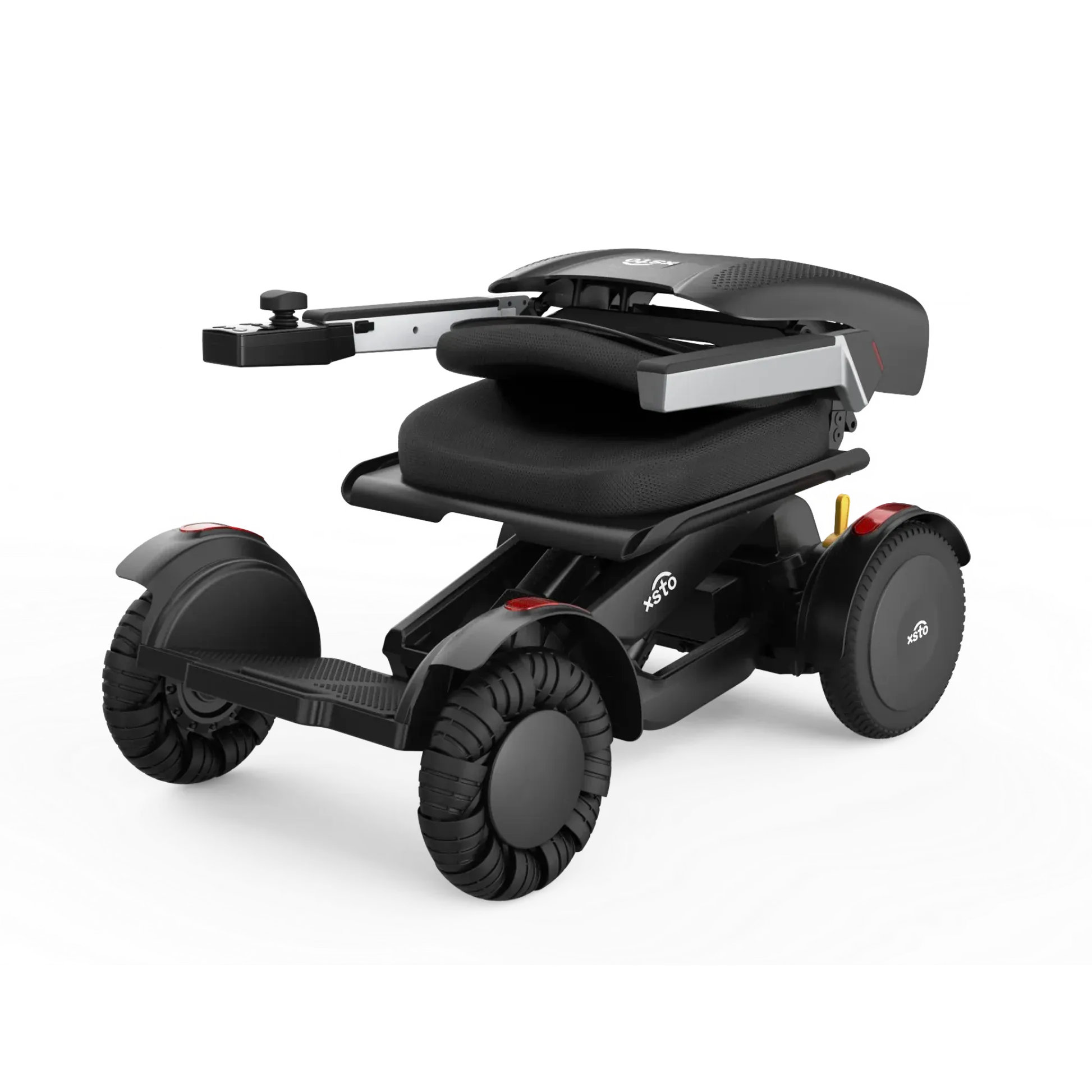
Electric wheelchair storage should use the folded position only when the exact model permits it and the person can follow the approved handling steps. Folding can reduce one dimension while leaving another awkward. Do not promise a fit from a folded photograph alone.
What must a folding demonstration show?
Follow the mechanism through both directions. Use the model instructions for supports, controls and any removable parts. The folding chair product page illustrates a category option; its handling rules cannot be applied to another chair without confirmation.
- Identify every permitted folding step.
- Measure the folded unit with retained accessories.
- Show the required reopening and pre-use checks.
| State | Evidence needed |
|---|---|
| Folded | Actual packed outline and handling points |
| Returned to use | Correct locking and setup checks |
The storage win disappears if reopening cannot be managed safely. Key Takeaway: You can decide whether folding genuinely suits the setting and user.
Where do batteries fit into electric wheelchair storage?
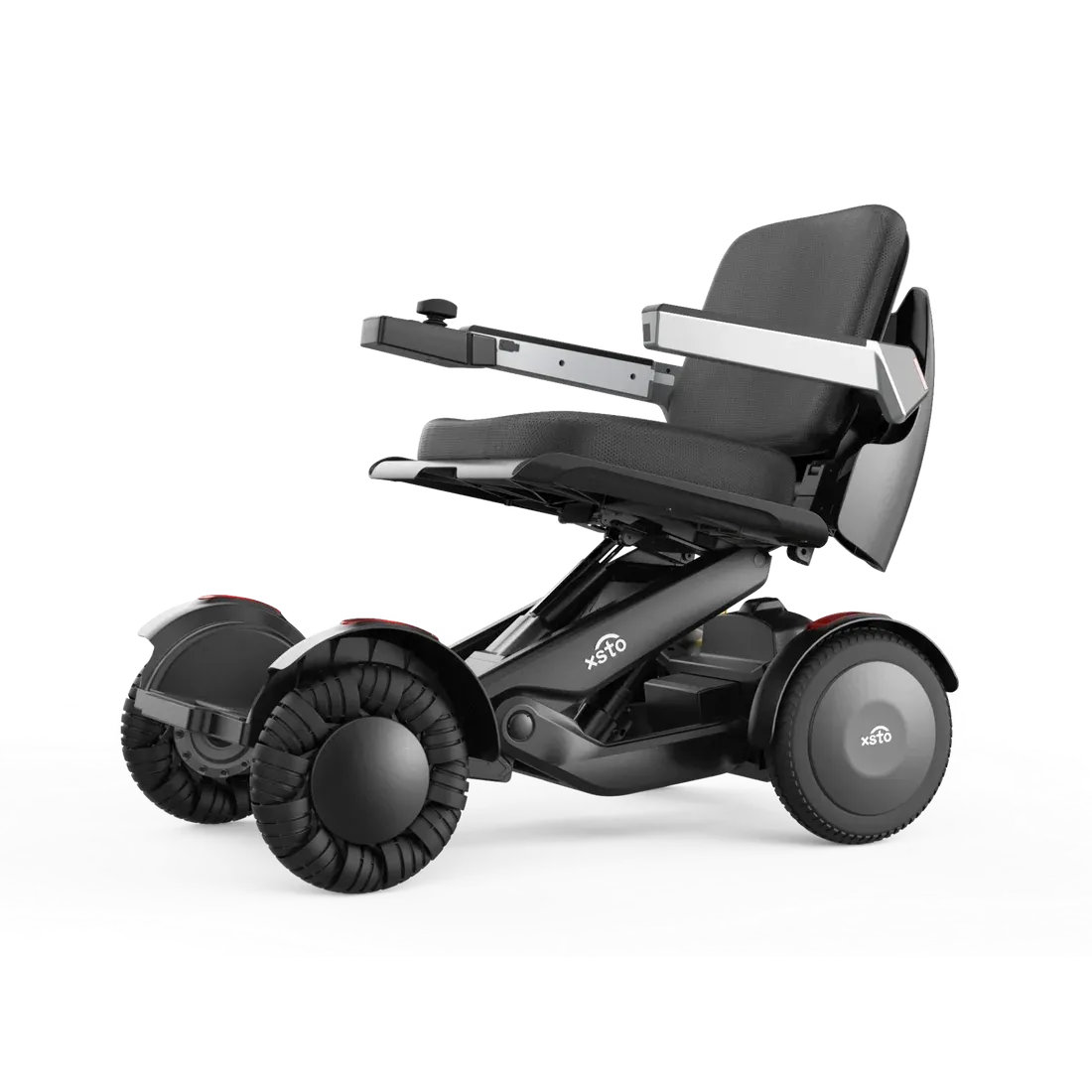
Batteries fit into electric wheelchair storage according to the exact chair and battery manufacturer's instructions. Do not infer a universal removal or charging routine. Separate long-term storage advice from the ordinary daily parking plan.
Which instructions must stay with the chair?
Keep the power setup model-specific. Record approved charging accessories, temperature guidance and any battery management steps. The FDA's charging safety advice calls for manufacturer-provided accessories and protection from extreme temperatures.
- Identify the fitted battery and approved charger.
- Follow the exact maker's storage and charging directions.
- Keep leads and connectors dry and undamaged.
| Power item | Decision source |
|---|---|
| Battery storage | Exact battery and chair instructions |
| Charger location | Approved setup and safe access |
A charging plan and a parking plan may require different space checks. Key Takeaway: The battery routine remains traceable to the product actually delivered.
How can electric wheelchair storage limit damp and heat exposure?
Electric wheelchair storage should avoid damp conditions and temperature extremes outside the maker's stated range. Choose an indoor place that protects electronics, upholstery and charging accessories. Do not claim that any cover turns an unsuitable shed into a safe storage room.
What do you inspect before choosing a spot?
Check the environment, not only the floor. Look for water entry, condensation, direct heat and blocked ventilation. Ask for the applicable operating and storage limits instead of substituting a generic number from a different wheelchair.
- Keep the chair away from visible damp and water paths.
- Use the maker's temperature limits for that model.
- Protect controls without sealing in moisture.
| Site condition | Buyer response |
|---|---|
| Damp or condensation | Choose another suitable location |
| Unknown temperature range | Request model-specific guidance |
A dry spot on one visit may still need a seasonal check. Key Takeaway: Your chosen storage place rests on observed conditions and current instructions.
Can a cover improve electric wheelchair storage?

A cover can improve electric wheelchair storage only when the maker permits its use and it does not trap moisture or interfere with cooling. It cannot replace a dry, suitable environment. Keep the cover clear of any charging process unless the instructions expressly allow that arrangement.
What should the dealer check on a cover?
Fit it around the real chair. Check the permitted cover type against the seat, arm supports and controls. Chair outlines vary, so do not assume one universal cover size.
- Confirm cover approval and intended use.
- Check clearance around controls and attachments.
- Remove it as required before charging or operation.
| Cover issue | Check |
|---|---|
| Fit | No undue pressure on controls |
| Use during charging | Only as instructed for the model |
The wrong cover may turn a neat-looking setup into extra handling work. Key Takeaway: A cover remains an accessory to a sound storage plan.
How should electric wheelchair storage prevent accidental movement?
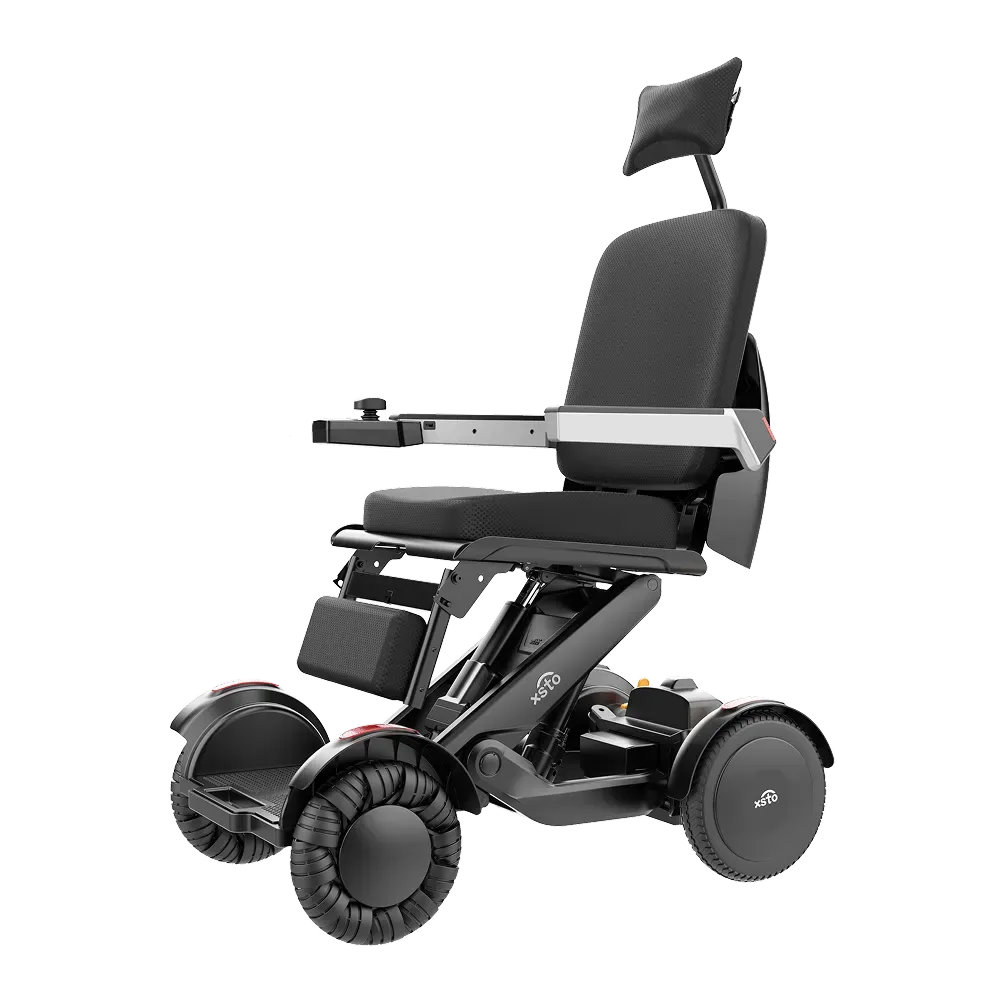
Electric wheelchair storage should use the product's specified parking state on a suitable level surface. Follow the exact power, brake and freewheel directions before leaving the chair. Do not rely on an improvised chock or a guessed lever position.
What belongs in a parking routine?
Make the final state visible. Show the user or helper the controls identified in the current model guide. Then document the approved state and how it is checked before moving the chair again.
- Use the instructed parking and power procedure.
- Verify the required brake or freewheel state.
- Keep the retrieval path free of obstacles.
| Parking check | Purpose |
|---|---|
| Specified control state | Avoids an unintended move |
| Clear retrieval path | Allows the next planned handling step |
Different chairs can use different parking controls. Key Takeaway: The person retrieving the chair can recognise the expected starting state.
How should dealers manage electric wheelchair storage before delivery?

Dealers should manage electric wheelchair storage before delivery with labelled units, protected accessories and a recorded release check. Keep each chair's charger, instructions and fitted parts together. Stock time does not erase the need for a model-specific pre-use inspection.
What can warehouse staff record?
Connect the carton to the complete setup. Use a stock identifier for the chair and accessories, then check storage conditions against the supplied manual. Ask the supplier team about any uncertain battery or reactivation requirement.
- Identify the exact unit and included accessories.
- Record the storage location and relevant checks.
- Review any damage or missing part before dispatch.
| Dealer record | Why it helps |
|---|---|
| Unit and accessories | Prevents mix-ups during release |
| Condition and action | Shows what needs review |
A labelled charger beside the wrong chair is still a handover error. Key Takeaway: Your warehouse can dispatch the reviewed configuration as one set.
Which checks end an electric wheelchair storage period?

After electric wheelchair storage, follow the model's required return-to-use checks. Inspect condition, restore approved positions and follow battery or charging instructions before operation. A long idle period can call for supplier guidance beyond an ordinary daily check.
What should staff inspect before handover?
Work from visible condition toward operation. Look for damage, loose accessories or signs of damp, then apply the product's formal checks. WHO's wheelchair provision guidance treats fitting, training and follow-up as parts of responsible service.
- Review the chair and accessories for visible change.
- Re-establish the approved seat and control arrangement.
- Follow the model's pre-use and user handover steps.
| Return check | Question |
|---|---|
| Condition | Has storage caused a concern? |
| Setup | Is the reviewed arrangement restored? |
A chair can look clean while a control or support remains displaced. Key Takeaway: The next use begins from a checked setup, not an assumption.
How can you make electric wheelchair storage easier for your buyer?

Make electric wheelchair storage easier by matching the complete chair to a measured place and a realistic daily handling plan. Give the buyer the exact parking, battery and return-to-use instructions. Resolve a tight door or difficult fold before the unit ships.
What should you send with a storage enquiry?
Give us the room and routine, not only a model name. Ary Medical can compare suitable product options when you provide the intended space, handling person and chair configuration. Our aim is a chair people can store and retrieve without a daily struggle.
- Share the doorway and usable storage dimensions.
- Describe who moves or folds the chair.
- Request the exact product instructions and accessory list.
| Buyer detail | Review response |
|---|---|
| Space and access | Configuration dimensions to confirm |
| Daily routine | Approved handling and storage guidance |
Use the response to test one real storage route before ordering. Key Takeaway: For a storage-focused model review, contact us. Ary Medical designs supply conversations around the daily work a chair must support.
Frequently asked questions
Q1: Can I leave an electric wheelchair in a shed?
Only if the exact manufacturer's storage conditions are met. Check damp and temperature exposure before choosing that location.
Q2: What's the best storage spot in a small home?
Choose a dry place with enough measured room for the chair and retrieval path. Confirm the actual configuration rather than a brochure silhouette.
Q3: Can I fold the chair every night?
Only if its instructions permit that routine and the handling works for the person involved. Demonstrate both folding and return-to-use checks.
Q4: How do I know if a cover is suitable?
Check the maker's accessory guidance. A cover should fit without pressing controls or trapping moisture.
Q5: What should I check after long storage?
Follow the model's return-to-use guidance and inspect visible condition. Ask the supplier about any battery or service concern before use.