

Choose manual wheelchair armrests by matching the chair, reviewing seated support and checking the user's access plan. A padded arm may look simple in a photograph, yet the wrong assembly or an assumed movement can disrupt a transfer. Keep the exact model instructions and individual fit assessment together before deciding which arm support to order or use.
What roles do manual wheelchair armrests serve?
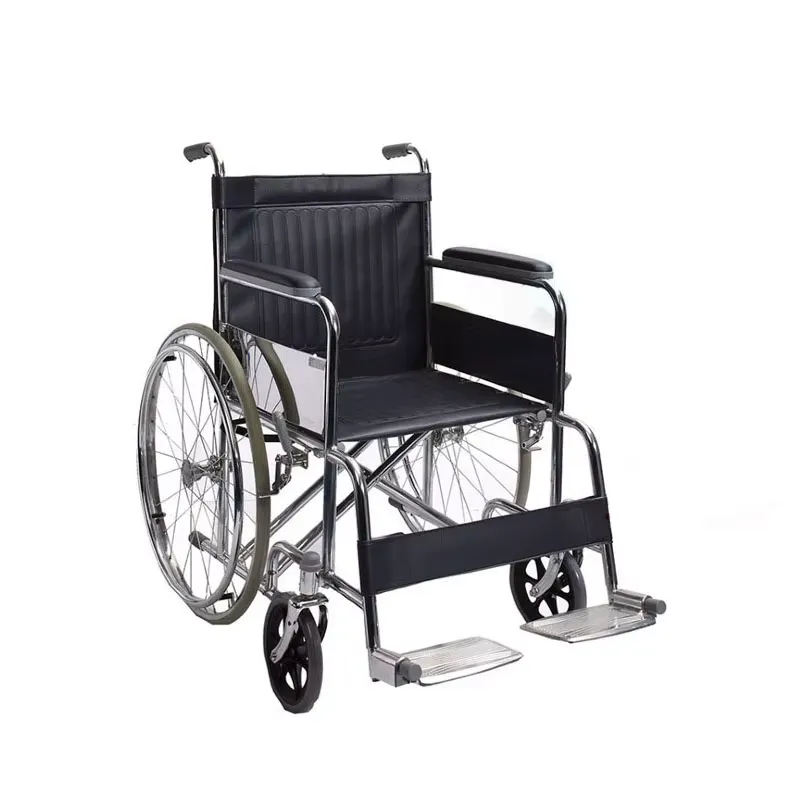
Manual wheelchair armrests provide the support and side boundary intended by the exact chair design. The pictured 809 model shows black padded tops on chrome side frames. That view cannot prove whether either support flips, removes or carries transfer loads.
What should a product review name?
Start with visible parts and permitted uses. Identify padding, frame connection and clearance beside the seat. Ask for the current model guide before describing any movement or load-bearing role.
- Identify the assembly and left or right side.
- Separate visible construction from documented function.
- Keep the user's support needs in the fit brief.
| Visible feature | Question |
|---|---|
| Padded top | What support role is intended? |
| Frame connection | Which options or movement are approved? |
A photo is useful evidence of shape, not a manual. Key Takeaway: Your team can discuss the product without promising an unverified feature.
Which manual wheelchair armrests fit the exact model?
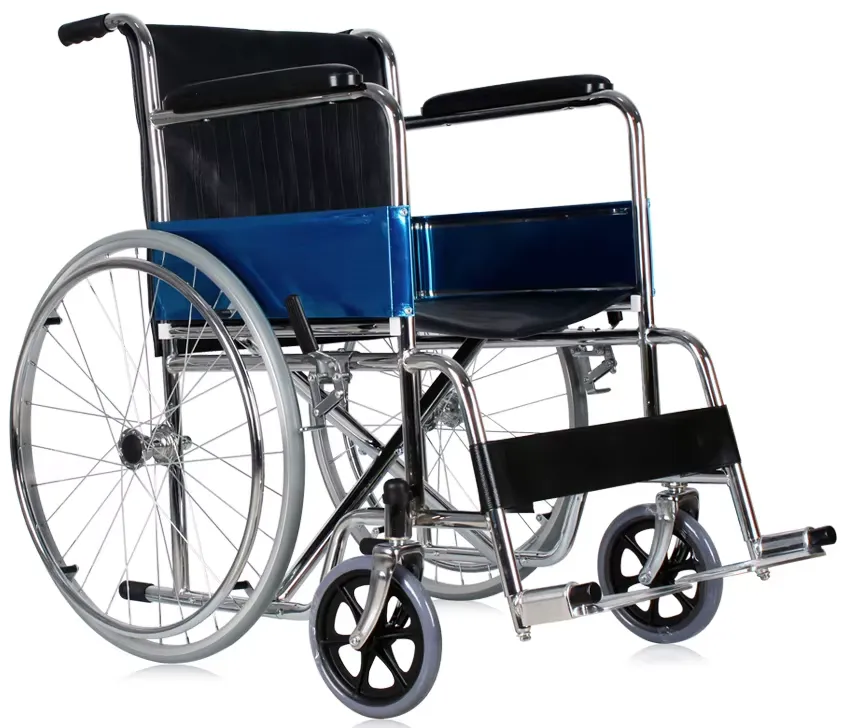
Manual wheelchair armrests fit when the full assembly is approved for the chair and relevant side. Padding with a similar outline may attach differently or omit needed fittings. Check the product range and request the precise part reference.
Which details belong in the order?
Specify more than a cushion. Record the chair model, side, frame connection and whether the quote covers a pad, support tube or whole assembly. Ask who verifies fitting after any replacement.
- Name the exact chair and part revision.
- State the side and complete item scope.
- Request approved installation and review guidance.
| Order field | Clarify |
|---|---|
| Pad or assembly | Which components arrive? |
| Chair and side | Which fit is approved? |
A full parts description prevents a near match from becoming a substitute. Key Takeaway: The receiver can check the delivered support against a real model.
Who should assess manual wheelchair armrests support?
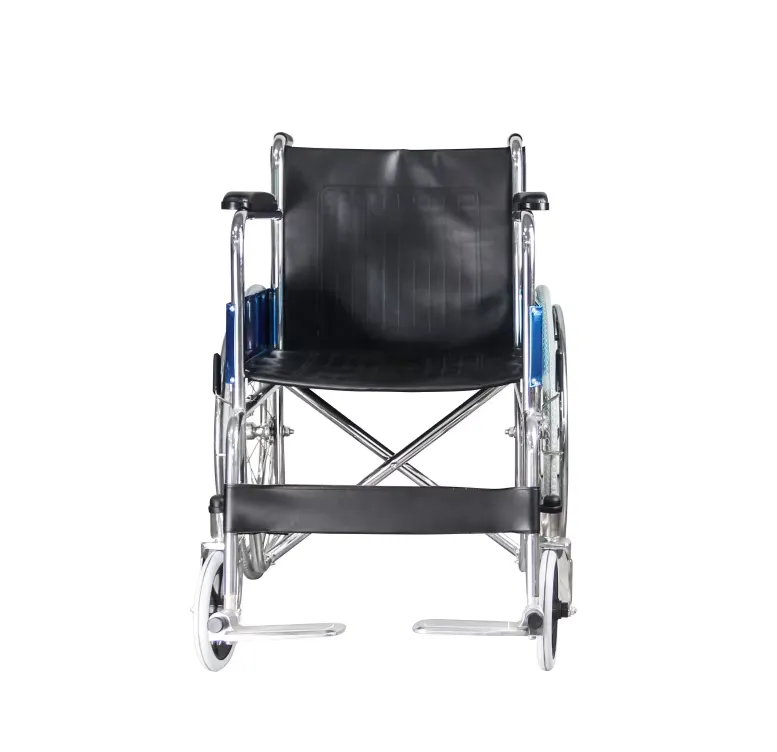
Manual wheelchair armrests should be assessed with the person's seated position and daily tasks. Appropriately trained personnel can review support needs and permitted chair adjustments. A standard pad height in a product photo cannot determine an individual's fit.
What should the seating record include?
Keep the arm support linked to the whole seat. WHO's wheelchair provision guidance calls for individual selection, fitting, training and follow-up. Record arm support with cushion, posture and access decisions rather than as an isolated accessory.
- Identify the person's assessed support needs.
- Use the model's permitted positions or options.
- Document the agreed setup and review contact.
| Record | Purpose |
|---|---|
| User need | Explains why support is selected |
| Chair setup | Shows which positions were reviewed |
The fit record helps later staff preserve the intended arrangement. Key Takeaway: An arm choice can be revisited with evidence when needs change.
Can manual wheelchair armrests move for transfers?
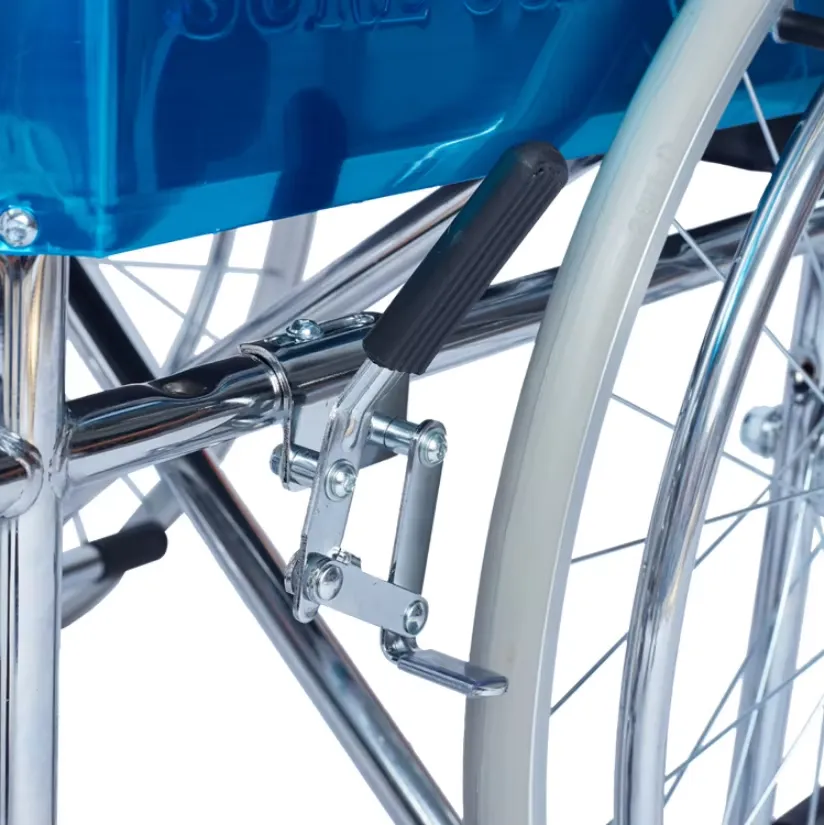
Manual wheelchair armrests can move for transfers only if the exact model permits that movement and it fits the person's assessed plan. The 809 reference photograph alone does not establish a flip-up or removable mechanism. Ask for the current instructions before demonstrating one.
What does a safe handover need?
Show only the movement the chair allows. Some service guidance covers removable supports on specific chairs, but its steps do not automatically apply here. If a transfer device is involved, its own assessment and handling instructions also matter.
- Check model permission for arm movement.
- Keep personal transfer techniques with the assessor.
- Record any return-position or locking check.
| Question | Basis |
|---|---|
| Can the arm move? | Exact product instructions |
| How will the person transfer? | Individual assessment |
A product feature and a personal transfer plan are separate decisions. Key Takeaway: Your demonstration stays within what the actual chair supports.
What weight can manual wheelchair armrests take?
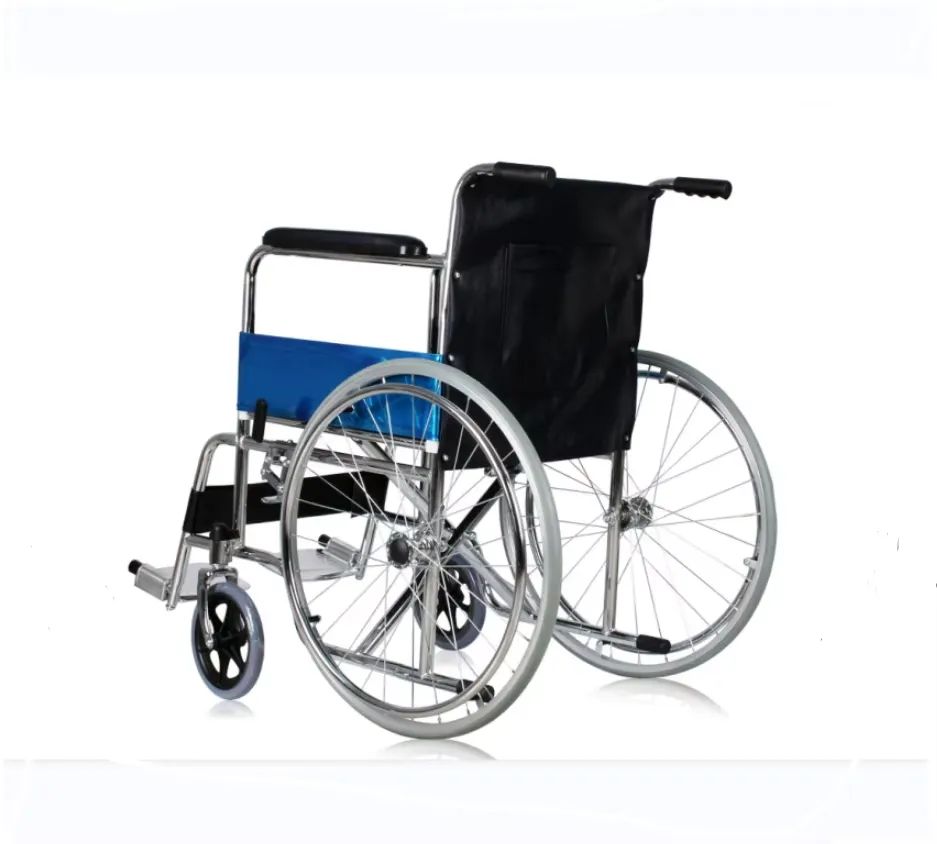
Manual wheelchair armrests can take only the loads and uses stated for the exact chair. A padded support should not be treated as a lifting handle or transfer aid without explicit permission. Its chrome frame appearance does not reveal a safe load limit.
How should a dealer explain handling limits?
Name the approved handling points instead. Mersey Care's wheelchair safety advice warns against lifting chairs by armrests or footrests. Use the maker's instructions and trained handling plan for this model.
- Request the documented intended uses.
- Use the approved frame or other handling points.
- Escalate unclear loading or transfer questions.
| Proposed use | Required basis |
|---|---|
| Seated arm support | Individual fit and intended use |
| Lifting the chair | Explicit model-approved handling method |
Strong-looking tubing does not establish load permission. Key Takeaway: Your handover avoids a dangerous assumption about strength.
How do manual wheelchair armrests affect push-rim access?
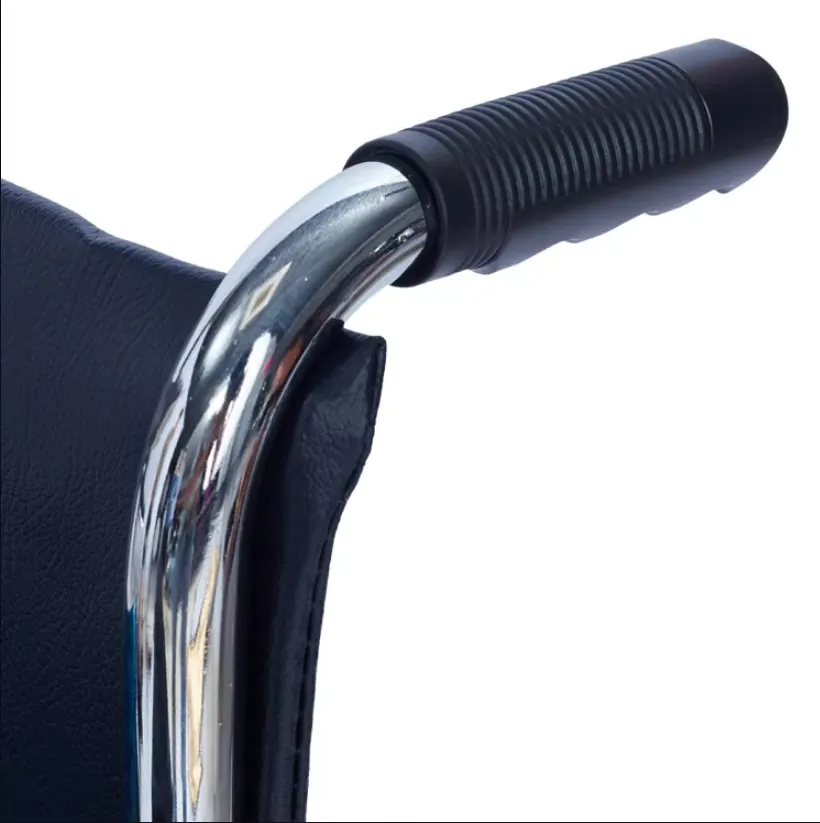
Manual wheelchair armrests can affect how a user reaches the rear push rims and works beside the chair. Review this interaction with the individual's abilities and the exact frame layout. The gallery shows large rear rims near the side supports, not a proven clearance for every person.
What should a fit review observe?
Watch the whole side of the chair. Ask trained personnel to consider hand access, clothing clearance and the approved seating position during fitting. Do not infer safe propulsion from a static product photograph.
- Identify the user's relevant daily tasks.
- Review the chair's side and push-rim layout.
- Record any approved option or referral.
| Review area | Question |
|---|---|
| Side access | Can the user reach as assessed? |
| Clothing and parts | Is an interference concern reported? |
The same arm position can serve different people differently. Key Takeaway: The buyer knows where a personal trial adds information.
How do manual wheelchair armrests affect folding and storage?
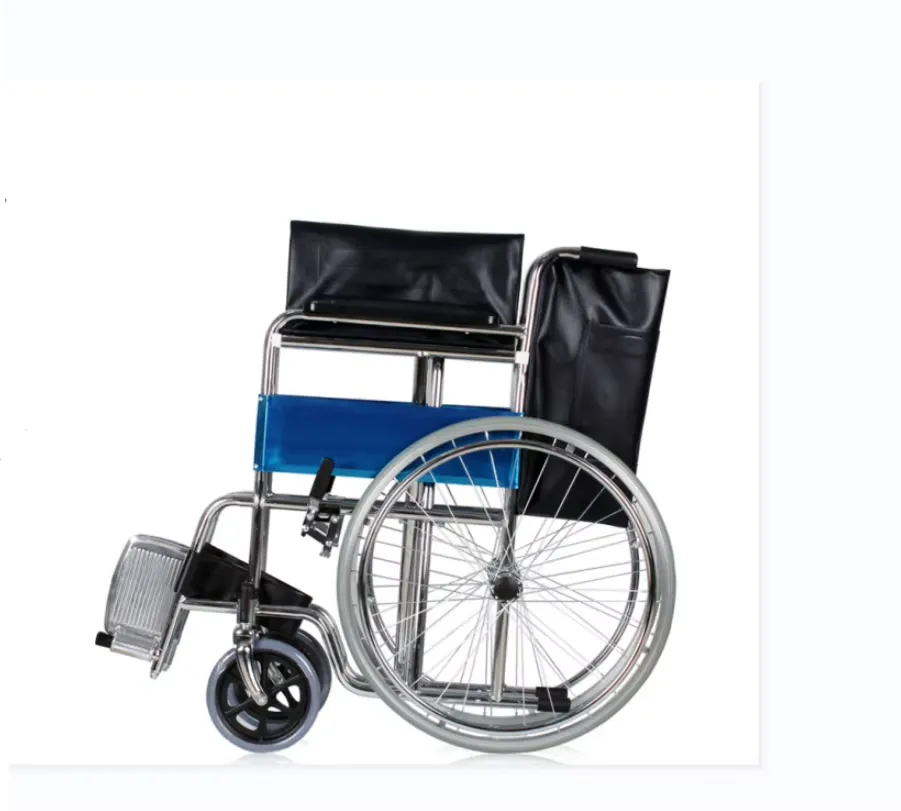
Manual wheelchair armrests affect folding and storage according to the exact frame design. The source gallery has a folded chair image but does not prove that the padded supports detach. Use the current handling instructions before packing or transporting it.
Which parts need tracking?
Follow every permitted move through reopening. Record any approved removal, protection or refitting step. Keep a clear distinction between compact storage and the complete ready-for-use configuration.
- Follow the model's folding sequence.
- Protect projecting pads and permitted loose parts.
- Confirm the required setup before reuse.
| Stage | Review |
|---|---|
| Storage | Part position and protection |
| Return to use | Correct assembly and checks |
A small folded footprint still requires a complete reopening routine. Key Takeaway: Your storage plan can be checked by another handler.
When do manual wheelchair armrests need service?
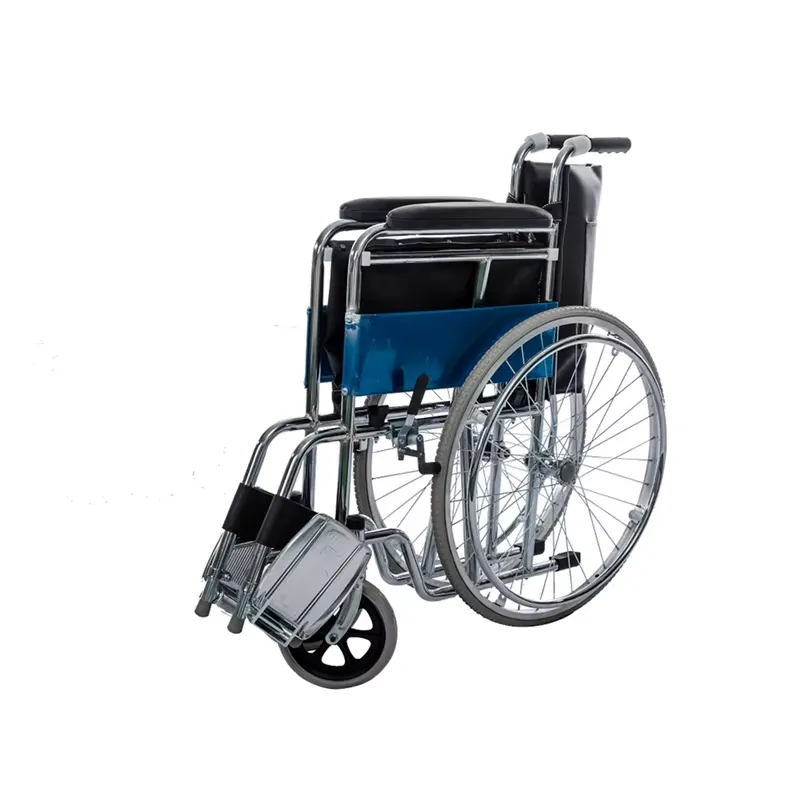
Manual wheelchair armrests need service review if a pad, support or attachment is loose, cracked or unexpectedly changes position. Report the observed condition and follow the model's prescribed response. Do not ask a user to test a suspect part under load.
What should the fault note contain?
Make the concern easy to locate. Record chair identity, side, visible condition and recent work. Ask the supplier team for the approved part scope and trained service route.
- Name the affected side and assembly.
- Describe the change without diagnosing it.
- Request return-to-use instructions after service.
| Report field | Use |
|---|---|
| Chair and side | Identifies the relevant part |
| Observed change | Guides the technical review |
Precise observations help without encouraging a guessed repair. Key Takeaway: Technicians can start with facts tied to the chair.
What belongs in a manual wheelchair armrests record?
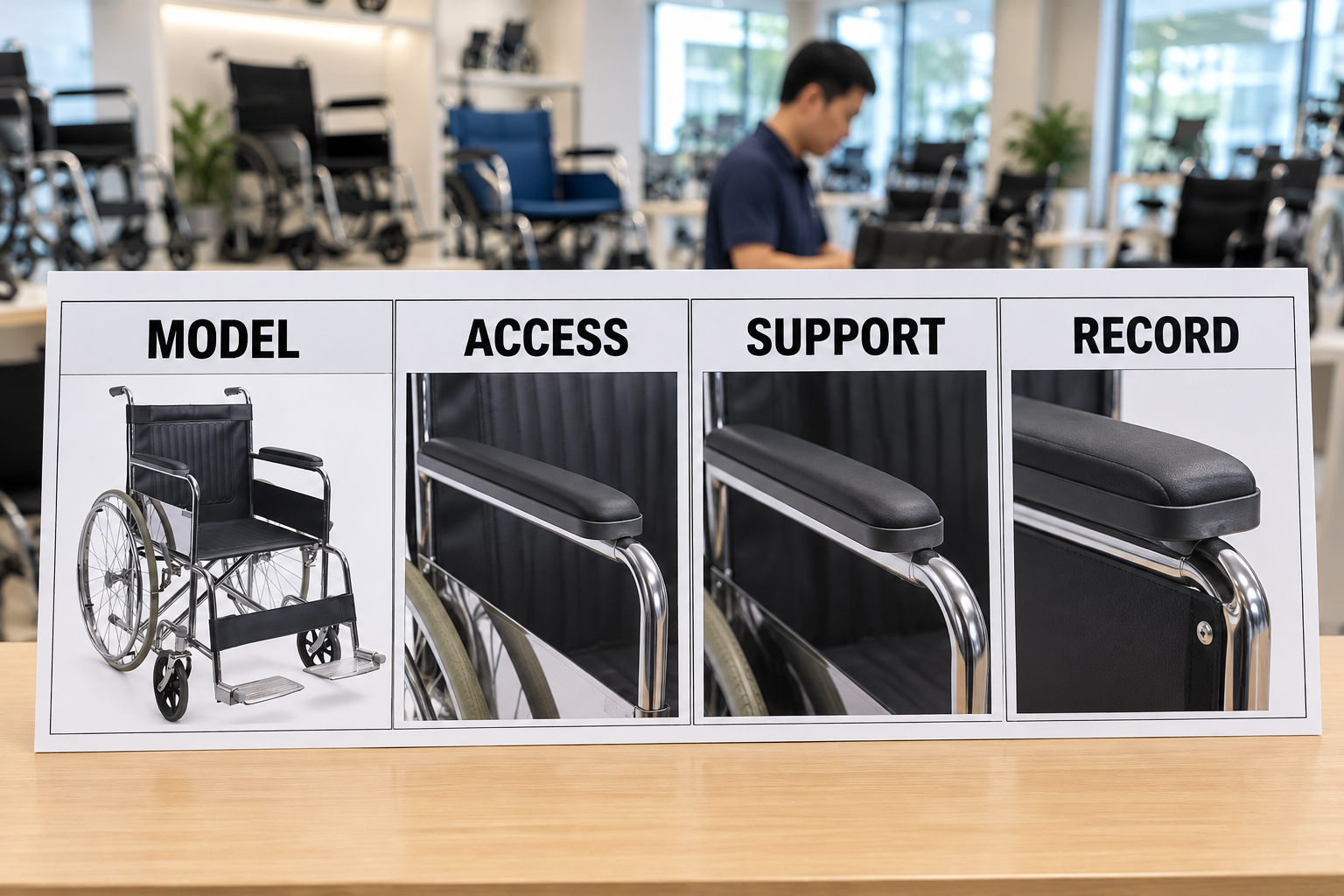
A manual wheelchair armrests record should keep the approved assembly, individual fit, permitted movement and handling directions together. Update it after an authorised part or setting change. The chart above helps collect questions; it is not proof of an approved fit.
Could another colleague use the file?
Keep the current version unmistakable. Provide the exact model and part references, current support arrangement and who reviewed access. Retain the instructions handed to the user or attendant.
- List current chair and arm parts.
- Record fit and transfer-plan contacts.
- Keep service changes and training notes together.
| Record | Practical use |
|---|---|
| Current parts and fit | Recreates the reviewed arrangement |
| Change history | Explains later service decisions |
A dated record is easier to act on than an old photograph alone. Key Takeaway: The next reviewer can preserve the agreed setup.
How do you choose manual wheelchair armrests for access?
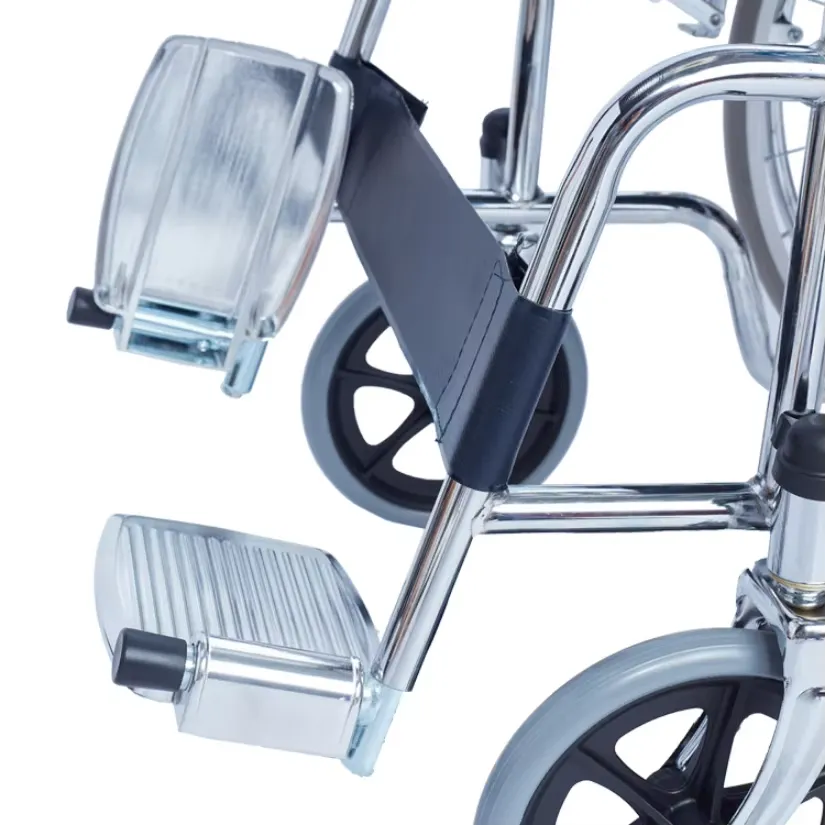
Choose manual wheelchair armrests for access by matching the model, reviewing the person's seated support and confirming any permitted movement. Treat transfer needs as part of the individual plan. Ask for the complete part and handling information before ordering.
What should your enquiry include?
Give the supplier a testable brief. Include the chair model, relevant side, support goal, access concern and assessor contact. Request the permitted options and who will handle final fitting.
- Identify the exact chair and assembly.
- Describe access and support needs separately.
- Ask for approved options and fit responsibilities.
| Your brief | Response to request |
|---|---|
| Chair and side | Compatible assembly or option |
| Support and access | Next individual review step |
The decision can stay tied to a person and a specific chair. Key Takeaway: For model-matched guidance, contact us. Ary Medical favors clear fit decisions over assumptions drawn from a photograph.
Frequently asked questions
Q1: Can I lift a manual wheelchair by its armrests?
No, unless the exact maker's instructions expressly approve that handling method. Use documented handling points instead.
Q2: How do I know if an armrest can move for transfer?
Check the exact model instructions and the person's assessed plan. A product image cannot confirm movement.
Q3: What's the best armrest height for me?
Use an individual seating review by trained personnel. The right setting depends on the person and chair.
Q4: Can a similar-looking pad replace the original?
Only with an approved match for the model, side and complete assembly. Confirm included fittings.
Q5: How do I know if a loose armrest is safe?
Do not decide from appearance alone. Report the change and seek trained service guidance before relying on it.