
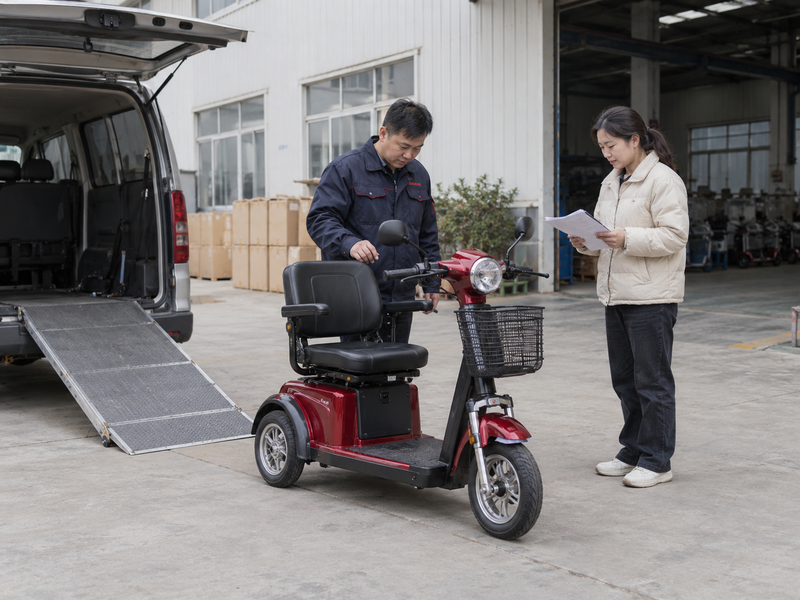
Plan mobility scooter loading by measuring the entire route and matching the exact scooter to the vehicle, ramp and handling method. A distributor can book a van and still find the doorway or cargo bay too tight on delivery day. Current maker instructions, a site survey and a controlled sample move give you a route that staff can check before dispatch.
What does a loading plan need to identify?
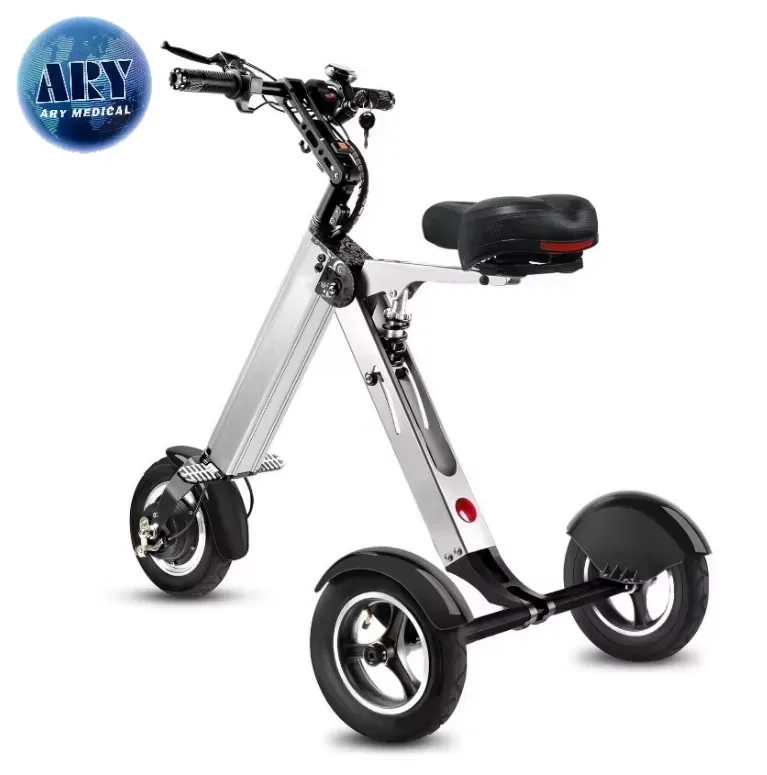
Mobility scooter loading starts with the exact scooter, its current handling guide and the vehicle used for the handover. A van photograph does not confirm that a particular ramp or lift suits this model. Keep any removable parts on the same packing list.
Which documents should a dealer request?
Start with product identity. Ask for the current maker instructions and a complete configuration list before measuring the route. A model from the scooter series may need a different handling method from another variant.
- Record model and revision.
- List fitted accessories.
- Request loading instructions.
| Buyer check | Evidence to keep |
|---|---|
| Record model and revision | Current product drawing |
| List fitted accessories | Quoted configuration |
A loading plan attached to the wrong model offers little protection. Key Takeaway: You can check the route against the scooter actually arriving.
How should a buyer measure the route to a vehicle?
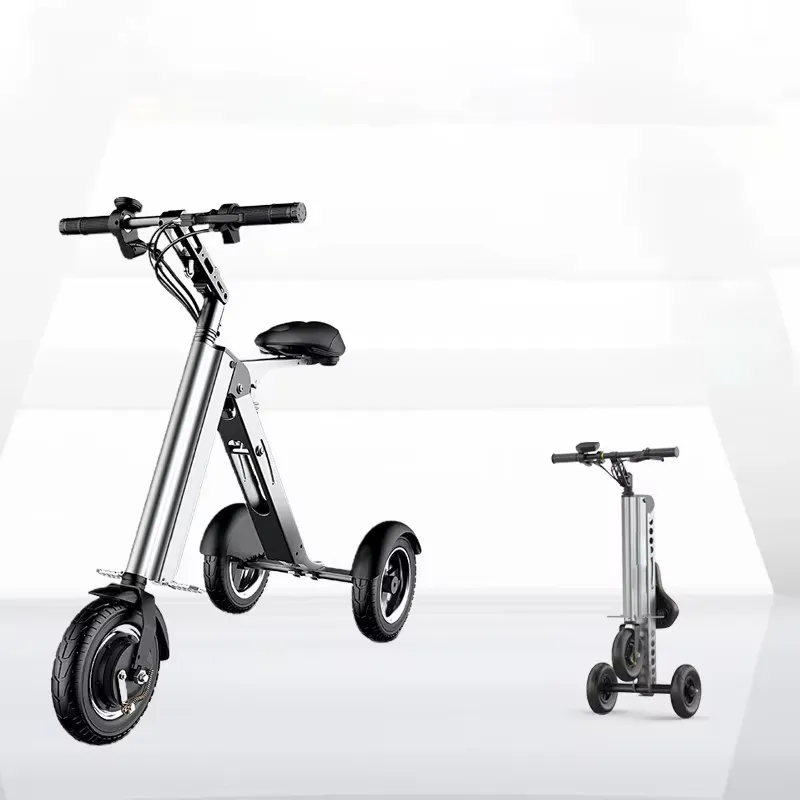
Mobility scooter loading needs measured doorways, turns and the receiving vehicle opening. Take dimensions for the scooter in the state permitted by its guide. A wide doorway at dispatch does not settle a narrow turn at the customer site.
Where should measurements be taken?
Walk the route before ordering. Mark each threshold, corridor turn and vehicle entry on a simple sketch. Record who measured the route and whether the scooter was assembled or folded during the survey.
- Measure each doorway.
- Record the tightest turn.
- Note the scooter state.
| Buyer check | Evidence to keep |
|---|---|
| Measure each doorway | Site dimensions |
| Record the tightest turn | Route sketch |
The narrowest part of a route often decides whether the plan works. Key Takeaway: Your logistics team can spot a blocked move before the vehicle arrives.
How should a ramp be matched to the scooter?
Mobility scooter loading can use a ramp only when the ramp, vehicle and exact scooter match the makers' permitted conditions. Do not infer an acceptable slope or load from a staged image. Request both products' current instructions and a controlled demonstration.
Which evidence belongs beside the ramp?
Treat the ramp as its own product. Record its model, usable width, support method and stated limits from the supplier. Have trained staff review the intended loading sequence without substituting an improvised board.
- Identify the ramp model.
- Compare usable width.
- Review stated limits.
| Buyer check | Evidence to keep |
|---|---|
| Identify the ramp model | Ramp instruction sheet |
| Compare usable width | Measured scooter and ramp |
A generic ramp recommendation cannot cover every scooter and vehicle. Key Takeaway: You can choose a setup grounded in matched products rather than appearance.
When may the scooter be folded or separated?
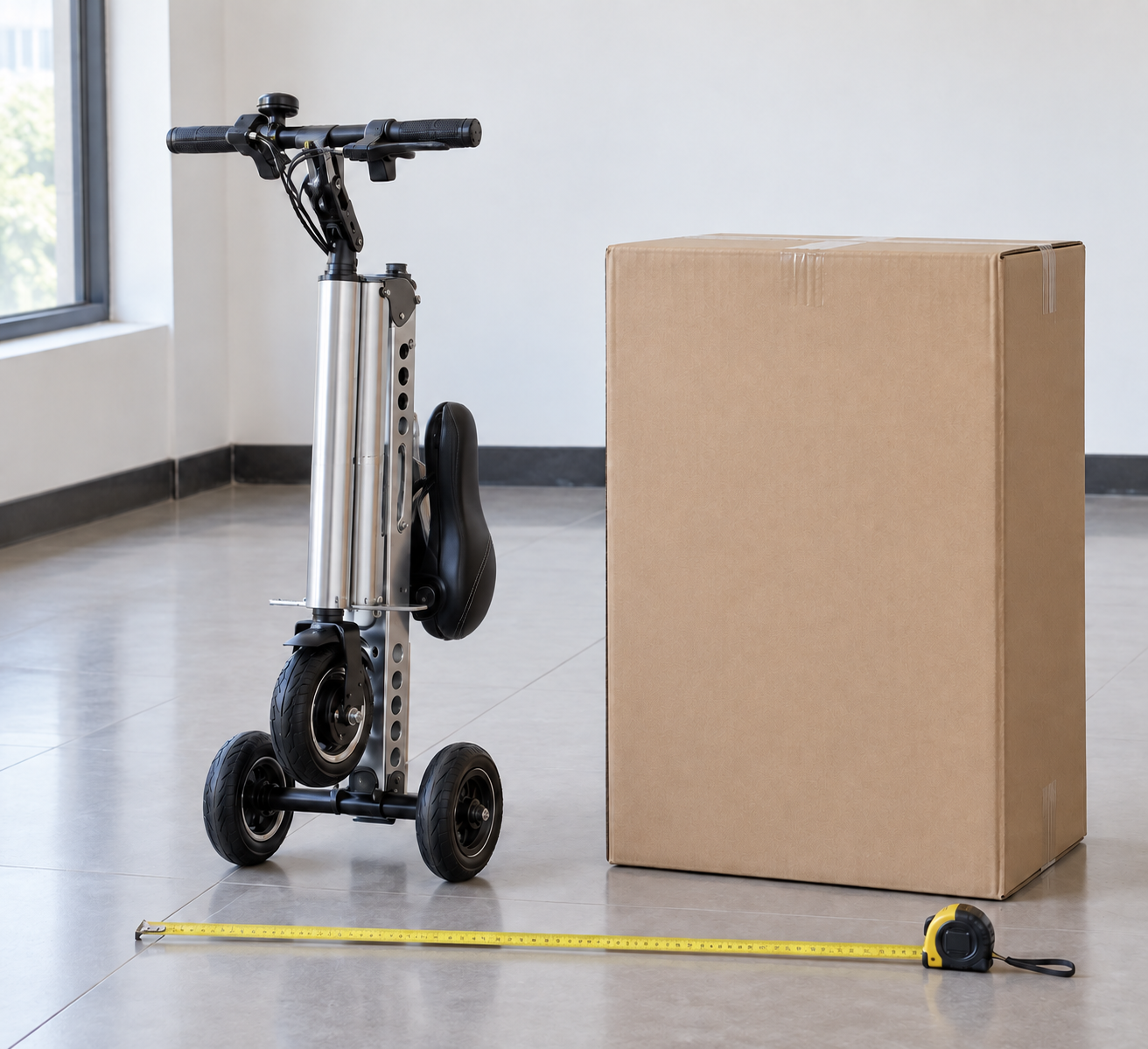
Mobility scooter loading should use only the fold or separation steps approved for the exact model. A folding scooter page can show a compact state but not the procedure for every variant. Record which pieces move independently and which stay attached.
What should the sample demonstrate?
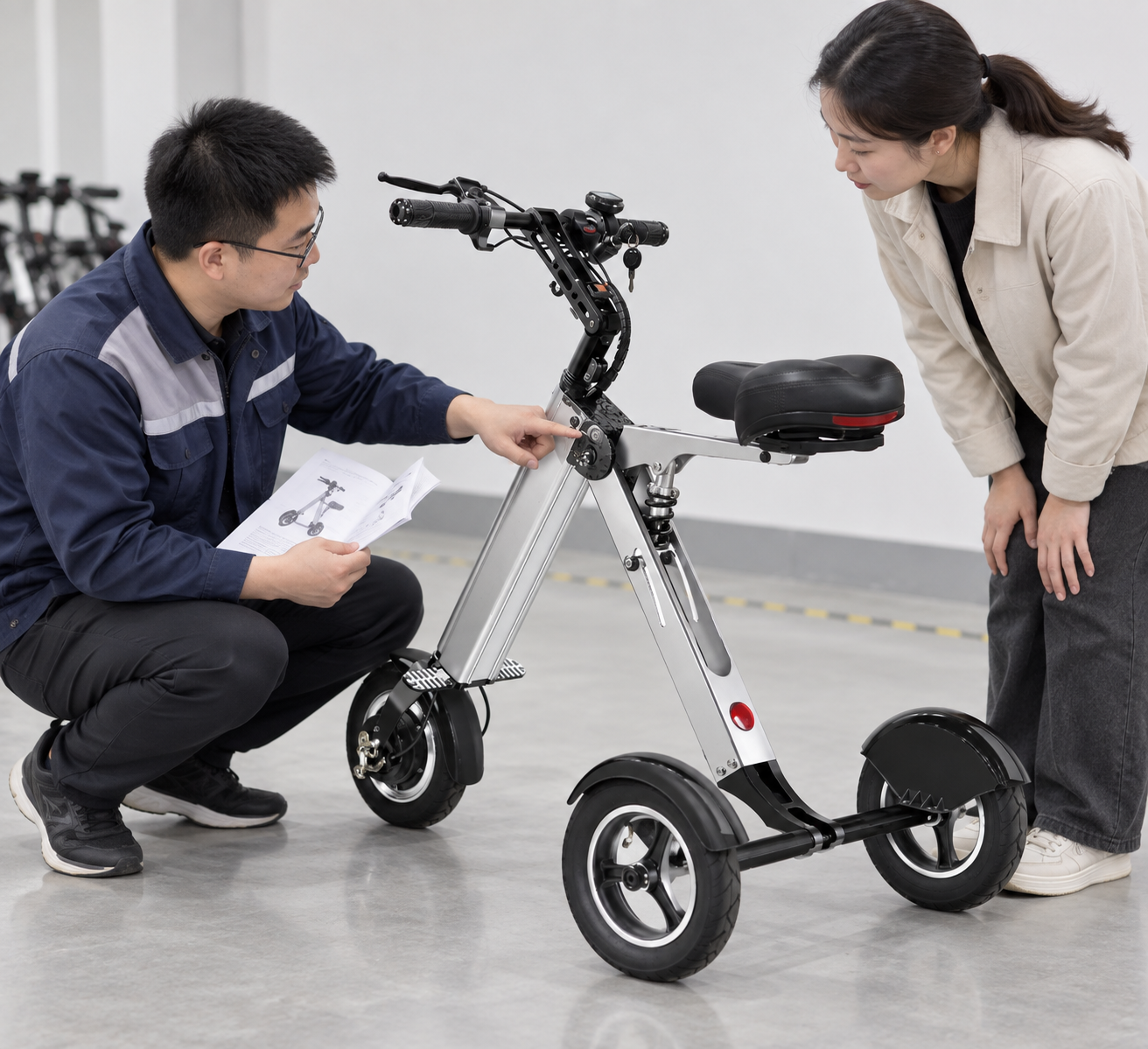
Keep the empty-unit demonstration controlled. Trained staff should show the allowed sequence and the return-to-use checks from the current guide. Photograph the final permitted state and note any tools or fasteners required.
- Confirm the fold method.
- List removed parts.
- Record reopening checks.
| Buyer check | Evidence to keep |
|---|---|
| Confirm the fold method | Model-specific guide |
| List removed parts | Part inventory |
A different folding design can change handling even when two scooters look alike. Key Takeaway: Your team can prepare packaging and staffing for the real unit.
Who should handle the battery during loading?
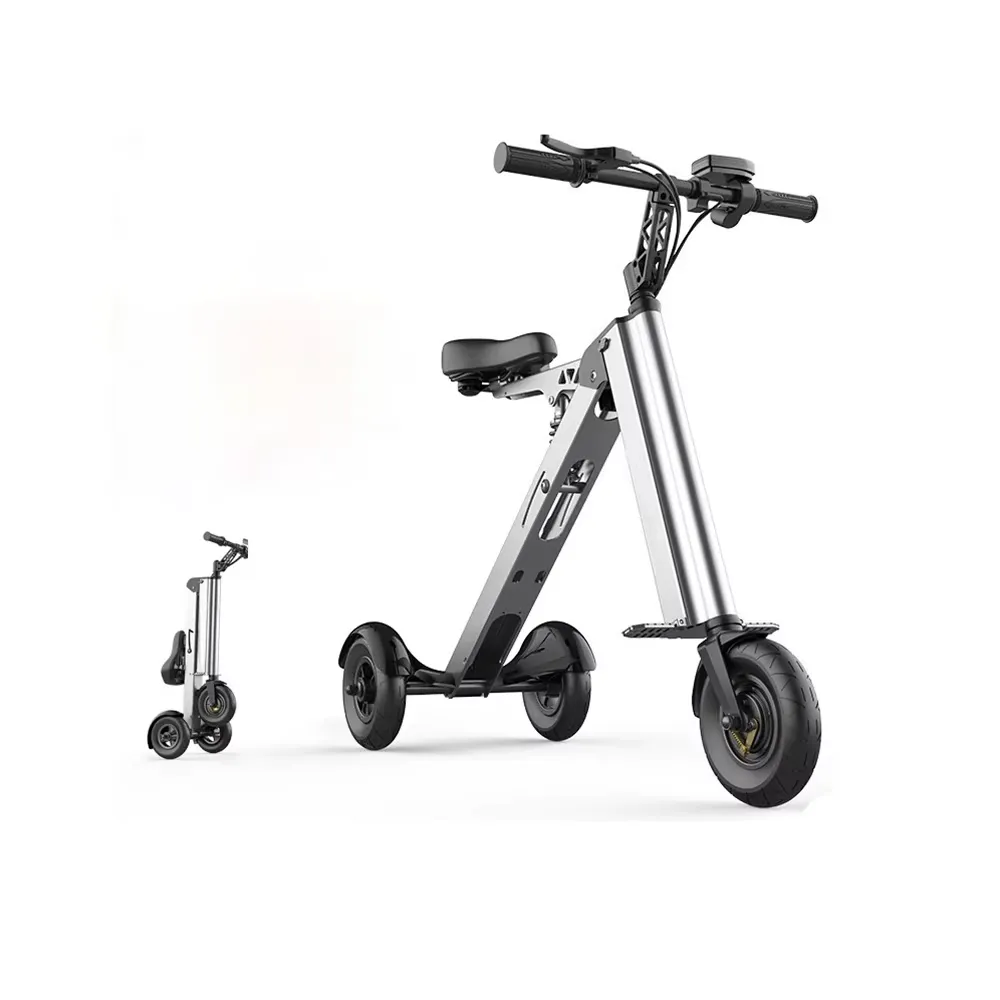
Mobility scooter loading battery handling follows the exact pack and scooter instructions, plus the carrier's applicable rules. An exposed pack in a photograph cannot establish a safe removal method. Ask the supplier to identify the pack and its permitted transport state.
Which battery facts need written confirmation?
Do not guess from a connector shape. Match the battery label, model revision and current handling guide. Then check any carrier or local requirements for the specific journey before committing to a route.
- Identify the battery pack.
- Confirm permitted state.
- Check transport rules.
| Buyer check | Evidence to keep |
|---|---|
| Identify the battery pack | Exact pack label |
| Confirm permitted state | Maker handling guide |
Battery handling errors can delay a shipment or create a service problem. Key Takeaway: Your order can specify the pack and documentation the receiving team expects.
How can staff avoid improvised lifting?
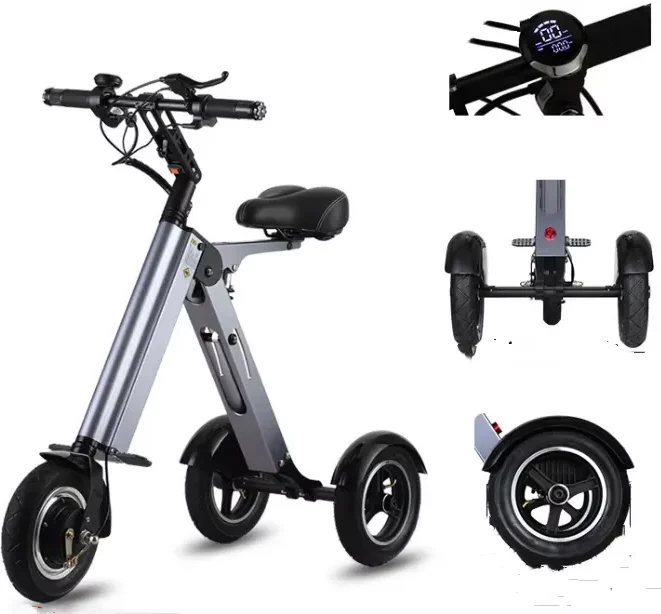
Mobility scooter loading should assign trained handlers, permitted grip points and the equipment named in the model guide. A light-looking scooter may still be awkward when its seat and battery remain fitted. Do not promise a single-person lift without verified evidence.
What should a handling brief contain?
Write the task before anyone lifts. Record the scooter state, intended team and transfer device. If the guide lacks a suitable method for the site, ask the supplier for a different arrangement rather than inventing one.
- Record the handling state.
- Identify trained staff.
- Use approved grip points.
| Buyer check | Evidence to keep |
|---|---|
| Record the handling state | Configured product list |
| Identify trained staff | Site work plan |
A handling plan gives workers a clear stop point when conditions differ. Key Takeaway: You can price the job around the actual work rather than a guess.
What should be checked inside the vehicle?
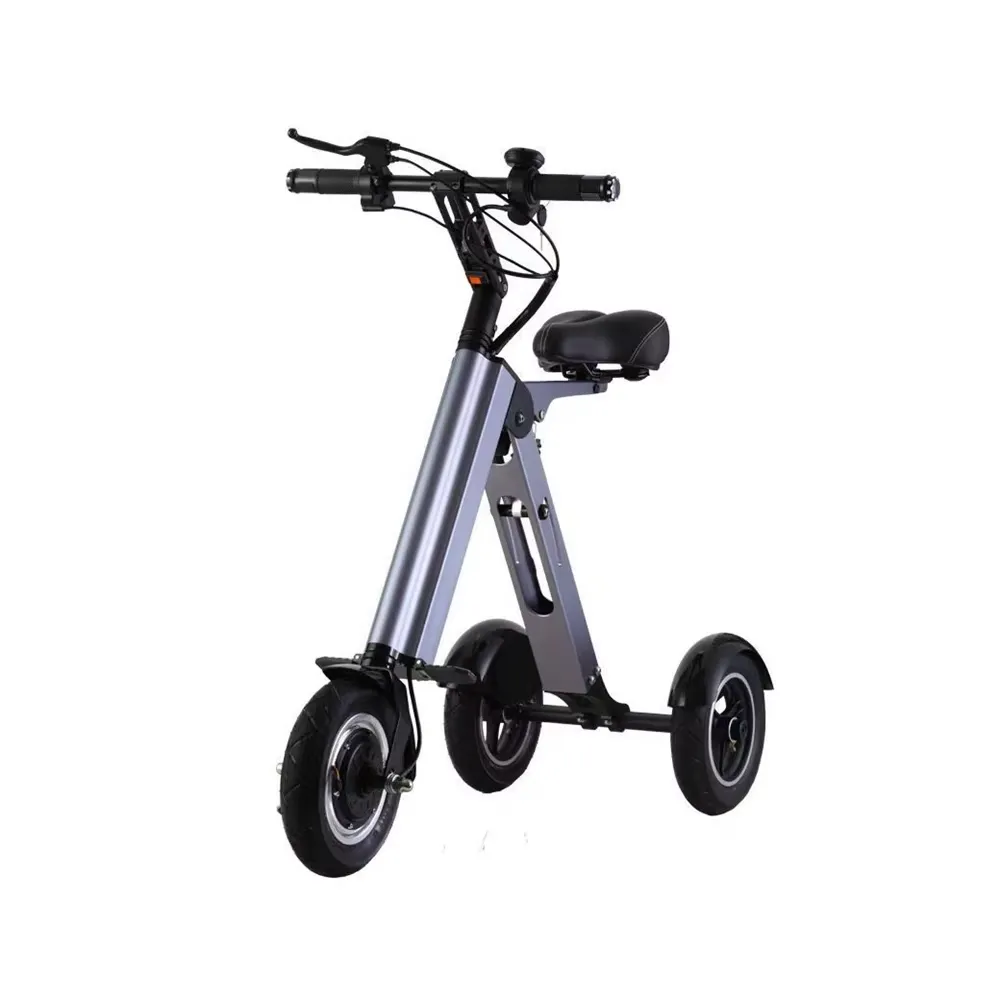
Mobility scooter loading includes the vehicle bay dimensions, restraint method and parts placement approved by responsible transport staff. A three-wheel scooter image shows layout, not a tested vehicle installation. Keep the scooter from becoming a loose item in transit.
Who signs off the vehicle setup?
The vehicle operator owns this check. Ask the carrier to document its restraint equipment and compatibility decision for the exact load. Do not turn a standard parcel note into a statement that an occupied scooter is approved for travel.
- Measure the cargo bay.
- Record restraint equipment.
- Separate loose parts.
| Buyer check | Evidence to keep |
|---|---|
| Measure the cargo bay | Vehicle survey |
| Record restraint equipment | Carrier method |
The loading bay must be assessed as carefully as the route into it. Key Takeaway: Your buyer gets a handover plan that accounts for the whole journey.
How should unloading and setup be checked?
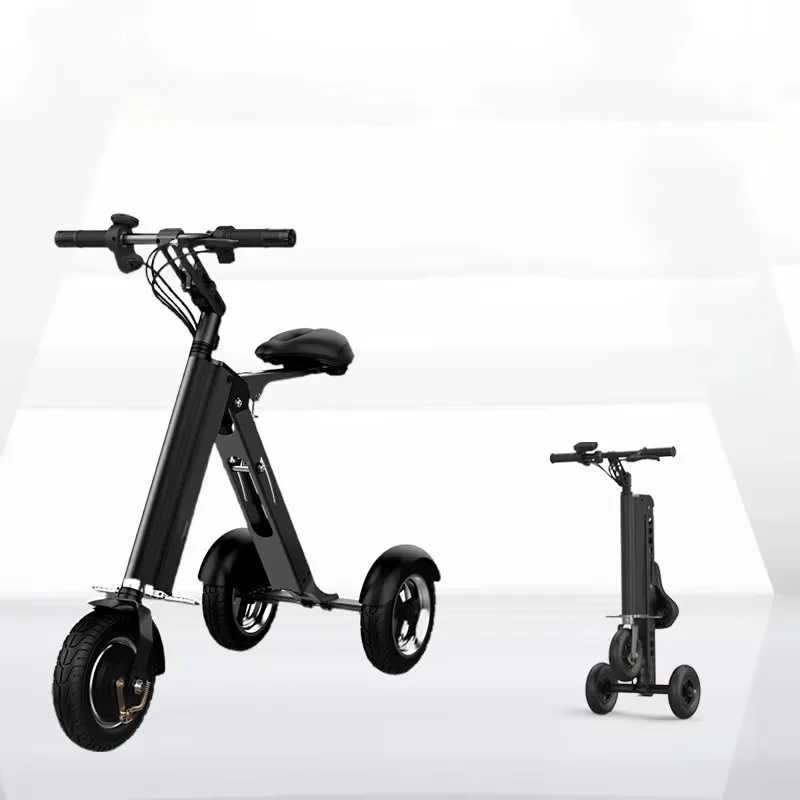
Mobility scooter loading is complete only after the scooter reaches the destination and its maker-prescribed setup checks pass. A carton arriving intact does not prove controls or locks are ready. Keep receiving staff and service staff roles explicit.
What belongs on the receiving form?
Arrival is a checkpoint, not the finish. Photograph the carton and product condition before assembly. Record missing parts, the approved reassembly sequence and the result of any prescribed function check.
- Photograph arrival condition.
- Count included parts.
- Record setup checks.
| Buyer check | Evidence to keep |
|---|---|
| Photograph arrival condition | Dated receiving images |
| Count included parts | Packing list comparison |
A clear receiving record separates transit damage from later handling. Key Takeaway: You can resolve a problem while evidence is still available.
What should the loading handover record include?
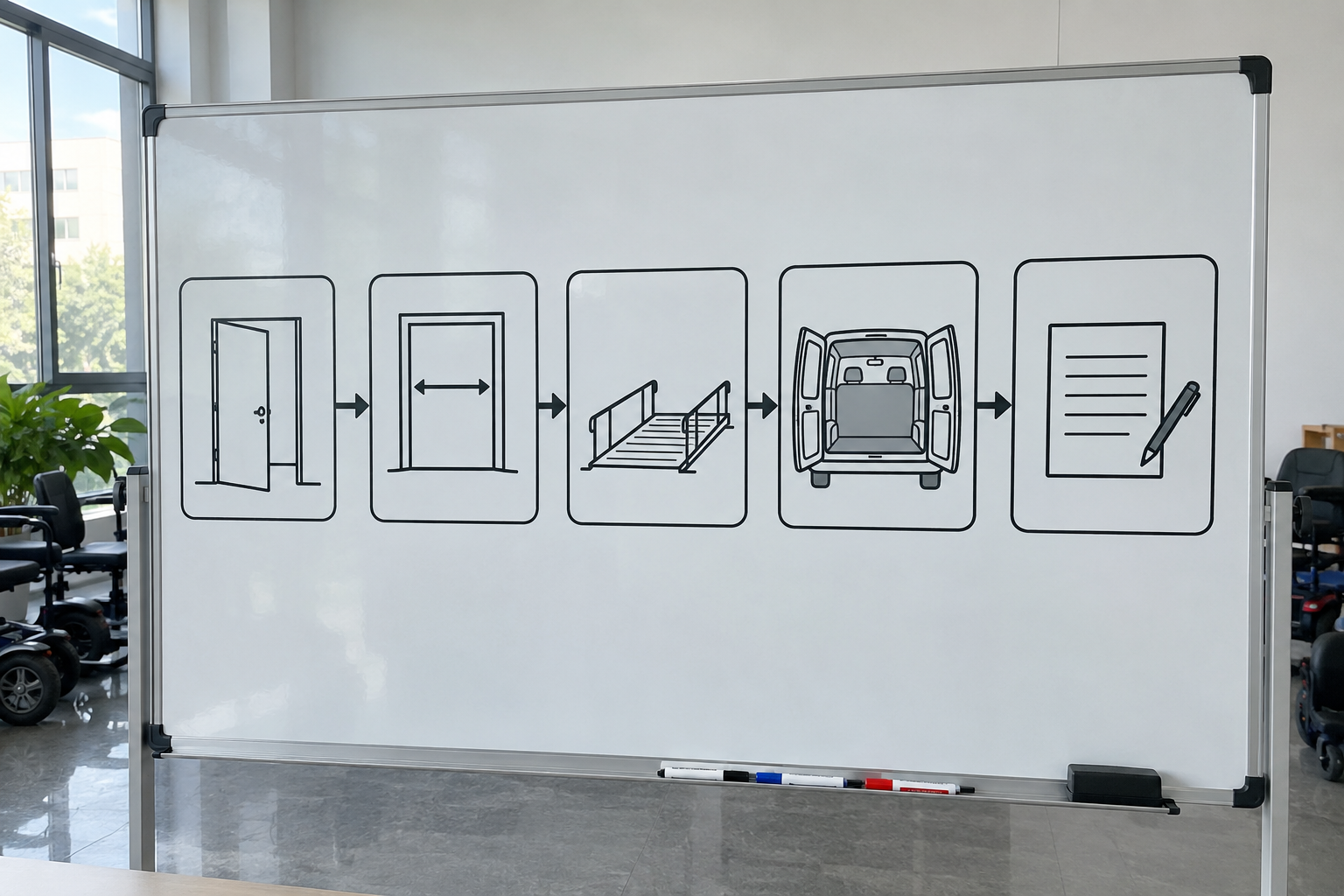
Mobility scooter loading handover records should link model, route, ramp, vehicle and responsible staff. The form must show what was measured and what remains unverified. WHO's assistive product specifications give general procurement context, not a vehicle loading approval.
Which fields make the decision traceable?
One page can prevent many calls later. Attach current guides and the route sketch to the transport order. Date any controlled demonstration so the next team can repeat the same configuration.
- Name every product used.
- Record the route.
- Assign the handover owner.
| Buyer check | Evidence to keep |
|---|---|
| Name every product used | Model and ramp IDs |
| Record the route | Measured plan |
A blank approval box should stay blank until someone has evidence. Key Takeaway: Your logistics and sales teams can work from the same facts.
How can a buyer choose the loading route?
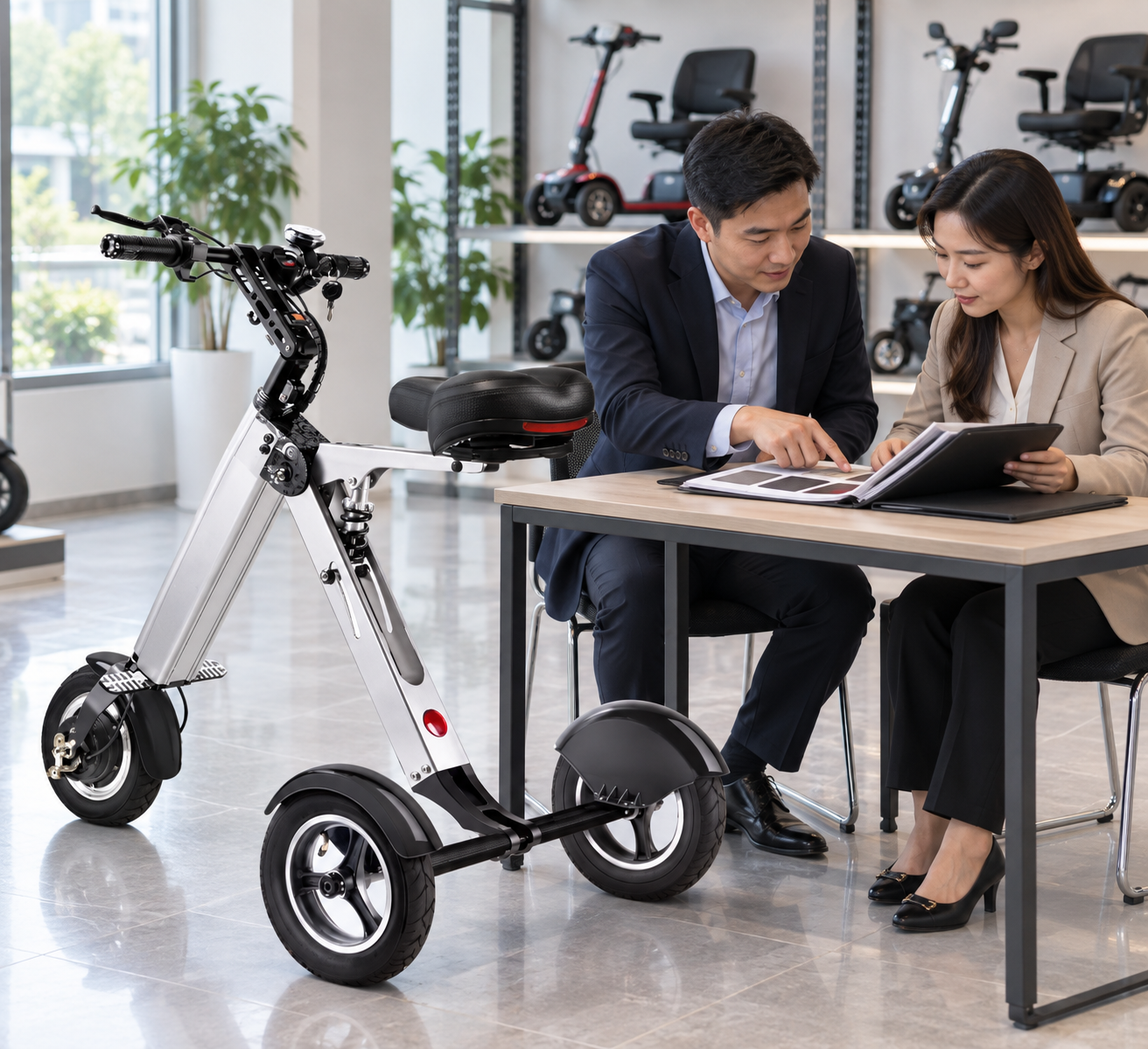
Mobility scooter loading should be chosen after the exact model, measured path, equipment and responsible handlers agree. If one condition is missing, request a new route or method before dispatch. A smooth showroom demonstration cannot replace the destination survey.
What should be sent with the enquiry?
Make the supplier answer a specific move. Send the scooter version, vehicle opening, route dimensions, handling plan and unresolved questions. Request a written model-specific response before placing a large fleet order.
- Attach model details.
- Attach route dimensions.
- List open decisions.
| Buyer check | Evidence to keep |
|---|---|
| Attach model details | Current quote and guide |
| Attach route dimensions | Site survey |
A detailed route brief is easier to price and safer to repeat. Key Takeaway: For model-specific loading questions, contact us. Ary Medical believes mobility equipment should arrive with a workable handover plan.
Frequently asked questions
Q1: Can I use any ramp for a mobility scooter?
No. Match ramp, scooter and vehicle using the makers' current instructions and site measurements.
Q2: What's the best way to measure a loading route?
Measure the tightest doorway, turn and vehicle entry for the scooter's permitted transport state.
Q3: How do I know if I may remove the battery?
Check the exact pack and scooter guides. Then confirm carrier rules for the journey.
Q4: Can I assume a folding scooter fits in a van?
No. Measure the permitted folded state and the actual vehicle opening.
Q5: Should staff record the condition after unloading?
Yes. Dated photos and a parts count help separate transit issues from setup issues.