
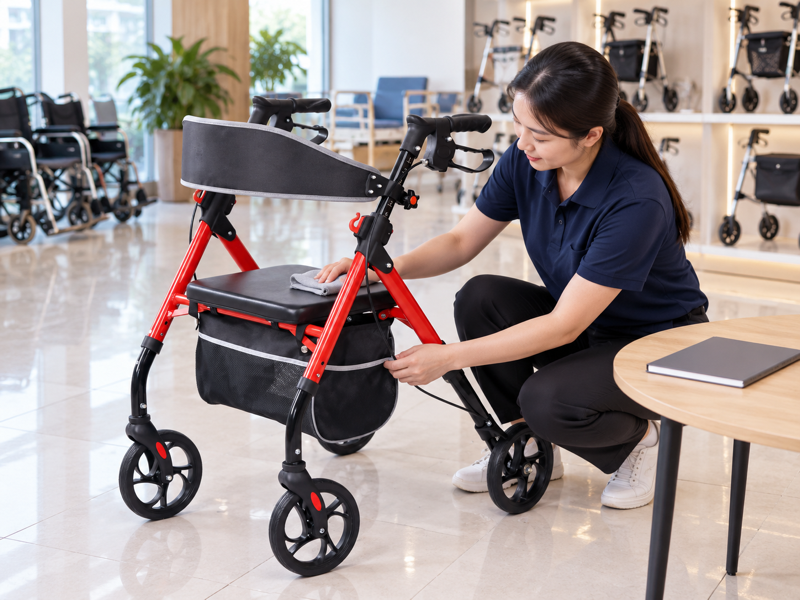
Choose a rollator cleaning routine from the exact model's care instructions and your UK service's reuse process, then check condition before handover. A shared walker can look tidy after a quick wipe while moisture remains in the seat seam or grit sits near a wheel. Those gaps make the next user's handover harder. Give staff a surface-by-surface method, a drying check and a route for damage that needs service.
What should rollator cleaning cover?
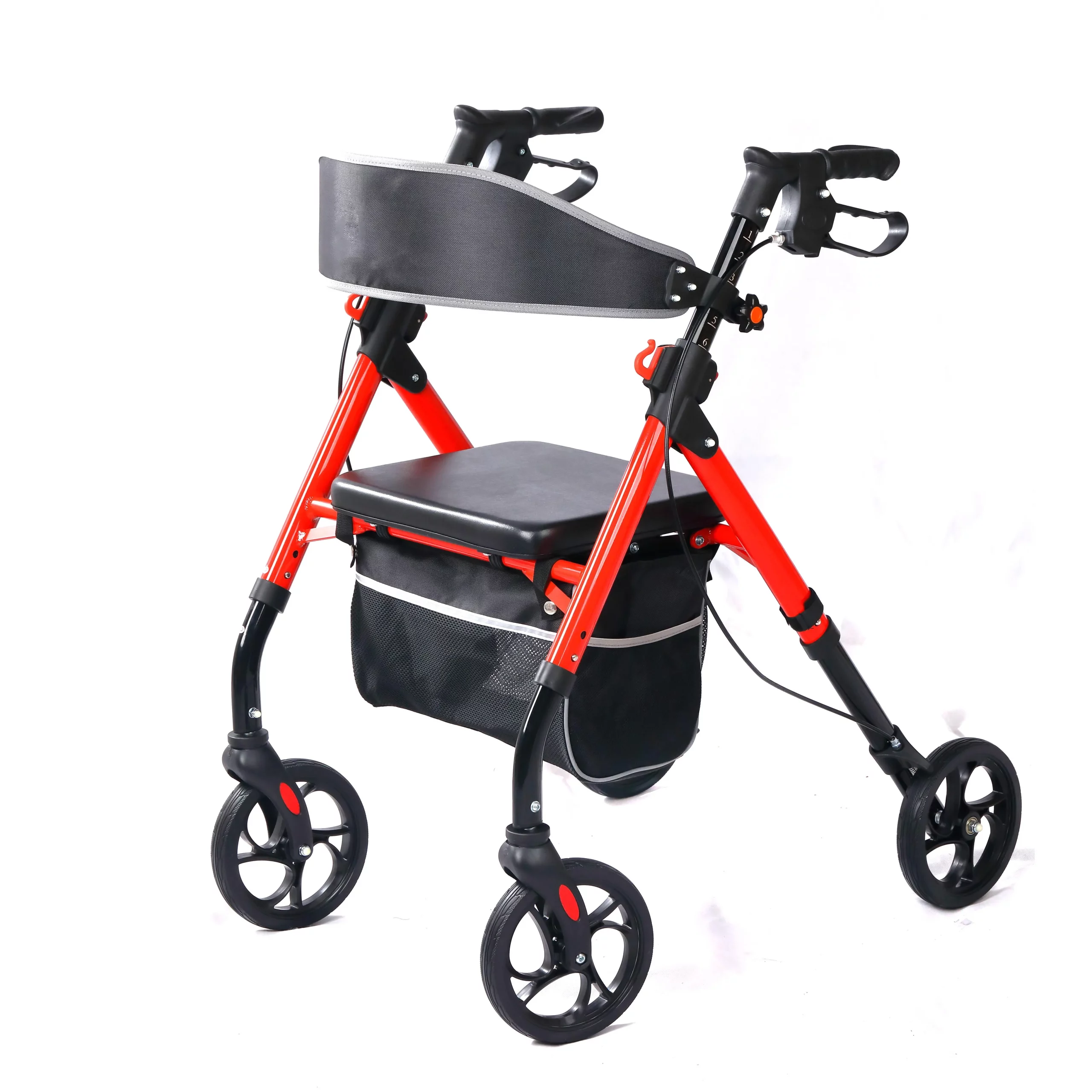
Rollator cleaning should cover the surfaces, contacts and wheels named in the model's care guidance, followed by a visible-condition check. The pictured Shopping Walker has handles, a padded seat, back strap, under-seat bag and four wheels. A photograph identifies areas but cannot approve a cleaning product.
Which areas belong on a staff card?
Follow hands, seating and floor contact. List grips, hand levers, seat, bag, frame and wheel contact areas. Note any part that needs separate removal, inspection or service rather than treating the whole aid as one wipeable surface.
- Identify the exact model and current guide.
- Name high-contact and fabric-like areas.
- Add a check for damage after cleaning.
| Area | Care question |
|---|---|
| Seat and bag | What method is approved? |
| Handles and wheels | What needs inspection afterward? |
A surface list makes a brief cleaning card usable. Key Takeaway: Your team can clean the actual aid without skipping a hidden contact point.
How do you identify rollator cleaning materials?
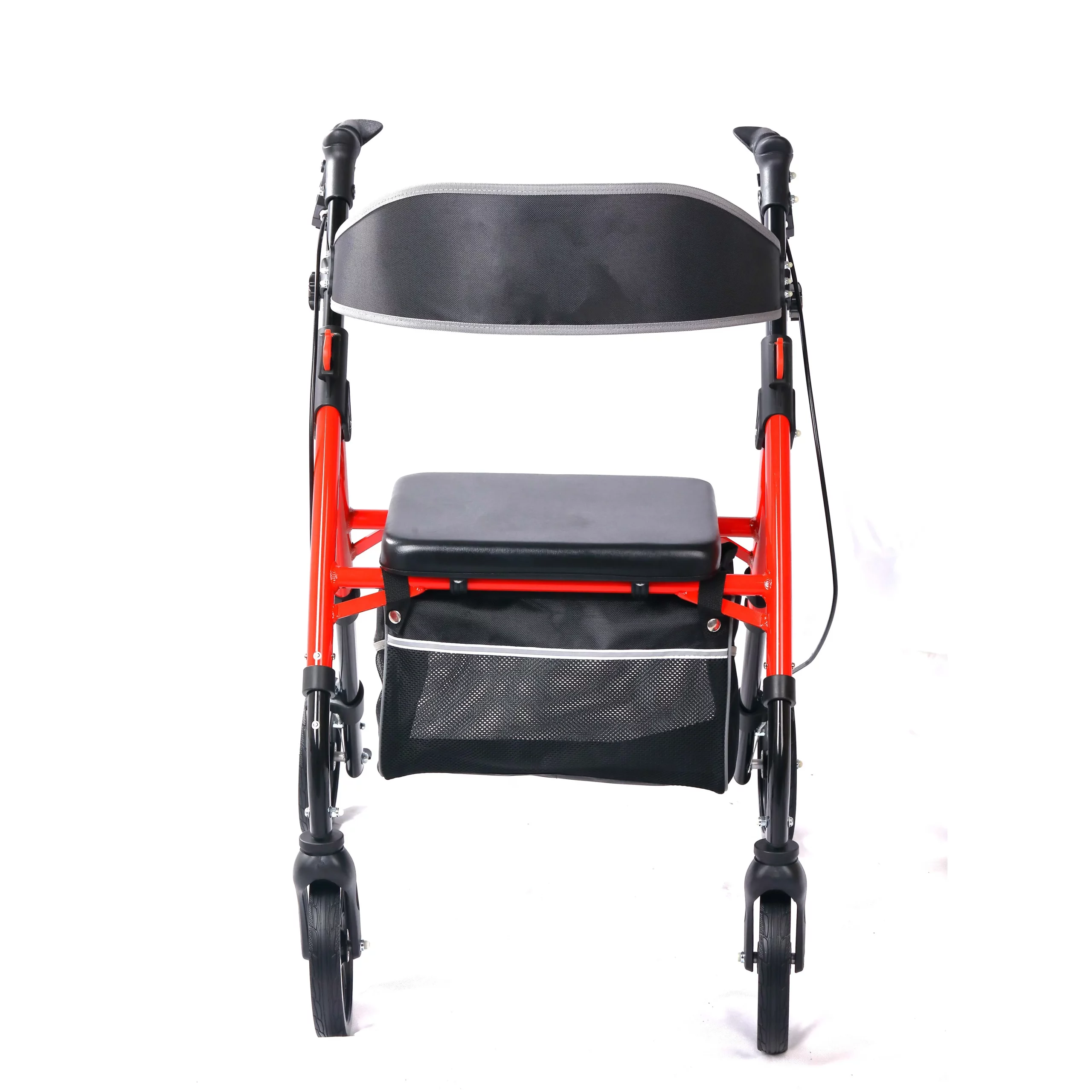
Identify rollator cleaning materials from the maker's current model documentation rather than colour or touch. The black seat, strap and bag may have different constructions or care limits. Use the product range for model identity and request the specific materials record.
What should the supplier tell you?
Get the material list before selecting products. Ask which components are removable, which surfaces may be wetted and what the instructions say about drying. Do not infer that two visually similar black parts accept the same treatment.
- Match each surface to a named component.
- Request current care guidance for that component.
- Keep uncertain materials out of a generic cleaning rule.
| Evidence | Use |
|---|---|
| Photo | Finds the surface |
| Maker guide | Sets the permitted method |
Appearance supports identification, not chemical compatibility. Key Takeaway: Your cleaning sheet can distinguish seat, bag and frame.
Which products suit rollator cleaning?
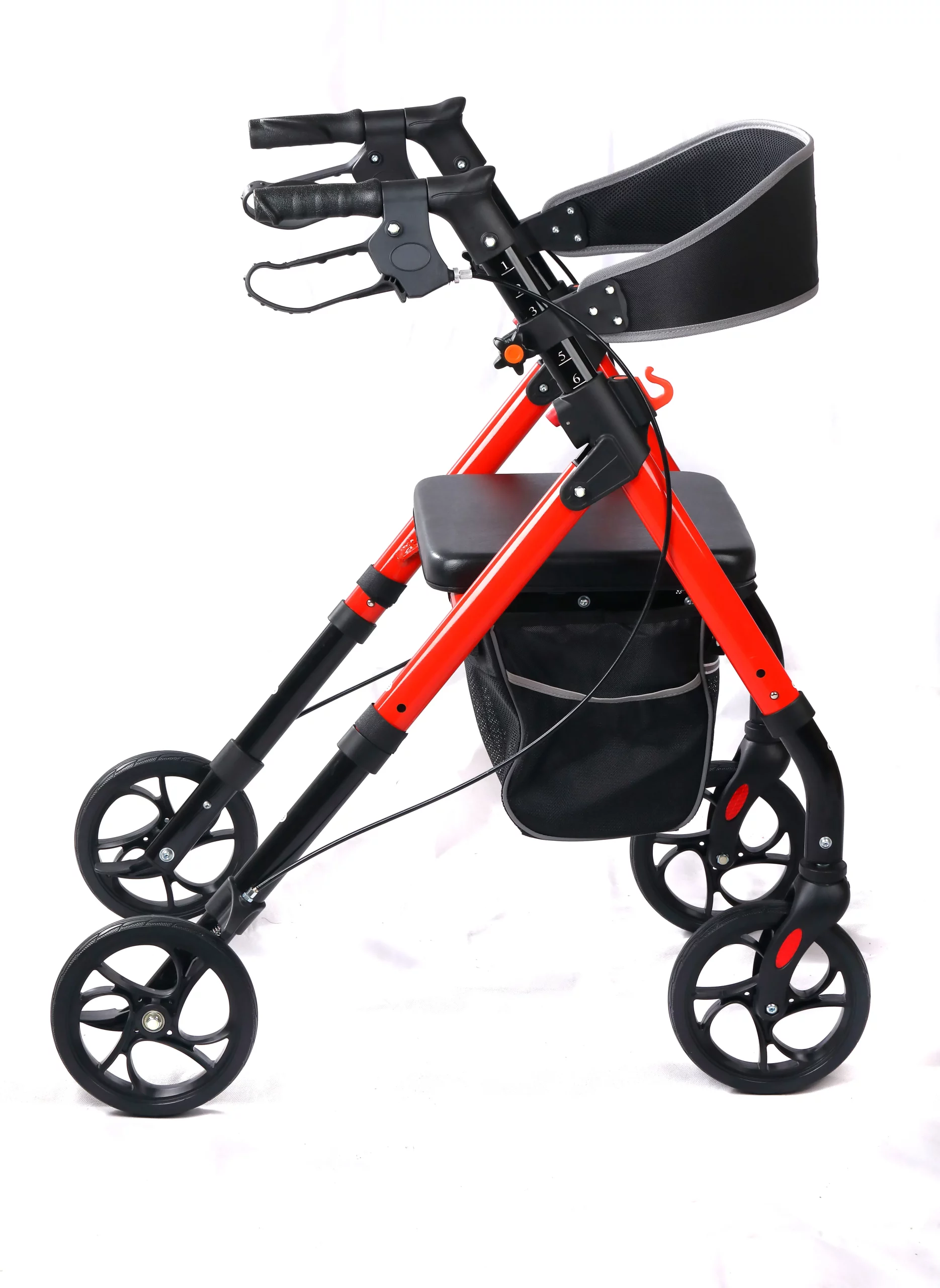
Only products allowed by the rollator maker and facility's relevant care process suit rollator cleaning. Do not substitute an aggressive spray because it is familiar from another device. If the guidance conflicts, ask the responsible lead before treating the aid.
How should staff resolve a product question?
Read both instruction sets. Match the chosen cleaner's directions with the rollator's surface and care limits. The UK medical-device checklist asks what cleaning or decontamination a device needs after use.
- Identify the surface and approved cleaner.
- Follow the product's own use directions.
- Escalate missing or conflicting information.
| Question | Evidence |
|---|---|
| Device compatibility | Maker instructions |
| Site process | Responsible care policy |
A generic product name cannot settle a material-specific decision. Key Takeaway: Staff can use a documented method instead of a guess.
Can rollator cleaning include disinfection?
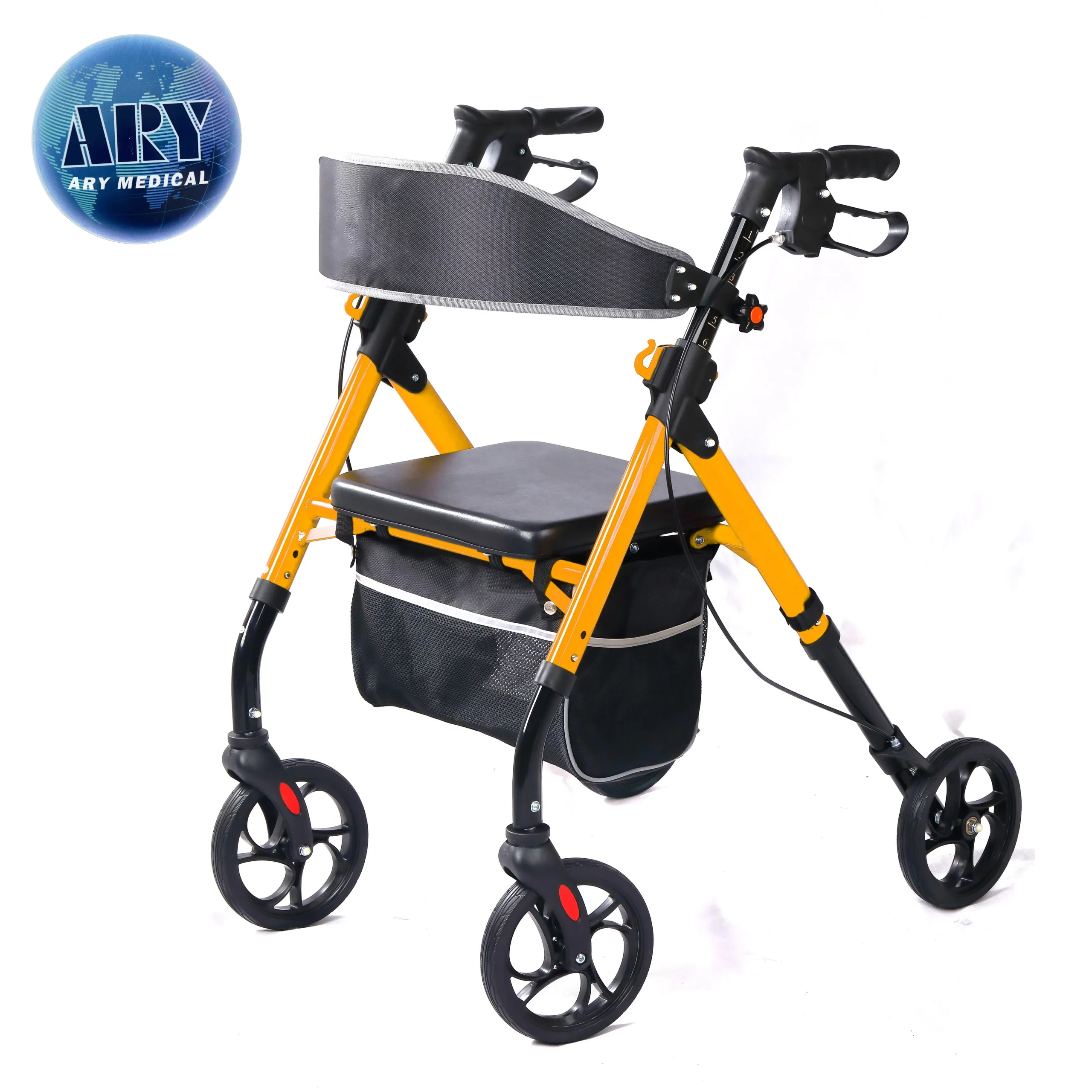
Rollator cleaning may include disinfection when the model instructions and the UK care setting's process call for a compatible method. Cleaning and disinfection are different processes; a wipe label alone does not prove either outcome on this aid. The walking-aids range includes different materials and mechanisms.
Who sets the shared-use rule?
Separate the device limit from the care duty. UK adult social-care infection-prevention guidance says reusable care equipment needs a defined responsibility and method that conforms to manufacturer instructions. Let the local lead specify the setting's process while the maker confirms product compatibility.
- Name the service's cleaning owner.
- Check material-compatible decontamination steps.
- Record a hold route if the method is uncertain.
| Decision | Owner |
|---|---|
| Device limits | Maker documentation |
| Care setting method | Local responsible lead |
A shared-use rule needs both responsibilities in view. Key Takeaway: Your organisation can plan reuse without promising a universal disinfectant.
How should rollator cleaning treat seat and bag?
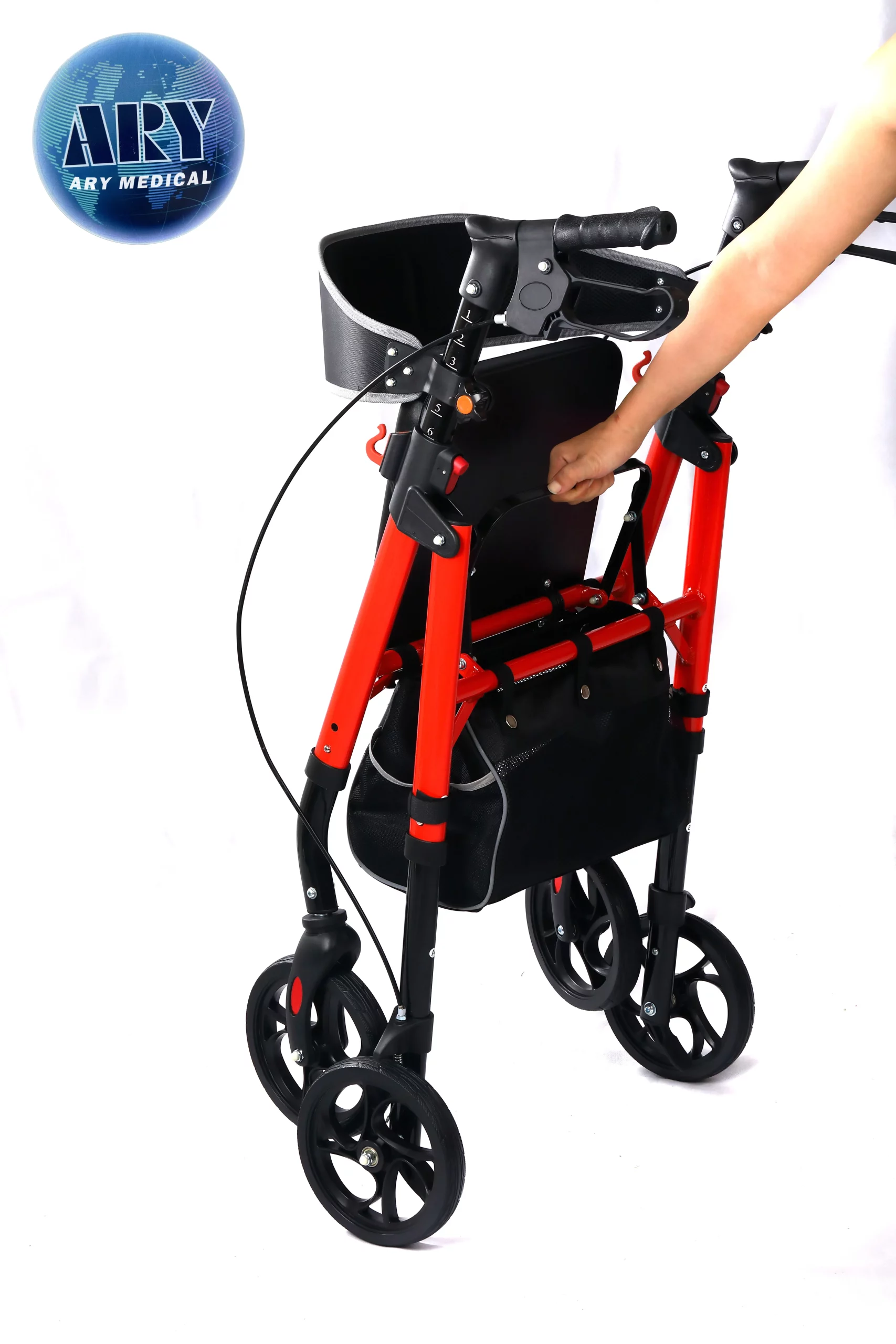
Rollator cleaning for the seat and bag should follow their separate maker instructions, including any approved removal, cleaning and drying steps. A compact folded image shows how parts meet but not whether a bag can be washed. Avoid a routine that traps moisture in seams or leaves a part loose.
What should staff check before reassembly?
Look past the broad seat surface. Inspect stitching, attachment points and any liner visible on the actual model. Return removable items only as the guide directs, then record any damage for service review.
- Use the approved method for each component.
- Check seams and attachments after drying.
- Keep damaged parts out of handover.
| Component | Release check |
|---|---|
| Seat | Dry and intact under guide |
| Bag | Attached as instructed |
The under-seat bag deserves its own line on a care card. Key Takeaway: Users receive a complete aid, not a clean frame with a missed accessory.
How do you protect brakes during rollator cleaning?
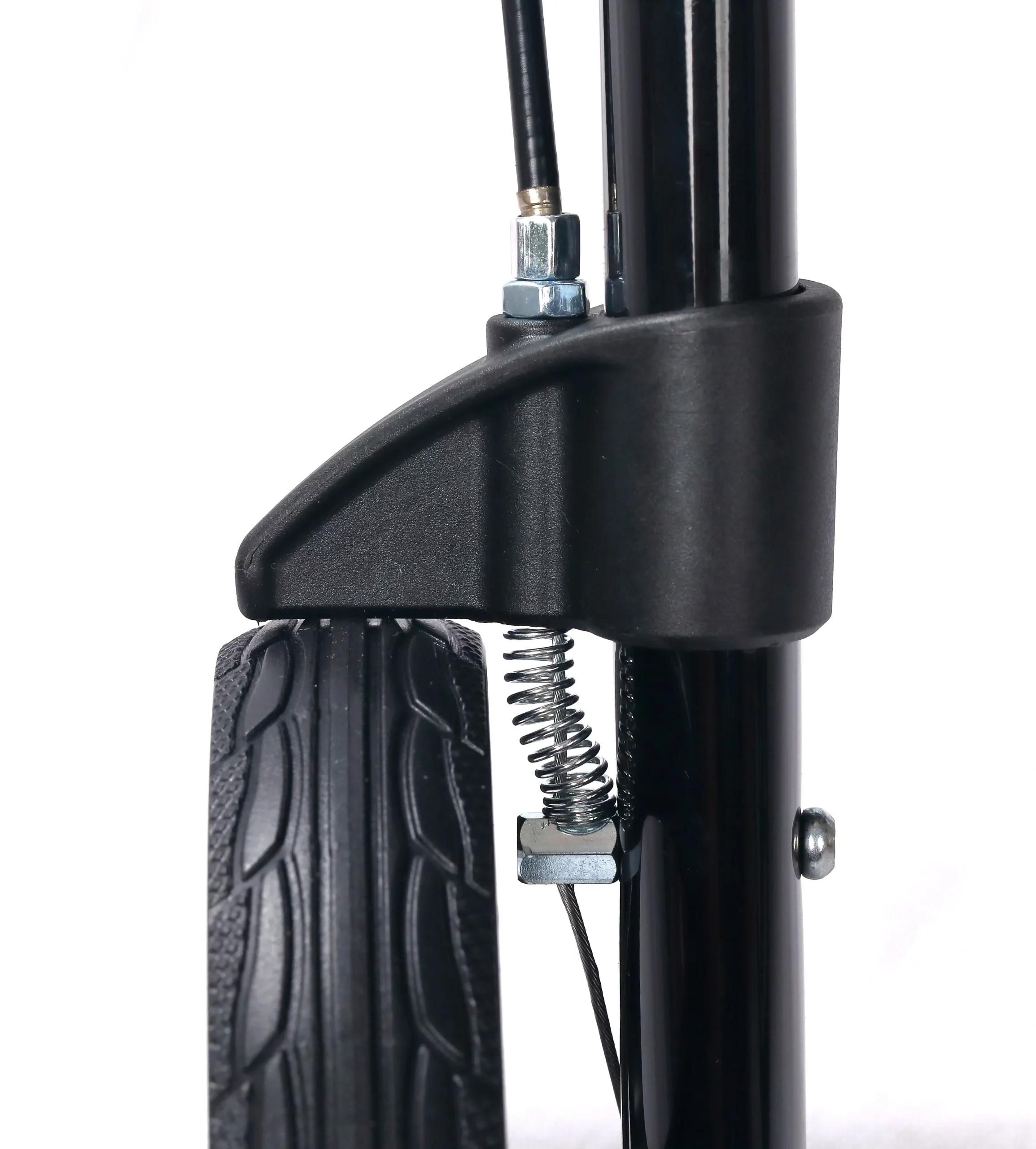
Protect brake levers, cables and wheel-side fittings during rollator cleaning by following the maker's care limits and avoiding unapproved interference. The close-up shows a cable near a wheel, not a cleaning or adjustment procedure. Ask the supplier team for service guidance if contamination reaches a mechanism.
What should a post-clean check record?
Look for a changed response. Trained staff should complete the model's prescribed checks after cleaning. Any unusual lever feel, cable damage or wheel concern belongs in the service process before the aid returns to use.
- Keep prescribed cleaning away from prohibited areas.
- Identify visible damage or changed operation.
- Record the checker and service referral.
| Finding | Next step |
|---|---|
| Visible cable concern | Technical review |
| Normal prescribed checks | Record release decision |
A wipe-down cannot stand in for a brake check. Key Takeaway: Your reuse process catches a handling issue before handover.
What does rollator cleaning mean for handles?
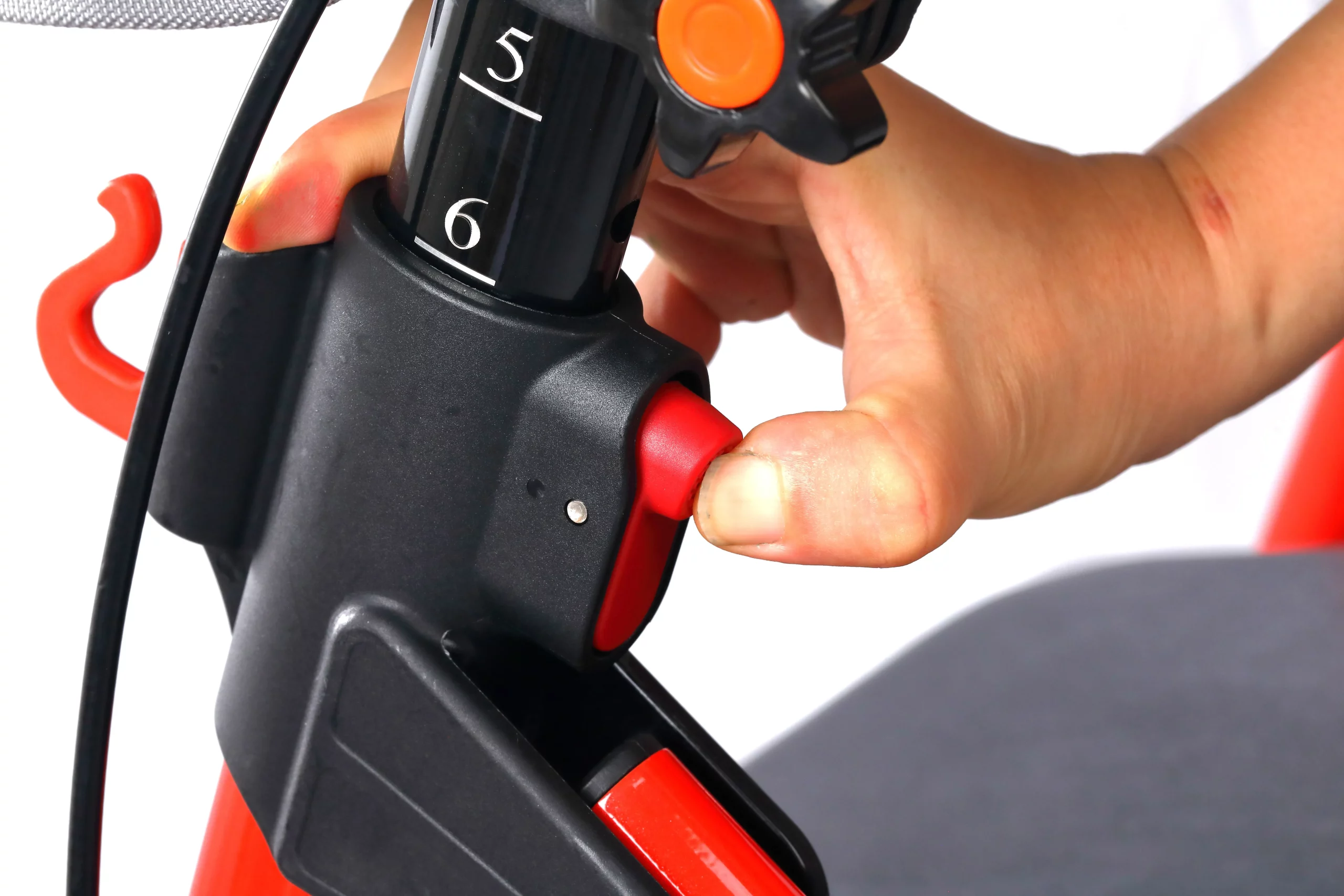
Rollator cleaning for handles includes grips, levers and adjustment areas only within the approved method. The handle-post close-up shows an adjustment latch and index marks, not a universal reset sequence. Leave positions tied to the user's fitting record.
What should staff avoid moving?
Clean without changing the agreed setup. If a component must move under the maker's directions, document its starting position and required return check. Refer loose or damaged handles for a trained review rather than tightening them from a photograph.
- Identify grip and lever surfaces.
- Follow permitted access or removal steps.
- Confirm the reviewed handle position afterward.
| Concern | Response |
|---|---|
| Cleaning access | Current model guide |
| Loose handle | Qualified service review |
A clean handle still needs the right height and secure fit. Key Takeaway: The user's established setup remains intact after cleaning.
How does outdoor use change rollator cleaning?

Rollator cleaning after outdoor use should account for dirt on wheels and lower frame parts while respecting the model's stated care method. The product-page collage shows possible surfaces but no rollator travelling on them. It does not establish that any route was approved.
What should a return-to-stock check include?
Inspect the areas closest to the ground. Look for grit, moisture or debris that could mask visible wear. Review the walking-aids options only for product comparison; use the exact model guide for cleaning and route limits.
- Inspect lower frame and wheels.
- Use the permitted cleaning and drying method.
- Refer damage or unclear wheel behavior.
| Observation | Follow-up |
|---|---|
| Surface dirt | Approved cleaning method |
| Visible damage | Service review |
Outdoor context changes what staff need to inspect, not the maker's limits. Key Takeaway: Your team can return a used aid to stock with a defined check.
What should a rollator cleaning record include?
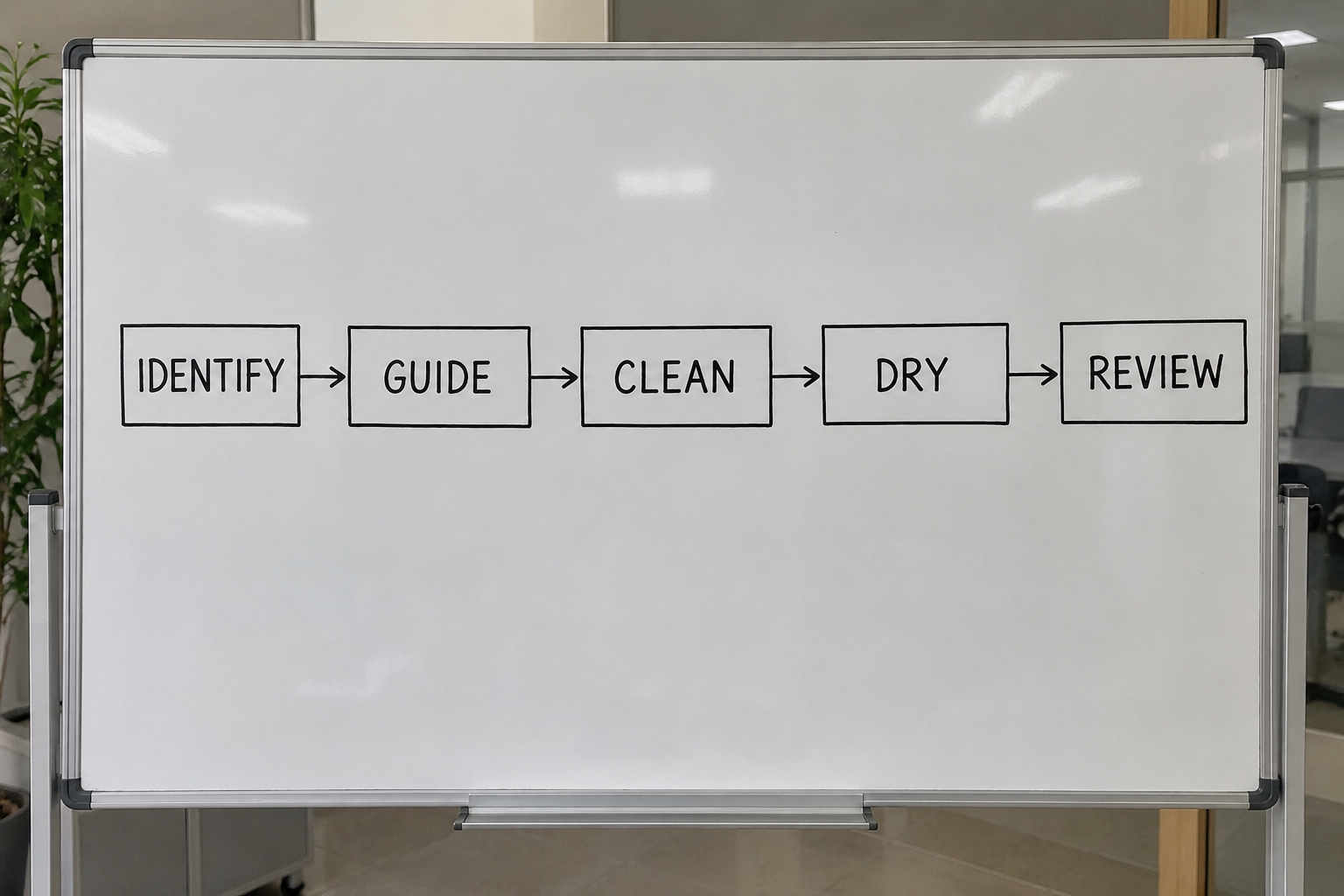
A rollator cleaning record should link the aid ID, current method, cleaner, worker, condition and release decision. Keep the document version with the record so later staff know which instructions applied. Record exceptions before the aid changes hands.
Could another shift repeat the process?
Make the route from cleaning to release visible. The chart sets out identification, guidance, cleaning, drying and review. Use a short entry for each step rather than a signature that hides unresolved damage.
- Name the product and care document.
- Record method, date and responsible worker.
- Hold or release with a reason.
| Record field | Use |
|---|---|
| Method and worker | Supports traceability |
| Condition and decision | Guides next handover |
A useful log describes what was done and what remains open. Key Takeaway: The next shift can understand the care status at a glance.
How can rollator cleaning stay workable?

Rollator cleaning stays workable when product instructions, UK setting duties and condition checks are kept together. Start with one identified model and test the staff card against its real parts. Revise the routine whenever components or instructions change.
Ready to request model-specific care details?
Send the care question with the model code. Ary Medical can clarify available instructions for a named Shopping Walker setup. Ask for surface materials, permitted cleaning steps and a service route for damage before drafting a shared-use card.
- Identify model and chair configuration.
- Describe the service's reuse setting.
- Request current care and service information.
| Buyer input | Supplier answer |
|---|---|
| Model and surfaces | Relevant instructions |
| Reuse setting | Available support route |
A documented care card is easier to train than a vague wipe-down habit. Key Takeaway: For product-specific guidance, contact us. Ary Medical favours care routines grounded in the actual aid and its user.
Frequently asked questions
Q1: Can I use the same disinfectant on every rollator?
No. Check the exact model's material limits and your setting's authorised process.
Q2: What's the best way to clean a rollator bag?
Use the bag's specific maker instructions and check it is dry and correctly refitted before reuse.
Q3: How do I know if cleaning changed the brakes?
Complete the model's prescribed checks and refer any unusual response for technical review.
Q4: Can I pressure-wash the rollator?
Only if its maker explicitly permits that method; otherwise follow the stated cleaning limits.
Q5: How do I know a shared-use aid is ready?
Use the approved care steps, condition checks and recorded release decision for that exact model.