
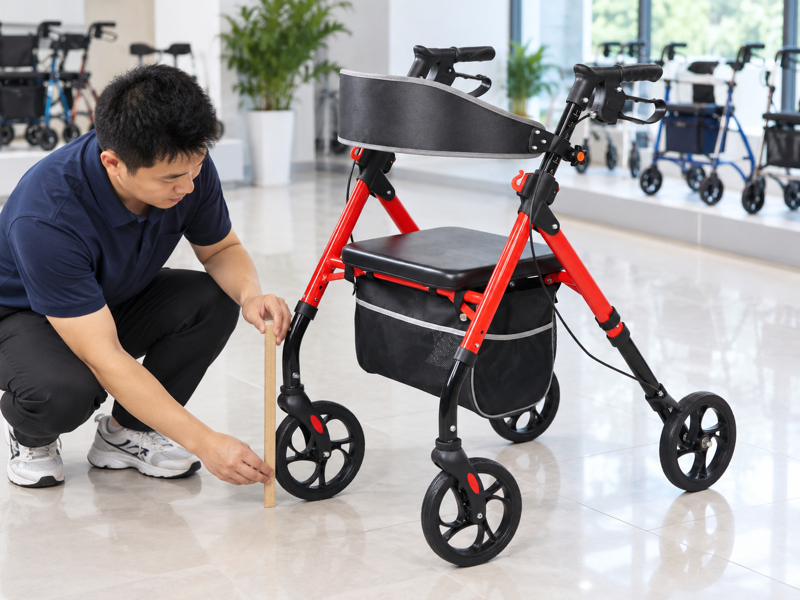
Choose rollator wheel size by getting the exact model's wheel data and testing the complete aid on a route that matches the user's approved plan. A showroom photo can make a wheel look large enough, then a threshold or turn exposes a problem that no diameter alone predicts. Ask for measured front and rear wheel details, model limits and a trained trial before committing stock.
What does rollator wheel size mean on a quote?
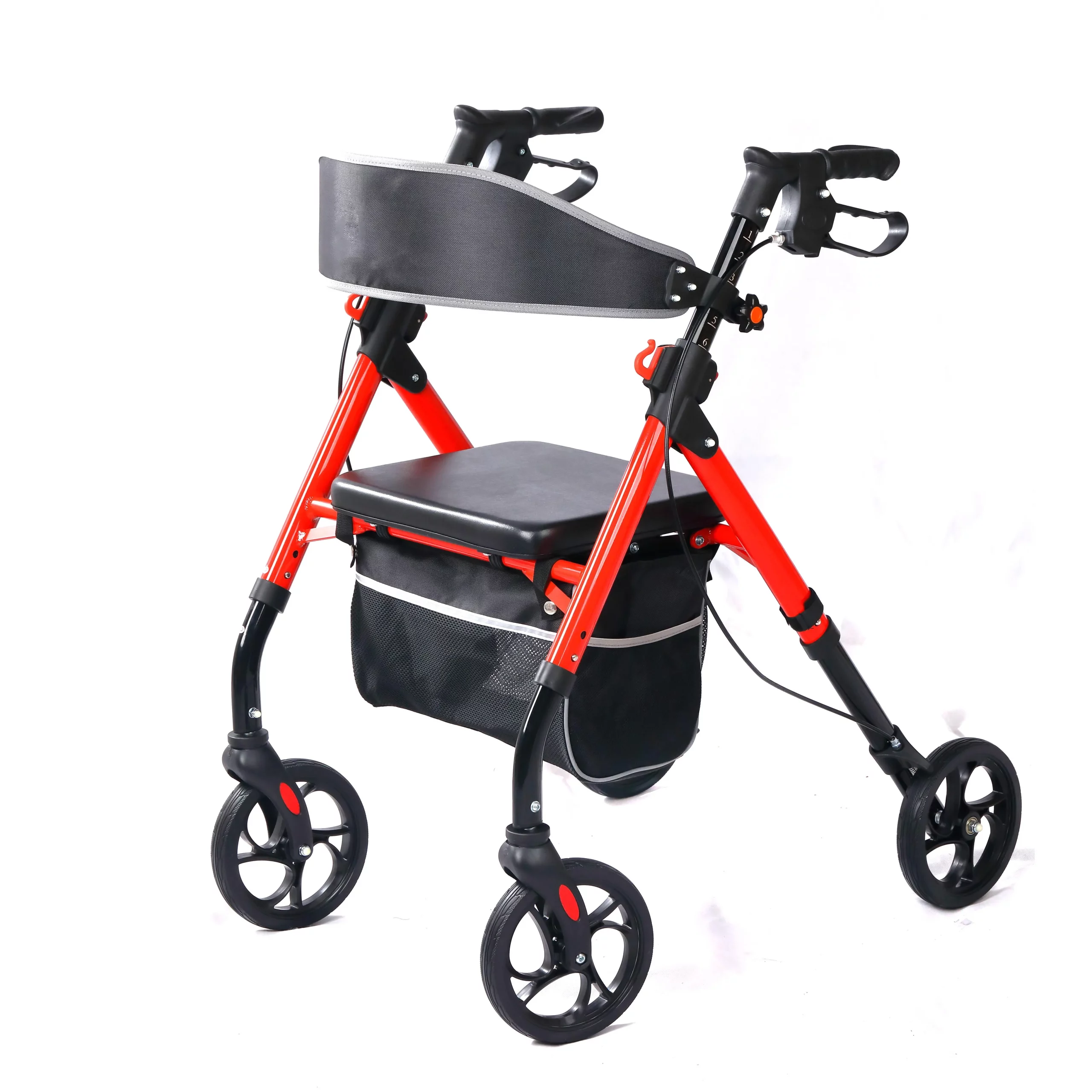
Rollator wheel size should name the measured diameter and the specific front or rear wheel to which it applies. Ask whether tyres, rims and overall wheel assembly are included in the figure. The source photos do not provide a verified dimension.
Which fields make a comparison fair?
Define the wheel before comparing numbers. Request the exact model, wheel location, measurement method and replacement-part reference. WHO's assistive-product specification guide treats wheel information as a procurement detail, not a universal fit rule.
- Record front and rear wheel measurements separately.
- Confirm tyre and assembly scope.
- Keep the method beside each figure.
| Quote field | Why it matters |
|---|---|
| Wheel location | Avoids front/rear confusion |
| Measurement method | Makes model data comparable |
A diameter without a location can create a wrong parts order. Key Takeaway: Your team can request useful wheel data instead of guessing from scale.
Can photos establish rollator wheel size?
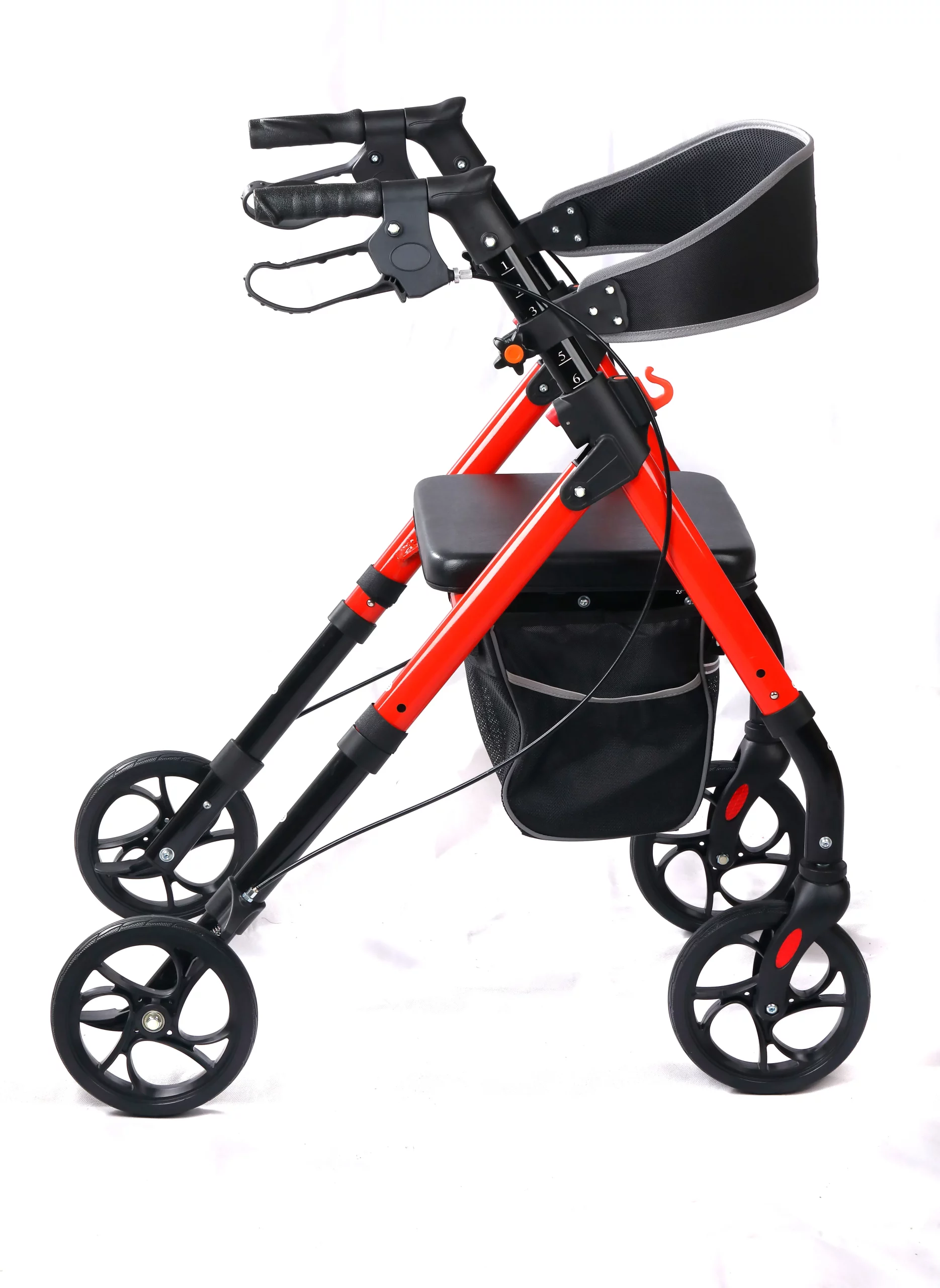
Rollator wheel size cannot be measured reliably from a product photograph. The Shopping Walker images show four black spoked wheels, but camera angle and cropping change apparent scale. Use the product team to confirm the actual model data.
What can a photo still help identify?
Use the image for identity, not measurement. A side view can show wheel position, tyre style and nearby brake hardware. It cannot prove tread specification, diameter, material or rolling behavior on a route.
- Identify front and rear positions.
- Flag any visible damage for service review.
- Request verified specifications for comparison.
| Photo supports | Document must supply |
|---|---|
| Wheel location | Actual diameter and part code |
| Visible tread | Material and approved use |
The visible pattern is a clue for questions, not a performance result. Key Takeaway: Buyers can use photographs without overclaiming what they show.
Which route facts matter for rollator wheel size?

Rollator wheel size should be considered alongside the user's real route, including surface changes, turns and stopping places. The product-page scene collage shows grass, paving and a speed bump but no rollator on those surfaces. None of those photos proves suitability.
What should a route brief include?
Bring the path to the product trial. Record thresholds, smooth or rough paving, slopes and narrow passages. Check the exact model's permitted environment and have trained personnel review the person using that route.
- Photograph representative route features.
- List the surfaces the maker allows.
- Identify turns and places to stop.
| Route detail | Question |
|---|---|
| Threshold | Can the chosen aid be reviewed there? |
| Surface change | Is that use permitted and manageable? |
A route description makes a sample trial more informative than a diameter alone. Key Takeaway: Your buyer brief reflects where the aid must actually work.
Are larger rollator wheel size choices always better?
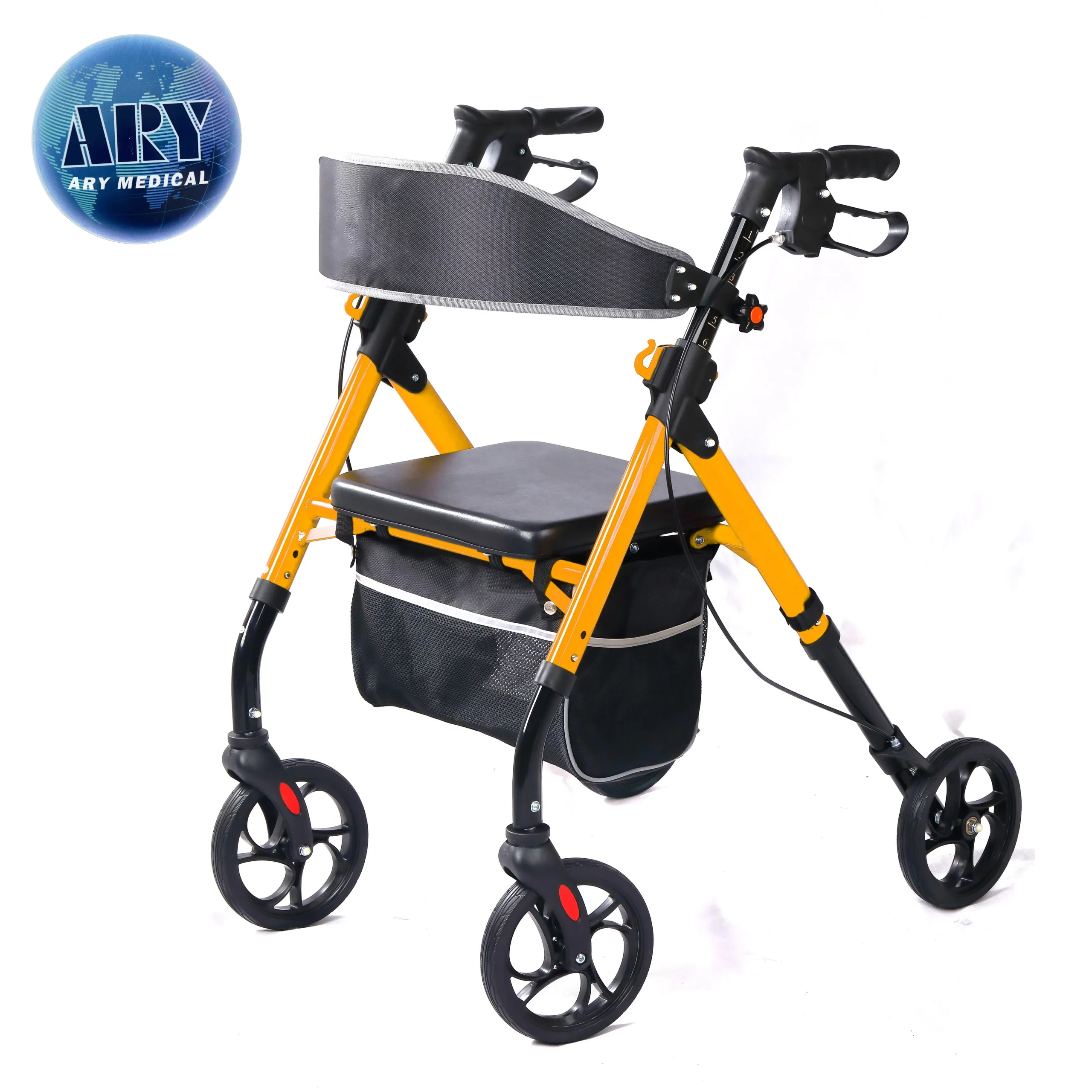
Larger rollator wheel size is not automatically the best choice for every user or route. Frame geometry, turning space, brakes, tyre design and handling all affect a full-device trial. Compare complete approved models rather than a single wheel number.
What tradeoffs deserve a sample check?
Test the whole aid, not an isolated wheel. A different wheel can alter packed dimensions or parts compatibility even if it appears attractive in a catalogue. Do not swap wheel sizes without a maker-approved configuration and trained review.
- Compare actual frame and wheel assemblies.
- Check turning and storage needs.
- Confirm any proposed part change is approved.
| Choice | Question |
|---|---|
| Different wheel size | Is it offered for this model? |
| Different rollator | Does the complete aid suit the user? |
The correct product decision can differ from a simple big-versus-small ranking. Key Takeaway: Purchasing can avoid a wheel-only shortcut.
Does rollator wheel size change handle fit?
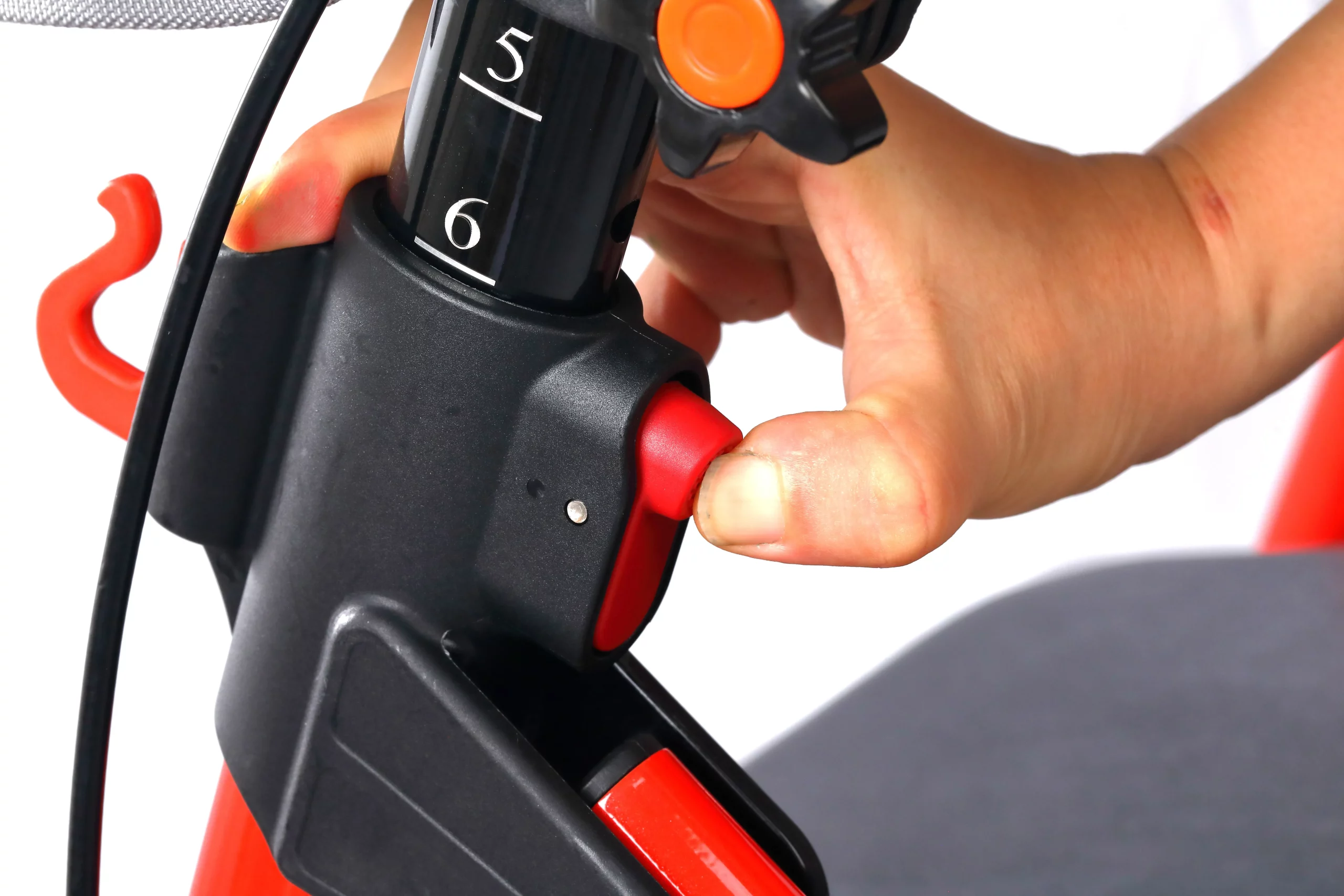
Rollator wheel size may alter a model's overall geometry, so handle fit needs review on the complete approved aid. The gallery shows adjustable handle posts, but their printed marks do not give wheel dimensions. Keep grip and wheel records separate.
What should the fitter revisit?
Connect the selected frame to the person. Ask trained personnel to review walking posture, grip access and braking reach on the actual sample. A cane chair has a different support and seating purpose, so it is not an automatic smaller-wheel substitute.
- Record the chosen model and wheel setup.
- Check individual handle and lever access.
- Note whether a different frame is needed.
| Fit item | Review |
|---|---|
| Wheel and frame | Confirmed model configuration |
| Handle and brake | Individual control of that configuration |
A wheel choice only makes sense as part of the complete aid. Key Takeaway: The user trial can reveal what a wheel specification cannot.
How does rollator wheel size affect seated rest?
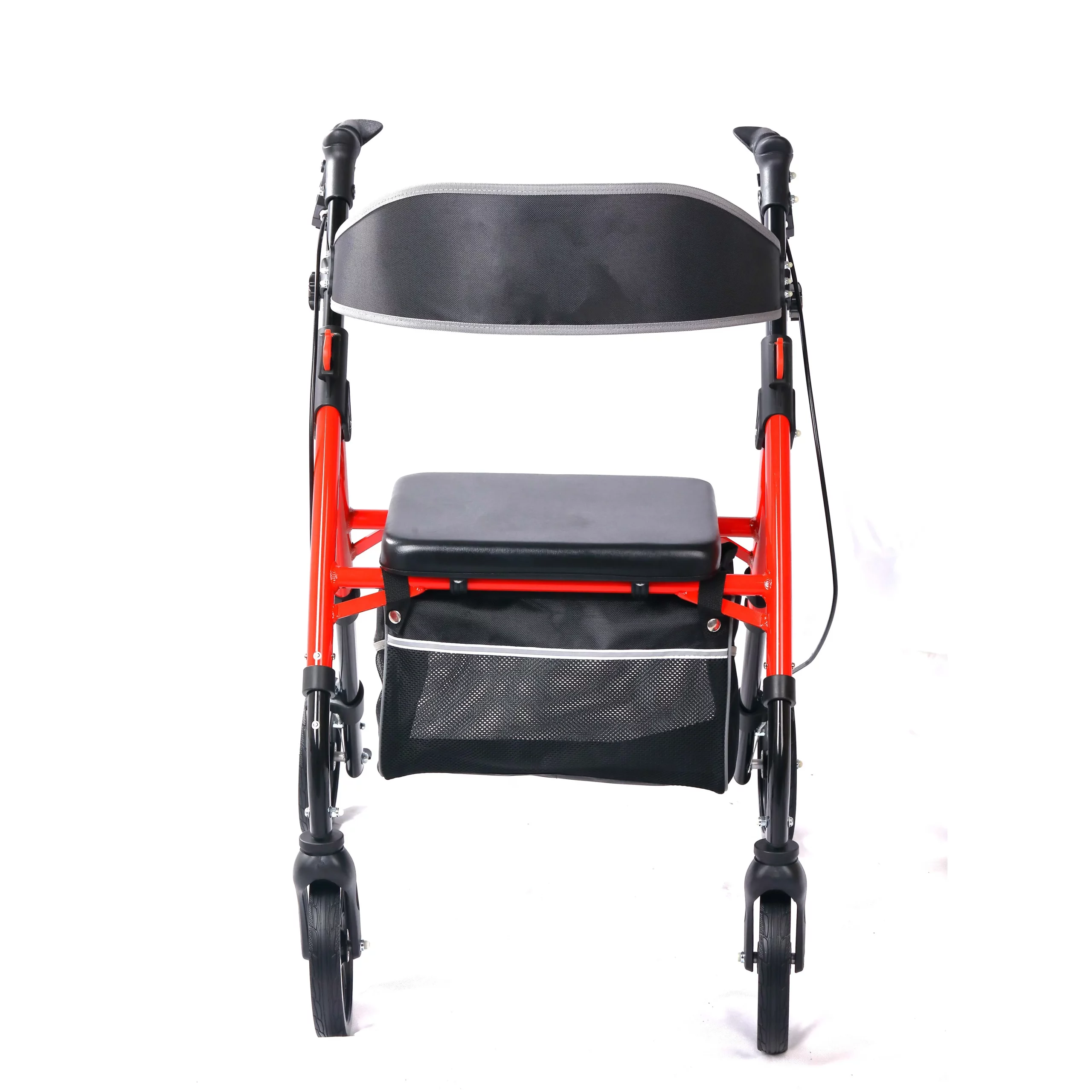
Rollator wheel size alone does not establish that the padded seat suits a person or that the aid can be parked for rest. Review the chosen model's seat, brake instructions and user needs together. The front photo proves the presence of a seat and back strap only.
What must be confirmed before a rest trial?
Park and fit the full device. Use the maker's parking procedure and a trained seated-rest assessment. Do not claim extra stability from the wheel diameter without model evidence.
- Confirm the exact parked state.
- Review the person and seat arrangement.
- Use only approved surfaces and instructions.
| Rest question | Answer source |
|---|---|
| Can it park? | Current model guide |
| Does the seat fit? | Individual trained review |
A comfortable-looking seat and a large-looking wheel are separate questions. Key Takeaway: The buyer can plan a proper rest trial.
How should rollator wheel size affect a brake check?
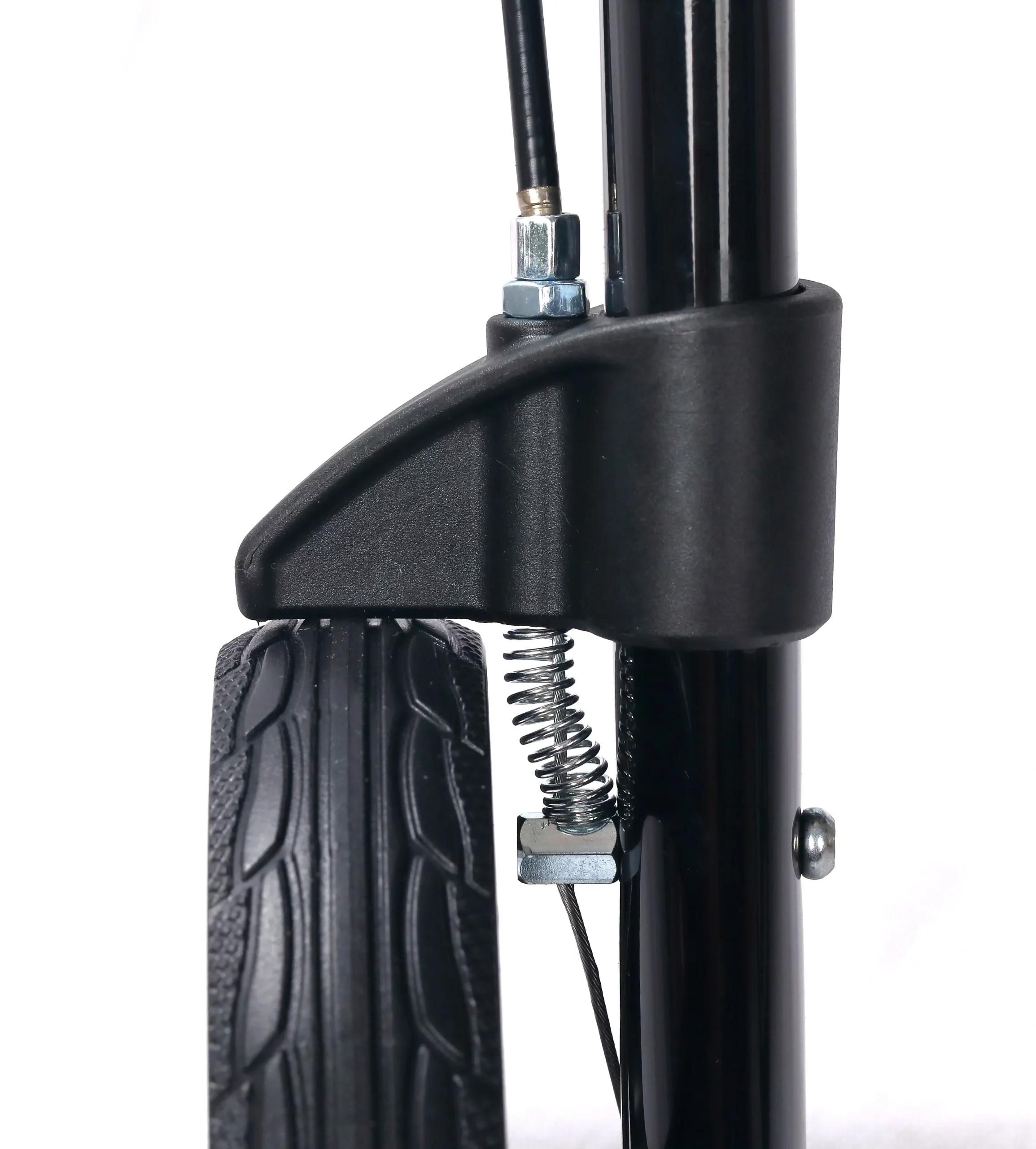
Rollator wheel size review should include the brake interface for the exact wheel assembly. The close-up shows a cable fitting near a tyre, but no verified adjustment or stopping result. A different wheel may require a different approved part or service setup.
When should a technician get involved?
Treat wheel and brake as one serviced system. Oxford Health's four-wheel rollator leaflet calls for secure wheels and functioning brakes. Refer unusual drag, damage or altered lever feel for model-specific service.
- Match wheel and brake parts to the model.
- Record both side observations.
- Request trained service for any mismatch.
| Observation | Next step |
|---|---|
| New wheel proposed | Confirm approved brake match |
| Brake concern | Use service and return-to-use process |
A wheel swap without brake review can leave a serious gap. Key Takeaway: Procurement can ask for parts as a working assembly.
Will rollator wheel size alter folding space?
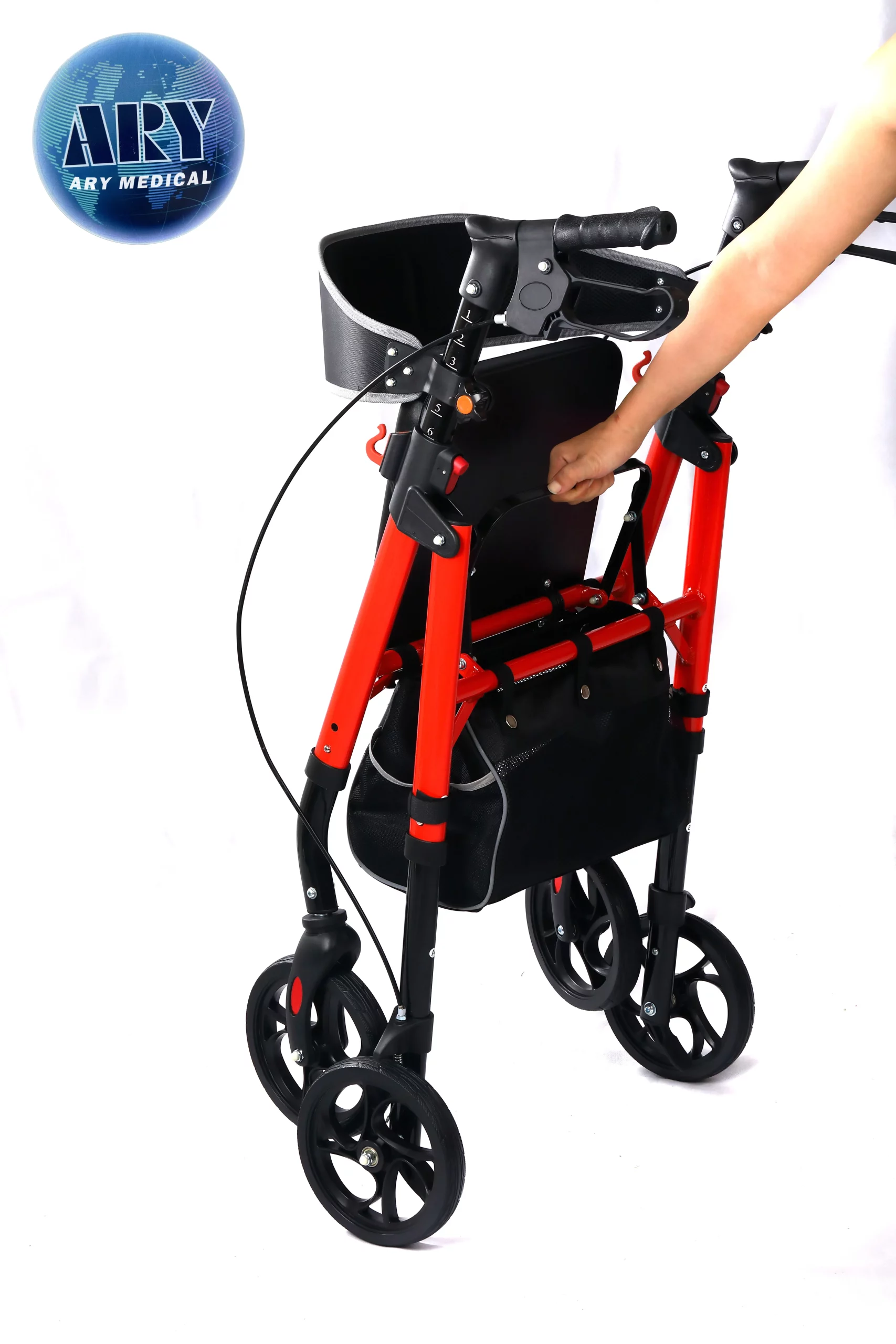
Rollator wheel size can affect stored dimensions when a different approved model or wheel setup is chosen. The folded source photo shows the frame in a compact state but supplies no reliable measurements. Request actual open and compact dimensions.
What should a storage check compare?
Measure the package people will handle. Check cupboard, vehicle and doorway clearance using the chosen configuration. Keep the maker's folding sequence and brake-cable protection with the dimensions.
- Request measured open and folded size.
- Confirm which wheel setup the figures describe.
- Check the path into storage.
| Measurement | Use |
|---|---|
| Open footprint | Walking and doorway review |
| Compact footprint | Storage and transport review |
A wheel figure cannot stand in for a stored-package measurement. Key Takeaway: Your logistics team can verify the actual space needed.
How should a rollator wheel size trial be documented?
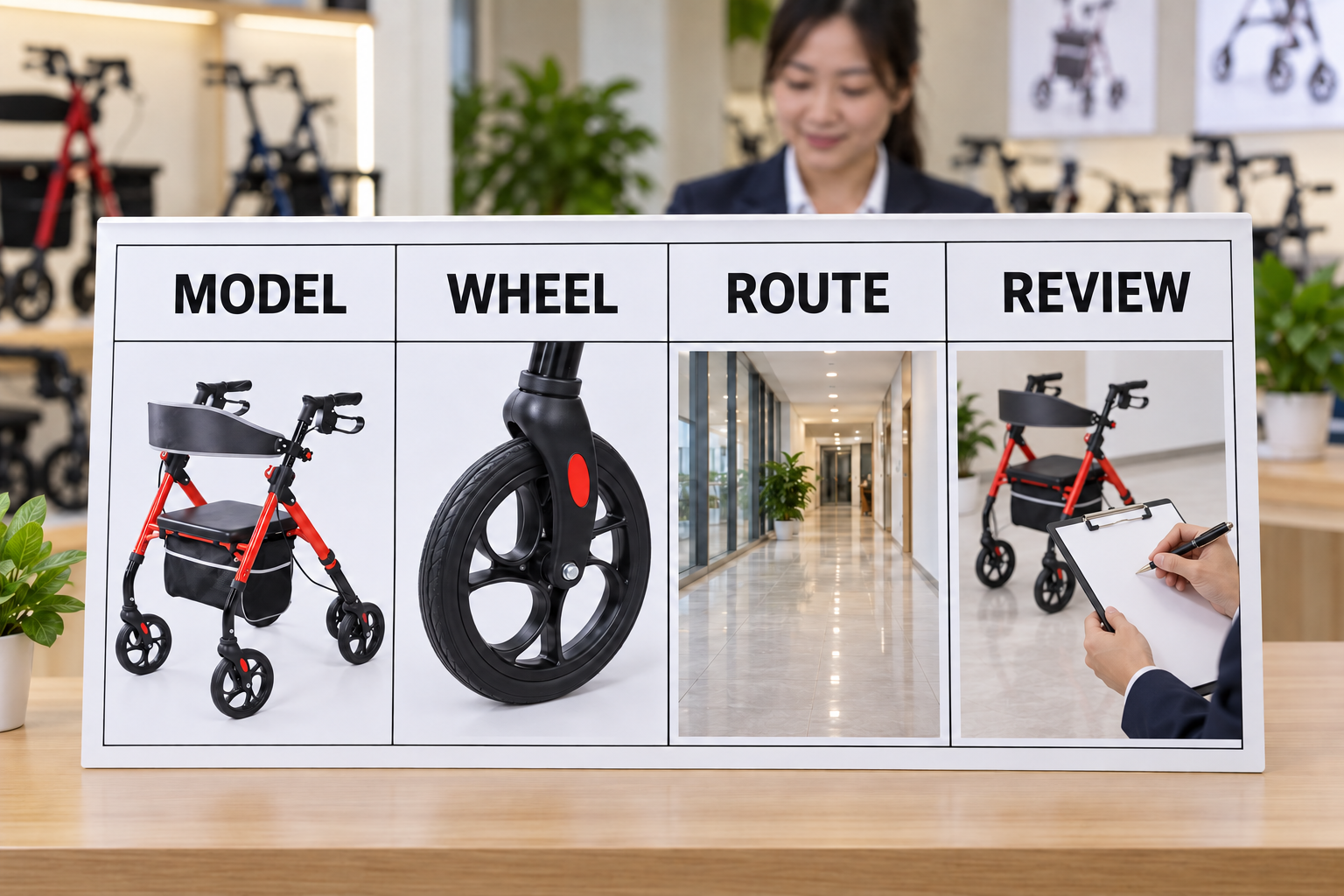
Rollator wheel size trials should record the model, wheel specification, route, user assessment and any observed difficulty. Keep the test conditions and maker limits with the result. The chart above is a review prompt, not a claim that this model passed any terrain test.
Which evidence belongs in a buyer file?
Make the sample result repeatable. Ask the supplier team for current model and replacement-wheel details. Trained personnel should record what route was actually reviewed, without extending the result to every surface.
- Record model, wheel positions and part references.
- Describe trial route and user support.
- Keep observations and unanswered questions separate.
| Record | Why keep it |
|---|---|
| Product specification | Identifies the wheel configuration |
| Trial notes | Shows conditions behind the decision |
A route result is useful only within its stated conditions. Key Takeaway: The next buyer can compare evidence rather than marketing photos.
How do you choose rollator wheel size for a buyer?
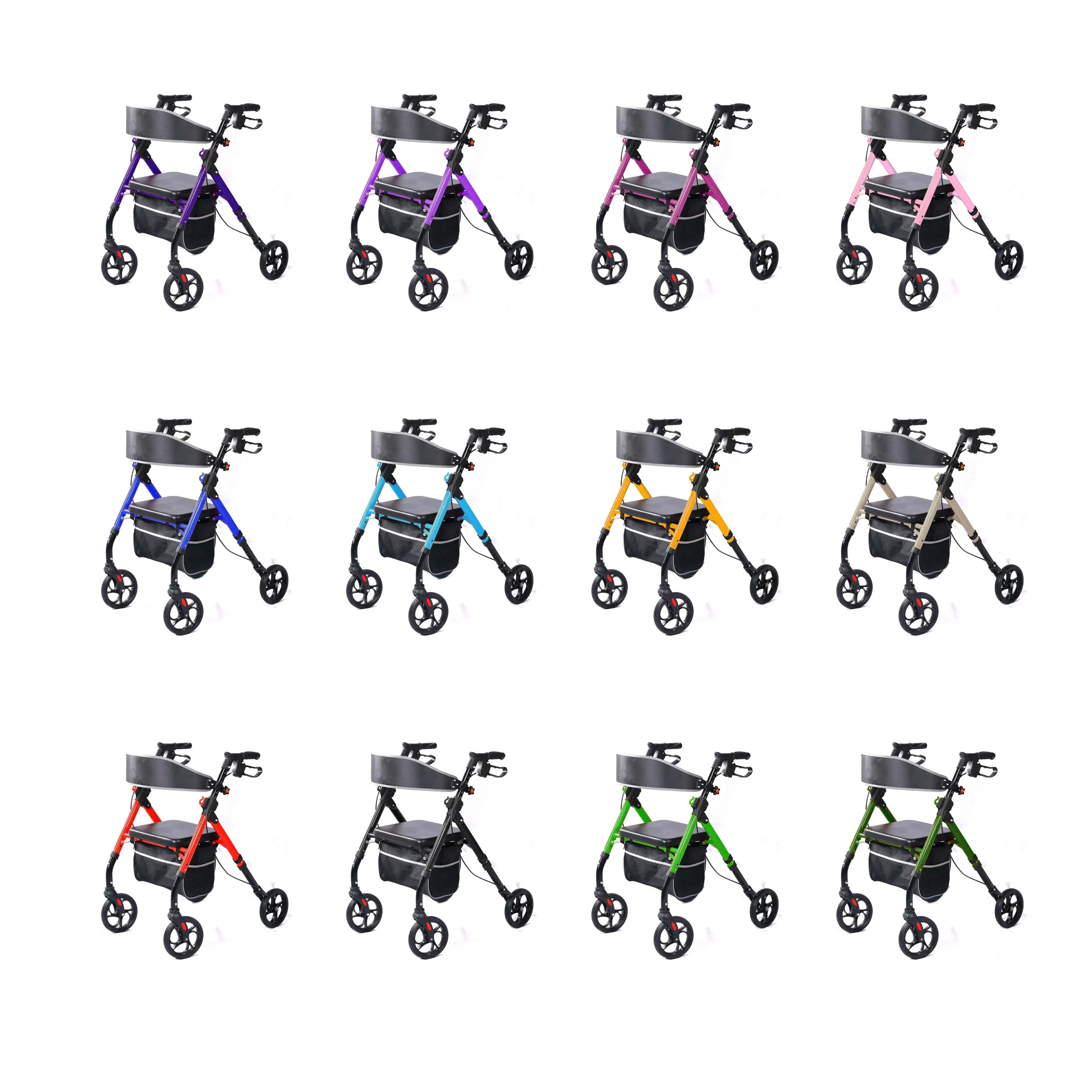
Choose rollator wheel size through verified product data and a trained trial of the complete aid on the intended route. Check braking, handle fit, storage and approved environment at the same time. Avoid promising a terrain benefit from diameter alone.
What should the enquiry contain?
Send the route and the model together. Include the user's fit contact, proposed model, surface changes and wheel questions. Request documented measurements, instructions and a sample plan.
- Ask for front and rear wheel specifications.
- Describe the real route and storage limits.
- Arrange a trained complete-device review.
| Buyer input | Response to request |
|---|---|
| Model and wheels | Verified dimensions and part scope |
| Route and user | Appropriate sample and review path |
This lets the wheel decision follow evidence from the actual use case. Key Takeaway: For model-specific wheel details, contact us. Ary Medical supports equipment choices evaluated on the user's route, within the maker's limits.
Frequently asked questions
Q1: Can I estimate wheel diameter from a product photo?
No. Camera angle changes apparent scale; ask for measured front and rear specifications.
Q2: What's the best wheel size for every outdoor path?
No single size fits every route. Use the maker's environment limits and a trained trial of the complete model.
Q3: How do I know if a replacement wheel fits?
Check the exact model, wheel position, part reference and brake interface. Similar-looking wheels may differ.
Q4: Can larger wheels make any surface safe?
No. Route, user, tyres, frame and brakes matter together; avoid a universal terrain promise.
Q5: Will a wheel change affect folded size?
It may. Request dimensions for the approved configuration you plan to buy, then check the actual storage route.