
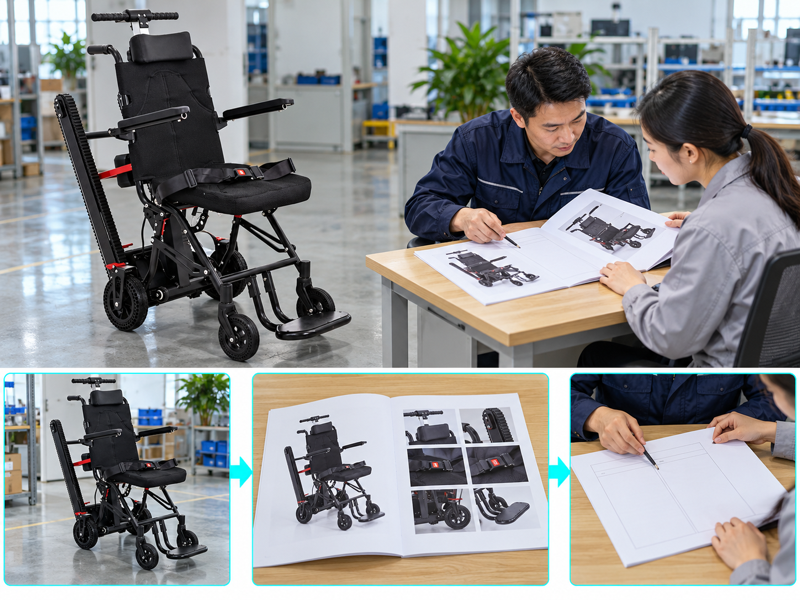
Compare stair chair care contracts for electric passenger equipment through inspection, training, parts and escalation work included in the offer. A distributor may hear that support is available yet discover that local fitting, travel and operator refreshers were never discussed. Those gaps become harder to resolve when equipment is already out of use. A written service scope helps you compare responsibilities and costs before making promises onward.
How should you compare stair chair care contracts?

Compare stair chair care contracts by the tasks covered, model scope and people authorized to perform them. A broad promise of after-sales support may leave inspection, training, travel and replacement parts undefined.
Read the work behind the offer
Read the work behind the promise. Ask for a written service schedule for the supplied chair and tracks. Keep the proposed terms separate from the final agreement your team accepts.
- Name covered equipment
- List included service tasks
- Keep accepted terms
| Check | What to keep |
|---|---|
| Name covered equipment | Model and assembly schedule |
| List included service tasks | Written scope |
| Keep accepted terms | Dated agreement |
Key Takeaway: You can judge the practical support offer instead of relying on a general assurance that help is available.
Which service roles should be separate?
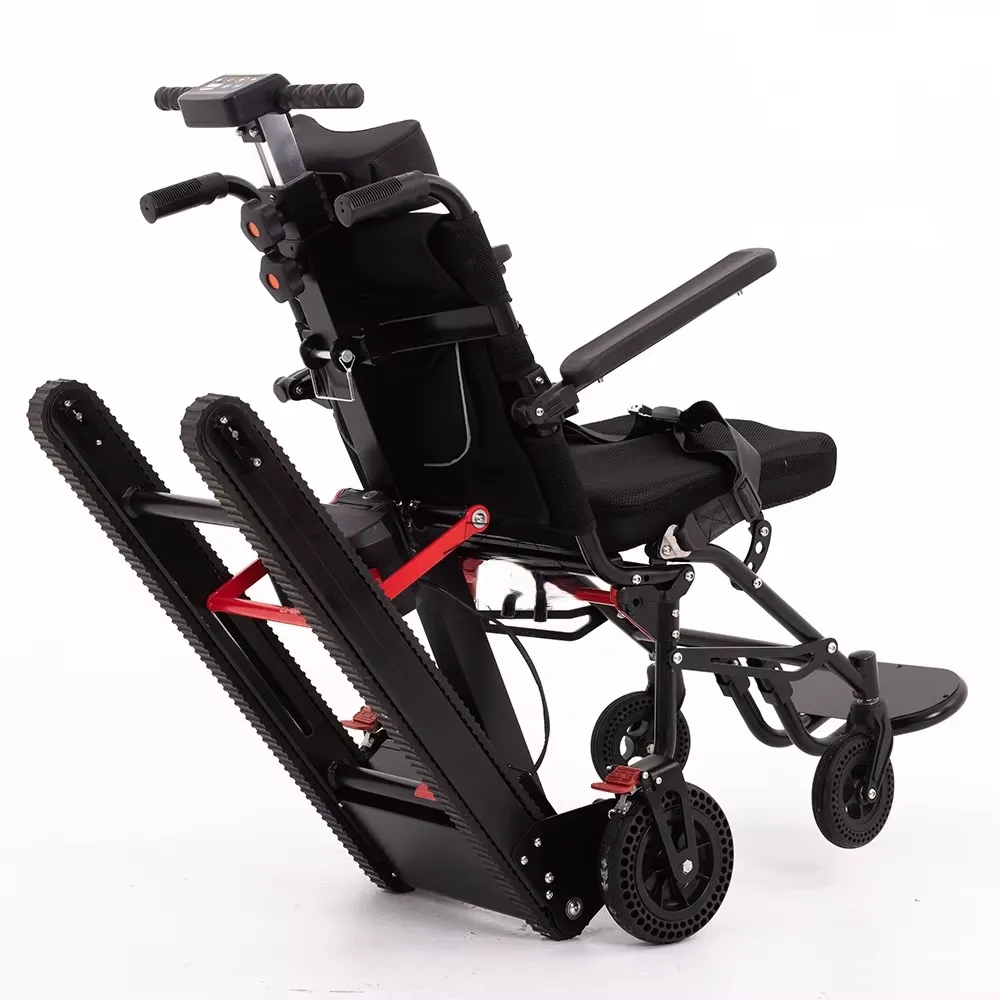
Separate user guidance, operator training and technical service in stair chair care contracts. The person who explains a product may not be authorized to inspect tracks, approve parts or return a held chair to service.
Who handles each service role?
Name who does each type of work. Ask which qualifications and manufacturer authorization apply to each role. Do not invent a universal credential; have the responsible reviewer assess whether the offered competence suits the work. Ask how the provider will maintain the service record.
- List distinct service roles
- Confirm relevant competence
- Define release authority
| Check | What to keep |
|---|---|
| List distinct service roles | Responsibility schedule |
| Confirm relevant competence | Provider evidence |
| Define release authority | Named technical responsibility |
Key Takeaway: Your team can see who handles each decision without treating every support contact as interchangeable.
How should stair chair care contracts define inspection scope?
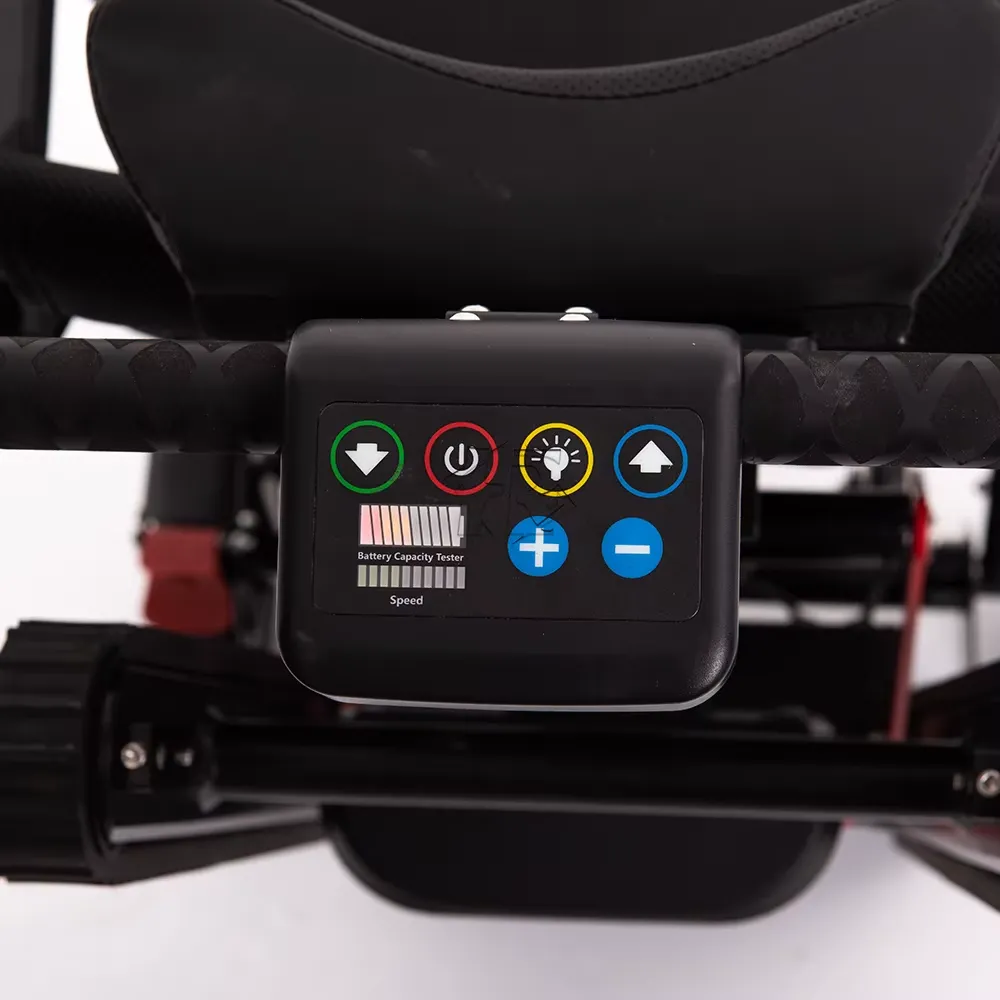
Define inspection work in stair chair care contracts through the exact manufacturer's requirements and the agreed service setting. A generic annual visit does not explain which assemblies, records or issues the provider will review.
Define the inspection basis
Tie checks to the exact model. Ask who decides the interval and what triggers an additional review. Keep any unresolved condition visible rather than treating the calendar date as proof the chair is ready.
- Name the inspection basis
- List covered assemblies
- Record review triggers
| Check | What to keep |
|---|---|
| Name the inspection basis | Current model instructions |
| List covered assemblies | Service scope |
| Record review triggers | Agreed condition list |
Key Takeaway: You can understand what the inspection service actually covers without prescribing an unsupported maintenance schedule.
What should training in stair chair care contracts cover?

Training support in stair chair care contracts should explain initial instruction, competence records and how later staff or model changes are handled. One completed session does not automatically cover every future operator or revised system.
What happens when staff change?
Ask what happens after staff change. Ask whether refresher or new-operator training is available and on what terms. Keep the assessed task and route scope with the training record.
- Define initial training
- Record later training options
- Link training with setup
| Check | What to keep |
|---|---|
| Define initial training | Provider scope |
| Record later training options | Agreed support terms |
| Link training with setup | Model and route record |
Key Takeaway: You can plan operator support beyond delivery without promising unlimited training that was never agreed.
How should stair chair care contracts cover replacement parts?
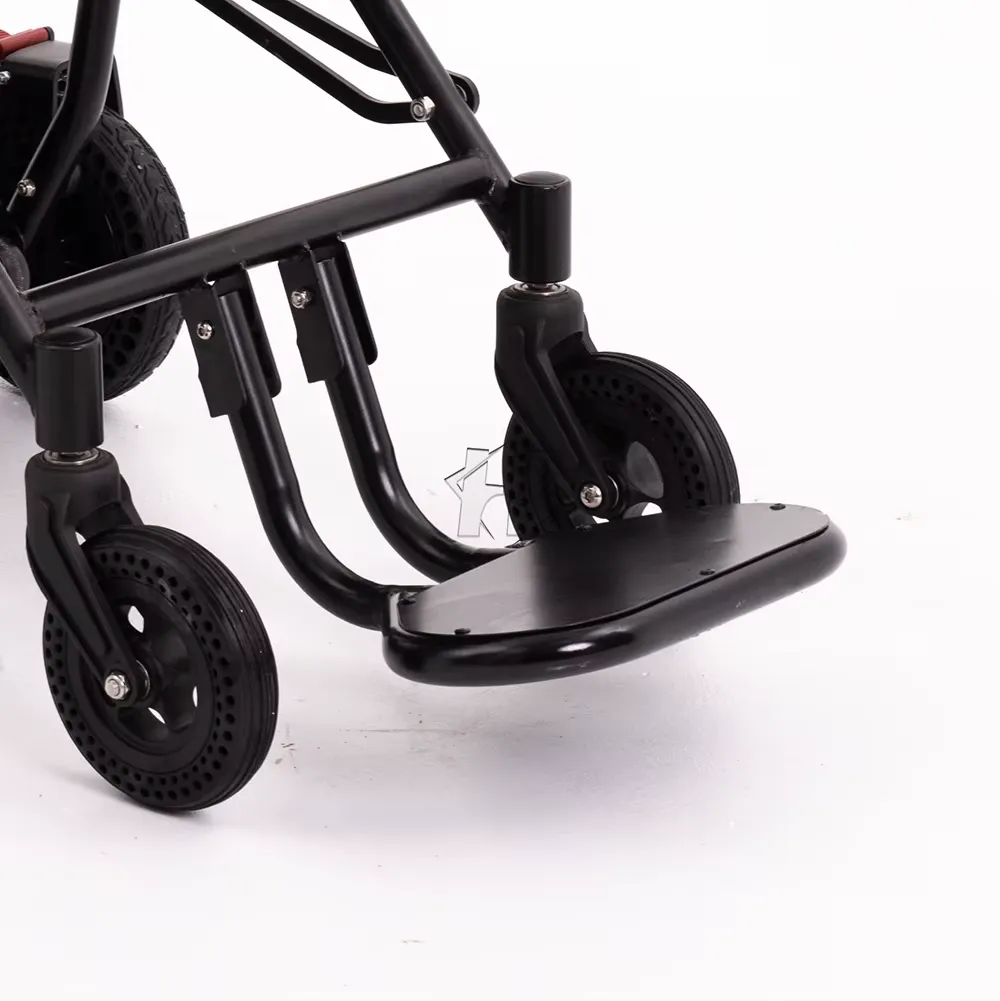
For stair chair care contracts, specify how parts are identified, approved and supplied for the exact chair-track version. Having a part in stock does not establish that it is a suitable replacement.
Connect parts with qualified service
Separate availability from an approved match. Ask who checks compatibility and who performs the work. Keep part cost, labor and release decisions separate so one approved item does not imply approval of the whole repair. Define support against the approved parts list.
- Use exact part references
- Name fitting responsibility
- Define return-to-service review
| Check | What to keep |
|---|---|
| Use exact part references | Approved parts mapping |
| Name fitting responsibility | Technical service scope |
| Define return-to-service review | Release requirements |
Key Takeaway: Your contract discussion can connect supply with competent service instead of treating a shipped part as a completed repair.
Which costs should buyers compare separately?
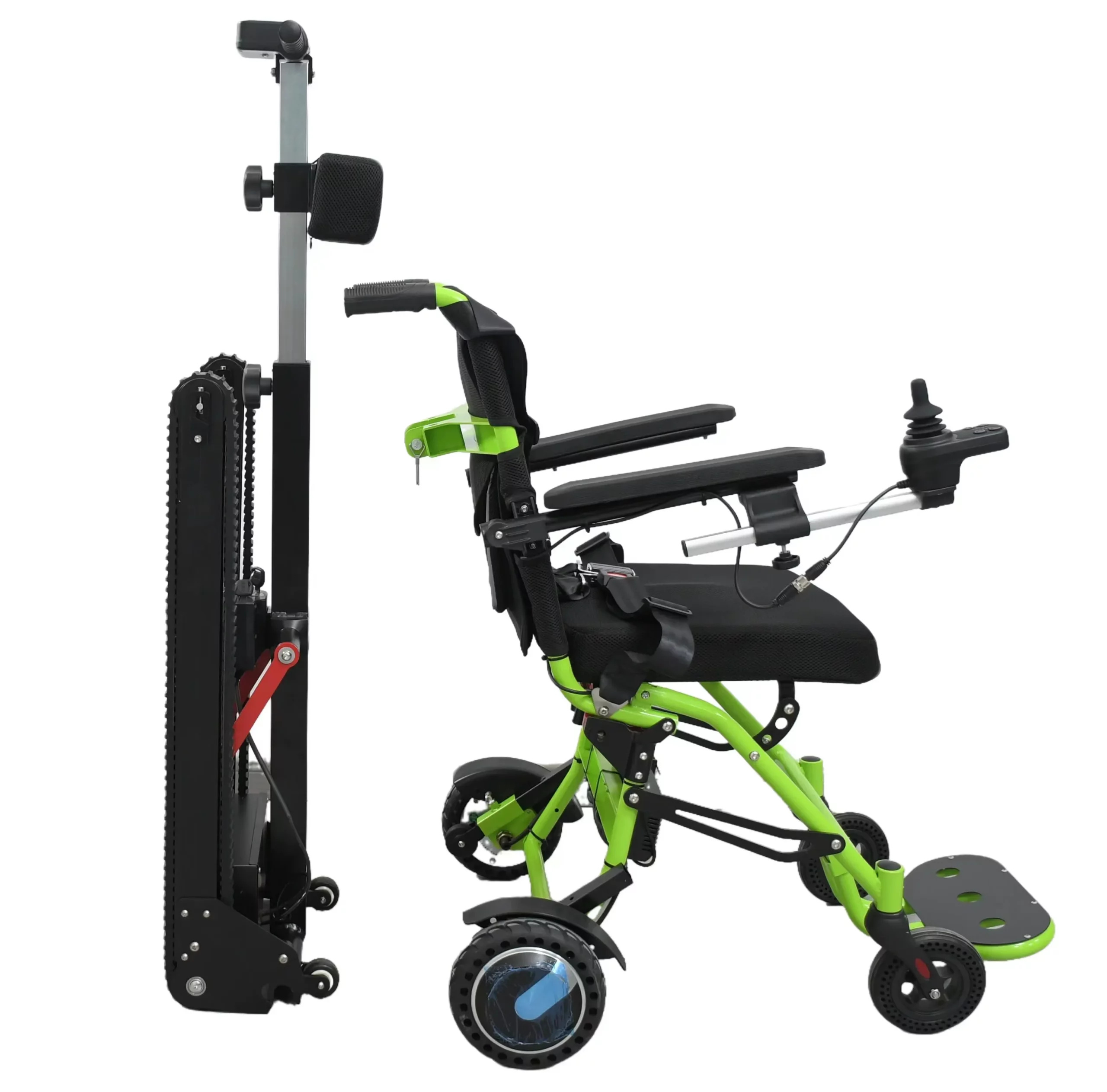
Compare labor, parts, travel, freight and any agreed assessment costs separately in stair chair care contracts. A low call-out figure can leave other costs unresolved when a chair cannot be moved easily.
Compare separate cost categories
Break down the service route. Ask what needs prior approval and how estimates become accepted charges. Refer contractual questions to qualified advisers where wording or market rules remain unclear.
- List relevant cost categories
- Record approval steps
- Keep disputed items visible
| Check | What to keep |
|---|---|
| List relevant cost categories | Service price schedule |
| Record approval steps | Authorization process |
| Keep disputed items visible | Open commercial questions |
Key Takeaway: You can review the likely service workload without turning an incomplete quote into a total-cost promise.
How should stair chair care contracts describe response expectations?
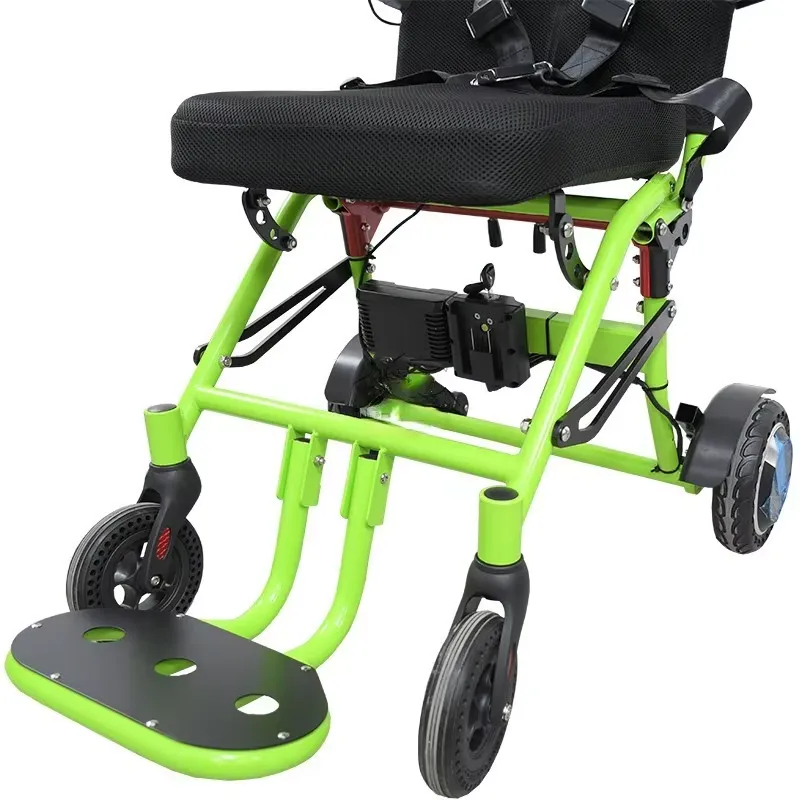
Describe response expectations in stair chair care contracts by stage, such as acknowledgment, review and an agreed next action. A reply target does not guarantee that a technician or compatible part can arrive within the same period.
Which response stage is promised?
Distinguish contact from resolution. Ask for the conditions attached to each commitment. Keep contingency planning with the responsible service team rather than relying on an undefined promise of rapid support.
- Name response stages
- Record stated conditions
- Confirm escalation contacts
| Check | What to keep |
|---|---|
| Name response stages | Support timeline |
| Record stated conditions | Accepted terms |
| Confirm escalation contacts | Current service directory |
Key Takeaway: Staff can explain progress accurately when a support case remains open.
What should happen when the chair is held out of use?
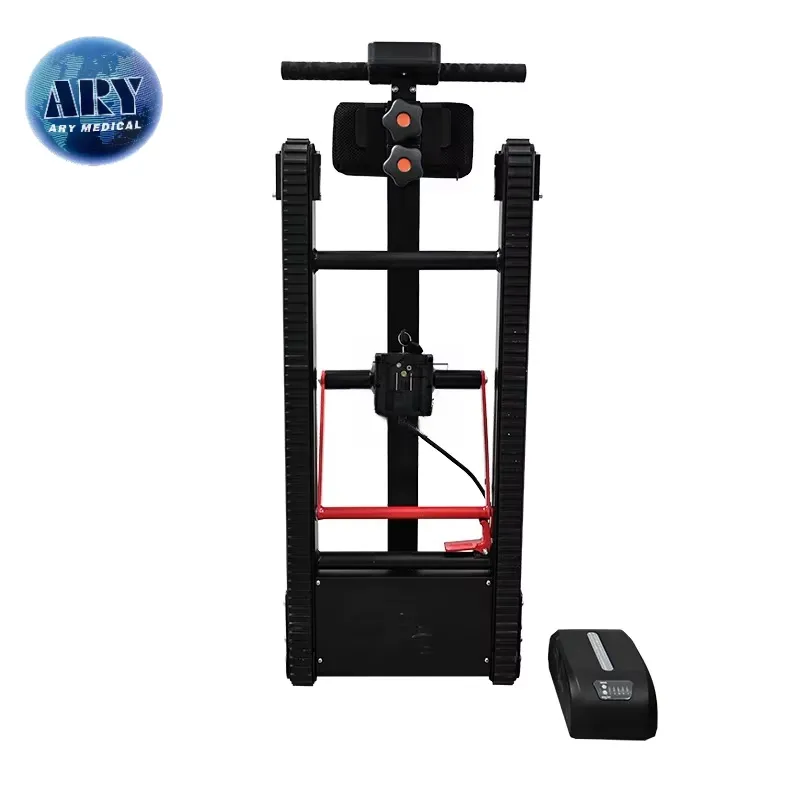
When equipment is held, stair chair care contracts should define who records its status and who can authorize release. A commercial settlement or replacement dispatch does not establish that the original chair is fit for use.
Keep held-equipment status clear
Show the equipment status clearly. Keep interim support and alternative-access planning within the site's assessed arrangements. Do not ask operators to improvise a stair rescue or bypass a defect while waiting. Keep contract scope aligned with the accepted quotation.
- Record the hold reason
- Name release authority
- Confirm interim contacts
| Check | What to keep |
|---|---|
| Record the hold reason | Service case |
| Name release authority | Technical responsibility |
| Confirm interim contacts | Site support plan |
Key Takeaway: Your team can keep unresolved equipment out of routine use while the right people decide the next step.
How can buyers review contract performance?
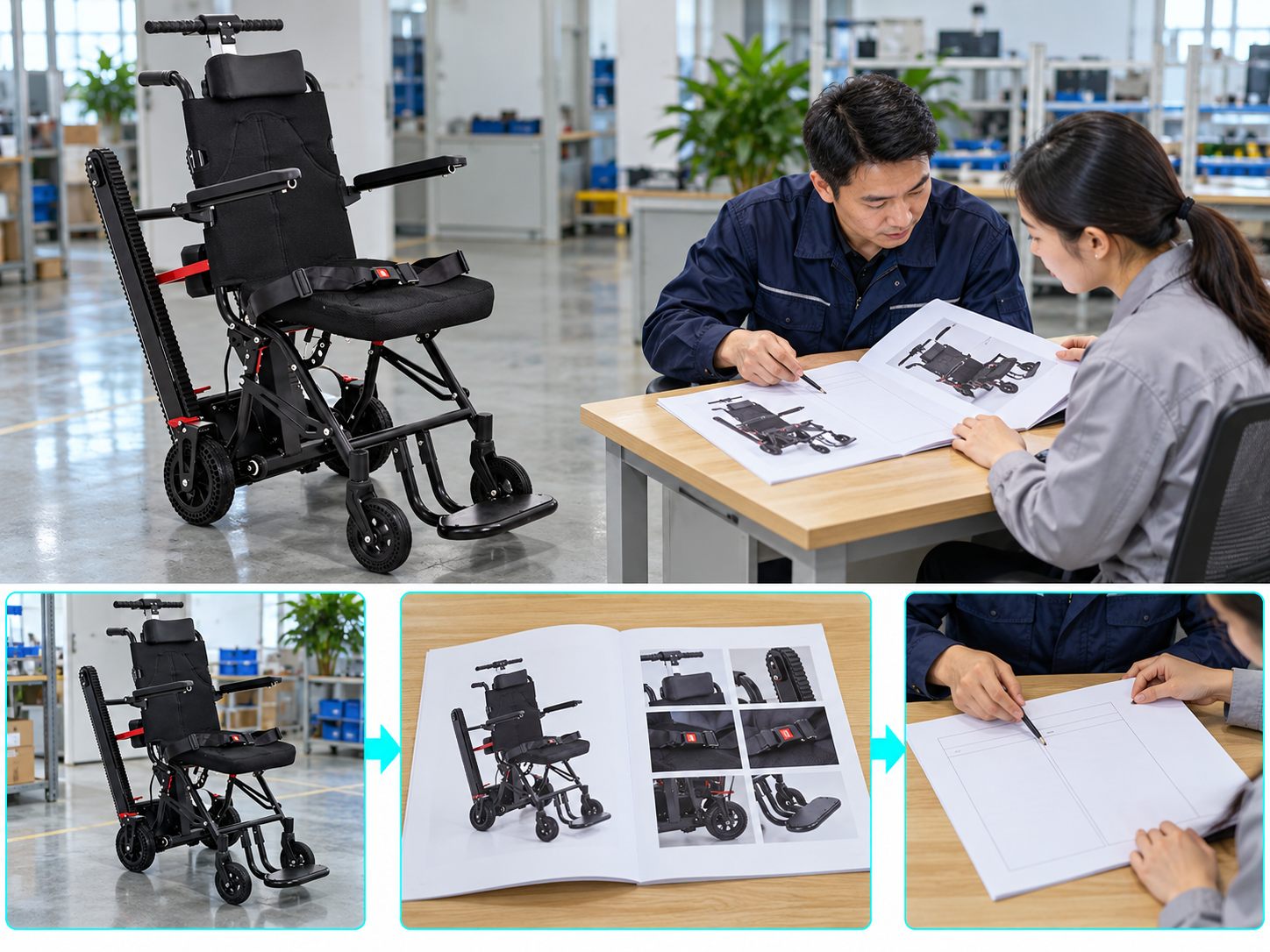
Review stair chair care contracts using completed tasks, case records and agreed commitments. Counting visits or emails alone may miss unanswered technical questions or missing operator-training records.
Review delivered service evidence
Review the work actually delivered. Discuss gaps with the provider using specific cases. Keep proposed changes in a revised written scope rather than assuming an informal conversation has expanded the contract. MHRA device-management guidance provides broader equipment-management context.
- Compare delivered tasks
- Identify unresolved gaps
- Record agreed changes
| Check | What to keep |
|---|---|
| Compare delivered tasks | Service record review |
| Identify unresolved gaps | Case-based questions |
| Record agreed changes | Revised service terms |
Key Takeaway: You can improve the support arrangement using actual evidence instead of broad satisfaction claims.
What belongs in your stair chair care contracts inquiry?

Send a stair chair care contracts inquiry with the supplied models, locations and roles your team needs supported. Ask for written scope, exclusions, approval steps and escalation contacts before promising service onward.
Prepare the care-contract inquiry
Describe the service setting clearly. Keep individual route and passenger decisions with suitable assessment. Confirm the accepted agreement with the people who will manage the service day to day.
- Name the supported systems
- List required service roles
- Request complete written terms
| Check | What to keep |
|---|---|
| Name the supported systems | Equipment schedule |
| List required service roles | Support brief |
| Request complete written terms | Provider offer |
Key Takeaway: You can compare care support with clear tasks, costs and responsibility before committing to an ongoing arrangement. Contact us with your model, route and order brief so we can discuss the product files you need. At AryMD, a clear stair-access decision starts with the right product facts.
Frequently asked questions
Q1: Can I compare care contracts by price alone?
No. Compare covered tasks, model scope, labor, parts, travel and approval steps so each price describes the same service obligation.
Q2: What's the best inspection interval for every stair chair?
There is no universal interval to assume. Use exact manufacturer requirements and suitable review of the service setting and equipment condition.
Q3: How do I know who can release a held chair?
The agreement should name the qualified release authority and required evidence. A commercial credit or parts shipment does not replace that decision.
Q4: Can an initial training session cover all future operators?
No. Confirm how new staff, refreshers and model changes are handled, and keep the agreed scope with each relevant training record.
Q5: Can a response-time promise guarantee a completed repair?
No. Acknowledgment, assessment, parts supply and resolution are different stages; keep the conditions attached to each accepted commitment.