
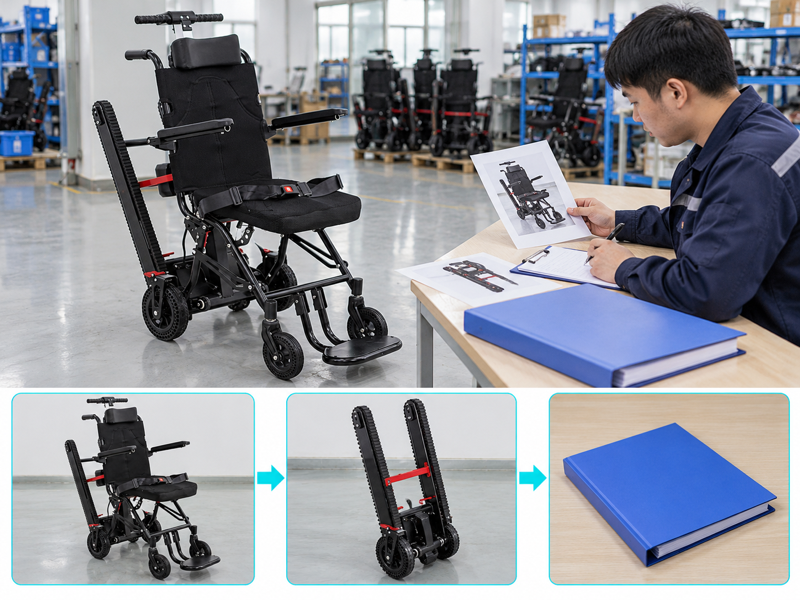
Establish stair chair model identity by confirming the exact electric passenger chair, track assembly and version before comparing offers. A distributor may receive two similar photographs with different model names and assume they show interchangeable systems. That assumption can lead to the wrong manual, sample or spare-part request. A clear identity record links the physical equipment with the documents needed for a sound buying decision.
How should buyers establish stair chair model identity?
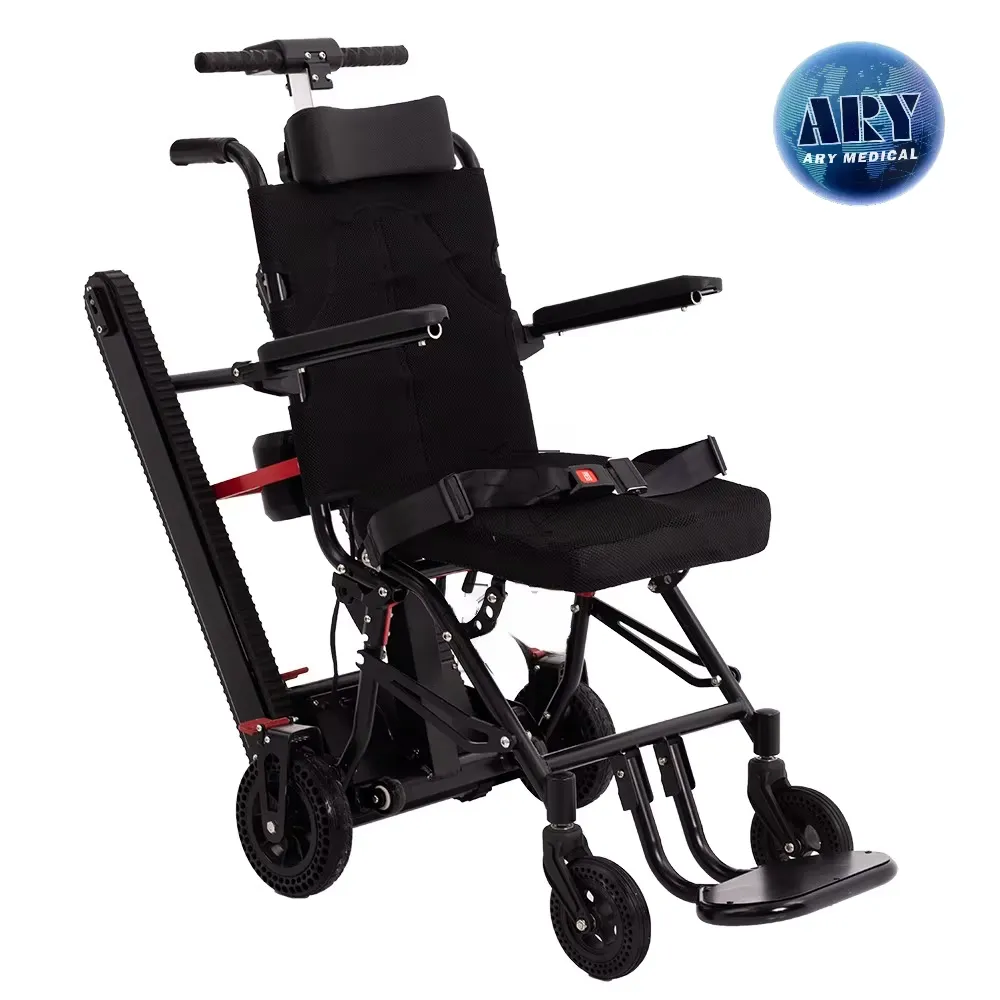
Establish stair chair model identity with the exact model, version and supplied chair-track pairing. A photograph or sales name alone may not distinguish a seated carrier from a wheelchair with a separate stair unit.
Which physical system is offered?
Start with the named physical unit. Ask the supplier to name the intended passenger task and operator role in writing. Keep any unresolved identity question visible before asking for performance comparisons.
- Record the exact product code
- Name the supplied track unit
- Keep the intended use
| Check | What to keep |
|---|---|
| Record the exact product code | Supplier model reference |
| Name the supplied track unit | Matched assembly record |
| Keep the intended use | Current manufacturer statement |
Key Takeaway: You can compare offers without treating several different types of stair-access equipment as the same product.
Which product types can a search result mix together?
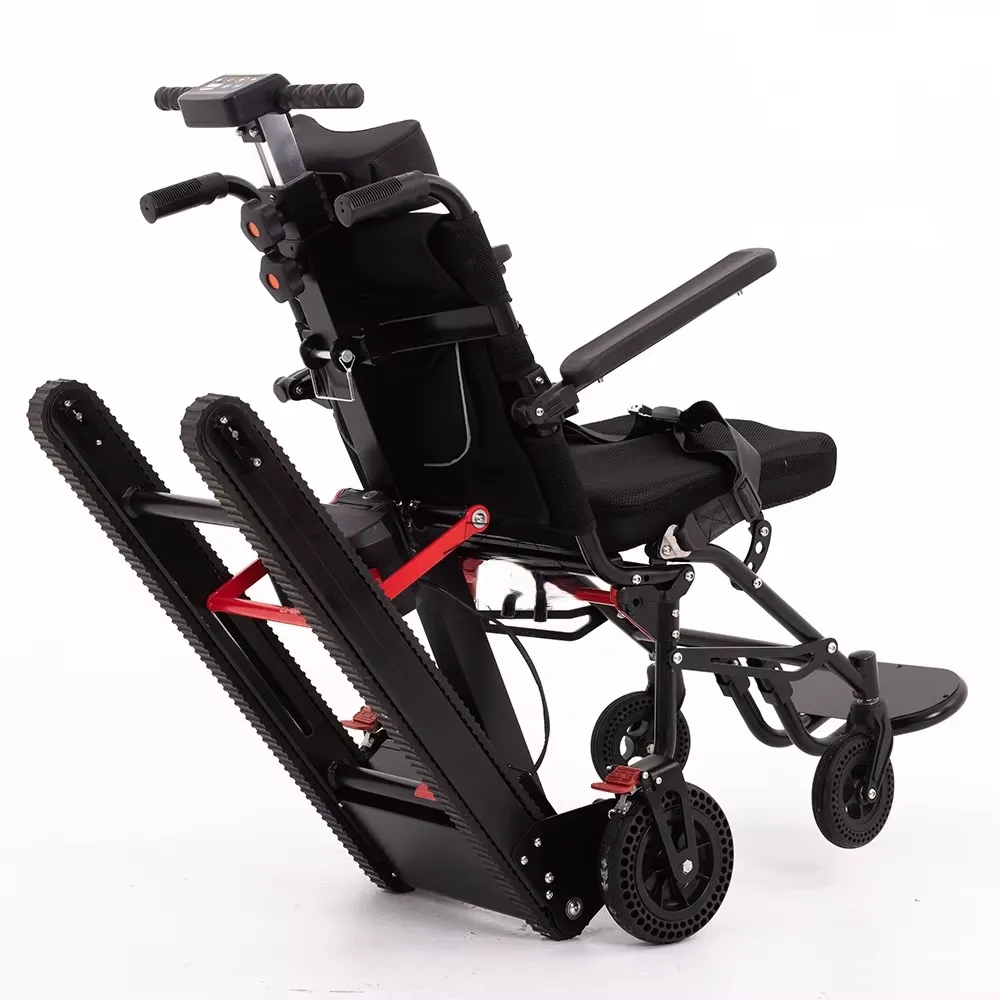
Search results can mix mobile passenger chairs, detachable carriers and installed lifts, so stair chair model identity needs more than a keyword. Cargo stair climbers also serve a different task and must not be treated as passenger equipment.
Separate the product types
Separate the designs before comparing. Describe what the offered device carries and how it relates to the seat or wheelchair. Ask for clarification when the brochure uses several names for one system. Check the exact instructions rather than relying on a catalog label.
- Describe what the device carries
- Identify the seat relationship
- Separate installed lift proposals
| Check | What to keep |
|---|---|
| Describe what the device carries | Intended-use statement |
| Identify the seat relationship | Whole-system description |
| Separate installed lift proposals | Distinct comparison category |
Key Takeaway: You can reject an irrelevant comparison before price or portability makes it look attractive.
Why does stair chair model identity need a version record?
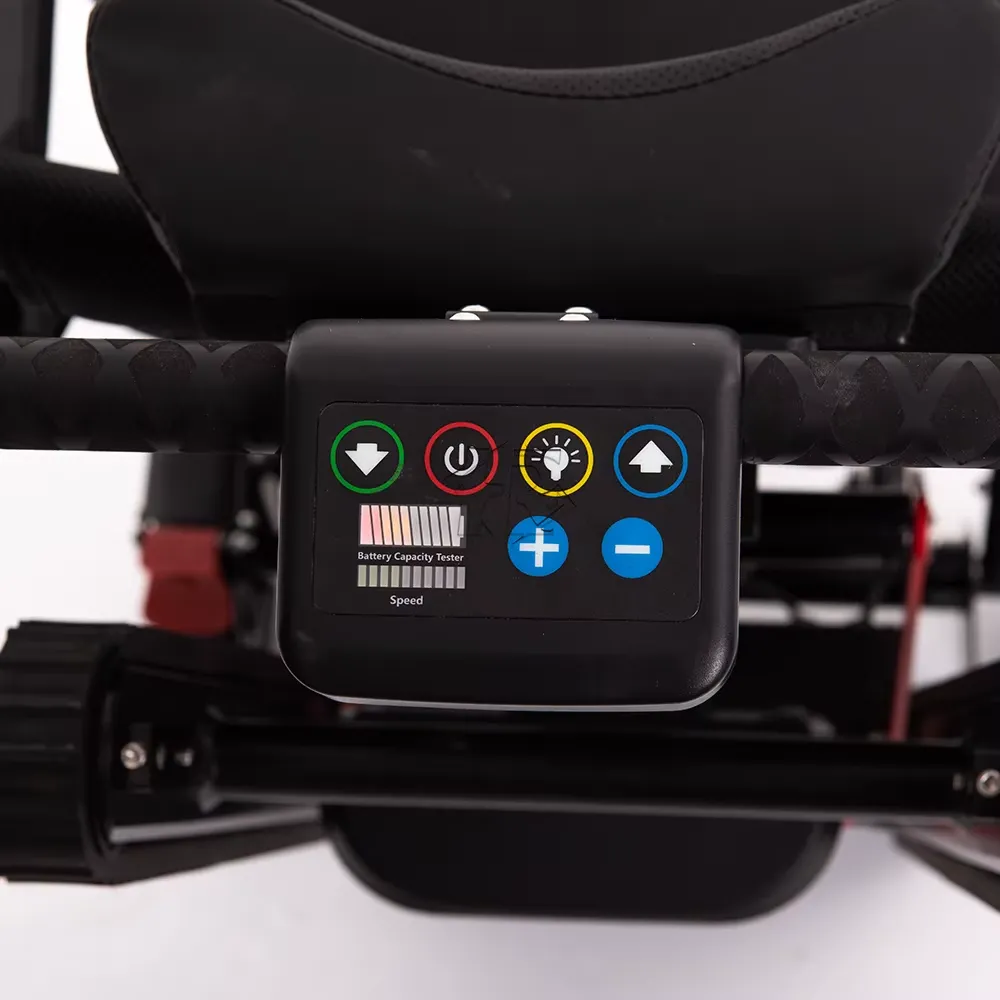
A version record supports stair chair model identity because parts, tracks or instructions may change while a sales name stays the same. Your order needs the version actually reviewed, not a family name covering several setups.
Keep the reviewed version visible
Track the changes behind the name. Keep the sample reference and current offer together. If the supplier proposes a revision, ask what changed and which earlier approvals still apply.
- Name the reviewed sample
- Record the offered revision
- Request a change summary
| Check | What to keep |
|---|---|
| Name the reviewed sample | Sample identity record |
| Record the offered revision | Current model file |
| Request a change summary | Written supplier reply |
Key Takeaway: You can see whether a repeat offer still describes the equipment your team reviewed.
How should stair chair model identity describe the track assembly?
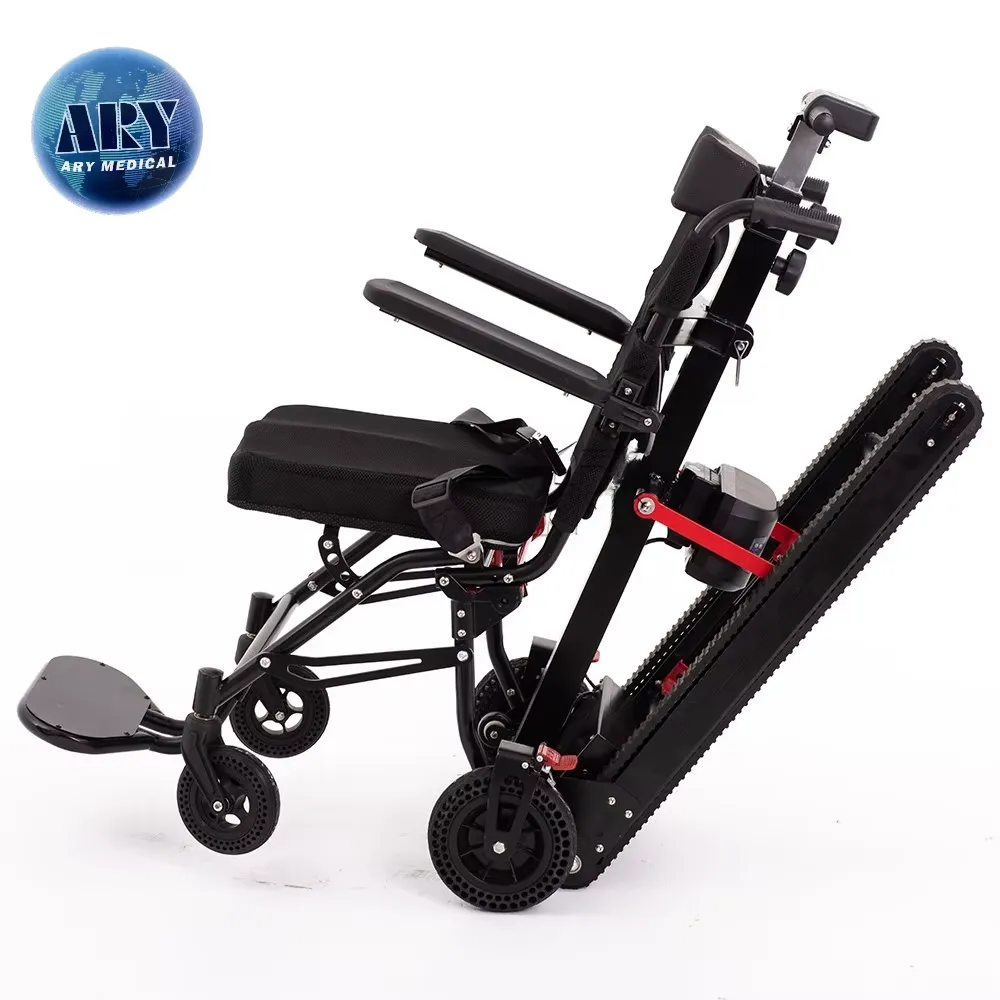
Describe the track assembly in stair chair model identity with its exact reference and approved chair pairing. A detachable assembly shown beside a chair is not proof that it fits every similar frame.
Confirm the chair-track pairing
Keep the chair and tracks linked. Ask which parts form the supplied system and which are optional. Leave fitting and compatibility decisions with the manufacturer and qualified technical reviewers.
- Identify the track reference
- Confirm the approved pairing
- Separate optional equipment
| Check | What to keep |
|---|---|
| Identify the track reference | Assembly model code |
| Confirm the approved pairing | Supplier matching record |
| Separate optional equipment | Offer contents list |
Key Takeaway: Your service and purchasing teams can identify the complete system without assuming parts are interchangeable.
What should photos contribute to the record?
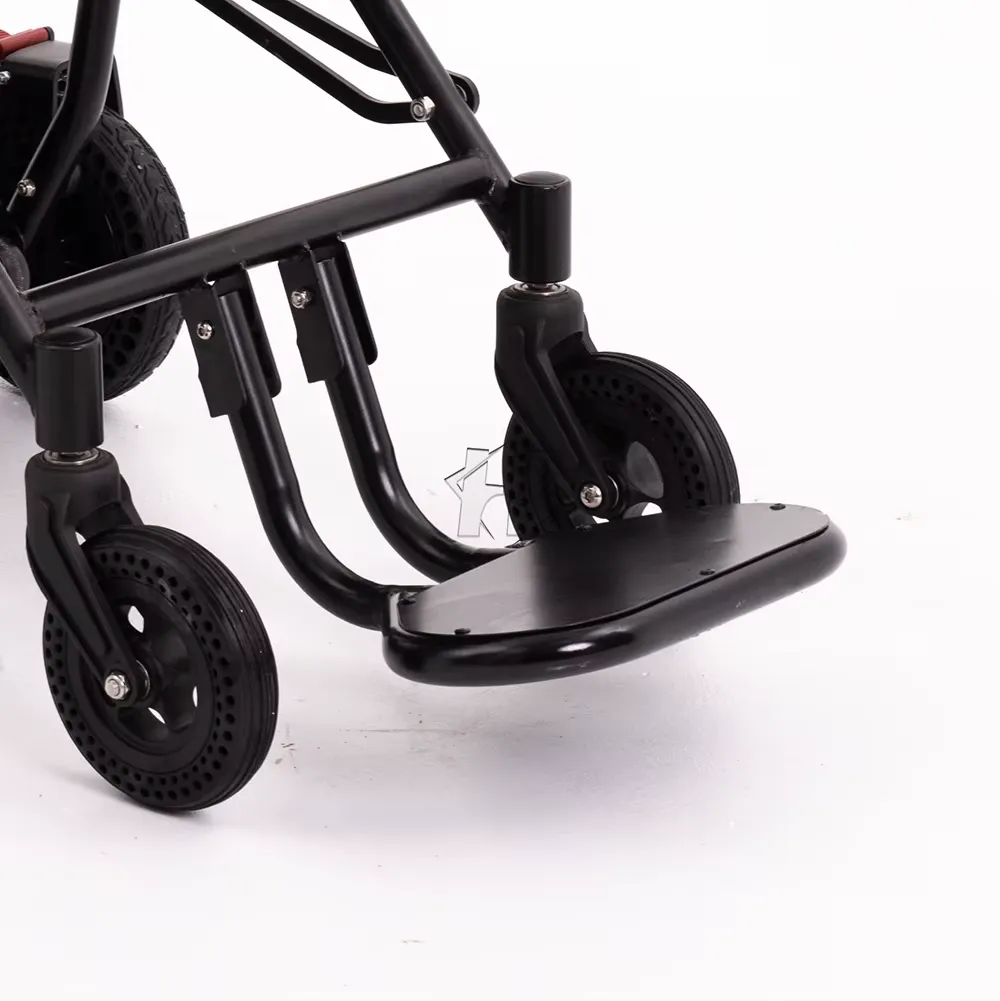
Photos support stair chair model identity by showing the frame, seat, track unit and controls associated with the named model. They help reveal differences but do not establish intended use, performance or approval on their own.
What do photos actually show?
Use images to recognize the version. Request full views and useful details of the same version. Keep green-frame or other variants separately labeled rather than mixing their features into one offer. Link the identity record with a model-specific parts list.
- Keep complete product views
- Match detail shots to version
- Label alternative variants clearly
| Check | What to keep |
|---|---|
| Keep complete product views | Model photo set |
| Match detail shots to version | Image identity notes |
| Label alternative variants clearly | Separate media records |
Key Takeaway: Your team can recognize the proposed product while keeping unsupported specifications out of visual comparisons.
How should stair chair model identity distinguish operator controls?
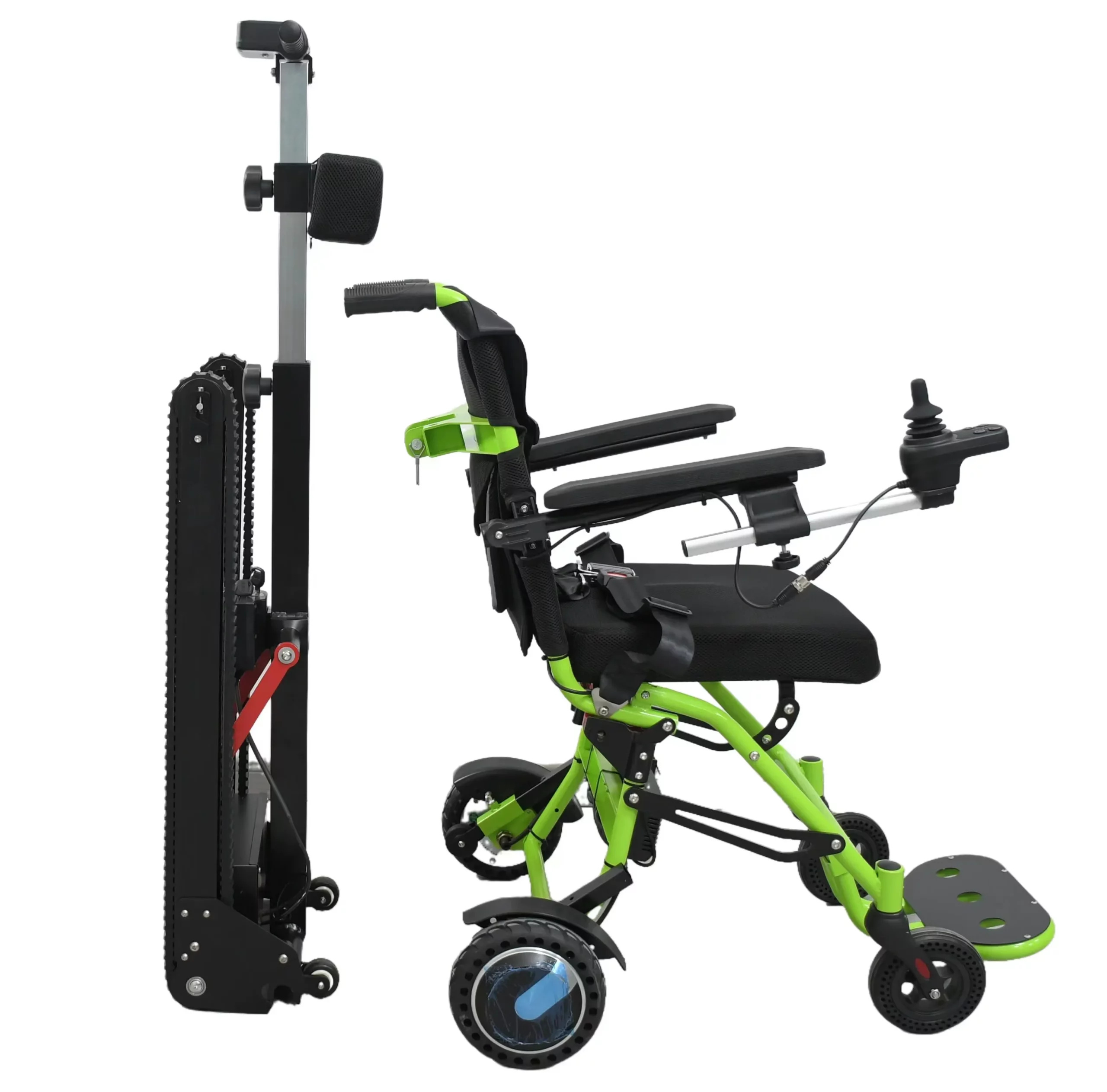
Record the intended operator role for each control in stair chair model identity. A joystick or rear panel does not prove that the passenger can use the device independently on stairs.
Name each intended operator
Ask who each control is for. Ask the supplier to explain the controls within the current instructions. Do not infer an operating method from a button icon or a promotional demonstration.
- Name each visible control
- Confirm the intended operator
- List unanswered role questions
| Check | What to keep |
|---|---|
| Name each visible control | Control-location record |
| Confirm the intended operator | Manufacturer instructions |
| List unanswered role questions | Technical query sheet |
Key Takeaway: You can ask precise questions about use without turning a photograph into an unsafe operating assumption.
Which labels should match the order?
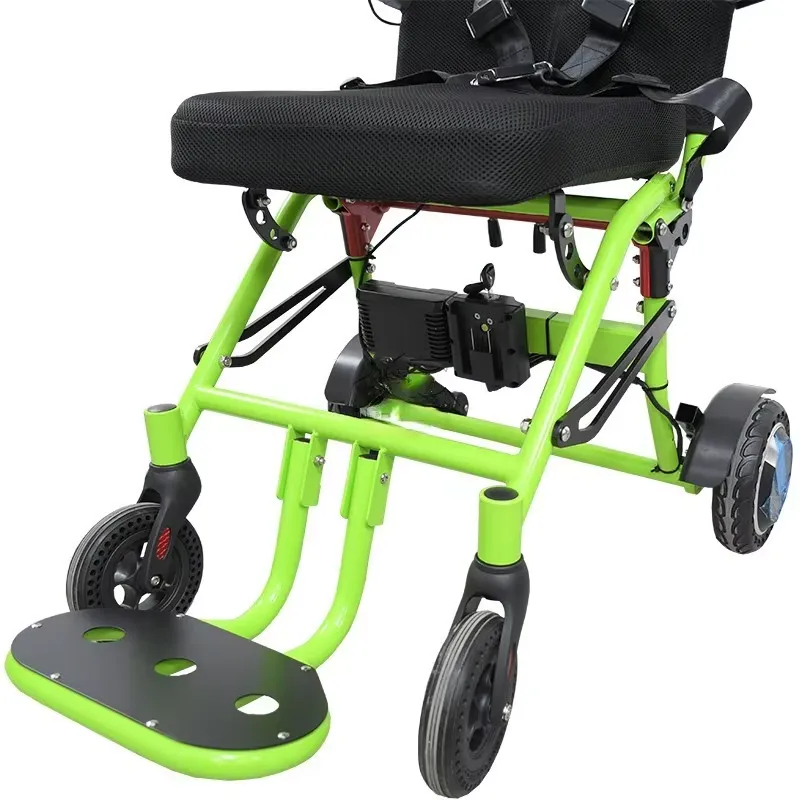
For stair chair model identity, the supplied model and serial labels should match the order and relevant system records. A carton label may identify a shipment without identifying each chair or track unit inside it.
Match labels and order records
Check the unit against the paperwork. Ask how the supplier links chair and assembly identifiers. If labels conflict or cannot be read, resolve identity through approved records before allocating the product.
- Capture the model label
- Link chair and assembly IDs
- Resolve conflicting references
| Check | What to keep |
|---|---|
| Capture the model label | Readable unit photograph |
| Link chair and assembly IDs | System identity record |
| Resolve conflicting references | Supplier confirmation |
Key Takeaway: A consistent record helps prevent the wrong manual or spare part being assigned to a unit.
How should stair chair model identity handle rebranded products?
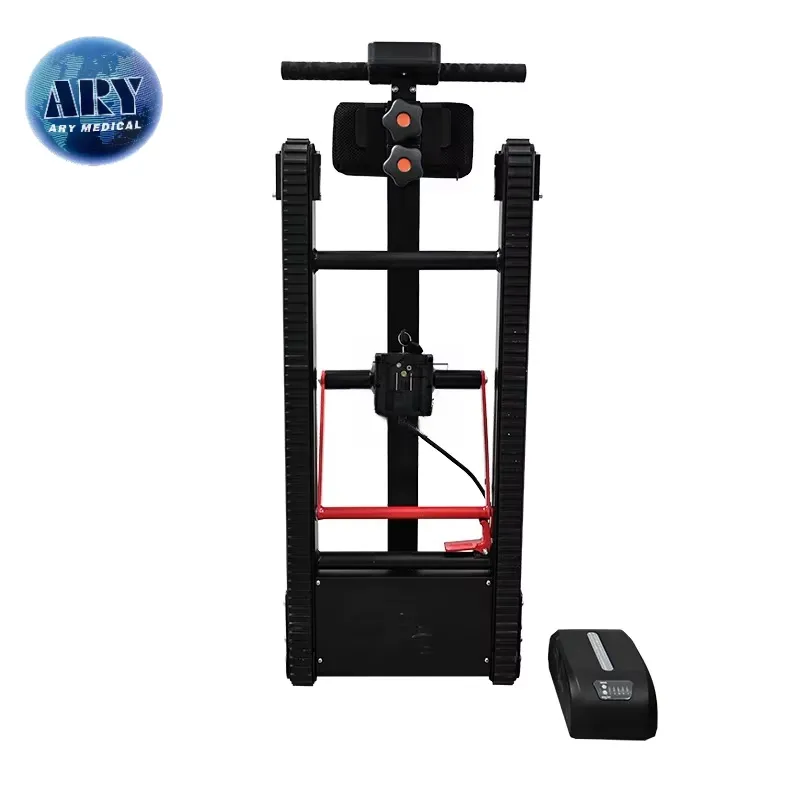
A rebranded offer still needs stair chair model identity that links the marketed name with the actual manufacturer model and version. A new logo does not explain which technical files or instructions belong to the chair.
How does rebranding affect identity?
Keep the underlying model traceable. Ask the responsible supplier to confirm the relationship in writing. Refer market-labeling and manufacturer-role questions to qualified reviewers rather than guessing from branding. Use that same reference in the quotation.
- Record the marketed name
- Map the underlying model
- Assign labeling questions
| Check | What to keep |
|---|---|
| Record the marketed name | Customer-facing reference |
| Map the underlying model | Supplier identity statement |
| Assign labeling questions | Qualified review record |
Key Takeaway: You can connect branded sales material with the product evidence needed for purchasing and service.
When should the identity record be reviewed again?
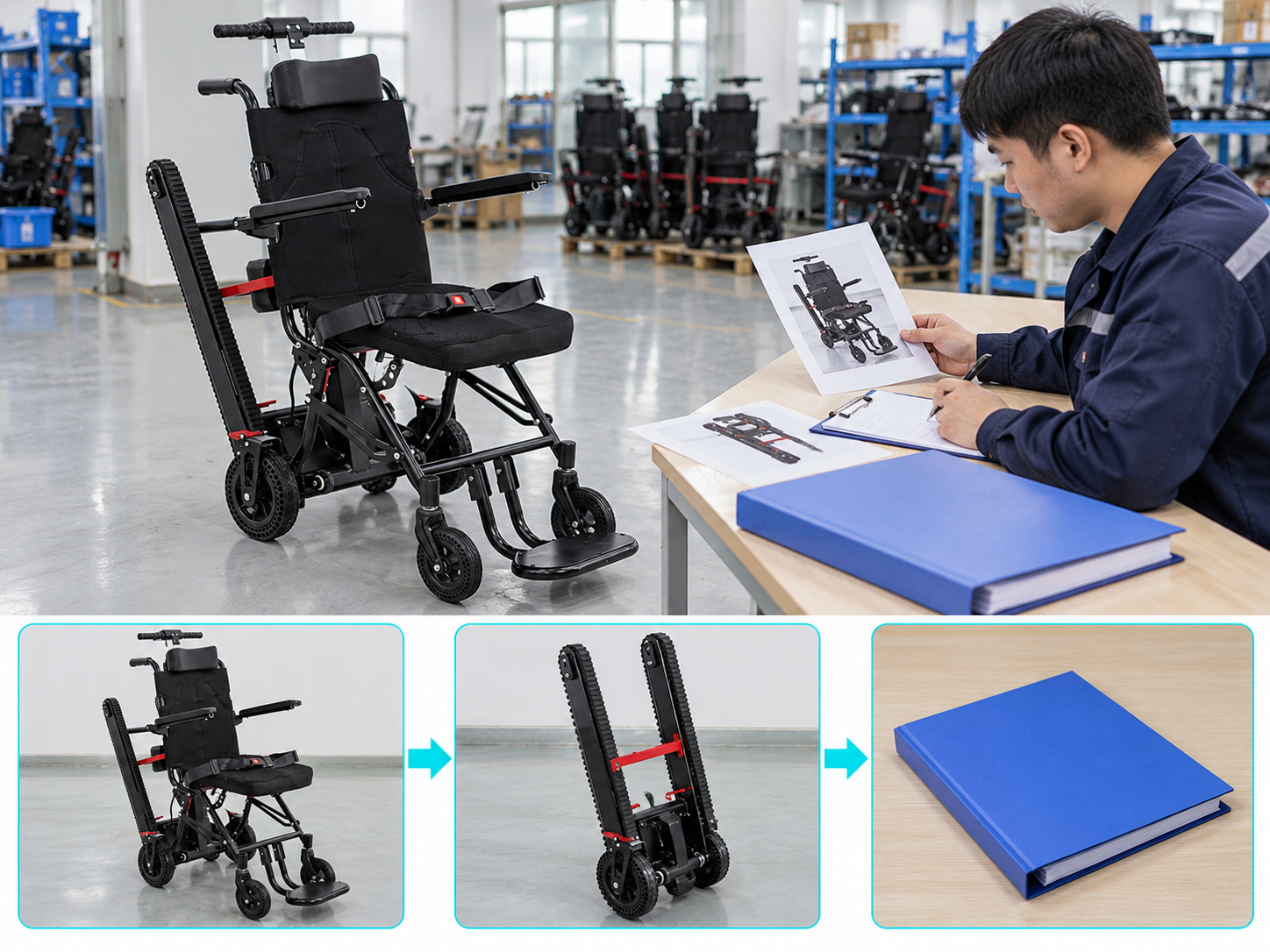
Review stair chair model identity when a sample, revised offer, delivery or replacement assembly enters the process. These handoffs may reveal that the physical product no longer matches the record your team uses.
Review identity at handoffs
Review changes at the next handoff. Compare the new evidence with the accepted setup. Keep older versions traceable so service staff can still support chairs supplied under earlier orders. MHRA device-use checklists provide general recordkeeping context.
- Check incoming model references
- Keep older version links
- Record accepted changes
| Check | What to keep |
|---|---|
| Check incoming model references | Handoff review |
| Keep older version links | Product history |
| Record accepted changes | Dated identity update |
Key Takeaway: Your records stay useful after the first order rather than freezing around an obsolete sample.
What belongs in your stair chair model identity inquiry?

Send a stair chair model identity inquiry with the proposed chair, track assembly and unclear references. Ask the supplier to confirm the complete system before discussing route suitability or commercial terms.
Build a clear model inquiry
Send the identity questions first. Attach the conflicting photos or file names where useful. Keep the final answer in one model record shared with purchasing, technical and service staff.
- Name the proposed system
- List conflicting details
- Request a confirmed record
| Check | What to keep |
|---|---|
| Name the proposed system | Chair and track references |
| List conflicting details | Evidence query |
| Request a confirmed record | Supplier model reply |
Key Takeaway: You can establish what is being offered before deciding whether that product deserves a site or sample review. Contact us with your model, route and order brief so we can discuss the product files you need. At AryMD, a clear stair-access decision starts with the right product facts.
Frequently asked questions
Q1: Can I identify a stair chair from a photograph alone?
No. Photos can show visible features, but the exact model, intended use and chair-track pairing need supporting supplier records.
Q2: What's the best way to compare similar model names?
Use a confirmed model and version record. Ask the supplier to explain any shared sales name or renamed product before comparing specifications.
Q3: How do I know whether tracks fit another chair?
Request the approved compatibility record. Similar frame shape or a detachable-track photograph does not establish a supported pairing.
Q4: Can I assume a joystick means independent stair use?
No. Confirm the intended operator roles in the exact manufacturer instructions rather than interpreting control appearance.
Q5: Can a new brand name replace the manufacturer model record?
No. Keep the marketed name linked to the underlying model, version and applicable product files so later service remains traceable.