
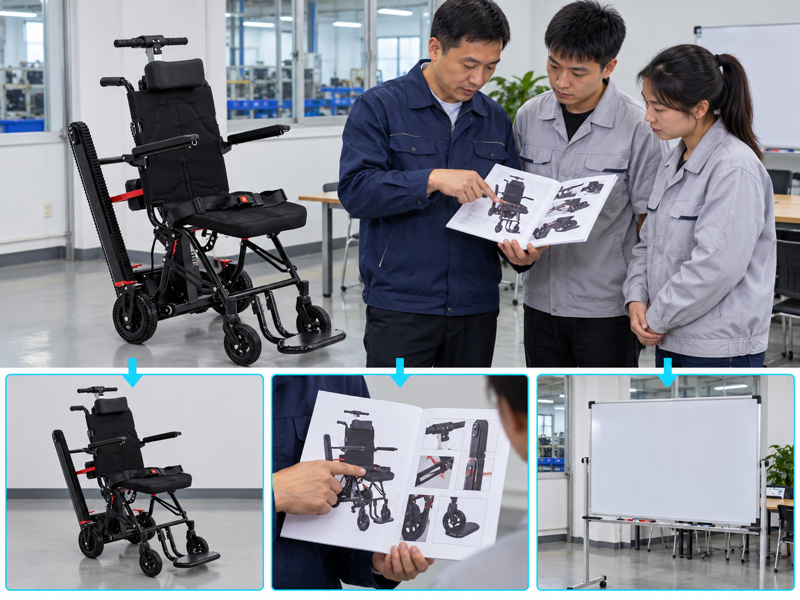
Stair chair operator training should show which tasks each member of staff can perform. A dealer may deliver a powered passenger stair chair before a customer's team has clear work approval. Agree model coverage, practical teaching and skills checks before buying the course. Keep records your manager can use when assigning duties or deciding who needs more help before starting work at that site.
What should stair chair operator training cover?
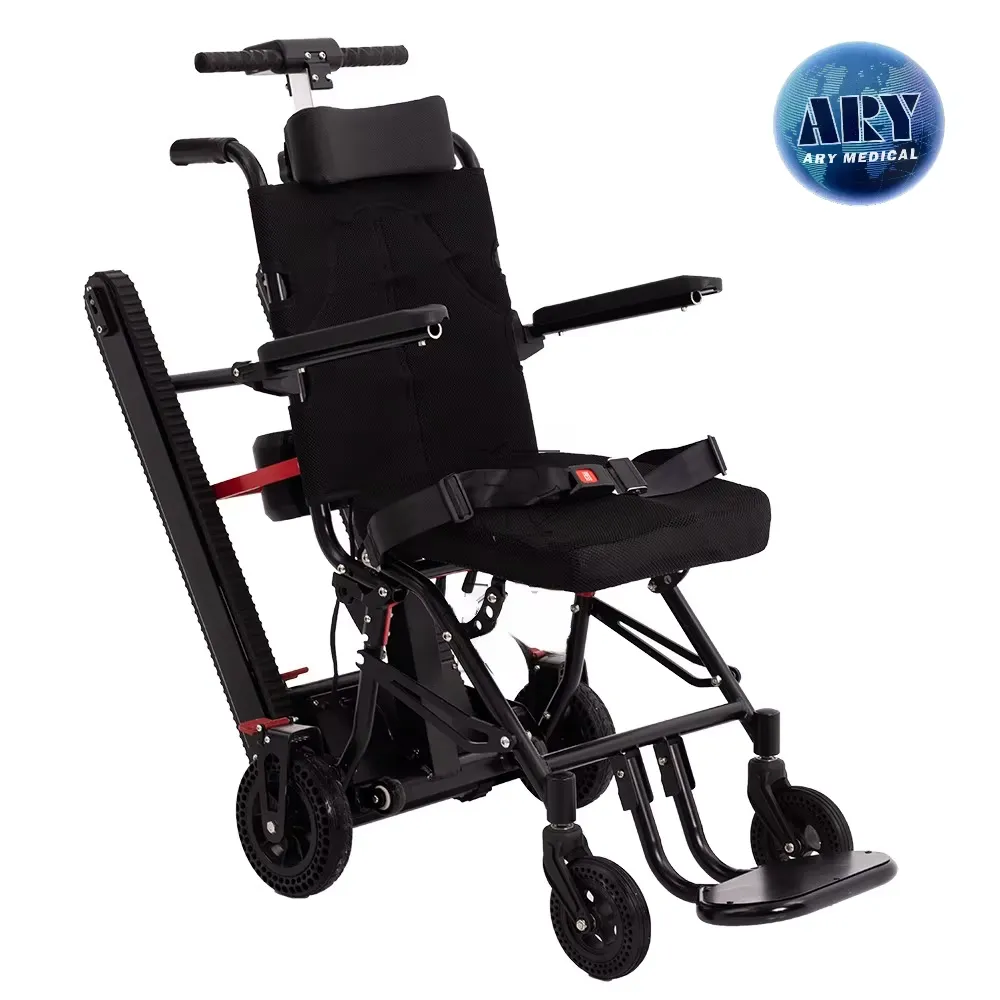
Stair chair operator training should cover each person's tasks with your exact chair and track setup. Agree what staff may do once they pass and what stays outside their role.
Which staff tasks need teaching?
Start with jobs staff will do. Sales staff may explain a product without being cleared for passenger stair use. Give your trainer both role lists before booking a course.
- List tasks for each staff role
- Match training with supplied chair setup
- State tasks outside each person's role
| Check | What to keep |
|---|---|
| List tasks for each staff role | Named staff and task list |
| Match training with supplied chair setup | Chair and track model record |
| State tasks outside each person's role | Written limits for each role |
Key Takeaway: Send your trainer a task list so they can spot gaps before you agree the course scope and dates.
Who should deliver stair chair operator training?
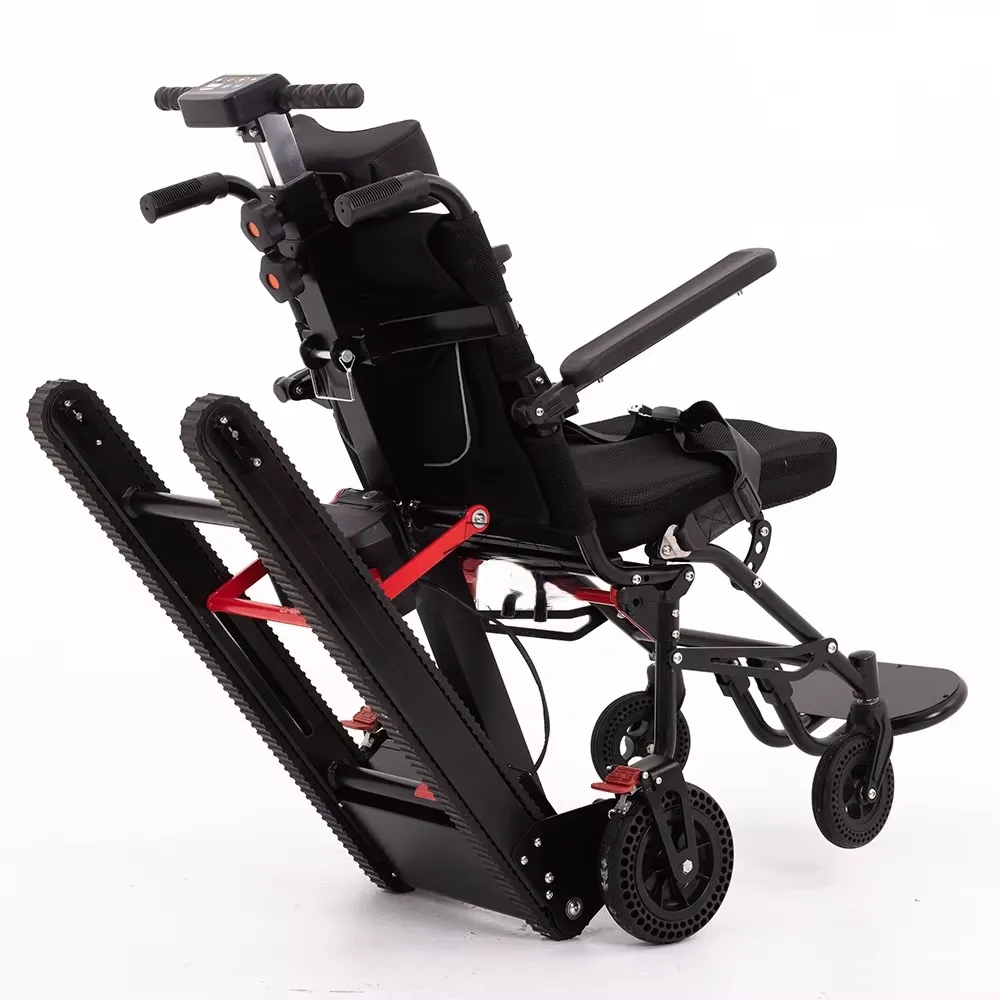
Choose a trainer who knows your exact model and can check staff skills. stair chair operator training should use current product instructions and a clear way to judge each person's work.
Proof that a trainer knows your model
Check the trainer's work with this model. Ask who checks the trainer's course material and model knowledge. A broad handling course may leave gaps that need separate teaching. Use the approved instruction set for the exact chair.
- Ask about training on this model
- Check which course files are used
- Name who will check staff skills
| Check | What to keep |
|---|---|
| Ask about training on this model | Trainer's model knowledge and scope |
| Check which course files are used | Current manual and course files |
| Name who will check staff skills | Named assessor and stated tasks |
Key Takeaway: Choose a trainer who can show how their course fits your model, staff roles and planned service at the site.
How does stair chair operator training use model details?
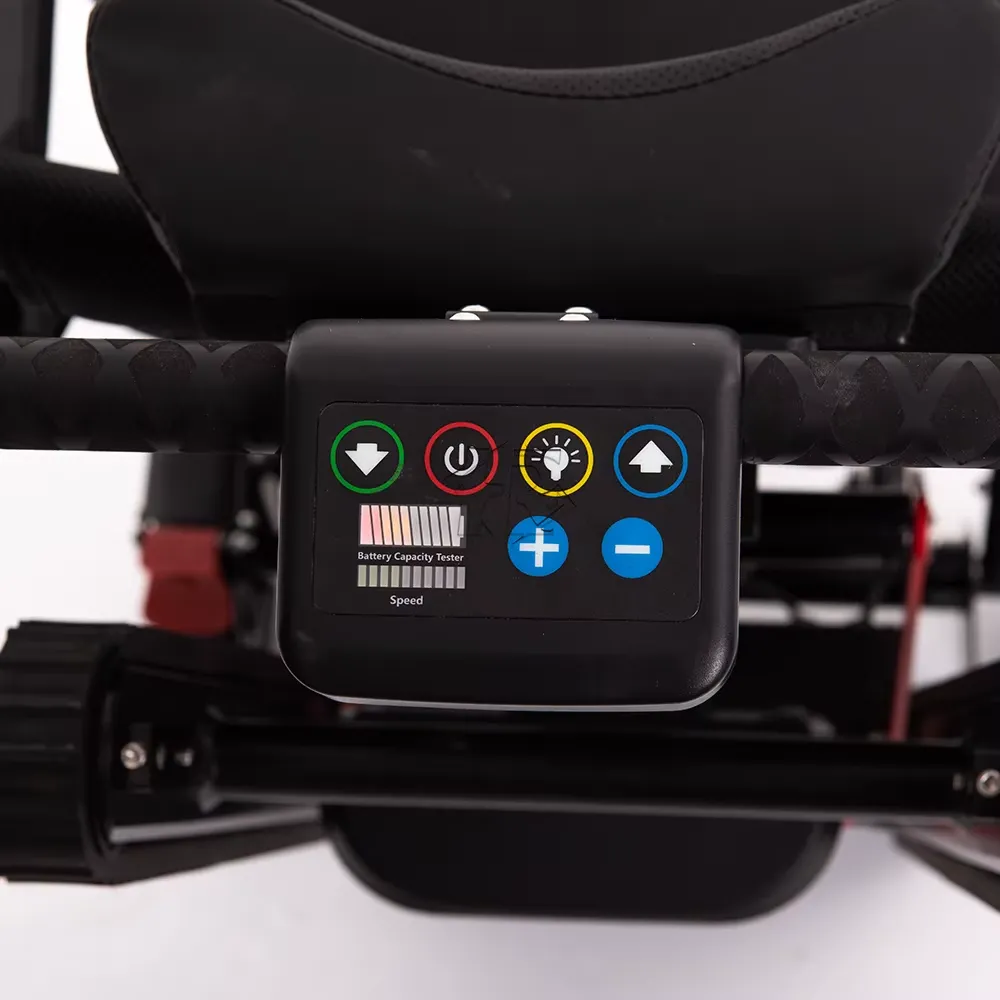
Stair chair operator training needs the right chair and track details before you agree its scope. Similar photos or controls do not prove that training covers a different model.
Match course equipment with delivery
Match the course chair with delivery. Keep model labels and a parts list with your course booking. If delivery changes, ask the trainer what staff need before using that setup.
- Record chair and track model details
- Match course files with supplied items
- Ask about changes after course booking
| Check | What to keep |
|---|---|
| Record chair and track model details | Model labels and parts list |
| Match course files with supplied items | Manual for the supplied setup |
| Ask about changes after course booking | Trainer's written view of changes |
Key Takeaway: Keep the course model details beside each person's record so your manager can check them against later equipment changes.
What proof should stair chair operator training provide?
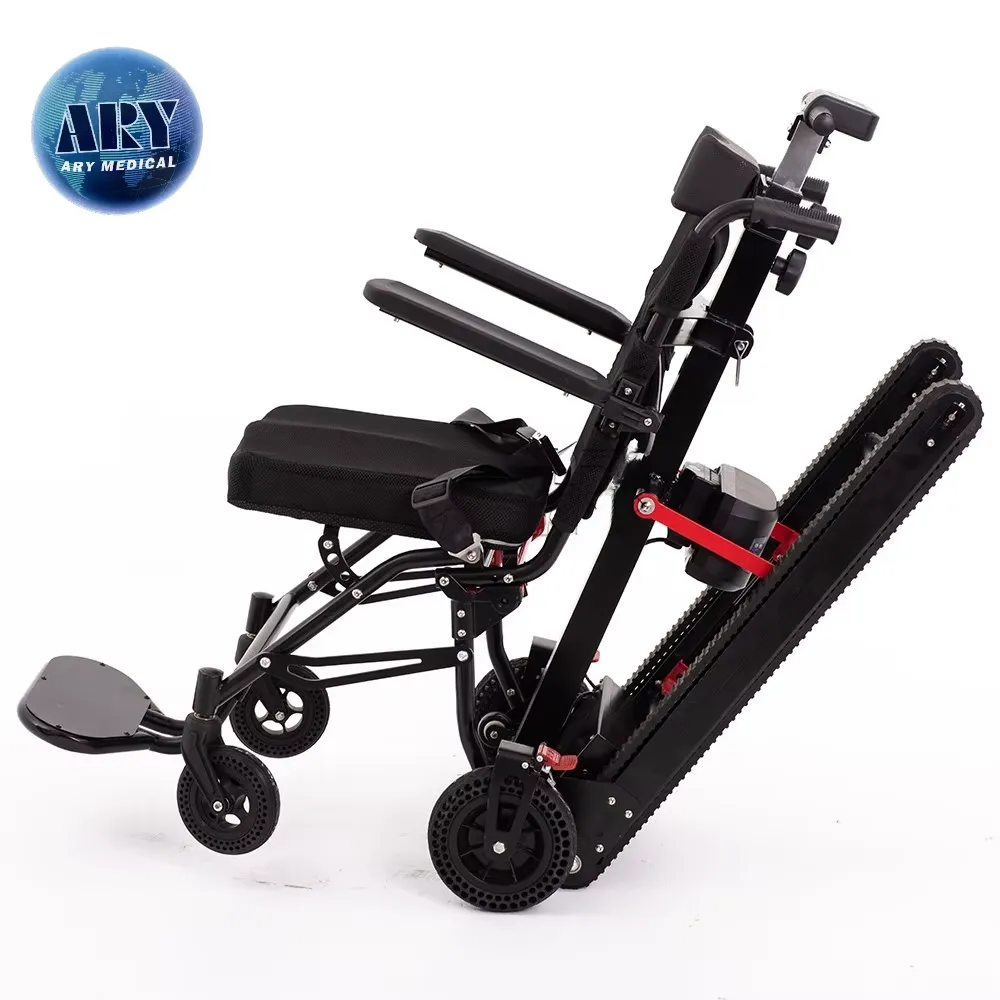
Stair chair operator training should record which tasks each person has passed in a skills check. A course sign-in sheet shows attendance but leaves that question open.
What does the staff record prove?
Ask what each person can do. Ask for a sample record before buying the course. It should name assessed tasks, limits, gaps and who checked them.
- Record tasks each person has passed
- Name who checked each person's skills
- Keep work approval separate from attendance
| Check | What to keep |
|---|---|
| Record tasks each person has passed | Named tasks and check results |
| Name who checked each person's skills | Assessor name and check date |
| Keep work approval separate from attendance | Manager's task approval and limits |
Key Takeaway: Ask your manager whether the proposed course record gives enough evidence for assigning work at your customer's site.
How should stair chair operator training cover passenger needs?
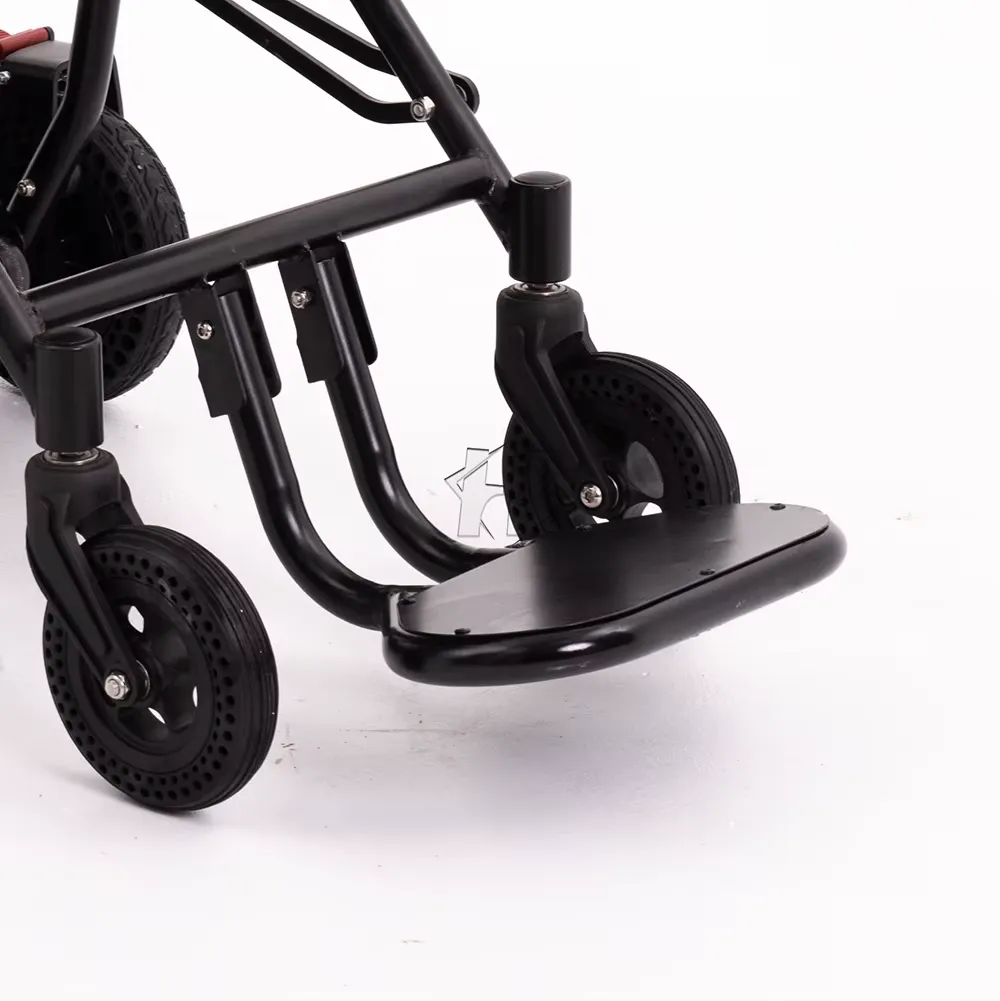
Stair chair operator training should reflect assessed passenger needs that affect assigned tasks. The course does not replace a person's own service assessment or care plan.
Passenger needs in the course brief
Give the trainer relevant service facts. Share relevant needs through your approved process and protect private details. Qualified staff should agree any passenger's role in training before they take part. Separate staff familiarity from formal equipment inspection.
- List needs that affect planned tasks
- Keep private details out of quotes
- Name who reviews each person's needs
| Check | What to keep |
|---|---|
| List needs that affect planned tasks | Agreed training needs for staff |
| Keep private details out of quotes | Controlled brief without personal details |
| Name who reviews each person's needs | Qualified service review contact |
Key Takeaway: Ask your service lead to check the brief so staff training reflects passenger needs without sharing private details unnecessarily.
When should stair chair operator training be reviewed?
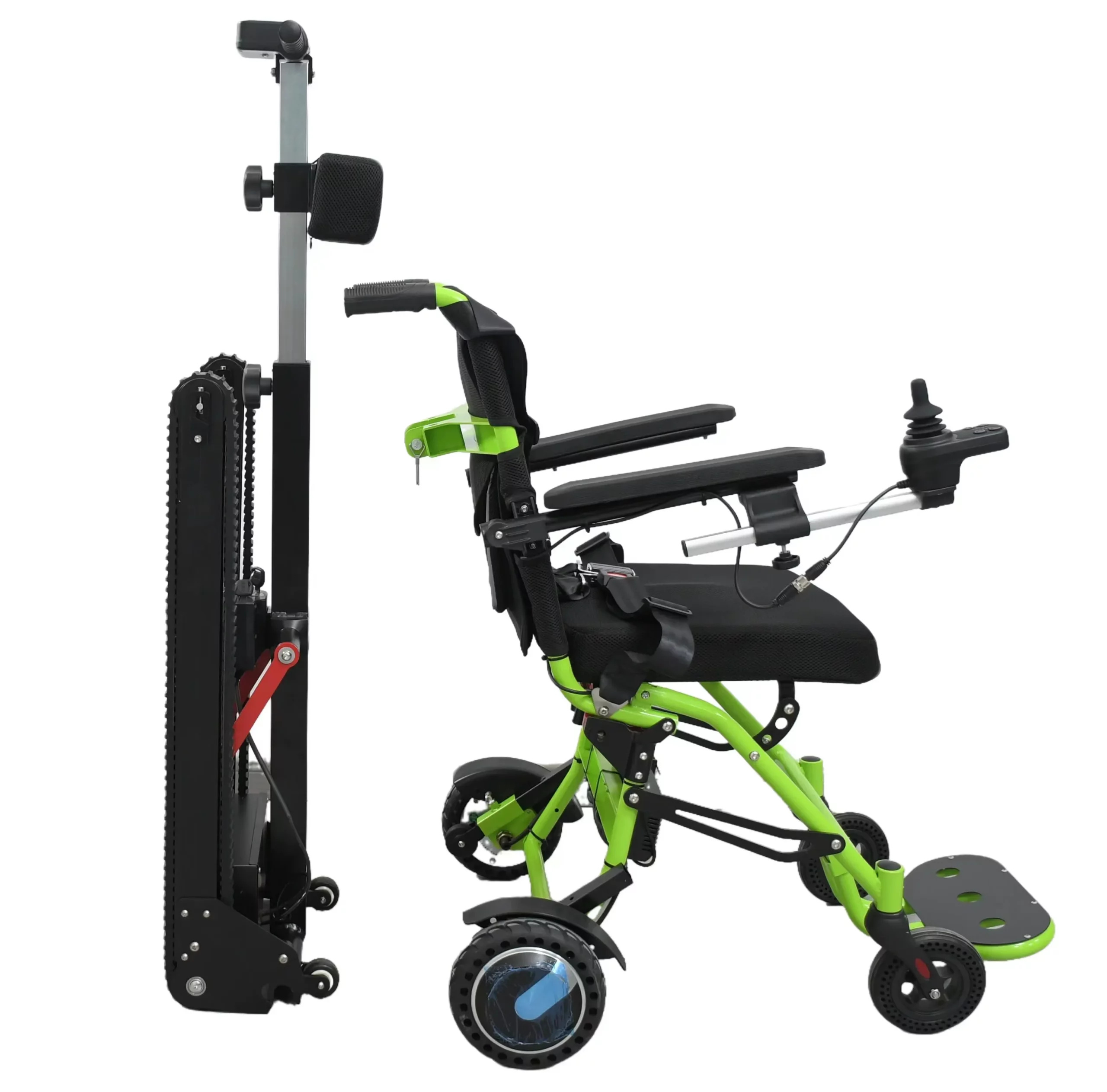
Review stair chair operator training when equipment, staff tasks or relevant site conditions change. Your manager and trainer should decide what needs teaching or checking again.
When changed work needs fresh checks
Changed work may need fresh teaching. A model swap or a long break from duties may raise questions. Record those changes and ask who will review each person's task limits.
- Agree when training needs another review
- Record concerns raised by staff members
- Name who decides on further checks
| Check | What to keep |
|---|---|
| Agree when training needs another review | Written review triggers and scope |
| Record concerns raised by staff members | Dated concerns and follow-up notes |
| Name who decides on further checks | Named reviewer and next action |
Key Takeaway: Keep review triggers with staff records so a past course does not quietly become approval for new work.
Can a video replace a skills check?
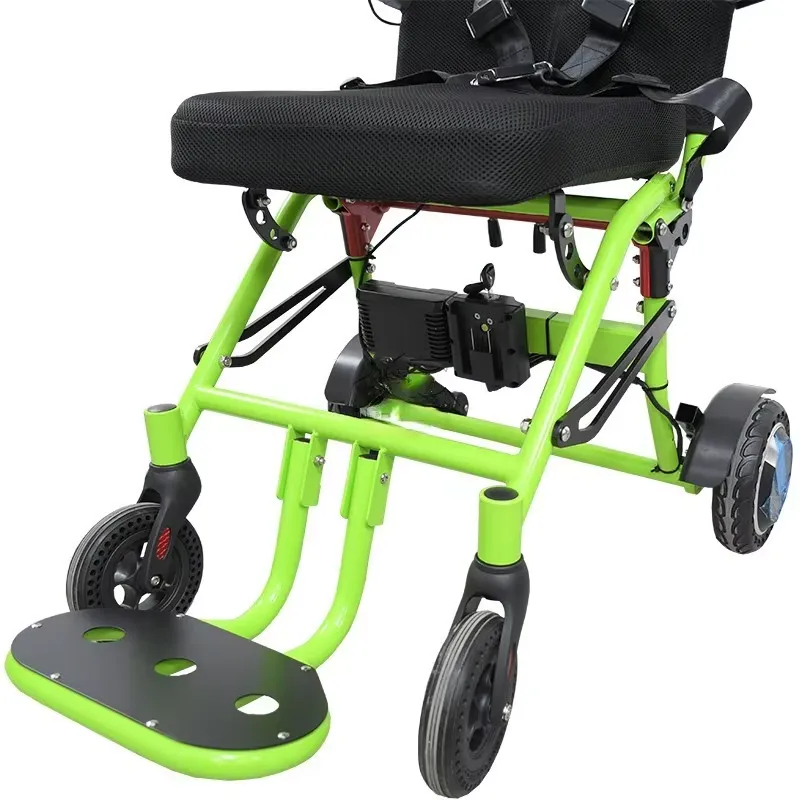
A video alone cannot show how a person performs an assigned task. stair chair operator training may use videos for study, followed by suitable teaching and observed skills checks.
What remains after video study?
Keep study and observed work distinct. Ask which course parts can be done remotely and what remains. A sales video does not clear staff for passenger stair use.
- List what remote study will cover
- Agree how staff skills are checked
- Track course parts that remain unfinished
| Check | What to keep |
|---|---|
| List what remote study will cover | Written scope of remote study |
| Agree how staff skills are checked | Plan for supervised task checks |
| Track course parts that remain unfinished | Named staff and open course parts |
Key Takeaway: Use remote study for its stated purpose and keep unfinished task checks open until your manager receives suitable evidence.
How do you plan language support?
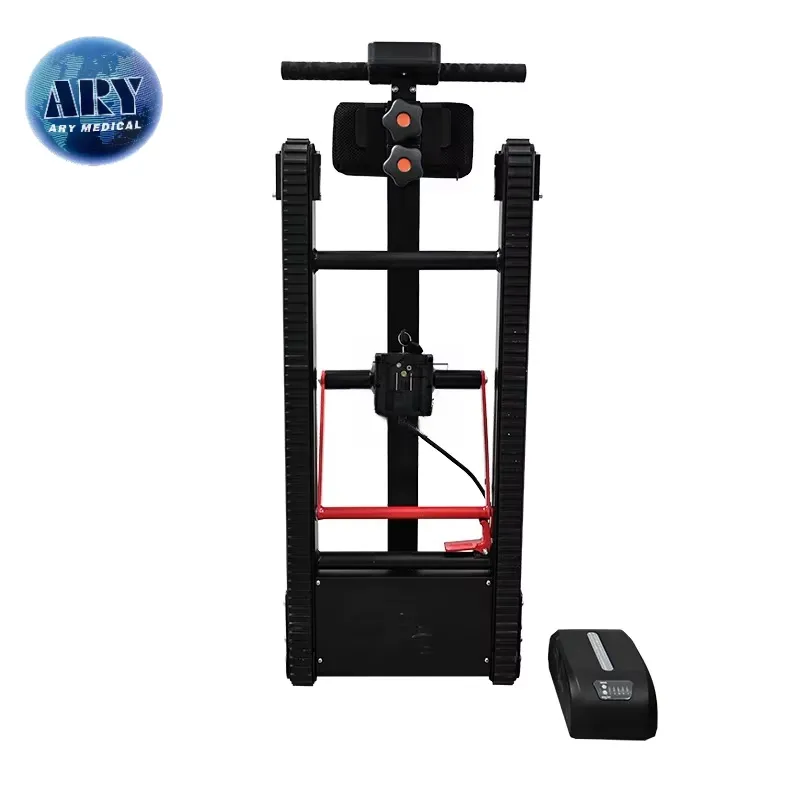
Agree language support before booking so staff can follow teaching and ask questions. stair chair operator training records should note the language, files and help used during each course.
Language support before the course
Check what staff can understand. Ask who checks translated product terms for accuracy. An interpreter's presence alone does not show that each person understood their task limits. Link training-relevant changes with the service record.
- Record language needs before course booking
- Ask for files staff can understand
- Agree how understanding will be checked
| Check | What to keep |
|---|---|
| Record language needs before course booking | Staff language needs in brief |
| Ask for files staff can understand | Manual language and current version |
| Agree how understanding will be checked | Trainer's plan for checking understanding |
Key Takeaway: Resolve language and file gaps before the course so staff can explain task limits and ask for clear answers.
Which guidance helps a training buyer?
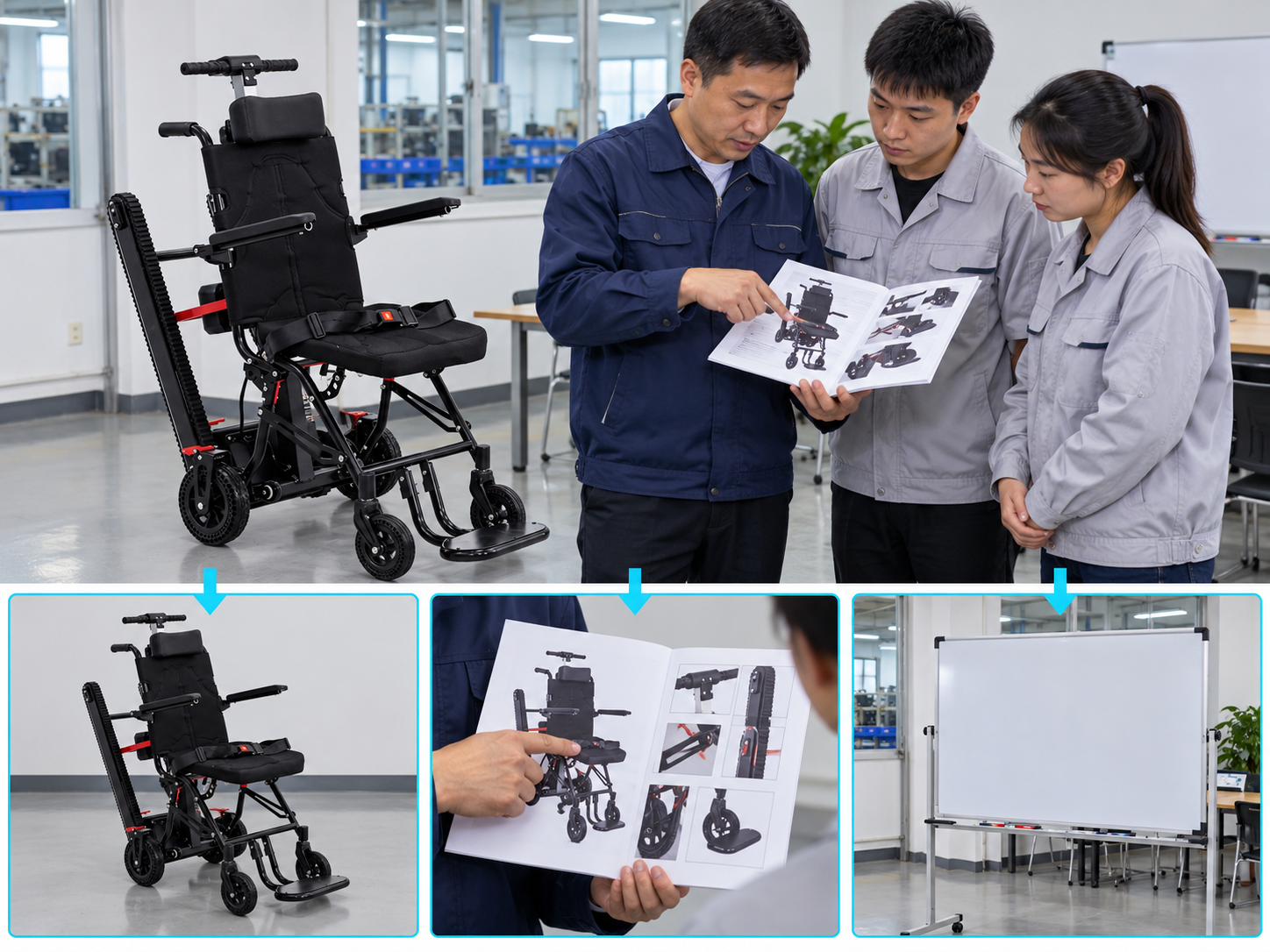
General wheelchair and handling guidance can help you write a training brief. stair chair operator training still needs exact model instructions and suitable checks on each person's assigned tasks.
Broad guidance and exact model files
Use each source within its scope. WHO discusses wheelchair services, trained staff and follow-up. HSE covers handling risks in health and social care, rather than approving a product course. HSE handling guidance provides general risk-review context.
- List guidance used in your brief
- Ask which model files guide teaching
- Name who owns local training decisions
| Check | What to keep |
|---|---|
| List guidance used in your brief | Source name and stated scope |
| Ask which model files guide teaching | Current instructions used by trainer |
| Name who owns local training decisions | Manager and written task decision |
Key Takeaway: Use broad guidance for service questions and ask your trainer for product evidence when deciding what their course covers.
How do you approve a training purchase?

Approve a course when its tasks, model coverage and skills checks meet your needs. For stair chair operator training, name a buyer who tracks open questions and accepts the final scope.
A clear brief for your trainer
Close the gaps before booking staff. Request a quote that names staff roles, files and language support. Ask what happens if someone needs more help before passing a task check.
- Send a brief with staff roles
- Request proof required for course completion
- Name who handles open training questions
| Check | What to keep |
|---|---|
| Send a brief with staff roles | Model roles and language needs |
| Request proof required for course completion | Agreed tasks and skills records |
| Name who handles open training questions | Buyer contact and outstanding questions |
Key Takeaway: Send your model details and staff roles to the trainer and request a written course scope before you book. Contact us with your model, route and order brief so we can discuss the product files you need. At AryMD, a clear stair-access decision starts with the right product facts.
Frequently asked questions
Q1: Can I accept a general handling certificate?
Use it only for the tasks it covers. Ask your trainer which parts still need teaching and checks on your exact stair-chair model before approving staff work at that site.
Q2: What's the best way to compare training quotes?
Compare course scope and proof of staff skills before price. Check model coverage, task limits, language needs and what help is offered when someone has not yet passed a task check.
Q3: How do I know if a trainer knows our model?
Ask for relevant experience and current teaching files for your exact chair and track. Find out who checks their course material and which tasks they can assess for your planned service.
Q4: Can I move trained staff to another site?
Have the receiving manager review relevant changes before assigning work there. They need to check local tasks, model details and site conditions against each person's skills record and current work approval.
Q5: Can I set one expiry date for all training?
Avoid choosing a date without a clear basis. Agree review triggers with your trainer and manager, including changed duties, new equipment and concerns about how staff perform their assigned tasks.