
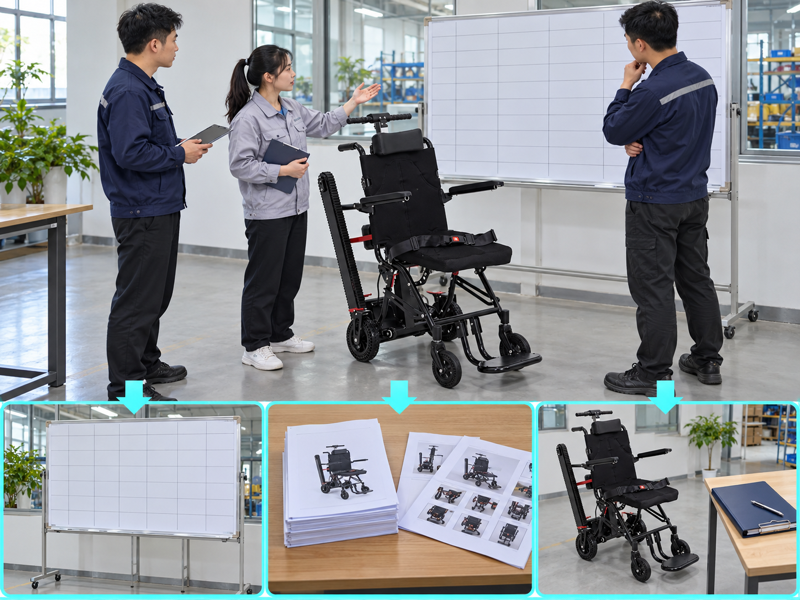
Stair chair shared staffing should match assessed tasks with named staff across planned service hours. A powered passenger stair chair may be available while a trained employee is away or assigned elsewhere. Link staff skills and work approval with your shift plan before confirming bookings. This lets your manager see gaps early without assuming a free colleague or supplier phone contact can fill an operator role.
What does stair chair shared staffing need to cover?

Stair chair shared staffing should show who can perform assessed tasks during each service period. Check both staff skills and actual availability before confirming bookings for your customer.
Does staff cover match planned work?
Match planned work with available staff. A French care site may provide a headcount that hides shift gaps. Ask for named role cover across planned hours and leave uncovered periods visible.
- List planned service periods by site
- Match named staff with required roles
- Mark gaps before you confirm bookings
| Check | What to keep |
|---|---|
| List planned service periods by site | Site list and service hours |
| Match named staff with required roles | Role cover for each shift |
| Mark gaps before you confirm bookings | Uncovered hours and booking limits |
Key Takeaway: Build your cover plan around assessed tasks and named staff so a large team list cannot hide an uncovered service period.
Who sets stair chair shared staffing requirements?

A competent reviewer should set stair chair shared staffing needs for the exact model, people and site. A photo or sales video cannot tell you how many staff a task requires.
Let task review define staff needs
Let task review define staff needs. Ask for written roles based on model instructions and local assessment. Use those roles when building shifts and refer gaps back to the reviewer. Keep current model instructions available to authorized staff.
- Request staff roles for intended tasks
- Ask what supports each stated requirement
- Refer unclear staff needs for review
| Check | What to keep |
|---|---|
| Request staff roles for intended tasks | Written task and staff requirements |
| Ask what supports each stated requirement | Model files and site assessment |
| Refer unclear staff needs for review | Named reviewer and open questions |
Key Takeaway: Get written staff requirements before building your shift plan and keep unresolved role questions with the person qualified to review them.
How does stair chair shared staffing track staff skills?

Stair chair shared staffing should link each person's name with assessed tasks and current work approval. Experience with other chairs does not itself clear someone for your powered stair-chair setup.
Match staff names with work approval
Match names with tasks they may do. Use a task list that points to each person's training records. Mark unfinished checks as open until your manager decides which duties they may perform.
- Link staff names with approved tasks
- Match skills records with supplied model
- Keep unfinished task checks clearly marked
| Check | What to keep |
|---|---|
| Link staff names with approved tasks | Named staff and task list |
| Match skills records with supplied model | Chair and track training scope |
| Keep unfinished task checks clearly marked | Open checks and work limits |
Key Takeaway: Give schedulers a current task list so they can assign named staff without guessing what each training record permits them to do.
How should stair chair shared staffing handle shift changes?

Stair chair shared staffing should include a short note on chair status, use limits and unresolved questions. Name who hands over and who takes charge of the next shift's planned work.
What does the next shift need?
Pass on current status and open issues. Staff should report changes through their agreed site process. Record concerns and contacts without asking people to diagnose faults or invent repair steps.
- Record chair status for incoming staff
- Pass on questions that remain unresolved
- Confirm who takes charge next shift
| Check | What to keep |
|---|---|
| Record chair status for incoming staff | Current status and report reference |
| Pass on questions that remain unresolved | Open questions and named owners |
| Confirm who takes charge next shift | Shift lead and planned work |
Key Takeaway: Use a short shift note so incoming staff can find current limits and ask for answers before taking on assigned work.
How does stair chair shared staffing handle staff absence?

Stair chair shared staffing should name approved cover staff and show what happens when roles remain unfilled. A nearby colleague may be free yet lack the skills or approval for that task.
Plan cover when staff are away
Plan cover before people are away. Check holidays, sick leave and duties that compete for staff time. A supplier phone contact belongs in backup planning and cannot provide routine cover on site. Record equipment-related concerns in the service log.
- List approved cover staff by role
- Record other duties that affect cover
- Agree booking rules for uncovered periods
| Check | What to keep |
|---|---|
| List approved cover staff by role | Current names and approved roles |
| Record other duties that affect cover | Known limits on staff availability |
| Agree booking rules for uncovered periods | Manager's approved booking response |
Key Takeaway: Confirm suitable cover before accepting work and tell booking staff when a service period must stay unavailable under the site's plan.
How can stair chair shared staffing work across sites?
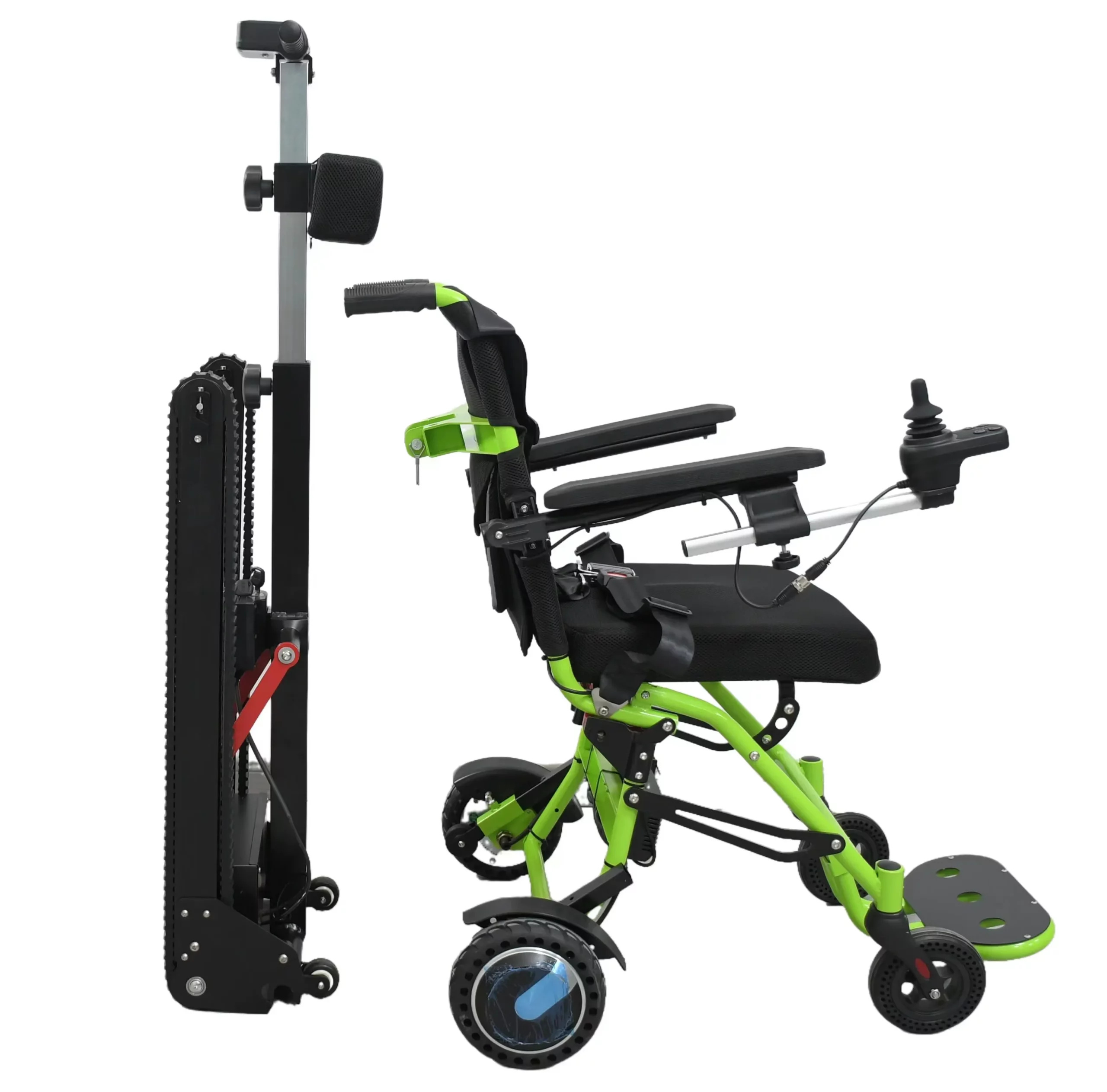
Stair chair shared staffing across sites needs a separate match of staff, equipment and local tasks. Work approval at one site does not itself clear someone for another route or model.
Can staff move between sites?
Keep each site's needs in view. Give schedulers a site list with staff requirements and named managers. Review transfers before adding staff to a rota at another building.
- Match staff with the destination's needs
- Check equipment changes before staff transfer
- Name who decides at each site
| Check | What to keep |
|---|---|
| Match staff with the destination's needs | Site tasks and staff skills |
| Check equipment changes before staff transfer | Reviewed model and setup differences |
| Name who decides at each site | Local manager and review contact |
Key Takeaway: Have the receiving manager check site and model differences before staff take on new stair-chair work at another customer location.
What should booking staff be told?
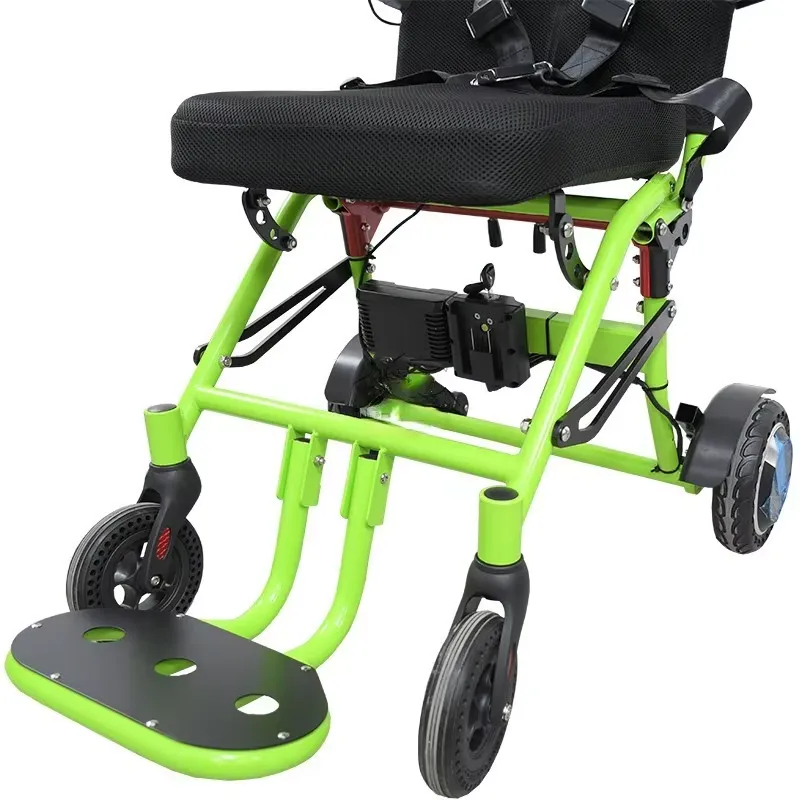
Booking staff need confirmed service hours, current limits and a named decision contact. stair chair shared staffing falls short when appointments depend only on a free chair while required staff are elsewhere.
Clear service hours for booking staff
Make service hours clear for bookings. Use clear statuses such as confirmed, pending and unavailable. Share role cover and decision contacts without spreading private staff records through sales files.
- State booking status for each period
- Name who can approve schedule changes
- Limit personal details in booking files
| Check | What to keep |
|---|---|
| State booking status for each period | Confirmed pending or unavailable status |
| Name who can approve schedule changes | Manager contact and decision scope |
| Limit personal details in booking files | Role cover without private records |
Key Takeaway: Give booking staff a current view of service hours so appointments reflect both available equipment and the people required for assessed tasks.
How do you keep staff records current?
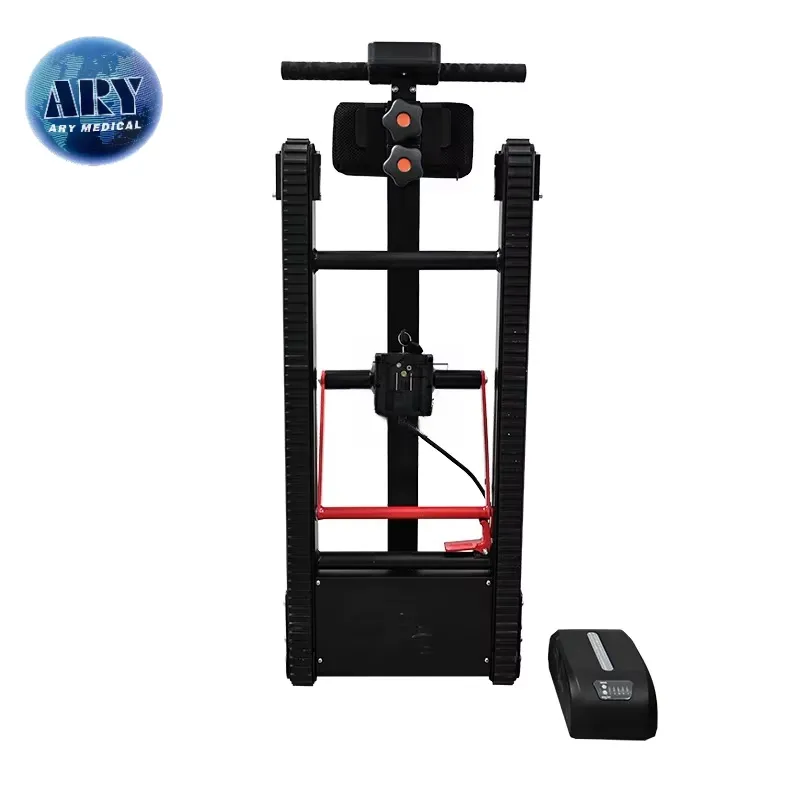
A named manager should update records when staff, equipment or assigned duties change. stair chair shared staffing needs checks on work approval before an old shift plan is reused.
Keep changes in one current staff list
Name who owns the staff list. Staff should report relevant changes through the agreed management process. Keep change dates and review notes while excluding private health details from shared schedules. Separate operator coverage from the required equipment inspection.
- Name who keeps staff records current
- Record changes affecting assigned staff roles
- Remove old copies from active scheduling
| Check | What to keep |
|---|---|
| Name who keeps staff records current | Manager and agreed update process |
| Record changes affecting assigned staff roles | Dated changes and review notes |
| Remove old copies from active scheduling | Current approved shift plan reference |
Key Takeaway: Keep one current source for scheduling and have its owner check role changes before issuing the next staff cover plan.
Which guidance helps you review staffing?
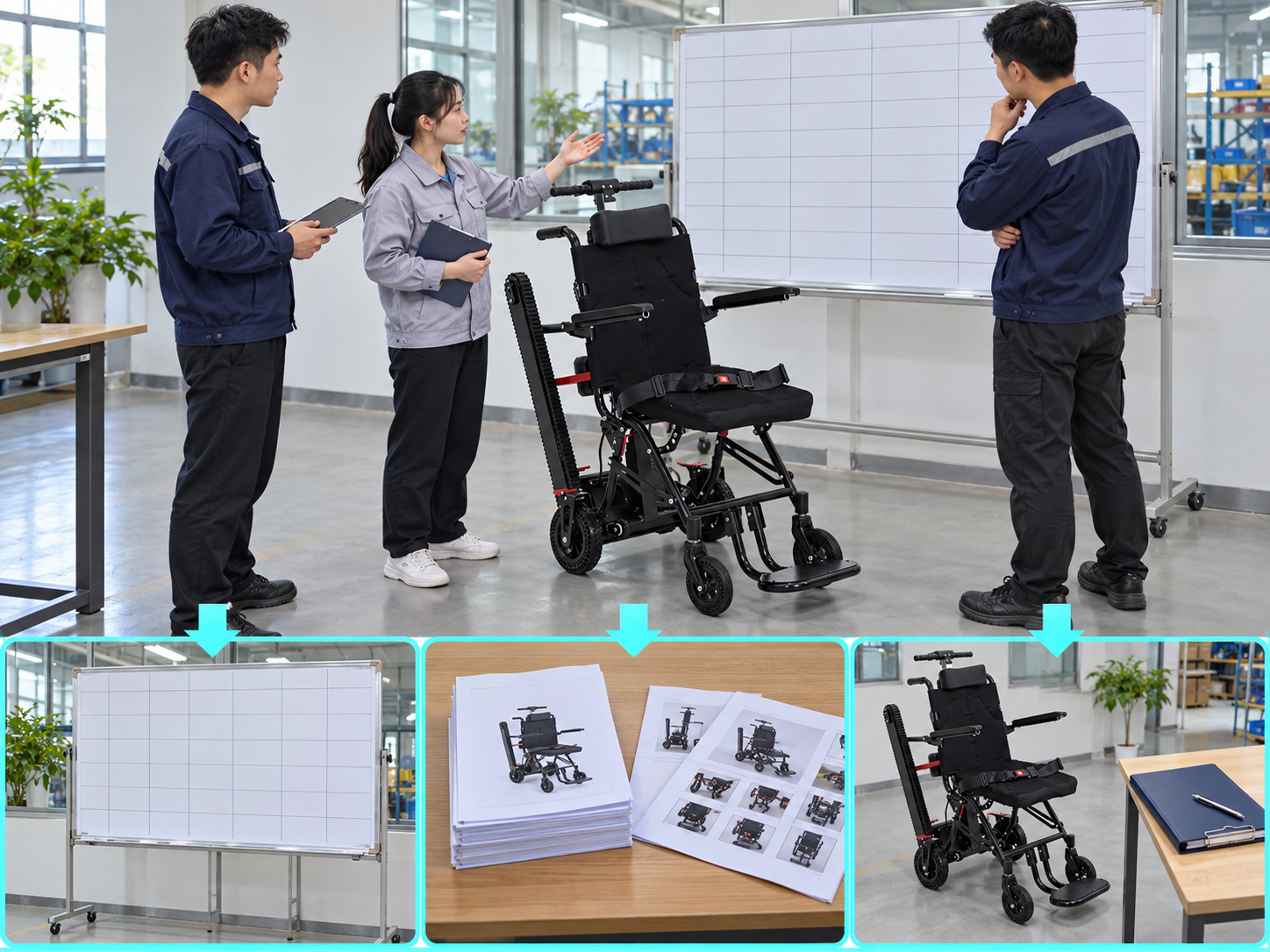
General handling guidance can frame questions about tasks, staff and site conditions. stair chair shared staffing still needs local assessment and model instructions before you set required roles for any service.
Broad advice and local staff requirements
Keep broad advice within its scope. An example about another device cannot fix your staff number. Ask a suitable local adviser about French rules rather than importing another country's guidance as law. HSE handling guidance provides general risk-review context.
- Check scope of each guidance source
- Request local proof for required roles
- Keep other device examples clearly separate
| Check | What to keep |
|---|---|
| Check scope of each guidance source | Source purpose and country scope |
| Request local proof for required roles | Site assessment and staff requirements |
| Keep other device examples clearly separate | Limits on comparisons with other equipment |
Key Takeaway: Use broad guidance for staffing questions and get local, model-specific decisions before adding required roles to your site's cover plan.
How do you test a staffing plan?

Test planned service demand against approved staff cover across shifts and absences. stair chair shared staffing should leave each gap with a named manager and clear booking response before appointments are confirmed.
Check a normal week on paper
Check a normal week on paper. Review sample schedules at a desk to find gaps in cover. Check overlapping duties, approved substitutes and who tells customers when service cannot be offered.
- Compare planned work with staff cover
- Check absences and competing staff duties
- Agree booking responses for each gap
| Check | What to keep |
|---|---|
| Compare planned work with staff cover | Reviewed service hours and rota |
| Check absences and competing staff duties | Cover gaps and named owners |
| Agree booking responses for each gap | Manager's written decision for bookings |
Key Takeaway: Send your proposed rota to the site manager and request answers on gaps before you confirm service hours with customers. Contact us with your model, route and order brief so we can discuss the product files you need. At AryMD, a clear stair-access decision starts with the right product facts.
Frequently asked questions
Q1: Can I use the same staff number at every site?
Do not assume one number fits every task. Ask a competent reviewer to define roles for your exact equipment, people and setting, then plan staff cover around those written requirements.
Q2: What's the best way to track approved staff?
Keep a current task list linked with skills records and model details. Give schedulers clear names and limits so they do not have to interpret course papers each time they book work.
Q3: Can I use a trained colleague as absence cover?
Ask your manager to check their model training, task scope and local work approval. Being free for a shift does not prove that someone can fill the role required for that job.
Q4: How do I know if a shift note is useful?
Check whether incoming staff can find chair status, use limits and open questions with named contacts. The note should help them plan work without asking for fault diagnosis or improvised repair steps.
Q5: Can I count supplier phone support as staff cover?
No, a support contact only provides its agreed advice or service role. Routine work needs named people with suitable skills and approval who are available on site for the planned tasks.