
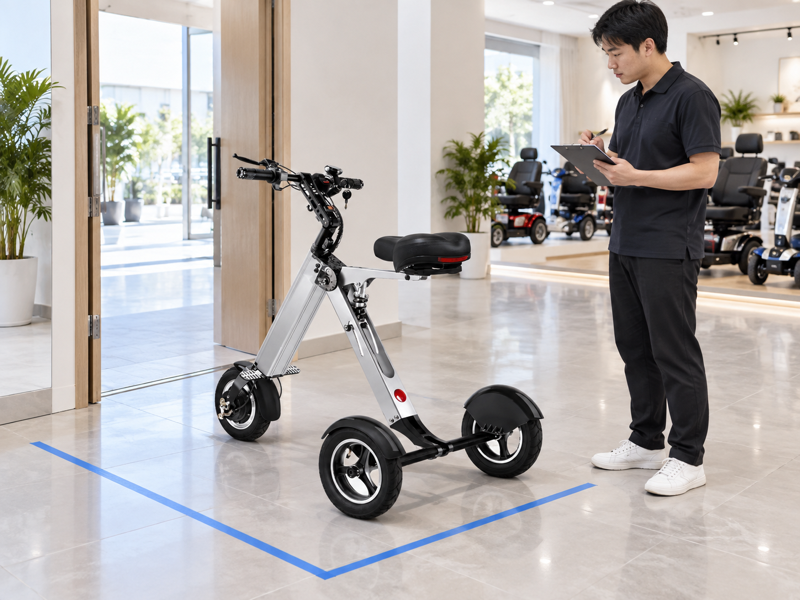
Choose a three wheel mobility scooter by checking the rider's seating and steering needs, then trialling the exact routes and storage tasks it must handle. A buyer can be drawn to a compact frame, only to discover that the seat lacks the required support or a tight turn is awkward in practice. Dealers need those answers before discussing colour or order quantity. Treat a three wheel mobility scooter as a particular layout to assess, with its own instructions and limits.
Who should assess a three wheel mobility scooter first?
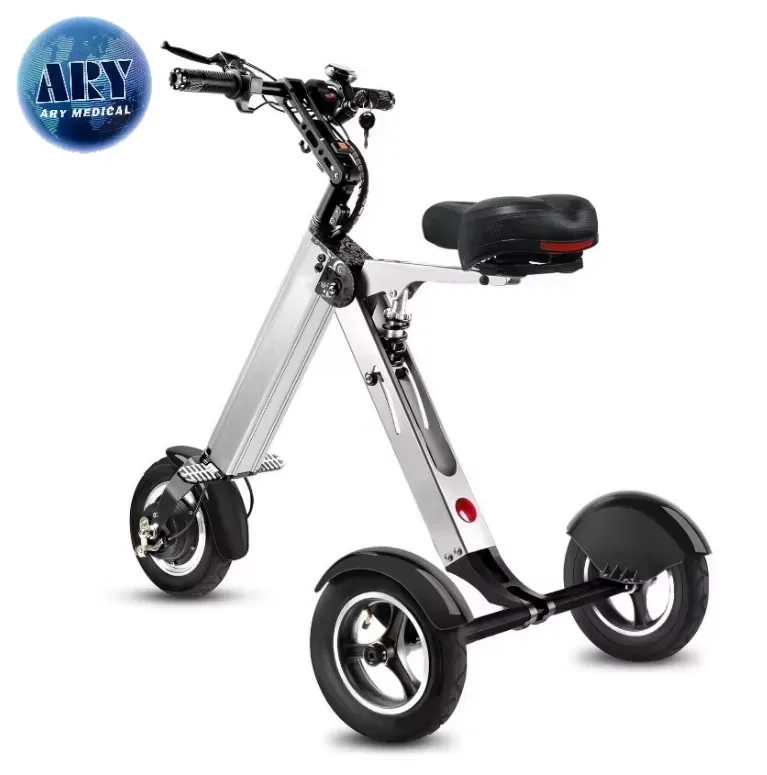
The intended rider and an appropriate adviser should assess a three wheel mobility scooter before a dealer treats it as a match. Consider the person's support needs, transfers, reach and ability to use the controls. A product category alone cannot establish personal suitability.
What does the person need from the seat and controls?
Put the rider's needs on paper. A supplier can compare product layouts more usefully when the enquiry states the required support and use setting. The NHS advises considering individual needs when choosing mobility equipment.
- Record the planned indoor and outdoor use.
- Describe required seating support and access.
- Seek an appropriate assessment where fit or control use is uncertain.
| Need | Buyer action |
|---|---|
| Seating support | Compare the actual seat design with the assessment |
| Control access | Arrange a suitable trial of the specified controls |
Use the resulting brief to exclude unsuitable layouts early. Key Takeaway: Your shortlist starts with the person who will use the product.
How does a three wheel mobility scooter steer?
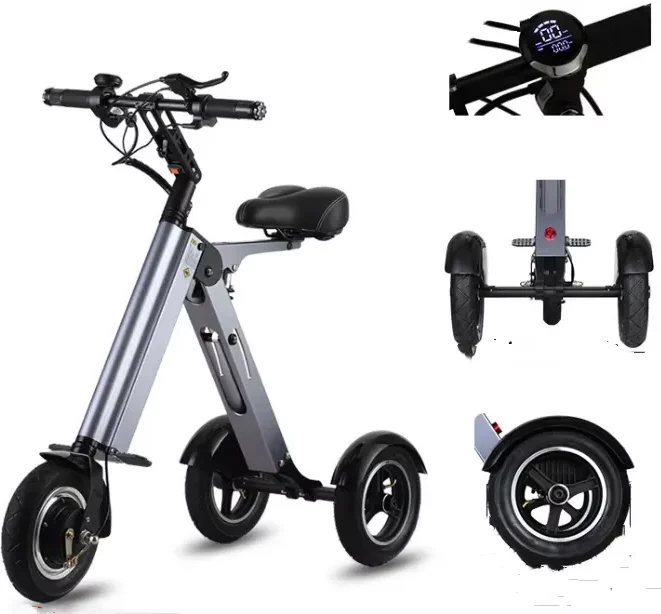
A three wheel mobility scooter's steering method depends on its design, so inspect the actual controls and instructions. A handlebar or tiller layout requires a different interaction from the joystick on an electric wheelchair. Keep those product types separate when you explain the range.
Can the rider reach and use every required control?
Look beyond the throttle. Identify the controls for starting, stopping, speed selection and any other normal operation. The rider must be able to understand and use the model as intended, rather than only reach one button.
- Check steering reach in the normal seated position.
- Review the actual braking and control instructions.
- Ask which settings a dealer may adjust.
| Control detail | Question for the supplier |
|---|---|
| Normal operation | Can you provide a clear model-specific demonstration? |
| Adjustment | What may trained staff change, and how? |
Do not transfer operating advice from a different control layout. Key Takeaway: Your demonstration will match the device the customer receives.
Will a three wheel mobility scooter turn through the route?
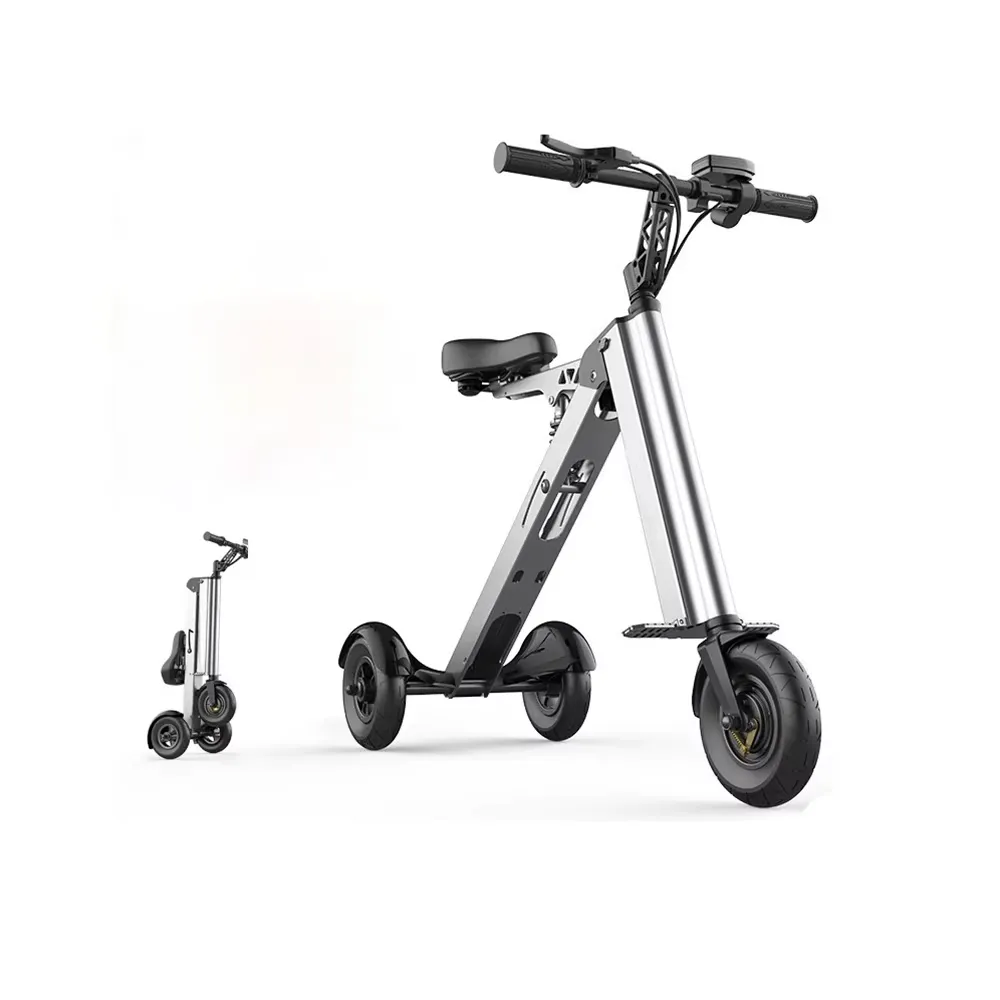
A three wheel mobility scooter must be tried against the route's actual turns and openings to establish a useful fit. A turning figure in a brochure does not describe every hallway. Seat, handlebar and rider clearance also affect the space needed.
Where does the route require a change of direction?
Sketch the corner first. Measure the approach, turn and exit rather than a doorway alone. Use a suitable controlled trial that follows the manufacturer's instructions.
- Record narrow openings and fixed obstructions.
- Check the space available before and after a turn.
- Include places where the rider must stop or wait.
| Route feature | What to assess |
|---|---|
| Doorway | Clear opening and approach angle |
| Corner | Space for the whole device and rider |
A simple route sketch makes the trial easier to repeat. Key Takeaway: You can distinguish a usable route from a promising brochure dimension.
What seat suits a three wheel mobility scooter rider?
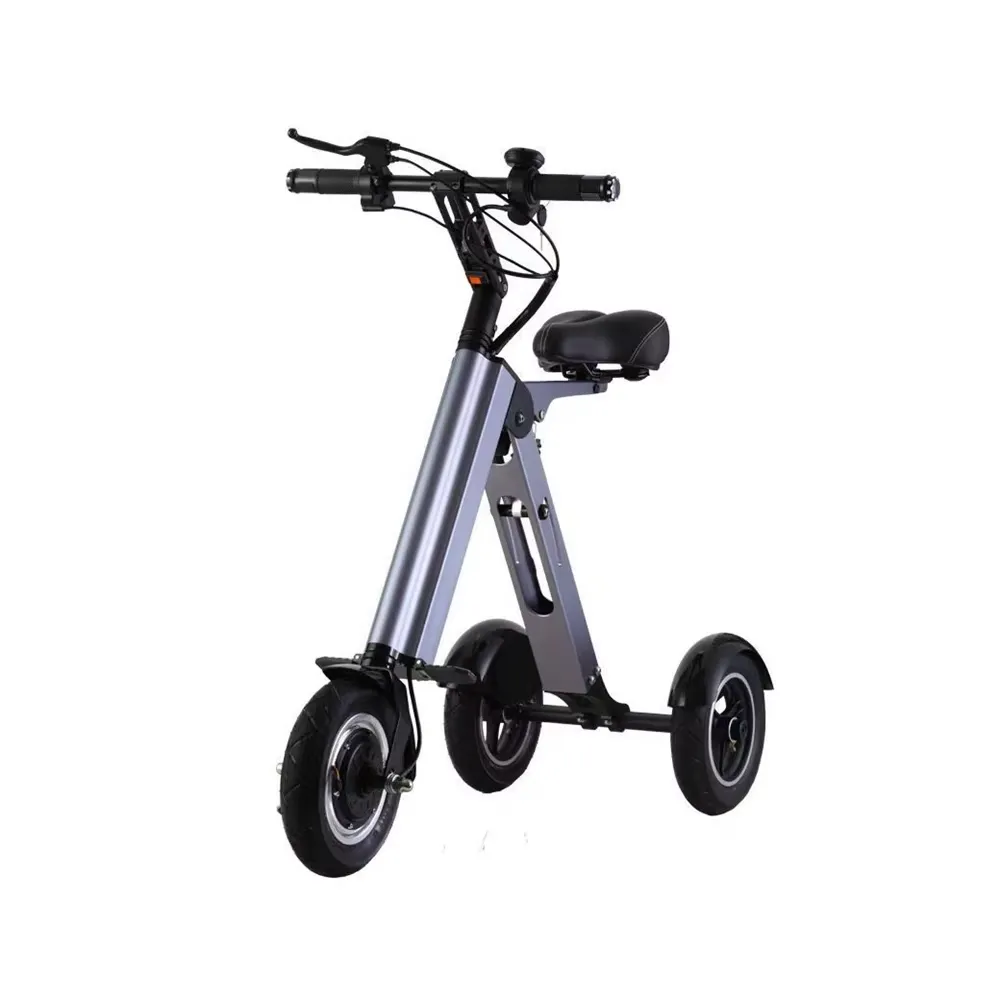
The right three wheel mobility scooter seat is the one that meets the rider's assessed support, access and position needs. A saddle seat and a chair-style seat with a backrest provide different layouts. If more support is required, include the wider wheelchair range in the review.
What does the compact frame leave out?
Examine the contact points. Look at where the person sits, rests their feet and reaches the controls. Compact storage is not evidence that the seating is suitable for longer use or a particular condition.
- Confirm the required support with an appropriate assessor.
- Review foot placement and control reach together.
- Check permitted adjustments on the exact model.
| Layout detail | Fit consideration |
|---|---|
| Seat and back support | Required support for the individual |
| Foot placement | A stable, permitted position during use |
Keep the support requirement visible throughout the comparison. Key Takeaway: A small frame will not displace a seating need from the buying decision.
Can a three wheel mobility scooter handle the surface?
A three wheel mobility scooter should only be considered for surfaces within its stated use limits. Wheel count alone does not prove stability, obstacle clearance or suitability for slopes. Request the current model instructions and review the real route against them.
Which part of the journey needs a closer look?
Walk the route before any riding trial. Identify slopes, broken surfaces and changes in level, then seek a suitable alternative wherever the product's limits would be exceeded. Avoid turning a sales trial into a test of unknown limits.
- Note changes in surface and level.
- Check the manufacturer's stated use conditions.
- Ask for clarification when a route feature is not covered.
| Route finding | Next step |
|---|---|
| Within stated conditions | Plan an appropriate controlled trial |
| Outside or unclear | Resolve the question or choose another route or device |
Document the limits beside the proposed use. Key Takeaway: Your recommendation will describe where the model is intended to work.
How should a three wheel mobility scooter fold for storage?
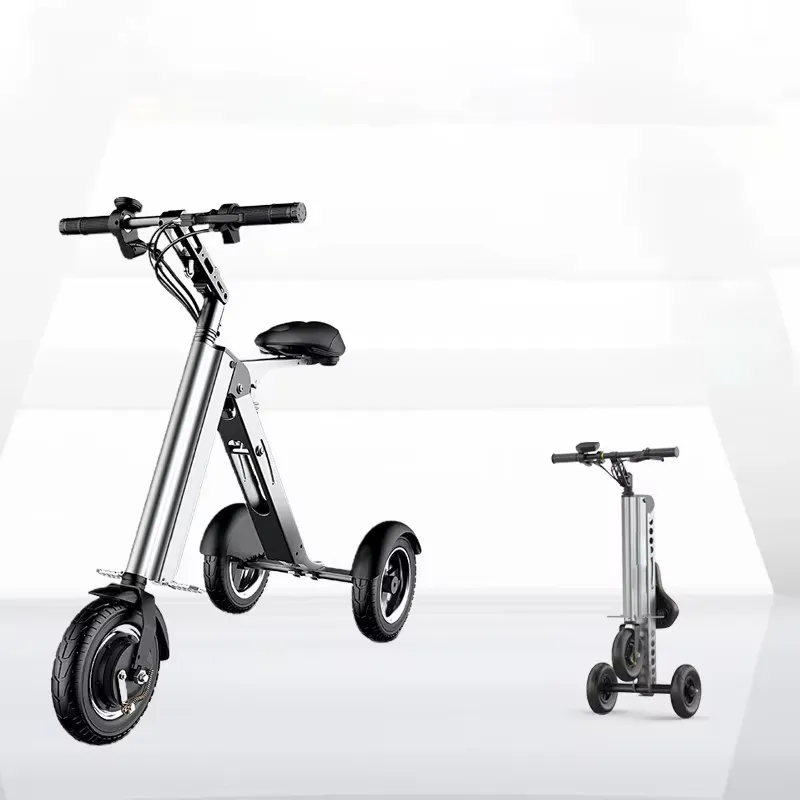
A three wheel mobility scooter should fold only as its instructions describe, with all required locks and checks completed before reuse. Some designs fold; others use a different storage method. Ask for the exact procedure when comparing the mobility product options.
Does the storage method suit the handler?
Include the return to use. Watch the person who normally handles the device perform the permitted sequence. Record any awkward reach, unclear latch or step that needs assistance.
- Check the approved starting and power state.
- Identify pinch points and correct lock positions.
- Repeat the reopening checks after storage.
| Task | Evidence from the trial |
|---|---|
| Folding | The handler can follow the specified sequence |
| Reopening | The normal setup and required checks can be restored |
Compare the full cycle rather than the compact appearance. Key Takeaway: You can explain the daily handling work before the customer commits.
What maintenance does a three wheel mobility scooter need?
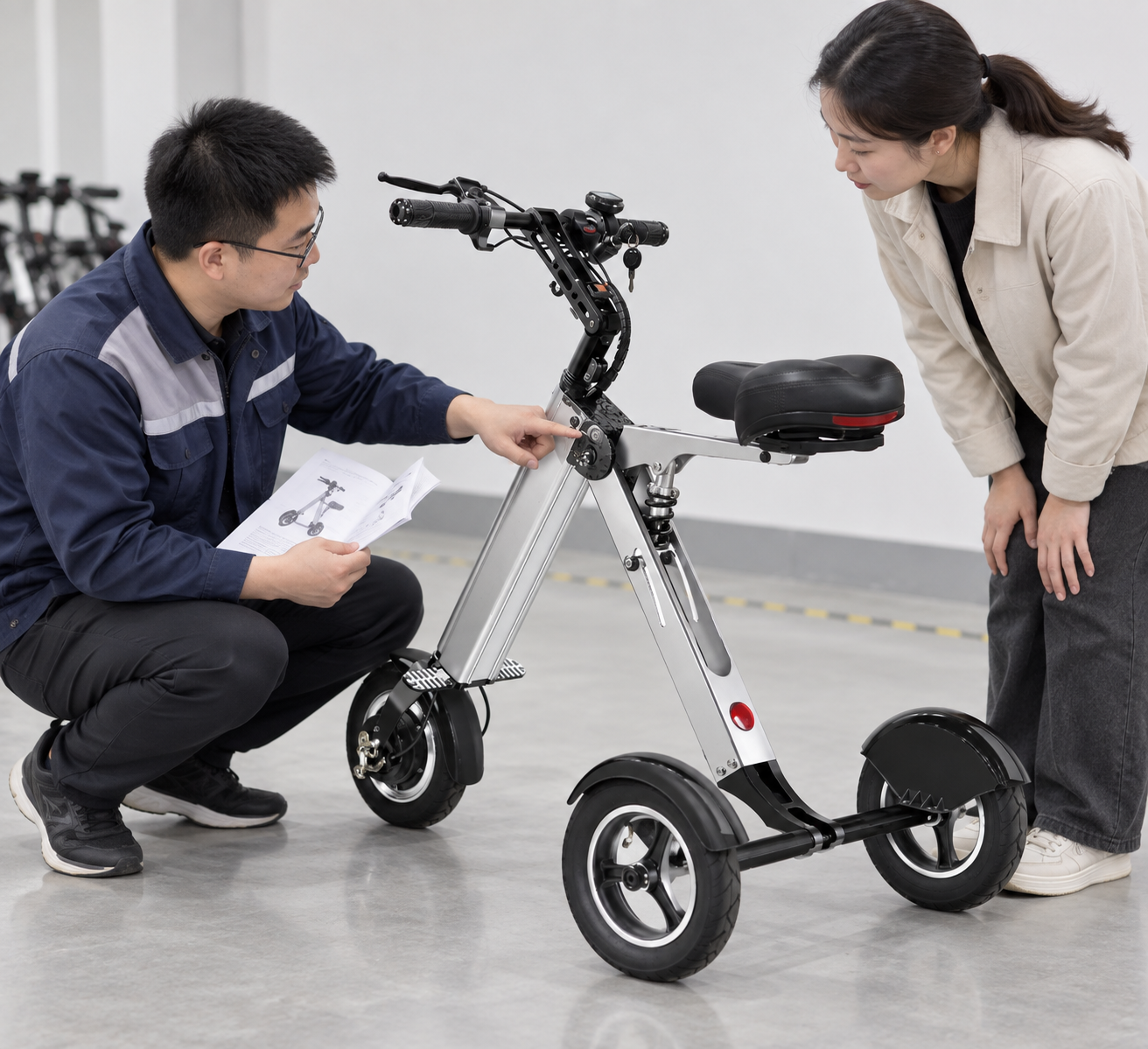
A three wheel mobility scooter needs the checks and service intervals specified for its exact model. Record who performs routine checks and which work belongs to trained service staff. Do not reuse a checklist from another scooter without reviewing the differences.
Which parts should a dealer be able to identify?
Open the parts information. Confirm how to identify wheels, brake components, controls and folding parts by model or revision. A clear photo can support an enquiry, but it does not establish compatibility on its own.
- Request the current parts list and identification method.
- Clarify routine checks and stop-use signs.
- Agree how the dealer reports a fault or requests service guidance.
| Service need | Information to request |
|---|---|
| Routine inspection | Model-specific checklist and intervals |
| Replacement part | Exact part reference and compatibility confirmation |
Resolve missing service information while the sample is still under review. Key Takeaway: Your dealer team will have a defined route for maintaining the units it sells.
How can you compare three wheel mobility scooter samples?
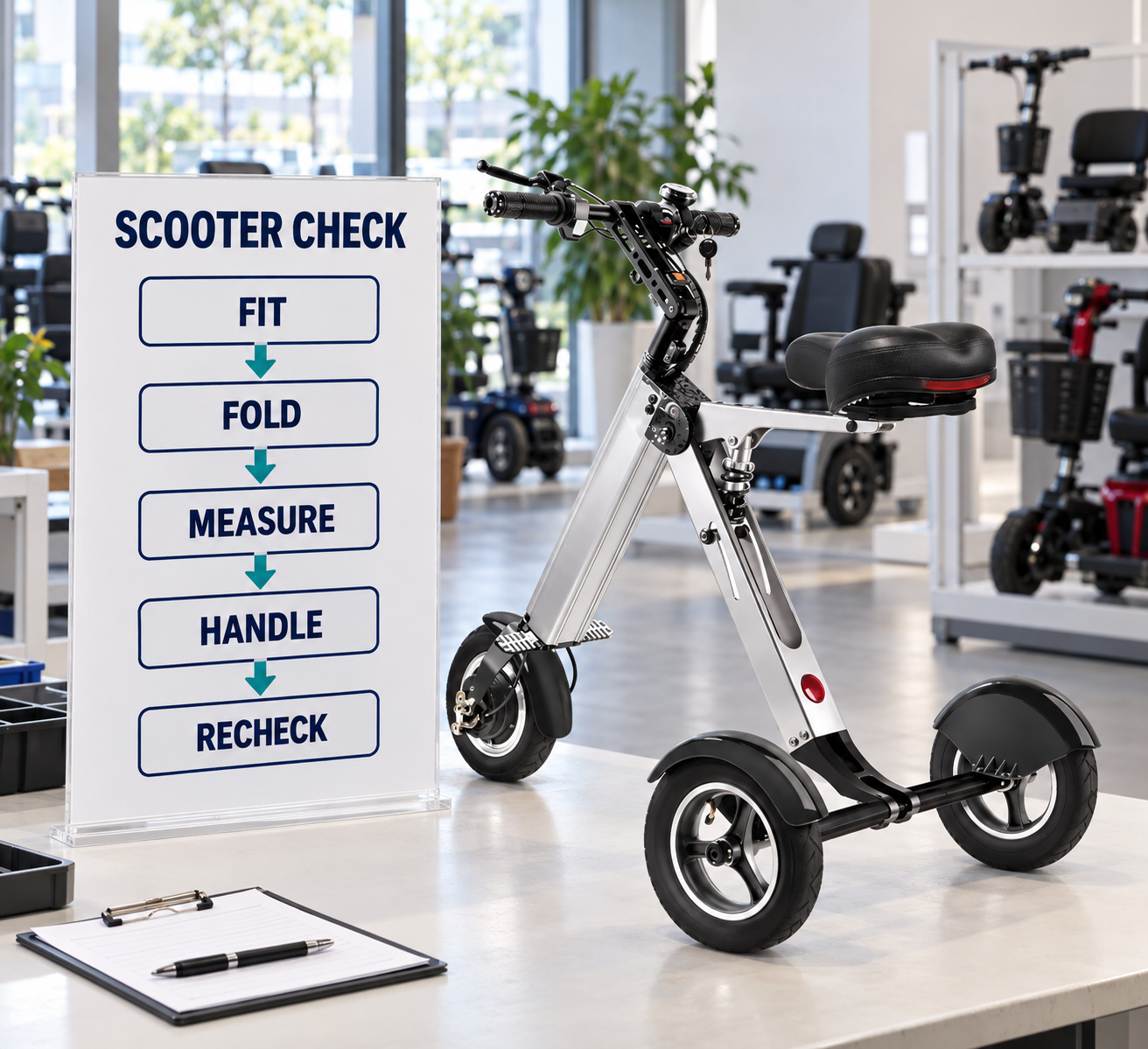
Compare each three wheel mobility scooter against the same rider brief, route and storage tasks. Record differences in configuration instead of treating every sample as equivalent. Keep the result tied to the particular model you examined.
What belongs in a fair comparison record?
Use one brief for every sample. Photograph the control layout and note which adjustments were made for the trial. Ask the supplier to explain any difference between the sample and the quoted production model.
- Record model, revision and fitted options.
- Separate observed results from supplier statements.
- List unresolved fit, route and service questions.
| Evidence type | How to label it |
|---|---|
| Observation | What your team checked under stated conditions |
| Supplier statement | A claim awaiting relevant supporting information |
Keep these evidence types separate when scoring the shortlist. Key Takeaway: A clear record makes disagreements easier to resolve before ordering.
What should a three wheel mobility scooter quote include?
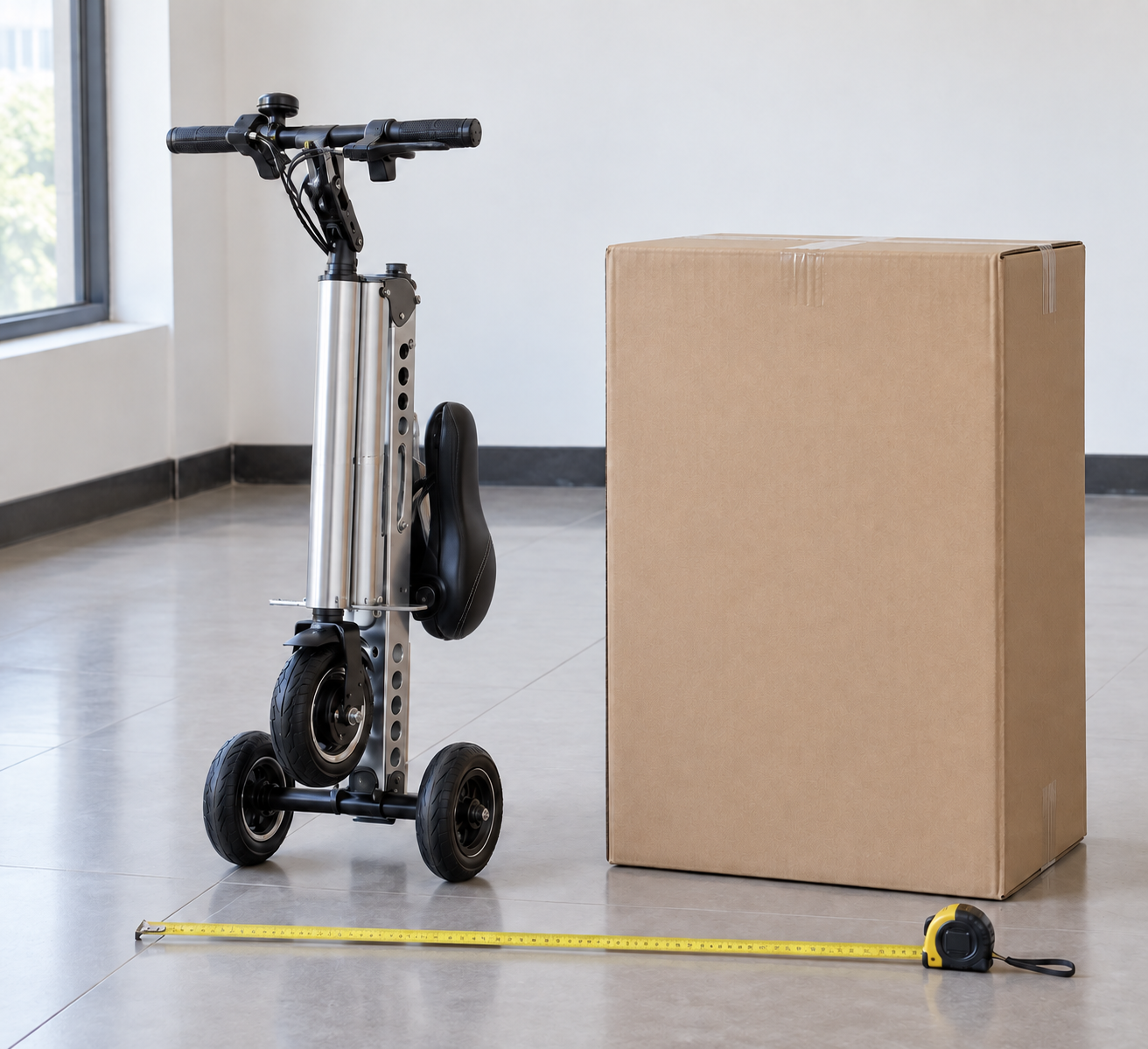
A three wheel mobility scooter quote should identify the supplied configuration, included items and support terms. Confirm the battery, charger, instructions and packaging details for that model. Ask the supplier to list any options or exclusions separately.
Can you tell what will arrive in the carton?
Read the quote against the sample. Check whether the quoted product matches the version you reviewed. A different seat, control or battery may change the questions your team already answered.
- Match the product and option references.
- Confirm included accessories and instructions.
- Request written answers on lead time, parts and warranty terms.
| Quote detail | Cross-check |
|---|---|
| Product configuration | Approved sample or agreed specification |
| Included items | Packing list and handover requirements |
Record any approved variation before issuing the order. Key Takeaway: You reduce the chance of receiving a configuration your team has not assessed.
How do you choose a three wheel mobility scooter confidently?
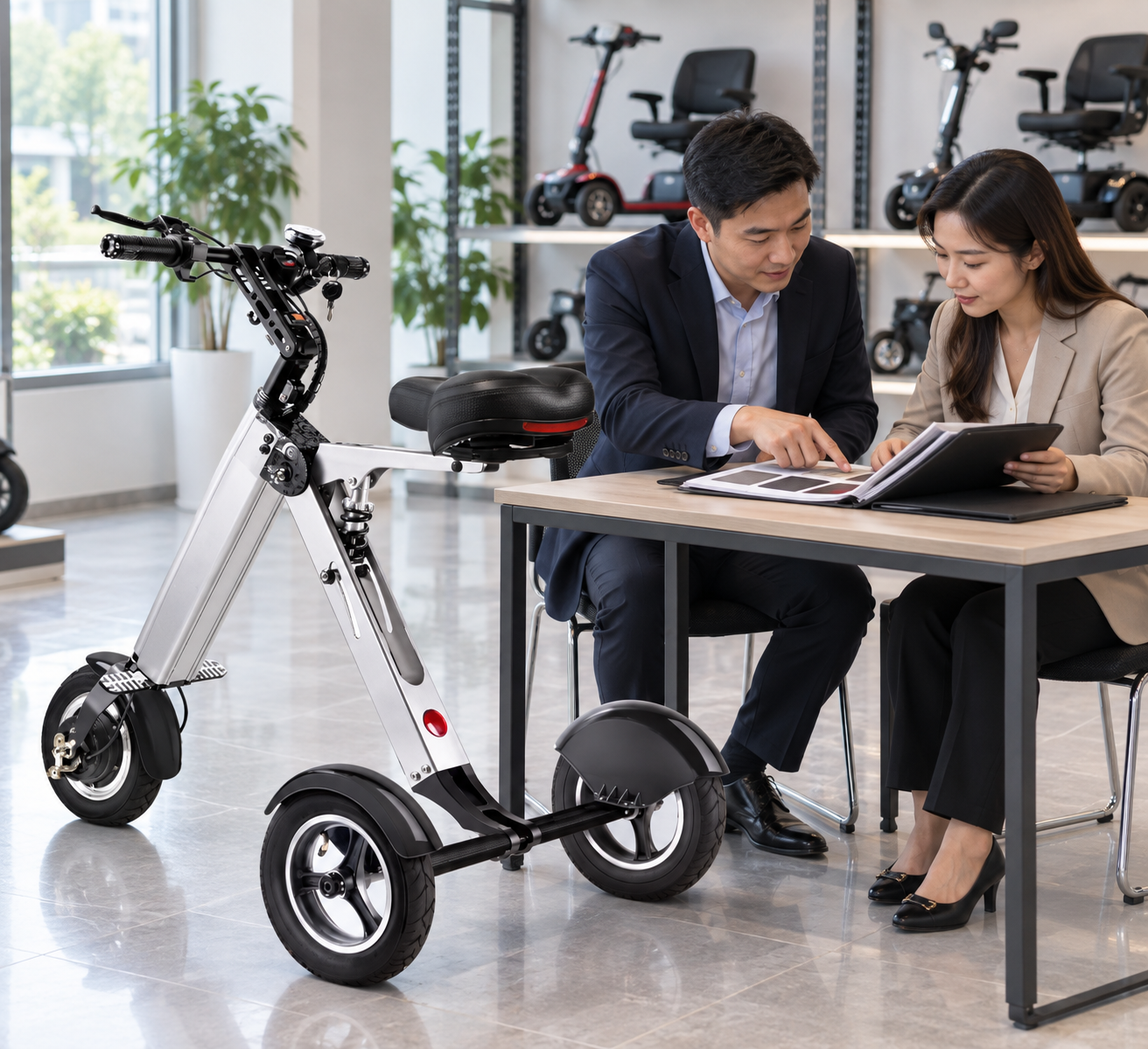
Choose a three wheel mobility scooter once the rider fit, route, handling method and support information meet your purchasing brief. Leave unresolved items on the enquiry rather than hiding them behind a general approval. The final choice should be explainable to the user and the dealer team.
Ready to request a model-specific proposal?
Send the fit and route brief together. Ary Medical can help you review product options when you provide seating needs, route constraints and handling requirements. Include the questions your sample trial could not settle.
- State the required control and seat layout.
- Describe the intended route and storage method.
- Ask for a matching specification and current support documents.
| Your brief | Required follow-up |
|---|---|
| Rider and route needs | A model-specific suitability review |
| Sample questions | Clear answers before the order is approved |
Use that review to settle control, seating, route and service concerns. Key Takeaway: To discuss the models that fit your brief, contact us. We believe each mobility-equipment quote should come with information a dealer can verify.
Frequently asked questions
Q1: Can I assume three wheels mean a smaller turning space?
No. Compare the exact dimensions and trial the route, because steering geometry and the whole device's shape also affect clearance.
Q2: What's the best seat for a three-wheel scooter?
The best seat matches the person's assessed needs. Compare support, access, foot placement and control reach rather than choosing by appearance.
Q3: How do I know if it can handle a slope?
Check the exact model's stated conditions. If the route is outside those limits or the instructions are unclear, seek further advice or choose another route or device.
Q4: Can I use a joystick wheelchair guide for this scooter?
No. Follow the instructions for the actual steering and control layout, since normal operation and checks can differ.
Q5: Can I order in bulk after seeing one demonstration?
You need a documented review first. Confirm the configuration, relevant sample findings, instructions and support terms before approving a larger order.