
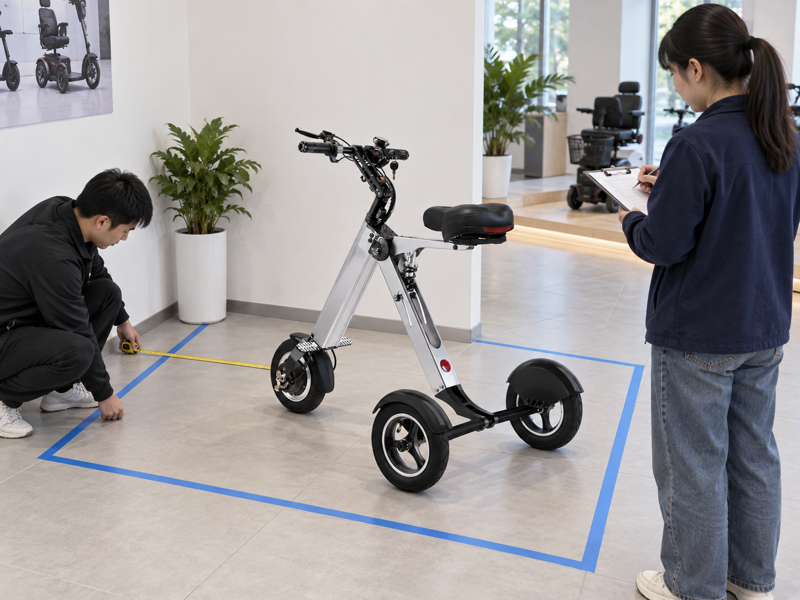
Choose a useful turning-radius figure by checking how it was measured, then testing the whole scooter against the actual route. A buyer may see a small number in a brochure and assume the unit will turn from a hall into a doorway. The approach angle, projecting parts and room to exit can make that assumption fail. Treat a mobility scooter turning radius as one input to a route review, rather than a complete indoor-fit answer.
What does a mobility scooter turning radius figure describe?
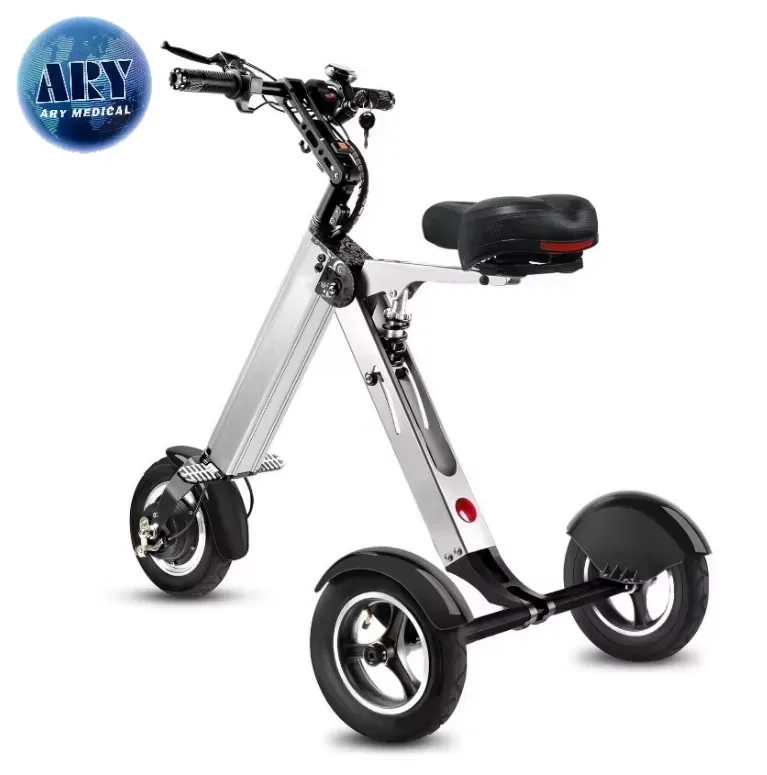
A mobility scooter turning radius figure describes a stated turning measurement for a particular setup. Ask which points and method the supplier used before comparing the number. The label alone may not tell you the full space the device needs.
Which definition should the supplier provide?
Read the measurement note first. Request a simple drawing or test description showing what the figure covers. Keep the definition with the result so a later buyer does not mistake one type of measurement for another.
- Ask whether the stated figure is a radius, diameter or other width.
- Identify the reference points and setup.
- Keep units and method beside the number.
| Figure | Question to resolve |
|---|---|
| Radius or diameter | Which distance has been reported? |
| Turning space or width | Which movement and boundaries were measured? |
Do not rank unlike measurements as though they describe the same test. Key Takeaway: You can turn a brochure number into a defined piece of evidence.
Why is mobility scooter turning radius alone not enough?
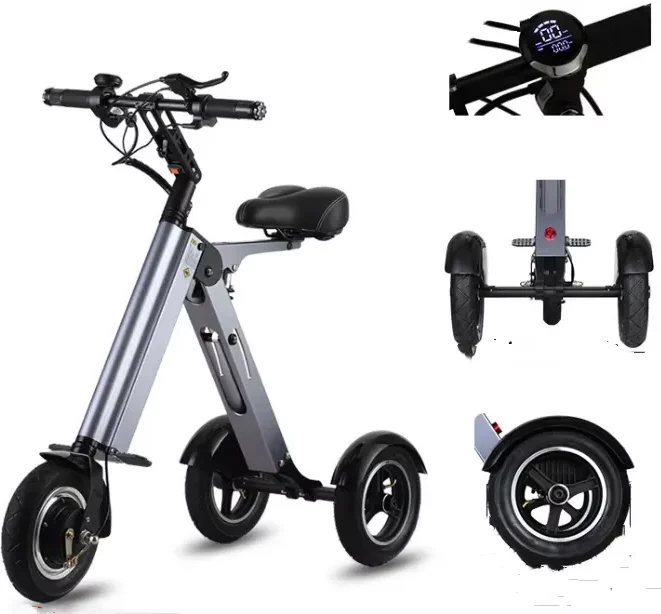
Mobility scooter turning radius alone does not describe every opening, corner or rider clearance on a route. The full shape of the device and the approach to the turn also matter. Review the complete product layout alongside the turning figure.
What can sit outside the wheel path?
Look at the outer edges. Handles, baskets, foot areas and other fitted parts can project beyond the path you first notice. Include the reviewed rider position and required clearance in an appropriate route assessment.
- Identify projecting parts in the supplied setup.
- Keep fitted accessories in the review.
- Check clearance through the whole movement.
| Boundary | Why check it |
|---|---|
| Wheel path | Shows only part of the device movement |
| Full device and rider envelope | Helps assess actual clearance needs |
Use a complete setup rather than a bare chassis for the fit review. Key Takeaway: Your clearance advice will not omit the part that reaches the wall first.
How should mobility scooter turning radius be compared across models?
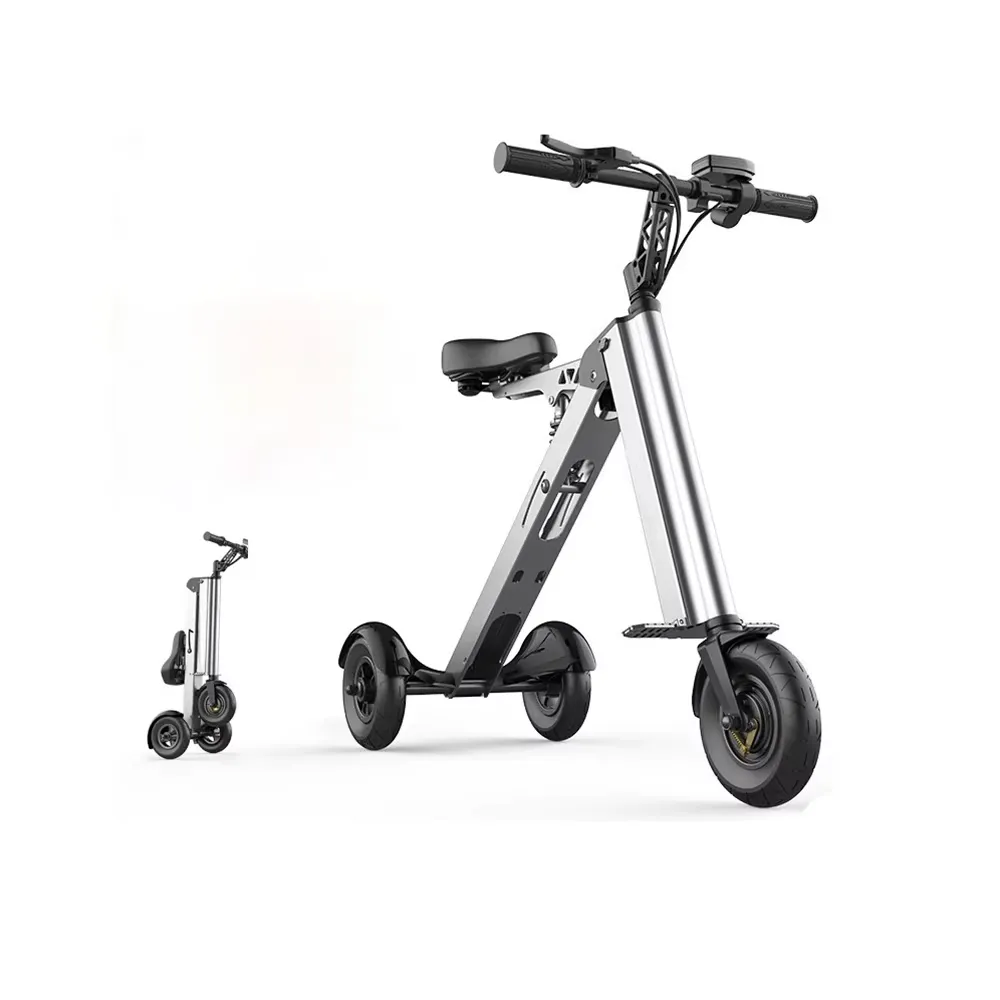
Compare mobility scooter turning radius figures only when their definitions, units and test setups are clear. A lower number from a different method may not represent a better fit. Ask suppliers to explain differences before using the figures in a shortlist.
Can you put every result in one comparison column?
Match the method before sorting. Keep radius, diameter and route-trial results in separate labelled fields unless the supplier has provided a valid common basis. Avoid calculating a new performance claim from an unclear brochure figure.
- Keep each original figure and unit.
- Record the method used for each model.
- Ask for clarification where the definitions differ.
| Evidence | Comparison rule |
|---|---|
| Same stated method | Review under matching conditions |
| Different or unclear method | Resolve the difference before ranking |
An unknown definition is a gap to investigate, not a favourable result. Key Takeaway: The shortlist will reflect comparable evidence rather than the smallest printed number.
Does wheel layout determine mobility scooter turning radius?
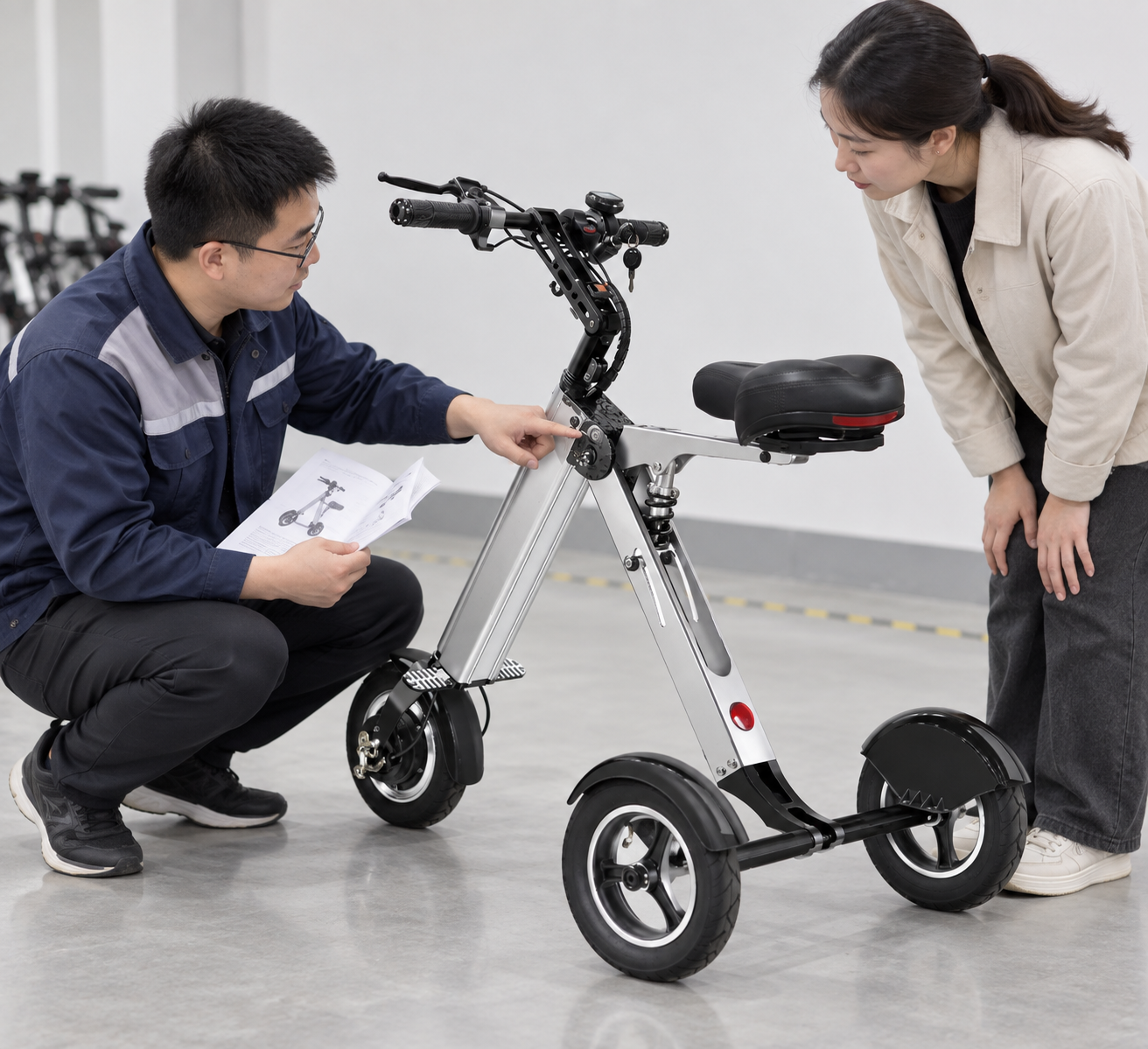
Wheel layout can affect mobility scooter turning radius, but the actual steering design and dimensions still need checking. Three wheels, four wheels and joystick-controlled chairs should not be judged from wheel count alone. Compare an electric wheelchair as a distinct control and seating layout.
Which product differences belong in the route brief?
Compare the device the rider will use. Record steering, seating, overall size and fitted accessories. A compact turn is not enough if the rider cannot use the controls or the seat does not meet the agreed needs.
- Identify the actual steering and control method.
- Record the complete supplied dimensions.
- Retain the rider's fit and support requirements.
| Product detail | Review purpose |
|---|---|
| Steering and dimensions | Explains how the device moves through the route |
| Rider fit | Checks whether that device is suitable to use |
Keep route fit and personal fit as two required parts of the decision. Key Takeaway: A turning advantage will not displace a seating or control need.
How do doorways affect a mobility scooter turning radius review?
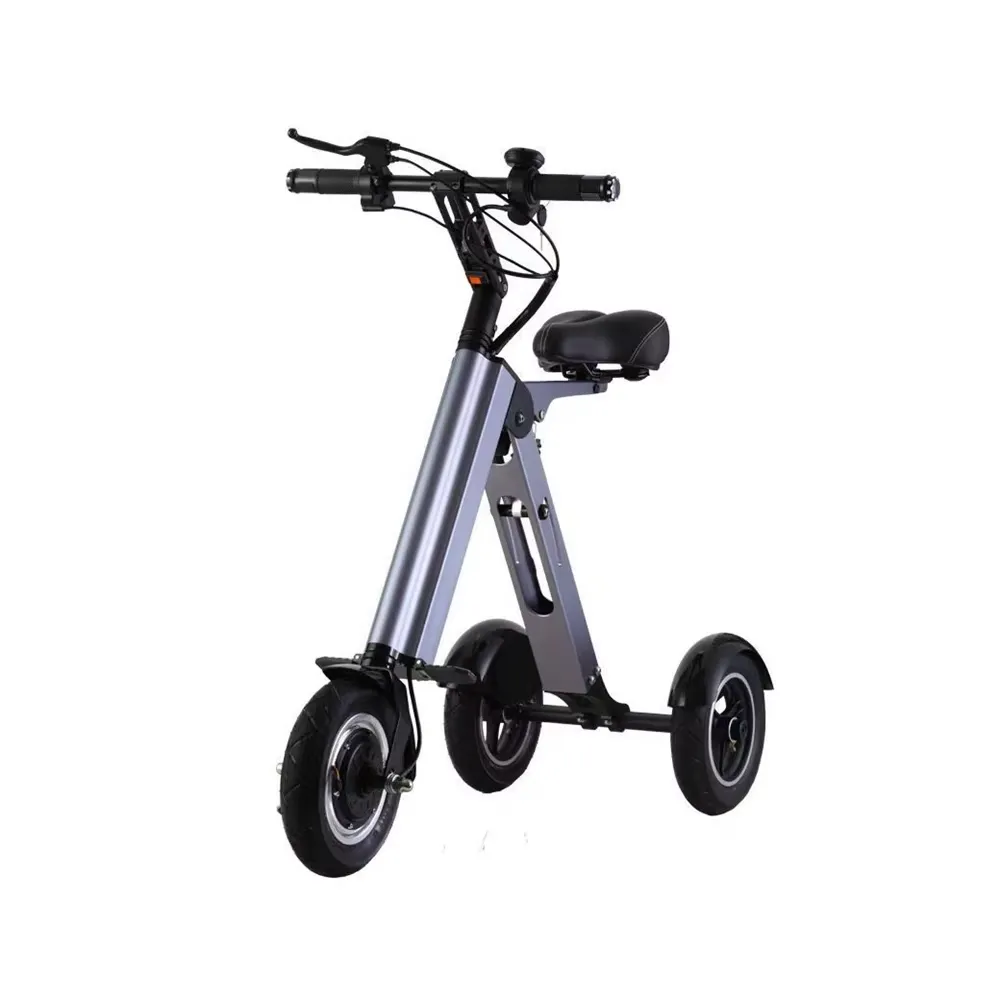
A doorway changes a mobility scooter turning radius review because the device must approach, pass through and clear the opening. Measuring the open gap alone leaves out the space on either side. Check the door swing and the path used to reach it.
Where does the approach begin?
Draw the approach and exit. Include walls, furniture and other fixed obstructions on a simple sketch. A useful trial follows the normal route instead of moving obstacles that will remain in the real setting.
- Measure the clear opening and door position.
- Record the angle of approach.
- Include the space needed after crossing the threshold.
| Route section | Measurement or observation |
|---|---|
| Approach | Available width, angle and obstructions |
| Exit | Space to clear the opening and continue |
Review the two sides of the doorway together. Key Takeaway: You can explain why a device that fits the gap may still struggle with the route.
What setup belongs in a mobility scooter turning radius test?
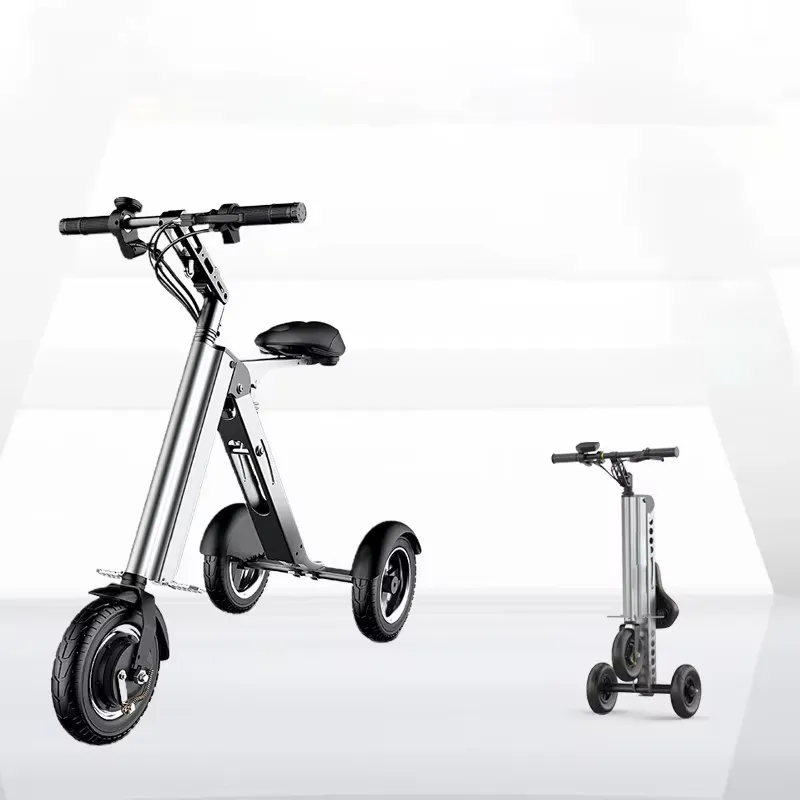
A mobility scooter turning radius test should record the exact model, fitted parts and conditions used. The setup should reflect the product being considered, within its stated limits. Request the current method and instructions from the supplier team.
What changes can invalidate a comparison?
Keep the setup visible. A different basket, seat setting or control position may change the clearance review. Record the configuration rather than assuming that every version sold under a product name is identical.
- Identify the model and relevant revision.
- List fitted accessories and settings.
- Record the surface and prescribed test conditions.
| Record | Reason |
|---|---|
| Model and fitted parts | Identifies what was actually reviewed |
| Settings and conditions | Helps another team repeat the check |
Revisit the affected checks if an approved configuration changes. Key Takeaway: The result stays attached to a specific product setup.
How can you trial a mobility scooter turning radius indoors?
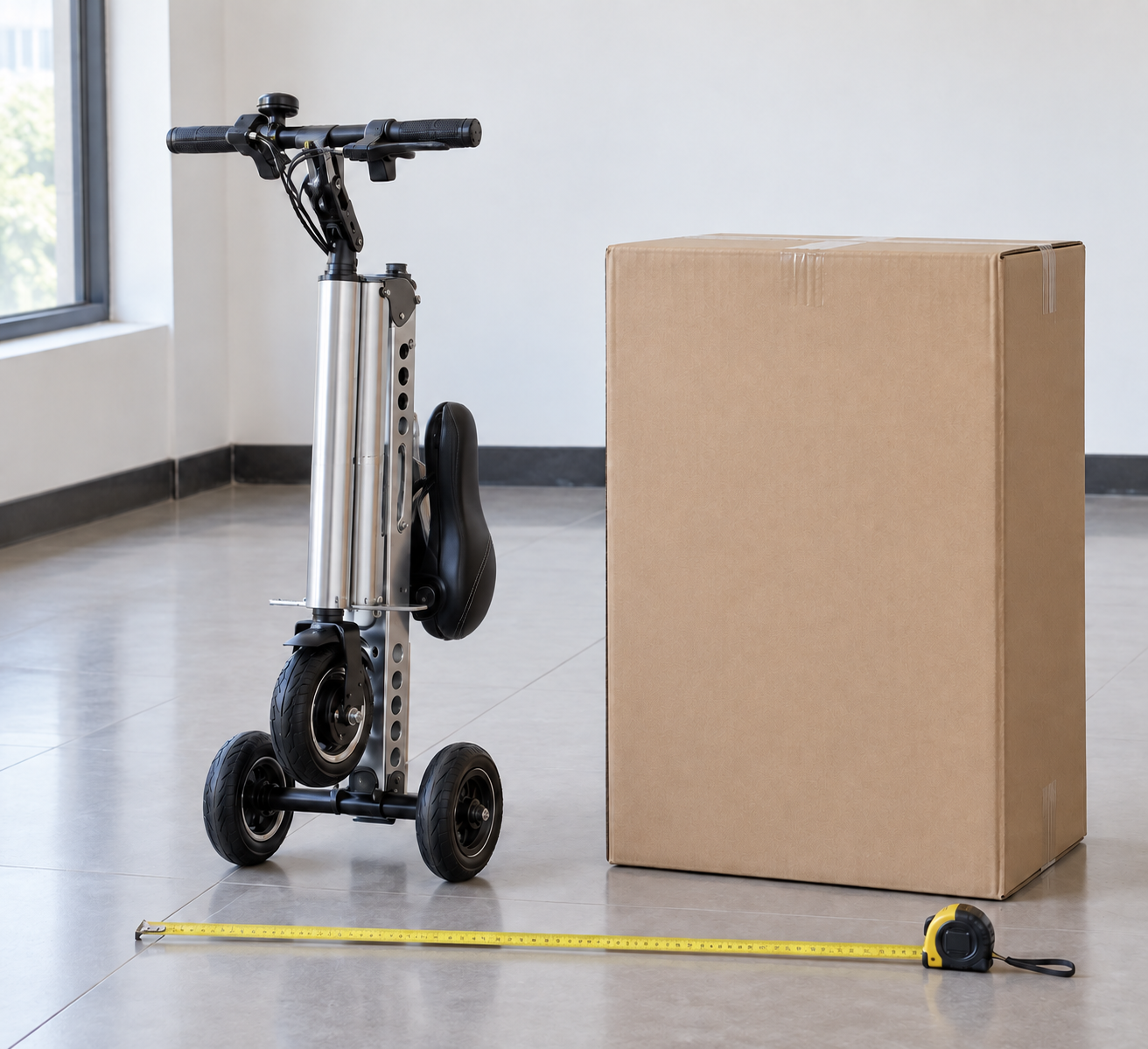
Trial a mobility scooter turning radius through a suitable controlled route review that follows the device instructions and the person's assessed needs. Start by checking the space and product setup. Do not use an unfamiliar device to discover its limits near obstacles.
What can be checked before a rider trial?
Start with the route sketch and empty device. Trained staff can review dimensions, obstructions and the permitted setup first. RiDC's mobility scooter checklist includes practical questions about where and how the device will be used.
- Review the route and relevant use limits.
- Arrange appropriate support for any rider trial.
- Record concerns instead of forcing a pass through a tight space.
| Trial stage | Purpose |
|---|---|
| Space and empty-device review | Find obvious route or setup problems |
| Appropriate rider trial | Assess use with the person's needs considered |
A stopped trial provides useful evidence when the reason is recorded. Key Takeaway: The review can identify a poor match without turning it into a risky demonstration.
Can mobility scooter turning radius predict outdoor suitability?
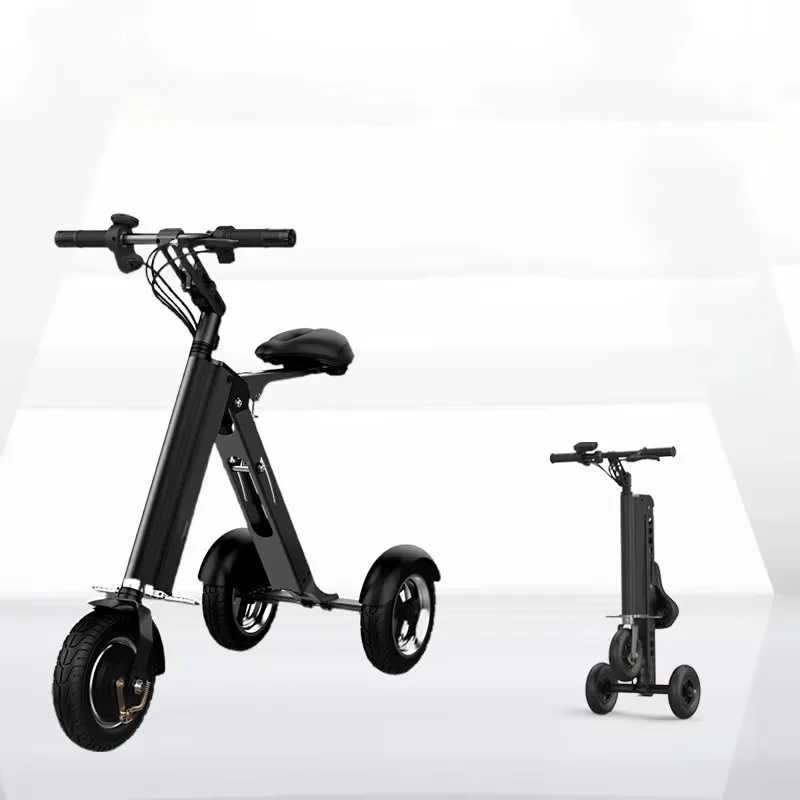
Mobility scooter turning radius does not establish outdoor stability, slope limits or the ability to cross obstacles. Those require their own model-specific information and use review. Keep a tight turning claim separate from advice about surfaces and gradients.
Which route questions need separate evidence?
Separate the turn from the terrain. List changes in level, slopes and surface conditions before selecting the product. Ask for the relevant limits and suitable advice rather than assuming that a compact turn makes every route manageable.
- Identify the planned surfaces and level changes.
- Check the device's stated operating limits.
- Resolve unsuitable parts of the route before use.
| Question | Evidence required |
|---|---|
| Can it turn here? | Defined turning data and route review |
| Can it use this surface? | Relevant model limits and appropriate assessment |
Do not let one favourable measurement answer a different safety question. Key Takeaway: The buyer receives a fuller explanation of route suitability.
How do you document a mobility scooter turning radius result?
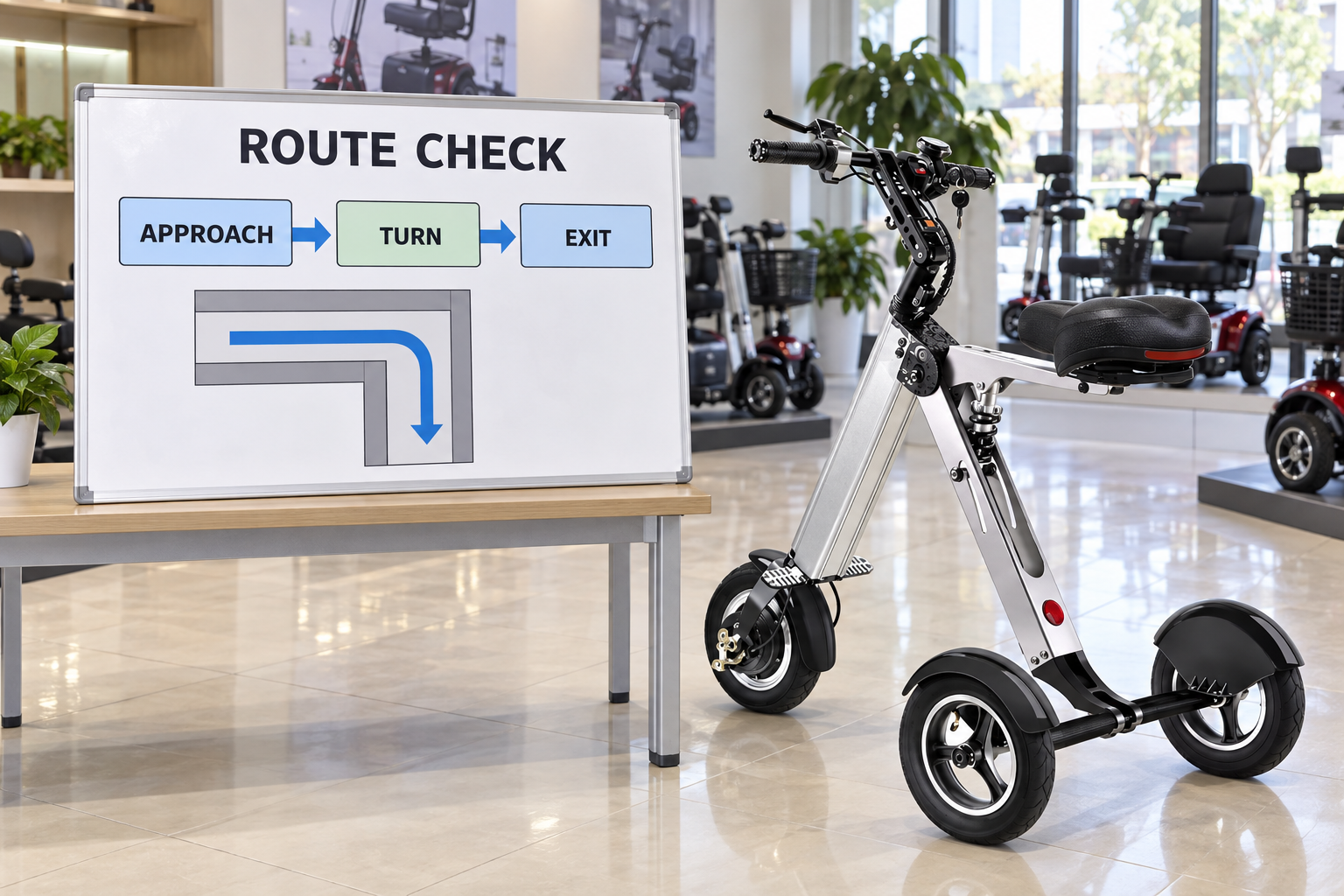
Document a mobility scooter turning radius result with its definition, setup and the route conditions reviewed. State what the evidence supports and which questions remain open. Avoid a single tick next to indoor use without the details behind it.
What should the route record contain?
Record approach, turn and exit separately. Use a sketch or photographs to show the critical points. Attach the relevant product information and note who carried out each part of the review.
- Retain the original measurement and method.
- Identify the tested product configuration.
- Record route limits and follow-up questions.
| Record element | Value to the next reviewer |
|---|---|
| Method and configuration | Explains the meaning of the result |
| Route and open points | Shows where the conclusion applies |
A clear boundary makes the result more useful to another dealer or facility. Key Takeaway: You can repeat the advice without extending it to an untested route.
How can you use mobility scooter turning radius in a buying decision?
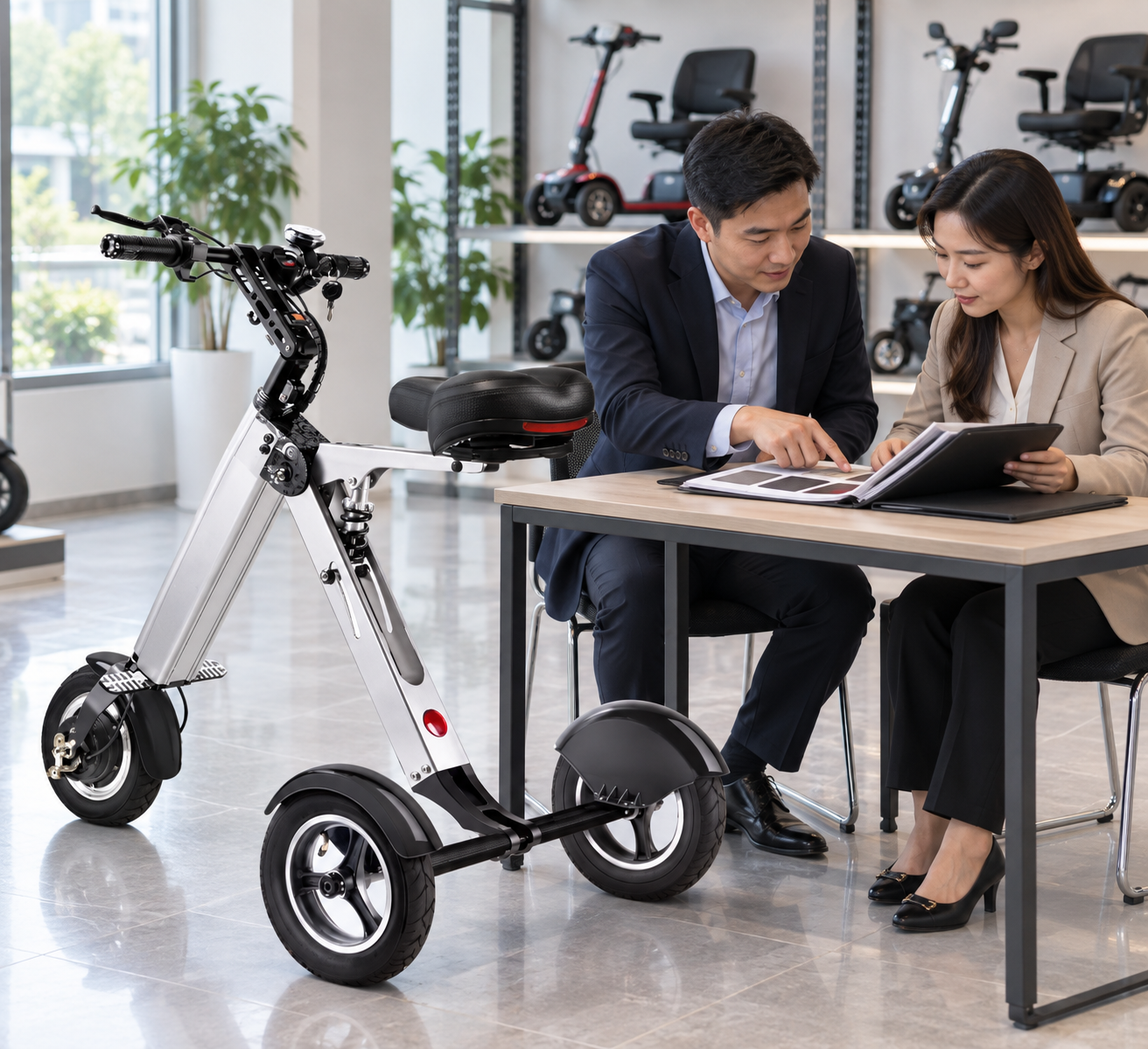
Use mobility scooter turning radius after the measurement is defined and the real route has been reviewed. Combine it with rider fit, overall dimensions and the device's stated limits. The best choice is the model that meets the whole brief under the agreed conditions.
Ready to request comparable turning information?
Send a route brief with the specification request. Ary Medical can review product information when you supply the key openings, corners and intended setup. Ask for defined turning data and answers to the route questions that remain.
- Include a simple approach-turn-exit sketch.
- State the required seat and control layout.
- Request the measurement definition and test configuration.
| Your information | Supplier response to request |
|---|---|
| Route and rider brief | Relevant layouts and dimensions |
| Turning question | Defined figure, method and configuration |
Use the reply to decide which models deserve an appropriate route trial. Key Takeaway: For a model comparison based on your route, contact us. Ary Medical supports product claims that buyers can trace to a stated method.
Frequently asked questions
Q1: Can I treat turning radius and turning diameter as the same number?
No. Ask which measurement the supplier reports and keep its definition and units with the result.
Q2: What's the best turning radius for my hallway?
There is no single number that proves a fit. Review the full device, approach angle, openings and space to exit the turn.
Q3: Can I assume a three-wheel model always turns in less space?
No. Compare the actual steering design, dimensions and defined measurements for the models under review.
Q4: How do I know if accessories change the route fit?
Review the supplied configuration with those accessories fitted. Projecting parts can change the clearance needed through a turn.
Q5: Can a small turning radius prove a scooter is safe outdoors?
No. Surface, slope and obstacle suitability require separate model information and an appropriate route review.