
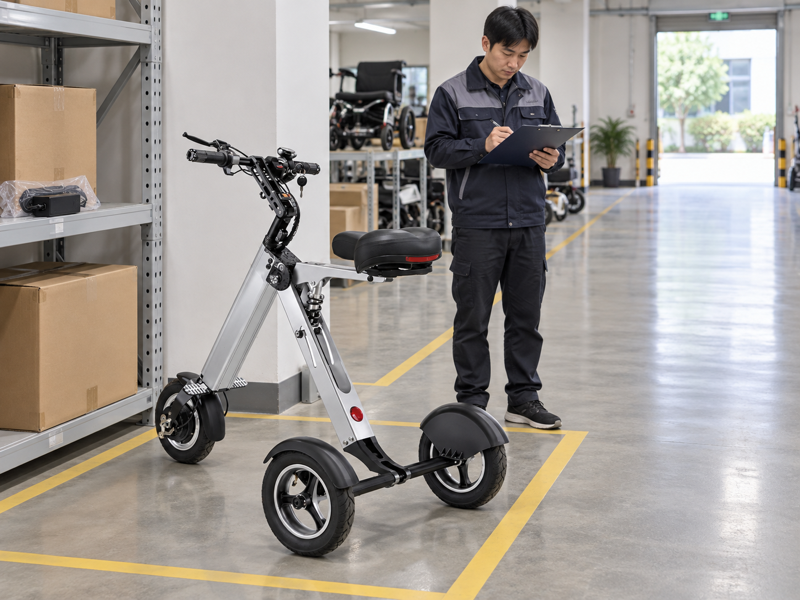
Choose a storage plan by measuring the scooter's permitted parked shape, the route into the space and the room needed to retrieve it. A unit may fit beside a cupboard yet block the door when someone needs to leave. For a Singapore dealer reviewing a customer's flat or a shared facility, the actual layout is more useful than a promise that the scooter is compact. Plan mobility scooter storage as a daily task, including accessories, battery care and a clear exit route.
What should mobility scooter storage allow you to do?
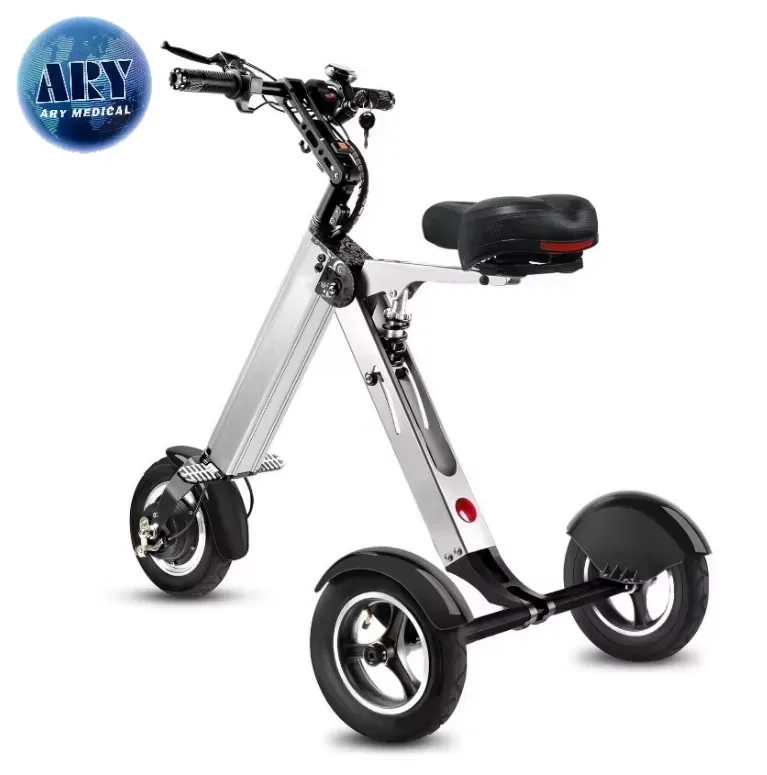
Mobility scooter storage should let you park, secure and retrieve the unit in a permitted position without blocking normal access. Identify who will handle the scooter and how often it will be moved. A rarely used spare and a daily-use device need different routines.
Will the scooter be used again in an hour or a month?
Name the storage pattern first. Record the normal time between uses and any long periods away. Then ask for the model's care requirements during those periods instead of treating every parked unit the same way.
- Separate daily parking from longer storage.
- Name the person responsible for checks.
- Record when the unit must be ready for use.
| Pattern | Planning task |
|---|---|
| Daily use | Keep retrieval and handover practical |
| Longer storage | Follow the prescribed care and restart routine |
The planned interval tells you which checks need an owner. Key Takeaway: Your storage brief will describe an operating routine as well as a location.
Which dimensions matter for mobility scooter storage?
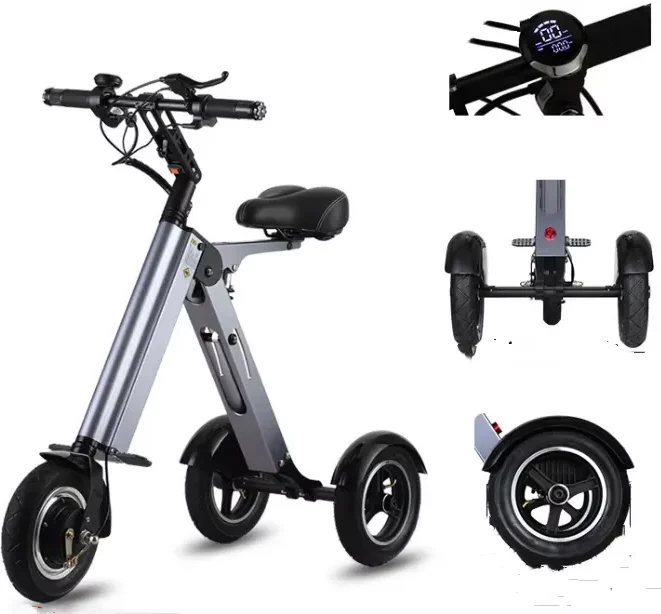
Mobility scooter storage measurements should include the parked footprint, height and space needed for handling. Check the actual configuration with its seat and accessories. Compare these figures with the supplied product details before choosing a storage position.
Does the quoted footprint include every projecting part?
Measure the widest points. Handles, baskets, wheels and folded parts may define the space needed. Ask the supplier to show the measurement points and the permitted storage orientation.
- Record full width, depth and height.
- Include fitted accessories and projecting controls.
- Allow room for the person who retrieves the device.
| Space | Check |
|---|---|
| Product envelope | All parts in the permitted parked position |
| Handling space | Room to access and move the unit |
Use the complete configuration in the layout sketch. Key Takeaway: You avoid reserving a space that fits the frame but not the finished scooter.
How do you check the route into mobility scooter storage?
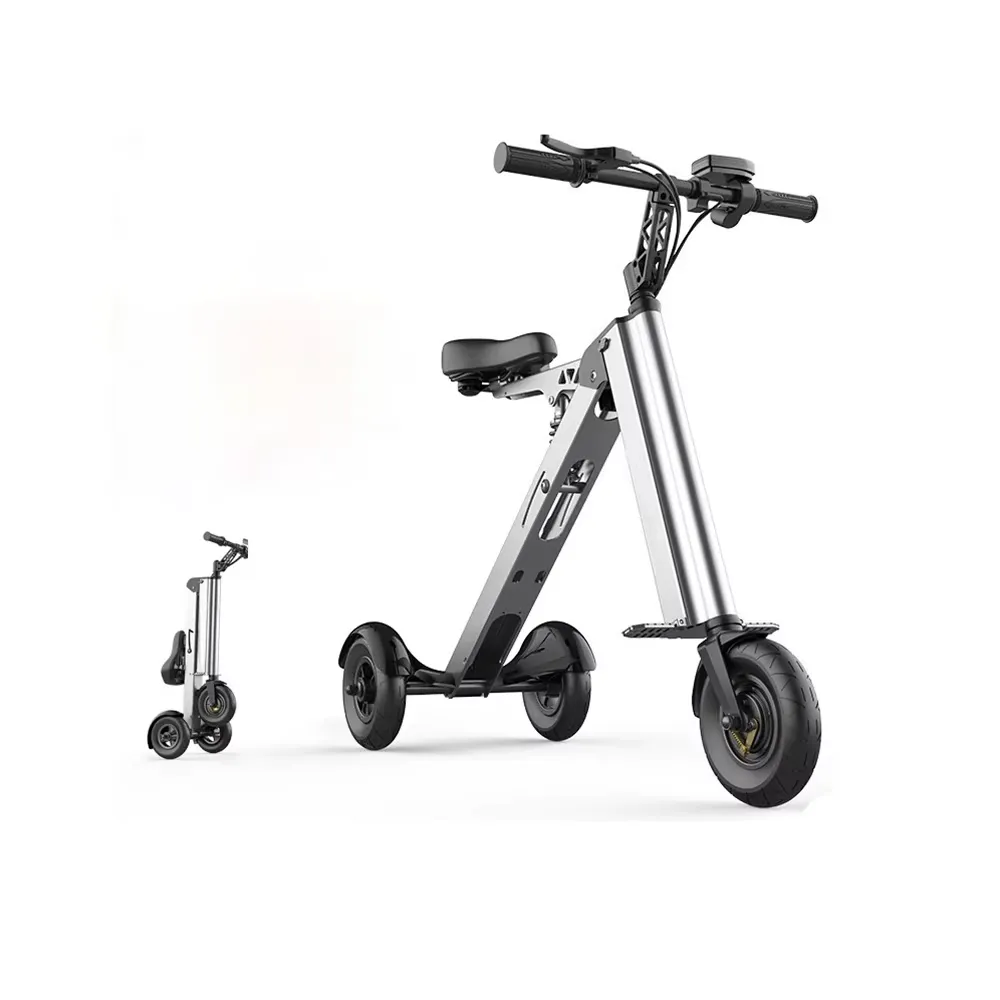
Check the route into mobility scooter storage through every opening and turn, not just at the final parking spot. A narrow approach can make a roomy storage area unusable. Use a controlled trial of the empty device where appropriate.
Where does the route change direction or level?
Walk the route before moving the scooter. Mark door swings, thresholds, furniture and other fixed obstructions. Keep the planned movement within the device's instructions and obtain suitable advice if handling is uncertain.
- Measure the narrowest clear opening.
- Record turns and changes in level.
- Check the retrieval route as well as entry.
| Route feature | Review question |
|---|---|
| Opening or turn | Can the whole unit pass through as intended? |
| Change in level | Is the handling method permitted and suitable? |
A plan that only works on the way in is incomplete. Key Takeaway: The user can retrieve the scooter without discovering a second, harder task.
Does folding improve mobility scooter storage?
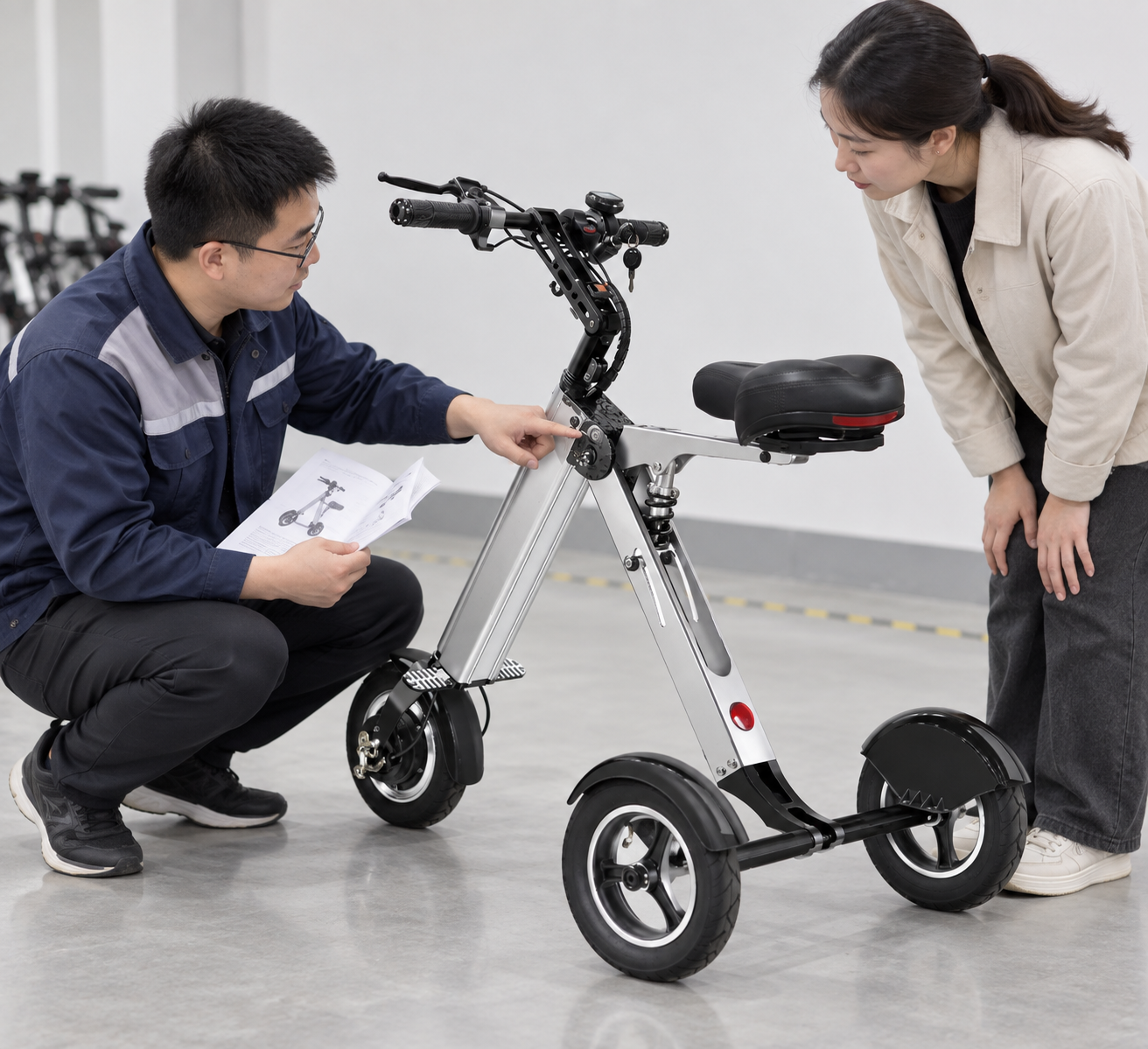
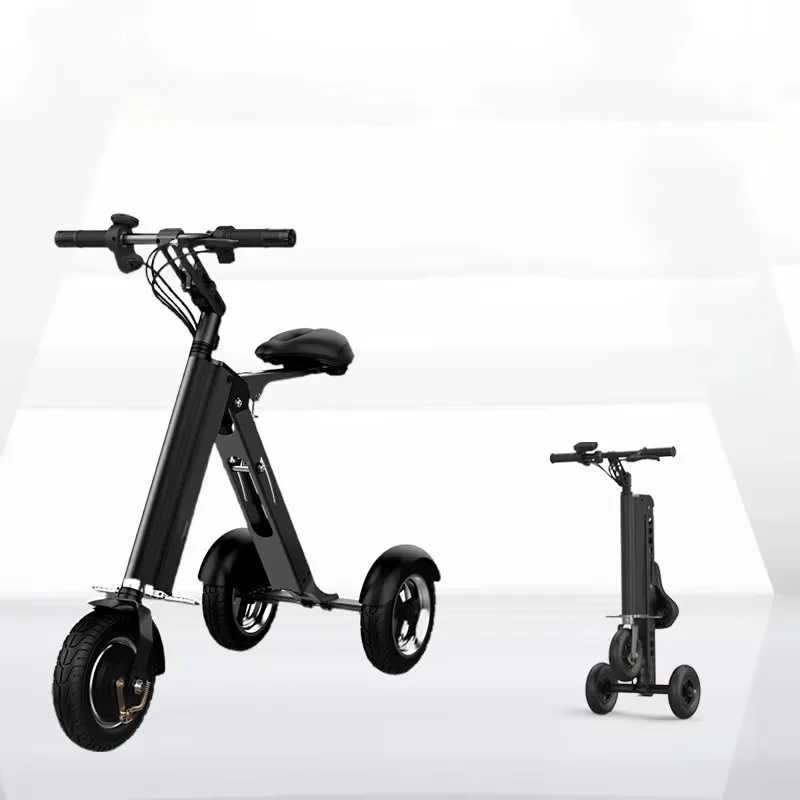
Folding improves mobility scooter storage only when the model permits it and the handler can manage the required sequence. Record the folded shape and the checks needed before reuse. Compare a folding scooter with an electric wheelchair layout as distinct products, each with its own method.
What must be restored after the scooter is unfolded?
Include the return to use. List the approved seat, control and frame positions that must be restored. Ask the supplier to demonstrate the required lock checks on the empty device.
- Use the exact folding instructions.
- Identify where removable parts will be kept.
- Record the reopening and pre-use checks.
| Stage | Required record |
|---|---|
| Before storage | Permitted folding and part-removal sequence |
| Before use | Positions and checks to restore |
Count the daily handling work as part of the storage choice. Key Takeaway: A smaller parked shape will not hide an impractical setup routine.
Can mobility scooter storage use a shared corridor?
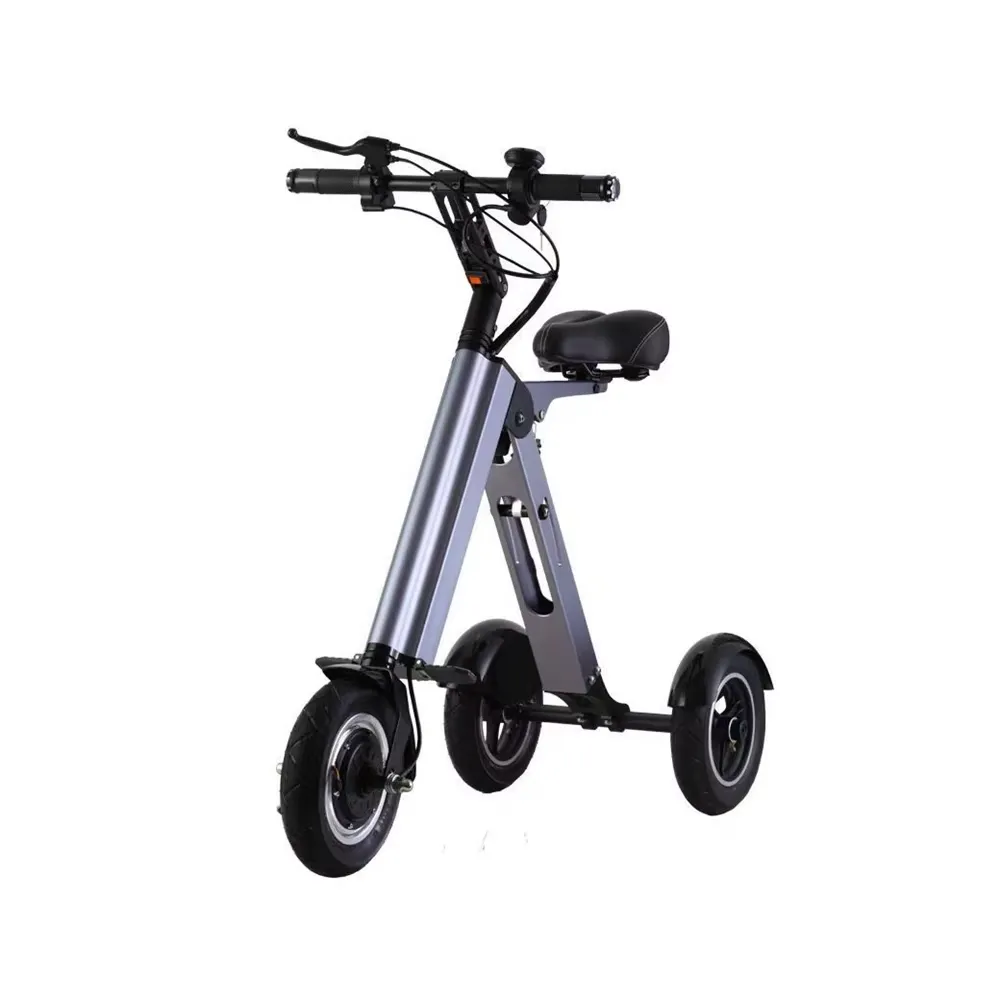
Do not choose shared corridors for mobility scooter storage without checking the building rules and keeping access and escape routes clear. A space outside a door is not automatically available for personal equipment. Ask the responsible building manager to review the proposed arrangement.
Who should approve a shared-space layout?
Bring the layout to the responsible manager. Show the device footprint, door swing and route people must use. Get the relevant site-specific answer before telling a buyer that a common area solves the storage problem.
- Identify who manages the shared space.
- Show the complete parked device on the layout.
- Keep required access and escape routes clear.
| Question | Source of the answer |
|---|---|
| May the space be used? | Building management and applicable site rules |
| Does the layout preserve access? | Review of the actual space and required routes |
Retain the agreed arrangement with the handover information. Key Takeaway: The proposed storage spot will not depend on an assumption about shared property.
What environment is suitable for mobility scooter storage?
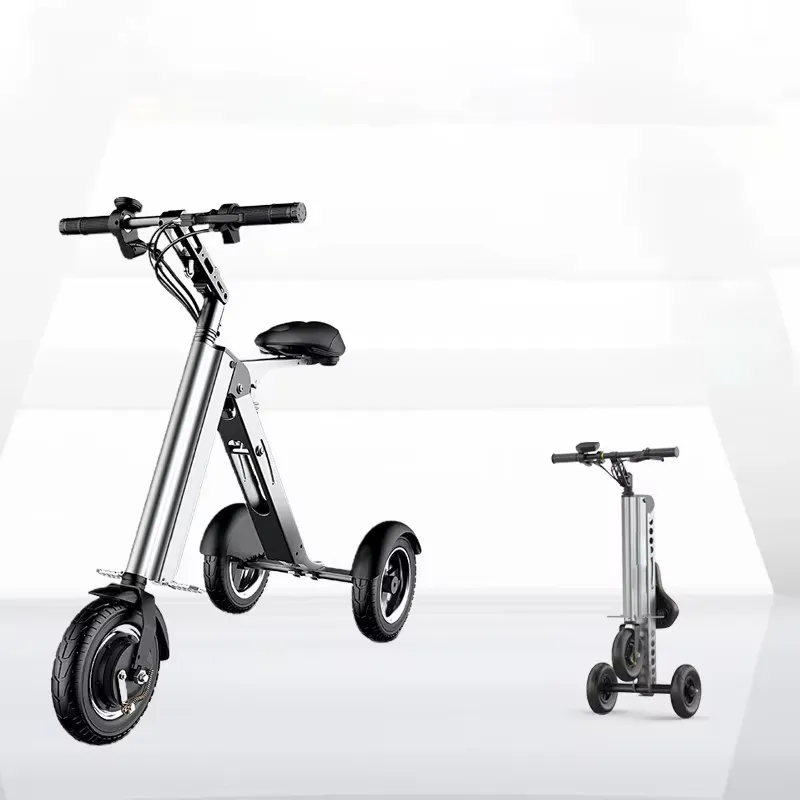
The environment for mobility scooter storage must meet the model's stated limits for the device, battery and charger. Do not assume a cover makes an exposed location suitable. Request the current care guide from the supplier team before approving a storage area.
What conditions should the buyer describe?
Describe the location through the day. Note exposure to rain, direct heat, damp conditions and other relevant features. Give the supplier those details and ask which stated limits apply to the proposed setup.
- Check the permitted storage conditions.
- Keep the battery and charger requirements in view.
- Use only covers or accessories suitable for the model.
| Location detail | Review task |
|---|---|
| Exposure and environment | Compare with product storage limits |
| Cover or accessory | Confirm suitability and permitted use |
Treat an unclear limit as a question to resolve before use. Key Takeaway: The storage choice will be based on the actual location and model guide.
How does charging affect mobility scooter storage?
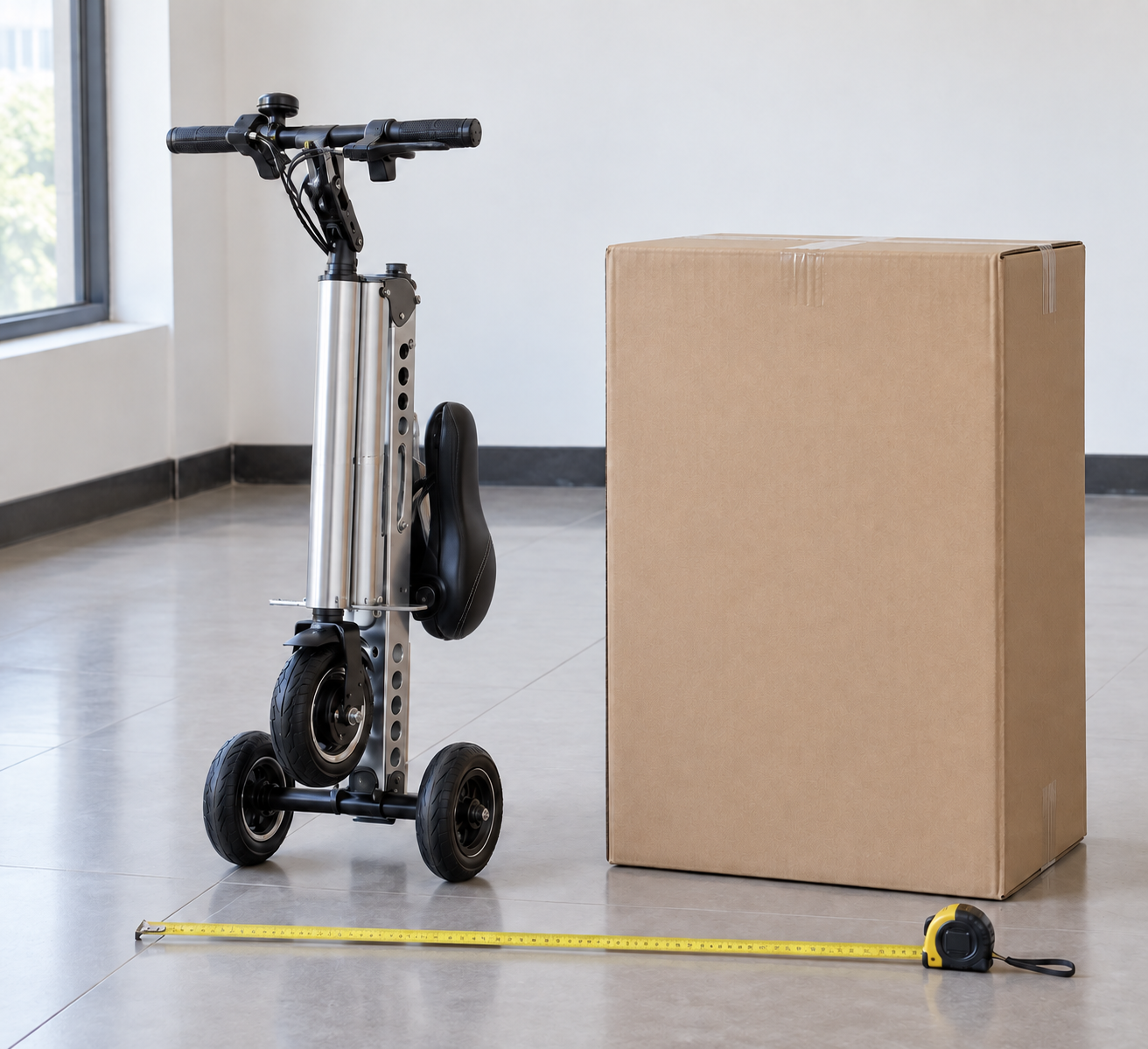
Charging adds separate requirements to mobility scooter storage, so a place that fits the parked device is not automatically a suitable charging area. Check the approved charger, placement and supervision guidance. In Singapore, consult the current LTA material for personal mobility aids.
What does the local safety guidance say to check?
Plan charging as its own task. LTA's PMA information leaflet calls for the original adaptor with the relevant Safety Mark and warns against prolonged unattended charging. Confirm the exact product instructions as well.
- Identify the original approved charger and required records.
- Choose the charging setup using the applicable instructions.
- Keep leads clear of routes, wheels and moving parts.
| Parking plan | Additional charging review |
|---|---|
| Space for the device | Suitable placement and cable route |
| Access to a socket | Approved charger and required charging routine |
Do not replace a charging review with a check that a socket is nearby. Key Takeaway: The buyer receives a defined routine for both parking and charging.
Where should accessories go in mobility scooter storage?
Keep accessories in mobility scooter storage where they stay identifiable, protected and easy to retrieve. A loose charger or removed seat part can be damaged or lost even when the scooter itself is well parked. Give each item a defined place.
What should be stored with the model record?
Account for every removed item. List the parts that the approved storage method requires you to remove. Keep identification labels and the relevant guide available so another family member or staff member can restore the setup.
- List removable parts and accessories.
- Protect leads and connectors as instructed.
- Keep model-specific items from being mixed with other devices.
| Item | Storage detail |
|---|---|
| Charger and leads | Identified location and protection from damage |
| Removed components | Part reference and correct refitting guide |
Check the list during the first retrieval trial. Key Takeaway: The device can return to use with all of its required parts present.
What records make mobility scooter storage easier to manage?
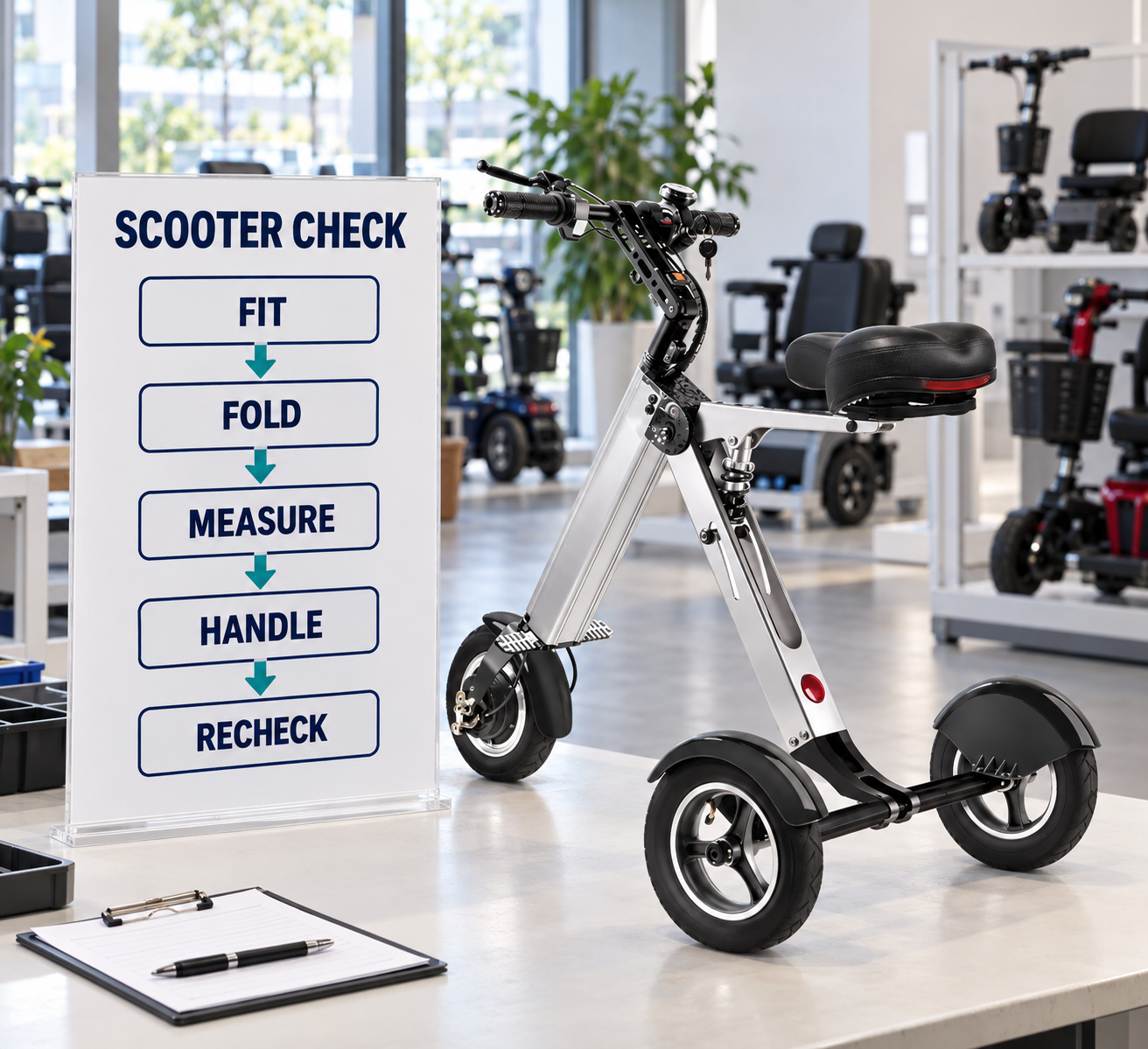
Mobility scooter storage records should identify the device, permitted position, care tasks and responsible person. Keep local device-rule checks separate from the storage measurements. A scooter fitting a flat does not establish that it meets every requirement for use on public paths.
Could another person follow the storage routine?
Write a short handover record. Include the location, required checks and where the current instructions are kept. Singapore buyers should also verify current PMA requirements with LTA when choosing the device for its intended use.
- Record the model and agreed storage location.
- Name the owner of scheduled care tasks.
- Note the instructions and local checks relevant to the intended use.
| Record | Practical purpose |
|---|---|
| Location and setup | Makes daily parking repeatable |
| Care owner and instructions | Makes required checks traceable |
Update the record if the model, battery or location changes. Key Takeaway: A storage plan will remain usable after the original salesperson leaves the handover.
How can you plan mobility scooter storage with confidence?
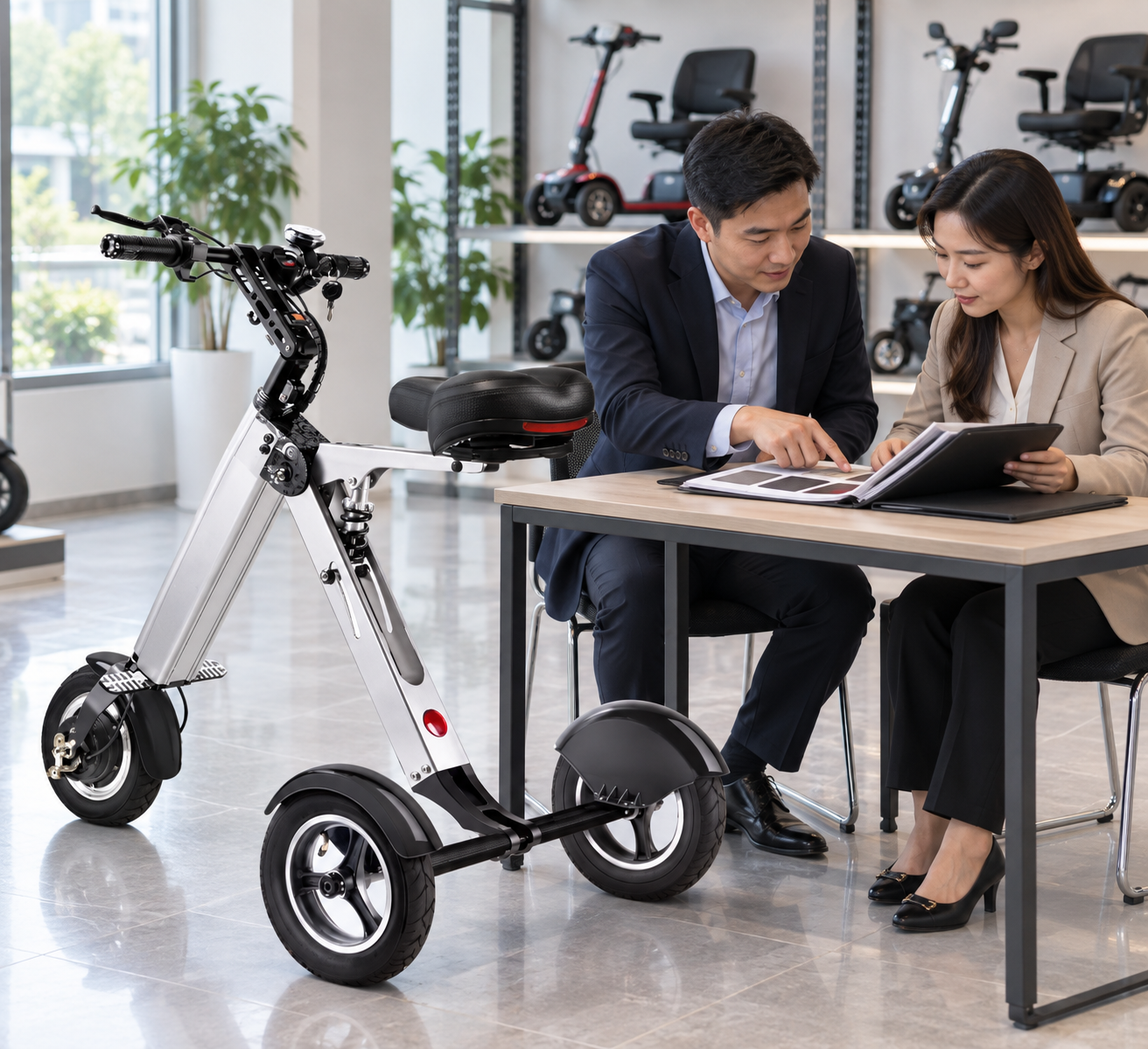
Plan mobility scooter storage once the space, access route, handling routine and care instructions agree. Resolve shared-area or charging questions with the responsible people before delivery. Then trial the arrangement with the actual supplied setup.
Ready to send a practical storage brief?
Send the layout and the daily routine. Ary Medical can review product options when you provide measured space, route constraints and the intended storage method. Include the destination market and any site-specific questions that remain open.
- Provide clear dimensions and a simple route sketch.
- State who will fold, move and check the device.
- Request current storage, charging and handling information.
| Your brief | Supplier information to request |
|---|---|
| Space and handling needs | Relevant model dimensions and permitted methods |
| Care and charging plan | Current instructions for the quoted setup |
Use the answers to close the remaining space and routine questions. Key Takeaway: To compare products against your storage brief, contact us. Ary Medical supports mobility choices that work through the full daily routine.
Frequently asked questions
Q1: Can I store my scooter in a common corridor?
Check with the responsible building manager first. Keep required access and escape routes clear and follow the rules for the actual site.
Q2: What's the best way to measure a storage space?
Measure both the parked device and the route into the space. Include projecting parts, door swings and room for the handler.
Q3: Can I charge it wherever it fits?
No. Charging needs its own review of the approved charger, environment, cable route and required routine.
Q4: How do I know if a cover makes outdoor storage suitable?
A cover alone does not establish suitability. Follow the device, battery and charger storage limits for the actual location.
Q5: Can a small scooter be assumed to meet Singapore's device rules?
No. Verify current LTA requirements for the intended use separately from your home-storage measurements.