
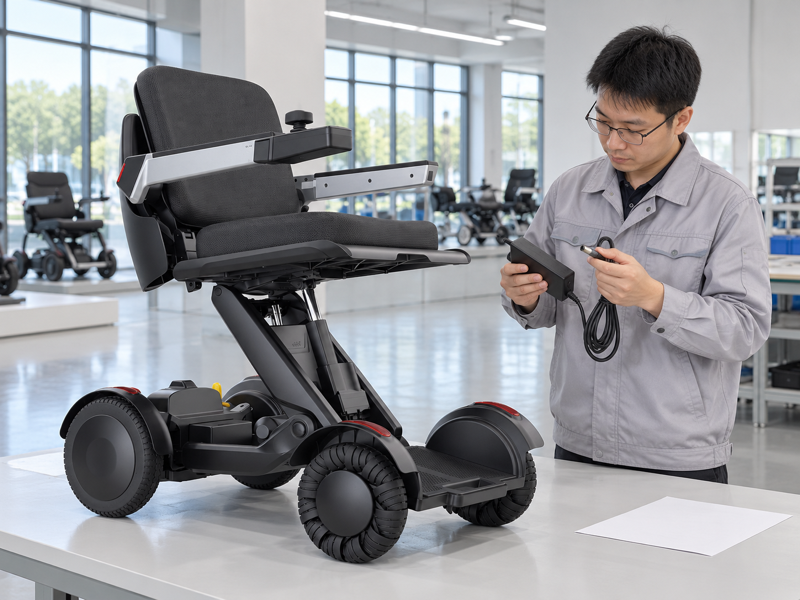
Find the best electric wheelchair charger match by checking the exact chair, battery, approved charger and current guide together. A France dealer may receive a replacement with the same-looking plug but an untested electrical match. That shortcut can leave a customer with a charger they cannot use safely. Use a model record and have the supplier confirm each part before dispatch.
What makes an electric wheelchair charger a verified match?
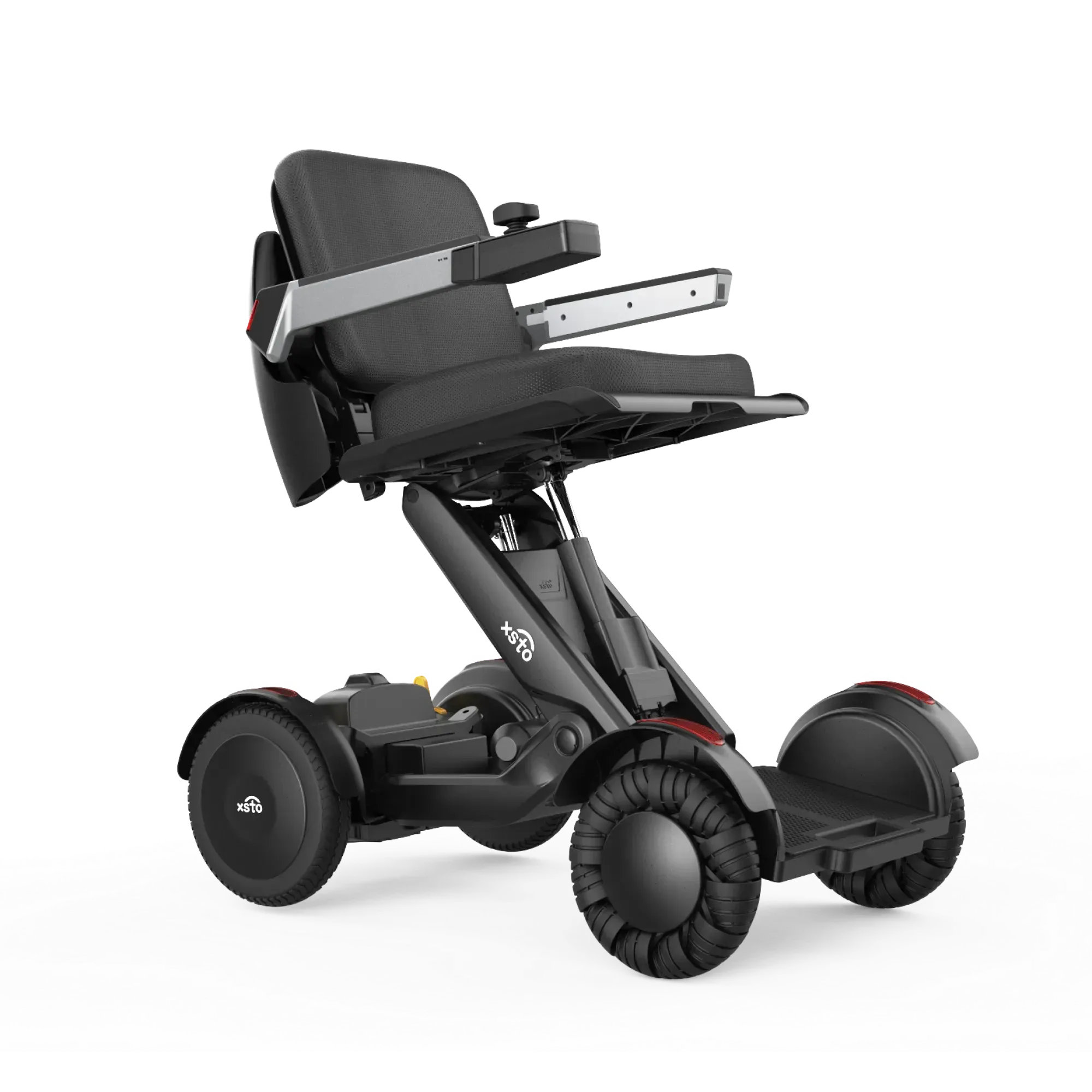
An electric wheelchair charger is a verified match only when the exact chair and battery records list it as approved. A plug that fits cannot prove an electrical match. Start with the product label, battery details and current charging guide rather than an online photo.
Which identifiers should you collect?
Start with the chair in front of you. Record its full model and relevant revision, then ask for the approved charger reference and included cable. The product catalogue helps identify a family, but a family name alone cannot settle accessory selection.
- Photograph the chair and battery identification labels without exposing personal data.
- Confirm the charger part reference and every supplied lead.
- Keep the written match with the sales or service record.
| Match evidence | What it resolves |
|---|---|
| Chair and battery references | Which assembly needs power |
| Approved accessory list | Which charger and cable belong with it |
Ask for a written match when any identifier differs. Key Takeaway: Your replacement order follows a documented product combination rather than plug shape.
How does the electric wheelchair charger relate to the battery?
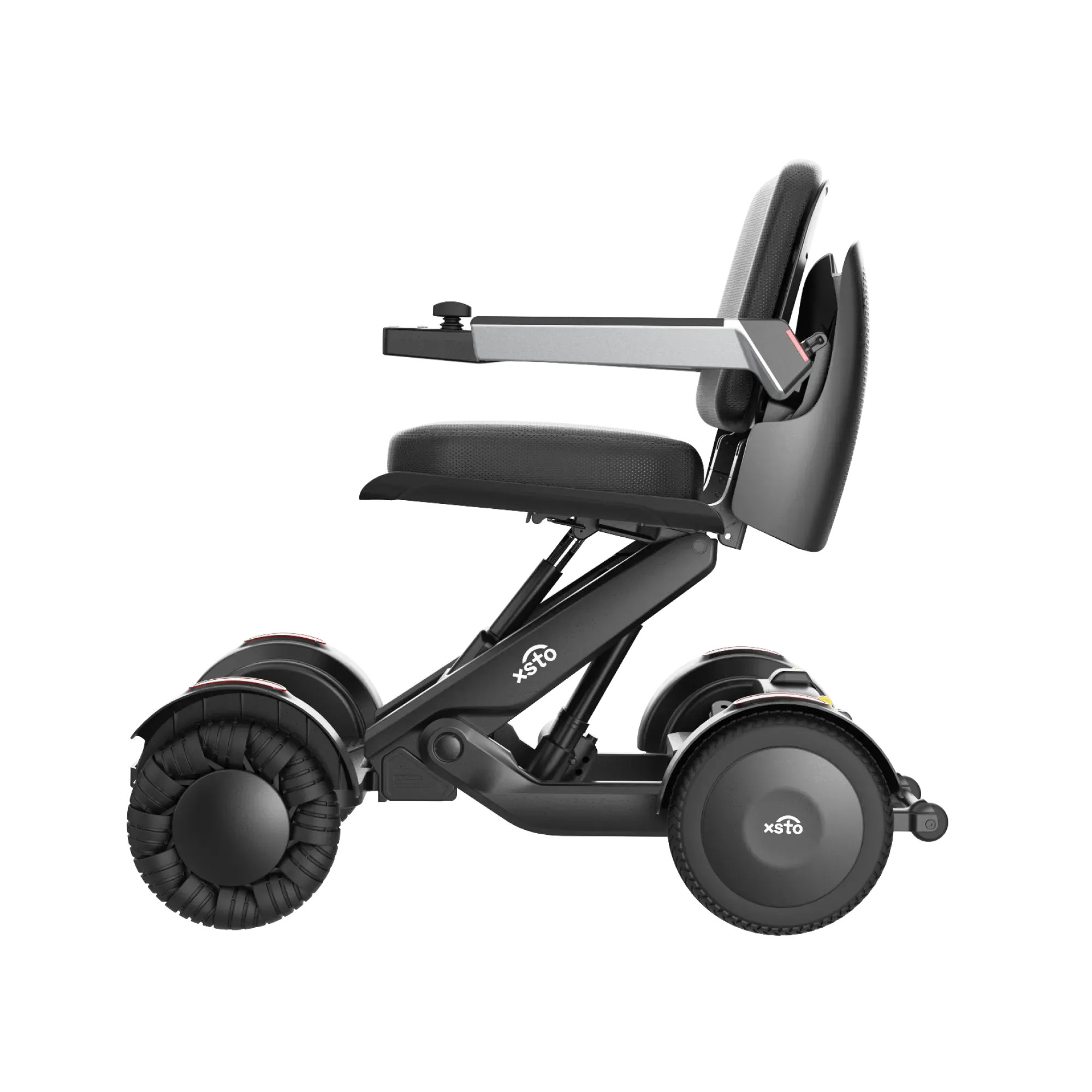
The electric wheelchair charger must suit the battery and charging system named for the exact chair. Packs and charging controls vary across products. Do not borrow charging advice from another chair because its pack looks similar.
What belongs on the battery request?
Keep the pack and charger together on paper. A supplier needs the battery reference, chair revision and approved accessory information. Ask for clarification if a replacement battery changes the charging setup; a general product description cannot replace its model guide.
- Identify the fitted or proposed battery assembly.
- Check whether its approved charger differs by revision.
- Request the current instructions for that combination.
| Record | Decision |
|---|---|
| Battery identity | Which pack is installed? |
| Charging approval | Which accessory is permitted? |
A clean battery record can prevent a plausible-looking but wrong substitution. Key Takeaway: You can ask the supplier one precise compatibility question.
Which electric wheelchair charger label details matter?

An electric wheelchair charger label matters when it confirms the approved unit, input needs and supplied leads. Ratings alone do not prove a safe match to a wheelchair battery. Keep the written approval and current manual beside the label details.
What should a receiving inspector compare?
Read both sides of the paperwork. Compare the delivered model, connector and lead references with the approved order. The FDA's charging guidance advises use of manufacturer-provided charging accessories and inspection for damage.
- Compare delivered accessory references with the approved list.
- Inspect housing, leads and connector without opening the charger.
- Separate a mismatched or damaged unit for supplier review.
| Item | Receiving check |
|---|---|
| Reference and lead | Matches the approved order |
| Visible condition | No damage requiring stop-use review |
Do not clear stock solely because the connector mates with a socket. Key Takeaway: Receiving staff have a repeatable way to catch a wrong accessory before handover.
What must France buyers ask about an electric wheelchair charger?
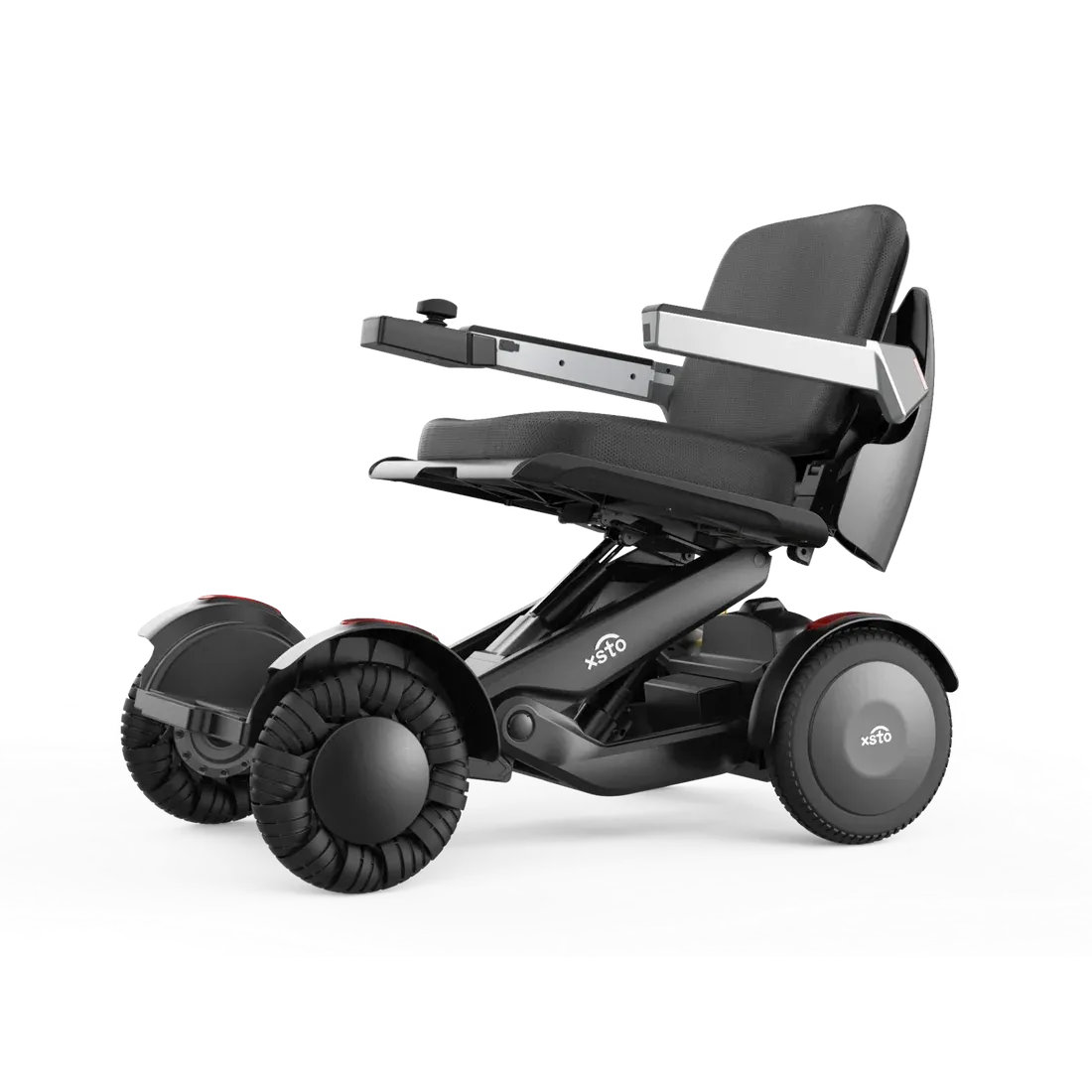
France buyers should ask which product rules apply to the exact electric wheelchair charger and which records support sale in that market. EU compliance duties depend on the product and relevant law. A mark or sales claim does not prove chair-battery fit.
Which compliance question is worth sending?
Make the request product-specific. The European Commission's manufacturer guidance places assessment and documentation duties on the manufacturer where CE legislation applies. Ask the supplier for the exact charger scope, responsible documentation and approved product pairing, alongside the wheelchair range details.
- Name the specific chair, battery and charger references.
- Ask which market rules apply and who holds the relevant documents.
- Check the supplied instructions and label version for the destination.
| Buyer question | Evidence to request |
|---|---|
| Which rules apply? | Model-specific regulatory explanation |
| Which pair is approved? | Current battery and charger record |
Keep regulatory scope separate from electrical matching. Key Takeaway: Your France file can show what was checked without assuming every charger carries the same approval.
Where should an electric wheelchair charger be used?
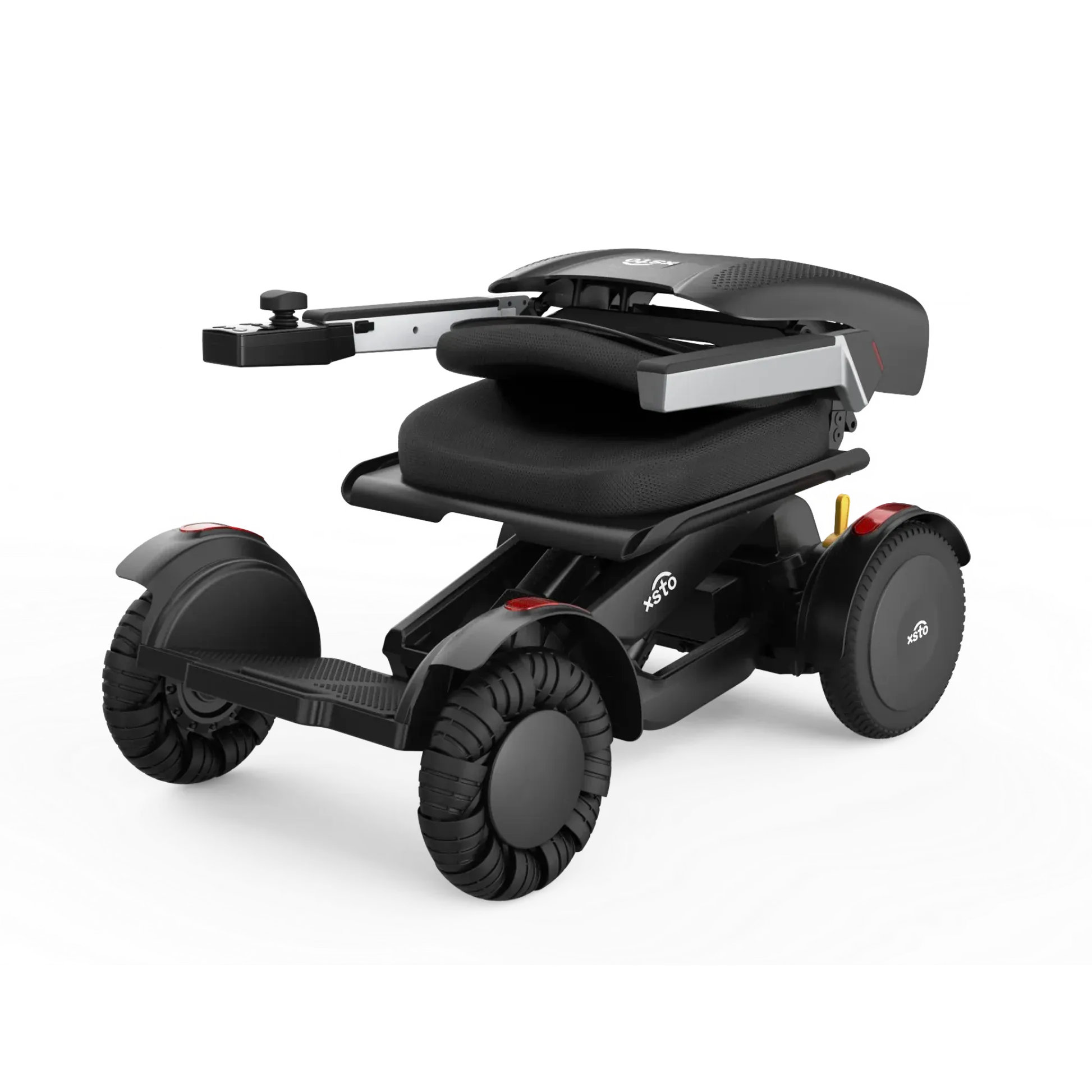
An electric wheelchair charger should be used in a dry, visible place that follows the maker's current guide. Avoid covering it or setting it against soft furnishings that can catch fire. Give staff a place they can show during handover.
What does a sensible charging bay include?
Look beyond the wall outlet. Check that the lead can reach without being crushed or pulled across a walking route. Use the exact product guide for connection order, supervision and full-charge steps; do not assume one routine suits every pack.
- Choose a dry, clear place away from soft furnishings.
- Position the lead where it will not be trapped or strained.
- Keep the maker's charging and disconnection steps nearby.
| Bay feature | Why it matters |
|---|---|
| Clear, dry surface | Reduces exposure to moisture and coverings |
| Protected lead route | Reduces contact and strain during charging |
Review the actual home or dealer environment before promising a neat setup. Key Takeaway: The charging plan includes a usable place as well as a compatible accessory.
When should an electric wheelchair charger leave service?
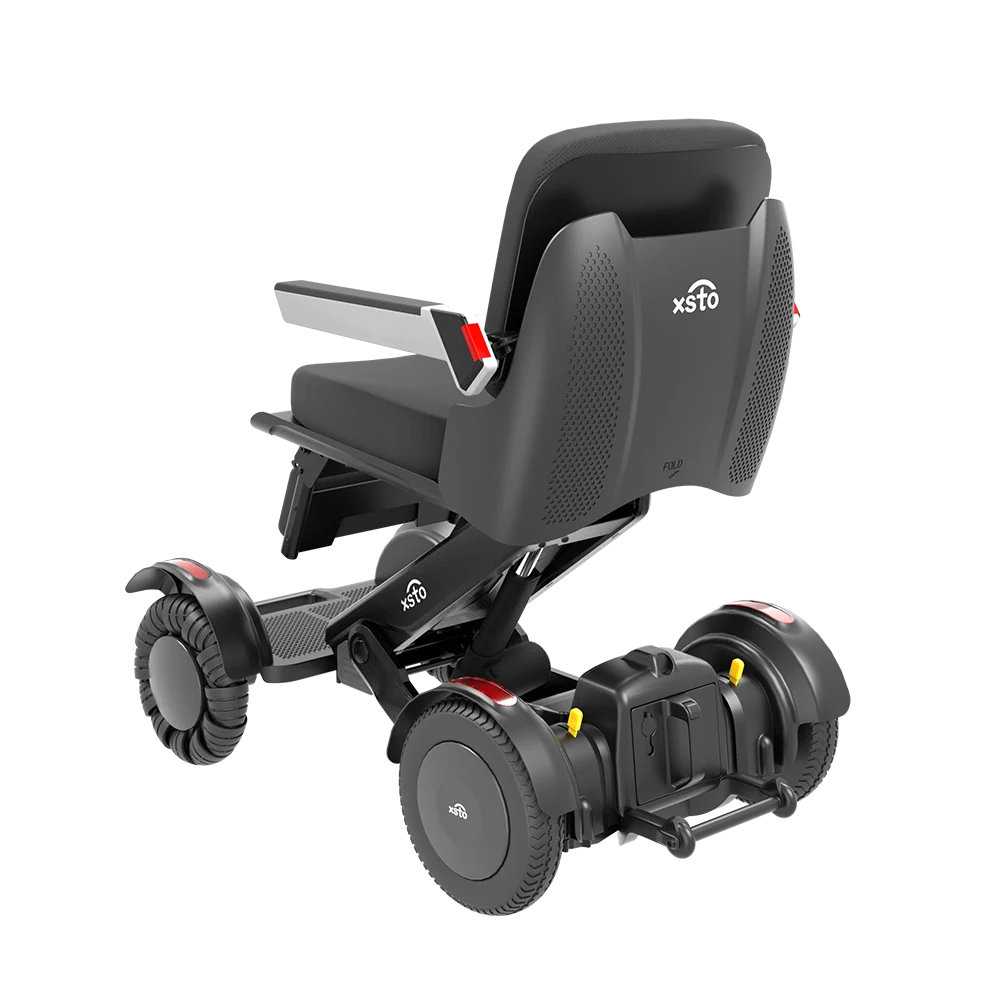
An electric wheelchair charger should leave service when its housing, lead or plug shows damage or unusual heat. Stop charging and seek the maker's service advice. Do not open the unit or patch a cable at the counter.
What should the dealer record before escalation?
Capture the symptom without recreating it. Record the exact chair and accessory references plus photographs of visible damage when safe. The supplier team can then identify the relevant replacement or authorised inspection path.
- Stop using damaged charging accessories.
- Note where heat, warping or cable damage appeared.
- Keep the unit isolated for the required service process.
| Observation | Next step |
|---|---|
| Damaged connector | Stop charging and request review |
| Unclear symptom | Document it without repeated testing |
A clear report helps technicians separate an accessory issue from a chair issue. Key Takeaway: Your team can escalate a concern without guessing at an electrical repair.
Can one electric wheelchair charger serve different chair revisions?
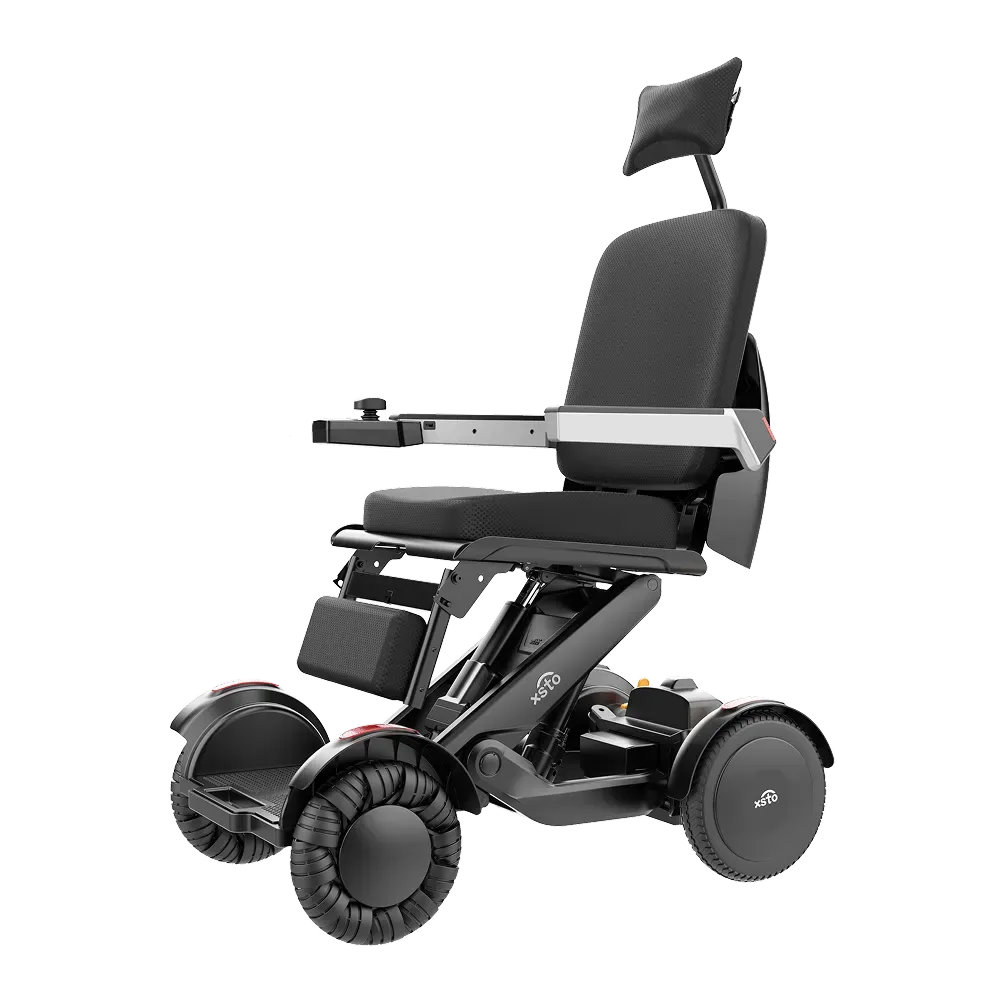
One electric wheelchair charger can serve different chair versions only if the maker's current list approves each match. A shared plug and similar output marks are not enough. Check each version before promising shared stock.
What belongs in a cross-model list?
Give each approved pairing its own row. Include exact chair and battery references, charger part number and the document revision used for approval. Ask the supplier to resolve gaps before consolidating inventory.
- List every chair revision included in a sales batch.
- Record each approved battery-charger pairing.
- Mark unverified pairings as unavailable for substitution.
| Pairing status | Dealer action |
|---|---|
| Documented approval | Stock against the named models |
| No matching record | Request confirmation before use |
A shared stock code should represent proven coverage, not visual similarity. Key Takeaway: Your spare stock can support several models only where the record permits it.
How should an electric wheelchair charger be stored and labeled?
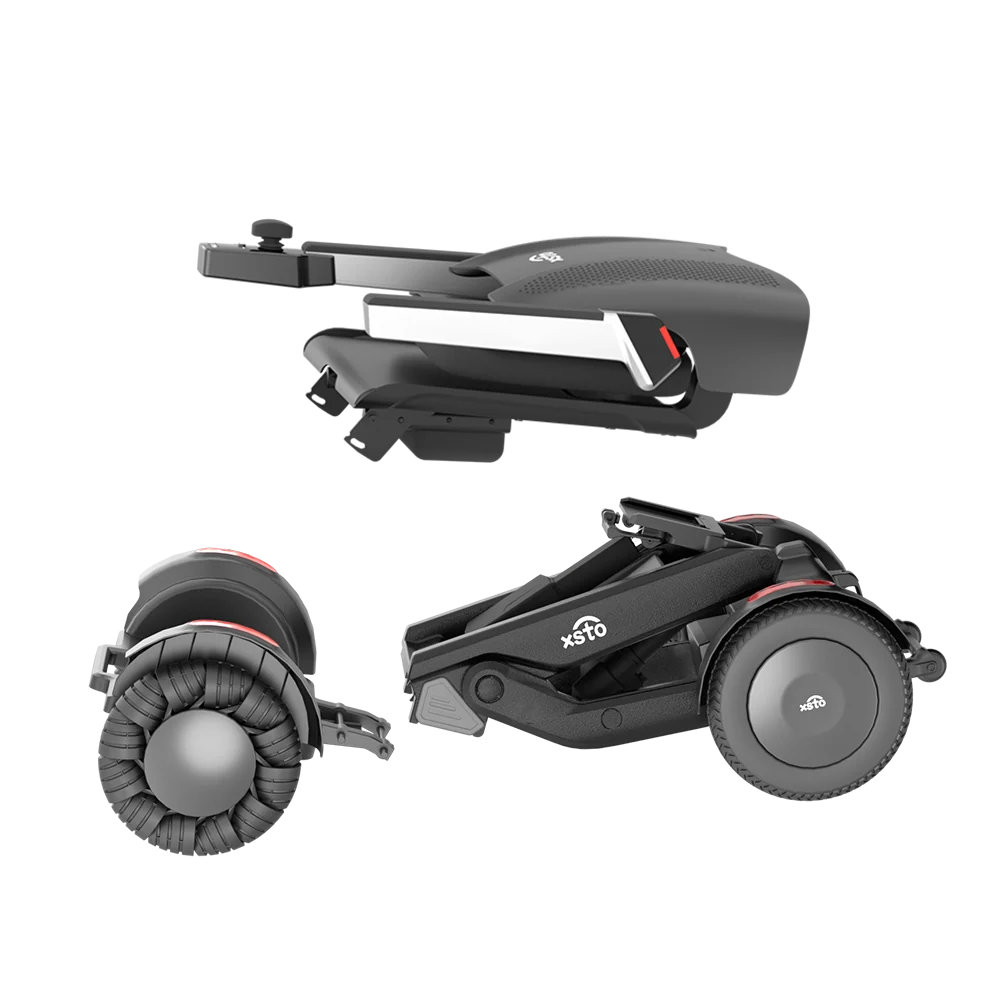
An electric wheelchair charger should stay dry, free of strain and linked to its approved chair list. Keep its lead and plug with the right unit. Label the stock shelf with the part number rather than a vague 'wheelchair charger' note.
How can a picker avoid a wrong dispatch?
Make the match visible at shelf level. Keep the approved pairing list in your inventory system and compare it at pick and pack. Separate damaged or returned accessories until technical staff clear them.
- Store leads without tight kinks or crushing loads.
- Identify approved product references at the stock bin.
- Quarantine uncertain or damaged returns.
| Stock state | Release condition |
|---|---|
| New verified unit | Correct reference and intact accessory |
| Return or unknown unit | Supplier review before dispatch |
The bin label should lead back to a source document. Key Takeaway: Warehouse speed will not override the compatibility check.
What should an electric wheelchair charger handover explain?
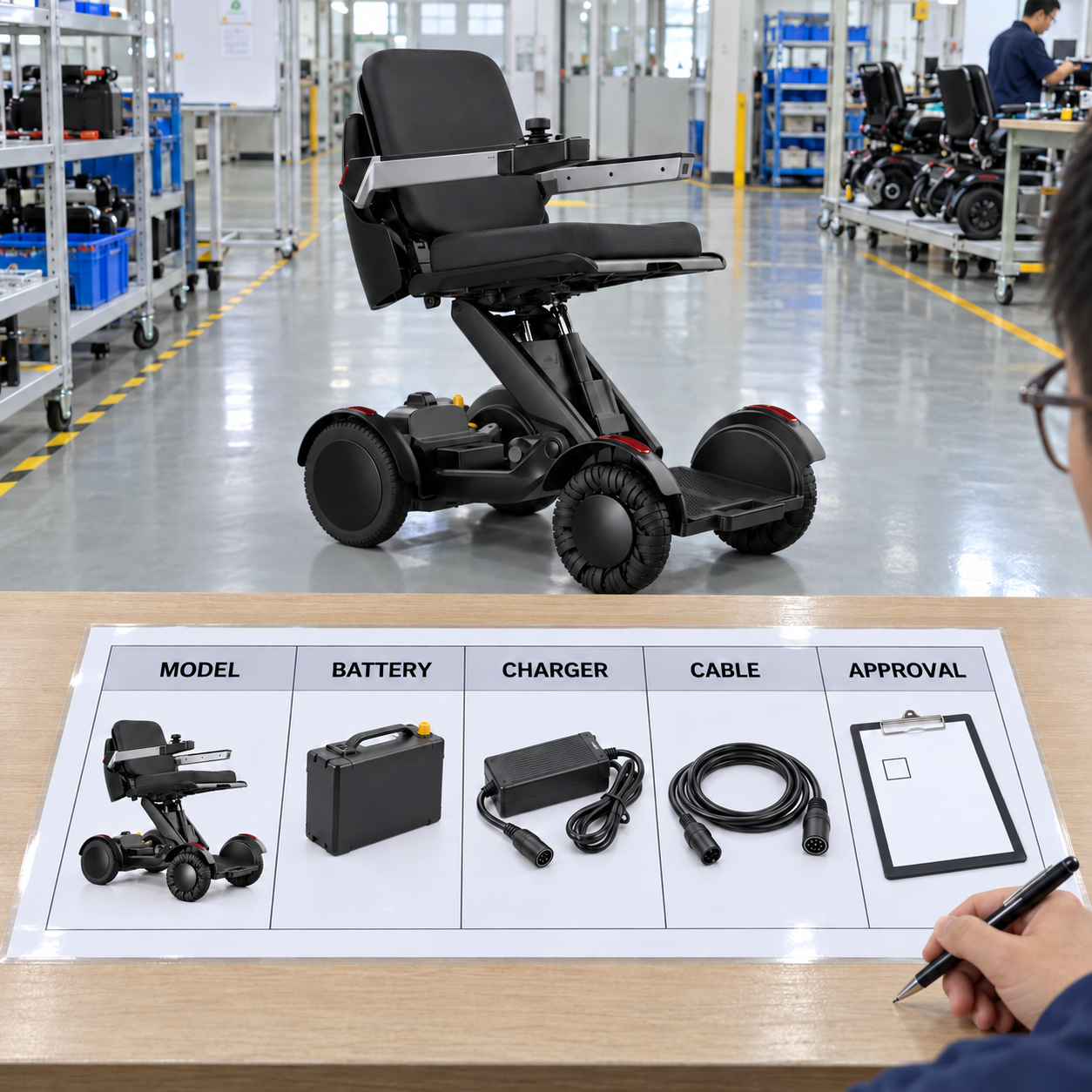
An electric wheelchair charger handover should explain the approved part, charging place and response to visible damage. Show the user the current model guide rather than a generic rule. Keep a record of what you supplied and showed.
Which questions should you answer face to face?
Demonstrate the ordinary routine on the right chair. Ask who will connect the unit, where it will sit and whom to call after damage or unexpected heat. Keep any individual access needs in the wider wheelchair handover plan.
- Identify the supplied charger and lead.
- Explain the maker's connection, supervision and disconnection steps.
- State how to report damage or an uncertain charge event.
| Handover item | Record |
|---|---|
| Accessory identity | Charger and lead references |
| Use and escalation | Instructions shown and contact route |
A useful handover can be repeated by another staff member. Key Takeaway: The end user receives a clear routine rather than a loose accessory in a box.
How can you order the right electric wheelchair charger?

Order the right electric wheelchair charger by sending the chair, battery and approved part numbers in one request. Add market, document needs and the number of full sets. Hold the order if any match remains unclear.
What should your final enquiry contain?
Tie the product and paperwork together. Ary Medical can review available charger options against the details you provide. We support a documented accessory handover so a user receives a usable charging routine, not a guess based on plug shape.
- Send the exact chair and battery identifiers.
- Ask for the approved charger, lead and current instructions.
- Describe the France destination and relevant paperwork request.
| Your input | Supplier response needed |
|---|---|
| Model and battery | Approved charger pairing |
| Destination and use | Documents, lead and instructions |
Use the reply to clear any remaining pairing question before shipment. Key Takeaway: For a model-specific accessory review, contact us. Ary Medical treats charging compatibility as part of responsible wheelchair supply.
Frequently asked questions
Q1: Can I use a charger that has the same plug?
No. A matching plug does not establish an approved electrical match. Check the exact chair, battery and manufacturer accessory record.
Q2: What's the best way to order a replacement charger?
Send the product identifiers and current battery details. Ask for written confirmation of the approved charger and included lead.
Q3: How do I know if a charger should be taken out of service?
Stop using it if you see damage, warping or unexpected heat. Follow the product's authorised service route.
Q4: Can I keep one charger for several chair revisions?
Only where the current manufacturer record approves every pairing. Keep each supported revision in your stock record.
Q5: What paperwork should a France dealer request?
Request documents applicable to the exact product and its market placement. Keep that check separate from chair-battery compatibility.