
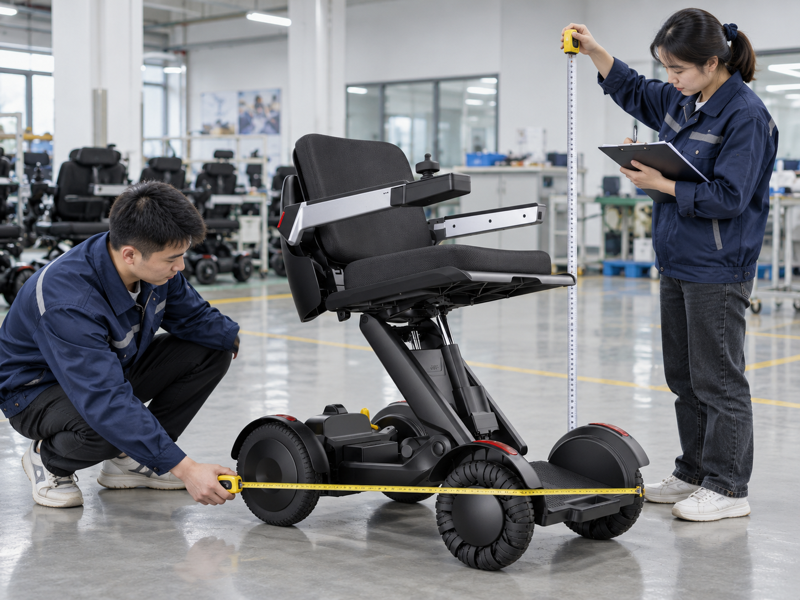
Choose the best electric wheelchair dimensions by matching the complete chair and its manoeuvring space to the buyer's route, seating needs and storage place. An Italy dealer may check a doorway width yet miss a foot platform that changes the turning path at home. The result can be a chair that passes the door but cannot reach its parking spot. Ask for measured, named configurations and test the full route before you commit.
Which electric wheelchair dimensions matter before an order?
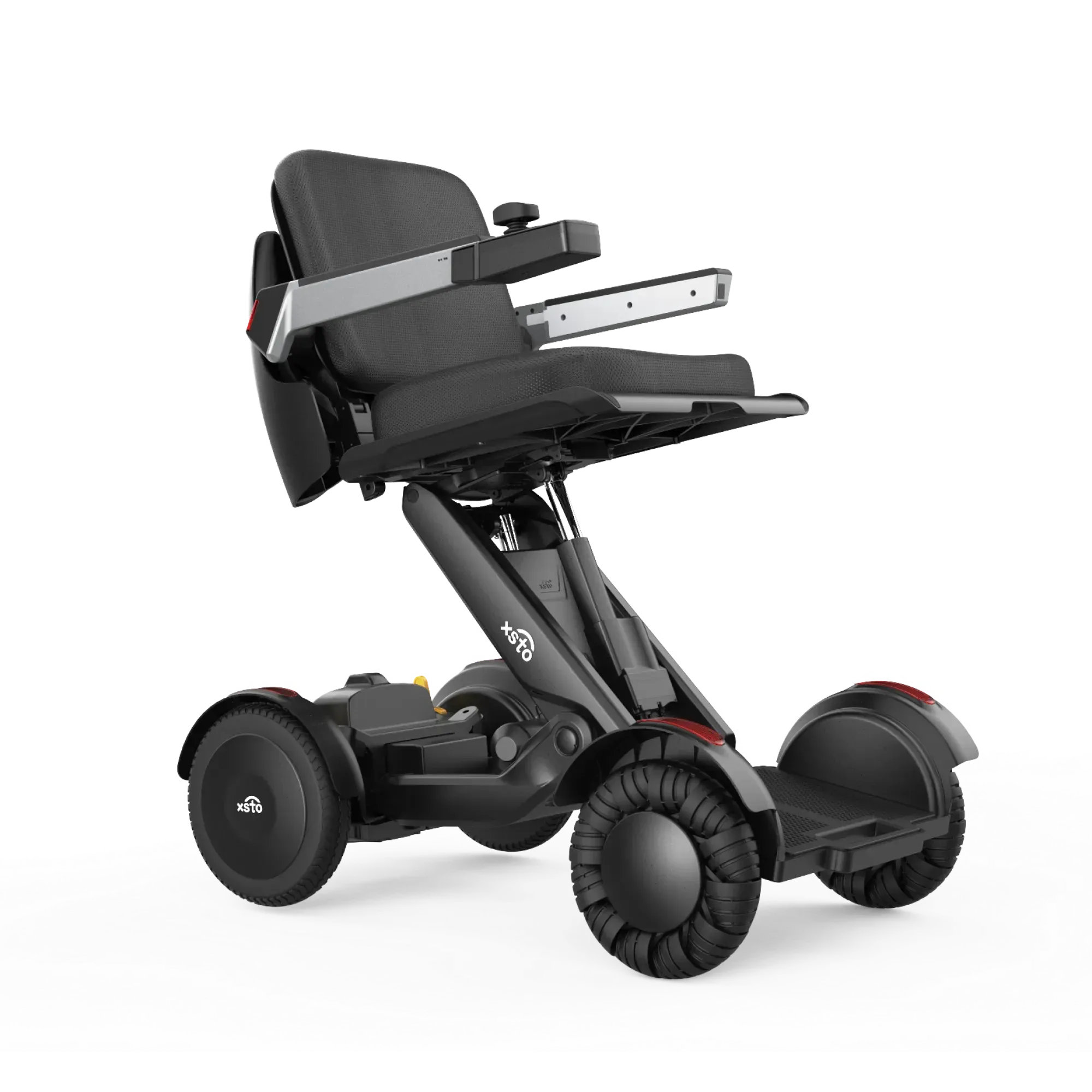
The electric wheelchair dimensions that matter are full outer width, length, height, turning space and the relevant seating measurements. Each answers a different buyer question. Ask what was included in the measured setup before comparing catalogue entries.
What belongs on the buyer's first sketch?
Mark the chair and the route together. Note doorways, lifts, turns, table access and the parking place. The product catalogue can introduce options, but a sales image cannot supply the dimensions of your final configuration.
- List the chair's complete outer envelope.
- Mark the narrowest and most awkward route points.
- Record seat requirements from the individual fit review.
| Measurement group | Buyer decision |
|---|---|
| External size | Can the chair pass and park? |
| Seating and movement | Can it fit and turn as needed? |
A useful dimension sheet names the state and accessories measured. Key Takeaway: You can compare models against a real route rather than one headline width.
How should electric wheelchair dimensions show the widest point?
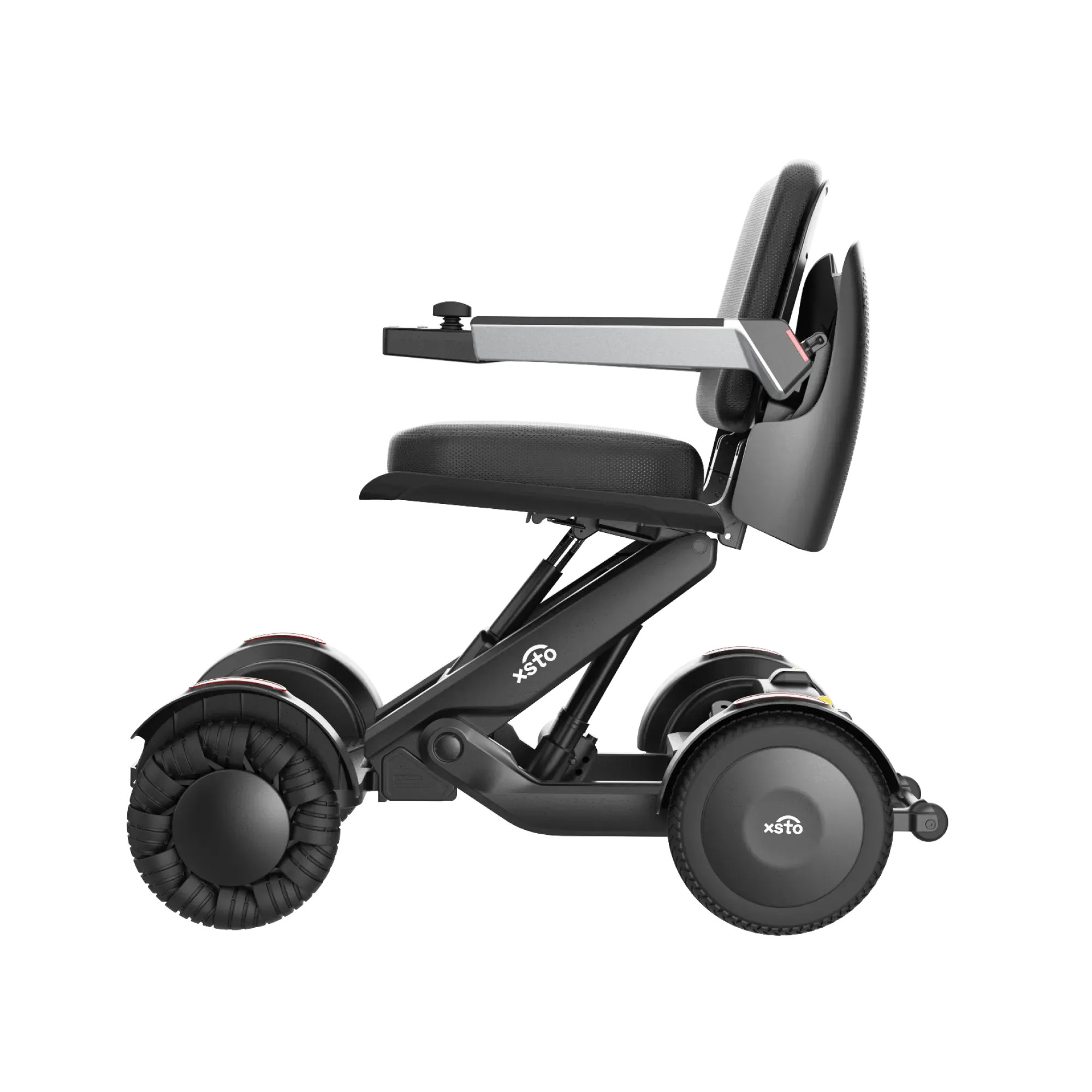
Electric wheelchair dimensions should show the widest point of the exact configured chair, including parts that remain attached. The wheelbase may not be the widest area. Check arm supports, control mounts and any fitted options before setting a doorway target.
What makes a width comparison fair?
Use the same measurement state. Compare open chairs with open chairs, and record any allowed narrower state separately. Avoid treating a removable component as routinely removable unless the maker's guide permits that handling.
- Request the outer width for the delivered setup.
- Identify every attached side projection.
- Compare that value with usable doorway width, not nominal door size.
| Width item | Check |
|---|---|
| Chair outside edge | Includes all retained parts |
| Usable opening | Measures the clear path with door open |
Door furniture can reduce the gap even when the leaf appears wide. Key Takeaway: Your buyer gets a width comparison that reflects the whole chair.
Why do electric wheelchair dimensions need the foot platform included?
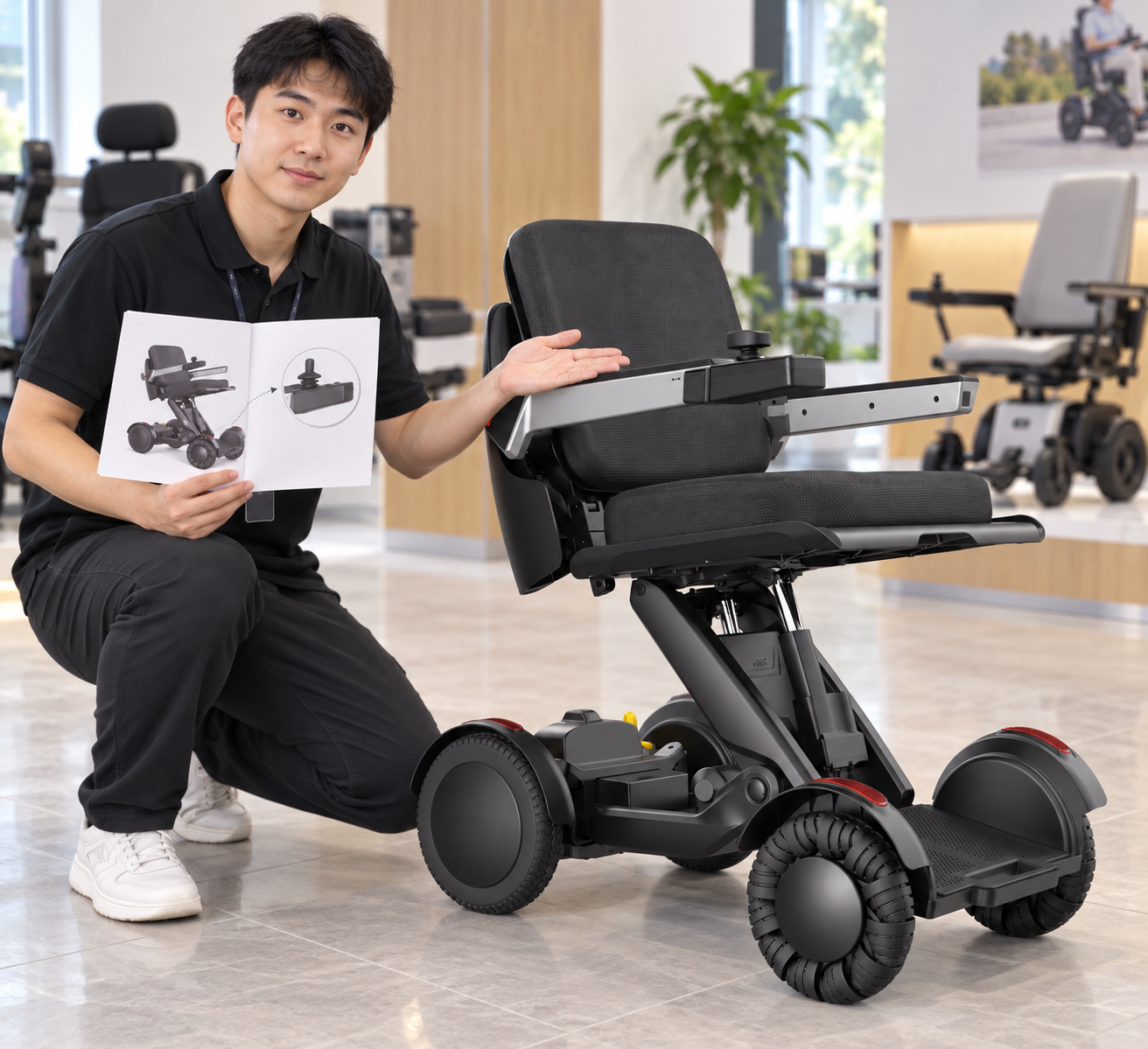
Electric wheelchair dimensions need the foot platform included because it changes the chair's forward outline and clearance near a turn. It may also affect entry to a lift or the final parking space. Measure the platform in its approved use position.
Which front-edge questions should you ask?
Follow the chair's full nose. Compare overall length with front clearance around furniture and corners. Use the wide-seat chair option only as a product example; request the exact delivered chair's drawing or measurements for a route decision.
- Record length with the platform in use.
- Identify any different approved transport position.
- Check whether low furniture changes the real approach path.
| Front measure | Route consequence |
|---|---|
| Use position | Defines the normal forward outline |
| Transport position | May differ and needs its own figure |
A shorter frame figure cannot stand in for whole-chair length. Key Takeaway: The buyer can plan entry and turns around the actual front edge.
How do electric wheelchair dimensions meet a doorway or lift?
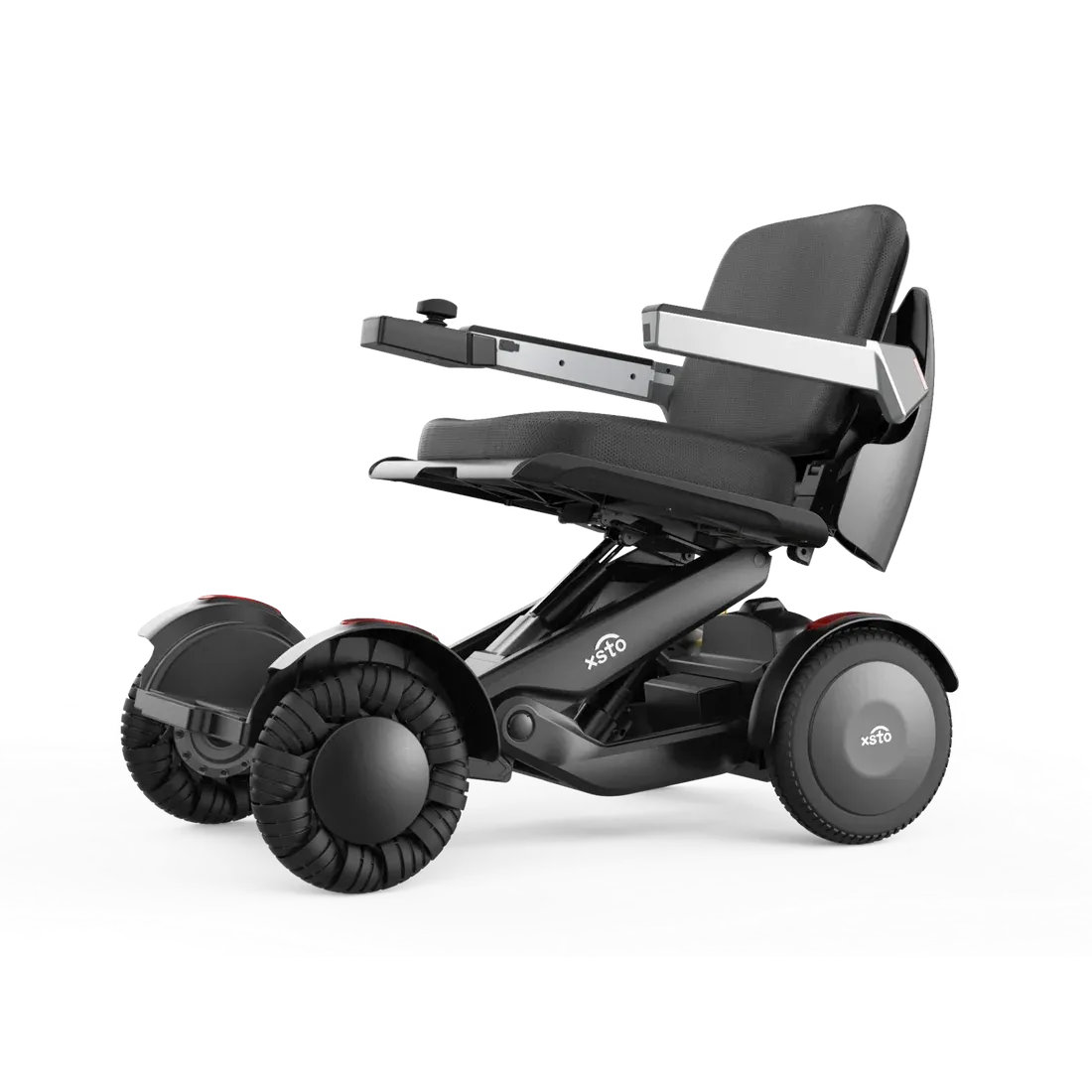
Electric wheelchair dimensions meet a doorway or lift only when the usable opening and internal space clear the complete chair with room for the planned approach. A straight pass differs from a turn into a small lift. Test both conditions for the chosen setup.
What should a route record include?
Measure the bottleneck as it is used. Note door opening, sill, approach angle and space on the far side. A building owner or qualified local adviser can confirm any site rule; this article cannot certify a chair for every Italian property.
- Measure clear opening with the door positioned as used.
- Trace the approach and exit area.
- Confirm the plan against a real chair or reliable full-scale layout.
| Route point | Question |
|---|---|
| Door | Is the usable opening wide enough? |
| Lift | Can the chair enter, stand and exit? |
The tightest turn may matter more than the door itself. Key Takeaway: Your access decision covers entry and exit, not a single gap.
Do electric wheelchair dimensions predict turning space?
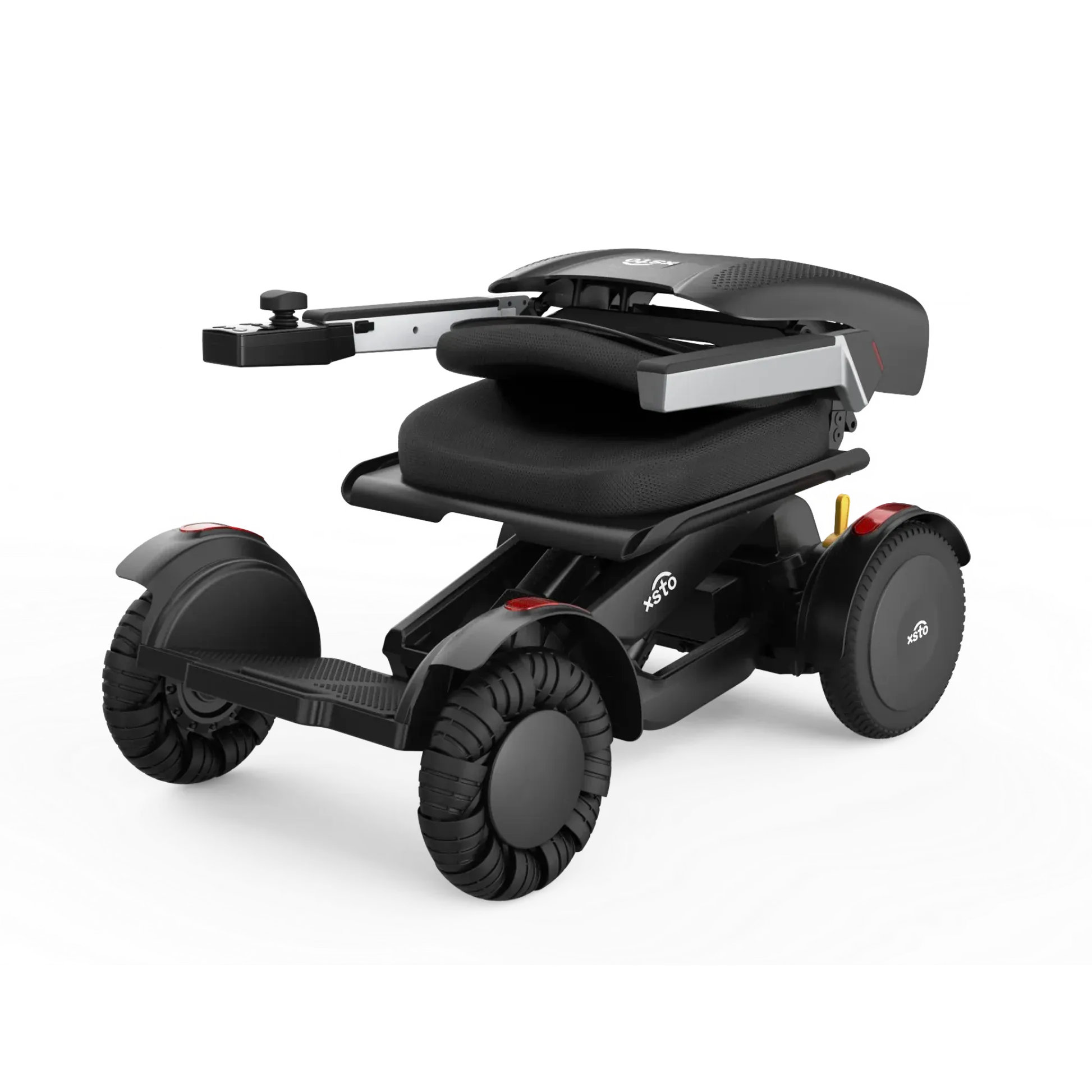
Electric wheelchair dimensions alone do not predict turning space; you need the chair's measured manoeuvring data and a route trial. The shape, wheel arrangement and control behaviour all matter. Avoid converting overall length into a claimed turning circle.
Which standard terms clarify the request?
Ask for the measured manoeuvre, not a slogan. ISO 7176-5:2008 covers methods for wheelchair dimensions, mass and manoeuvring space, including turning diameter and pivot or reversing width. Ask which method and configuration support a reported figure.
- Name the manoeuvre the customer needs.
- Request a test method and chair configuration with the result.
- Check the route in the intended environment.
| Figure | What it can answer |
|---|---|
| Outside length | How much straight space the chair occupies |
| Measured manoeuvre | Space for a stated turning task |
A turning number without its method may be hard to compare. Key Takeaway: You can challenge a manoeuvring claim before it enters a quotation.
Which electric wheelchair dimensions relate to seating fit?
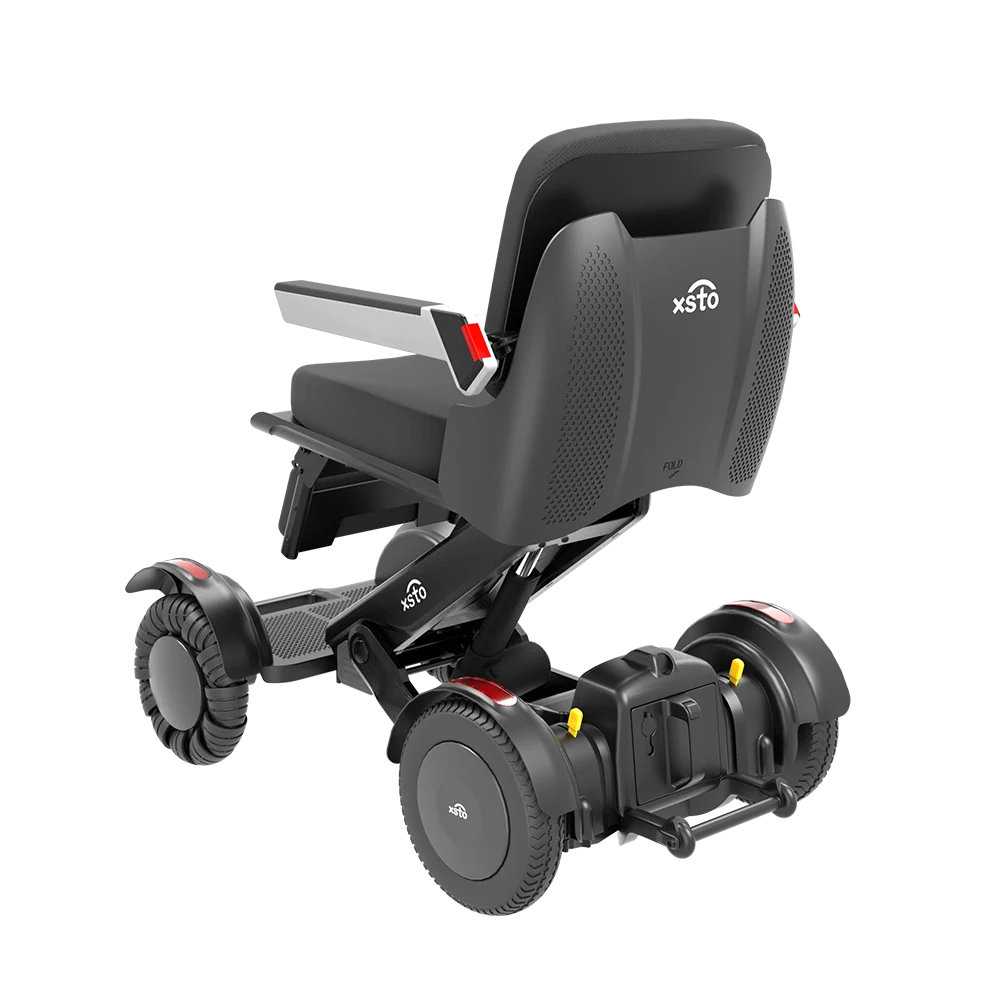
The electric wheelchair dimensions related to seating fit include seat width, depth, support positions and control reach in the configured chair. Outside width does not reveal whether the user can sit and operate it well. Keep the fit decision with trained assessment.
Who confirms the person-specific setup?
Keep the individual behind the figures. WHO's wheelchair provision guidance links outcomes with assessment, fitting, training and follow-up by trained staff. Share the buyer's needs and available product adjustments with that process.
- Record assessed seating and support needs.
- Ask which adjustments the selected model permits.
- Check control reach in the reviewed seat setup.
| Fit measure | Why it matters |
|---|---|
| Seat dimensions | Defines the seating option under review |
| Control position | Affects access during normal use |
A narrow chair that clears a door can still be a poor seat match. Key Takeaway: Your shortlist can serve both the route and the person's fit.
When do electric wheelchair dimensions change after folding?
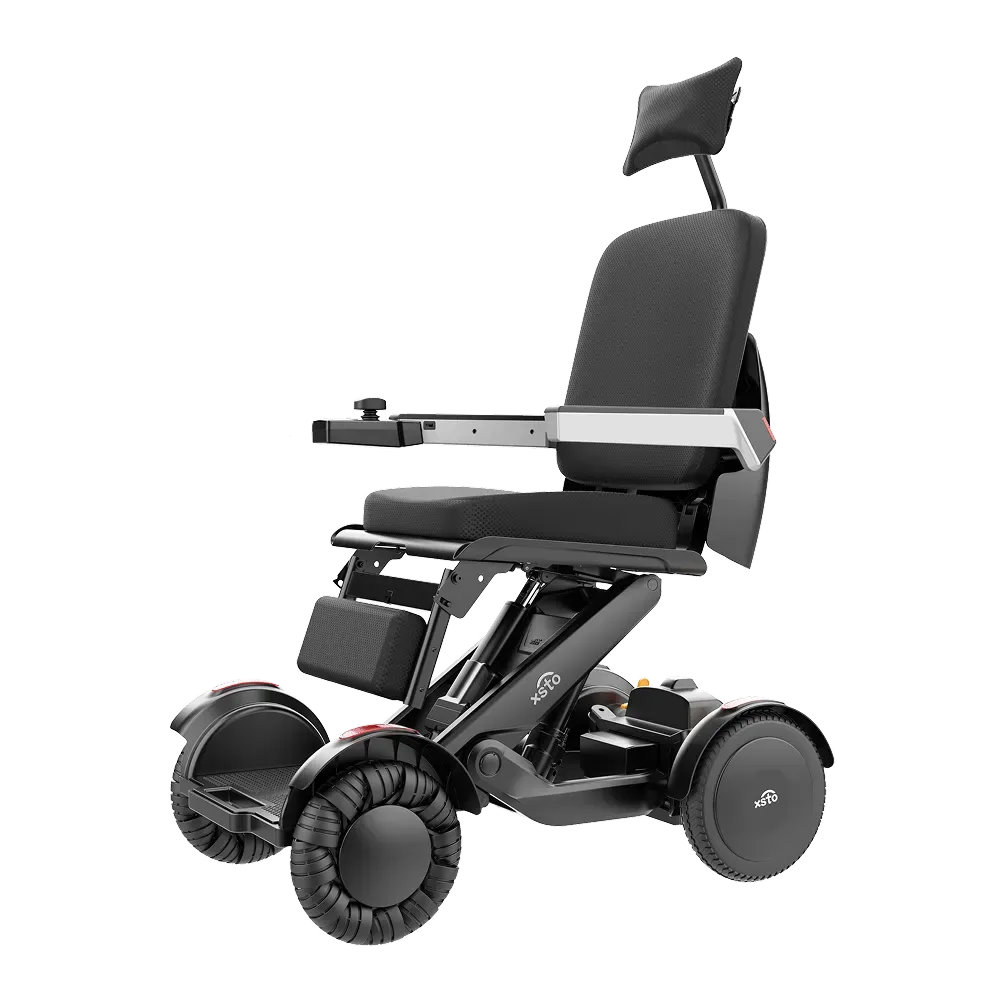
Electric wheelchair dimensions change after folding only as the exact chair design allows, and each resulting measure needs its own label. A folded height does not tell you the normal use height. Keep removable parts and their handling steps in the record.
What should a dealer request for transport?
Get both shapes on the same sheet. Ask for open, folded and packaged measurements where they apply. The folding wheelchair page shows a possible category, not evidence that every chair folds the same way.
- Identify the approved fold or removal sequence.
- Record each complete measured state.
- Check how the person will handle and restore the chair.
| Chair state | Use |
|---|---|
| Open | Access and normal operation |
| Folded | Permitted storage or handling check |
A transport figure should not replace a route figure. Key Takeaway: You can compare space savings without losing the daily-use shape.
Why separate carton dimensions from electric wheelchair dimensions?
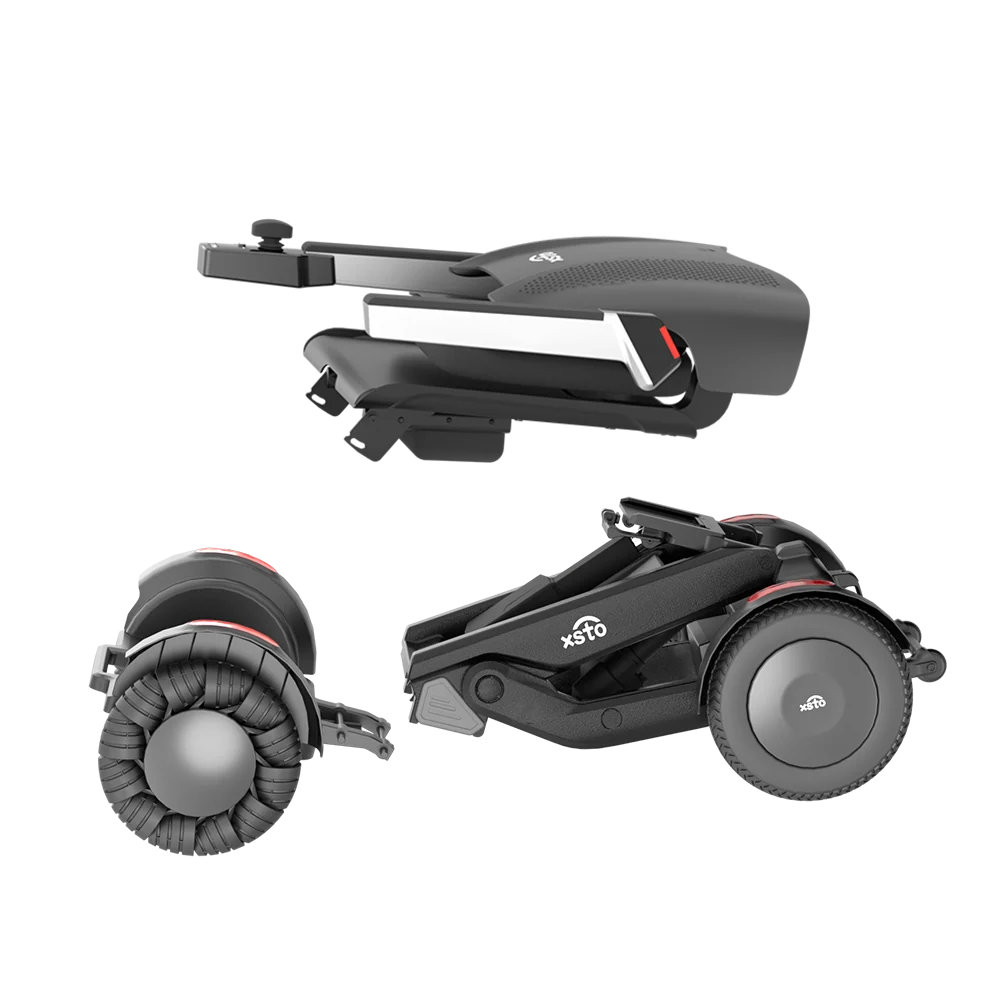
Separate carton and chair electric wheelchair dimensions because packaging adds space and weight around the product. A shipping carton tells your warehouse how to receive stock, not whether the chair fits a flat entrance. Ask for both records on a dealer order.
Which teams need which measurement?
Send each figure to the right person. The warehouse needs package dimensions and handling guidance. The assessor and customer need the chair's configured use dimensions, and the service team may need the folded state.
- Record carton and pallet figures for logistics.
- Keep normal-use chair dimensions for access planning.
- Mark every figure with its measurement state.
| Figure set | Primary reader |
|---|---|
| Packaged | Goods-in and transport planning |
| Configured chair | Fit and access review |
A quoted number without a state can send the right data to the wrong decision. Key Takeaway: Buyer, clinician and warehouse can read the same quote without confusion.
What proof should support electric wheelchair dimensions on a quote?
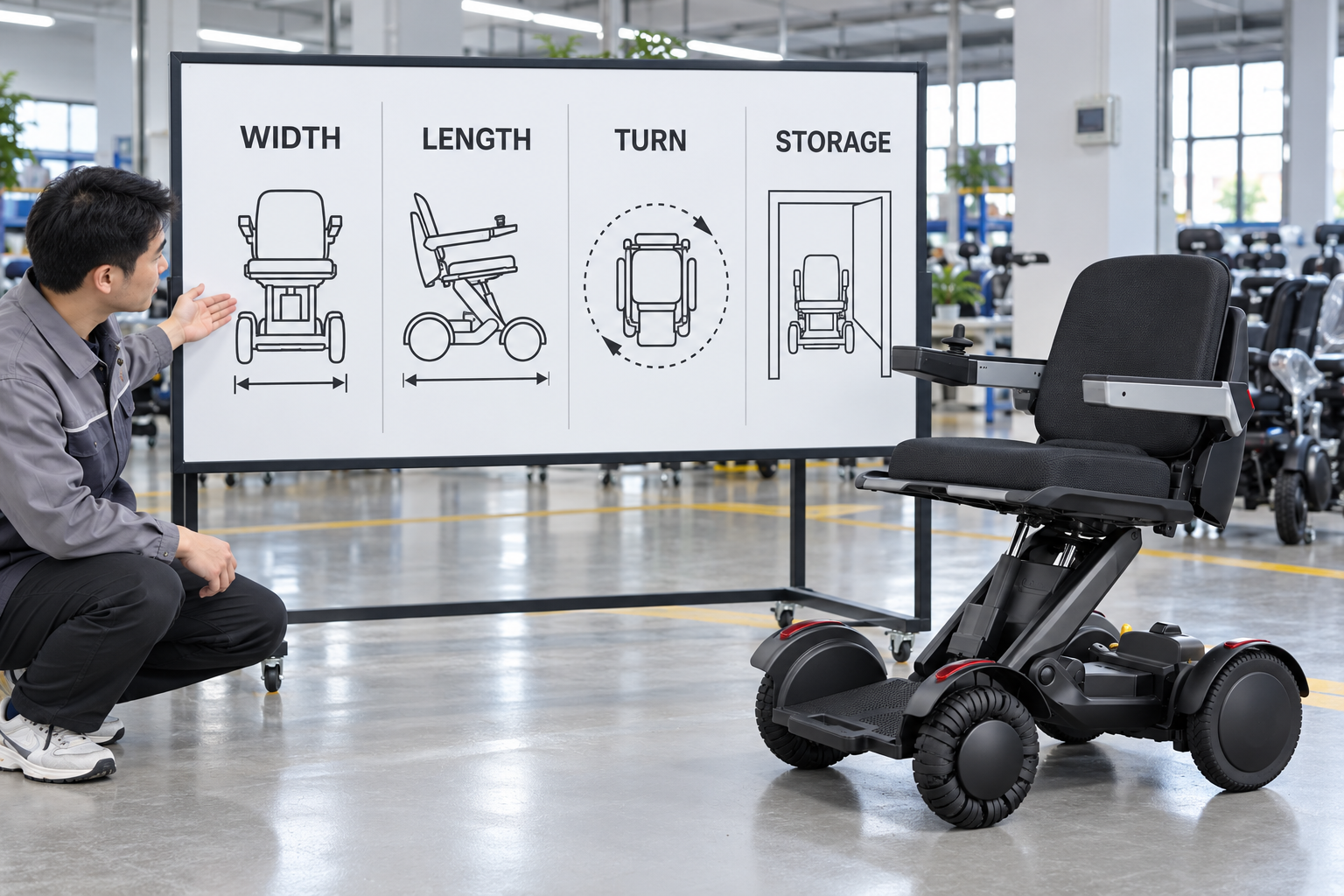
Electric wheelchair dimensions on a quote should come with the model, measured state, method and current product record. Where manoeuvring figures appear, ask how they were obtained. Do not turn an illustrative image into a certified measurement.
Which gaps require a supplier reply?
Check labels before you compare numbers. Flag a value with no accessories listed, no configuration or no clear unit. Keep the unresolved item out of the customer's fit promise until the supplier confirms it.
- Check model and revision on every sheet.
- Ask whether supports and controls were included.
- Request the relevant measurement or test method.
| Missing detail | Question to send |
|---|---|
| Chair state | Was it open, folded or packaged? |
| Method | How was the figure measured? |
Clear labels often matter more than another decimal place. Key Takeaway: You can reject a vague quote without inventing a better number.
How can you choose useful electric wheelchair dimensions?

Choose useful electric wheelchair dimensions by pairing the measured chair with its full route, seating review and storage plan. Send the supplier a sketch of the hardest doorway or turn. Resolve disputed figures before you recommend the model.
What should your final enquiry include?
Give the figures a real destination. Ary Medical can discuss product options when you share the user needs and measured site constraints. We believe wheelchair supply should begin with a person and a place, then find the right documented chair.
- Send route bottlenecks and lift details.
- State the assessed seating and control needs.
- Request open, manoeuvring and storage figures for the proposed setup.
| Buyer input | Supplier reply |
|---|---|
| Route and user | Candidate configuration for review |
| Measurement gaps | Named figures and method details |
Use the response for an on-site check where a route is tight. Key Takeaway: For a dimension-based product discussion, contact us. Ary Medical wants each chair matched to the places its user needs to reach.
Frequently asked questions
Q1: Can I choose a chair from its listed width alone?
No. Check full length, height, projections, turns and seating fit. Width answers only one part of access.
Q2: What's the best way to check a narrow doorway?
Measure the usable opening and the complete configured chair. Then review the approach and space beyond the door.
Q3: How do I know if a chair can turn in my lift?
Use relevant measured manoeuvring data and a site trial where possible. Outside length alone cannot predict the turn.
Q4: Can folded dimensions stand in for daily-use size?
No. A folded state serves a different handling question. Request the open chair's full measured outline.
Q5: Do shipping carton dimensions show whether a chair fits home?
No. Packaging adds space around the product. Ask for the configured chair measurements for access planning.