
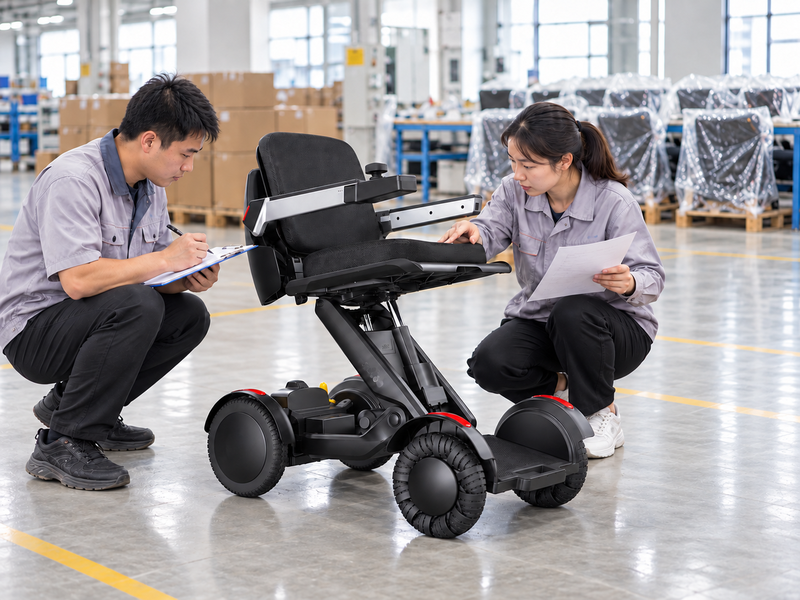
Choose an electric wheelchair inspection process that matches each delivered chair to its order, checks visible condition and documents any issue before stock release. A US distributor can open a sound carton and still find the wrong charger, an outdated manual or a different chair setup. A quick photograph will not settle those gaps. Give receiving staff a model-specific checklist, a hold rule and an escalation contact before goods arrive.
What should electric wheelchair inspection cover on arrival?
Electric wheelchair inspection on arrival should cover identity, ordered contents, visible condition, documents and a clear release decision. Keep warehouse acceptance separate from the later user fitting process. An inspection plan should name each check and who resolves a failed item.
What is the receiving team deciding?
Define the decision before opening a carton. The wheelchair series spans different products, so build each checklist around the specific order rather than a family name. Include what staff may inspect and what needs a trained technical reviewer.
- Confirm the exact purchase-order line.
- List accessories and documents expected in the carton.
- Name the hold and escalation route for mismatches.
| Inspection scope | Decision |
|---|---|
| Order match | Is this the correct setup? |
| Condition | Can it move to further review? |
A checklist earns trust when it leads to a decision. Key Takeaway: Each chair has a defined route from receiving to release.
How does electric wheelchair inspection confirm model identity?
Electric wheelchair inspection confirms identity by comparing model, revision and available serial or batch details with approved order records. Similar-looking chairs may carry different options or instructions. Record codes before packaging is discarded.
Which labels should a receiver compare?
Read the ID, then read the order. Match carton and chair information with the supplier’s packing list and approved setup sheet. Use the product range for general orientation only; a website image does not replace the order’s exact code.
- Photograph model and traceability markings.
- Compare codes with purchase order and packing list.
- Hold any item whose setup cannot be matched.
| ID | Compare with |
|---|---|
| Model and revision | Approved order line |
| Serial or batch | Receiving record |
A serial photograph can settle a later parts enquiry. Key Takeaway: Your stock record points to the exact chair received.
What does electric wheelchair inspection reveal about transit?
Electric wheelchair inspection can reveal carton damage, missing protection or visible chair marks caused before receiving. Record the package before opening it when an impact or wet area is apparent. Do not assume that a clean carton proves every internal part is sound.
Which evidence helps a freight claim?
Take pictures before tidying up. Capture the carton, seals, labels, internal packing and the affected part in sequence. Keep the carrier and supplier reporting windows from the actual contract; no universal deadline fits every shipment.
- Note crushed corners, punctures or moisture.
- Keep damaged packing until instructed otherwise.
- Link each photo to the chair and carton ID.
| Evidence | Purpose |
|---|---|
| Outer carton | Show arrival condition |
| Internal packing | Locate possible contact points |
Ordered evidence is easier to review than scattered photos. Key Takeaway: Your team can distinguish shipping questions from product questions.
Which parts need visual electric wheelchair inspection?
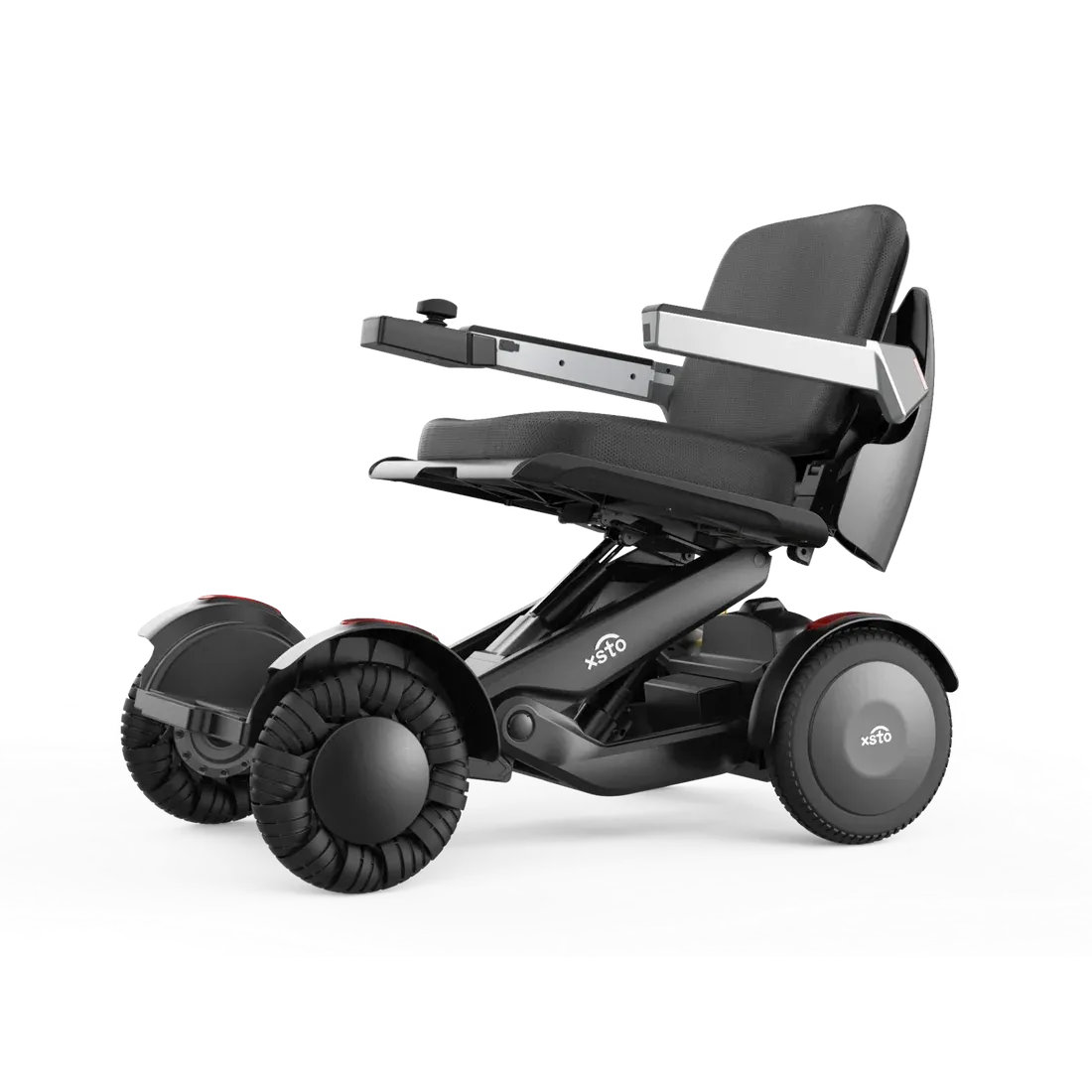
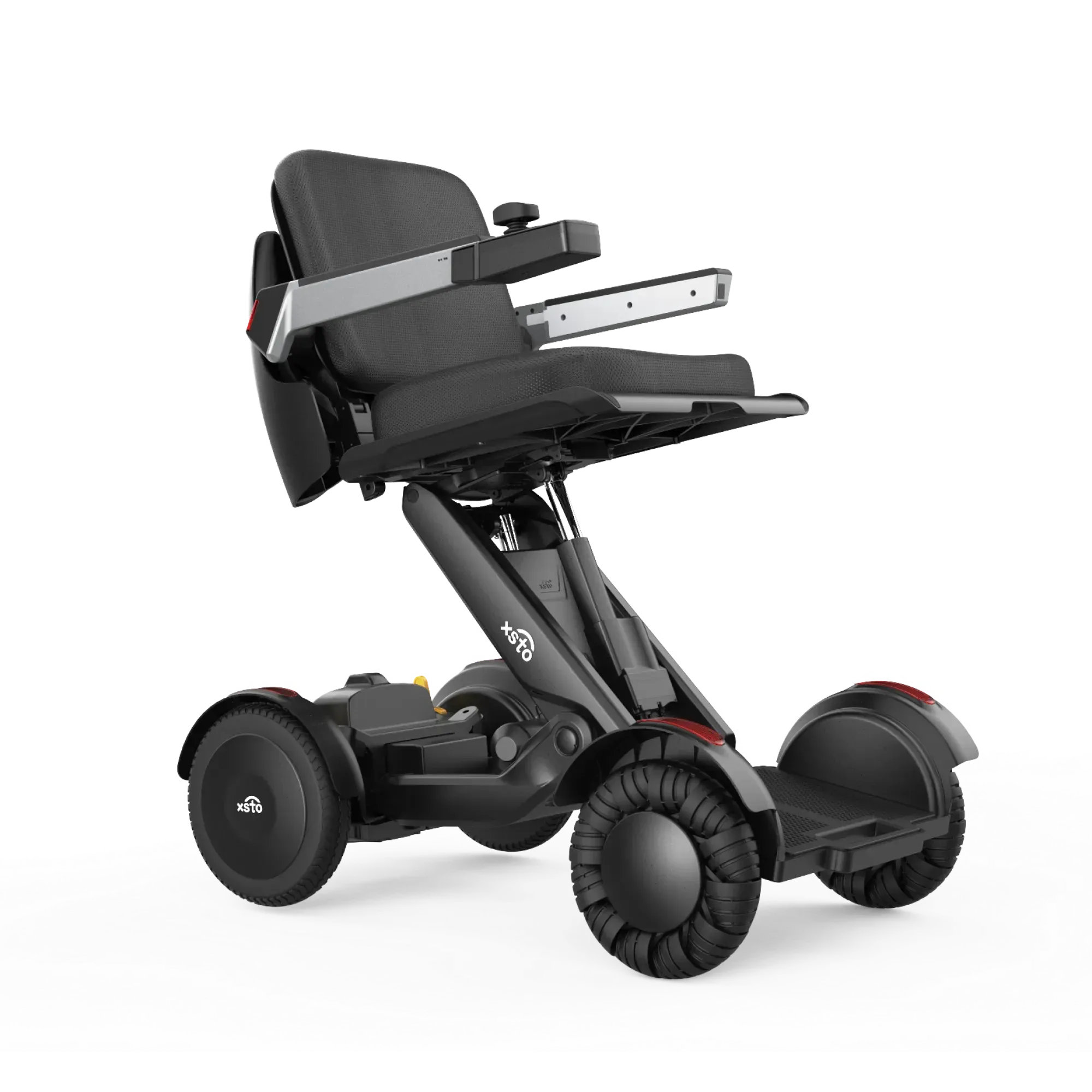
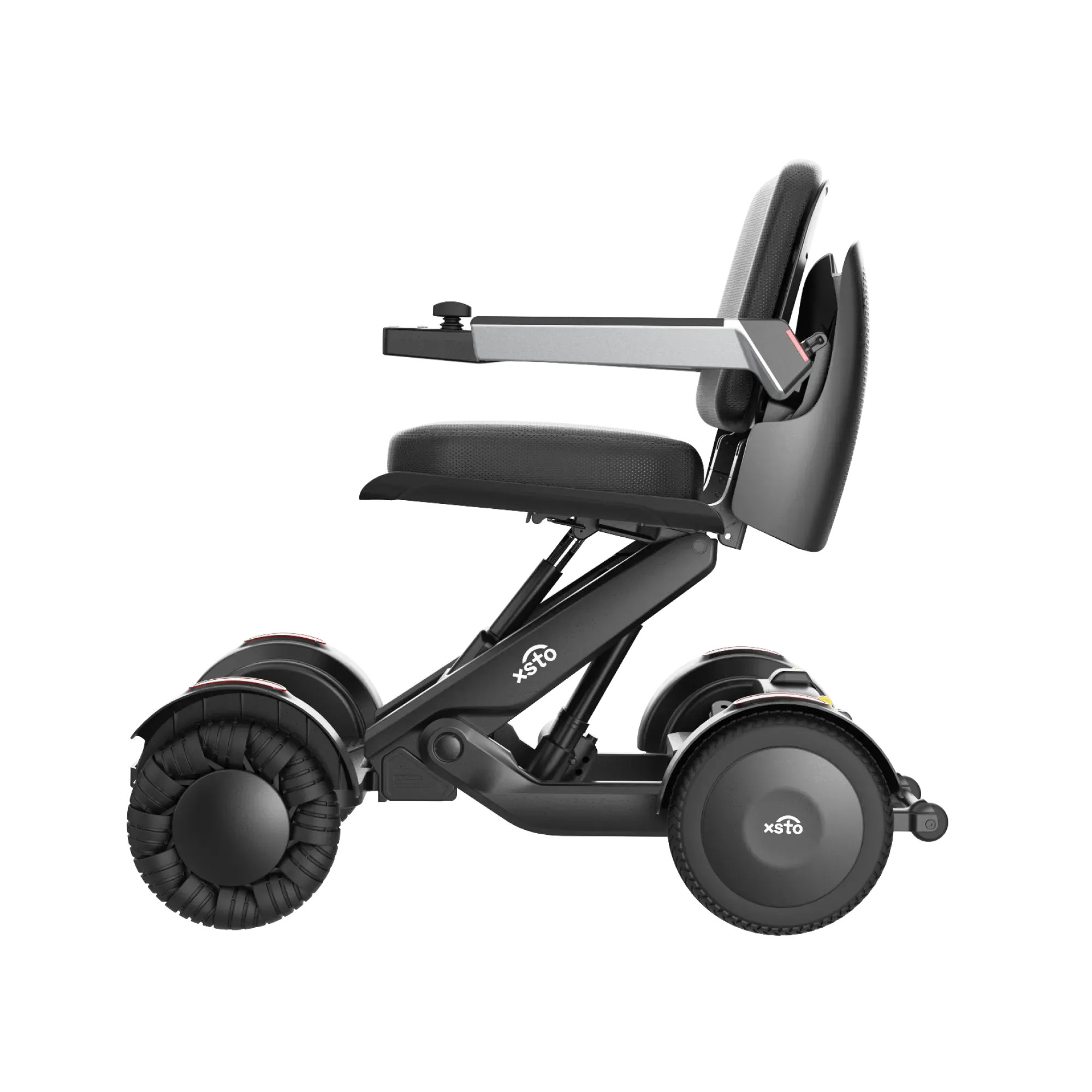
Electric wheelchair inspection should include the parts receiving staff can safely see without disassembly. Check frame surfaces, seat, arm supports, foot support, wheels and the visible controller against the exact setup. The ergonomic chair example shows one layout, not a specification for every delivery.
What should a visible-part check avoid?
Surface review is not a repair test. Record loose-looking, damaged or missing parts, then refer them to the approved service process. Do not dismantle a sealed mechanism or infer its internal condition from an exterior image.
- Compare visible parts with approved product photos.
- Document missing or damaged items from multiple angles.
- Escalate uncertain findings before powered checks.
| Visible area | Record |
|---|---|
| Seat and arm supports | Condition and completeness |
| Wheels and foot support | Obvious damage or obstruction |
Visual evidence narrows the question without pretending to prove function. Key Takeaway: A technical reviewer receives a precise issue rather than a vague complaint.
How should electric wheelchair inspection check included accessories?
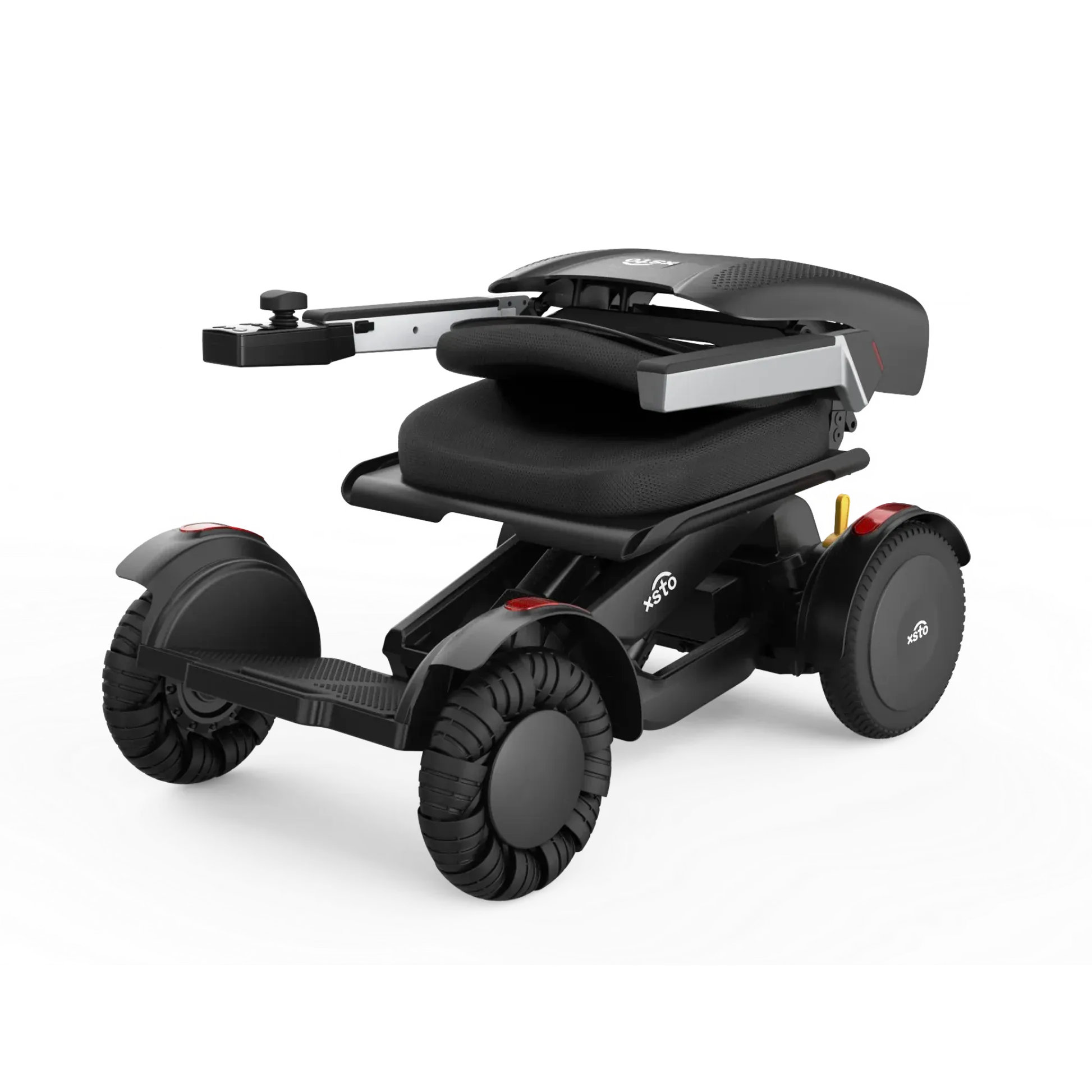
Electric wheelchair inspection should match every accessory with the model-specific packing list. A charger or battery is not safe to substitute merely because the plug fits. Treat unmatched parts as a setup issue until the supplier confirms them.
What belongs on the accessory count?
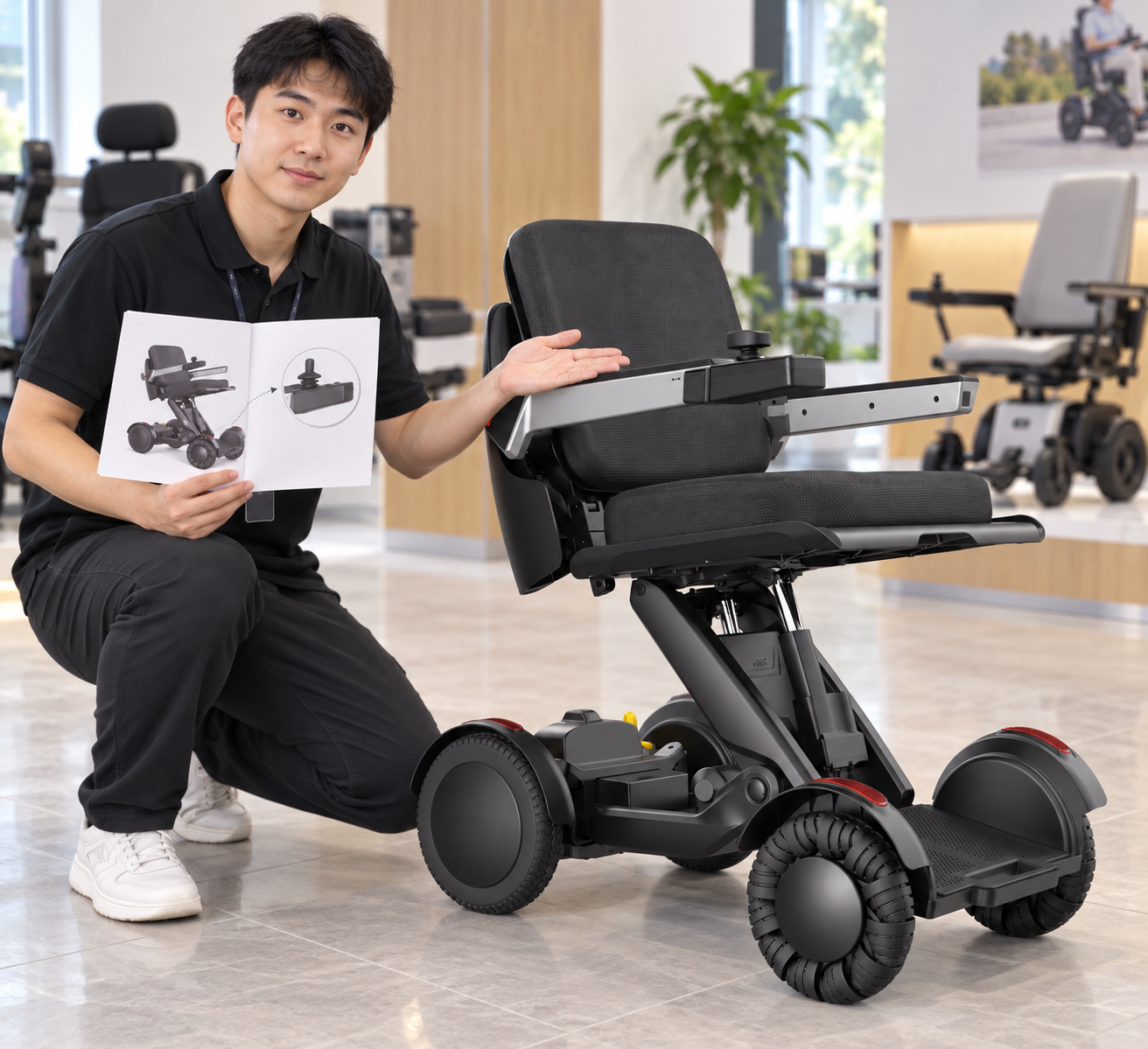
Count items by identity, not by shape. Check battery, approved charger, leads, removable fittings and any ordered support pieces against part numbers where available. Keep the exact chair manual close so handlers do not improvise a charging or assembly step.
- Compare each included part with the approved list.
- Photograph labels on disputed electrical items.
- Keep unresolved accessories out of customer handover.
| Accessory | Check |
|---|---|
| Charger | Model-approved pairing |
| Removable part | Exact code and quantity |
A count that includes part identity prevents a quiet swap. Key Takeaway: Your dealer knows what can be handed over with the chair.
When may electric wheelchair inspection include powered checks?
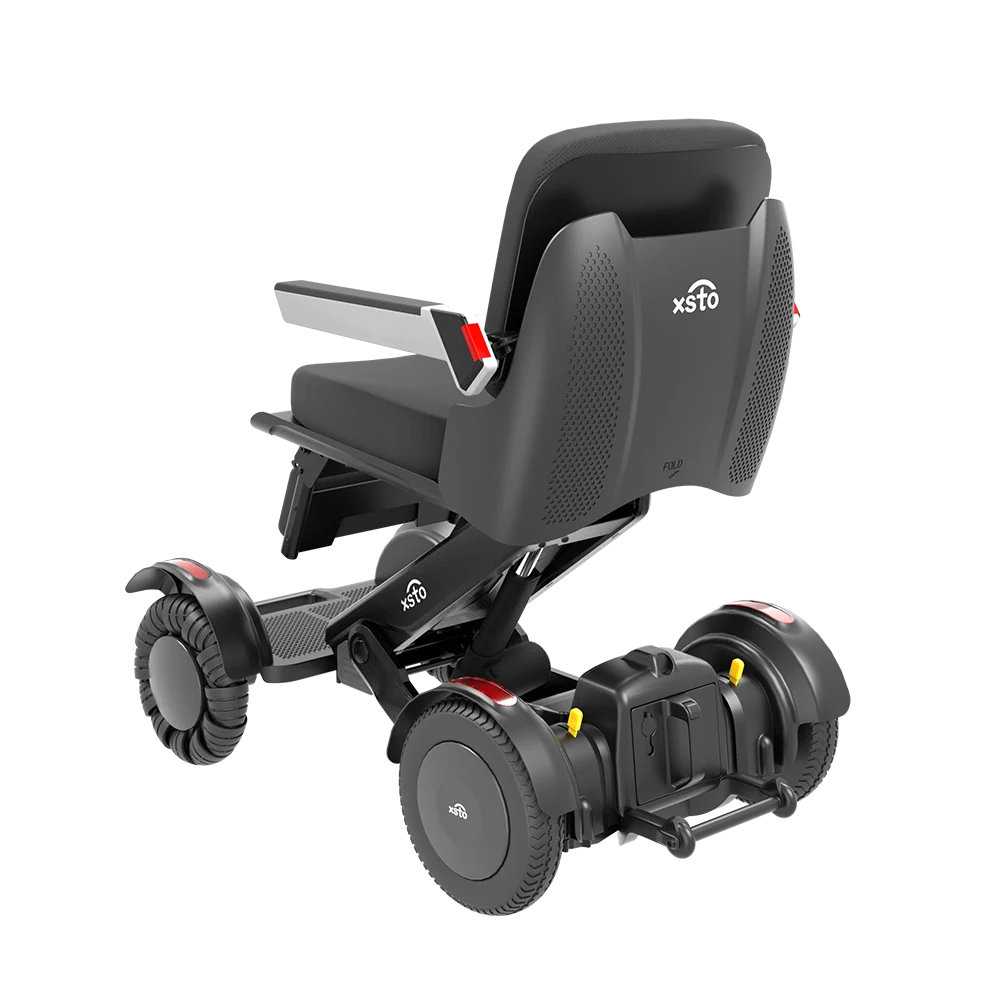
Electric wheelchair inspection may include powered checks only under the approved model method and with competent staff. A warehouse worker should not run a driving test from memory or substitute an unapproved charger. Follow the maker’s sequence and safety limits for the exact chair.
What should a technical check record?
Use the method written for this chair. Record the checker, document revision, observed response and any unusual event without inventing pass thresholds. A technician should decide whether a fault needs service, further testing or isolation.
- Confirm the approved test method and trained checker.
- Stop if a needed warning or unsafe response occurs.
- Keep the observed result linked to the unit ID.
| Check record | Required detail |
|---|---|
| Method | Approved method and revision |
| Result | Observed response and outcome |
A simple check is not a certification claim. Key Takeaway: You can explain what was checked without overstating what it proves.
Which US documents belong in electric wheelchair inspection?
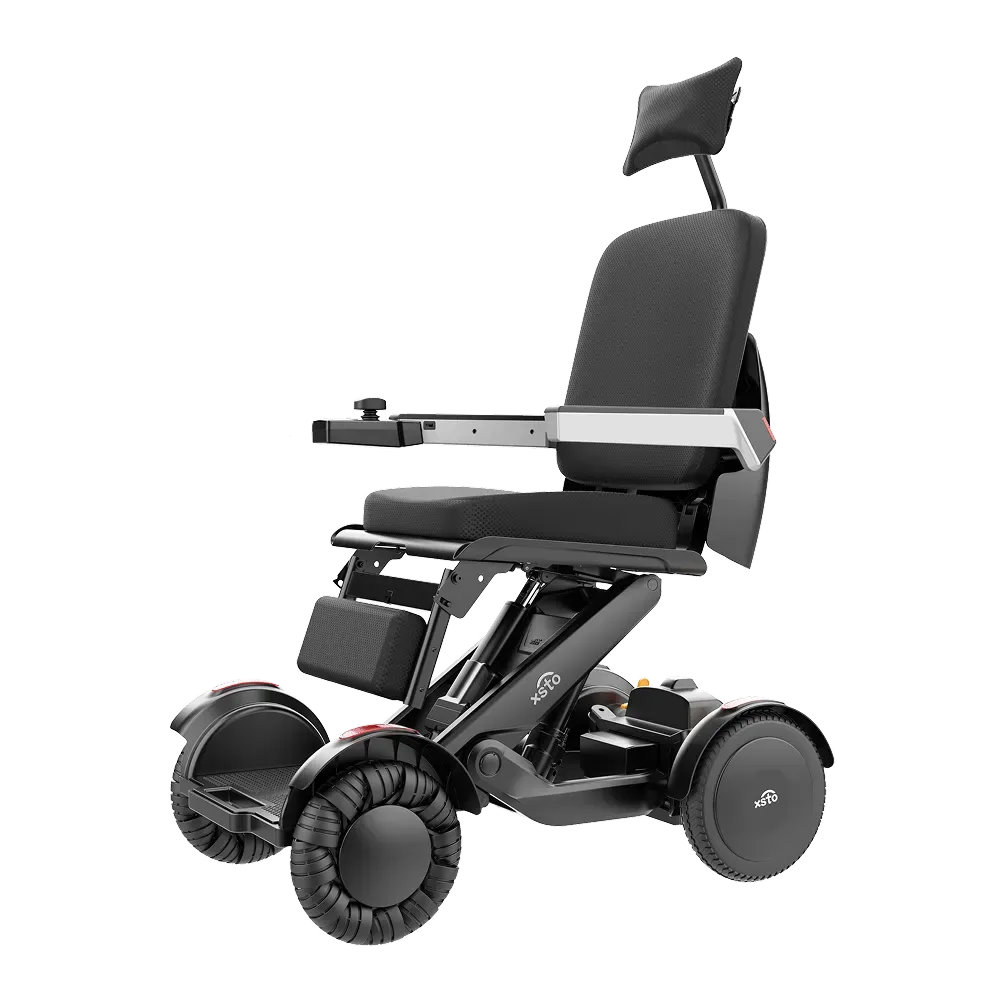
Electric wheelchair inspection for US stock should match the delivered model with its current instructions, traceability and any product-specific legal records that apply. FDA establishment registration or device listing does not itself mean the agency approved, cleared or authorized a device. Verify claims for the exact product before using them in sales material.
How should a distributor read an FDA claim?
Ask what the claim actually proves. The FDA’s registration reminder distinguishes listing from approval or clearance. Check product classification and applicable obligations with qualified regulatory support rather than treating a generic certificate as proof.
- Match instruction and label versions to chair identity.
- Ask for applicable evidence behind any legal claim.
- Remove unsupported approval language from receiving notes and listings.
| Document issue | Follow-up |
|---|---|
| Old manual | Request current model edition |
| Unclear FDA claim | Verify exact legal status |
Careful language protects the credibility of the order record. Key Takeaway: Your team avoids turning registration into an approval claim.
What happens when electric wheelchair inspection finds a defect?
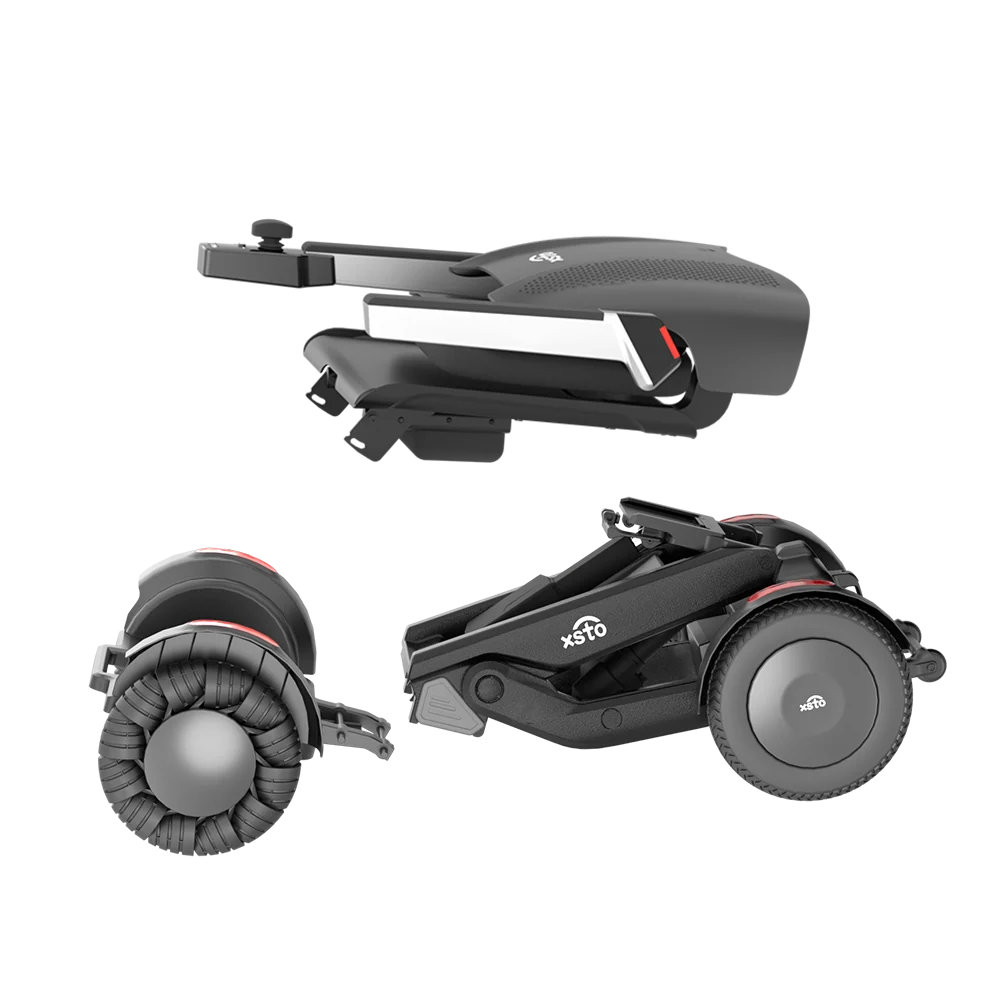
Electric wheelchair inspection findings need a hold status, an evidence file and a named person who can decide the next step. Do not release a damaged or mismatched unit simply because a customer is waiting. Keep the supplier profile as a contact starting point and record the actual escalation channel for this order.
How does a receiving issue get closed?
Give each open item an owner. Log what was found, chair codes, photos, supplier response and agreed remedy. Separate repacking or missing-paperwork fixes from technical faults that require trained assessment.
- Mark the unit unavailable for sale while the issue remains open.
- Send a concise evidence pack to the named contact.
- Record the agreed corrective action before release.
| Issue | Disposition |
|---|---|
| Missing item | Complete and verify contents |
| Possible fault | Seek technical review |
A visible hold prevents a quiet handover of an unresolved chair. Key Takeaway: The customer receives stock only after someone owns the fix.
How does electric wheelchair inspection support stock release?
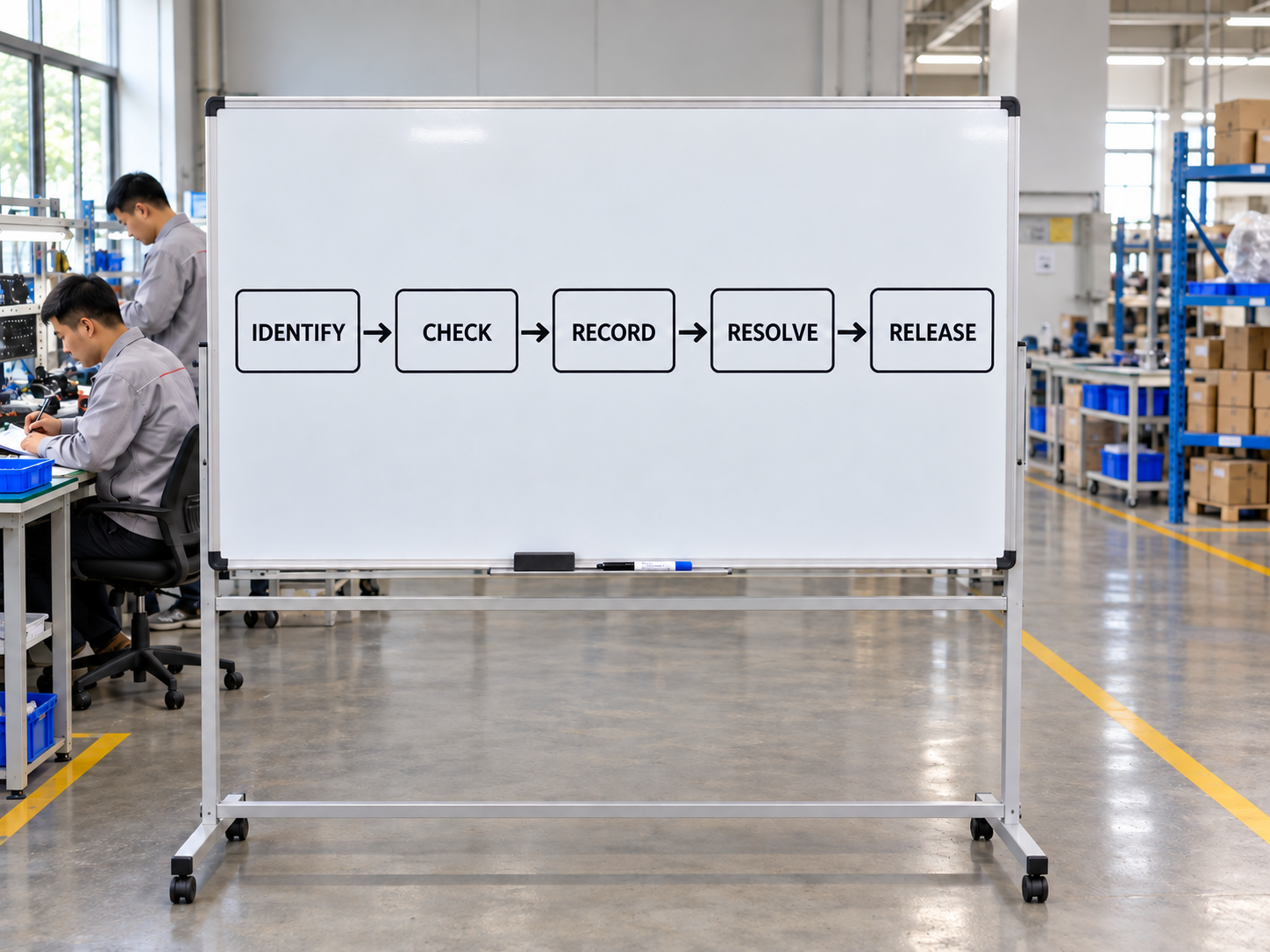
Electric wheelchair inspection supports stock release when identity, condition, contents, documents and issues have a recorded outcome. The release log should point back to the checked unit and approved method. Any later user fitting remains a separate step.
Which sign-off tells a useful story?
Make the final line traceable. Record who checked the chair, when, which checklist version was used and why any issue was closed. The illustrated workflow shows a sequence for receiving teams; it does not show a verified performance test or certification.
- Link release status to model and serial record.
- Keep checks and issue evidence together.
- Schedule any remaining dealer or user handover tasks.
| Release state | Meaning |
|---|---|
| Hold | One or more issues unresolved |
| Release | Required checks documented |
A traceable sign-off reduces repeated questions across warehouse and sales. Key Takeaway: You can show why a specific unit became ready for handover.
How can electric wheelchair inspection make orders safer to receive?

Electric wheelchair inspection makes orders safer to receive when every unit has an exact identity, a checklist and a response path for issues. Use the findings to refine packing lists and future purchase orders. Keep the final user fitting and instruction handover on the delivery plan.
Ready to prepare your receiving brief?
Send the exact order, not a generic request. For help comparing product setups and preparing the receiving information, contact us with your models and open questions. Good mobility supply begins with a chair you can identify, support and explain.
- Share exact models, options and ordered quantities.
- Request the needed documents and accessory lists.
- Agree the issue owner and release process.
| Next step | What to provide |
|---|---|
| Checklist setup | Order and model records |
| Issue route | Evidence and contact owner |
A receiving brief can be reviewed before the truck arrives. Key Takeaway: Your team gains a repeatable decision for each delivered unit.
Frequently asked questions
Q1: Can I use one inspection checklist for every chair model?
Only as a starting format. Add each model’s setup, accessories and approved methods before use.
Q2: What’s the best proof that a carton contains the right chair?
Match model and traceability codes with the purchase order and packing list. Photos can support the record.
Q3: Can I treat FDA registration as product approval?
No. FDA says registration or listing does not mean approval, clearance or authorization. Verify the exact claim separately.
Q4: How do I know if a damaged chair may enter stock?
Keep it on hold until trained review and the agreed remedy are documented. A clean-looking exterior alone cannot close a fault.
Q5: Can I skip user fitting after warehouse checks pass?
No. Receiving checks address the order and unit; a suitable individual fitting addresses the person.