

Choose a cane seat weight capacity claim only from the current manufacturer rating for the exact model and configuration, then check personal suitability separately. A buyer may see a person sitting in a photo or find a number on an old product page and assume it covers every version. Neither establishes the current rated use or the condition of one delivered device. Request a model-linked rating document, inspect the three-leg assembly and arrange a qualified individual review before repeating any figure.
What does a cane seat weight capacity claim mean?
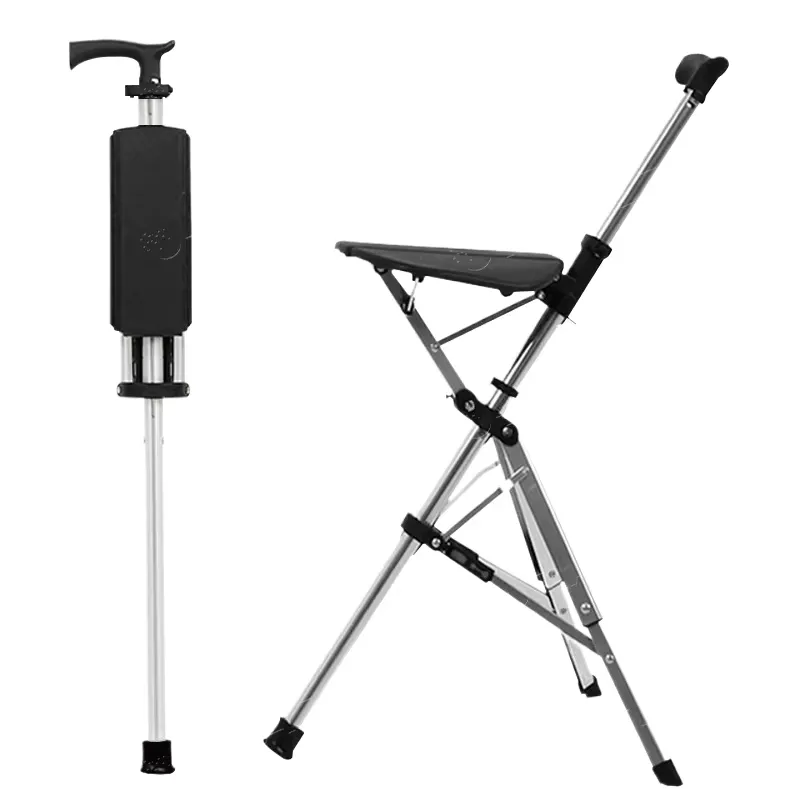
A cane seat weight capacity claim is a manufacturer-rated limit tied to a specific product and intended configuration. It does not follow automatically from appearance or from a related color variant. Keep the exact model reference beside the claim.
Which product identity belongs with a rating?
Name the device before quoting a limit. Ask for the current label, technical file or instructions that state the rated use. The black folded-and-open photo shows the device type but not a verified number.
- Identify model and revision.
- Record the exact open-seat configuration.
- Request the maker’s current rating source.
| Claim field | Evidence |
|---|---|
| Model identity | Exact product reference |
| Rated use | Current manufacturer document |
A number without its product identity is hard to defend. Key Takeaway: Your sales team can keep ratings tied to the chair actually supplied.
Where should cane seat weight capacity be confirmed?
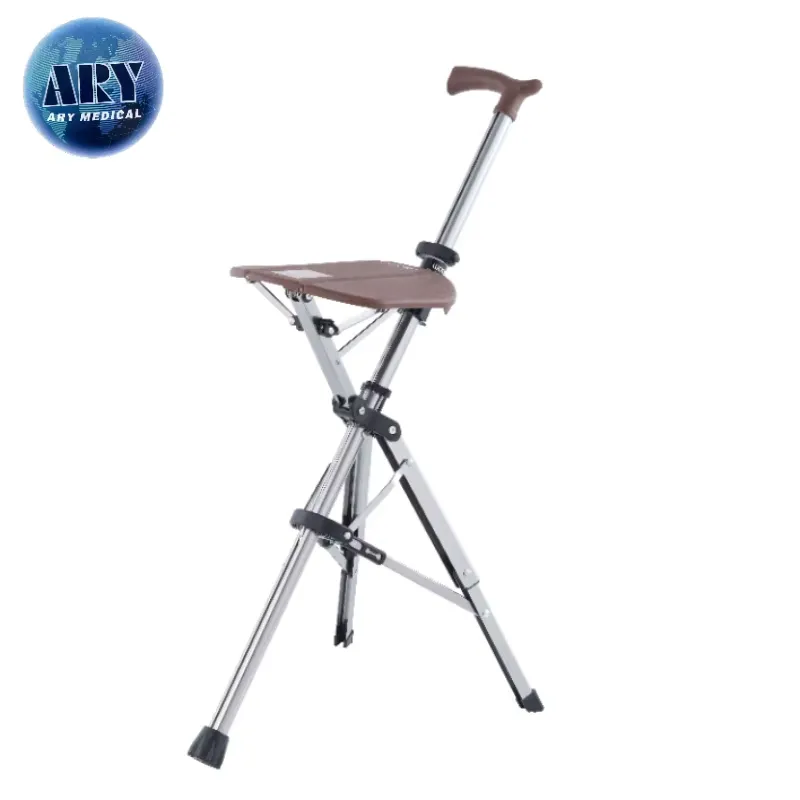
Confirm cane seat weight capacity in the exact maker documentation or product label for the current model. Do not copy a figure from another listing or use a remembered standard. If documents conflict, hold the claim until the supplier resolves it.
How does a buyer keep the source clear?
Save the page that contains the statement. A hospital walking-aid safety guide says weight limits depend on the manufacturer and directs users to the equipment label. It does not verify this AryMD cane-seat model, so request its current rating.
- Request a document with model scope and revision.
- Check any product label against that file.
- Escalate conflicting or missing information.
| Source | Use |
|---|---|
| Current maker rating | Defines claim for the model |
| Old page or photo | A question to verify, not proof |
A credible source still needs to identify the exact device. Key Takeaway: You can publish a number only after its basis is checked.
Can a photo prove cane seat weight capacity?
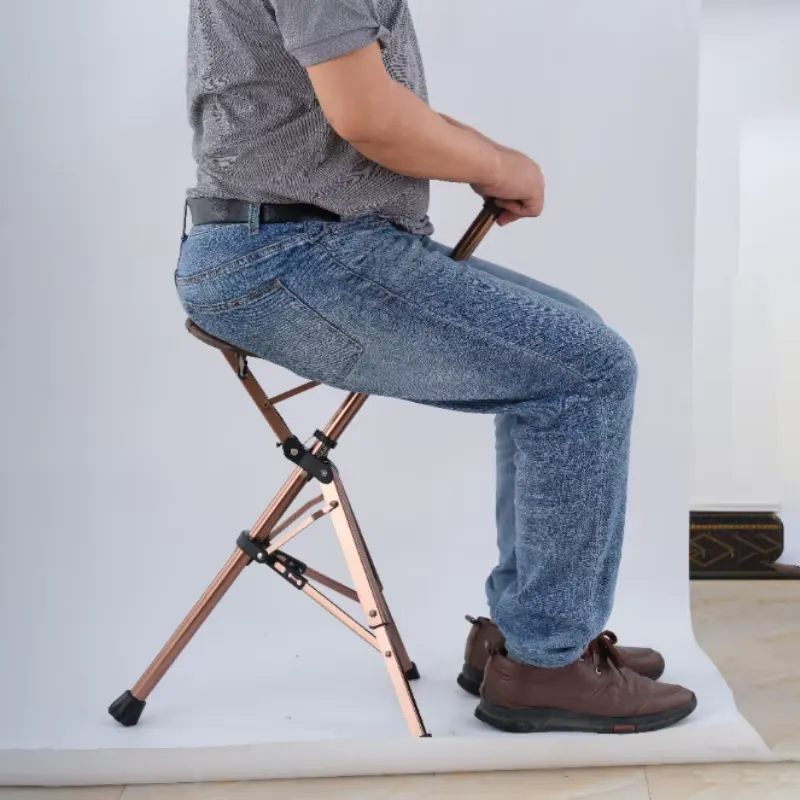
No, a photo cannot prove cane seat weight capacity, even when it shows an adult using the open seat. The image establishes only a staged configuration at one moment. It supplies no verified load test, rating document or personal-use decision.
What can product imagery still help with?
Use the photo for structure, not strength. The seated view can help buyers identify the black triangular seat and three-leg form. It cannot show the user’s weight, the device condition or the manufacturer’s limit.
- Describe visible seat and leg parts.
- Keep strength claims out of image captions.
- Ask for the actual rating record.
| Image shows | Image cannot confirm |
|---|---|
| Open seat in use | Rated load for every model |
| Three legs on floor | Individual suitability |
A convincing pose is not an engineering certificate. Key Takeaway: Your catalog can use photos without turning them into unsupported claims.
Which parts affect a cane seat weight capacity review?
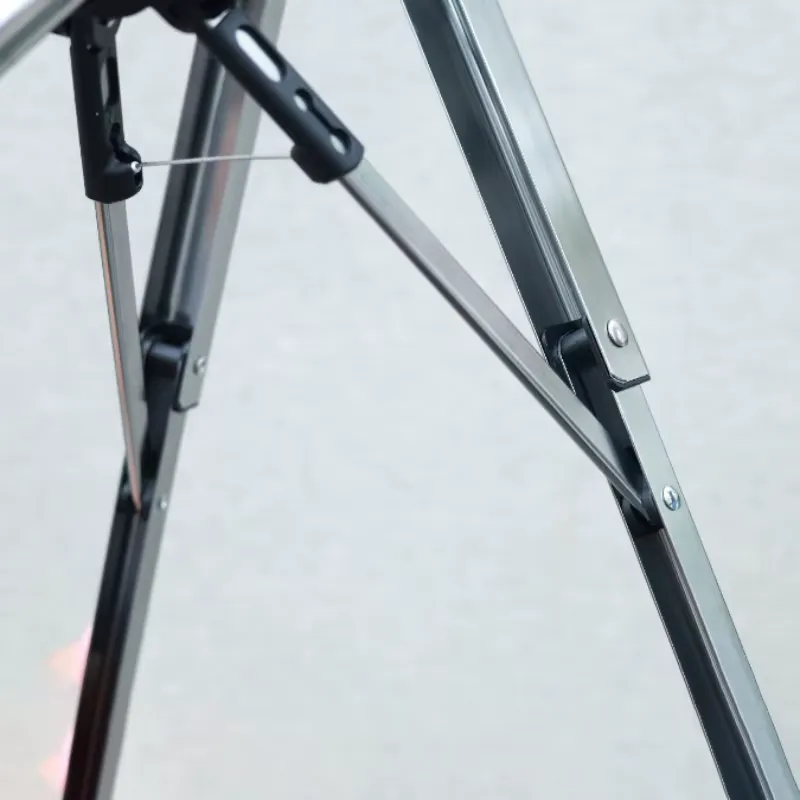
A cane seat weight capacity review needs the whole seat, shaft, brace, hinge and three rubber-tipped legs in their approved positions. A rating applies to a defined assembly, not loose components on a table. Inspect the actual sample for damage before use.
What should a buyer ask about the assembly?
Follow the load path without guessing its strength. The brace close-up helps locate joints but does not prove capacity. Use the AryMD product range to find the model page, then ask for current parts and service instructions.
- Identify seat and hinge assemblies.
- Check braces and all three feet.
- Record any missing or worn component.
| Assembly area | Review question |
|---|---|
| Seat and brace | Matches the rated configuration? |
| Legs and tips | Present and in acceptable condition? |
A rating cannot rescue a damaged or wrong assembly. Key Takeaway: You can check that the delivered sample matches the rated design.
How does floor use relate to cane seat weight capacity?
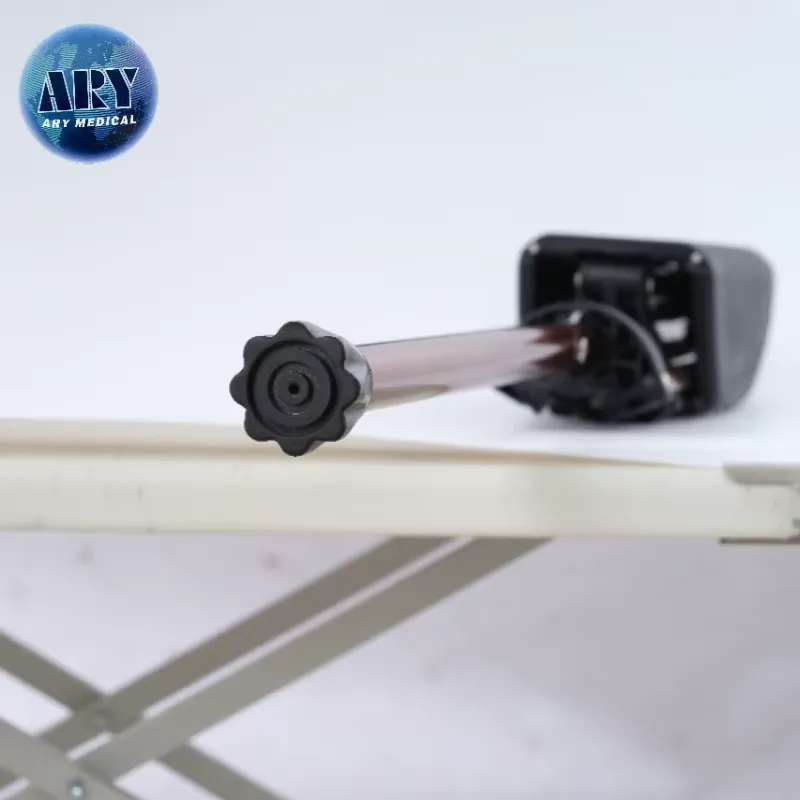
Floor use relates to cane seat weight capacity because a three-leg seat contacts the ground through three rubber tips. A load rating alone does not approve every surface or resting location. Follow the maker’s intended-use guidance for the exact device.
Which site facts matter?
Describe the floor beneath all three feet. The rubber-tip close-up does not show the whole base or terrain approval. A qualified adviser should review the actual setting and person’s planned use.
- Note floor condition at the intended rest point.
- Check tip condition and presence.
- Keep use limits with the model file.
| Site field | Purpose |
|---|---|
| Floor condition | Frames the use review |
| Tip condition | Finds wear or missing parts |
Stable-looking product photography cannot substitute for a real site check. Key Takeaway: Your buyer can discuss the location without claiming universal floor suitability.
Who reviews cane seat weight capacity for one person?
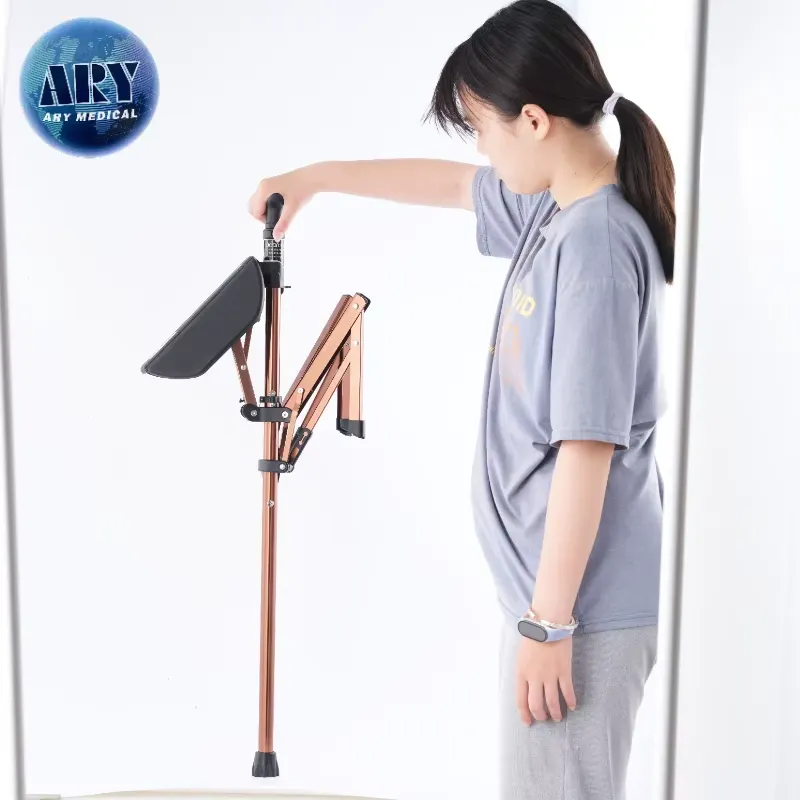
A qualified adviser reviews whether a specific cane seat weight capacity product suits one person’s walking and resting needs. A manufacturer rating is necessary product information, yet it is not a personal fit decision. Check handle reach, seat access and use setting as separate questions.
What should an individual review record?
Keep the person beside the product facts. The shaft-adjustment photo shows a hand at the handle but not a completed fit assessment. Compare other walking-aid types for context, then involve the appropriate professional.
- Confirm the person’s intended use.
- Review handle and seat access.
- Record the approved model setup.
| Decision | Source |
|---|---|
| Product rating | Current maker documentation |
| Personal suitability | Individual professional review |
One figure cannot tell you how someone enters, rests or walks. Key Takeaway: Your order can respect both product limits and user needs.
What if cane seat weight capacity data disagree?
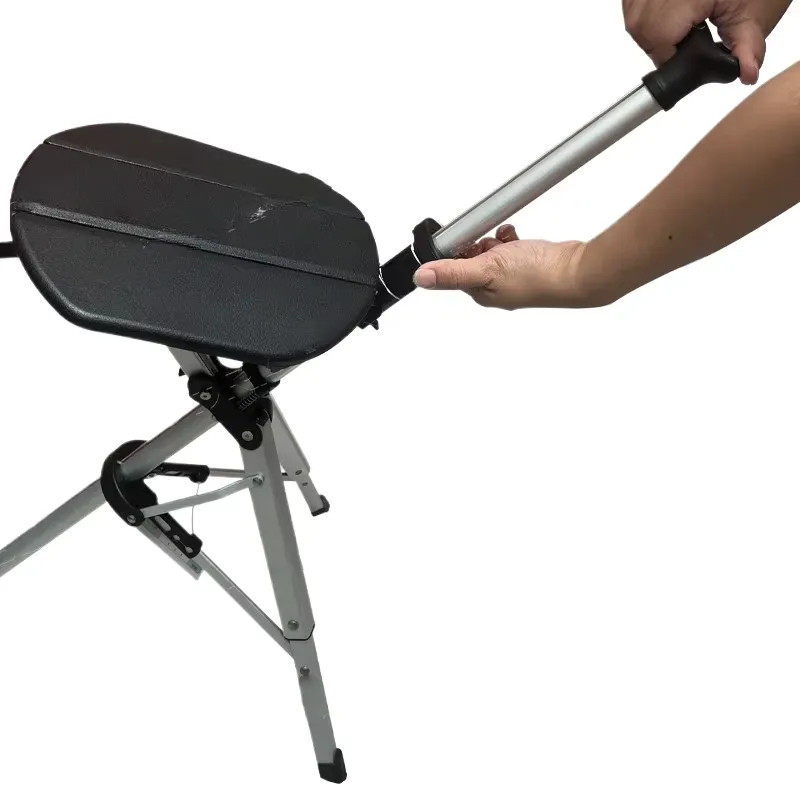
If cane seat weight capacity data disagree, stop repeating the number and ask the maker to identify the current model-specific statement. A page, label and old sheet may refer to different revisions. Keep the resolution with the purchase record.
How should the discrepancy be sent?
Show the sources side by side. Photograph the model label and quote the document revision, then describe the mismatch plainly. The AryMD team can review available product information for the exact chair.
- List each conflicting source.
- Identify the physical sample and revision.
- Request a written current answer.
| Conflict item | Resolution step |
|---|---|
| Different figures | Confirm model and document scope |
| Missing source | Hold the claim until verified |
Quietly choosing the larger figure can misstate the product. Key Takeaway: Your catalog can be corrected from a traceable response.
How should cane seat weight capacity appear in a quote?
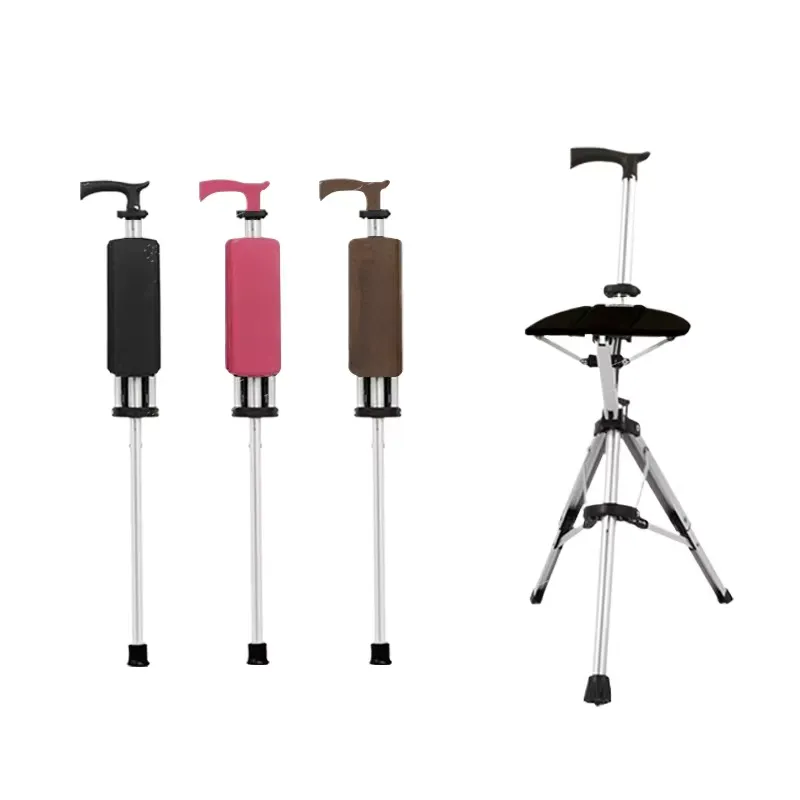
A cane seat weight capacity figure in a quote should name the exact model, configuration and source document. If the rating has not been confirmed, leave the field pending. Do not present a sample photo as a substitute.
What else belongs on the line item?
Make the quote readable after delivery. Keep current instructions, seat setup and part references beside the product identity. Send unresolved questions through the AryMD contact page before the quote becomes an order.
- State model and approved configuration.
- Cite the maker’s current rating record.
- Flag unverified use or fit questions.
| Quote field | Use |
|---|---|
| Product and rating source | Supports an auditable claim |
| Open questions | Prevents silent assumptions |
A precise quote helps later service teams identify the same product. Key Takeaway: You can offer a chair without borrowing an unverified number.
What belongs in a cane seat weight capacity chart?
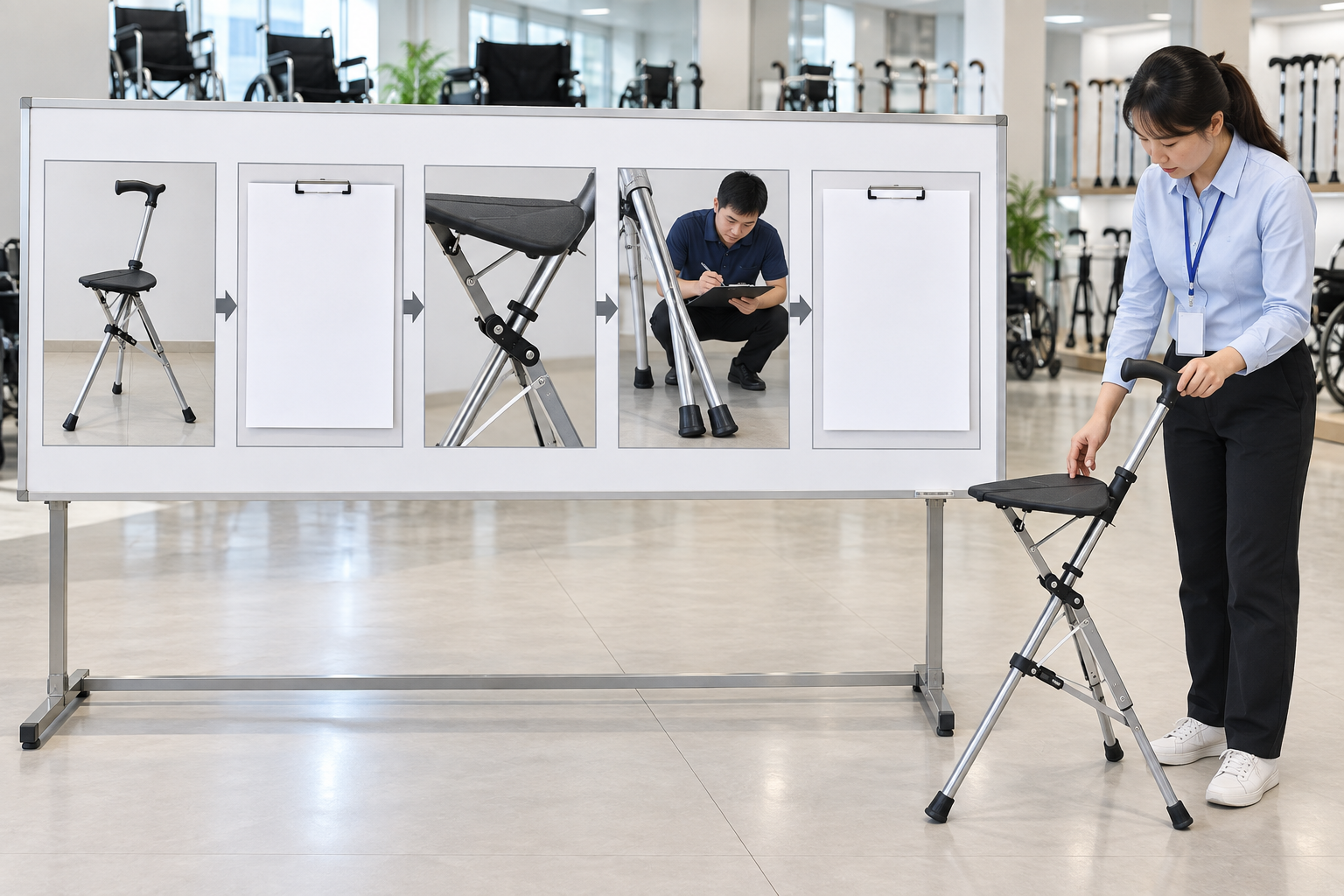
A cane seat weight capacity chart should link model identity, rating document, seat and braces, three feet, individual review and a blank pending record. It must not display a load test that was never performed. Store the real evidence with the order.
How does the chart guide a buyer?
Leave the final box open until facts arrive. Use each visual stage as a prompt for a current document or sample check. A blank final sheet makes the illustration clearly different from an approved result.
- Attach exact manufacturer rating source.
- Check the supplied assembly and tips.
- Record the individual review owner.
| Stage | Evidence |
|---|---|
| Product and condition | Maker file and sample |
| Personal use | Qualified review and open items |
The chart adds value only when it points to real records. Key Takeaway: You can see which claim still needs evidence.
How do you request cane seat weight capacity evidence?
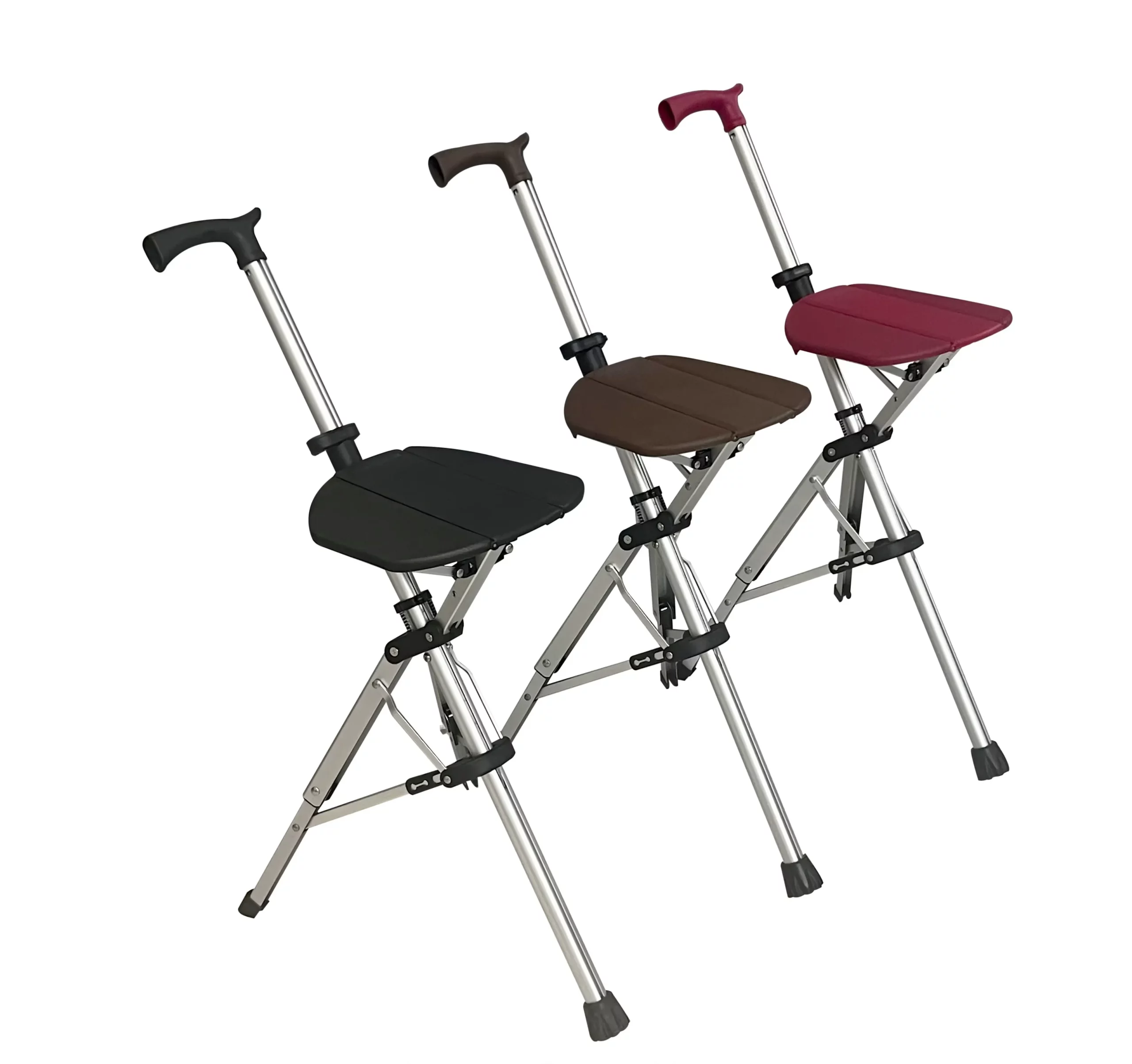
Request cane seat weight capacity evidence by sending the exact model, revision and intended configuration to the supplier. Ask for the current rated-use document and relevant care instructions. Keep the personal-use assessment with qualified staff.
Ready to close the rating question?
Ask for the source, not a larger number. Ary Medical can review available product files and sample options. Confirm that the response covers the device you will actually purchase.
- Send product and configuration references.
- Request current rating and care sources.
- Record who reviews the final use plan.
| Your brief | Supplier response to request |
|---|---|
| Exact device | Current model-specific records |
| Use questions | Relevant product guidance |
A model-linked answer is stronger than an isolated figure. Key Takeaway: For a defensible cane-seat review, contact us. Ary Medical supports claims that buyers can trace back to the actual product.
Frequently asked questions
Q1: Can I use the capacity number on an older page?
Only after the maker confirms it applies to the exact current model and configuration.
Q2: What’s the best evidence of a rated limit?
Use a current manufacturer document or product label tied to the exact model.
Q3: How do I know if the seat suits one person?
Combine verified product limits with an individual review of walking and resting needs.
Q4: Can a photo of someone sitting prove the rating?
No. A photo does not show a validated load test or model-specific limit.
Q5: Should a worn rubber tip change the decision?
Yes. Follow the maker’s stop-use and replacement guidance for a damaged device.