
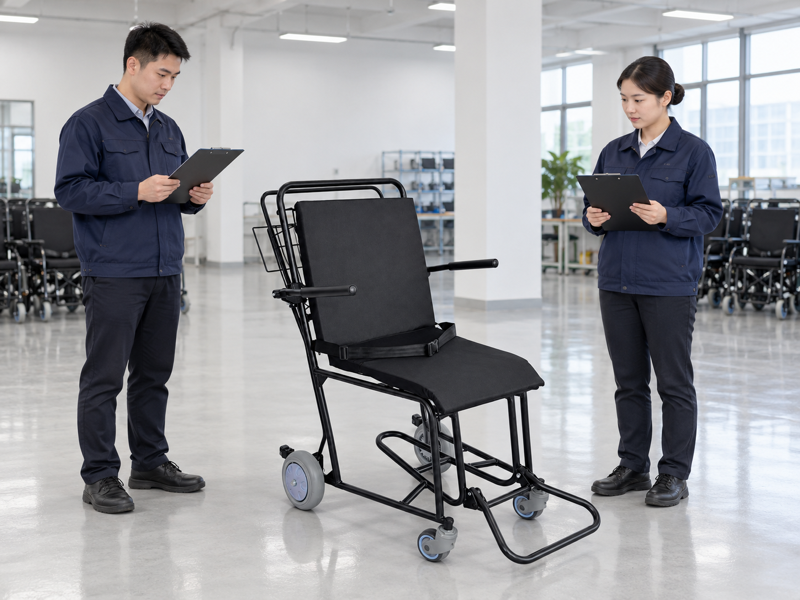
Check airport wheelchair brakes before each service shift using the exact model guide, trained staff and the airport's own hold-and-release procedure. A chair can look ready beside a gate while a wheel-side fitting has changed since the previous handover. A product photo cannot prove that a brake works or how to adjust it. Make the check repeatable and remove doubtful units from service until a qualified person reviews them.
What should an airport wheelchair brakes shift check cover?
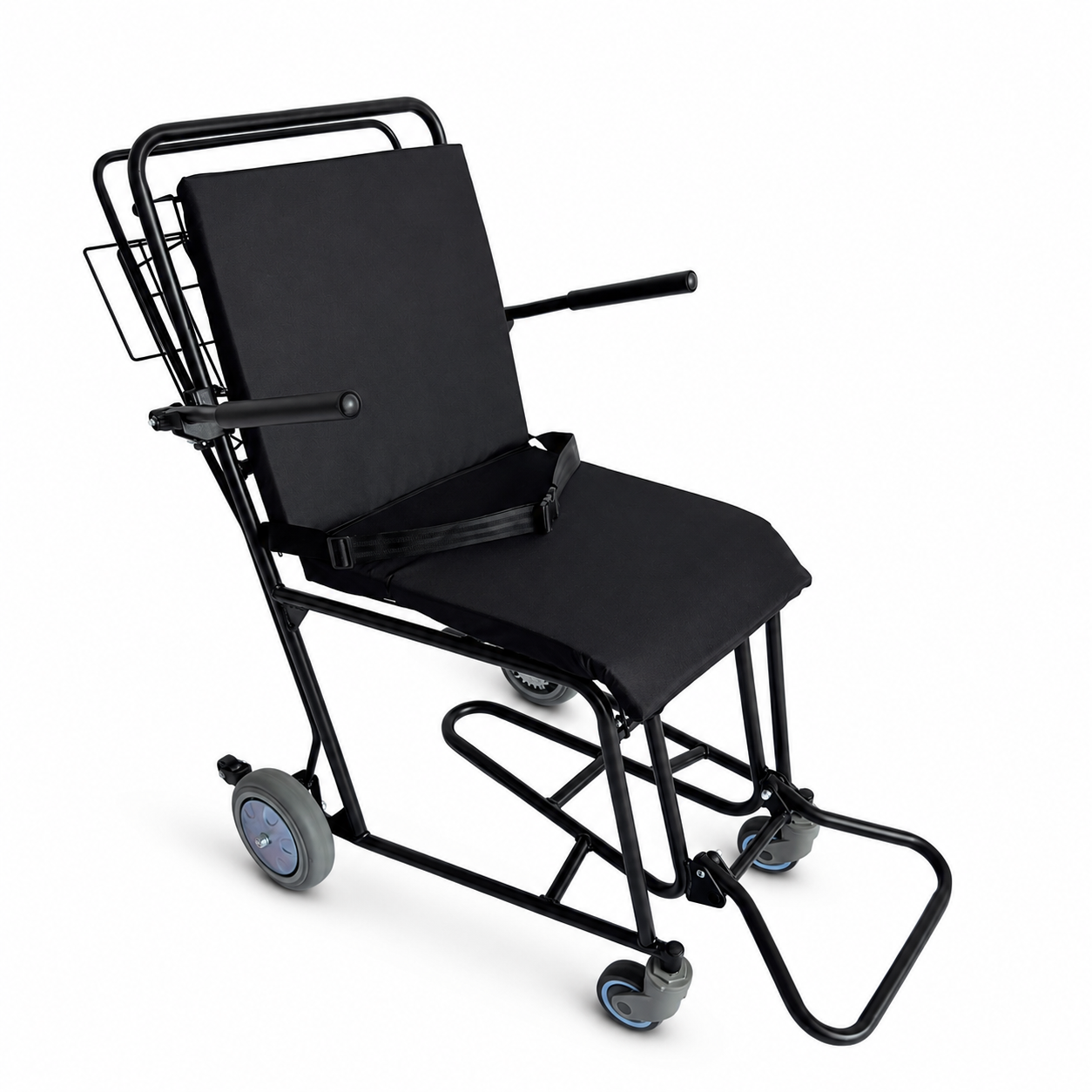
An airport wheelchair brakes shift check should cover chair identity, current instructions, visible wheel condition and the model's prescribed brake response. The full black attendant chair image shows rear wheels, front casters and a belt, but not a working brake. Name a trained checker and a hold rule.
What should the team prepare?
Identify the chair before touching controls. Keep the unit code, guide version and airport service procedure together. An empty-chair check should follow the maker's own method and site limits.
- Match chair to model guide.
- Inspect visible damage without dismantling.
- Record prescribed result and release status.
| Shift field | Use |
|---|---|
| Unit and guide | Selects the right method |
| Result and hold | Controls service release |
A short check is valuable when it leads to a clear decision. Key Takeaway: Your attendant starts with a chair whose status is known.
How do you identify airport wheelchair brakes on a fleet?
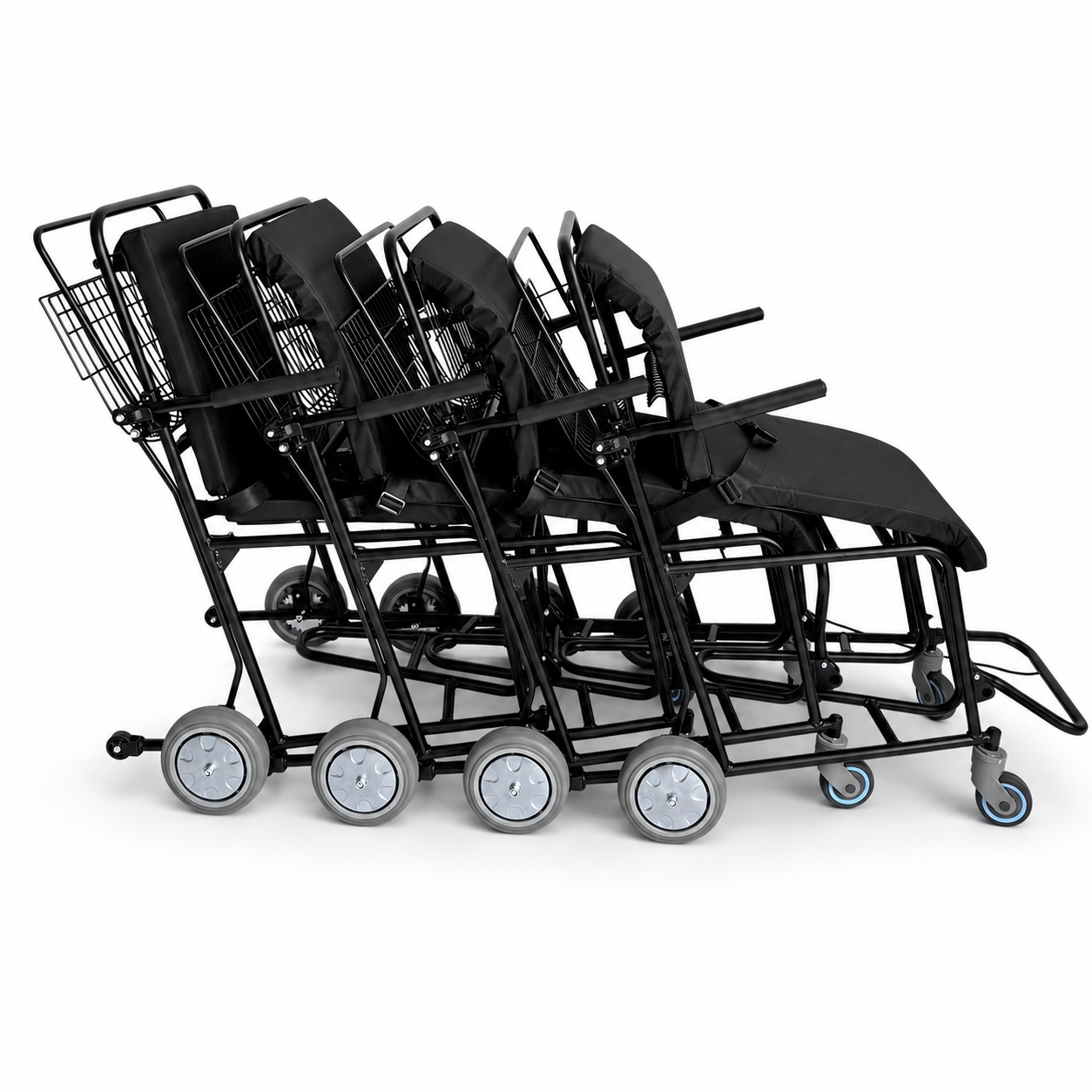
Identify airport wheelchair brakes through the exact chair model and maker instructions, not a similar black frame in a fleet row. Nested-chair images show storage, not interchangeable controls. Use the product range for orientation and keep each unit's record separate.
Which identifiers prevent a mix-up?
Keep model and unit numbers together. Record the current model, any revision and the chair's service ID. A different variant or repaired assembly may need a different check method.
- Label each chair in the fleet record.
- Match the current manual to that unit.
- Flag unknown or changed parts for service.
| Identifier | Why |
|---|---|
| Model and revision | Finds matching instructions |
| Unit ID | Keeps observations traceable |
A fleet image cannot identify a specific chair for checking. Key Takeaway: Your staff can avoid applying another model's brake routine.
Can nesting hide airport wheelchair brakes faults?
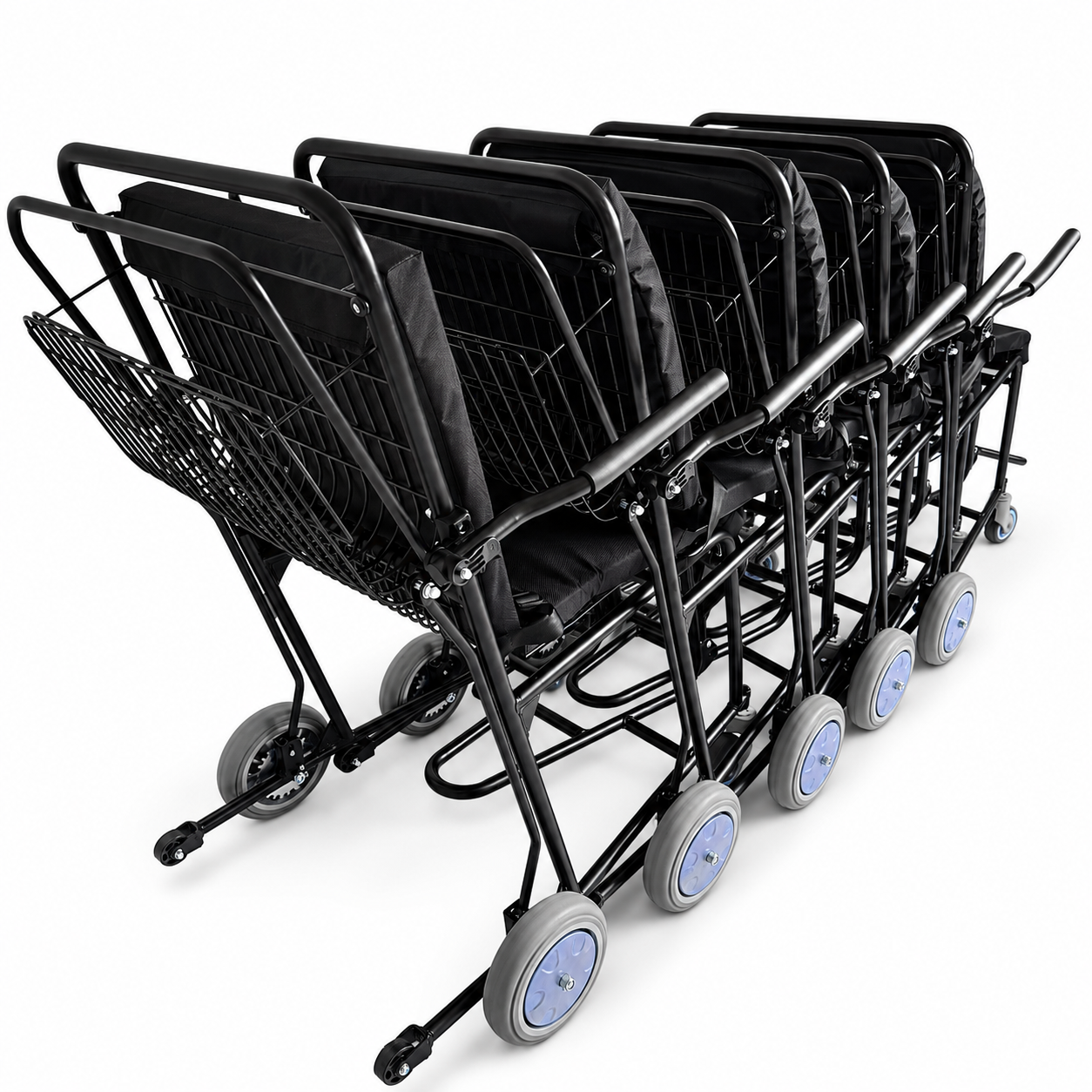
Nesting can hide visible airport wheelchair brakes concerns by blocking a full view of wheels and fittings, so inspect each unit under the approved shift procedure. The rear-angle nested photo shows chair backs and wheels grouped closely. It proves neither a safe grouping count nor the brake condition of every chair.
What should a release plan allow?
Give each unit its own view. The airport should arrange a safe, maker-permitted way to access a chair for its check. Keep storage movement and brake assessment as separate tasks.
- Identify each chair before release.
- Follow approved access and check methods.
- Record any unit held for a blocked or failed check.
| Storage state | Check question |
|---|---|
| Grouped chairs | Can every unit be inspected? |
| Released chair | Was its own check recorded? |
A row of nested chairs cannot receive one shared pass mark. Key Takeaway: Your fleet log can track individual units after storage.
What should attendants know about airport wheelchair brakes?
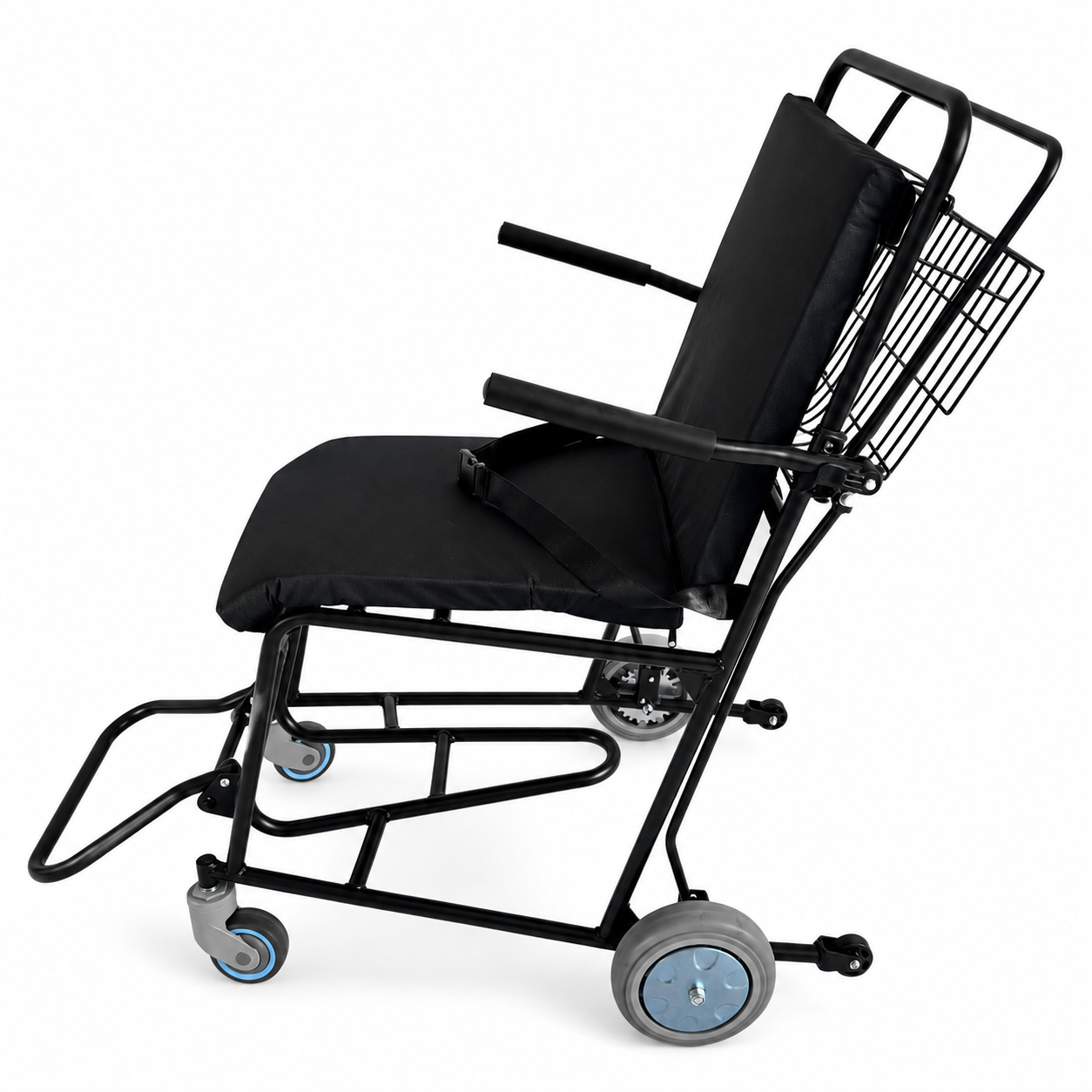
Attendants need the exact airport wheelchair brakes instructions and a clear response when a chair behaves unexpectedly. The side photo shows push handles and a wheel-side area but no universal lever action. Related transfer devices require their own operating plans.
What belongs in training?
Teach the site method with the model guide. Explain when the chair is checked, who may use a control and when the unit must be held. Leeds NHS wheelchair guidance shows why brake use is part of safe transfers for its chairs; this airport model still needs its own directions.
- Use model-specific controls and limits.
- Name the transfer and handover responsibilities.
- Escalate unusual response without forcing parts.
| Training topic | Basis |
|---|---|
| Chair control | Exact maker guide |
| Passenger service | Airport procedure and individual plan |
A general wheelchair rule does not locate this chair's control. Key Takeaway: Your attendant knows when to stop and ask for help.
What can an airport wheelchair brakes mechanism photo show?
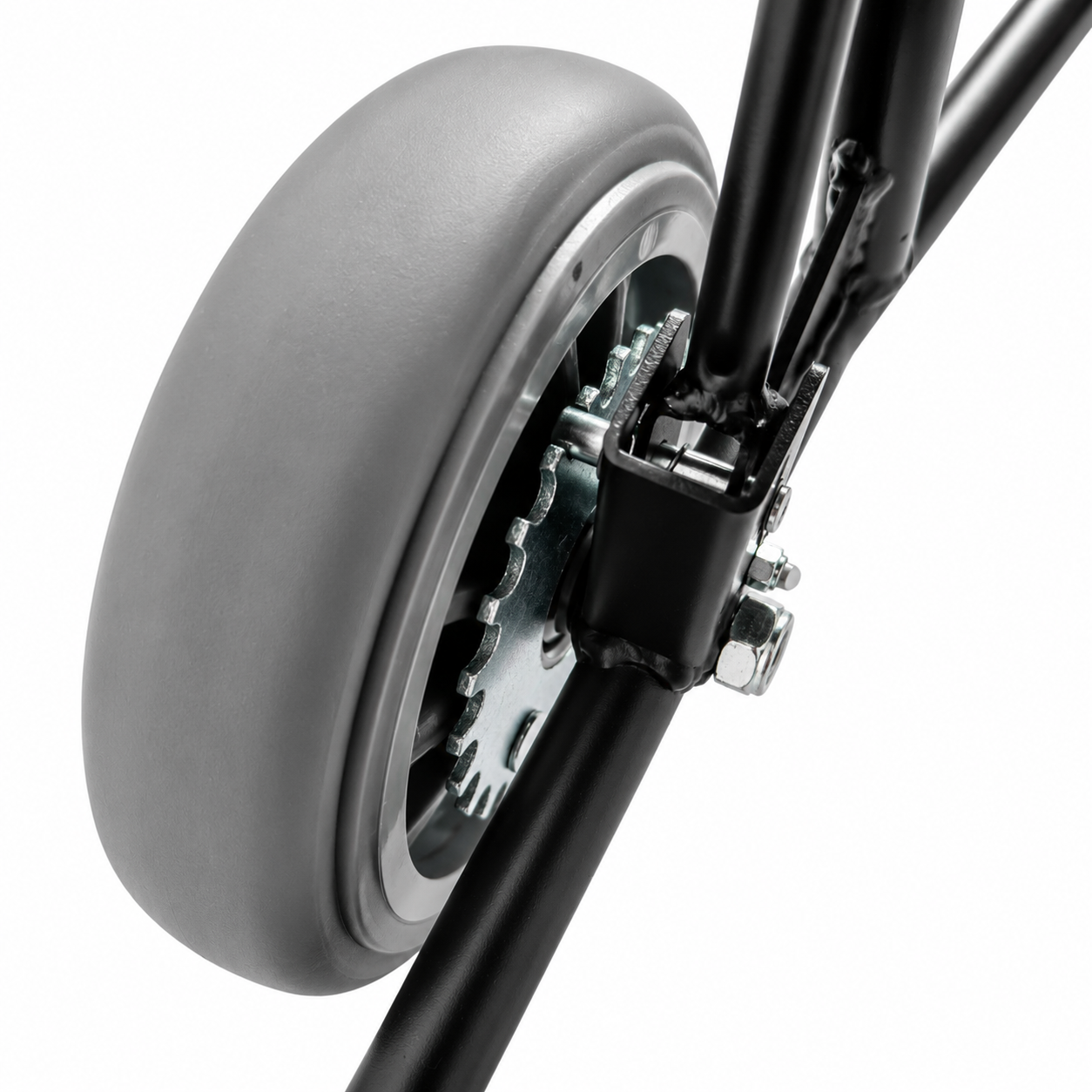
An airport wheelchair brakes mechanism close-up can show wheel-side hardware and a toothed-looking component, but not its adjustment, force or certified stopping result. Only the maker can identify the mechanism for this model. Do not publish DIY calibration steps from this photo.
What should a technician request?
Use the part image as a question. Ask for the approved assembly name, inspection method, service tools and post-work checks. A trained technician should decide whether a suspected issue needs repair or replacement.
- Identify visible part and chair unit.
- Request current technical directions.
- Hold the chair until a qualified release decision.
| Photo supports | Photo does not prove |
|---|---|
| Part location | Adjustment method |
| Visible condition | Brake performance |
A detailed image is still only an image. Key Takeaway: Your service team can investigate without inventing a fix.
Which wheel issues affect airport wheelchair brakes?
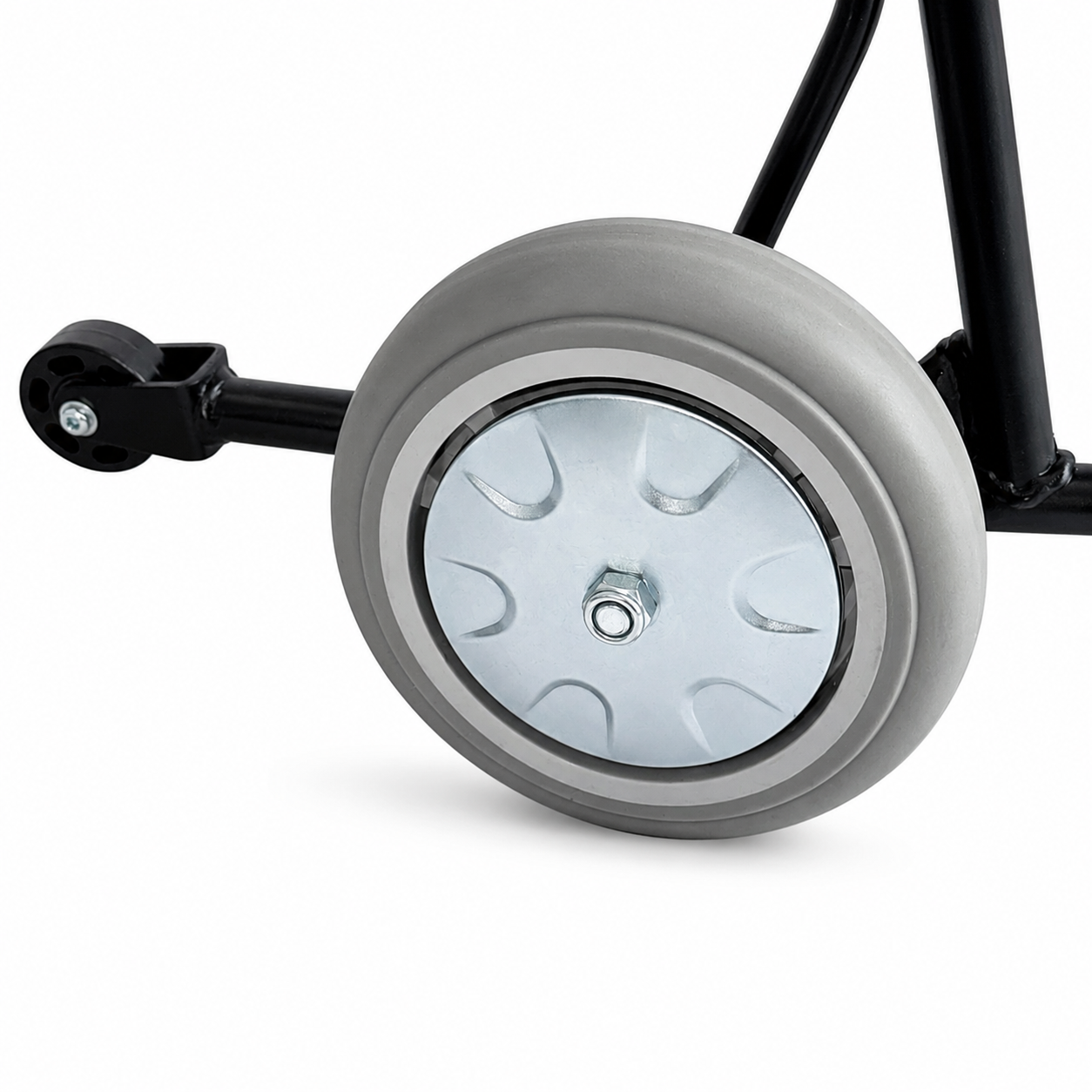
Visible rear-wheel damage or an unexpected change may affect airport wheelchair brakes, so route those observations through the maker's service guidance. The wheel close-up shows a solid grey tyre and hub, not tread life or stopping distance. Check front casters under the same unit-level process.
What should a shift report describe?
Write what changed, not why it failed. Record damage, unusual movement or a missing part with the chair ID. Do not require staff to recreate a suspect event to prove a fault.
- Inspect rear and front wheel condition.
- Describe observations without guessing a cause.
- Refer uncertain response to qualified service.
| Observation | Next action |
|---|---|
| Visible wheel damage | Hold and review |
| Unexpected brake response | Technical assessment |
A clear symptom is more useful than an untested diagnosis. Key Takeaway: Your maintenance team gets a focused report.
When should airport wheelchair brakes stop a chair entering service?
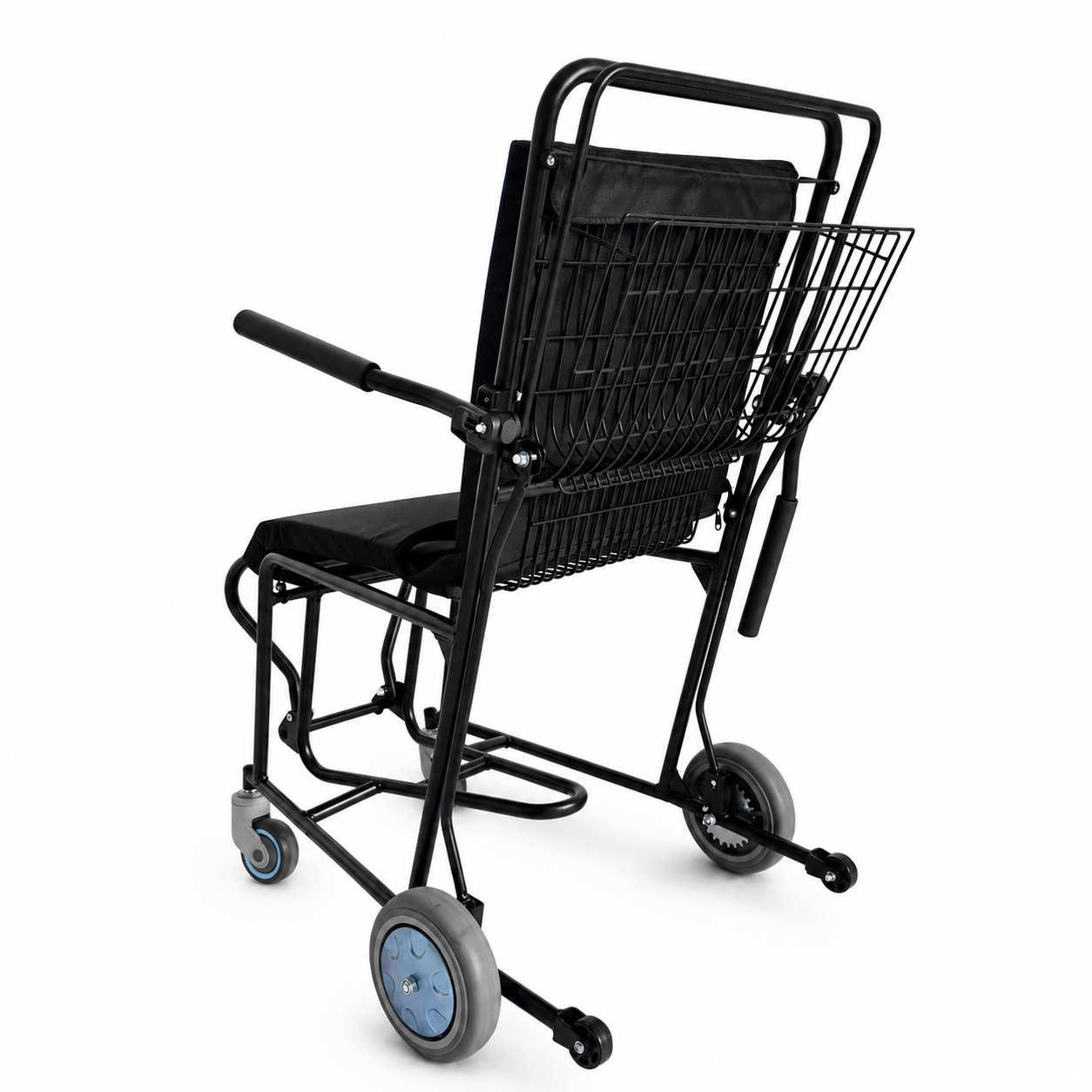
Airport wheelchair brakes concerns should stop a chair entering service when the prescribed check fails, a part is damaged or the result cannot be confirmed. The rear basket view does not change that hold rule. Use the airport's documented escalation path.
What should a hold tag explain?
Make the reason visible without a repair guess. Record unit ID, observed concern, time, checker and the qualified person who will assess it. Keep the chair apart from ready stock under local practice.
- State the failed or incomplete check.
- Name the unit and responsible reviewer.
- Record repair and release separately.
| Hold entry | Purpose |
|---|---|
| Observation | Explains why service stopped |
| Release authority | Shows who closed the issue |
A chair should not rejoin service because a shift changed. Key Takeaway: Your fleet avoids silent reuse of unresolved equipment.
How should airport wheelchair brakes checks be handed over?
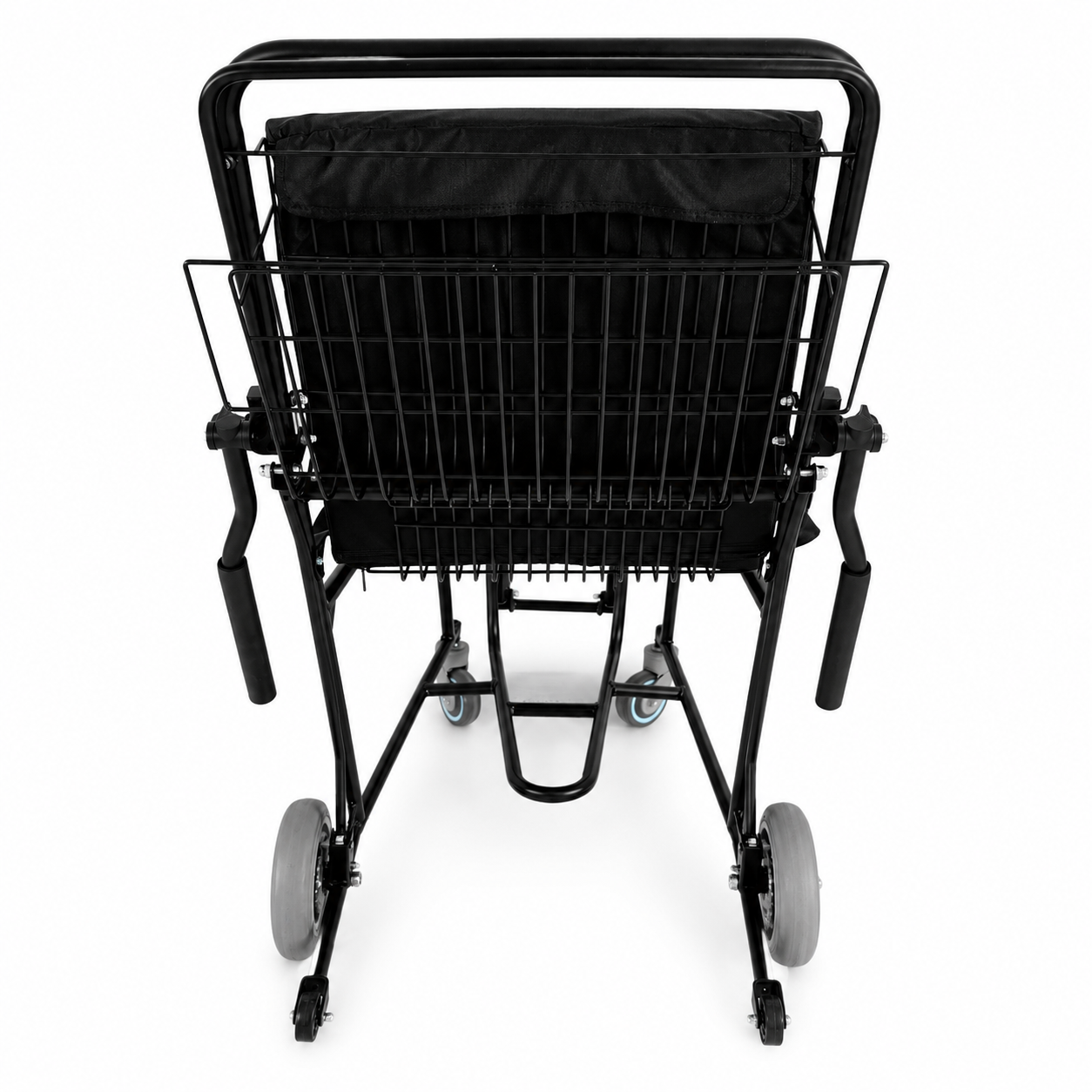
Hand over airport wheelchair brakes checks with unit status, last prescribed result, open issues and current maker instructions. The rear handle and basket image is a product detail, not a brake pass. Ask the supplier team for model-specific service records where needed.
What must the next shift see?
Leave a clear release trail. Keep ready, held and service units distinct in the fleet log. WHO's assistive-product repair guidance supports inspection and quality records as part of responsible repair systems.
- Record unit-level check status.
- List unresolved service questions.
- Keep current contact and manual details.
| Handover field | Use |
|---|---|
| Unit status | Directs shift allocation |
| Open issue | Prevents missed follow-up |
A basket photo cannot tell a new worker which chair is ready. Key Takeaway: Your next shift can act on one current record.
What belongs in an airport wheelchair brakes chart?
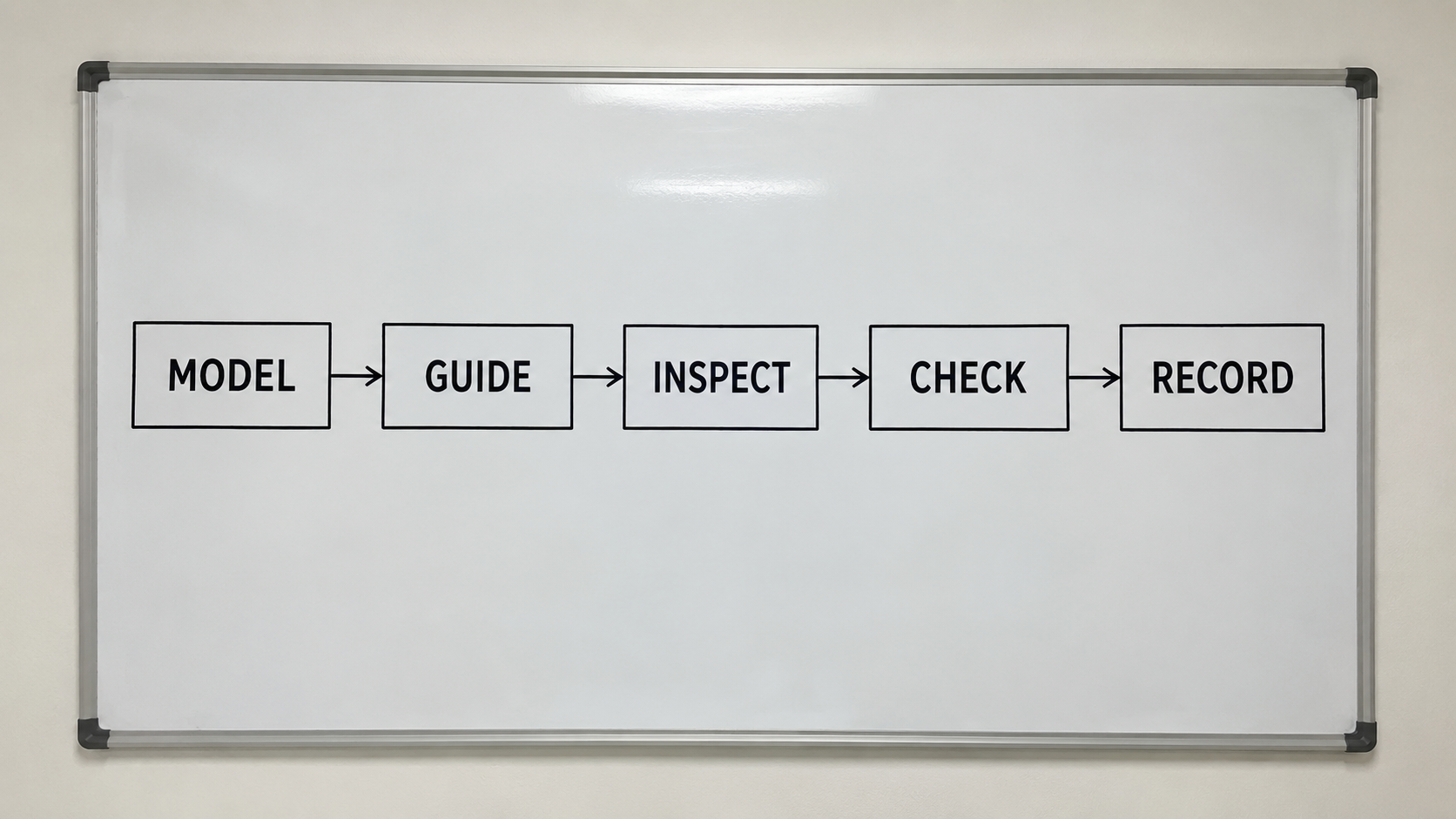
An airport wheelchair brakes chart should set out model, guide, inspection, prescribed check and record for the exact unit. The board image shows those stages without a performance mark. Leave unknown results blank until a qualified person confirms them.
Can supervisors audit the process?
Make every check traceable. Keep a copy of the current method and the staff member's observation. Avoid a generic tick that hides what was checked.
- Name model and unit.
- Record method and checker.
- Show hold or release outcome.
| Chart item | Evidence |
|---|---|
| Guide | Current version |
| Result | Observed prescribed check |
A record is only useful when its method is known. Key Takeaway: Your team can review the shift decision without a guessed brake rating.
How do you request airport wheelchair brakes guidance?
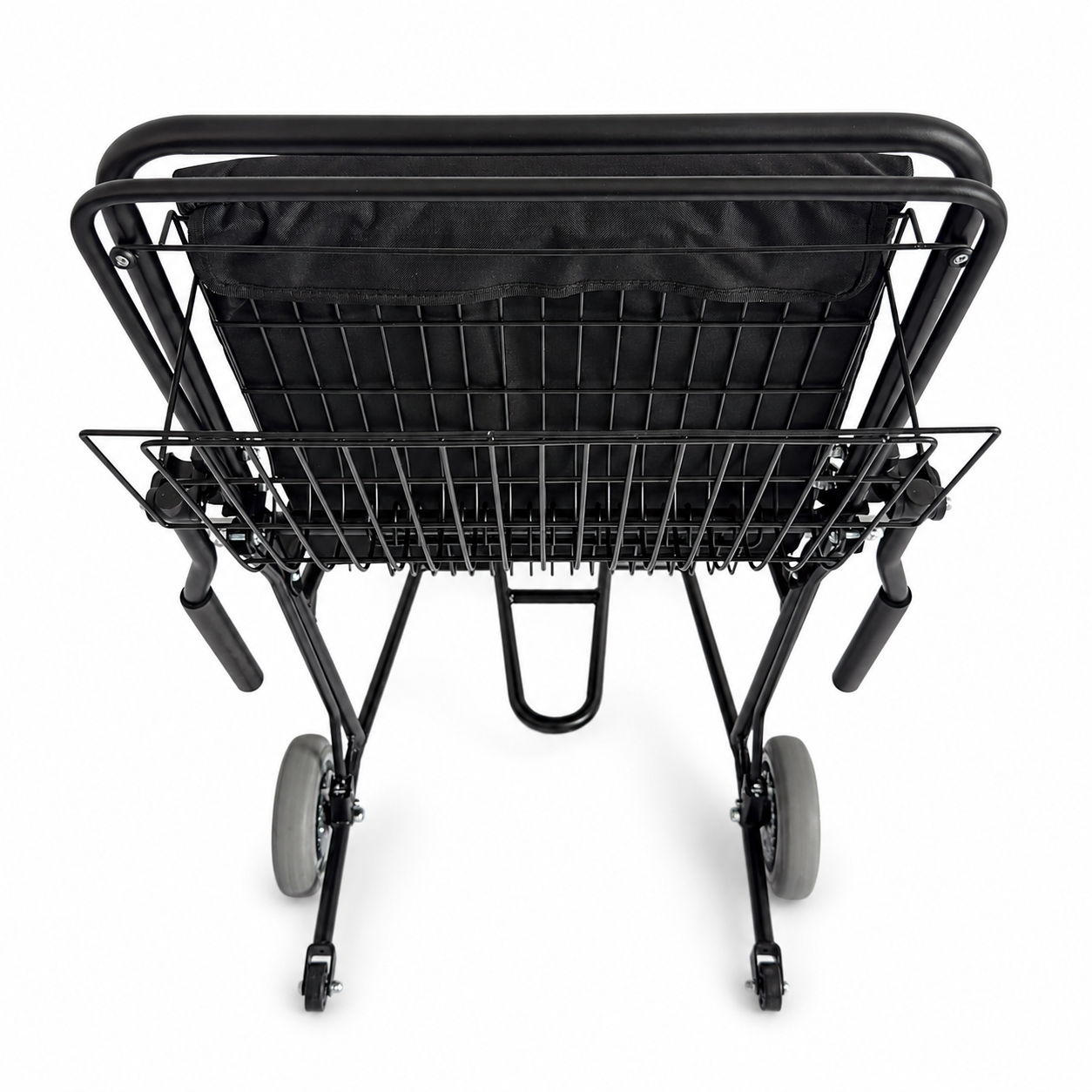
Request airport wheelchair brakes guidance with the chair model, unit revision, observed concern and airport service task. Ask for current shift-check and repair information before staff use the fleet. Keep stopping-distance claims out of purchasing copy.
Ready to update the shift checklist?
Send the model question with the symptom. Ary Medical can clarify available service information for the supplied black attendant chair. Request brake assembly identity, permitted checks and support contacts for your airport team.
- Name the model and fleet context.
- Describe observed brake or wheel concern.
- Ask for current maker and service guidance.
| Buyer input | Supplier response |
|---|---|
| Chair and concern | Matching technical record |
| Shift plan | Approved check and support route |
A precise enquiry helps staff keep a doubtful chair out of use. Key Takeaway: For model-specific guidance, contact us. Ary Medical supports service decisions that respect the chair and passenger.
Frequently asked questions
Q1: Can I adjust the brake from a wheel photo?
No. Use the exact maker service guide and a qualified technician.
Q2: What's the best shift brake check?
Follow the model's current prescribed method and your airport's documented procedure.
Q3: How do I know if a nested chair is ready?
Identify and check that specific unit; do not assign one result to a whole row.
Q4: Can I publish a stopping distance for this chair?
Only with valid test evidence for the exact model and stated conditions.
Q5: How do I know when a held chair can return?
A qualified person should complete the required review, checks and documented release.