
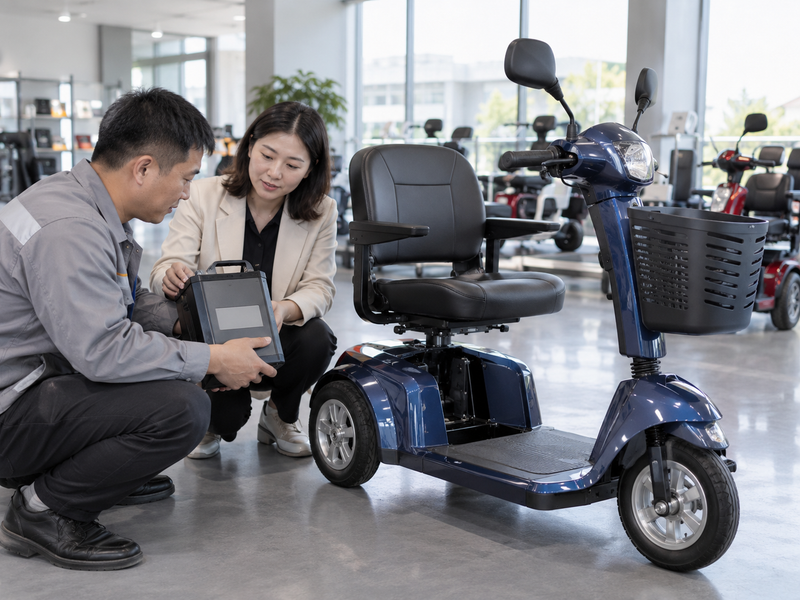
Check a mobility scooter battery label by matching its readable pack identifier, scooter model and approved charger before ordering. A distributor may see two similar black battery housings and assume they interchange; one wrong part can delay service. Current labels, maker documents and a written supplier match turn that guess into a traceable decision.
Which battery label belongs to the scooter?
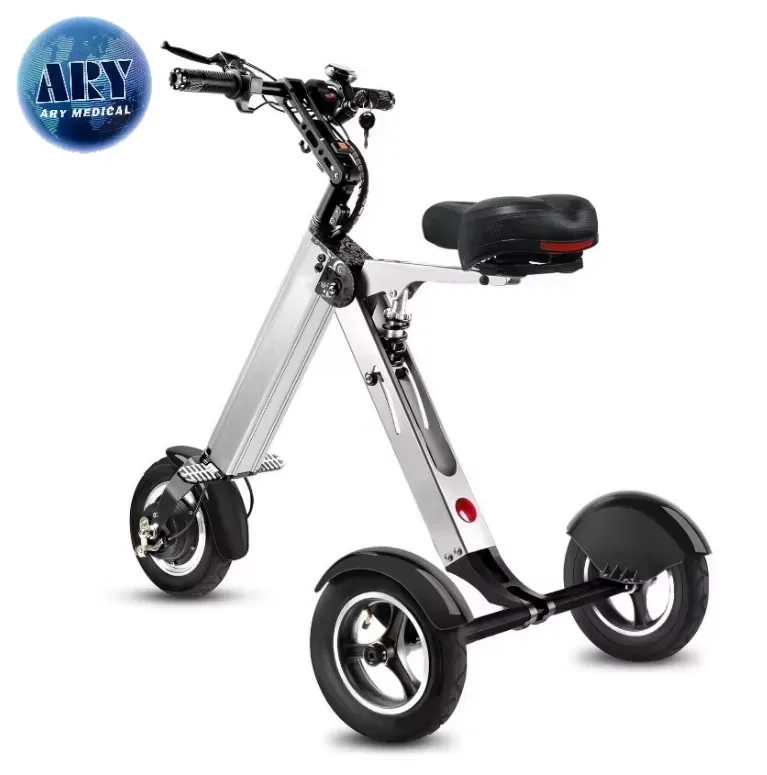
Mobility scooter battery label checks must begin with the exact pack supplied for the quoted scooter model. A matching color or housing shape cannot prove part compatibility. Ask for a current pack identifier and a photograph of its full label.
Which identity records should agree?
Treat the pack as a named component. Match the scooter revision in the scooter range with the supplier's battery part list. Keep a replacement pack separate from the factory-fitted pack until both identifiers agree.
- Record the scooter model.
- Record the pack code.
- Compare part revisions.
| Buyer check | Evidence to keep |
|---|---|
| Record the scooter model | Current model sheet |
| Record the pack code | Readable label image |
Similar-looking packs can belong to different electrical systems. Key Takeaway: You can stop a mismatched replacement before a customer receives it.
What should a readable label show?
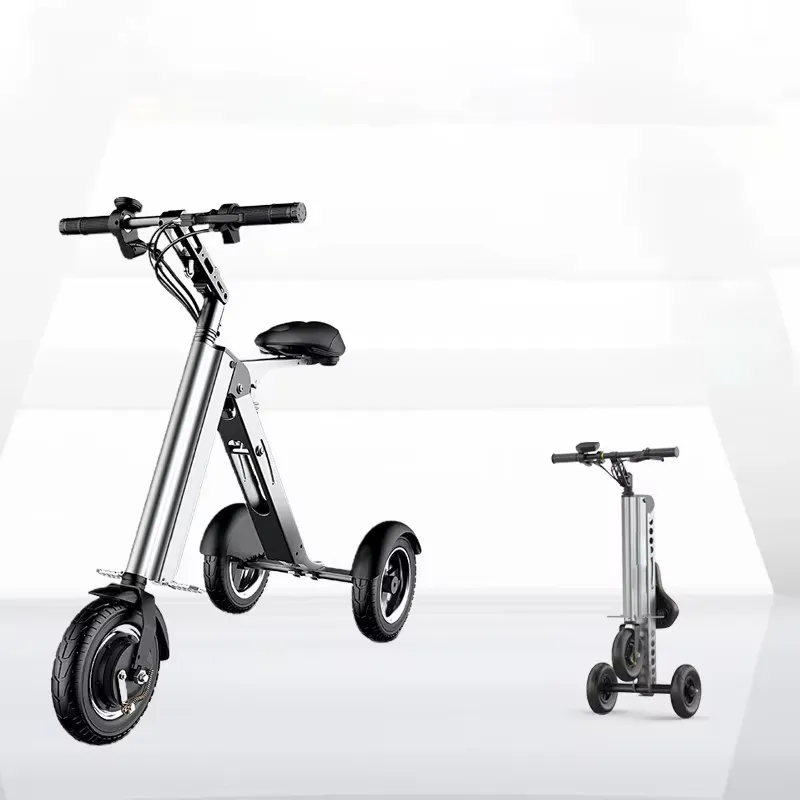
Mobility scooter battery label evidence should show the manufacturer or supplier identifier and the technical data the current guide says to check. A blurred photo is not an approved specification. Request an image where each field can be read without guessing.
How should photos be captured?
Make the label legible before quoting. Photograph the full pack, label, connector face and any revision marking with the pack safely disconnected. Keep glare and cropped edges out of the record.
- Capture the complete label.
- Record the part number.
- Note the pack revision.
| Buyer check | Evidence to keep |
|---|---|
| Capture the complete label | Uncropped photo |
| Record the part number | Typed identifier |
A partial image can hide the one field that separates two variants. Key Takeaway: Your buyer can check the same pack when the shipment arrives.
How should voltage and capacity be verified?
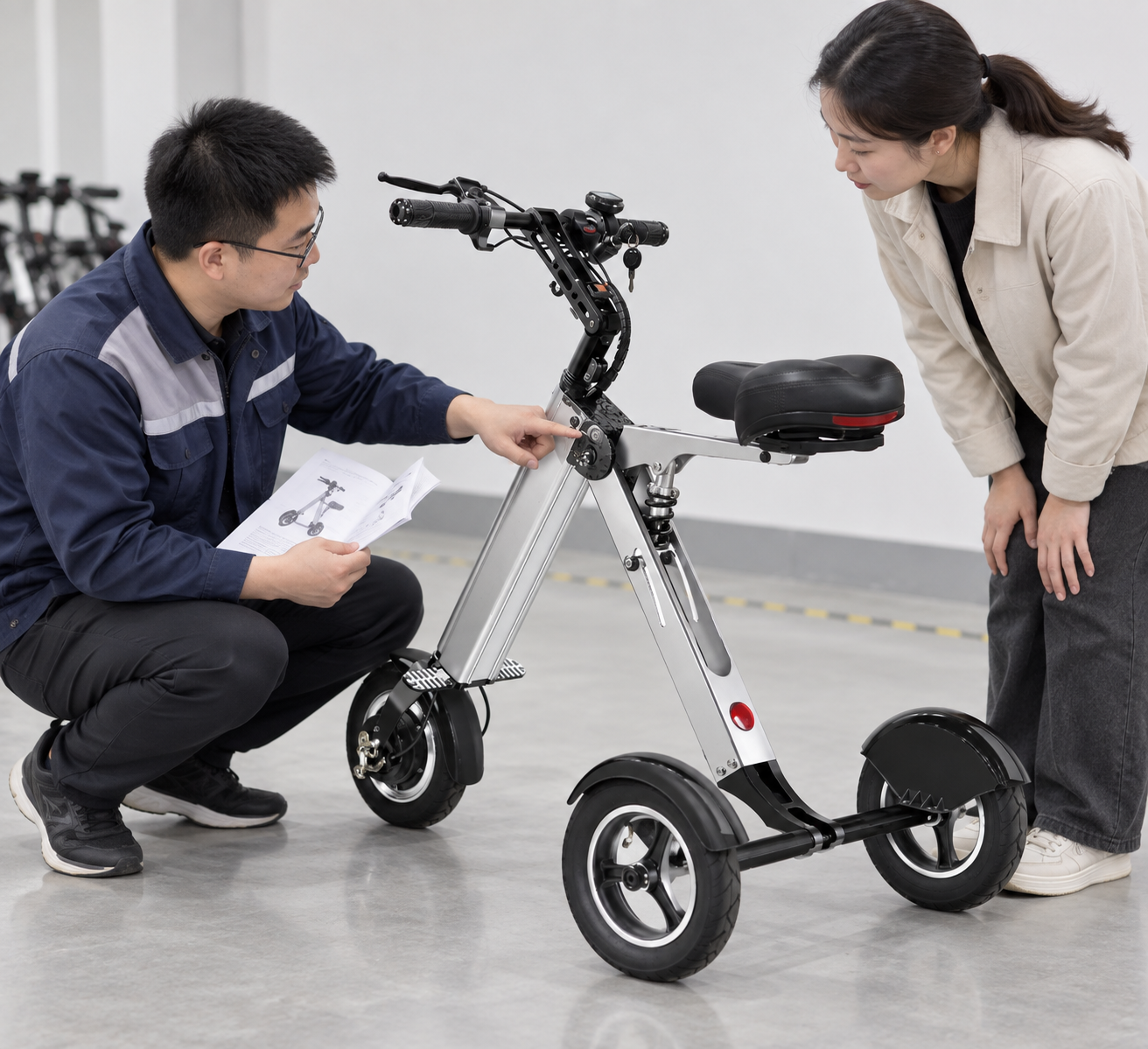
Mobility scooter battery label voltage and capacity values should come from the exact pack label and the maker's current documents. Do not lift a number from another model's web listing. Check how the supplier defines the quoted pack and its charger match.
What belongs on the comparison sheet?
Numbers need a source and a model. Record printed values exactly as supplied, then ask the maker to resolve any conflict with its parts list. Do not infer performance or range from a label alone.
- Transcribe stated values.
- Check the charger match.
- Flag conflicting data.
| Buyer check | Evidence to keep |
|---|---|
| Transcribe stated values | Pack label and guide |
| Check the charger match | Model-specific list |
Capacity is one identification field, not a universal travel-distance promise. Key Takeaway: You can quote a documented pack without inventing range.
How do the connector and charger fit into the match?
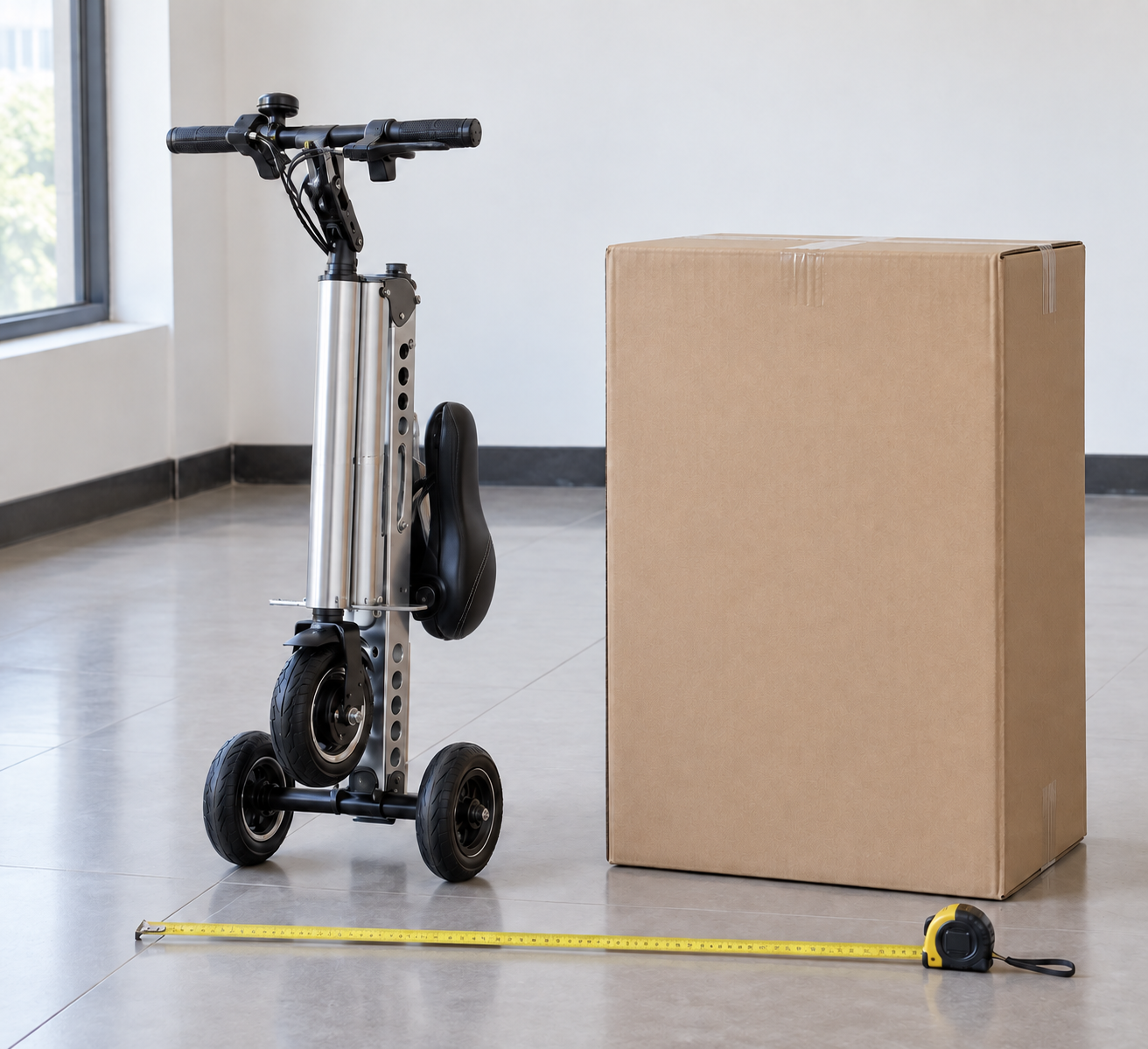
Mobility scooter battery label matching includes the approved connector and charger specified for that scooter, not the printed pack label alone. A plug that physically fits may still be wrong. The three-wheel scooter page is a product view, not a wiring instruction.
What should a technician verify?
A familiar plug can mislead. Have trained staff compare part codes and maker diagrams before connection. Keep pins, polarity and service work within the current product procedure.
- Record connector part code.
- Match the charger model.
- Use trained service staff.
| Buyer check | Evidence to keep |
|---|---|
| Record connector part code | Current parts list |
| Match the charger model | Maker compatibility record |
A shape match is weaker evidence than a documented part match. Key Takeaway: Your service team can avoid a wrong accessory order.
What if a battery label is damaged or missing?
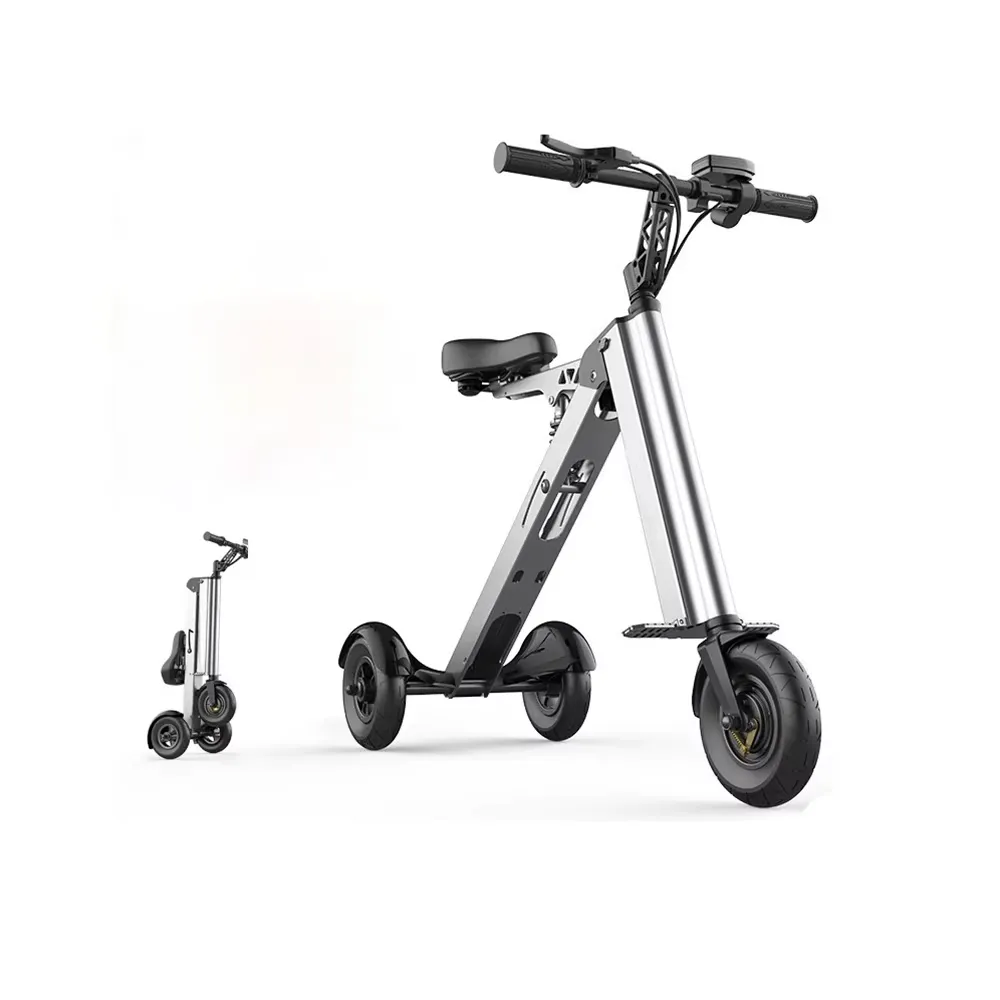
Mobility scooter battery label review should pause when the label cannot identify the pack. Do not substitute an assumed code from a nearby carton. Ask the supplier to trace the unit through model, serial and purchase records.
Which records can recover identity?
Do not turn uncertainty into a guess. Photograph the condition of the pack without opening it and record the scooter identifier. Request a written supplier determination before replacement or transport planning.
- Photograph the damaged label.
- Capture scooter identity.
- Request a supplier trace.
| Buyer check | Evidence to keep |
|---|---|
| Photograph the damaged label | Dated condition image |
| Capture scooter identity | Serial and model record |
Unclear identity can ripple into charging and service errors. Key Takeaway: You can hold the decision until the exact part is known.
Which details belong in a replacement-pack quote?
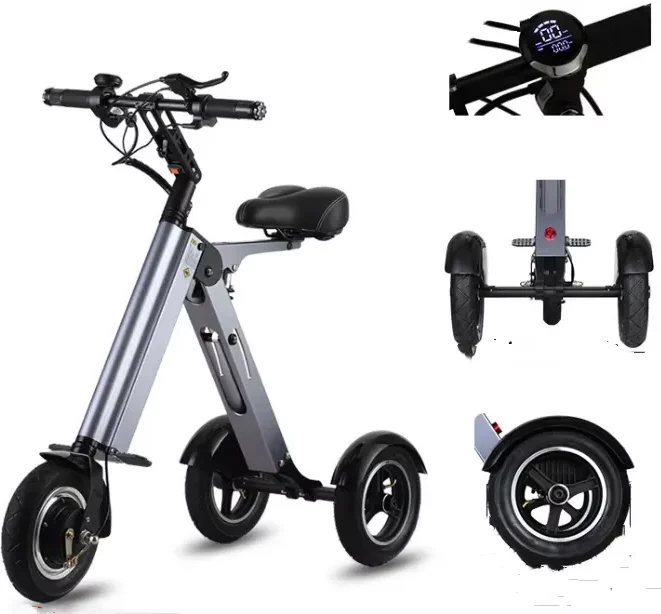
Mobility scooter battery label quotation should name the scooter, pack part number, revision and included components. A vague “battery for scooter” line gives receiving staff no way to check the delivery. Ask whether the charger is included or separate.
What should the buyer put on the enquiry?
Quote the part, not the category. Send clear pack and connector photos plus the scooter model record. Ask the supplier to identify the matching kit and any service-only steps without inventing a DIY procedure.
- Name the scooter model.
- Name the pack part.
- List included items.
| Buyer check | Evidence to keep |
|---|---|
| Name the scooter model | Current product record |
| Name the pack part | Supplier part code |
An itemized quote reduces the chance of ordering the right pack with the wrong cable. Key Takeaway: Your buyer can compare offers on the same basis.
How should transport questions be handled?
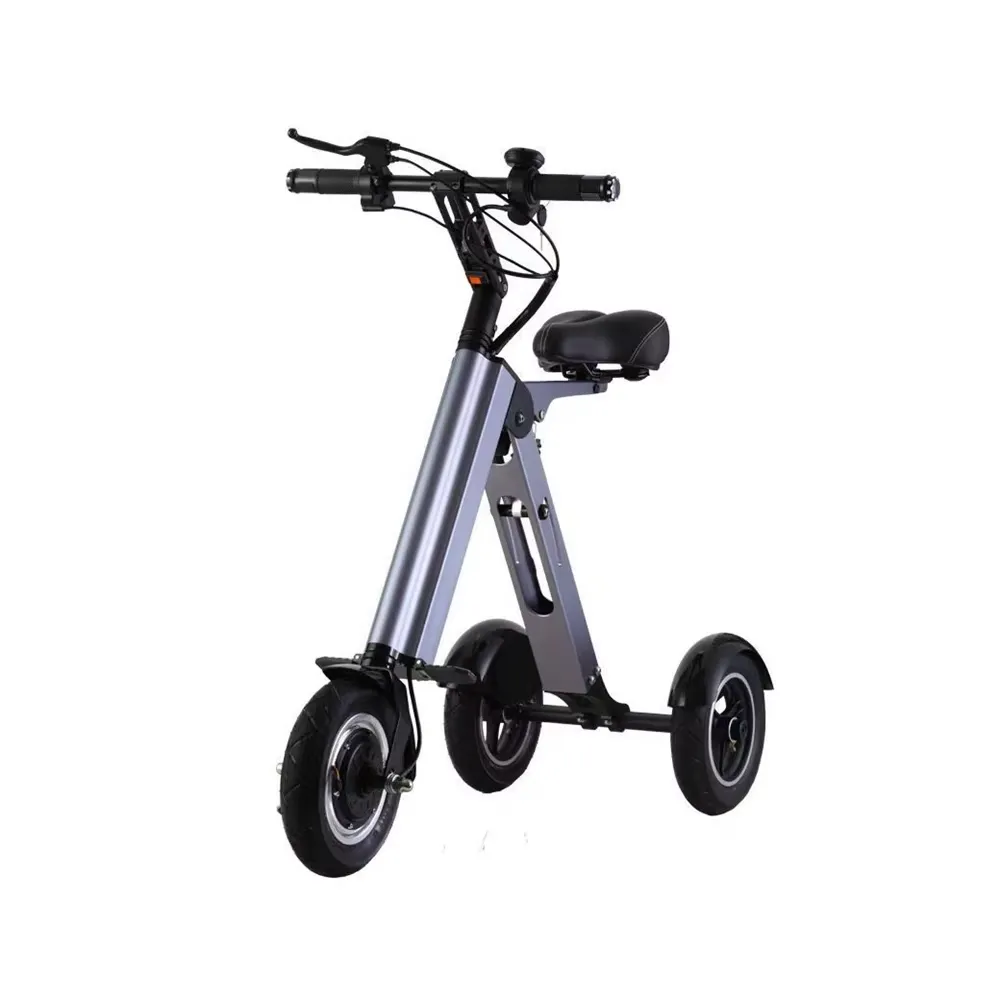
Mobility scooter battery label transport planning needs the exact battery classification and the carrier's rules for the intended route. A label photo alone does not settle acceptance. Ask the responsible forwarder for current requirements before booking, including a folding scooter shipment.
Who confirms the shipment method?
The carrier must answer for its route. Give the carrier the pack document and packaging proposal supplied by the maker. Keep any request for further paperwork in the order file before the dispatch date.
- Identify the battery type.
- Ask the carrier about route rules.
- Confirm packing method.
| Buyer check | Evidence to keep |
|---|---|
| Identify the battery type | Current pack document |
| Ask the carrier about route rules | Written carrier reply |
Transport rules can change by carrier and destination. Key Takeaway: You can avoid promising shipment on incomplete battery information.
What should a dealer keep in the service file?
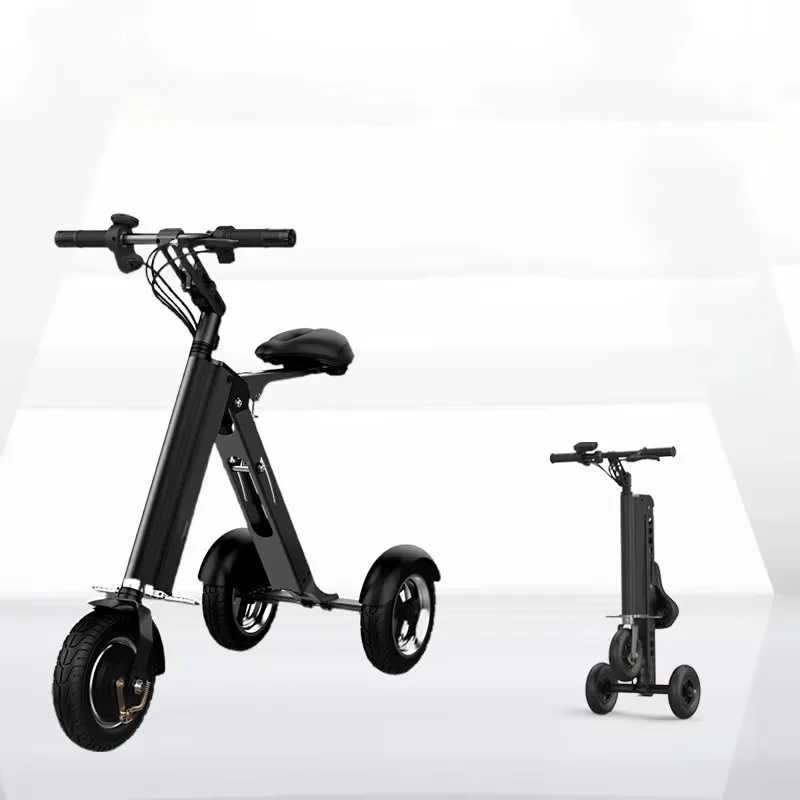
Mobility scooter battery label information should stay with the scooter's model, serial and service history. An isolated image in a messaging thread is easy to lose. Store the label, supplier confirmation and any installed replacement together.
Which dates make the record useful?
Make a future match possible. Record the date of receipt, installation by trained staff and part revision. Keep the next service action tied to the maker's current instructions rather than a generic schedule.
- Attach the original label.
- Record installed pack.
- Keep service action.
| Buyer check | Evidence to keep |
|---|---|
| Attach the original label | Dated photo |
| Record installed pack | Part and serial log |
Good records help a later technician identify what is actually on the scooter. Key Takeaway: Your after-sales team can answer with evidence instead of memory.
How can suppliers and buyers resolve conflicting labels?
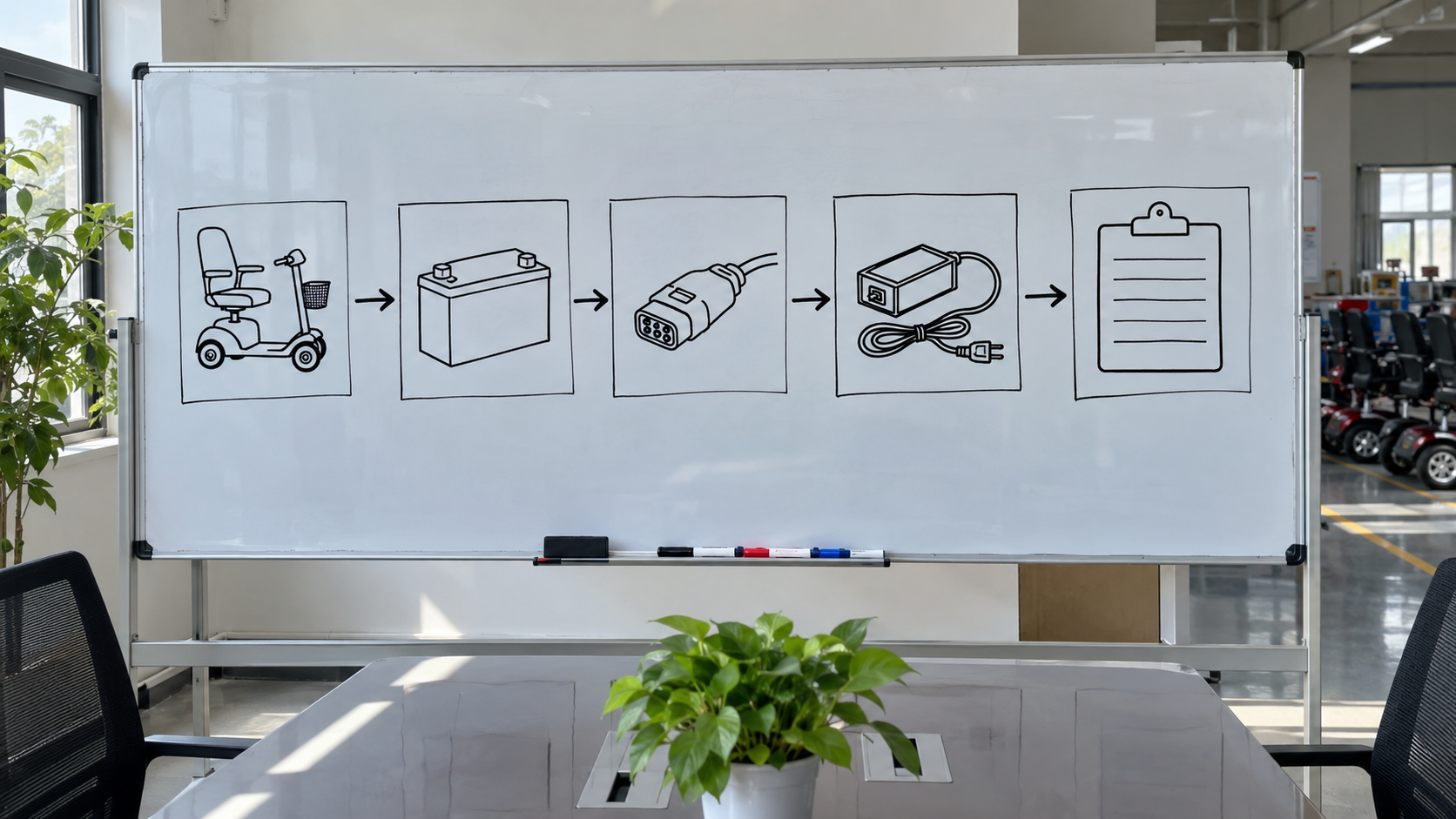
Mobility scooter battery label conflicts should be resolved by comparing the physical pack, scooter record and controlled supplier documents. WHO's assistive product specifications support disciplined procurement but do not identify this pack. Mark an unresolved mismatch clearly.
What should a discrepancy note include?
Put the disagreement on one page. List each source, its date and the field that differs. Ask the supplier for a signed correction or a verified alternative before releasing the order.
- List both identifiers.
- Date each source.
- Request a resolution.
| Buyer check | Evidence to keep |
|---|---|
| List both identifiers | Side-by-side source record |
| Date each source | Document history |
A discrepancy is easier to fix before the pack moves across borders. Key Takeaway: You can keep procurement and service aligned on one verified part.
How should a buyer approve the battery match?
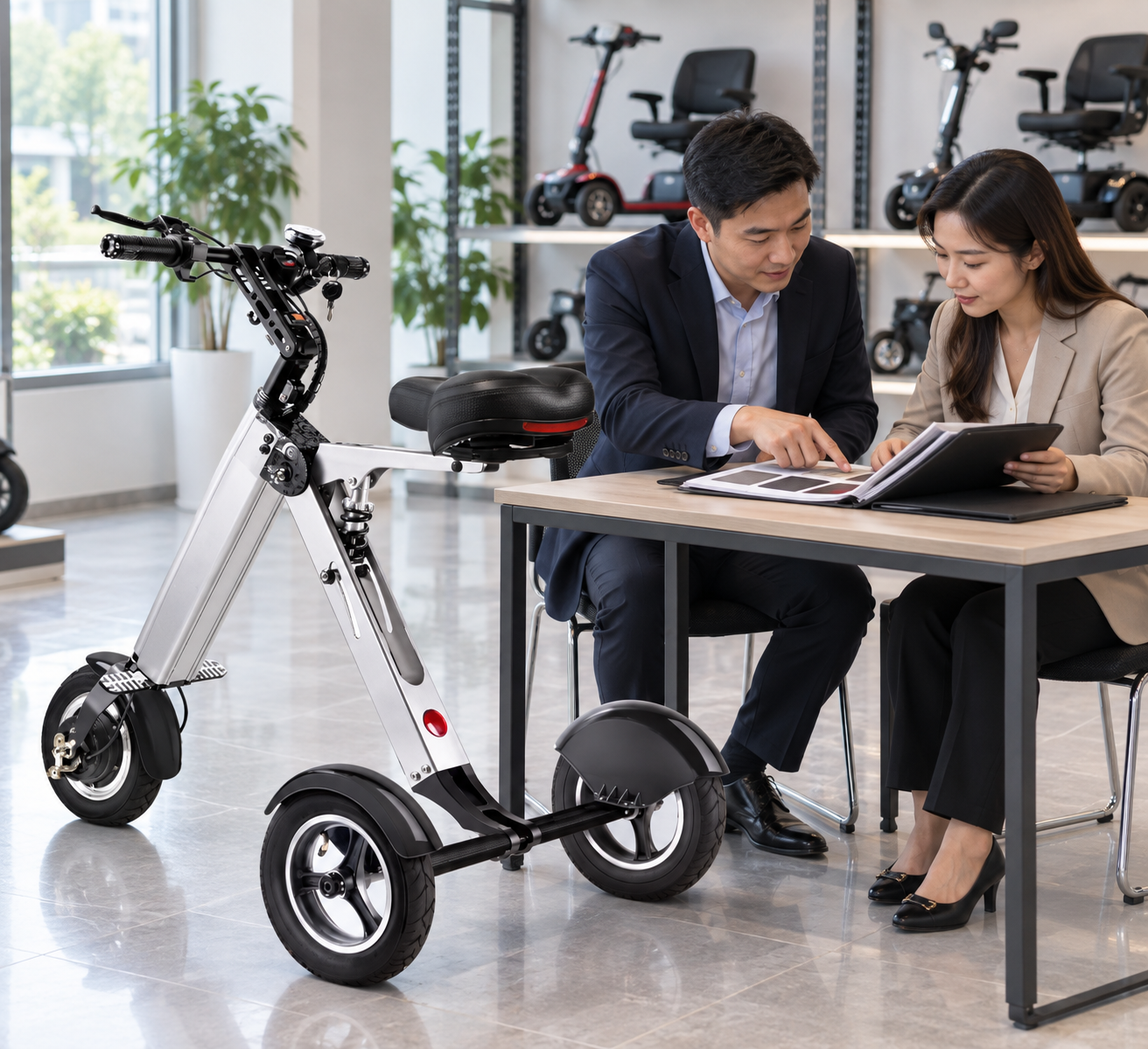
Mobility scooter battery label approval should follow an exact match between scooter model, pack part, connector, charger and supplier documents. Keep the pack on hold if any key field conflicts. A visually tidy label is not enough.
What should the purchase order state?
Close the loop with traceable terms. Name the revision and included accessories on the order, then set receiving checks for the same identifiers. Request model-specific written support where the label or paperwork remains unclear.
- Specify the exact pack.
- Specify compatible accessories.
- Plan receiving checks.
| Buyer check | Evidence to keep |
|---|---|
| Specify the exact pack | Part code on order |
| Specify compatible accessories | Itemized line items |
The purchase order should make the correct part recognizable on arrival. Key Takeaway: For a verified pack match, contact us. Ary Medical supports product choices that can be traced from label to service record.
Frequently asked questions
Q1: Can I order a replacement pack from a photo alone?
No. Match the scooter model, pack part and revision with current supplier documents.
Q2: What's the best way to read a worn battery label?
Do not guess. Trace the pack through serial and purchase records with the supplier.
Q3: How do I know if a charger matches?
Use the maker's compatibility list for the exact pack and scooter. Physical plug fit is insufficient.
Q4: Can a label prove the scooter's travel range?
No. A label identifies electrical specifications, not a universal range result.
Q5: Should I ask the carrier about battery transport?
Yes. Provide the exact pack documents and ask for current route-specific requirements.