
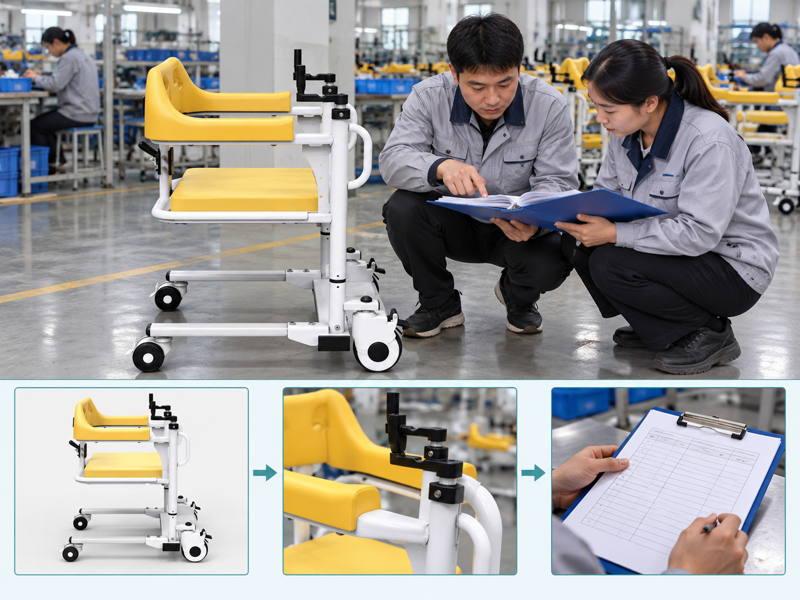
Plan a transfer chair sample review around written buying criteria and clearly separated product and care questions. A UAE buyer may like the sample yet still lack the guide and part codes needed to support it. A recorded review gives acceptance a more useful basis than a general approval message.
What should a transfer chair sample review decide?
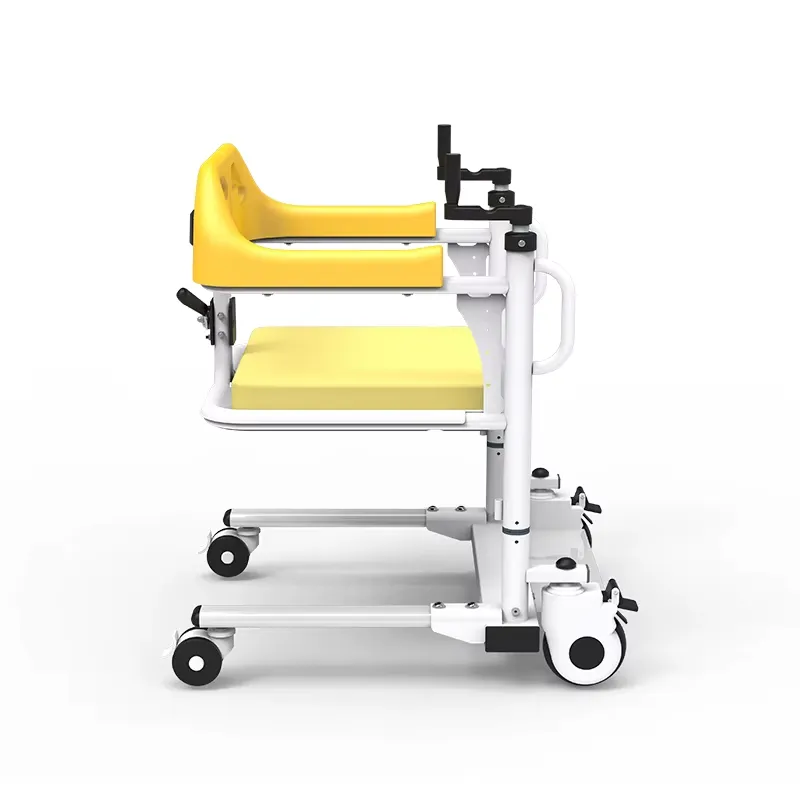
A transfer chair sample review should decide whether an identified model meets the agreed buying brief within a defined scope. A favorable first impression cannot settle every care or support question.
Define the sample's buying purpose
Set the purchase question first. List the requirements and open issues before ordering the sample. Separate buyer checks from formal tests and individual transfer assessment.
- Buying brief
- Review scope
- Open issues
| Check | Record or reference |
|---|---|
| Buying brief | Requirements |
| Review scope | Plan |
| Open issues | List |
Key Takeaway: The sample has a clear purpose before it arrives.
How should the sample be identified?
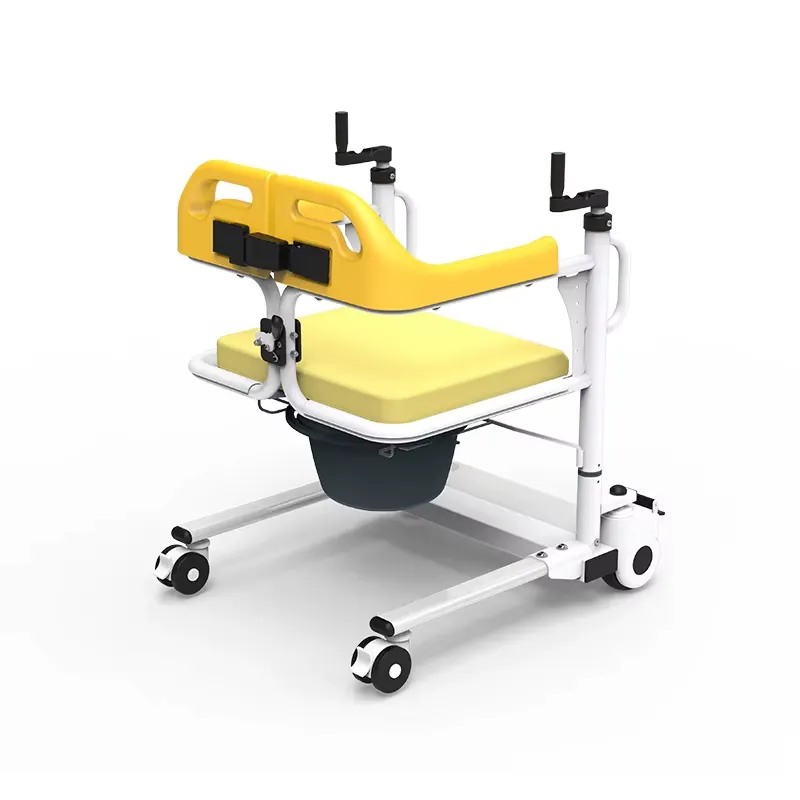
For a transfer chair sample review, record the exact model, revision and supplied components. A sample with different supports or controls may not represent the final quotation.
Identify the quoted version
Match it to the quoted version. Photograph the label and complete empty product. Ask the supplier to explain differences before approving the offer.
- Model reference
- Quoted setup
- Difference
| Check | Record or reference |
|---|---|
| Model reference | Label |
| Quoted setup | Offer |
| Difference | Supplier response |
Key Takeaway: The review can refer to the product that will be ordered.
Which documents should arrive with the sample?
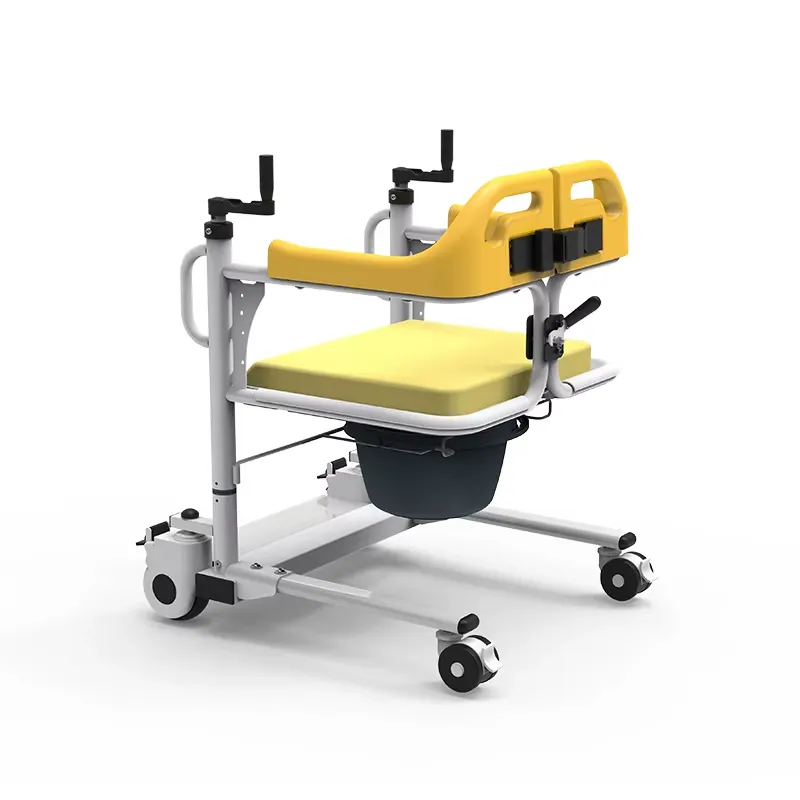
A transfer chair sample review needs current product specifications, instructions, parts information and the evidence requested in the brief. A brochure alone may omit operating limits or service details.
Collect current supporting files
Collect the files needed for the decision. Check each file against the sample version. Keep missing information as an open requirement rather than filling it with assumptions.
- Product specification
- Use instructions
- Service information
| Check | Record or reference |
|---|---|
| Product specification | File |
| Use instructions | Guide |
| Service information | Parts record |
Key Takeaway: The physical sample can be reviewed with its supporting documents.
How should dimensions be checked?
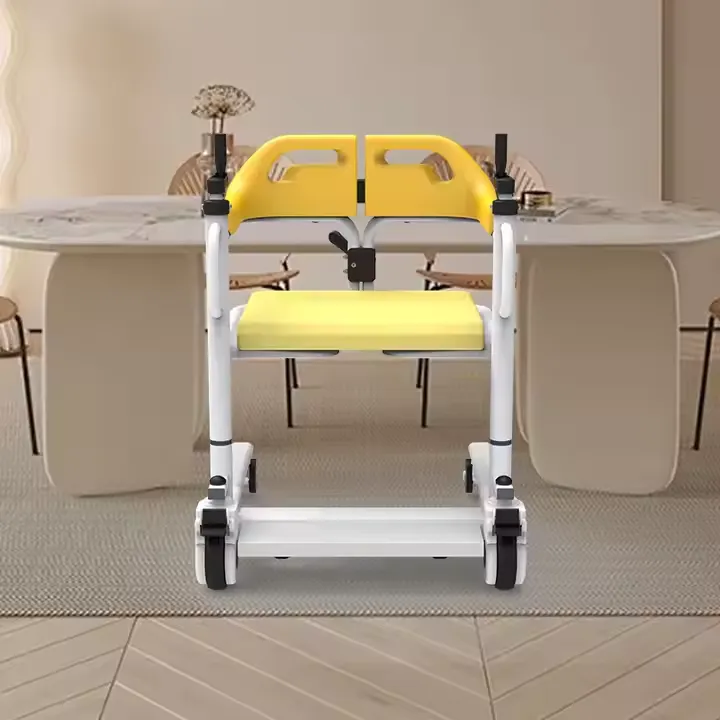
For a transfer chair sample review, measure the requested dimensions in the relevant approved setup. Overall width, usable seat size and lower-frame clearance answer different questions.
Set measurement reference points
Define the reference points. Use a suitable method and record the settings. Refer personal fit and care-space needs to the qualified assessor. Include the bed configuration when clearance is part of the sample scope.
- Dimension name
- Setup
- Observed value
| Check | Record or reference |
|---|---|
| Dimension name | Drawing |
| Setup | Review record |
| Observed value | Measurement sheet |
Key Takeaway: The dimensional comparison can be repeated and understood.
What should component checks cover?
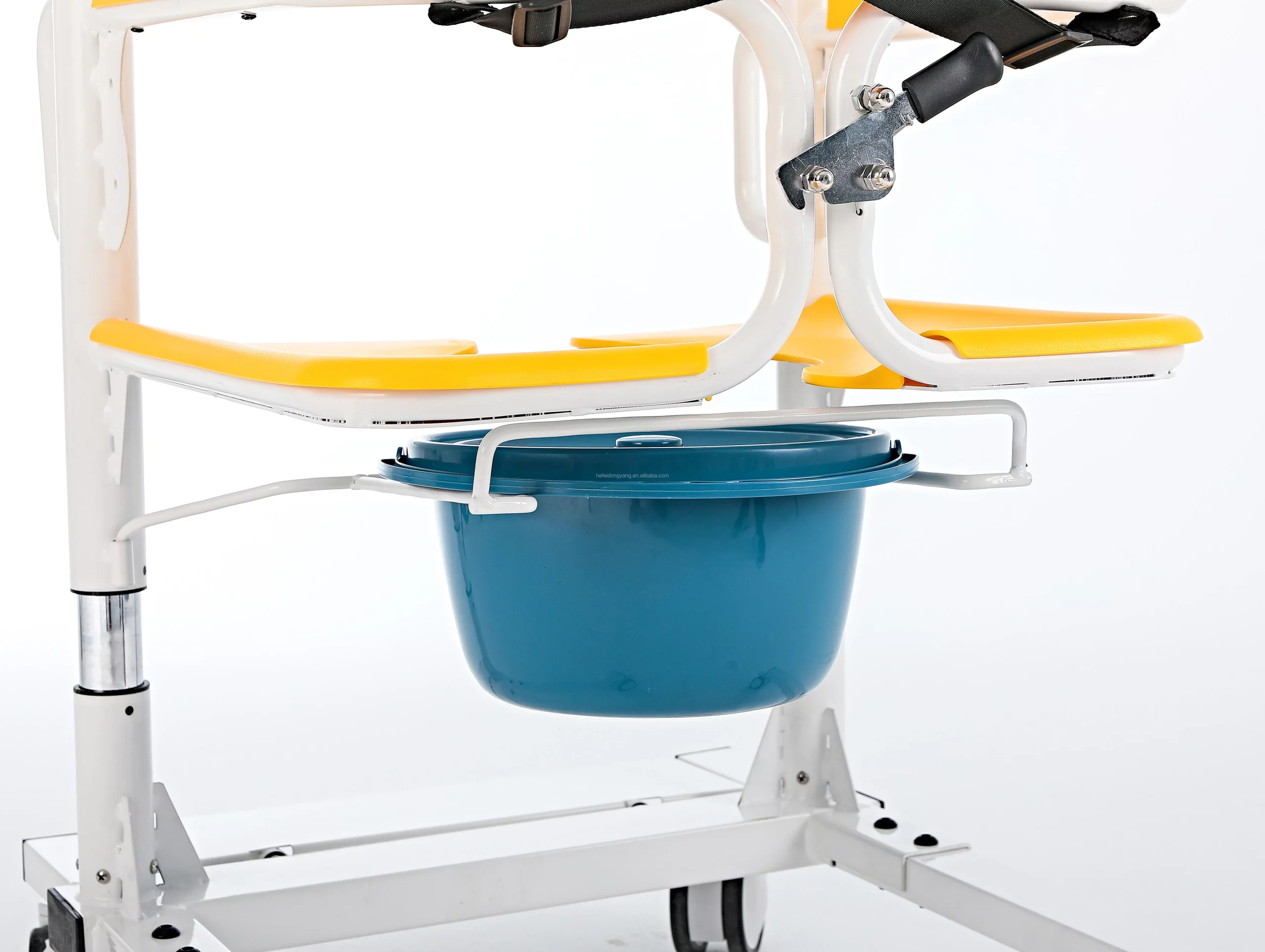
A transfer chair sample review should check the supplied seat, supports, controls, wheels and accessories using the current guide. Staff should not invent a load or occupied-transfer test.
Check the supplied components
Inspect within the maker's scope. Use trained personnel for the permitted review. Record uncertain connections or behavior for qualified service follow-up.
- Component list
- Check method
- Observed issue
| Check | Record or reference |
|---|---|
| Component list | Order |
| Check method | Guide |
| Observed issue | Record |
Key Takeaway: The sample is reviewed without turning a buyer check into unsupported testing.
How should care suitability be reviewed?
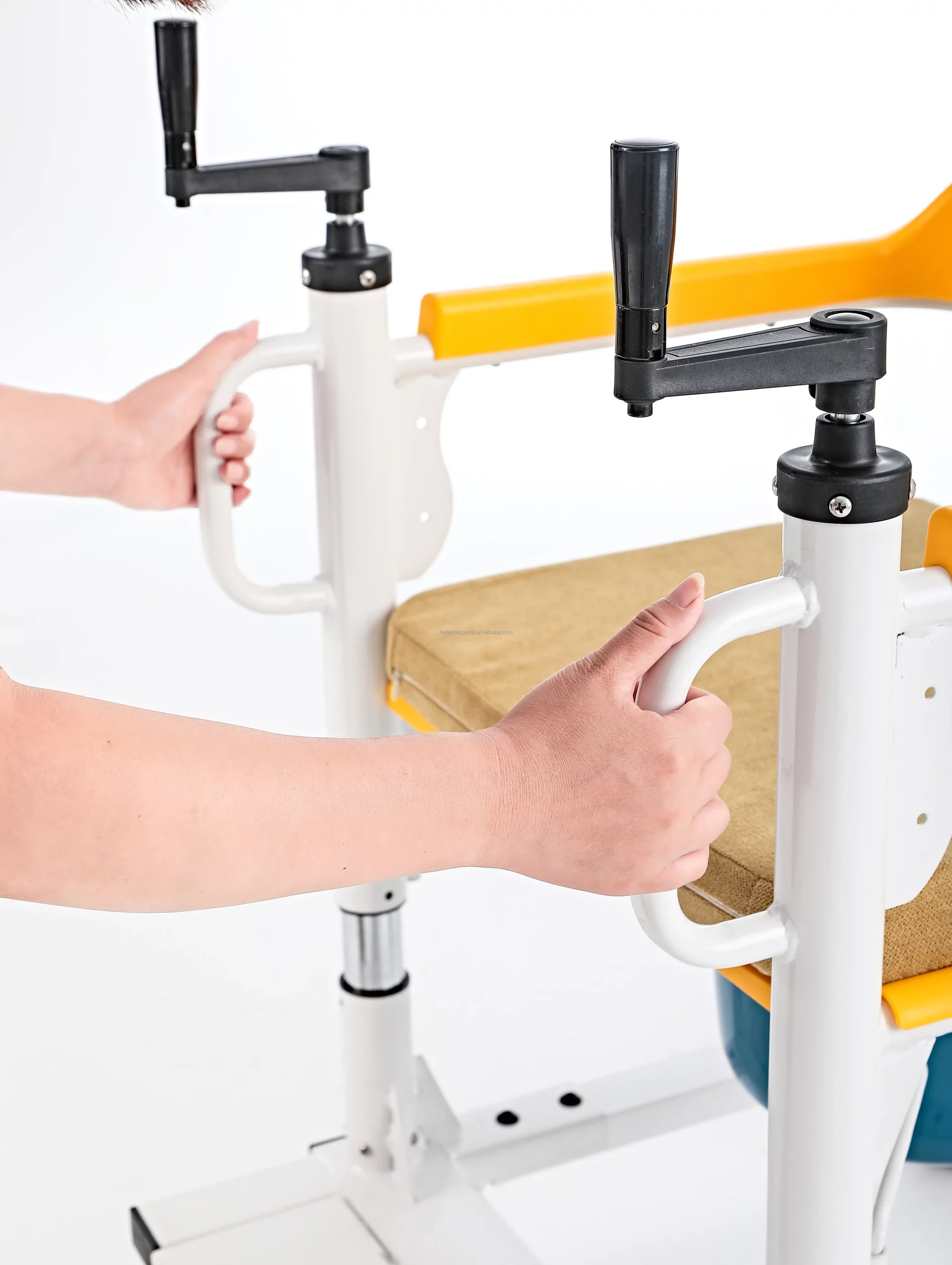
For a transfer chair sample review, the care team should review the maker's cleaning and handling guidance against its intended process. Visual finish alone cannot establish chemical or machine compatibility.
Review the intended care process
Compare the proposed care process with product limits. Document any conflict and ask the supplier for a supported response. Keep clinical and infection-control decisions with the responsible professionals. Record the intended care-room equipment beside the process brief.
- Intended care
- Product limits
- Conflict
| Check | Record or reference |
|---|---|
| Intended care | Process brief |
| Product limits | Manual |
| Conflict | Question log |
Key Takeaway: A care mismatch can be addressed before bulk supply.
What should service support demonstrate?
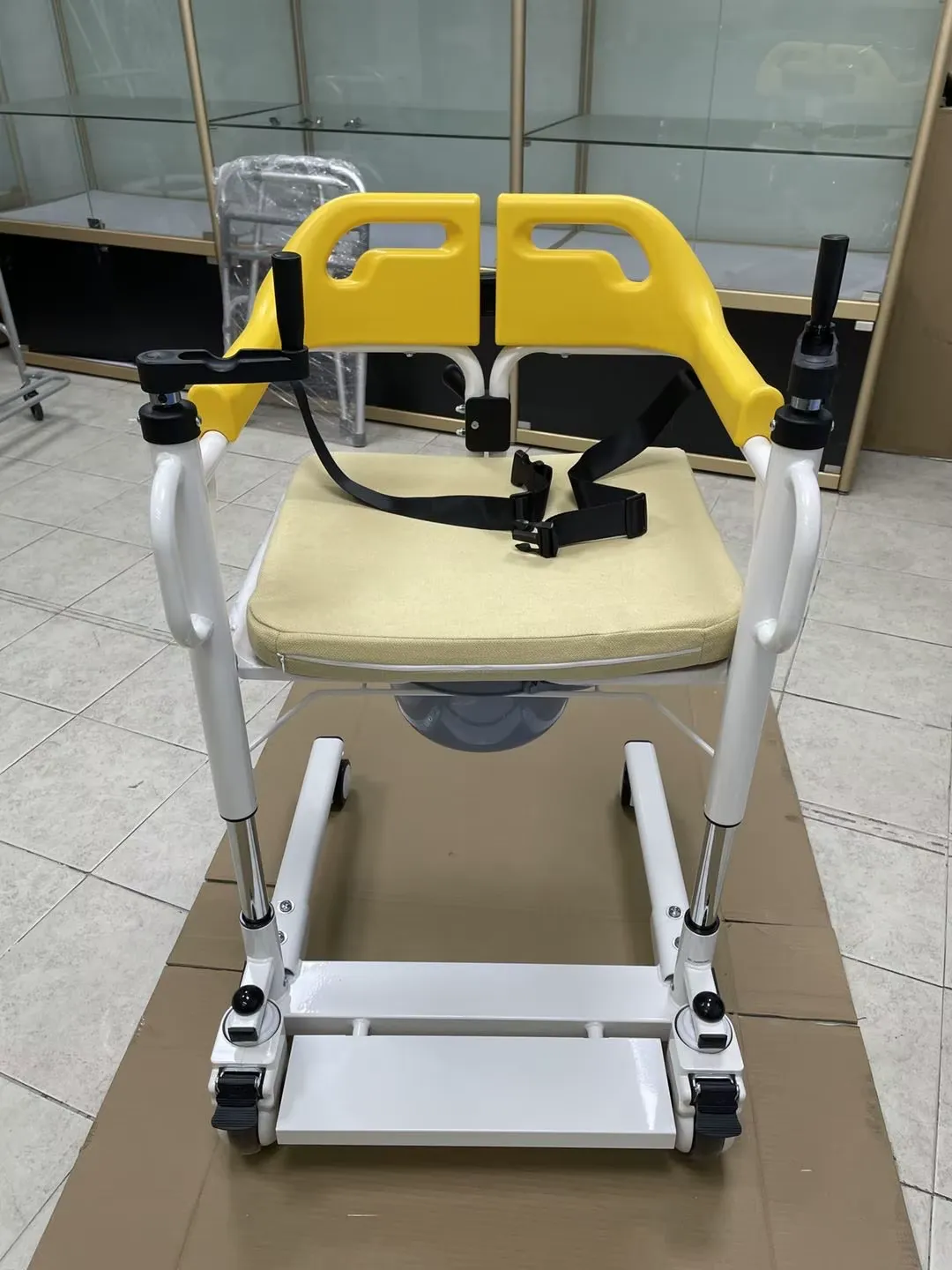
A transfer chair sample review should establish how approved parts, instructions and technical help can be obtained. A complete sample can still leave future seat or caster replacements unresolved.
Confirm the service route
Ask how the exact model will be supported. Request current part codes and the supported repair route. Keep unconfirmed supply promises out of the acceptance record.
- Part codes
- Repair route
- Support terms
| Check | Record or reference |
|---|---|
| Part codes | List |
| Repair route | Guide |
| Support terms | Written offer |
Key Takeaway: The purchase review includes the product's service needs.
How should sample findings be written?
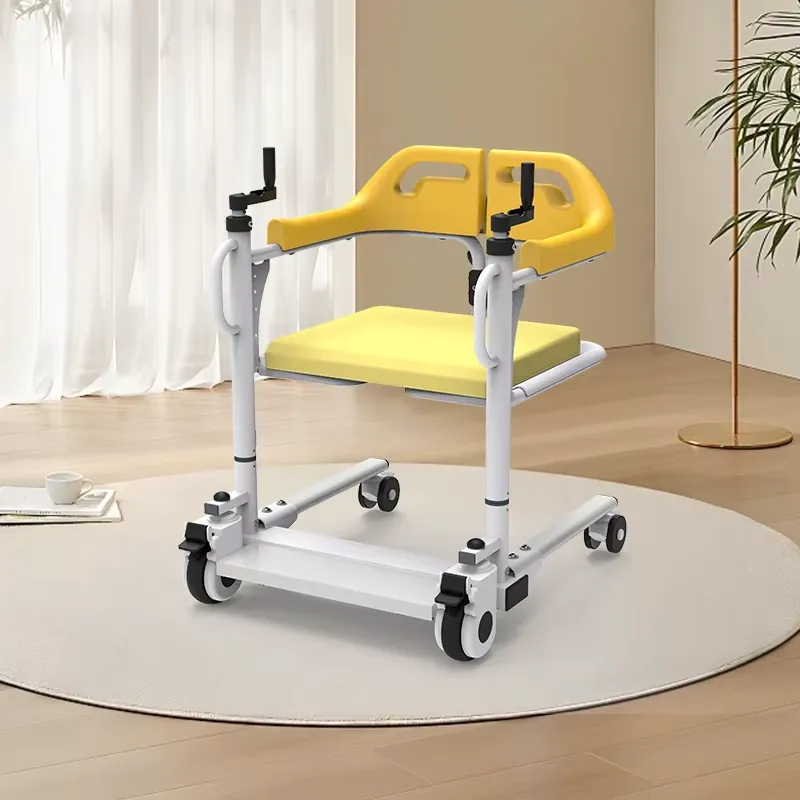
A transfer chair sample review report should state what was checked, what was found and who decided the result. A note saying good quality is too vague for a later shipment comparison.
Separate findings from decisions
Separate the observation from the decision. Attach useful photos and the review limits. Preserve unresolved points instead of converting them into a general approval. A review involving a different bed model needs its own identified setup.
- Check method
- Observed result
- Decision owner
| Check | Record or reference |
|---|---|
| Check method | Plan |
| Observed result | Record |
| Decision owner | Sign-off |
Key Takeaway: Another team can understand why the sample was accepted or held.
What if the supplier changes a component afterward?
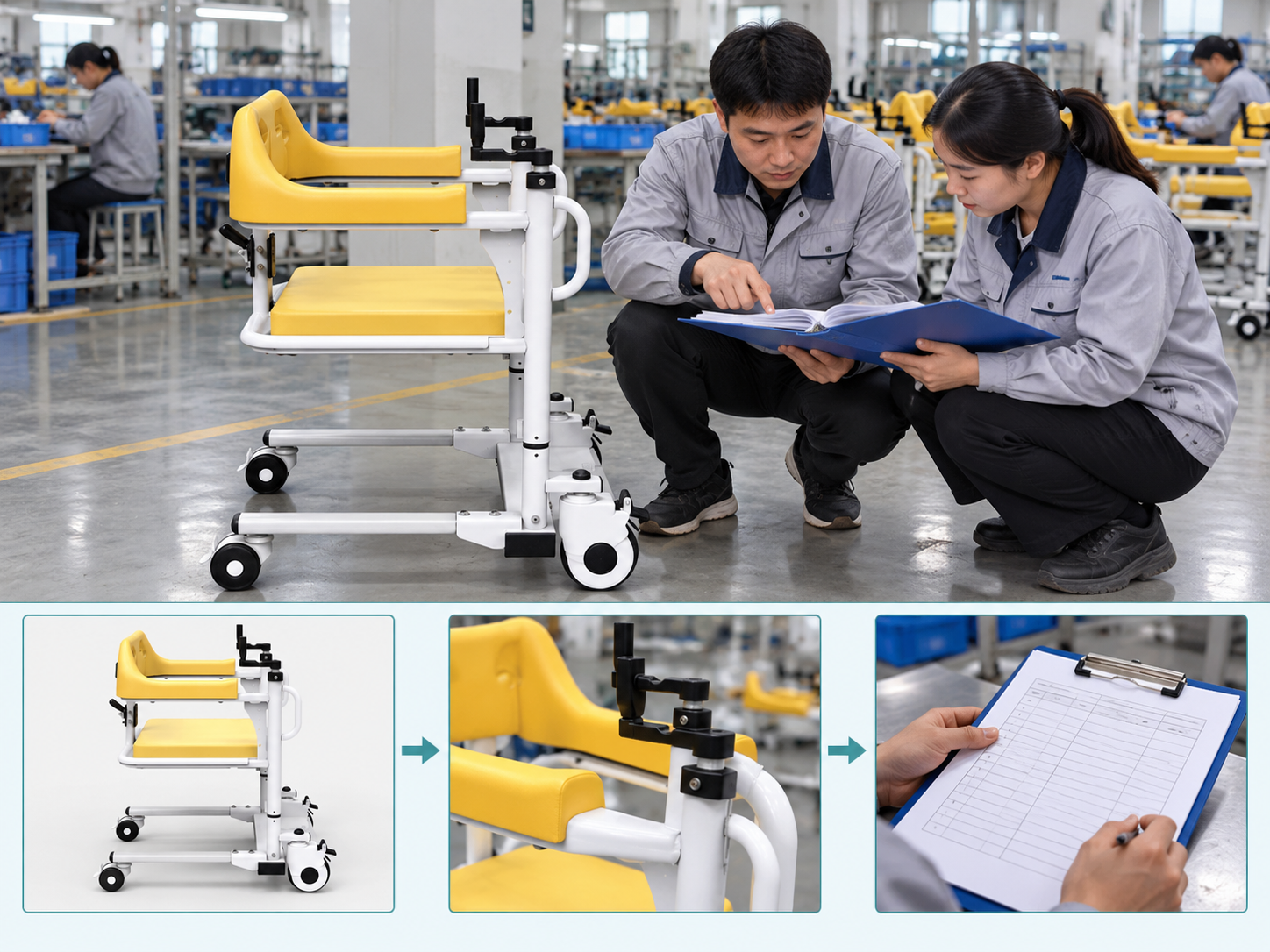
A transfer chair sample review needs a new decision when changes affect the accepted setup or evidence. A replacement seat, wheel or control does not automatically inherit the earlier approval.
Review changes to the sample
Review the affected requirements again. Ask for a marked change list and updated files. Keep the original report for a focused comparison. The MHRA device-use checklists provide a broader equipment-review framework.
- Changed part
- Affected files
- New decision
| Check | Record or reference |
|---|---|
| Changed part | Notice |
| Affected files | Revision set |
| New decision | Review record |
Key Takeaway: Acceptance follows the version the supplier will deliver.
When is the sample ready for acceptance?
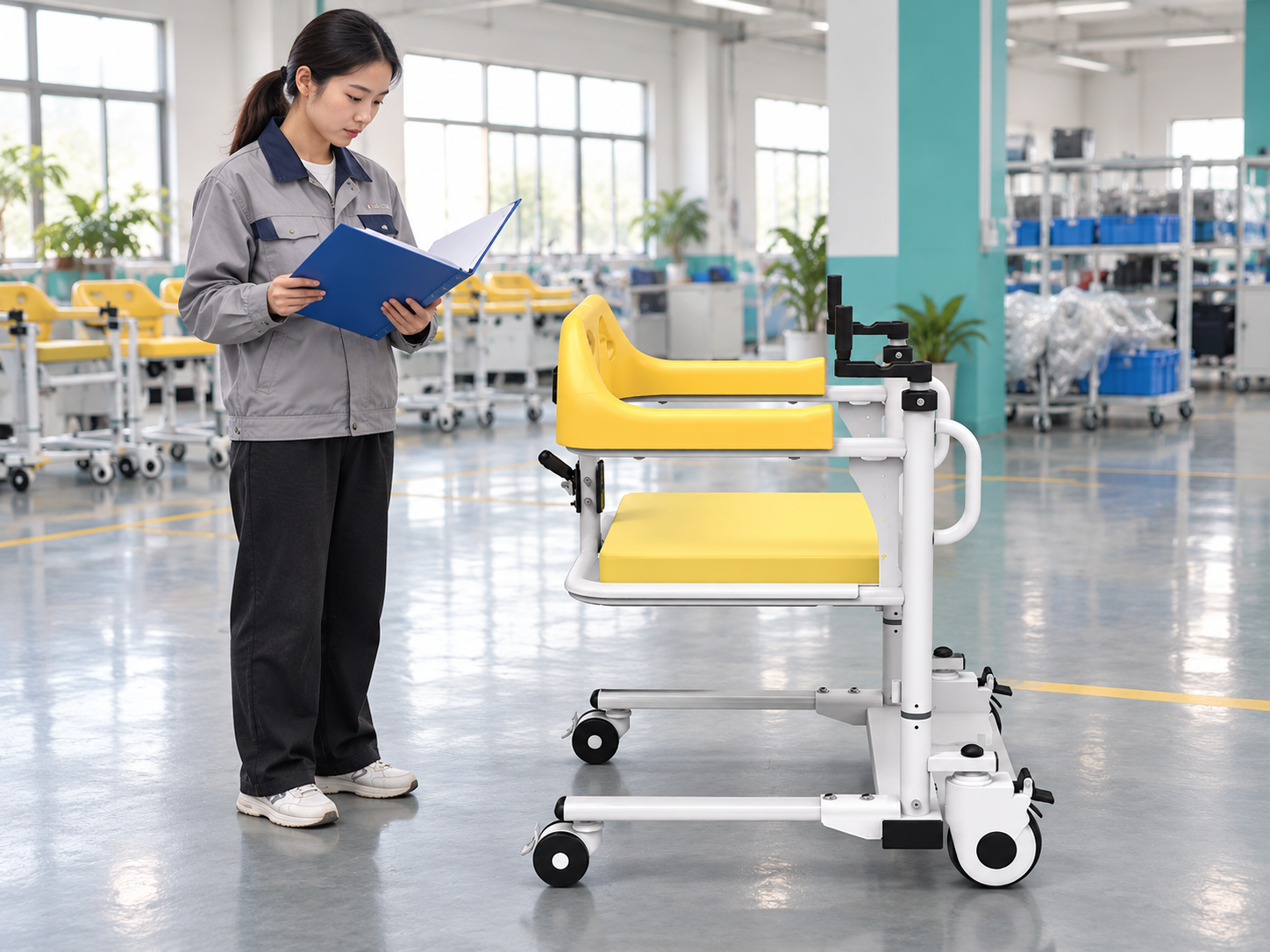
Accept a transfer chair sample review when the buying criteria are met and open issues have a recorded decision. Identify matters still needing formal testing or personal assessment.
What should you do next?
Close the agreed issues within scope. Attach the accepted model and report to the purchase order. Retain a controlled sample or reference record where your process requires it.
- Criteria met
- Open issues
- Accepted version
| Check | Record or reference |
|---|---|
| Criteria met | Report |
| Open issues | Disposition |
| Accepted version | Order reference |
Key Takeaway: The final order can use a defined acceptance basis. To discuss the model and documents for your order, contact us with your requirements. At AryMD, useful product facts should support every care-equipment purchase.
Frequently asked questions
Q1: Can a sample photograph settle every purchase question?
No. It can answer limited visual questions, while functions, care, service and individual suitability may need other evidence.
Q2: What’s the best first step in sample review?
Write the buying requirements and open questions before ordering the sample.
Q3: How do I know the sample represents the quotation?
Compare its model, revision and components with the offer and ask the supplier to explain differences.
Q4: Can buyers use an occupied transfer to test load capability?
Do not improvise such a test. Use appropriate qualified methods and evidence for performance and personal-use questions.
Q5: Does a changed component retain the earlier approval?
Not automatically. Review affected requirements and record the version that is finally accepted.