
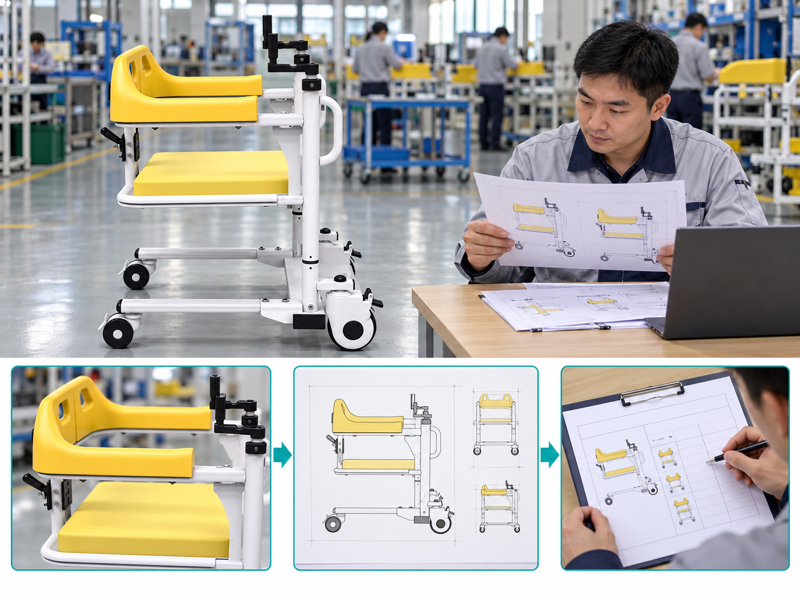
Define transfer chair seat configuration through the exact seat, supports, accessories and permitted mode. A US dealer may receive a familiar yellow frame with a different pad or collection set from the approved sample. Keeping component references together makes the difference visible before supply.
What should transfer chair seat configuration identify?
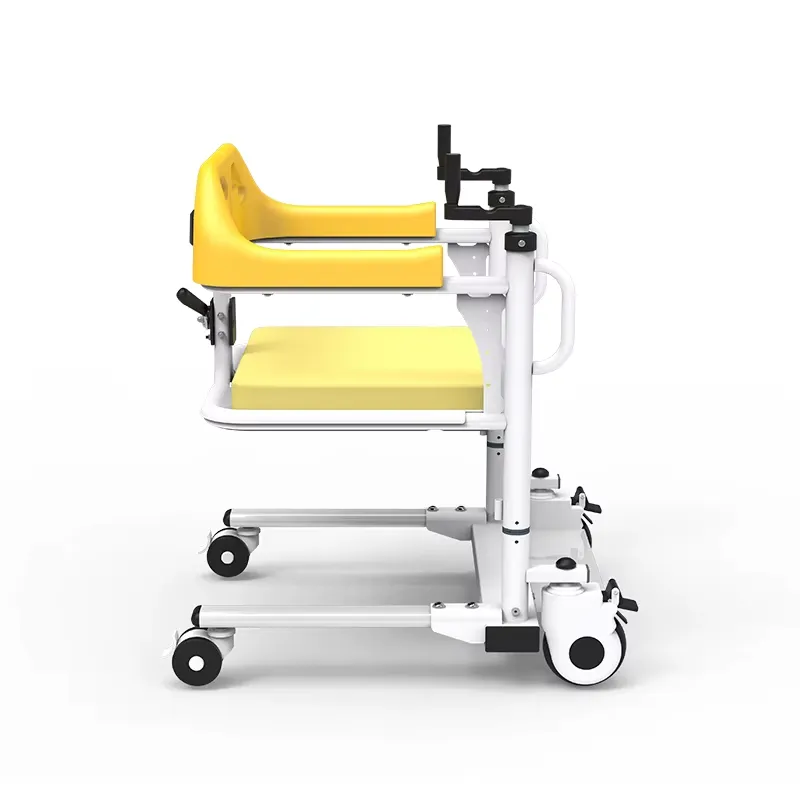
Transfer chair seat configuration should identify the seat, supports, accessories and permitted mode on the exact model. A yellow seat or similar frame does not establish an interchangeable setup.
Identify the complete seating system
Name the complete seating arrangement. Start from the current product guide and parts list. Keep the person's transfer and support needs within qualified assessment.
- Model version
- Fitted parts
- Personal needs
| Check | Record or reference |
|---|---|
| Model version | ID |
| Fitted parts | List |
| Personal needs | Assessment |
Key Takeaway: The review concerns a specific seating system.
Which seat details should be confirmed?
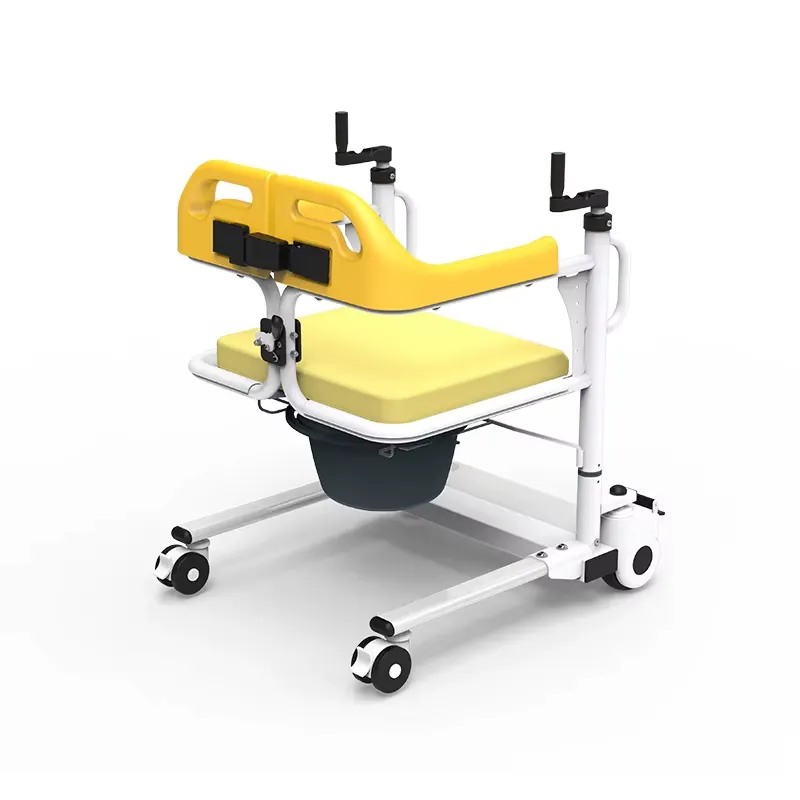
For transfer chair seat configuration, confirm the seat shape, opening, supplied pads and fixed or movable parts. A photograph may not show a hidden latch or support beneath the seat.
Request the relevant seat drawings
Use the model's own drawings. Ask for the relevant diagrams and component references. Do not infer how a split or moving seat should operate from appearance. Do not assume a commode-seat arrangement supplies interchangeable parts.
- Seat design
- Hidden parts
- Component identity
| Check | Record or reference |
|---|---|
| Seat design | Drawing |
| Hidden parts | Diagram |
| Component identity | Parts list |
Key Takeaway: The buyer can ask precise questions about the supplied seat.
How should movable seat sections be reviewed?
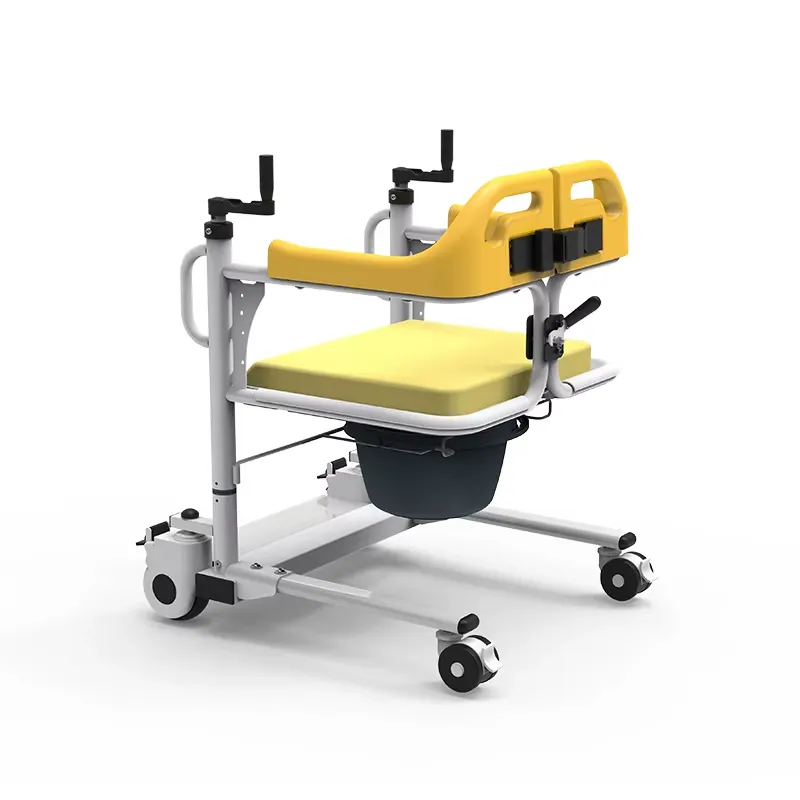
Transfer chair seat configuration involving movable sections needs clear instructions for the exact model. A visible hinge does not explain who may operate it or under which conditions.
Review movable sections within scope
Follow the maker's permitted use. Ask the maker to clarify the supported setup and staff training needs. Keep any personal trial under the qualified assessment plan.
- Moving section
- Required conditions
- Operator role
| Check | Record or reference |
|---|---|
| Moving section | Guide |
| Required conditions | Instructions |
| Operator role | Training scope |
Key Takeaway: A design feature is not mistaken for a complete transfer method.
What should be known about support components?
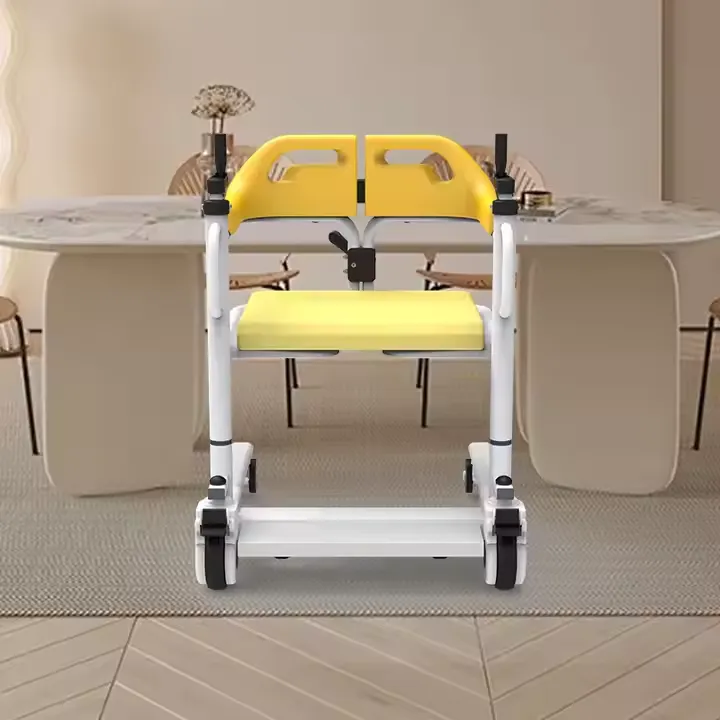
For transfer chair seat configuration, identify which supports, belts or pads are supplied and what the maker says they do. Similar accessories may serve different purposes on different products.
Confirm each support's role
Check their intended role. Keep their part codes with the order. Refer personal positioning and restraint questions to the appropriate professional.
- Accessory code
- Intended role
- Personal use
| Check | Record or reference |
|---|---|
| Accessory code | List |
| Intended role | Guide |
| Personal use | Assessment |
Key Takeaway: The fitted components are reviewed within their actual purpose.
How should a collection set affect the review?
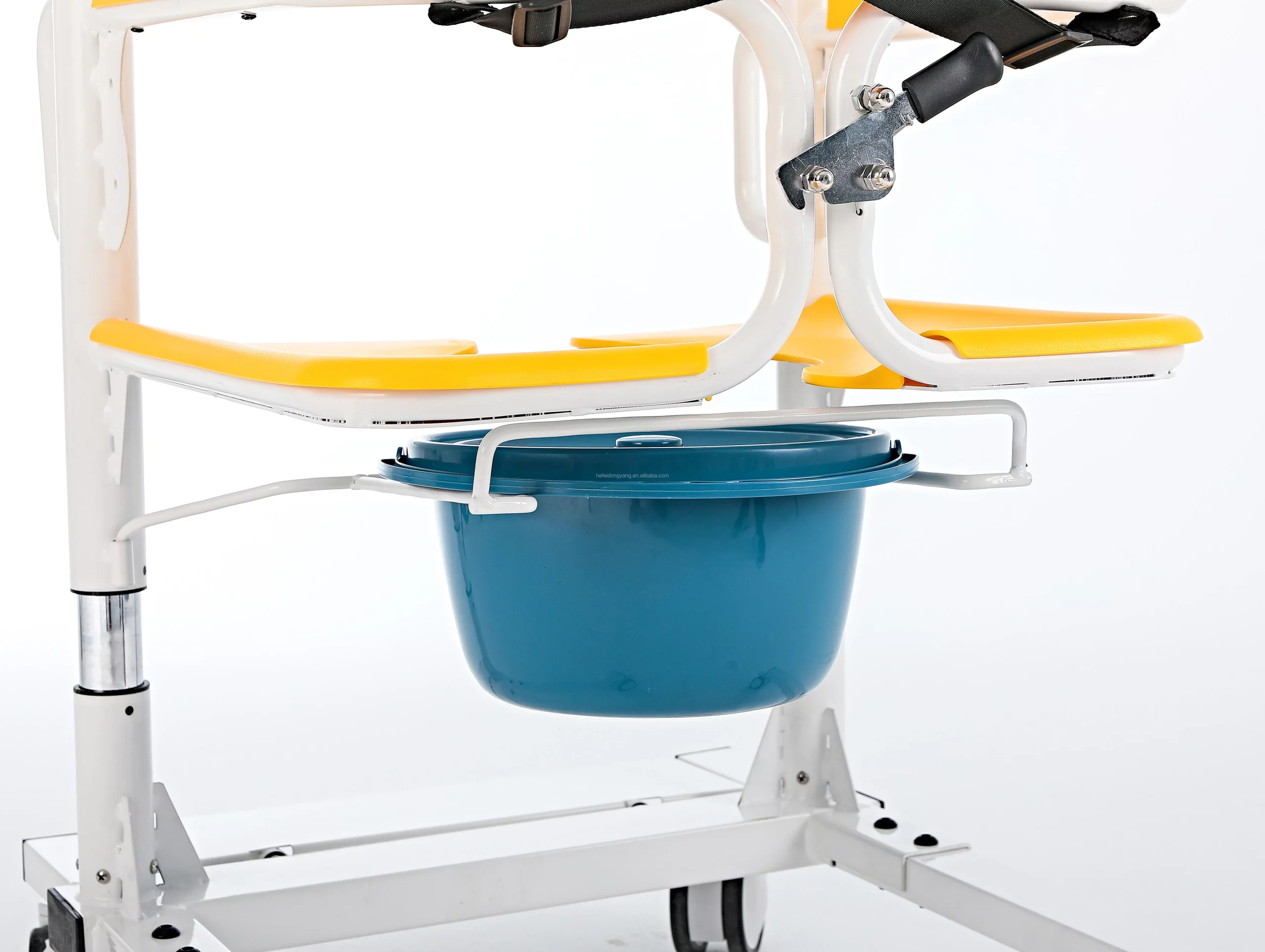
Transfer chair seat configuration should specify any bucket, lid and guides supplied for the intended mode. A container fitting beneath the seat does not prove the complete arrangement is approved.
Match the collection components
Confirm the supported seat-and-bucket pairing. Request the maker's compatible set and mode instructions. Keep any alternative part on review until its match is confirmed. Treat other toileting-chair models as separate specified systems.
- Collection set
- Seat interface
- Approved mode
| Check | Record or reference |
|---|---|
| Collection set | Parts record |
| Seat interface | Drawing |
| Approved mode | Guide |
Key Takeaway: The order defines the complete collection arrangement.
Which dimensions are useful for comparison?
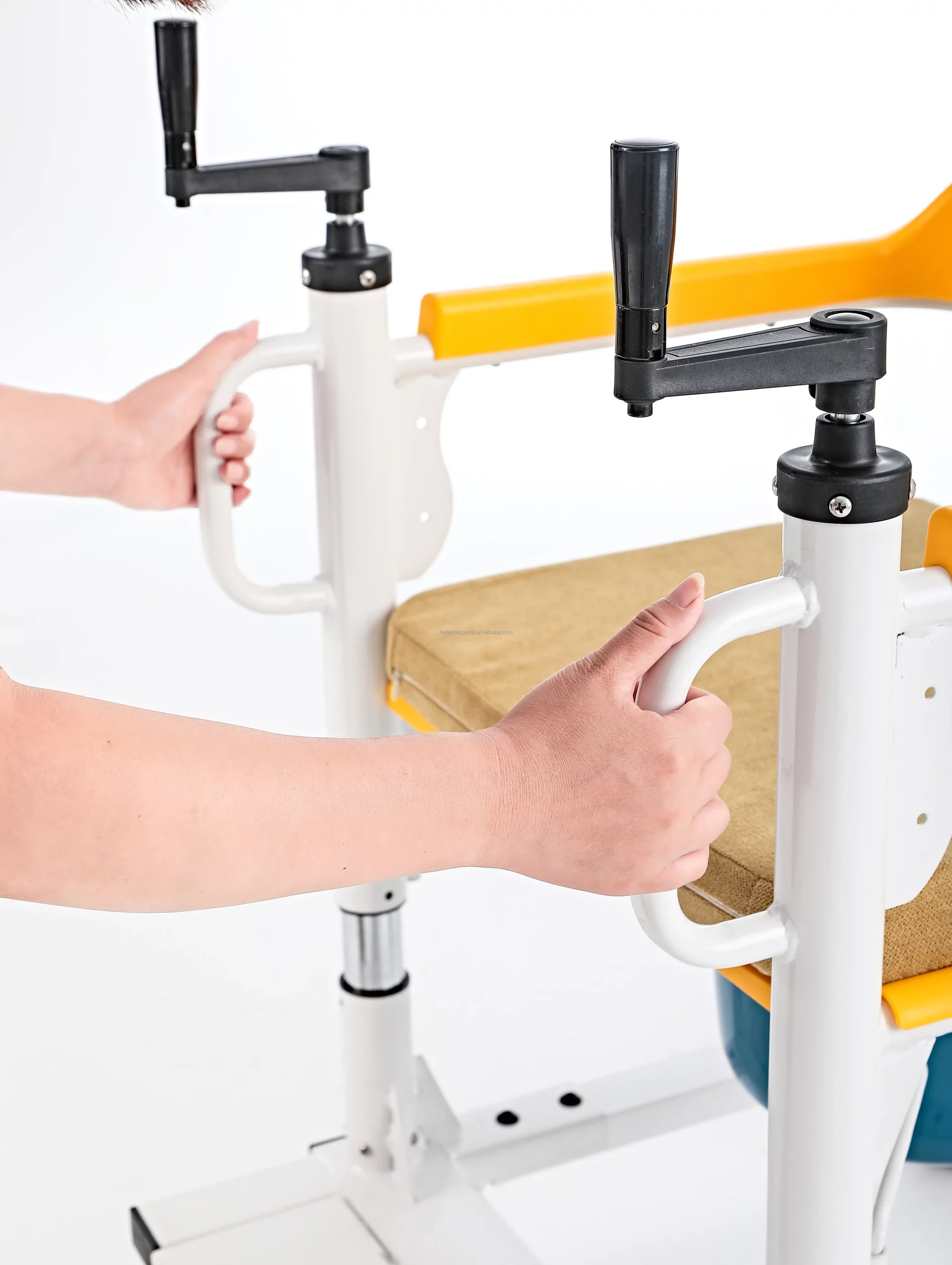
For transfer chair seat configuration, request usable seat dimensions and relevant overall or internal clearances. Each value should be tied to the approved configuration.
Define useful seat measurements
Name the measurement and its reference points. Ask the supplier to explain ambiguous catalog figures. Let the qualified assessor use the product facts for individual fit decisions.
- Usable seat size
- Reference points
- Approved setup
| Check | Record or reference |
|---|---|
| Usable seat size | Drawing |
| Reference points | Method |
| Approved setup | Record |
Key Takeaway: The dimensions can be compared without changing their meaning.
How should material and care questions be handled?
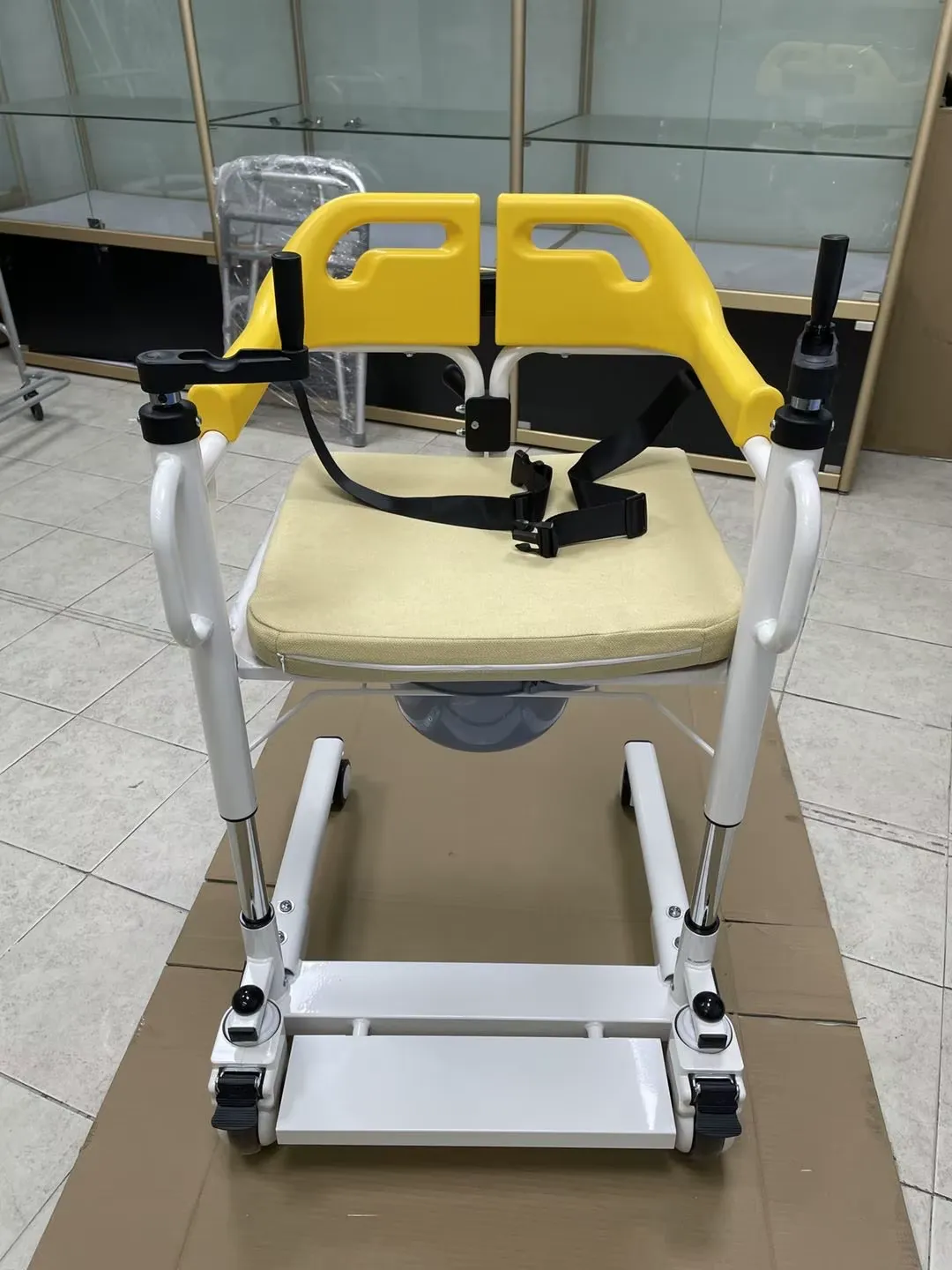
Transfer chair seat configuration should include the care guidance for the seat, pads and supports actually supplied. A cleaning method for a bare frame may not suit a pad or cover.
Check material and care limits
Review each supplied surface. Have the responsible care team compare its process with the maker's limits. Ask for clarification where a required method is not covered.
- Seat material
- Pad or cover
- Care limits
| Check | Record or reference |
|---|---|
| Seat material | Specification |
| Pad or cover | Part file |
| Care limits | Guide |
Key Takeaway: The selected arrangement has a defined care reference.
Can parts from another model be substituted?
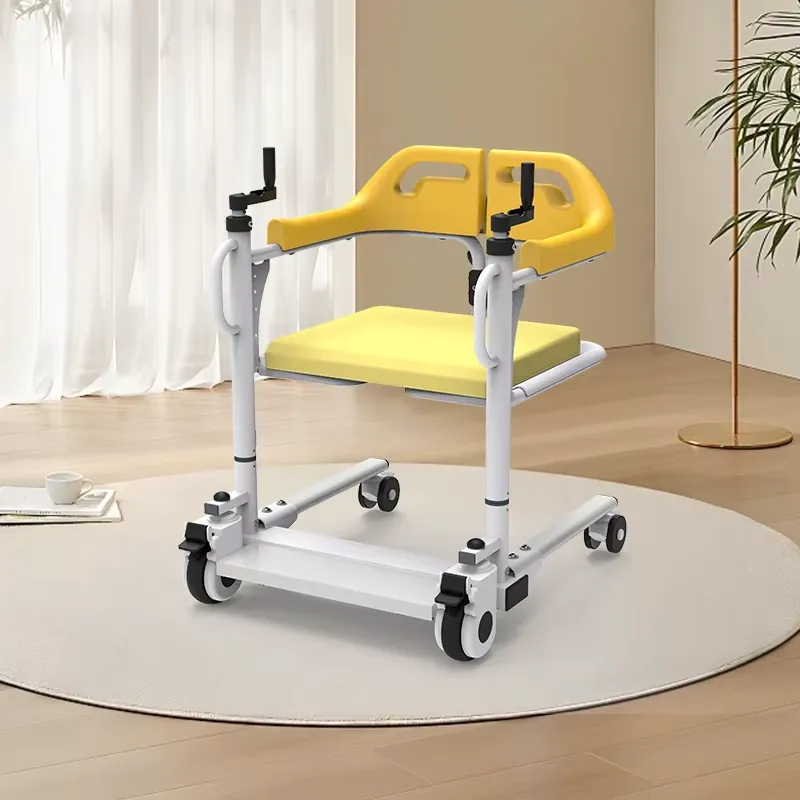
For transfer chair seat configuration, a substitute needs maker confirmation for the exact version and use. Similar size or color does not establish fit or function.
Control replacement parts
Require a supported parts match. Request the approved code and any related parts that must change together. Keep qualified service and care review within their proper roles. List each proposed substitute in the equipment purchase brief.
- Replacement code
- Related parts
- Review scope
| Check | Record or reference |
|---|---|
| Replacement code | Maker response |
| Related parts | Set list |
| Review scope | Record |
Key Takeaway: A supply shortage does not lead to an unverified seating assembly.
What should a sample record include?
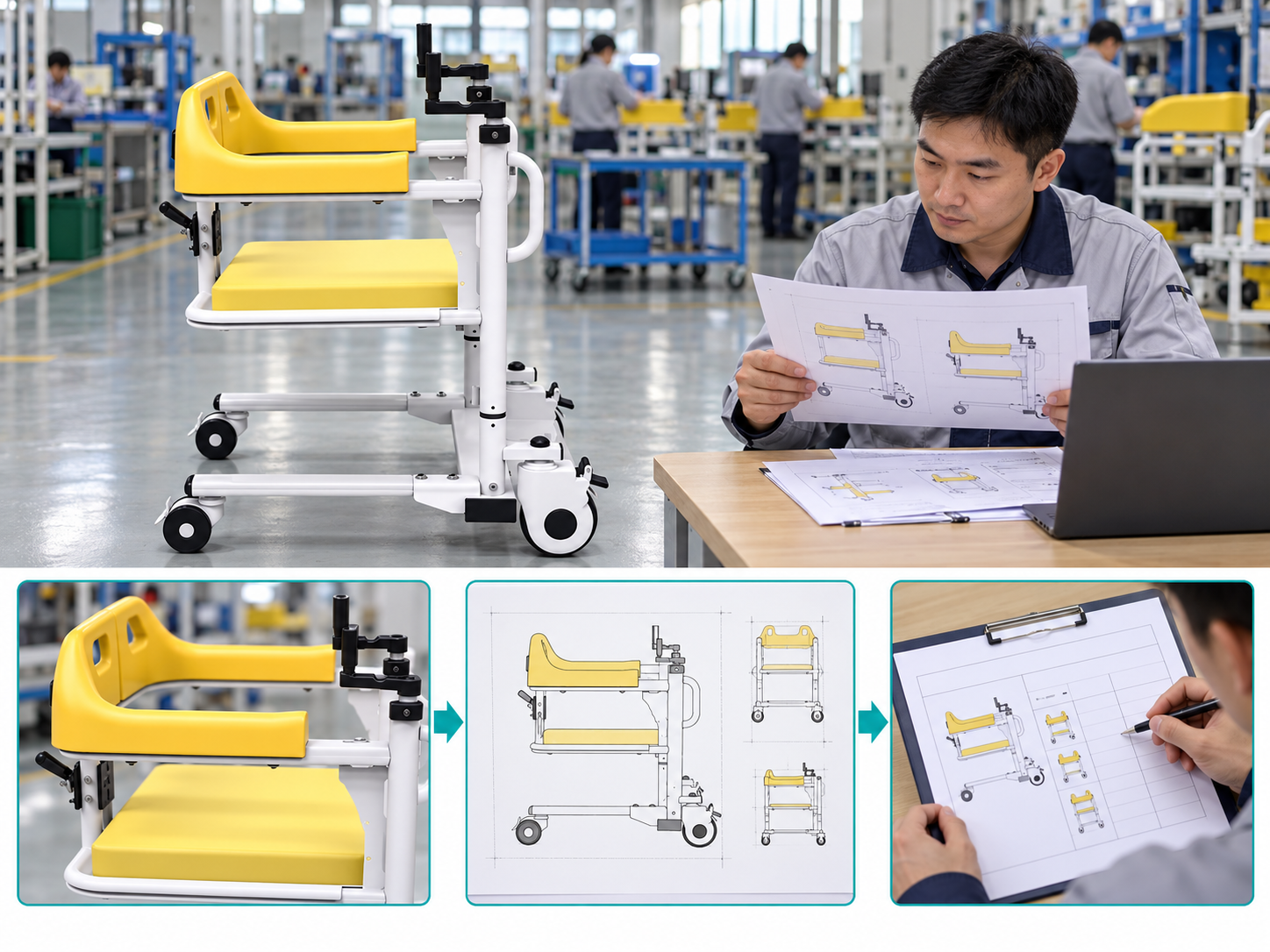
A transfer chair seat configuration sample record should show the model, fitted components and scope of the review. Approval of one configuration should not silently cover a revised seat or support.
Record the reviewed sample
Keep the tested configuration visible. Photograph the empty sample and retain its parts references. Record open questions and the decision owner. The MHRA device-use checklists provide a broader equipment-review framework.
- Sample identity
- Fitted setup
- Open question
| Check | Record or reference |
|---|---|
| Sample identity | Label |
| Fitted setup | Photos |
| Open question | Review log |
Key Takeaway: Future orders can refer to the seat arrangement that was actually reviewed.
What should be agreed before purchase?
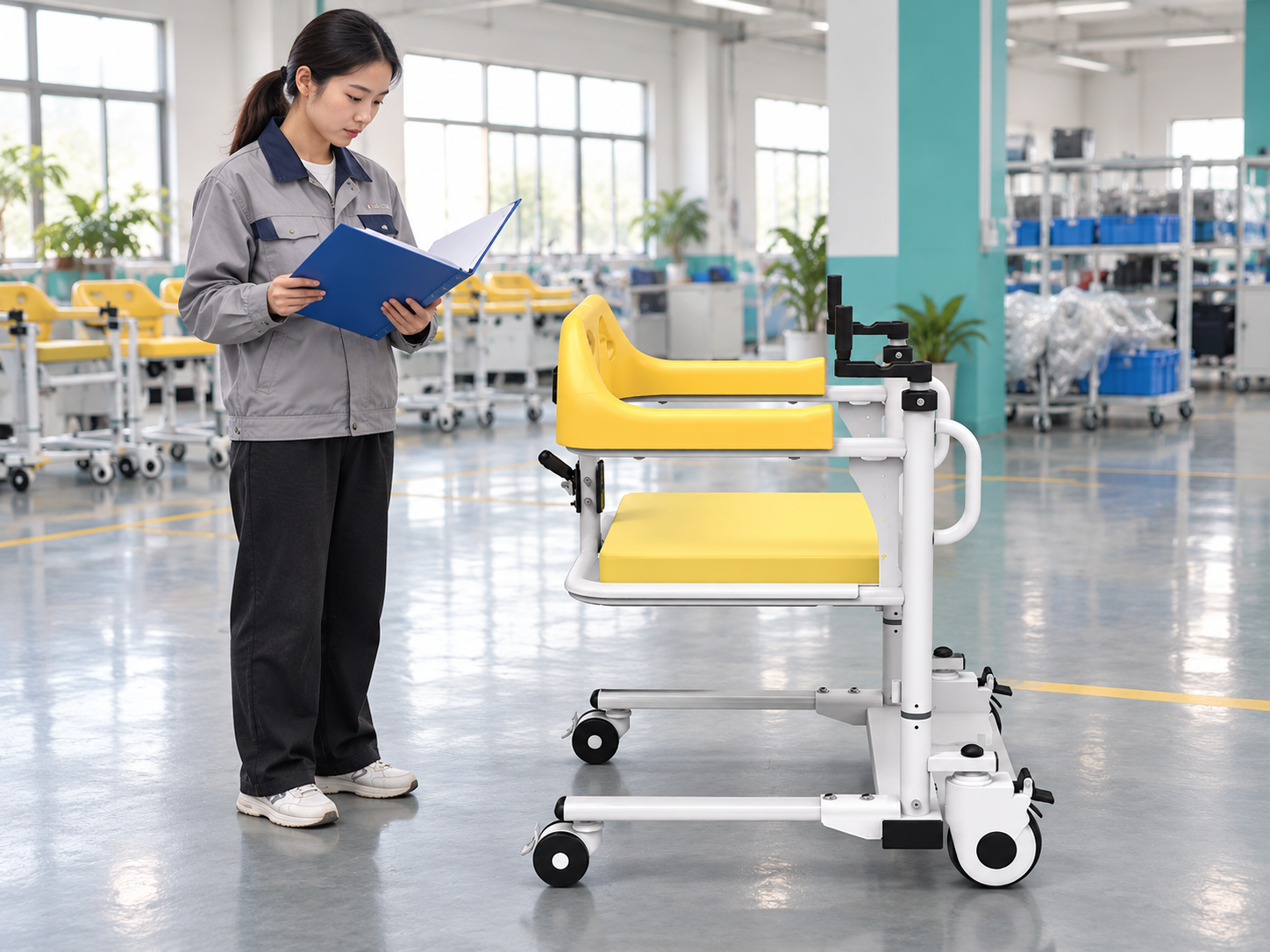
Approve transfer chair seat configuration when the model, components, mode and required documents are clear. Personal suitability remains part of the appropriate qualified assessment.
What should you do next?
Close the configuration questions. Send the final component list and use brief with your enquiry. Ask the maker to identify any proposed change before supply.
- Final setup
- Current documents
- Change rule
| Check | Record or reference |
|---|---|
| Final setup | Order attachment |
| Current documents | Supplier files |
| Change rule | Agreement |
Key Takeaway: The delivered configuration can be checked against the accepted brief. To discuss the model and documents for your order, contact us with your requirements. At AryMD, useful product facts should support every care-equipment purchase.
Frequently asked questions
Q1: Can a similar seat color identify the correct configuration?
No. Use the model, part codes and current product guide to identify the complete arrangement.
Q2: What’s the best evidence for a movable seat section?
Request the exact diagrams, permitted-use instructions and relevant training scope. A visible hinge is not an operating method.
Q3: How do I know whether a substitute pad or support is acceptable?
Ask the maker for a confirmed match and have the appropriate service or care reviewers assess affected requirements.
Q4: Can I treat the bucket as an unrelated accessory?
Not where it forms part of the intended mode. Confirm the complete seat, bucket and guide arrangement.
Q5: Should a sample record identify every fitted component?
Record the components relevant to approval. That makes later changes and orders easier to compare accurately.