
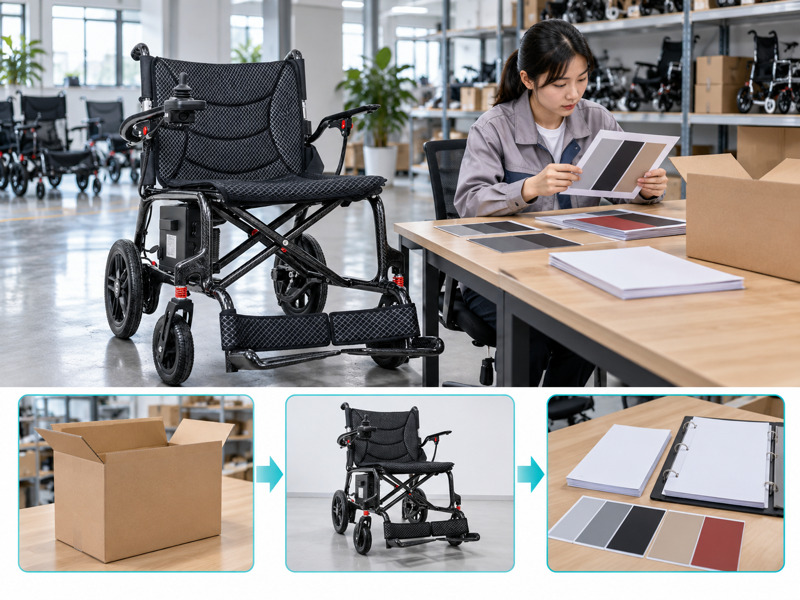
Plan electric wheelchair branding with a defined artwork scope, sample review and approved product details. A logo change can spread across frame labels, cartons and manuals before anyone checks whether they still agree. Correcting those files after printing adds avoidable work. A controlled release package helps you coordinate the visual design without losing product identity or needed facts.
How should you plan electric wheelchair branding?
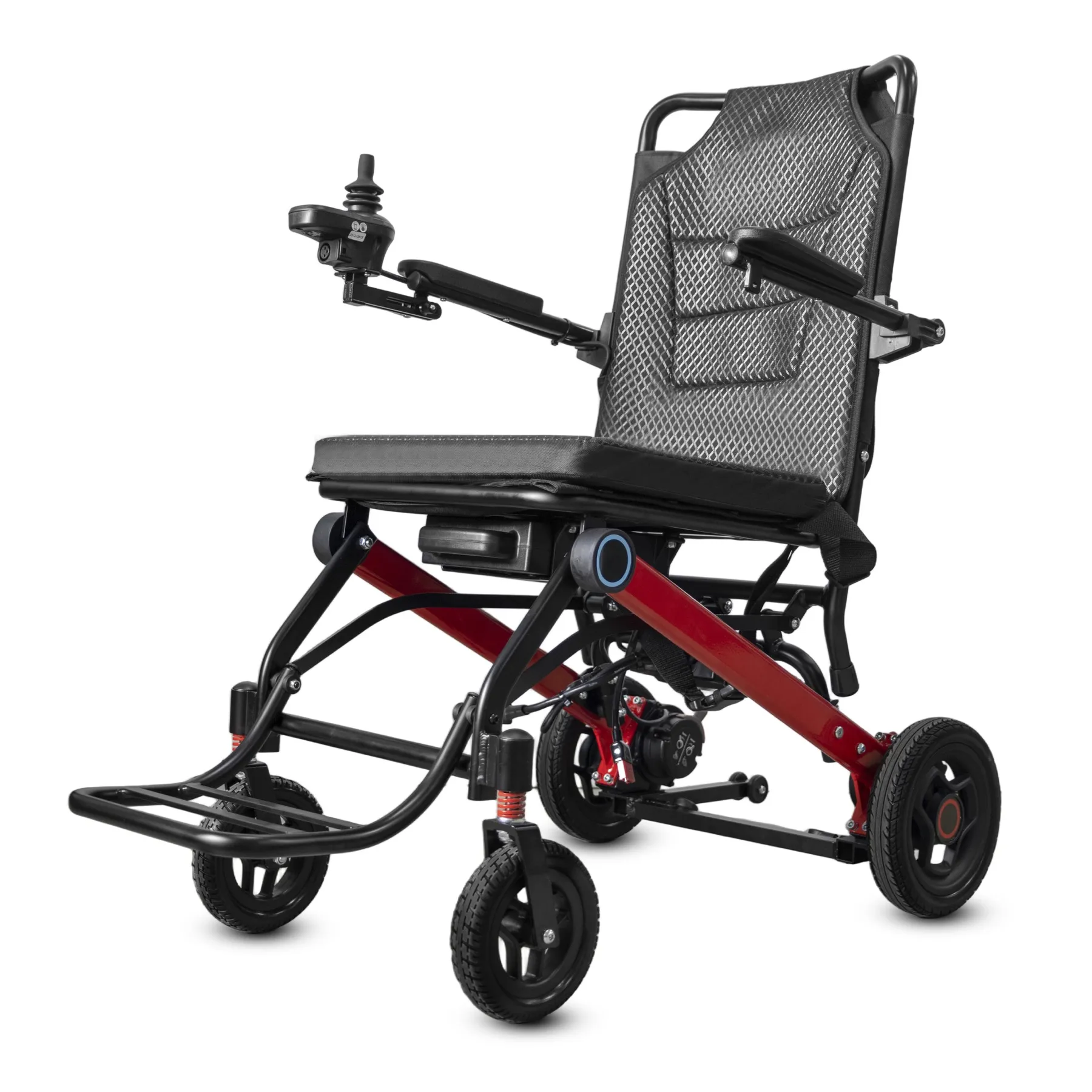
Plan electric wheelchair branding by naming the surfaces, documents and packaging that need your artwork. A request to add a logo does not describe every change involved.
Define the branding project
Define the branding scope clearly. Separate design choices from product or labeling changes. If mandatory details might be affected, involve the suitable technical and regulatory reviewer.
- List branding locations
- Name required files
- Assign specialist review
| Check | What to keep |
|---|---|
| List branding locations | Artwork scope |
| Name required files | Design brief |
| Assign specialist review | Role record |
Key Takeaway: You can request a defined project without hiding technical changes inside a logo discussion.
What product identity must remain visible?
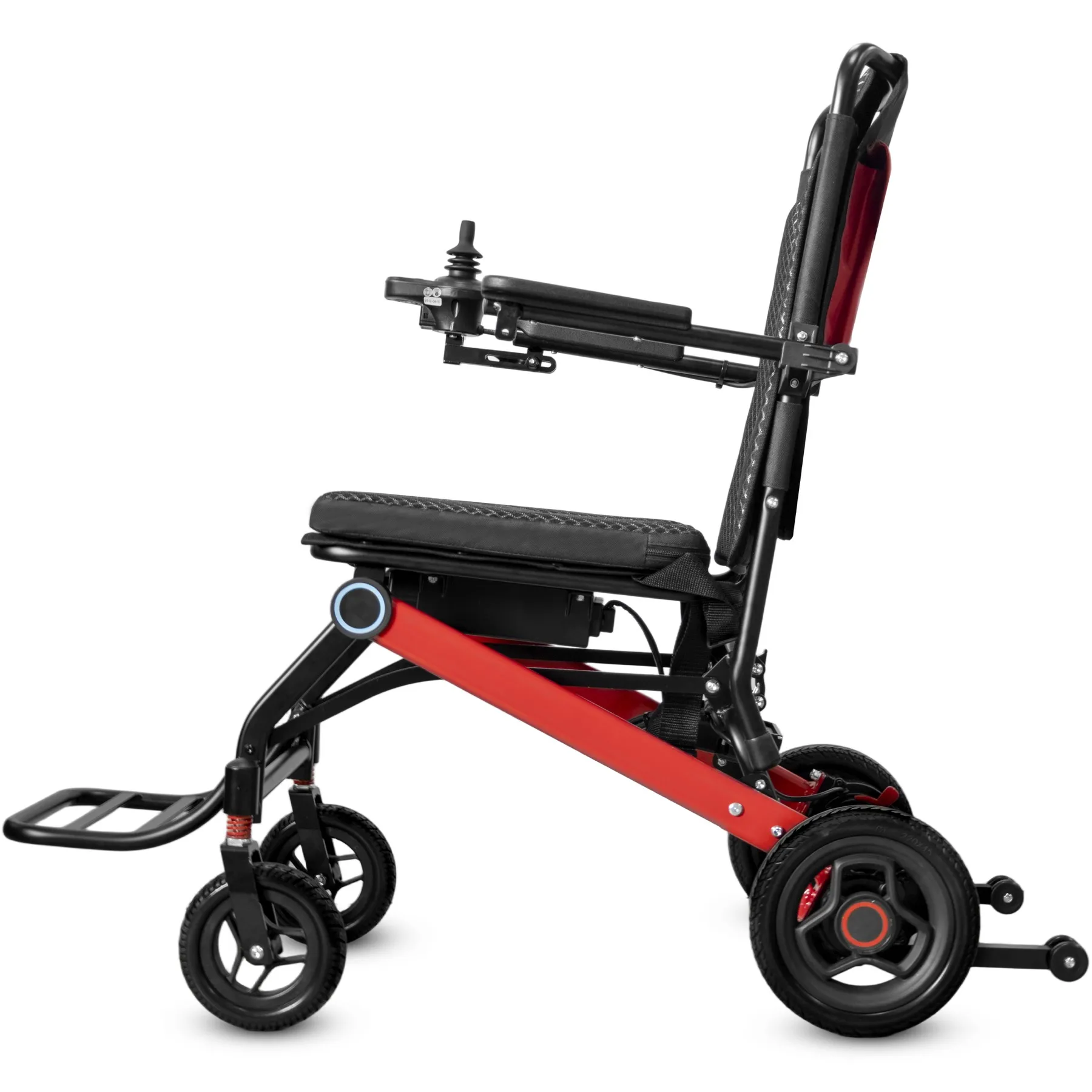
For electric wheelchair branding, preserve the product identity, warnings and needed facts confirmed for the market. A new design must keep the details that users and service staff need.
Preserve required product details
Keep the needed facts intact. Ask the reviewer which details must stay and where they belong. If ownership or manufacturer identity changes, seek qualified advice before production. Preserve warnings in the approved user instructions.
- Name needed facts
- Confirm placement
- Resolve identity changes
| Check | What to keep |
|---|---|
| Name needed facts | Reviewed label content |
| Confirm placement | Approved artwork layout |
| Resolve identity changes | Qualified reviewer decision |
Key Takeaway: Your branding process can respect product traceability instead of treating every label as decoration.
How should electric wheelchair branding files be supplied?
Supply electric wheelchair branding artwork with agreed file format, color references and placement notes. If several files share the same name, production staff may select an old version.
Supply controlled artwork files
Use a controlled artwork version. Keep one release file and archive earlier drafts. Ask for a proof on the actual surface because screen appearance alone may not settle the result.
- Name the release artwork
- State placement and scale
- Request a surface proof
| Check | What to keep |
|---|---|
| Name the release artwork | Versioned file |
| State placement and scale | Marked layout |
| Request a surface proof | Sample approval |
Key Takeaway: A controlled file set makes the visual request clearer for both purchasing and production teams.
Why should samples precede final production?
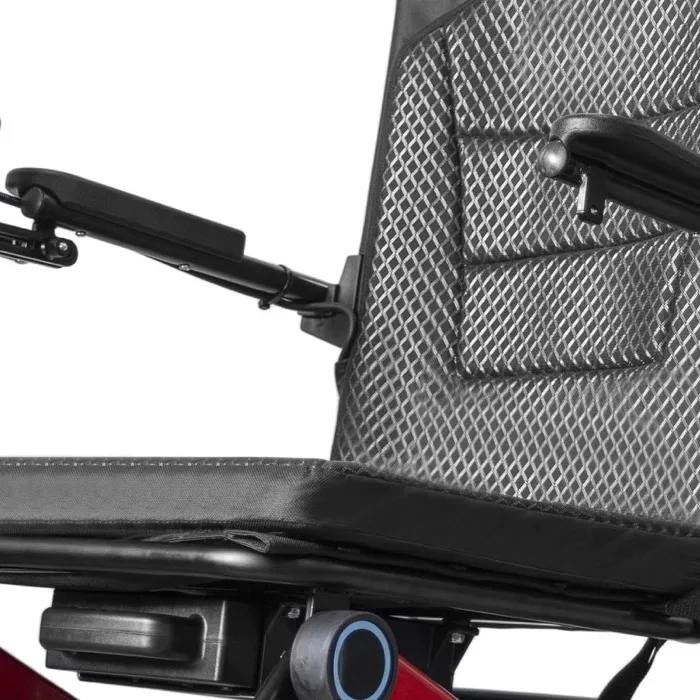
A sample helps review electric wheelchair branding on the actual material and product shape. Curved panels, textured surfaces and packaging print can look different from a flat digital design.
Review the actual surface
Check the real finish. Agree which visual features the sample review covers. If durability or cleaning compatibility needs evidence, request that separately from appearance approval.
- Name the target material
- Review visible finish
- Separate technical claims
| Check | What to keep |
|---|---|
| Name the target material | Surface reference |
| Review visible finish | Physical sample |
| Separate technical claims | Evidence request |
Key Takeaway: You can approve appearance without implying that a visual sample proves every performance claim.
How should cartons support electric wheelchair branding?
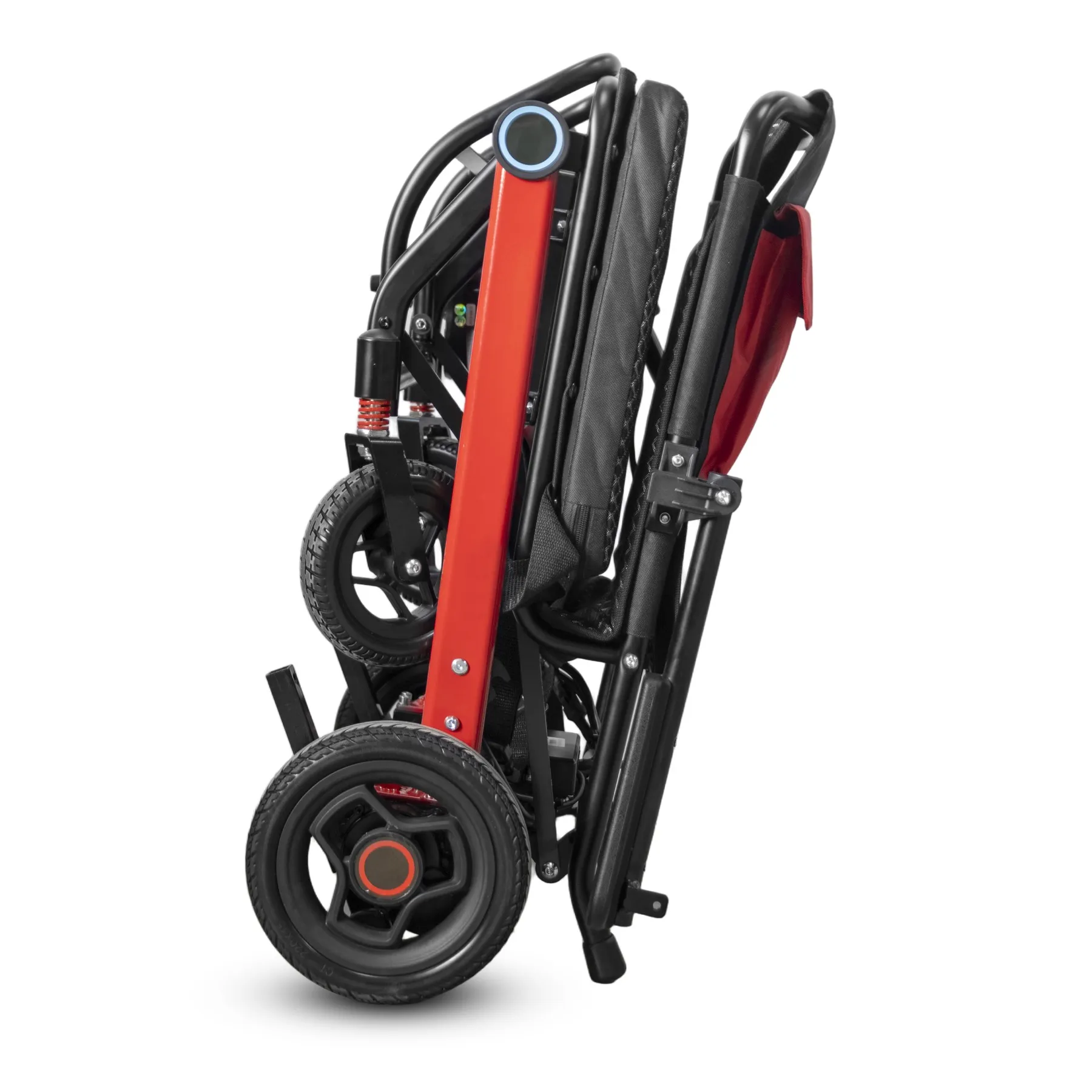
Coordinate carton electric wheelchair branding with the exact model, pack contents and approved shipping details. A branded box can still mislead if its illustration shows an optional setup.
Match carton artwork with contents
Match the box with the offer. Keep artwork and packing specifications linked. If different models share a carton design, make their identity clear in the agreed labeling process. Review carton artwork alongside the packaging plan.
- Match depicted equipment
- Confirm carton details
- Distinguish packed models
| Check | What to keep |
|---|---|
| Match depicted equipment | Offer review |
| Confirm carton details | Approved print file |
| Distinguish packed models | Labeling plan |
Key Takeaway: Warehouse and customer-facing details remain consistent with the chair inside the carton.
Which documents need electric wheelchair branding updates?
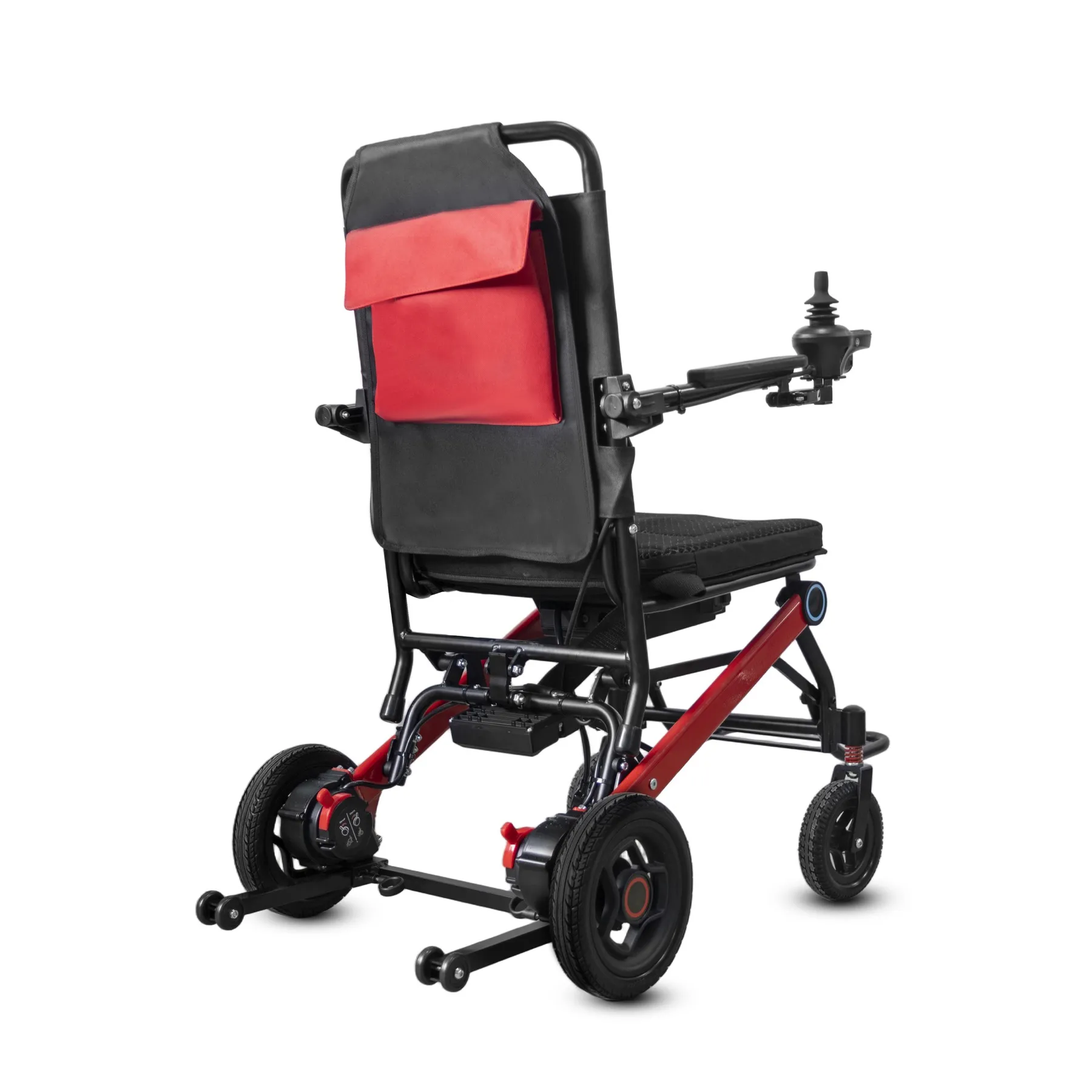
Include manuals and support contact details in electric wheelchair branding so customers receive a coherent details set. Updating the cover alone can leave old contact or model details inside.
Update the customer document pack
Update the whole customer pack. Have the document owner review affected pages. If translations are needed, control them through the same source version and technical review.
- List affected documents
- Review contact details
- Control translated versions
| Check | What to keep |
|---|---|
| List affected documents | Customer-pack schedule |
| Review contact details | Approved support details |
| Control translated versions | Document register |
Key Takeaway: Your customer pack supports the branded offer without separating it from accurate product instructions.
How can buyers avoid unapproved claims?
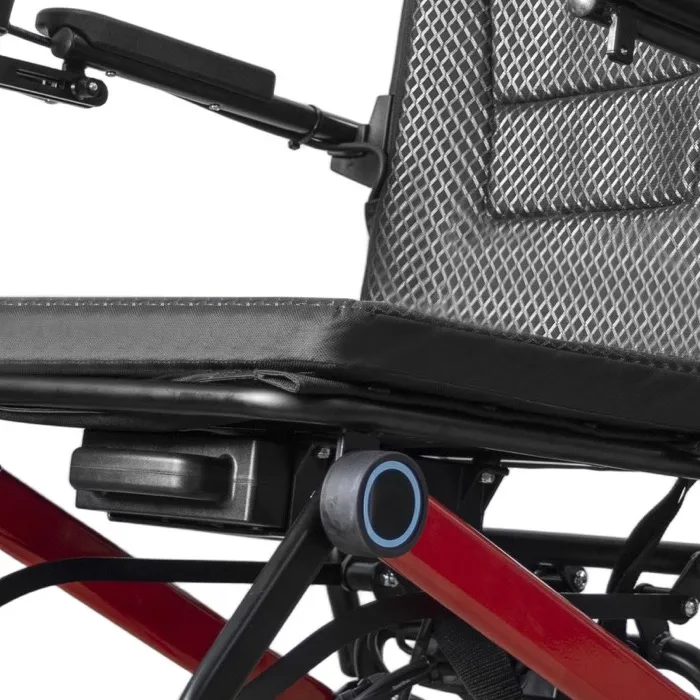
Review every claim added during electric wheelchair branding, including slogans, badges and carton statements. A designer's visual emphasis does not provide evidence for performance or certification.
Check claims within artwork
Review words as closely as logos. Keep claims tied to current documents. If evidence is missing, remove the wording rather than making the badge smaller.
- List artwork claims
- Link supported evidence
- Remove unsupported statements
| Check | What to keep |
|---|---|
| List artwork claims | Copy review sheet |
| Link supported evidence | Document references |
| Remove unsupported statements | Approved wording |
Key Takeaway: Brand presentation remains credible because visual polish does not outrun the available facts.
Which electric wheelchair branding terms need agreement?
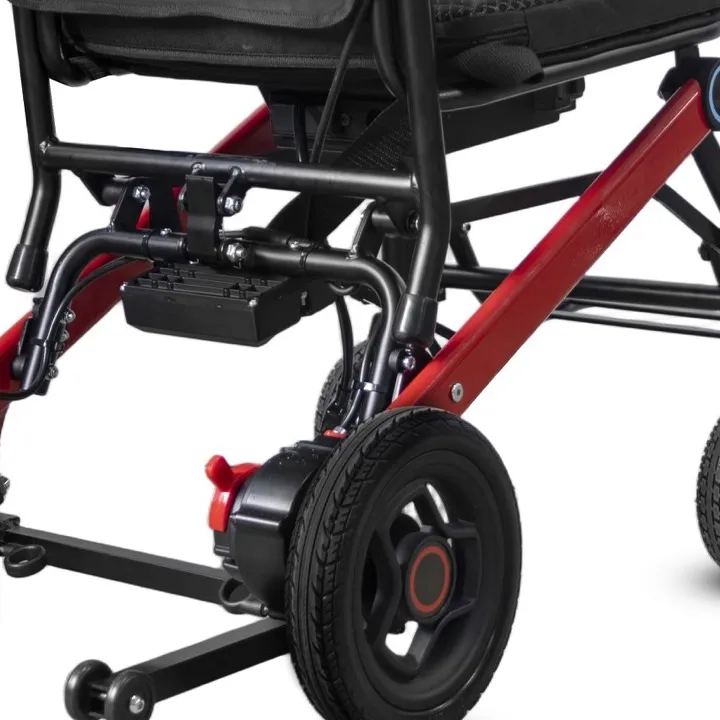
For electric wheelchair branding, record artwork ownership, permitted use, quantities and revision roles in the agreed terms. These are commercial questions that should not be left to informal assumptions.
Agree commercial roles
Make ownership and scope explicit. Ask qualified advisers about contractual terms where needed. If a design changes after approval, agree how that affects cost and timing before release. Name branding deliverables in the quotation.
- Record approved scope
- Define artwork role
- Document change effects
| Check | What to keep |
|---|---|
| Record approved scope | Commercial brief |
| Define artwork role | Agreed terms |
| Document change effects | Revised quotation |
Key Takeaway: You can manage the project without presenting unconfirmed ownership or delivery terms as settled facts.
How should final artwork be released?
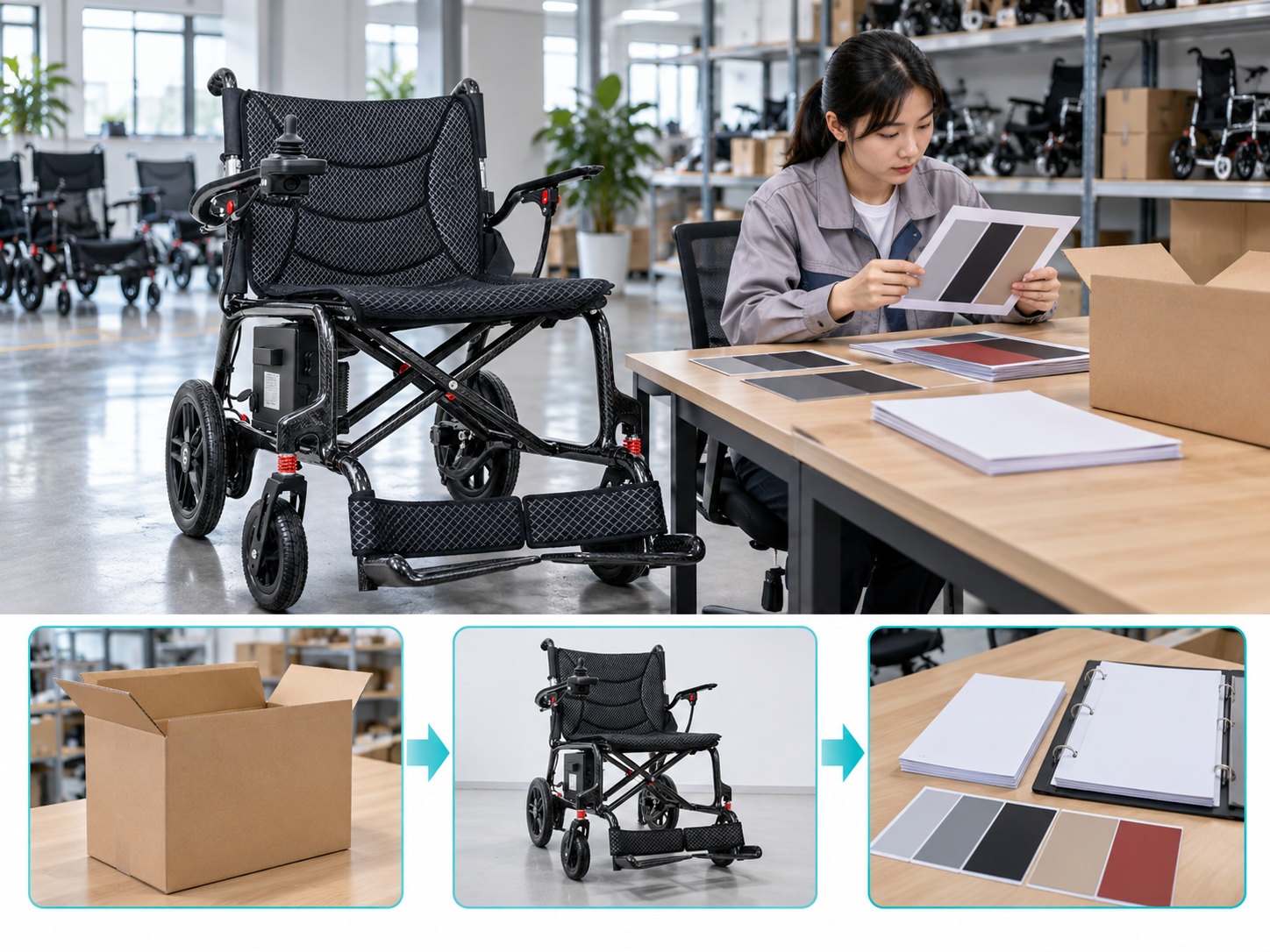
Release electric wheelchair branding as a dated set of product, carton and document files. Separate approvals can leave production using files from different stages of review.
Release one complete file set
Approve one complete set. Name the person responsible for final release. If any file changes afterward, record the new version and affected production scope. MHRA device-management guidance provides broader purchasing and equipment-management context.
- Collect all release files
- Name the approver
- Track later revisions
| Check | What to keep |
|---|---|
| Collect all release files | Artwork package |
| Name the approver | Release record |
| Track later revisions | Change log |
Key Takeaway: A complete release package gives the supplier one clear basis for production.
What belongs in an electric wheelchair branding inquiry?
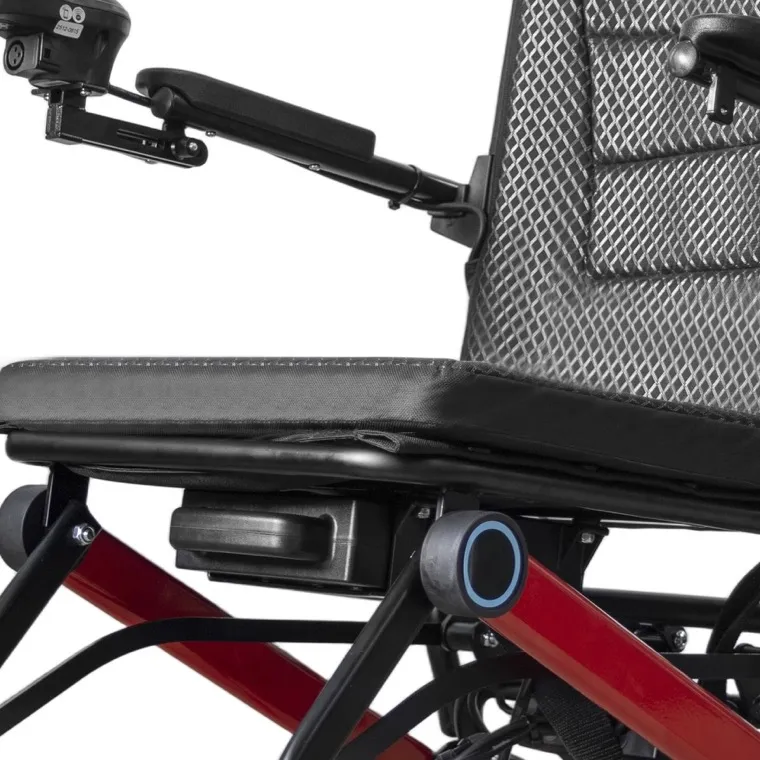
Send your electric wheelchair branding inquiry with the model, markets, artwork locations and expected customer documents. Ask which options can be reviewed before assuming they are available.
Prepare your branding inquiry
Turn preferences into a brief. Keep product changes separate from visual requests. Agree the sample, evidence and approval steps before setting a production date.
- Name the model and markets
- Attach artwork needs
- Agree review stages
| Check | What to keep |
|---|---|
| Name the model and markets | Project brief |
| Attach artwork needs | Location and file list |
| Agree review stages | Approval plan |
Key Takeaway: You can discuss branding, needed facts and production scope with fewer unresolved assumptions. Contact us with your model and order brief so we can discuss the required product information. AryMD supports wheelchair buying decisions built on clear, model-specific facts.
Frequently asked questions
Q1: Can I cover an original label with my logo?
Only after suitable review of needed facts and placement. Do not obscure identity or warnings through a visual change.
Q2: What's the best way to approve a logo finish?
Review a sample on the intended surface. A screen preview cannot establish the final physical appearance.
Q3: How do I know which files are ready for production?
Use one dated release set with named approval. Archive superseded drafts separately.
Q4: Can a branding sample prove cleaning resistance?
No. Appearance approval does not replace evidence for a material or durability claim.
Q5: Can I assume artwork ownership from an email exchange?
Confirm the agreed terms in writing. Seek qualified advice where contractual rights remain uncertain.