
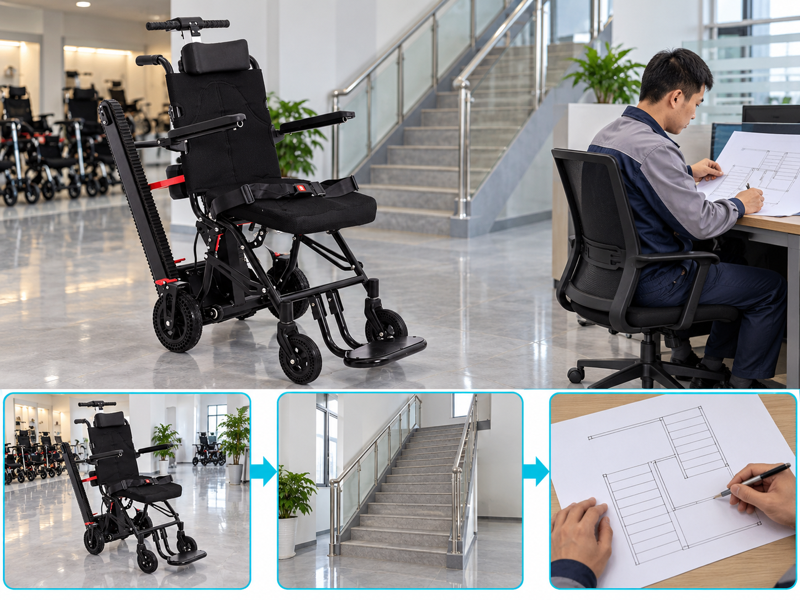
A stair chair route survey should give a qualified reviewer the site facts needed for a powered passenger stair chair. A UK dealer may receive a stair photo that leaves out shared doors or landings. Those gaps can put an order on the wrong basis. Build one dated route file with named places, clear photos and open questions before you confirm a chair choice.
What should a stair chair route survey brief cover?
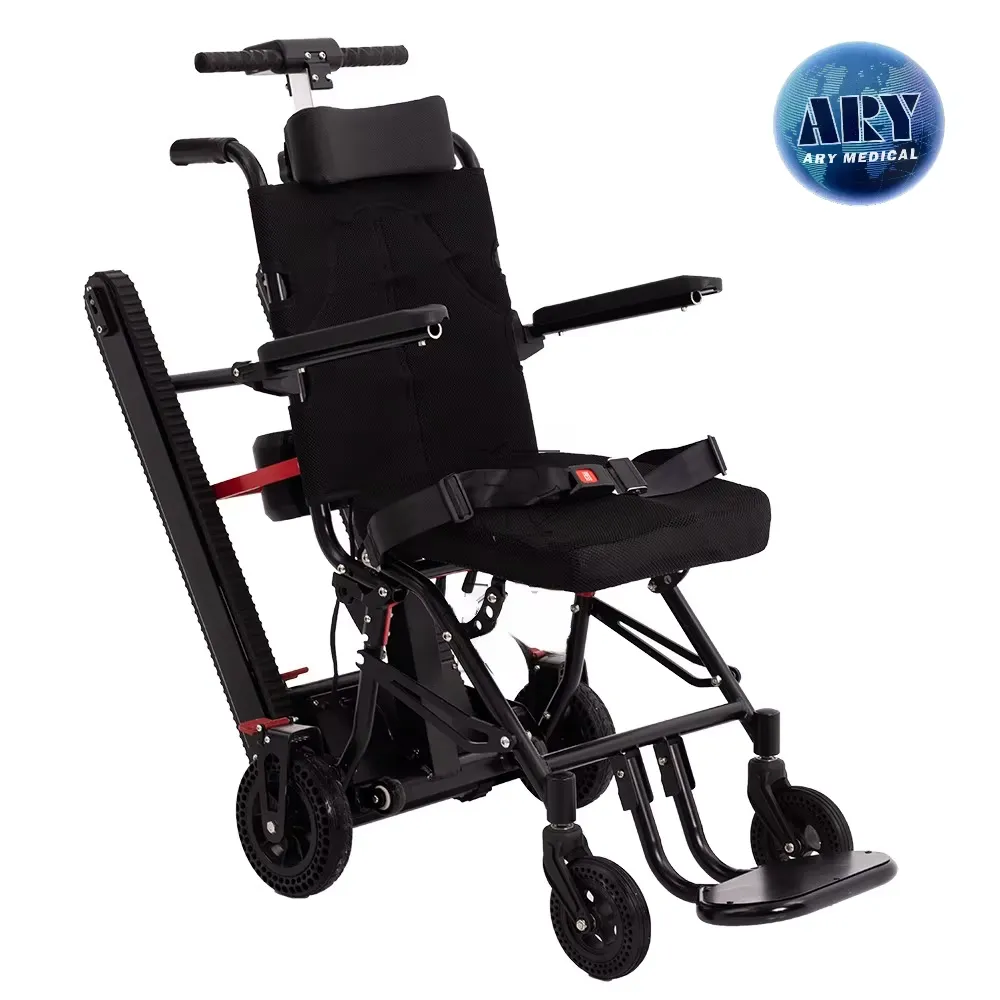
A stair chair route survey brief should cover the full trip from storage through stairs to its end point. Name your chair model and planned passenger use.
Where does the planned trip begin?
Start with both ends of the route. A stair photo may leave out shared doors. Draw the whole route and give each part a short name.
- Name both route ends clearly
- List each part in order
- State the planned passenger use
| Check | What to keep |
|---|---|
| Name both route ends clearly | Start and end labels |
| List each part in order | Doors halls and flights |
| State the planned passenger use | Written purpose and scope |
Key Takeaway: Give your reviewer a full route plan so one stair photo cannot replace a whole site check.
Who should review a stair chair route survey?
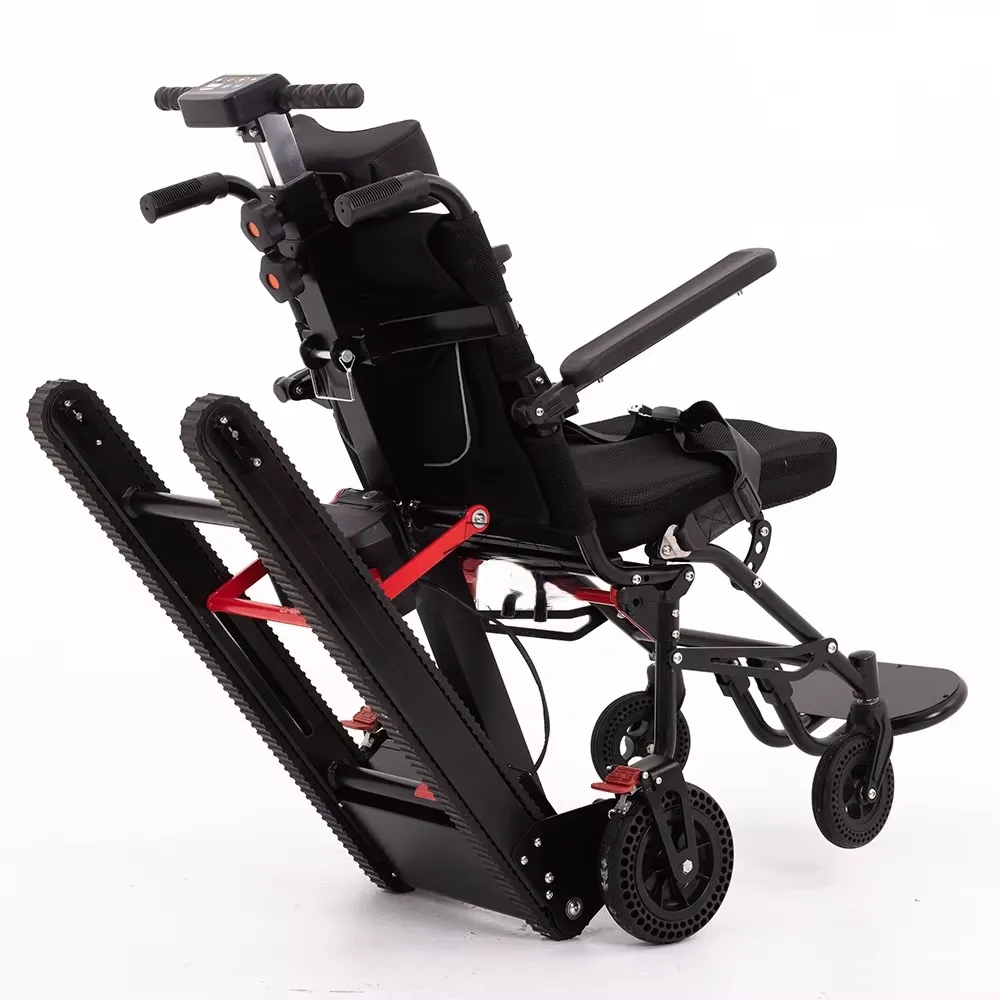
Your stair chair route survey needs a qualified reviewer who knows the exact chair instructions and planned use. Name who supplies site facts and answers product questions.
Who owns each open question?
Name the people who decide. A site contact can share plans and grant access. Ask which passenger needs call for further expert help. Use the equipment dimension checklist to keep measuring points clear.
- Name the main site contact
- Choose the product file contact
- Record who reviews this route
| Check | What to keep |
|---|---|
| Name the main site contact | Building access contact name |
| Choose the product file contact | Supplier name and role |
| Record who reviews this route | Reviewer name and scope |
Key Takeaway: Name who owns each question so staff can get a clear answer before an order goes ahead.
How do you identify the exact route?
Use a simple plan with names staff can match to the site. A stair chair route survey needs the same labels across photos, emails and measurements.
Use the same names in each file
Give each flight its own name. Use building, floor and flight names in each file. Give each proposed route its own plan and facts.
- Label each floor and flight
- Match photos with named places
- Keep each proposed route separate
| Check | What to keep |
|---|---|
| Label each floor and flight | Names on route plan |
| Match photos with named places | Photo and plan index |
| Keep each proposed route separate | One file per route |
Key Takeaway: Use consistent place names so a reviewer can find a concern without guessing where photos were taken.
What measurements belong in a stair chair route survey?
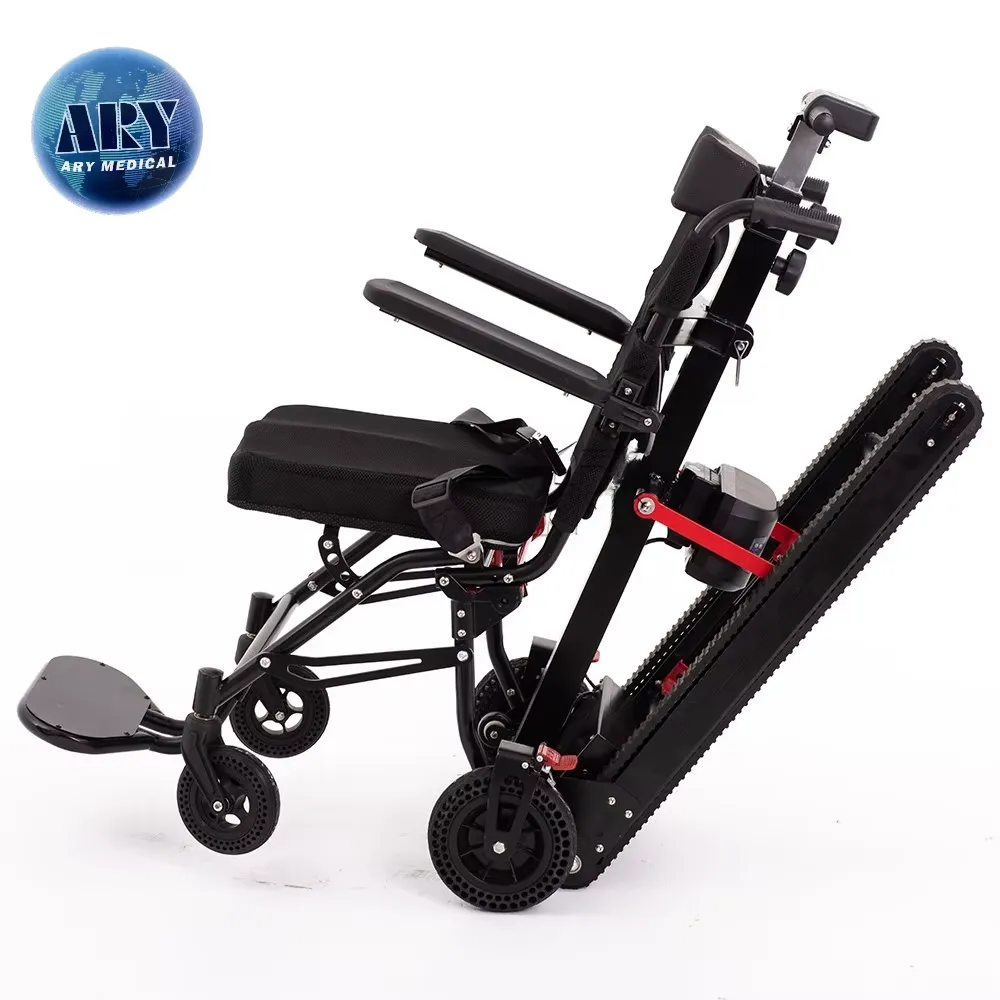
A stair chair route survey should contain measurements requested for that exact chair and route. Ask for the reviewer's form and method before a site visit.
Which sizes does your reviewer need?
Ask which measurements the model needs. Mark units and measurement points on plans. Keep stair, landing, door and overhead facts separate, with unchecked fields left blank.
- Request the model survey form
- Mark where each measurement starts
- Flag places staff cannot check
| Check | What to keep |
|---|---|
| Request the model survey form | Current form and version |
| Mark where each measurement starts | Drawing with stated units |
| Flag places staff cannot check | Open fields and reasons |
Key Takeaway: Leave missing measurements open so no one fills a gap with a guess while preparing your quote.
Which photos help a stair chair route survey review?
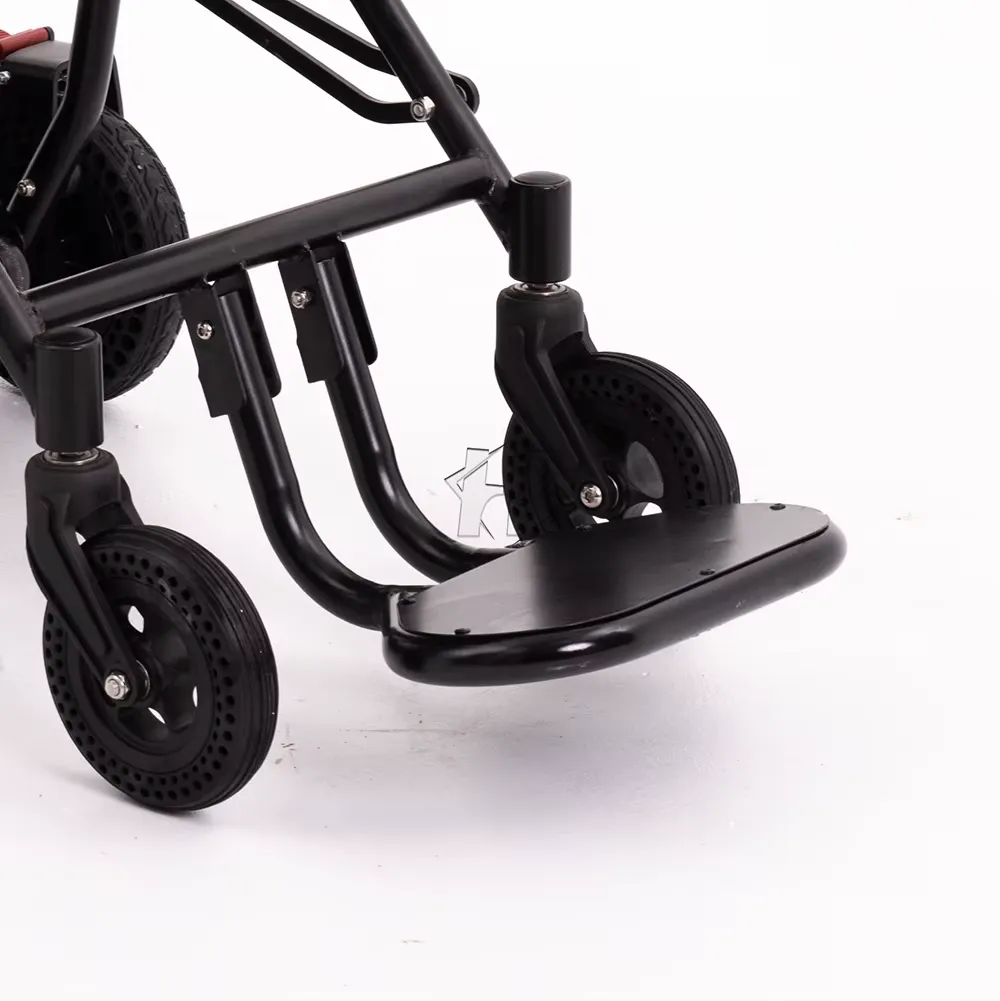
Useful stair chair route survey photos show each feature and its place on the route. Send requested wide and close views with names and dates.
Pair close details with wider views
Link close views with wider shots. An edge close-up may hide which flight it belongs to. Pair wider views with details and omit private passenger information. Record any separate transfer-space needs at the ends of the route.
- Pair close and wide views
- Add place names and dates
- List the views still missing
| Check | What to keep |
|---|---|
| Pair close and wide views | Matched photos and labels |
| Add place names and dates | Route name and date |
| List the views still missing | Gaps for further review |
Key Takeaway: Ask which missing views could change a finding before you book another visit or close the file.
How do you record changes in a stair chair route survey?
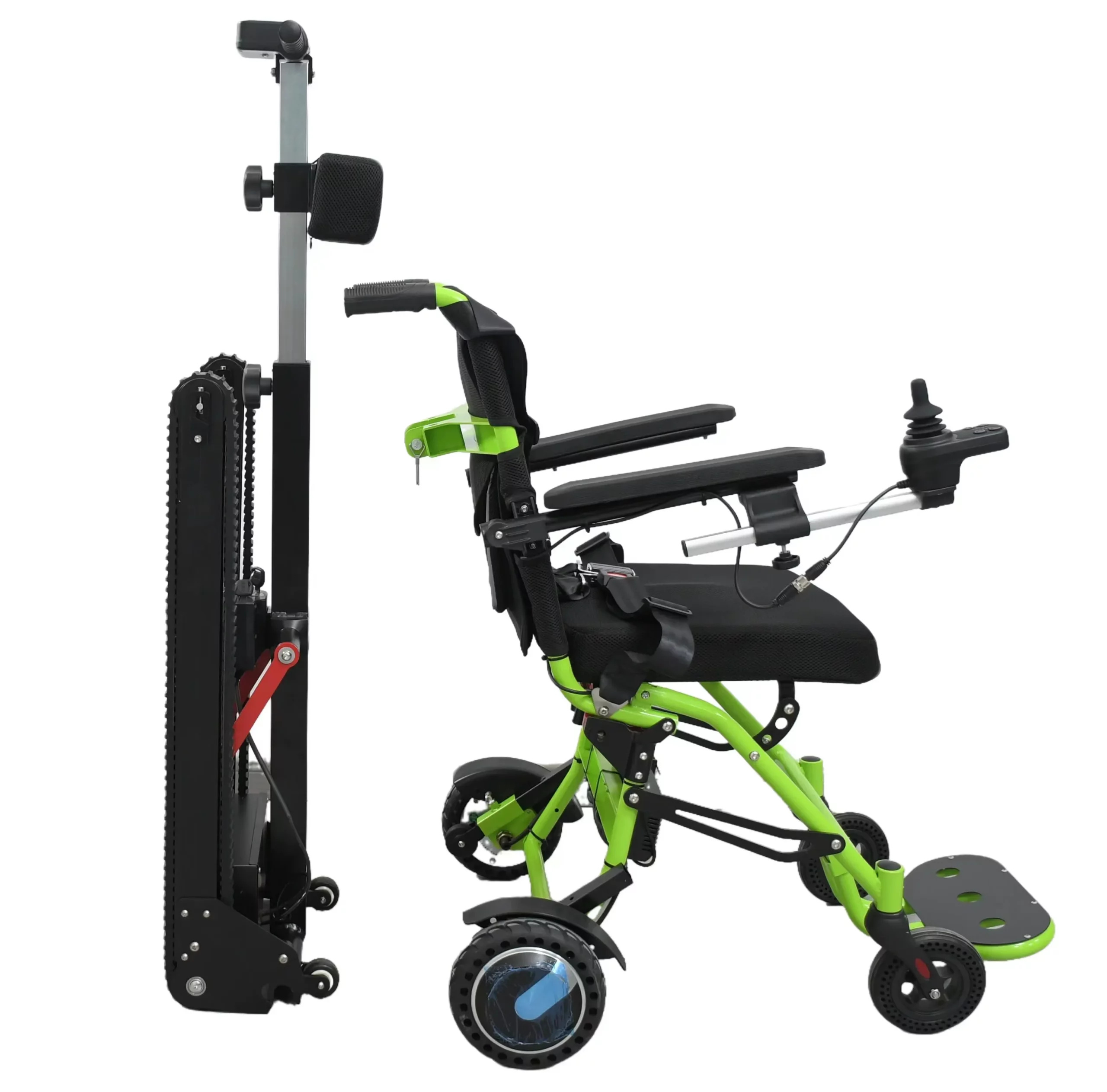
Record current facts and list planned work separately in your stair chair route survey. Promised changes remain open until work and follow-up review are complete.
Current facts and planned building work
Separate current facts from planned work. A tenant may control cupboards a buyer wants moved. Name who owns each change and request fresh photos afterward.
- Describe the site as found
- Name owners of planned changes
- Request proof after work ends
| Check | What to keep |
|---|---|
| Describe the site as found | Dated notes and photos |
| Name owners of planned changes | Task and named owner |
| Request proof after work ends | New photos and findings |
Key Takeaway: Base orders on checked facts, with promised work left visible until someone closes that item in writing.
How should passenger needs enter the brief?
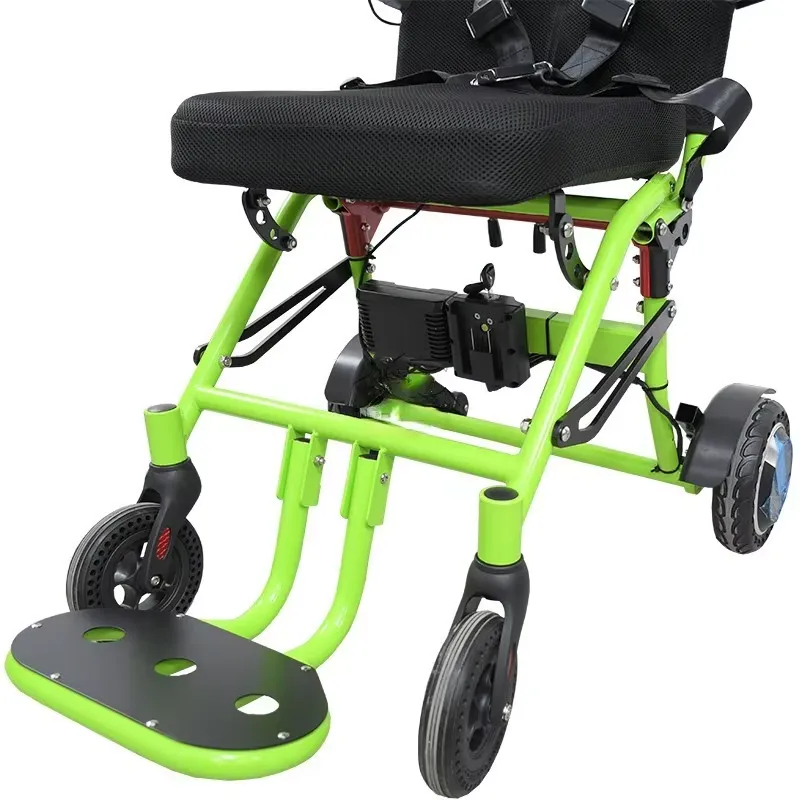
Passenger needs require their own review by qualified people. Your stair chair route survey must keep site findings separate from seating, transfer and support decisions.
Who reviews the passenger's needs?
Keep people and building checks separate. Share only personal facts needed under your privacy rules. Name who reviews them before treating site acceptance as passenger approval.
- Name the passenger review contact
- Limit the personal facts shared
- Keep person and site findings separate
| Check | What to keep |
|---|---|
| Name the passenger review contact | Role and agreed scope |
| Limit the personal facts shared | Approved fields and access |
| Keep person and site findings separate | Linked but distinct files |
Key Takeaway: Name a passenger-review contact so a complete building file cannot stand in for an individual's use decision.
How do you compare stair chair route survey responses?
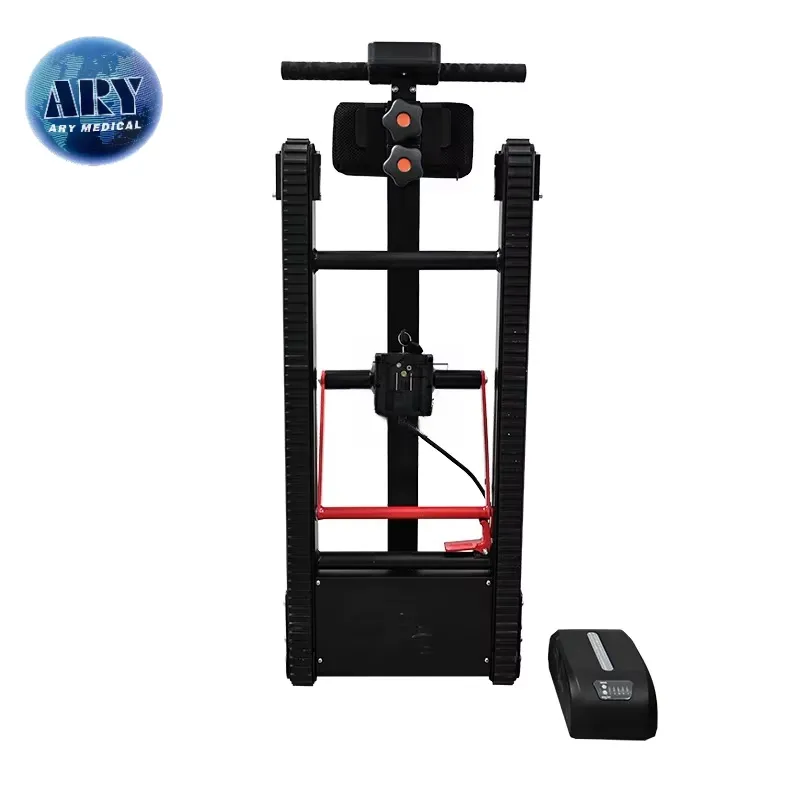
Compare replies against the same dated file and planned route. Your stair chair route survey should show each supplier's answers, covered setup, limits and open checks.
Compare replies against one set of files
Send each supplier the same facts. A broad stair-climbing claim may not address your flight. Ask for place-specific replies and keep every limit in summaries. Keep the exact model instructions with the survey brief.
- Send the same route file
- Request answers for named places
- Separate limits from missing facts
| Check | What to keep |
|---|---|
| Send the same route file | Shared file date version |
| Request answers for named places | Reply linked to route |
| Separate limits from missing facts | Open questions and exclusions |
Key Takeaway: Check each reply's scope before price so a short answer does not appear more complete than it is.
What makes a route decision traceable?
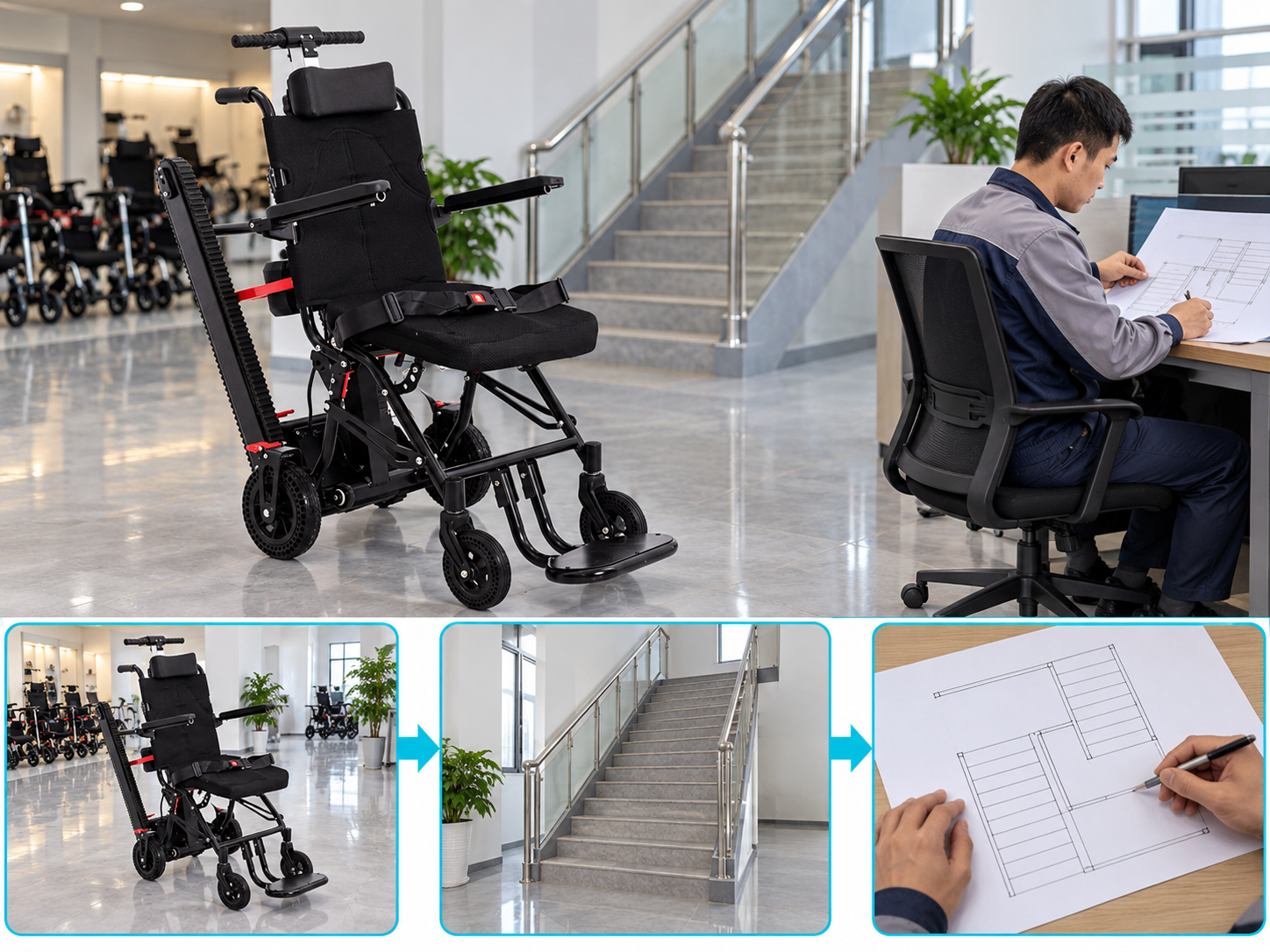
A traceable decision names the route, setup, files checked and reviewer. File these facts in your stair chair route survey so staff can check later changes.
What supports the route finding?
File the reason beside each finding. Ask which places passed, failed or still await review. General handling guidance helps planning but cannot approve this chair and route. HSE handling guidance provides general risk-review context.
- Note which files were checked
- State reasons for route findings
- Name who gave the finding
| Check | What to keep |
|---|---|
| Note which files were checked | File names and dates |
| State reasons for route findings | Written reasons and limits |
| Name who gave the finding | Reviewer name and date |
Key Takeaway: Store written reasons with your plan so sales and service staff can see what the finding covers.
When can you move toward an order?

Move toward an order once reviewers resolve route questions and your team knows their limits. End your stair chair route survey with findings and owners for open tasks.
Send a clear site-review request
Close route questions before placing orders. Send the model, route name and missing facts. For an excluded route, seek an assessed access plan before promising passenger use.
- Review open questions with owners
- Link order terms with limits
- Send a clear supplier request
| Check | What to keep |
|---|---|
| Review open questions with owners | Task list and names |
| Link order terms with limits | Written finding and scope |
| Send a clear supplier request | Model route and questions |
Key Takeaway: Send your dated brief for a written chair-and-route finding, then proceed, revise the plan or pause your order. Contact us with your model, route and order brief so we can discuss the product files you need. At AryMD, a clear stair-access decision starts with the right product facts.
Frequently asked questions
Q1: Can I prepare the route brief before selecting a model?
Yes, you can describe the trip and gather general site facts. Ask for the exact model's survey needs before treating those facts as enough for a chair-use decision.
Q2: What's the best way to label photos from several floors?
Use the same building, floor and flight names in your plan and photo list. Add dates and view details so a reviewer can find each place without guessing.
Q3: How do I know if a survey answer is still conditional?
Look for missing sizes, pending checks or planned building work in the reply. Ask who must close each question and keep those limits beside your order decision.
Q4: Can I reuse a survey for another chair model?
Only after a qualified review checks which facts still apply. A different chair or track setup may need more site details before an earlier route finding can be reused.
Q5: Can I leave another proposed route outside the brief?
Yes, if you clearly leave it outside your planned service and quote. If a buyer expects that route too, give it a separate file and request its own review.