

Build an electric wheelchair reorder plan from current demand, usable stock and confirmed model details. Reusing the last order may feel quick until a new version arrives with different parts or an old service issue remains unresolved. Your team then has to reconcile the gaps after committing funds. A fresh reorder brief keeps the model mix, support needs and commercial terms connected.
How should you prepare an electric wheelchair reorder plan?
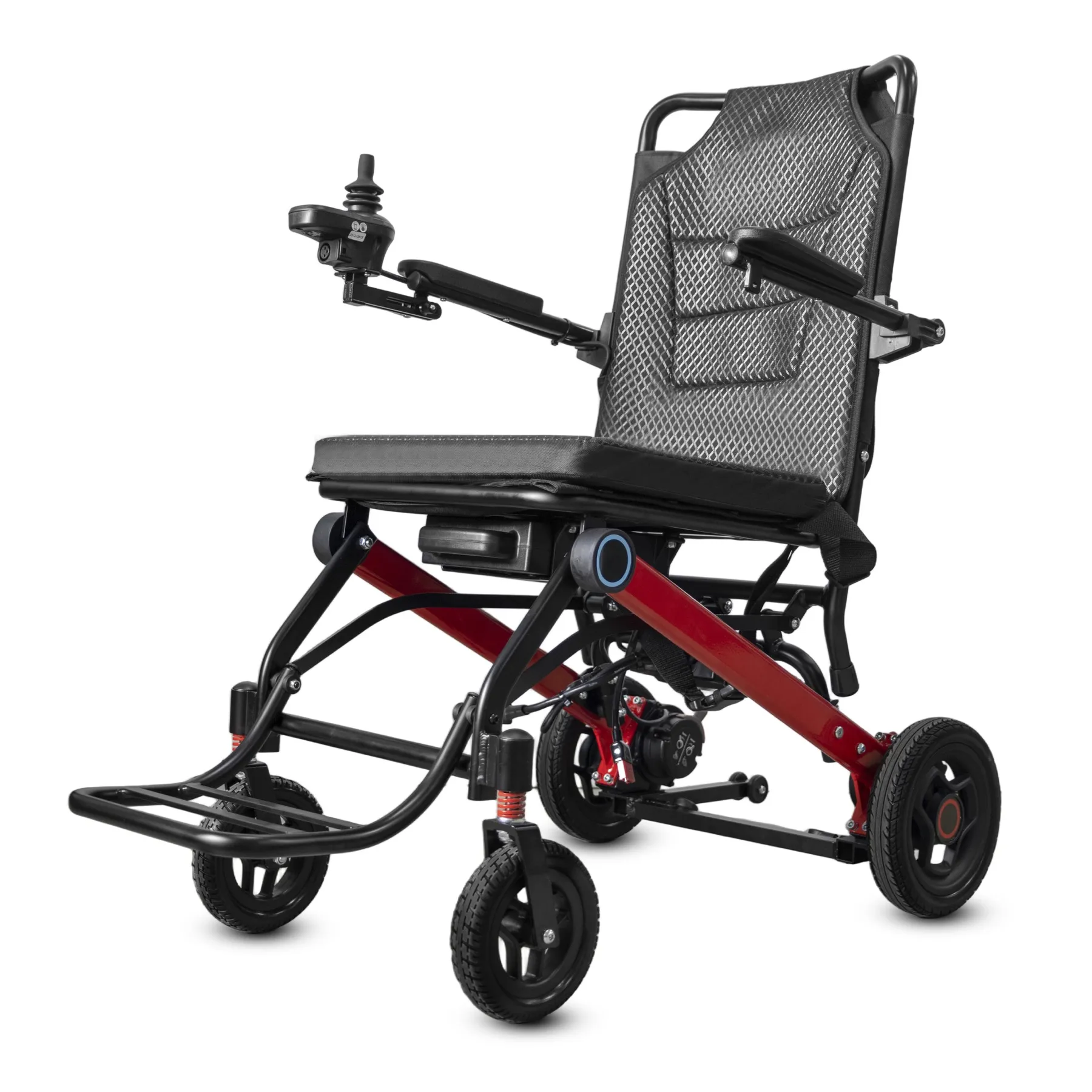
Prepare an electric wheelchair reorder plan from actual demand, usable stock and the latest accepted product setup. Repeating an old purchase order can carry forward options or terms that no longer match your business.
Use current needs and product facts
Start with current needs and current facts. Review open service and product questions before committing. If a model changed, compare it with the accepted version rather than relying on the familiar name.
- Review current demand
- Check usable stock
- Confirm the current setup
| Check | What to keep |
|---|---|
| Review current demand | Sales and enquiry records |
| Check usable stock | Released stock count |
| Confirm the current setup | Supplier product record |
Key Takeaway: Your repeat order can reflect today's needs instead of reproducing yesterday's assumptions.
Which stock should count toward the decision?
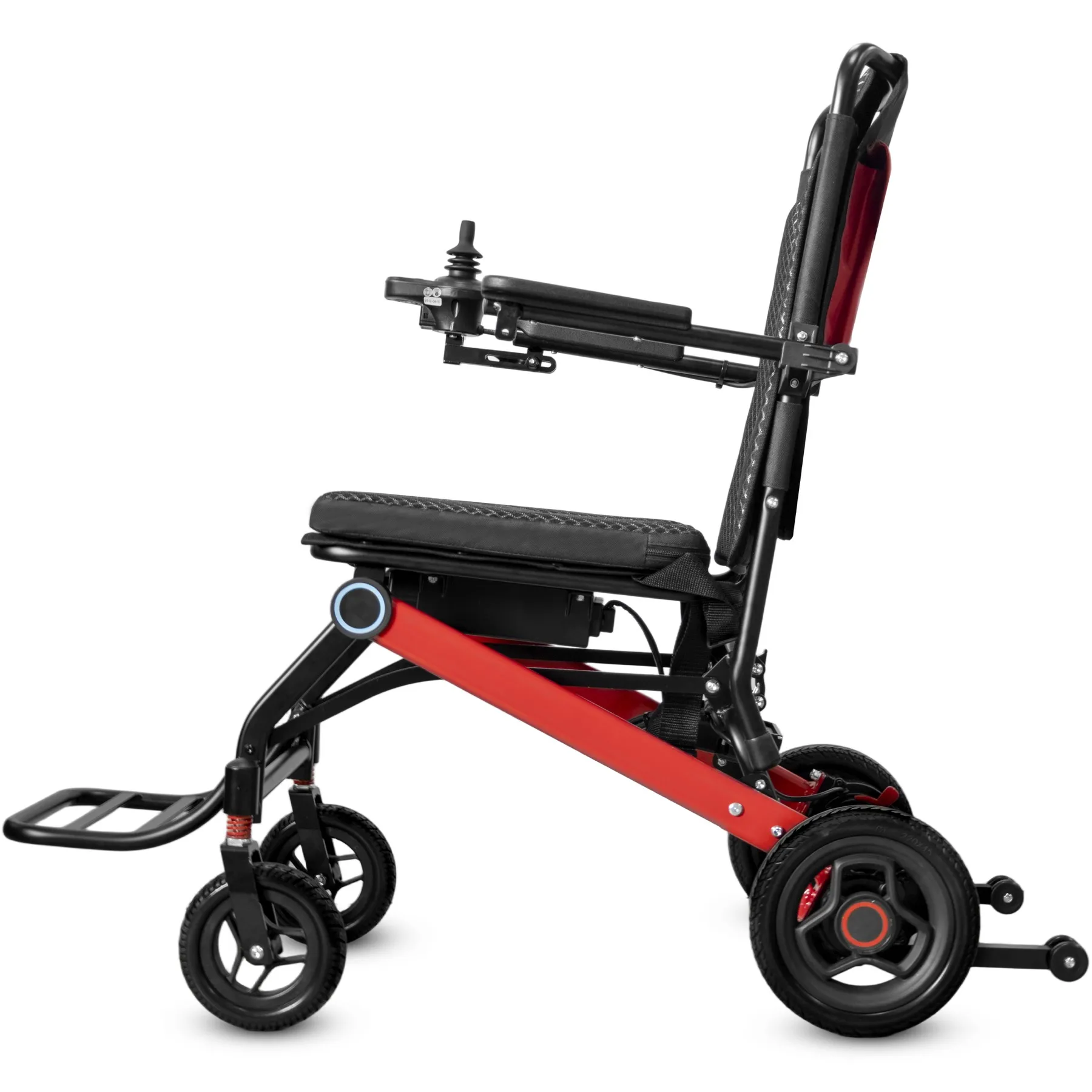
For an electric wheelchair reorder plan, count stock that is usable and not already allocated. Returned, held or incomplete chairs should not appear as ready units simply because they occupy warehouse space.
Count available stock
Separate available from merely present. Keep inbound orders visible in a separate field. If their timing or setup is uncertain, mark that uncertainty rather than treating them as confirmed supply. Confirm the revised wholesale order before allocation.
- Count released stock
- Show committed allocations
- Separate uncertain inbound stock
| Check | What to keep |
|---|---|
| Count released stock | Available-unit record |
| Show committed allocations | Open customer orders |
| Separate uncertain inbound stock | Supply status |
Key Takeaway: You can see the real purchasing gap without inflating available inventory.
How should an electric wheelchair reorder plan review demand?
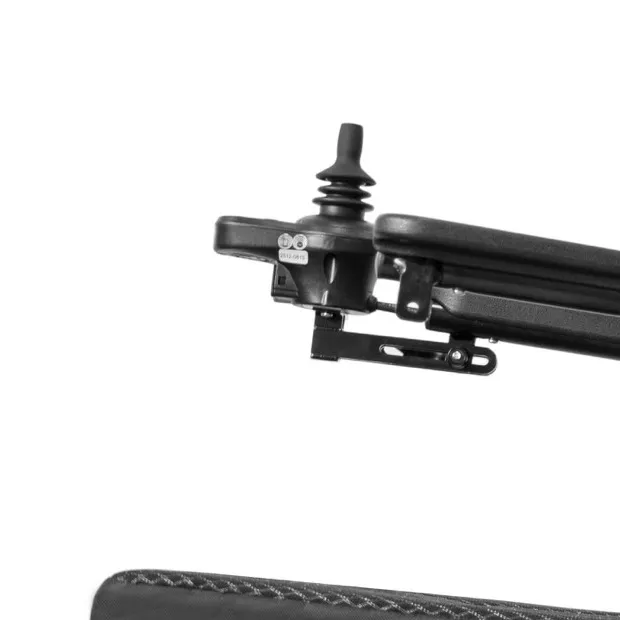
An electric wheelchair reorder plan should use actual demand by model and version. A rise in general enquiries does not automatically mean the same quantity of confirmed orders.
Review demand by model
Use comparable sales evidence. Compare sales, cancellations and open enquiries separately. If the product mix is changing, note which evidence supports a shift in your next order.
- Review sales by version
- Separate enquiries from orders
- Note changes in the mix
| Check | What to keep |
|---|---|
| Review sales by version | Sales history |
| Separate enquiries from orders | Demand-stage record |
| Note changes in the mix | Buying review |
Key Takeaway: Your purchasing discussion can distinguish interest from firm demand and name which models need attention.
What service issues should be considered?
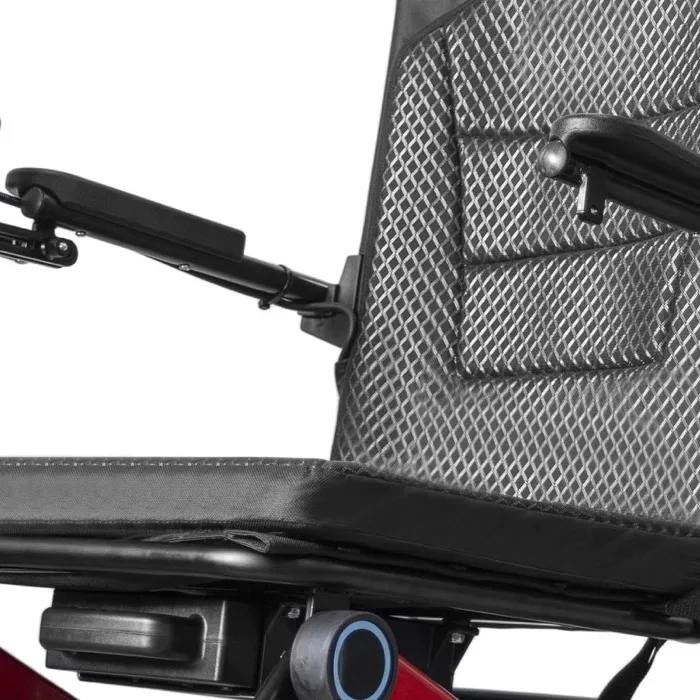
Include open service issues in an electric wheelchair reorder plan when they affect the model or support setup you intend to buy. A repeat order should not silently bypass an unresolved parts or document problem.
Bring open service issues forward
Bring unresolved issues into the order review. Ask the relevant team whether the issue affects new supply. If a corrective change is proposed, review its evidence and scope before accepting it.
- List relevant open cases
- Check impact on new orders
- Record agreed actions
| Check | What to keep |
|---|---|
| List relevant open cases | Service summary |
| Check impact on new orders | Technical review |
| Record agreed actions | Supplier response |
Key Takeaway: You can make a repeat decision with unresolved support questions visible.
How should an electric wheelchair reorder plan compare quotes?
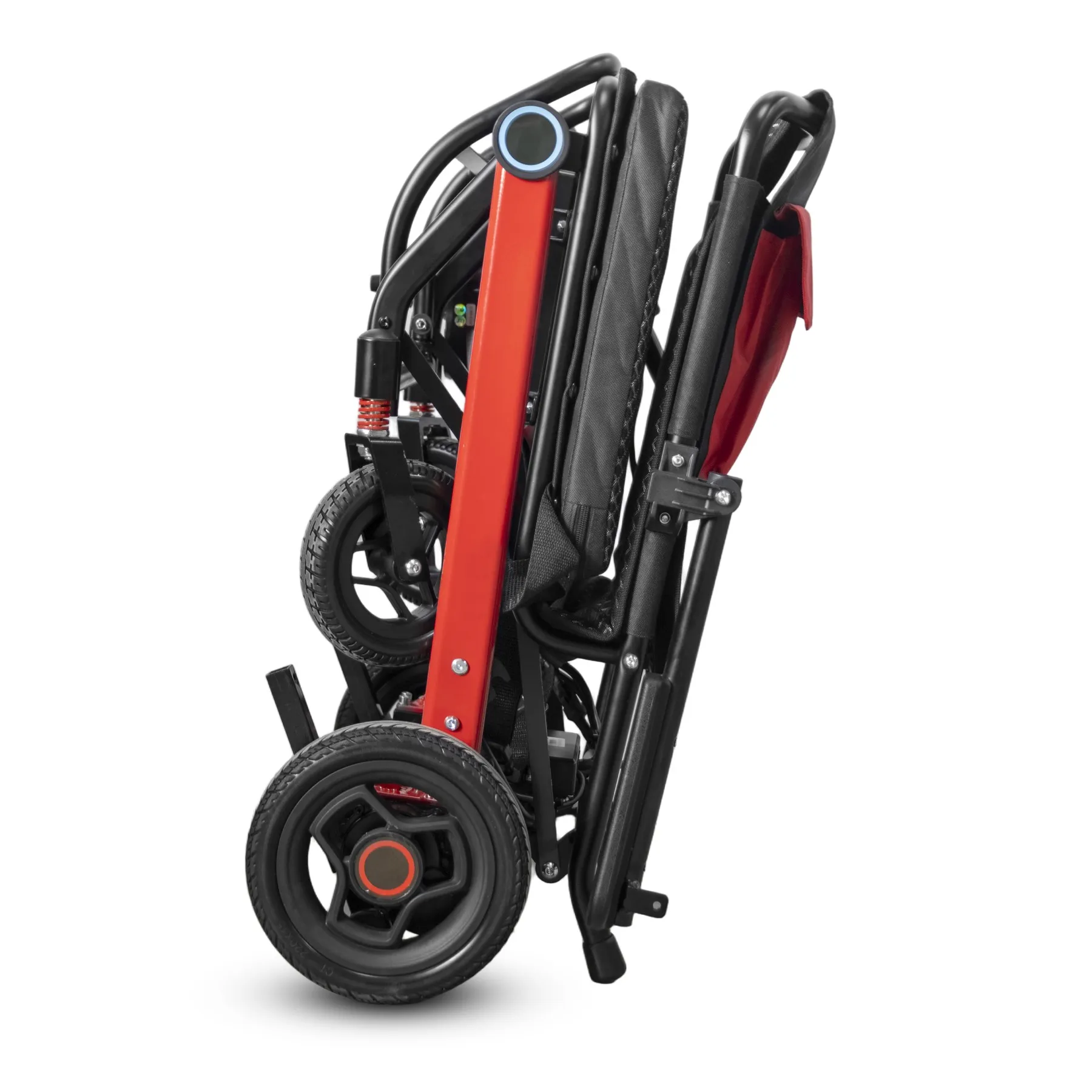
For an electric wheelchair reorder plan, compare quotations using the same model version, included items and delivery scope. A lower unit price may describe a different offer.
Compare matching quotation scopes
Use the same setup on both sides. Keep optional equipment and support terms separate. If the quote changes, date the revision and name which fields replaced the earlier version. Use a dated quotation for current configuration and supply terms.
- Match quoted setups
- Separate included and optional items
- Keep quote revisions
| Check | What to keep |
|---|---|
| Match quoted setups | Comparison sheet |
| Separate included and optional items | Offer scope |
| Keep quote revisions | Dated commercial record |
Key Takeaway: You can compare current offers without confusing a scope change with a price improvement.
Which versions belong in an electric wheelchair reorder plan?
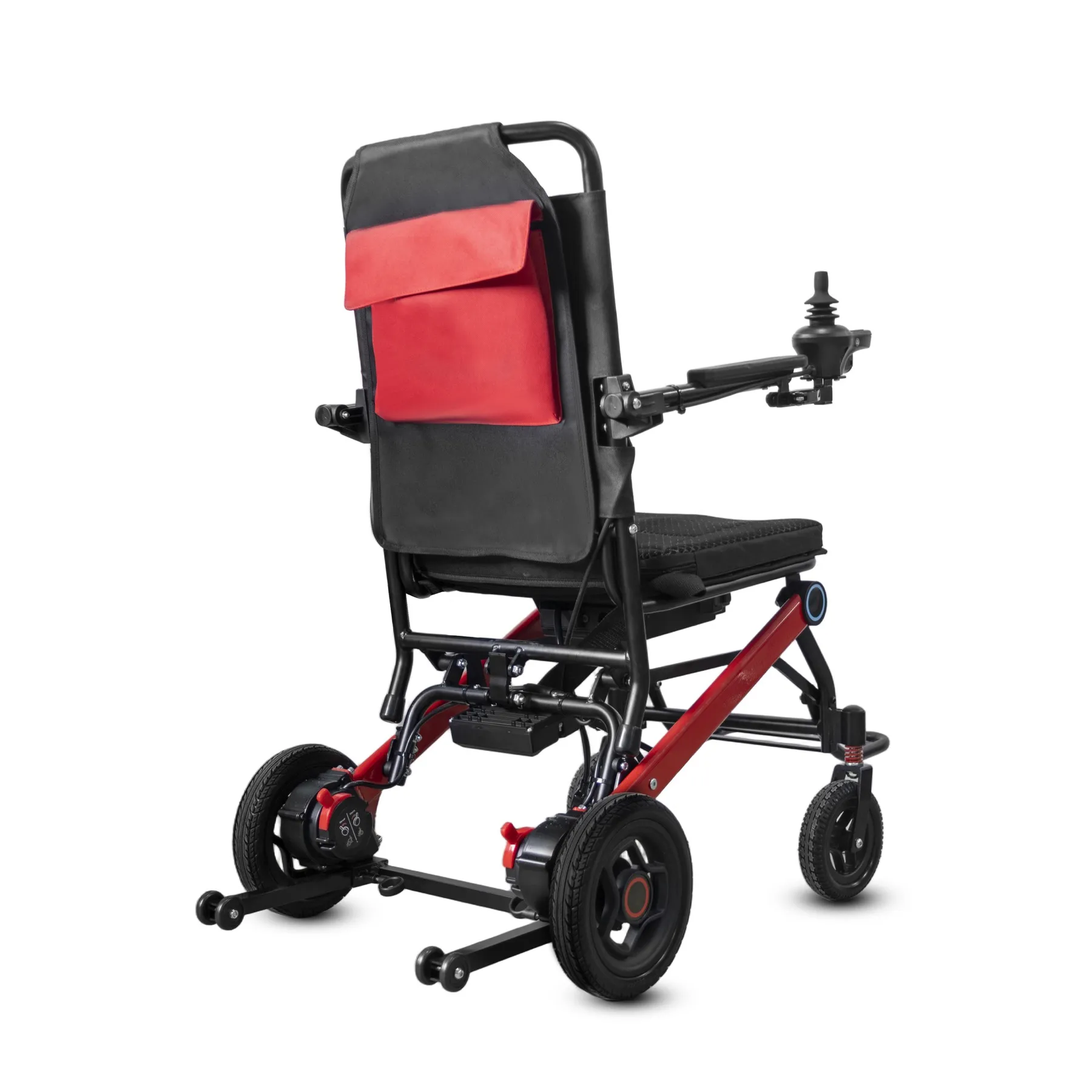
An electric wheelchair reorder plan should show any revision affecting the proposed supply. Earlier stock may still need one set of parts while the new version needs another.
Separate product revisions
Keep old and new versions distinct. Ask for a written change summary and approved parts mapping. If a new sample is needed, include its review before final order release.
- Name the proposed revision
- Map supported parts
- Define sample review
| Check | What to keep |
|---|---|
| Name the proposed revision | Supplier change note |
| Map supported parts | Approved compatibility file |
| Define sample review | Acceptance plan |
Key Takeaway: You can introduce a revised chair without losing support for the versions already supplied.
How can mixed quantities be agreed?
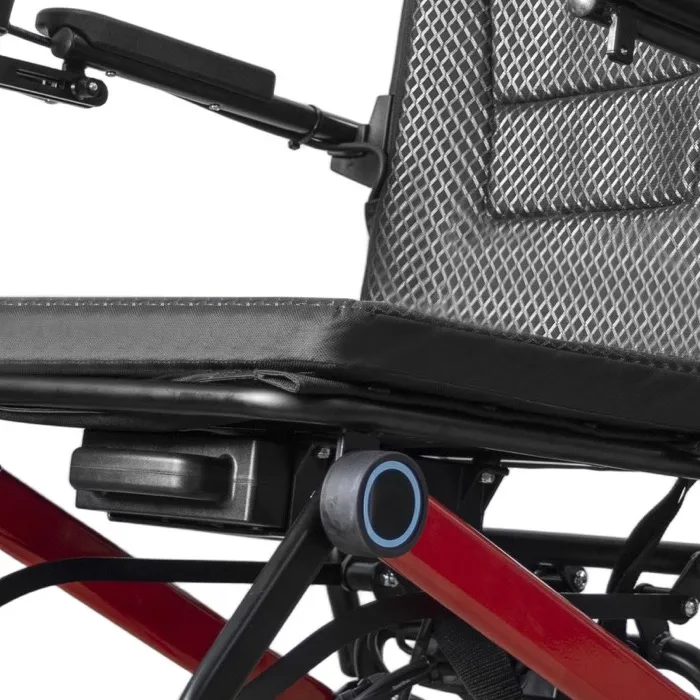
In an electric wheelchair reorder plan, agree quantities by model and setup rather than as one broad chair total. Each line should have its own demand basis and clear included items.
Agree quantities by version
Allocate each model deliberately. Check the result against available stock and open customer orders. If a line is speculative, mark the assumption so it can be reviewed later.
- Set quantities by version
- Link demand evidence
- Mark planning assumptions
| Check | What to keep |
|---|---|
| Set quantities by version | Order schedule |
| Link demand evidence | Buying notes |
| Mark planning assumptions | Forecast record |
Key Takeaway: Your team can explain the model mix instead of treating the previous order as the default answer.
How should an electric wheelchair reorder plan handle changes?
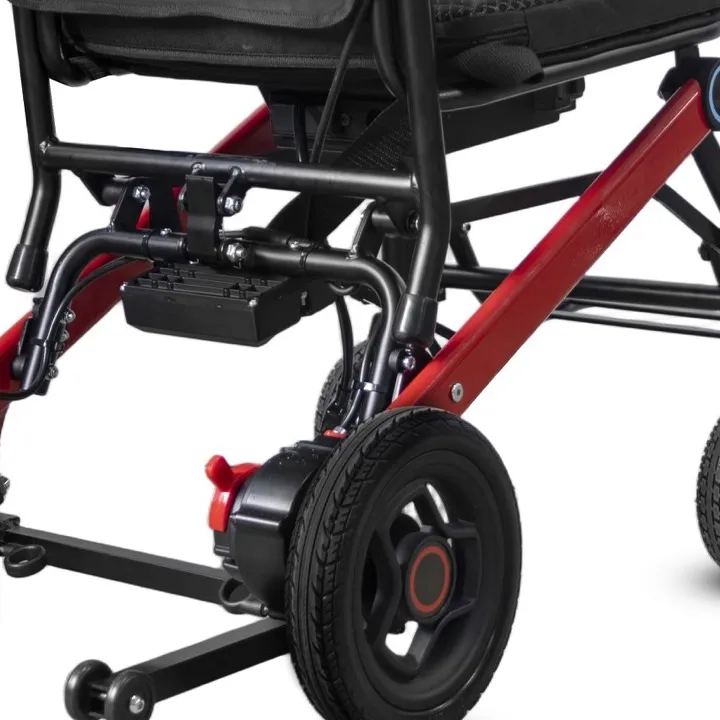
If conditions change, revise the electric wheelchair reorder plan before release and show which lines are affected. A stock change, new model or revised delivery date may require a different response.
Update changed assumptions
Update the affected decision. Keep the earlier version for traceability. Ask the suitable owner to review each changed assumption rather than reopening unrelated decisions. Carry forward the approved parts mapping for supported versions.
- Name the change
- Mark affected lines
- Approve the revised scope
| Check | What to keep |
|---|---|
| Name the change | Revision note |
| Mark affected lines | Updated order plan |
| Approve the revised scope | Dated decision |
Key Takeaway: You can adapt the purchase while keeping the reason for each change clear.
Who should review the final plan?

A final electric wheelchair reorder plan should receive input from purchasing, sales, warehouse and service staff within their roles. Each team sees a different part of the order's practical impact.
Collect role-specific review
Bring the relevant teams together. Use a short list of open decisions rather than a broad meeting agenda. Keep approval conditions clear if any item remains unresolved. MHRA device-management guidance provides broader purchasing and equipment-management context.
- Collect role-specific input
- List open decisions
- Record release conditions
| Check | What to keep |
|---|---|
| Collect role-specific input | Review record |
| List open decisions | Action sheet |
| Record release conditions | Order approval |
Key Takeaway: The final plan connects demand, stock and support without hiding unresolved issues between teams.
What belongs in your electric wheelchair reorder plan brief?
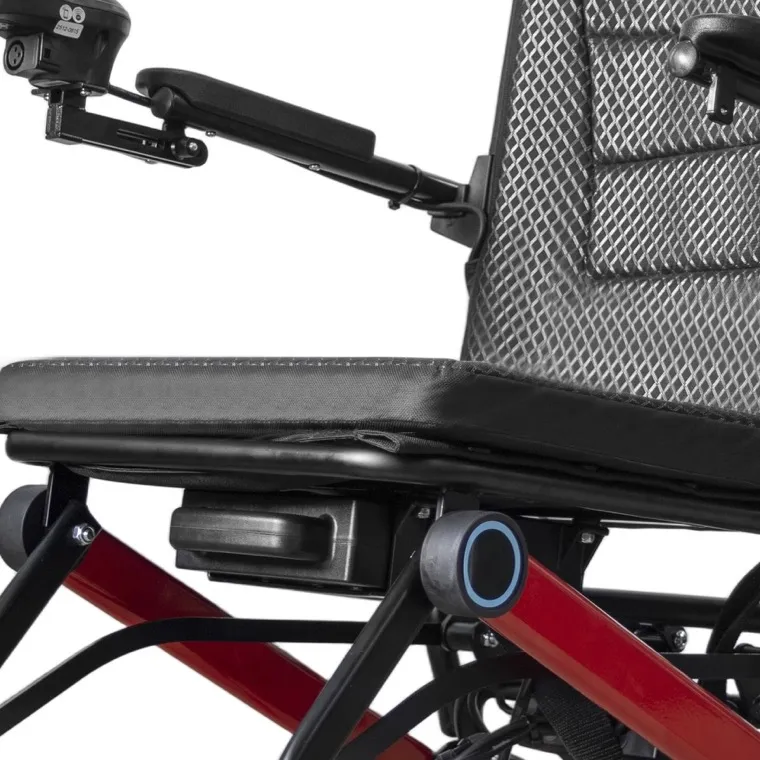
Send your electric wheelchair reorder plan with model lines, quantities, required documents and questions about changes. Ask for a dated offer that confirms the current scope and supply conditions.
Send the current reorder brief
Send the updated brief, not just the old order. Attach the previous accepted setup only as a comparison reference. Agree the review steps needed before the new order becomes final.
- Attach current order lines
- List changed needs
- Request a dated confirmation
| Check | What to keep |
|---|---|
| Attach current order lines | Reorder brief |
| List changed needs | Comparison notes |
| Request a dated confirmation | Supplier offer |
Key Takeaway: You can place a repeat order with a clear model mix, reviewed changes and current commercial facts. Contact us with your model and order brief so we can discuss the required product information. AryMD supports wheelchair buying decisions built on clear, model-specific facts.
Frequently asked questions
Q1: Can I repeat the last purchase order unchanged?
Only after confirming that its setup, terms and quantities still meet your needs. Treat the old order as a reference.
Q2: What's the best stock figure for reorder planning?
Use released, unallocated stock. Keep held, returned and uncertain inbound units separate.
Q3: How do I know if a cheaper quote offers the same chair?
Compare model version, included items and delivery scope line by line.
Q4: Can I ignore an old service issue when ordering more chairs?
Review whether it affects new supply or support. Keep unresolved questions visible before release.
Q5: Can I assume a new model uses my existing spares?
No. Request an approved compatibility mapping for the proposed version.