
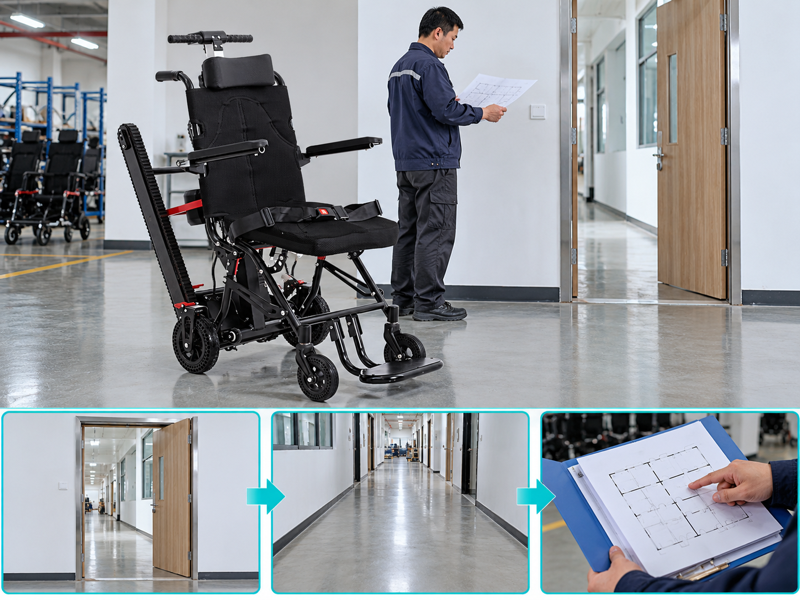
Review stair chair doorway access along the full path from storage to the assessed stairs for your powered passenger stair chair. A Singapore dealer may receive one entrance measurement while a shared door or threshold remains unchecked. That gap can leave a route decision open. Make a named door list with plans, photos and access rules, then request written findings before you confirm a chair choice.
What should a stair chair doorway access review cover?
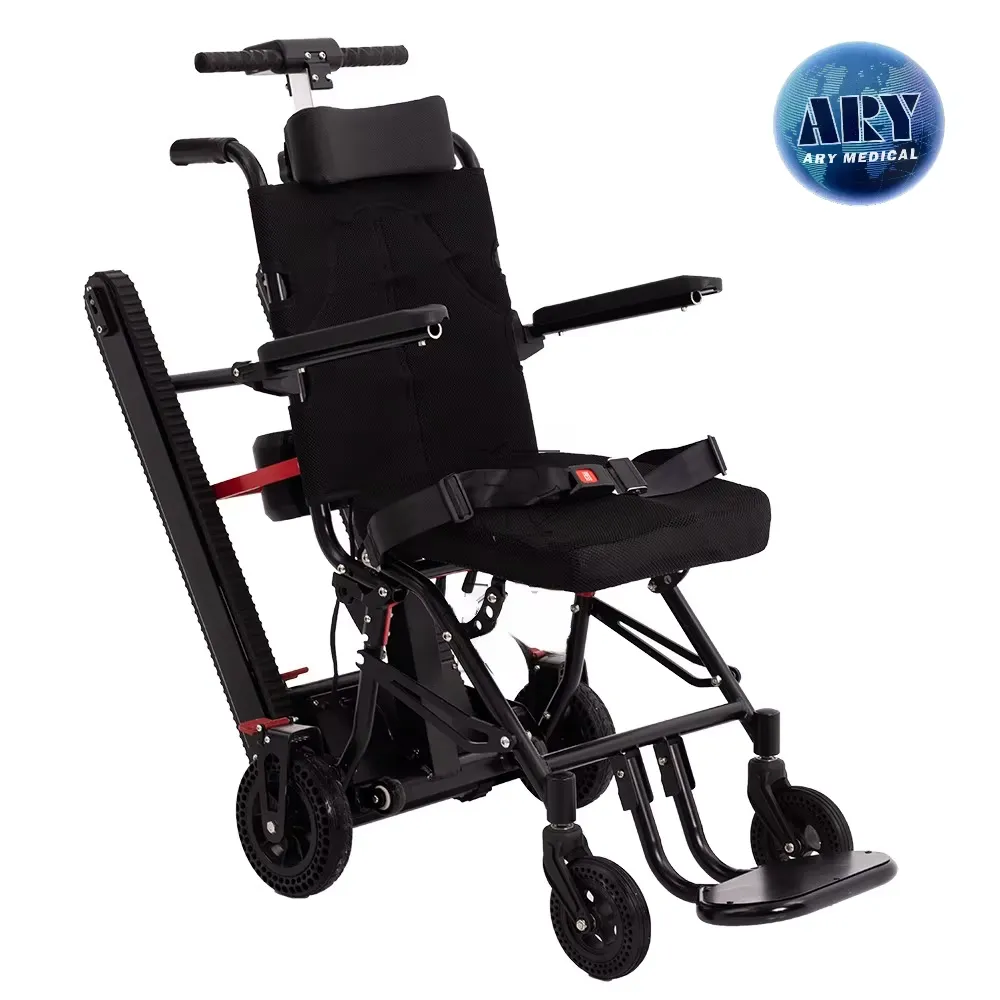
A stair chair doorway access review should cover each door from storage to assessed stairs, including approaches and thresholds. Name your planned trip and chair setup.
Which doors link storage with the stairs?
Trace the route from chair storage. One apartment door size may omit shared entrances. Put every opening on your route plan with its own name.
- Map each door along route
- Name the planned chair setup
- List shared access doors separately
| Check | What to keep |
|---|---|
| Map each door along route | Storage to stair plan |
| Name the planned chair setup | Chair and track reference |
| List shared access doors separately | Door names and owners |
Key Takeaway: Start with a full door list so one entrance measurement cannot stand in for the whole chair access route.
Which setup controls stair chair doorway access?
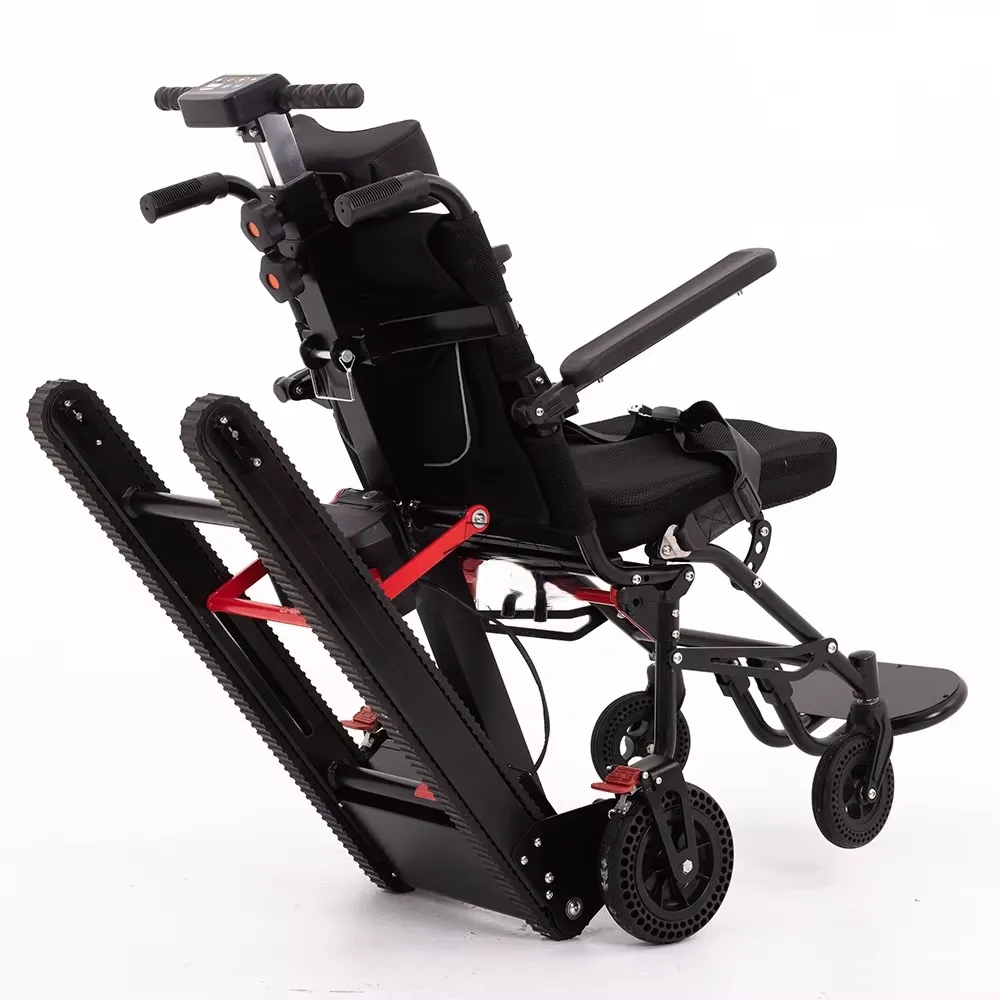
The setup allowed by exact model instructions for your planned use controls stair chair doorway access evidence. Confirm which chair parts and track assembly need review.
Confirm the setup being checked
Ask which chair form needs review. A separate-track photo does not explain doorway use. Request written model guidance and leave handling or assembly with qualified staff. Retain the equipment dimensions for the supplied setup.
- Name the parts being assessed
- Request the relevant setup guidance
- Match site facts with setup
| Check | What to keep |
|---|---|
| Name the parts being assessed | Chair track and items |
| Request the relevant setup guidance | Exact model instruction reference |
| Match site facts with setup | Chair form and place |
Key Takeaway: Settle which setup needs review before comparing doors so a convenient catalogue width cannot become an unsupported access claim.
What measurements does stair chair doorway access require?
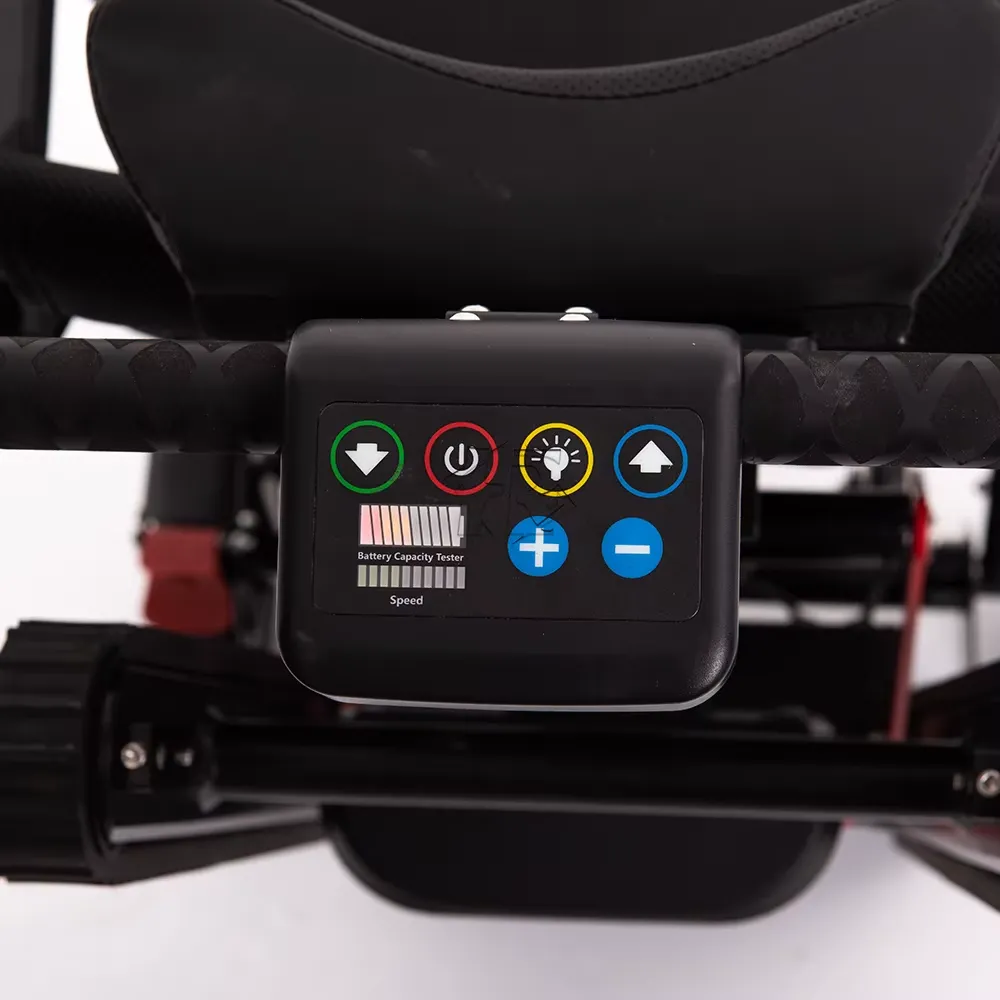
A stair chair doorway access review needs measurements requested for your exact setup and doorway. Ask where to measure openings and which features or door positions matter.
Where should door measurements begin?
Request a clear door survey method. A nominal size may differ from usable space. Mark points and units, leaving unclear readings open for further checks.
- Request the door measurement brief
- Mark points on each drawing
- Flag missing or conflicting readings
| Check | What to keep |
|---|---|
| Request the door measurement brief | Method and required fields |
| Mark points on each drawing | Sizes and stated units |
| Flag missing or conflicting readings | Open questions by door |
Key Takeaway: Collect requested sizes so a completed form cannot hide an unanswered question about the space within your doorway.
How do approaches affect stair chair doorway access?
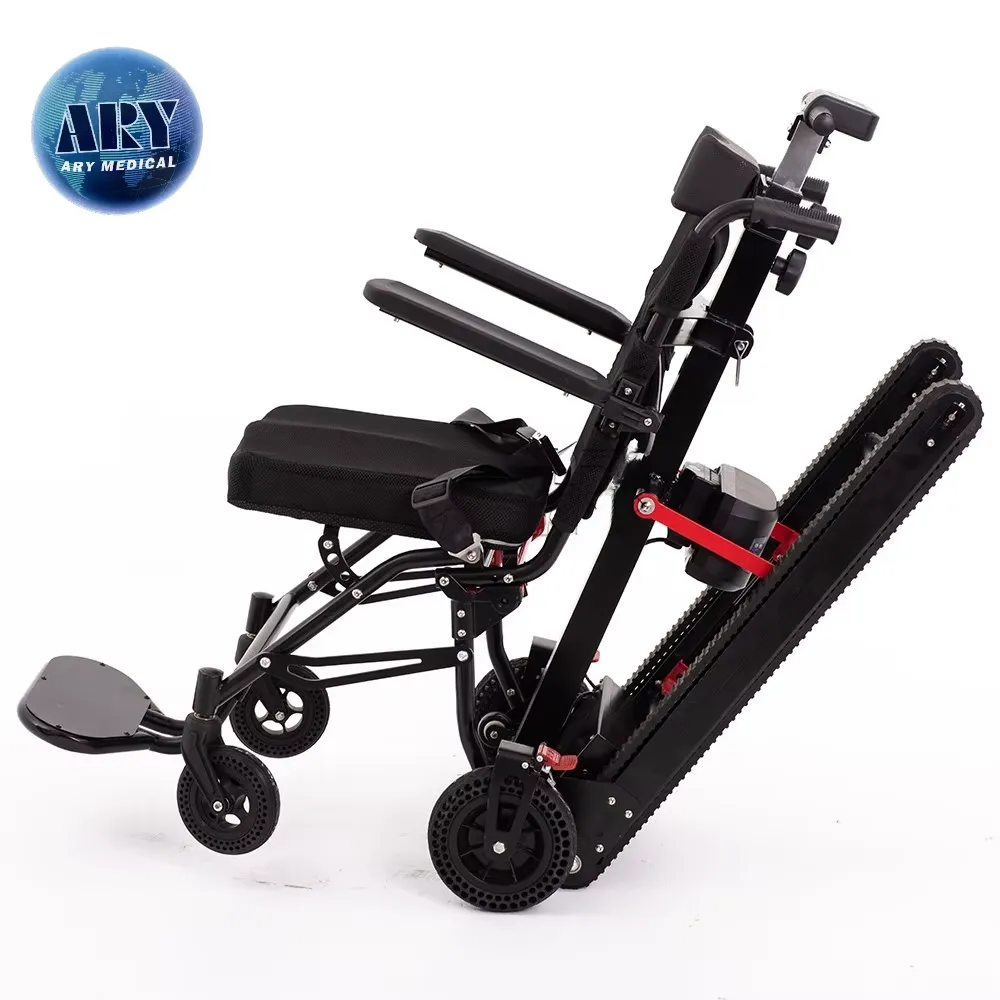
Approaches affect stair chair doorway access because reviewers need the route on both sides. Record nearby walls, corners and fixed items instead of relying on door width alone.
Show the route on both sides
Show space on both door sides. A cupboard may stand beside a door. Mark nearby features and ask what more your reviewer needs for this chair setup.
- Show both sides of openings
- Mark fixed features near doors
- Ask about open approach questions
| Check | What to keep |
|---|---|
| Show both sides of openings | Named approach and exit views |
| Mark fixed features near doors | Walls corners and fittings |
| Ask about open approach questions | Queries tied to doors |
Key Takeaway: Include both approaches so your supplier can check the route through each door as well as its opening.
How should you record doorway thresholds?
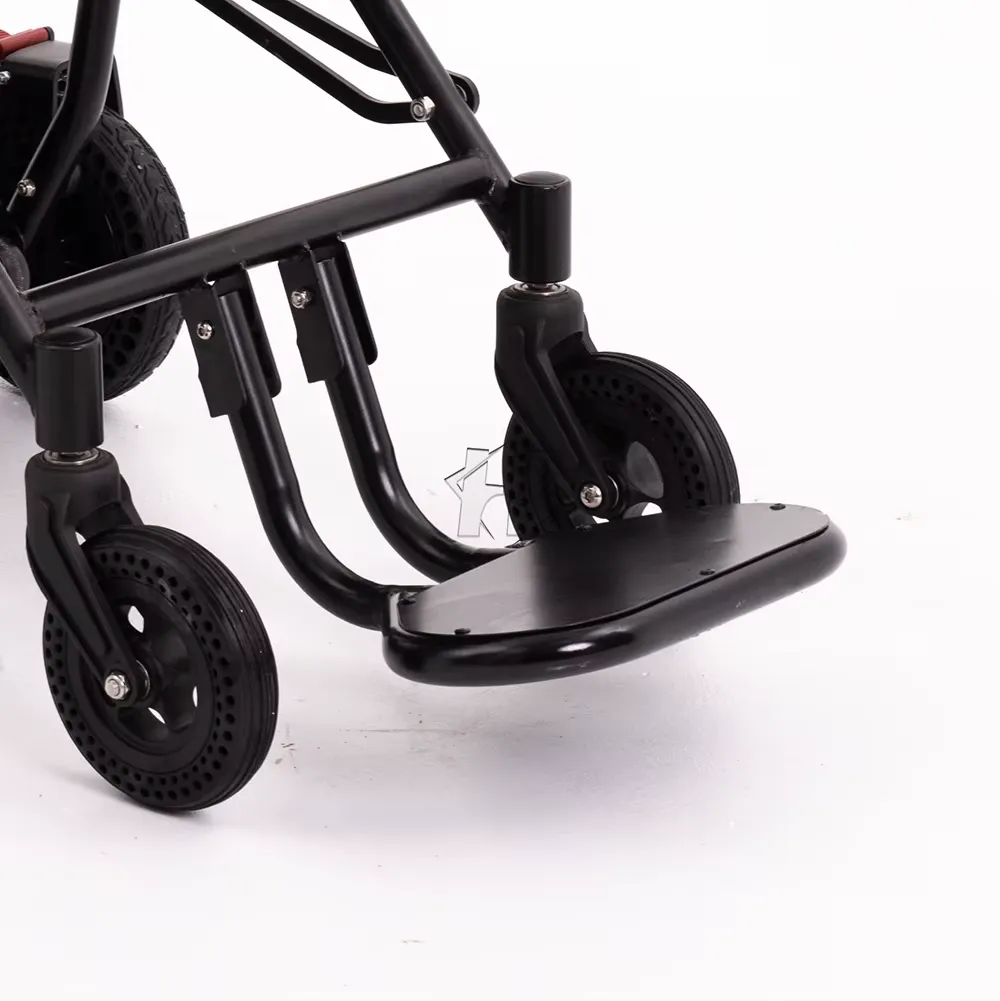
Record each threshold with named photos and requested measurements. A stair chair doorway access file should show raised edges and floor-level changes, with acceptance left open for review.
Give thresholds their own records
Give each threshold its own entry. Do not borrow another chair's threshold claim. Request exact model guidance and refer proposed building changes to their responsible site contact. Identify separate transfer-space needs near the access route.
- Name thresholds at each opening
- Request the needed threshold sizes
- Seek written model use guidance
| Check | What to keep |
|---|---|
| Name thresholds at each opening | Door label and photo |
| Request the needed threshold sizes | Reviewer method and fields |
| Seek written model use guidance | Chair limits and finding |
Key Takeaway: Keep each threshold question open until your reviewer connects recorded features with evidence for the proposed chair and route.
What door hardware belongs in the record?
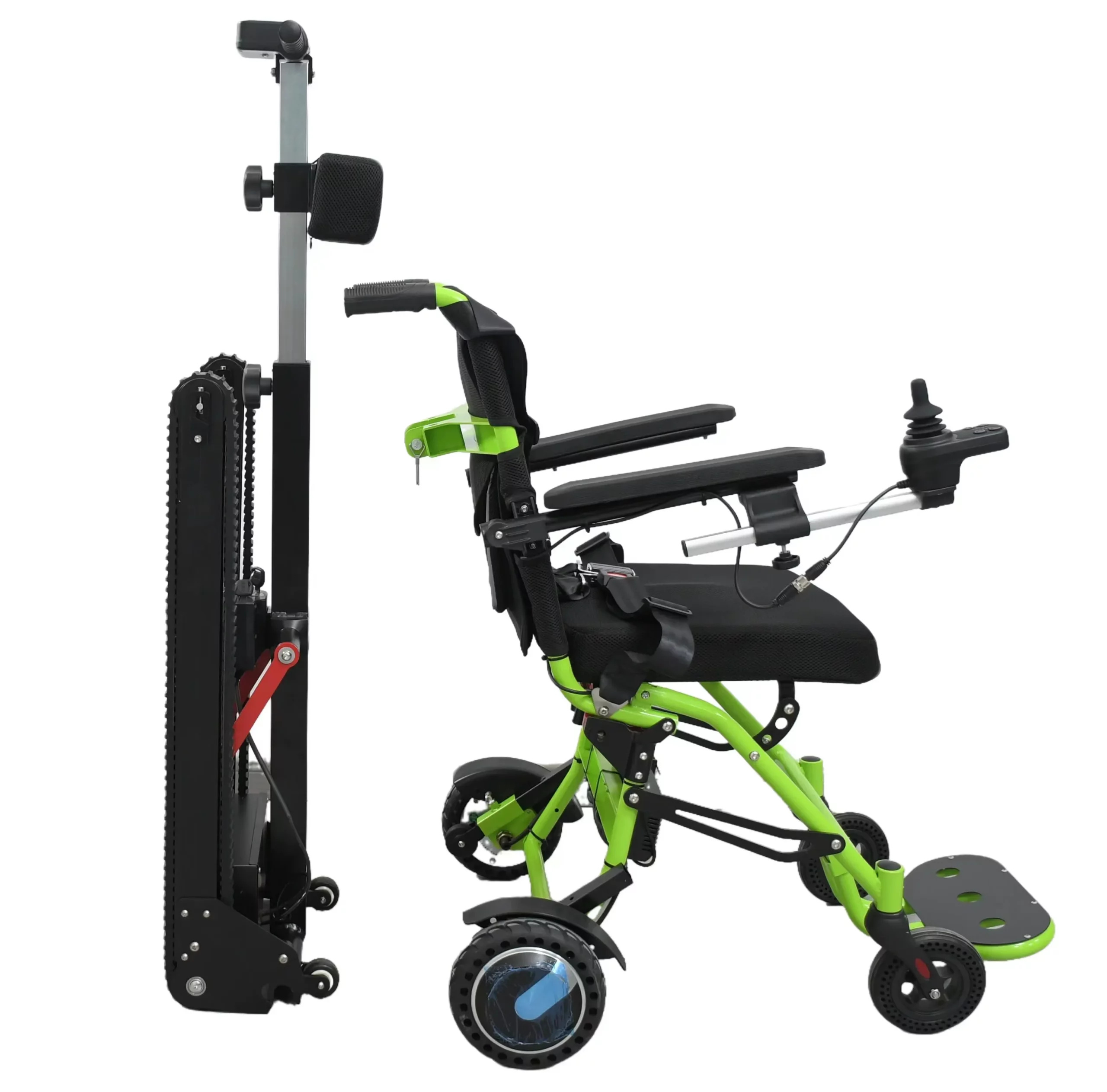
Record fittings relevant to door movement, space or access. A stair chair doorway access file should link handles, closers and other features with names, keeping facts separate from assumptions.
What fittings affect this opening?
Include fittings that affect the opening. Ask how controlled doors are normally used. Do not base quotes on removing fittings or holding doors in unapproved positions.
- Show relevant door fittings clearly
- Confirm normal door access rules
- Flag proposed changes as unresolved
| Check | What to keep |
|---|---|
| Show relevant door fittings clearly | Close and wide photos |
| Confirm normal door access rules | Site contact written reply |
| Flag proposed changes as unresolved | Owner and review request |
Key Takeaway: Use actual door arrangements so access claims do not rely on unapproved changes to fittings or normal building use.
How do shared doors affect stair chair doorway access?
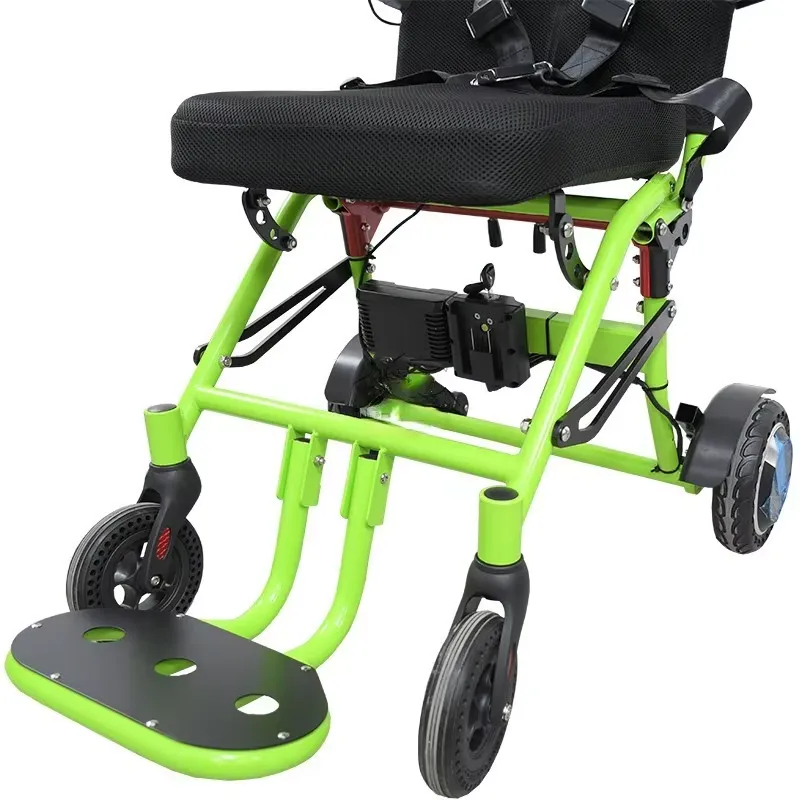
Shared doors affect stair chair doorway access because another party may control entry, upkeep or alterations. Name that party and confirm access terms for your planned service.
Name who controls shared access
Find out who controls each door. A buyer may own storage but not a shared entrance. Keep building decisions with owners and share their limits with reviewers.
- Name who controls shared doors
- Confirm access for planned service
- Share agreed terms with reviewer
| Check | What to keep |
|---|---|
| Name who controls shared doors | Owner name and role |
| Confirm access for planned service | Written access and limits |
| Share agreed terms with reviewer | Route file and reply |
Key Takeaway: Confirm shared-door rules with those who control them so your advice rests on access customers can maintain during daily use.
Can one successful delivery prove access?
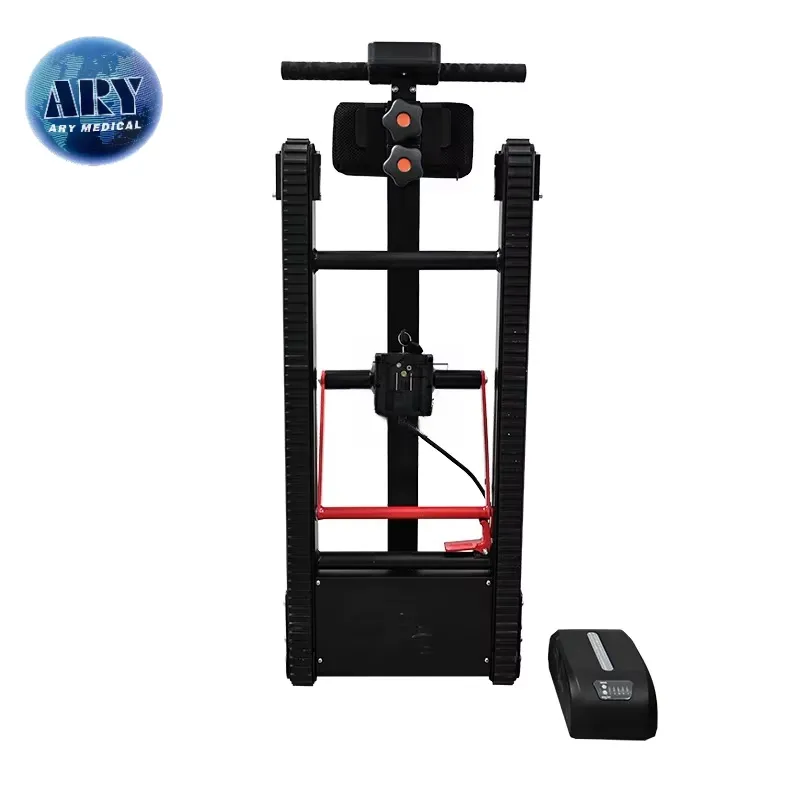
No, one delivery cannot prove every planned use will work. A stair chair doorway access review must state which setup and conditions past evidence actually covers.
Separate delivery facts from planned use
Use delivery facts within their limits. An empty chair may answer only a delivery question. Ask what further review is needed, with passenger needs checked separately. Keep the relevant model instructions beside the route brief.
- Describe what passed through previously
- Separate delivery from planned service
- Request facts for remaining checks
| Check | What to keep |
|---|---|
| Describe what passed through previously | Setup and recorded conditions |
| Separate delivery from planned service | Distinct questions and scope |
| Request facts for remaining checks | Reviewer needs and gaps |
Key Takeaway: Use delivery as limited evidence, then seek a finding that covers the setup and service your customer actually plans.
How should stair chair doorway access findings be stored?
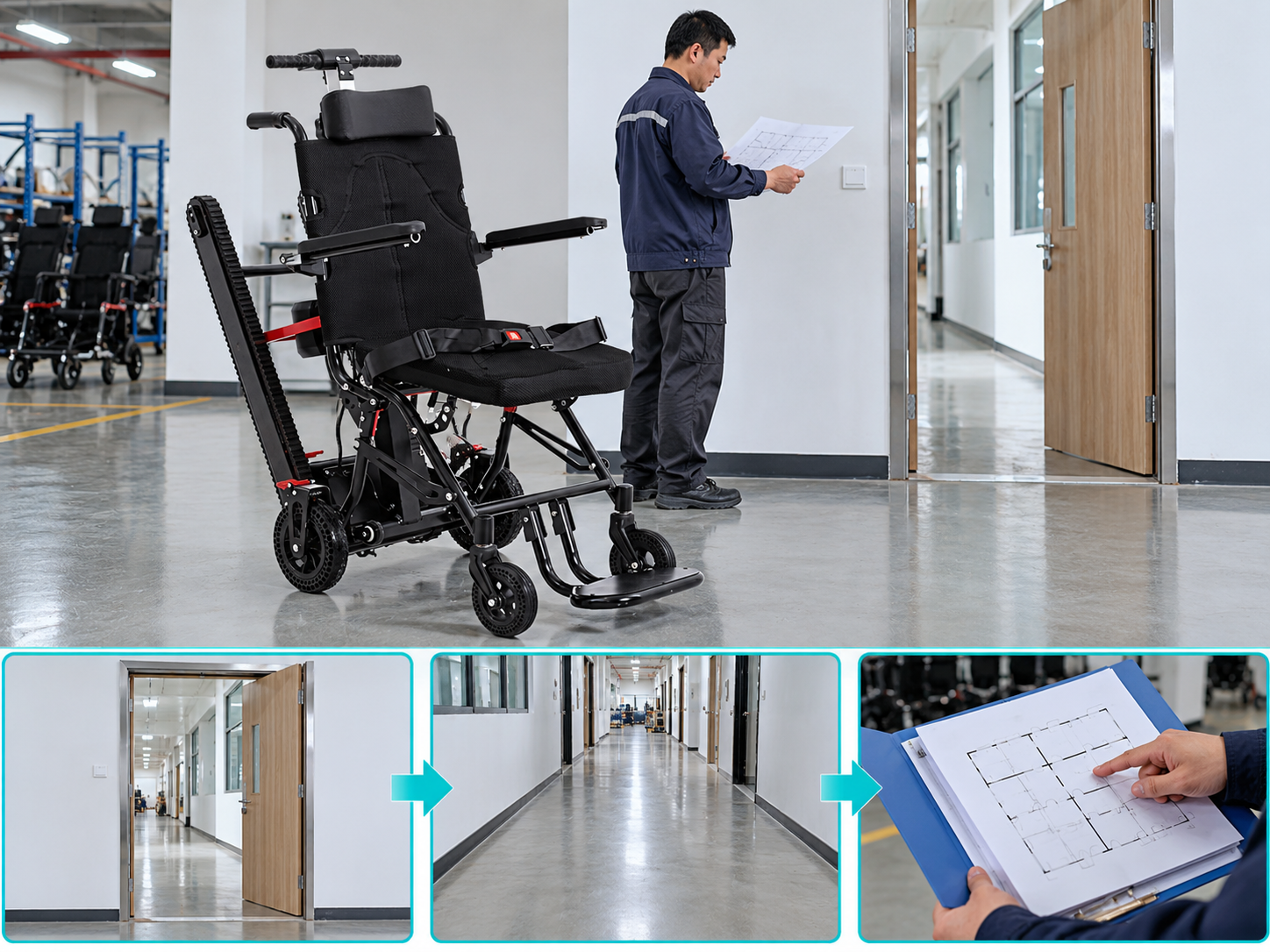
Store stair chair doorway access findings under each door name with setup and file dates. Record who gave each finding and which questions remain open.
Store findings under each door name
Attach each finding to its door. A new door may change earlier site facts. General wheelchair guidance helps planning but cannot set clearance for your particular chair. HSE handling guidance provides general risk-review context.
- Link findings with door names
- Attach limits to written outcomes
- Record later changes for review
| Check | What to keep |
|---|---|
| Link findings with door names | Opening and chair setup |
| Attach limits to written outcomes | Finding and open questions |
| Record later changes for review | Change date and contact |
Key Takeaway: Save one finding per doorway so staff can see which part of your route needs review after site changes.
What should your doorway inquiry request?

Request a written finding for your setup across every route door. Send the stair chair doorway access file with open size, threshold and access questions.
Ask for a complete route decision
Ask about the whole access route. Include storage access and changes awaiting building approval. Ask for exclusions and missing facts before confirming the route with your buyer.
- Send the complete door file
- List open questions beside doors
- Request a written setup finding
| Check | What to keep |
|---|---|
| Send the complete door file | Plans photos and sizes |
| List open questions beside doors | Threshold approach and access |
| Request a written setup finding | Covered places and limits |
Key Takeaway: Send your full door file for review, then use written findings to proceed, revise or hold the chair recommendation. Contact us with your model, route and order brief so we can discuss the product files you need. At AryMD, a clear stair-access decision starts with the right product facts.
Frequently asked questions
Q1: Can I use the chair's catalogue width to approve doorway access?
No, one width does not cover your whole setup, door or approaches. Ask for exact model guidance and a qualified finding based on the site measurements your reviewer requests.
Q2: What's the best way to handle a door controlled by another tenant?
Find the responsible contact and ask for written access terms. Share those with your reviewer before assuming that a door will stay available or its layout can be changed.
Q3: How do I know whether a threshold needs separate evidence?
Put every threshold in your door list and ask what facts your reviewer needs. Keep missing sizes or model-guidance questions open until a written finding covers that feature.
Q4: Can I use a successful unoccupied delivery as proof of passenger access?
No, that delivery proves only what happened under its own conditions. Seek a review for your planned setup and use, with separate attention to the passenger's needs.
Q5: Can I remove door fittings to make the equipment fit?
Do not base a quote on an unreviewed change. Refer proposed work to your site contact and qualified reviewer, then seek fresh evidence before treating that doorway as suitable.