

Review XSTO X12 stair fit through current model guidance and a qualified assessment of the complete proposed route. A customer may send a straight-step photo while a narrow landing or curved section remains out of view. Quoting access from that image leaves the real question unanswered. Collect the requested site evidence and seek a written finding before promising stair use for the offered X12 setup.
How should you review XSTO X12 stair fit?
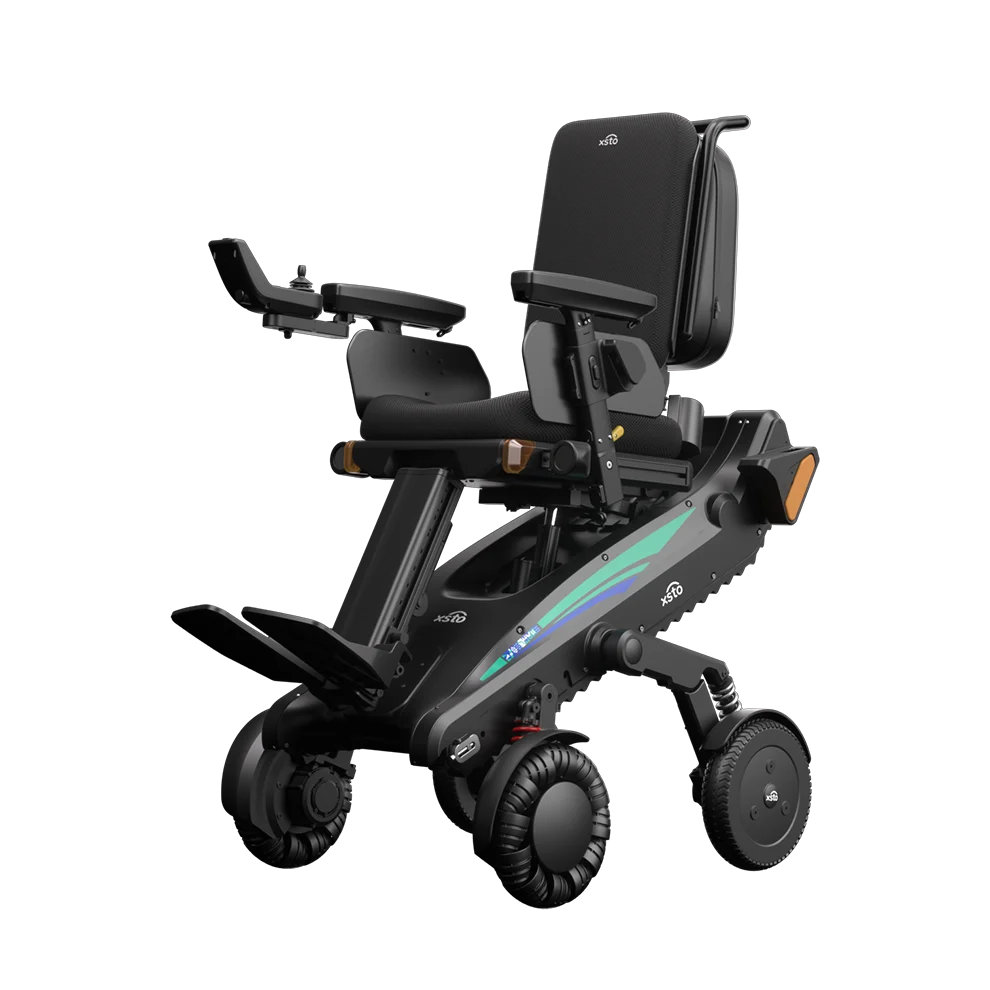
Review XSTO X12 stair fit against the exact model guidance, actual stair geometry and qualified assessment of the intended service. A public feature page cannot approve a particular staircase or passenger setup.
Define the complete route
Start with the complete route. Collect the site records requested by your reviewer. Include landings and the approach instead of sending only a close-up of one step. Compare the manufacturer product reference with the exact offered version.
- Identify the exact offered model
- Describe the complete stair route
- Name the responsible reviewer
| Check | What to keep |
|---|---|
| Identify the exact offered model | Version record |
| Describe the complete stair route | Site-survey brief |
| Name the responsible reviewer | Assessment contact |
Key Takeaway: You can ask for a site-specific decision rather than relying on a broad stair-climbing claim.
Which stair details need to be recorded?

For XSTO X12 stair fit, record the measurements and views requested for the actual route. Step geometry, landings and changes in direction need their own evidence rather than one overall staircase width.
Which measurements does the reviewer need?
Let the review define the measurements. Mark measuring points and units clearly. Keep missing or conflicting readings open until the responsible reviewer resolves them. Keep turning-space questions separate from a nominal width.
- Request the required survey fields
- Label measurement points and units
- Flag missing or conflicting data
| Check | What to keep |
|---|---|
| Request the required survey fields | Model-specific survey form |
| Label measurement points and units | Annotated site records |
| Flag missing or conflicting data | Open survey questions |
Key Takeaway: The supplier receives evidence that can support a real review instead of a complete-looking but ambiguous form.
How do landings affect XSTO X12 stair fit?
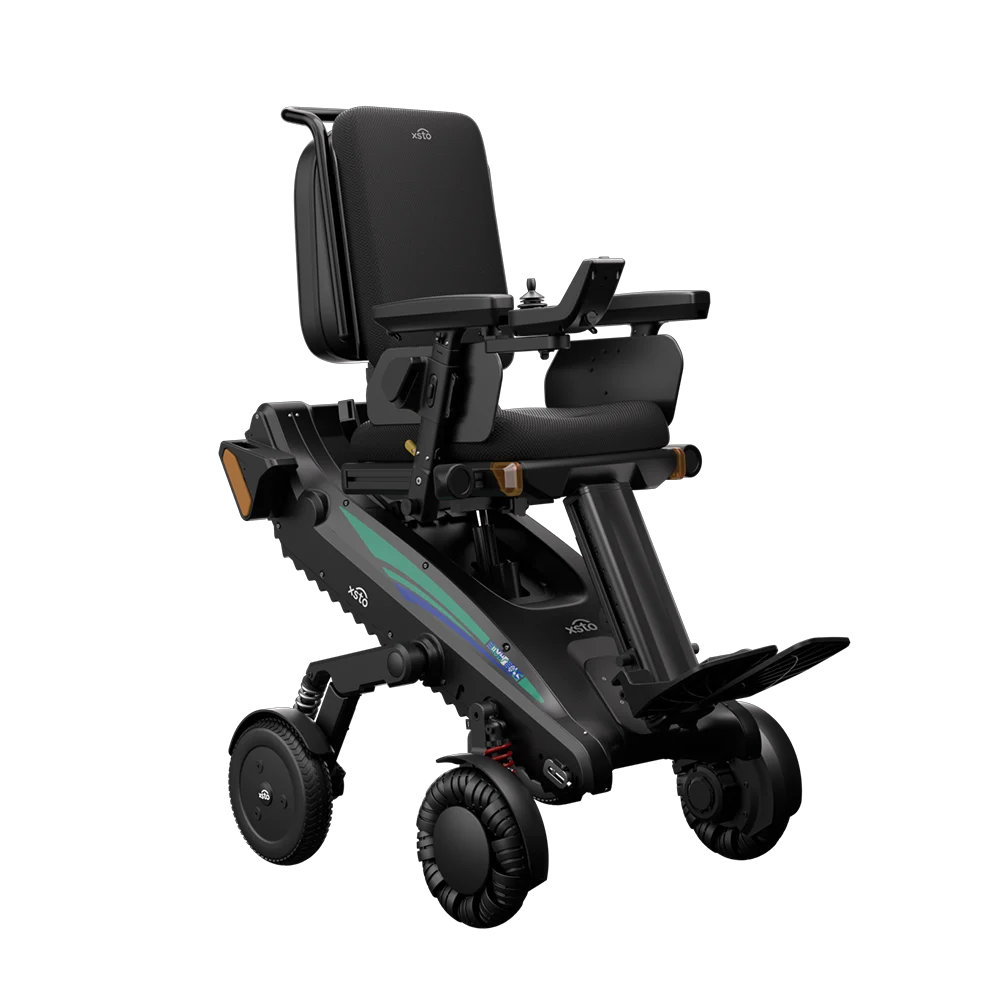
Landings affect XSTO X12 stair fit because the surrounding layout forms part of the assessed route. A larger entry hall does not establish suitability at a smaller landing between flights.
Give each landing its own evidence
Give each landing its own record. Show doors, corners and ordinary furniture positions. Keep proposed building changes separate from conditions already checked.
- Identify each route landing
- Record surrounding doors and fittings
- Separate proposed layout changes
| Check | What to keep |
|---|---|
| Identify each route landing | Location register |
| Record surrounding doors and fittings | Current plan and photos |
| Separate proposed layout changes | Action and owner list |
Key Takeaway: You can prevent a favorable measurement at one level from hiding an unresolved part of the route.
Can a published angle settle XSTO X12 stair fit?

No, a published angle cannot settle XSTO X12 stair fit by itself. Exact product version, step shape, route conditions and the required assessment still matter to a supported decision.
Read limits with their conditions
Read the conditions behind the number. Request the current manual and dimensional drawing. Do not turn a catalog limit into instructions for a trial on your customer's stairs.
- Identify the applicable product file
- Retain stated measurement conditions
- Request a qualified route finding
| Check | What to keep |
|---|---|
| Identify the applicable product file | Current manual reference |
| Retain stated measurement conditions | Source notes |
| Request a qualified route finding | Written assessment outcome |
Key Takeaway: Your team can use specifications as review inputs without treating one number as permission for stair use.
How should XSTO X12 stair fit handle curved or spiral stairs?
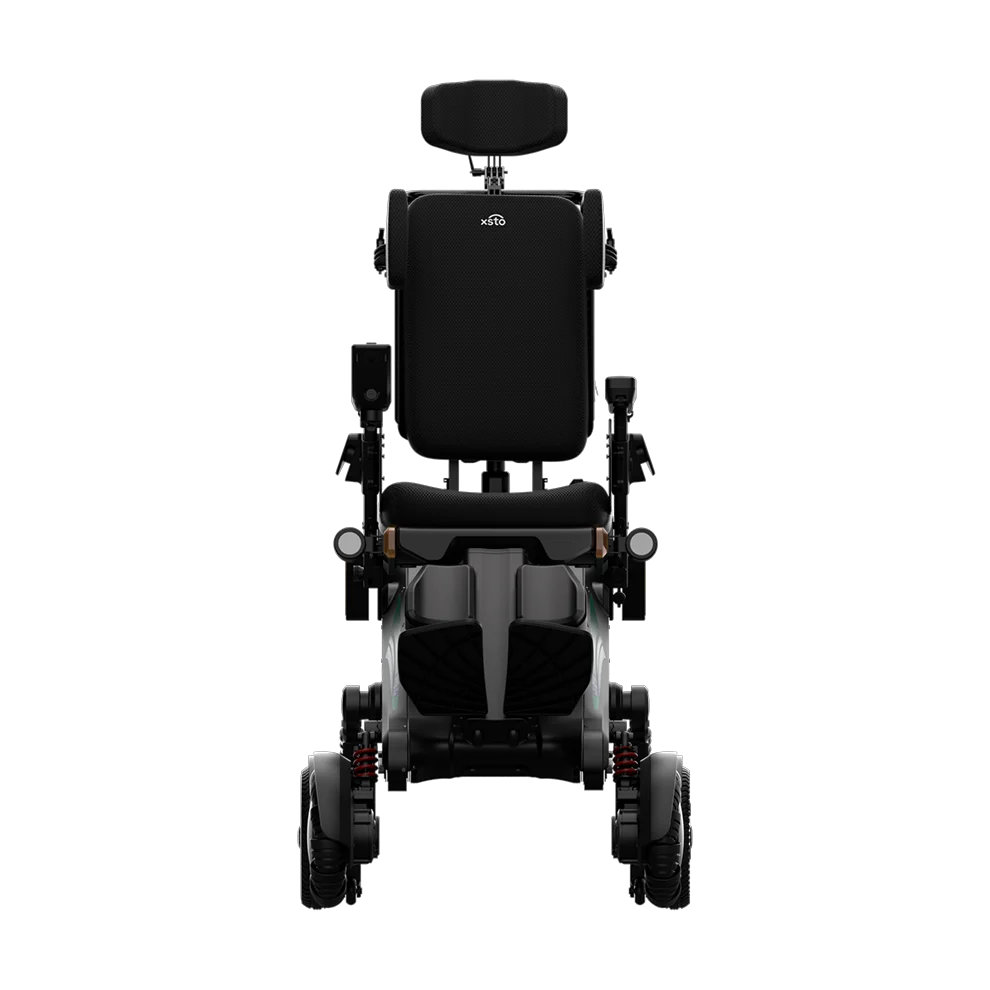
For XSTO X12 stair fit, curved or spiral stairs need an explicit model-specific answer and appropriate site review. Do not infer suitability from tracks, sensors or a demo on straight steps.
What about curved or spiral stairs?
Ask for an explicit answer. Describe the actual stair form in the inquiry. Keep an exclusion separate from a question that remains unanswered. Record any transfer-space needs at route endpoints.
- Name the observed stair form
- Request the manufacturer's position
- Record excluded or unresolved status
| Check | What to keep |
|---|---|
| Name the observed stair form | Plan and context views |
| Request the manufacturer's position | Written model guidance |
| Record excluded or unresolved status | Route decision note |
Key Takeaway: You can stop an ambiguous stair label from becoming an unsupported promise to a customer.
Who should assess the passenger and operator?
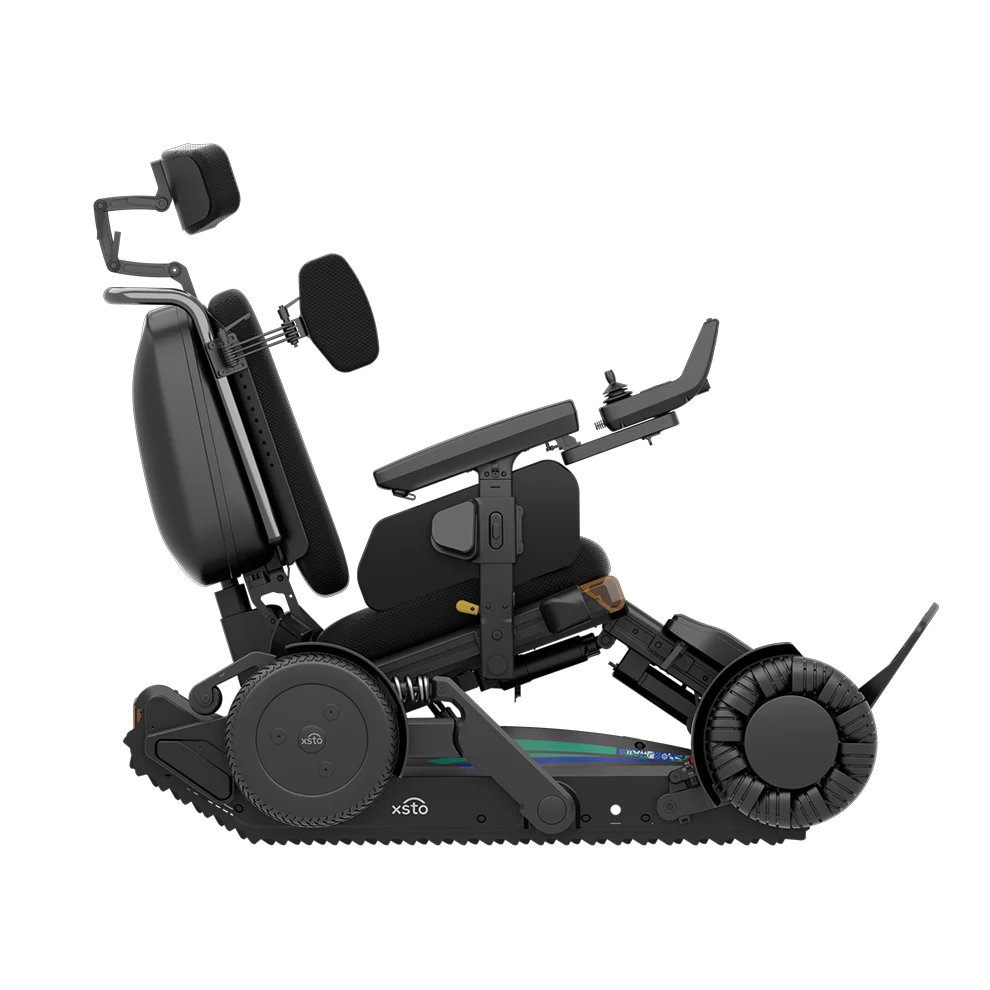
The passenger and operator aspects of XSTO X12 stair fit should be reviewed by suitable qualified people within the service process. A building survey does not establish seating suitability or competence to use the device.
Connect passenger and operator reviews
Keep personal and site reviews connected. Share relevant needs through an approved privacy process. Keep training, individual assessment and route findings distinct but linked.
- Name the individual-assessment contact
- Identify training requirements
- Link the relevant review records
| Check | What to keep |
|---|---|
| Name the individual-assessment contact | Service review role |
| Identify training requirements | Provider scope |
| Link the relevant review records | Assessment file index |
Key Takeaway: The buying decision can account for the person and support arrangement as well as the staircase.
How can photos help a XSTO X12 stair fit inquiry?

Photos help XSTO X12 stair fit by showing where recorded features sit along the route. They support the review but cannot replace measurements or establish hidden conditions on their own.
Pair photos with their locations
Pair detail views with context. Use consistent location labels and dates. Ask the reviewer which missing views could change the decision before arranging another visit.
- Label each photographed location
- Pair close and wide views
- Record gaps in photo coverage
| Check | What to keep |
|---|---|
| Label each photographed location | Route photo index |
| Pair close and wide views | Context image set |
| Record gaps in photo coverage | Follow-up request |
Key Takeaway: Your supplier can locate each concern without guessing which stair or landing the image shows.
When is a demo appropriate?
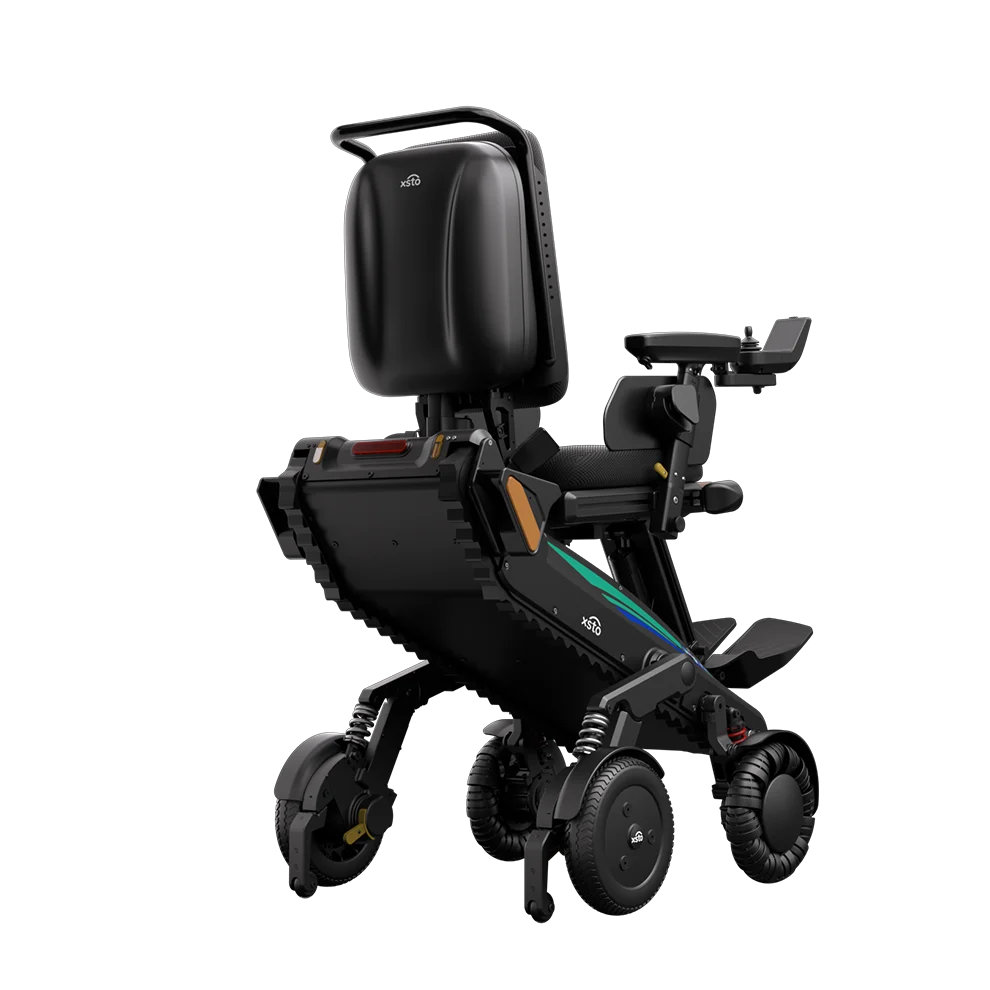
A demo for XSTO X12 stair fit is appropriate only within suitable model-led assessment, supervision and training arrangements. A convenient staircase or a sales visit does not create those conditions automatically.
When is a demo suitable?
Define the assessment scope first. Agree the purpose before equipment arrives. Keep an unoccupied display separate from any planned assessment involving a person and stairs. Separate sample inspection from site approval.
- State the session purpose
- Confirm suitable review arrangements
- Separate passenger-use decisions
| Check | What to keep |
|---|---|
| State the session purpose | Written demo brief |
| Confirm suitable review arrangements | Responsible provider record |
| Separate passenger-use decisions | Assessment conditions |
Key Takeaway: You can arrange a useful session without letting a product display turn into an improvised stair trial.
How should a XSTO X12 stair fit outcome be recorded?

Record XSTO X12 stair fit against the exact route, model, evidence and reviewer, with any conditions beside the outcome. A short approved message may hide what was excluded or still needs work.
Record a bounded route outcome
Keep every condition visible. Retain the dated survey pack with the finding. Record later changes so the earlier decision can be reviewed where necessary.
- Name route and product version
- Retain the reviewed evidence
- List conditions and review triggers
| Check | What to keep |
|---|---|
| Name route and product version | Decision reference |
| Retain the reviewed evidence | Dated survey pack |
| List conditions and review triggers | Written outcome |
Key Takeaway: Future staff can see what the decision covers and when a changed route needs another review.
What should you send for a XSTO X12 stair fit review?
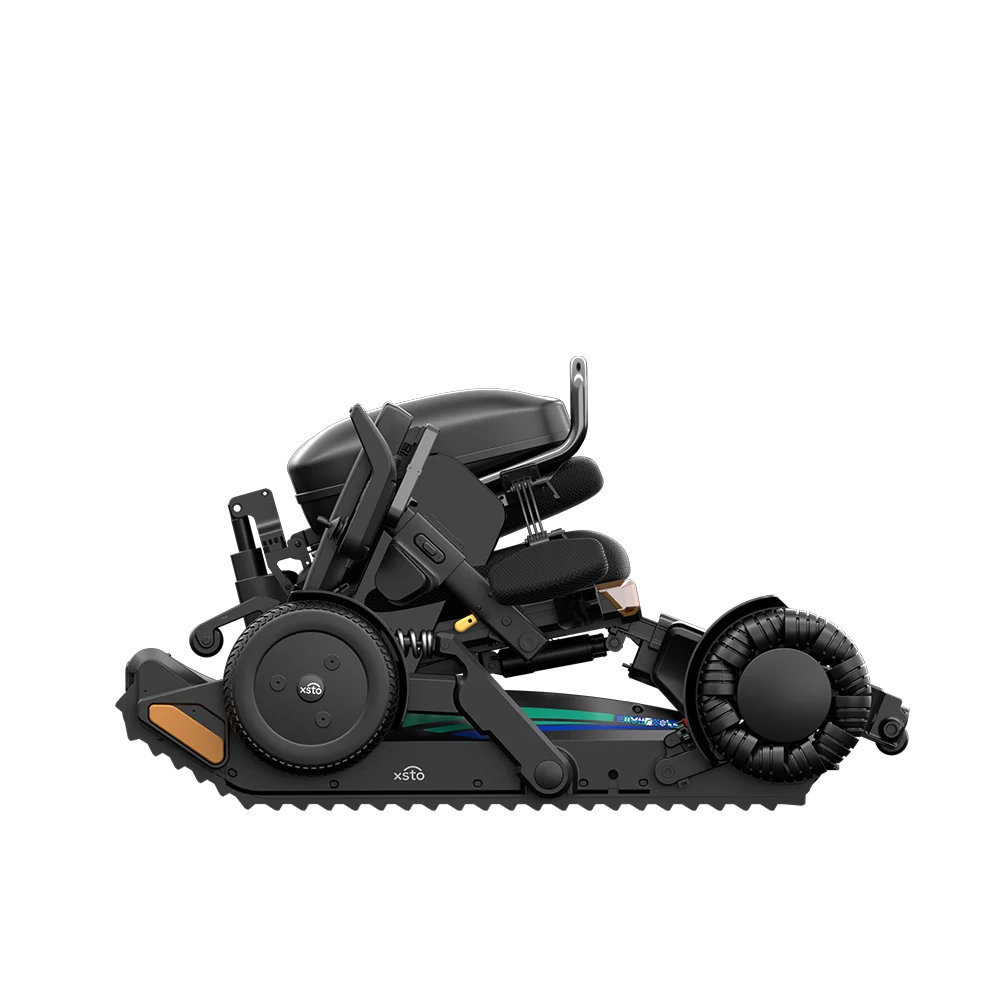
Send a XSTO X12 stair fit request with the exact model, labeled route records and unresolved geometry questions. Ask which files or assessments remain necessary before anyone promises access.
Prepare the site-review request
Make the question specific to your site. Keep the intended passenger service clear. Request a supported written finding or an assessed alternative when the proposed route cannot be accepted.
- Attach the current route pack
- Name the intended service
- Request a written next decision
| Check | What to keep |
|---|---|
| Attach the current route pack | Plans photos and measurements |
| Name the intended service | Buyer use brief |
| Request a written next decision | Supplier and reviewer reply |
Key Takeaway: You can move the inquiry toward a clear, bounded route decision instead of an unsupported capability claim. Contact us with your X12 model, intended use and purchasing questions so we can discuss the product information you need. AryMD supports buying decisions grounded in clear model facts.
Frequently asked questions
Q1: Can one published stair angle approve my staircase?
No. A single figure does not cover every step shape, landing, product version or passenger need; obtain the relevant qualified review.
Q2: What's the best evidence to send for stair fit?
Use the survey fields requested for the exact model, with labeled plans, measurements and context photos showing the complete route.
Q3: How do I know whether curved stairs are covered?
Ask for an explicit model-specific answer and qualified site finding. Do not infer coverage from tracks or a straight-stair demo.
Q4: Can a building survey replace passenger assessment?
No. Route measurements do not establish individual seating suitability, support needs or competence to use the device.
Q5: Can I trial the chair on any convenient staircase?
No. Define suitable assessment, supervision and training arrangements using current manufacturer guidance before planning an activity involving stairs.